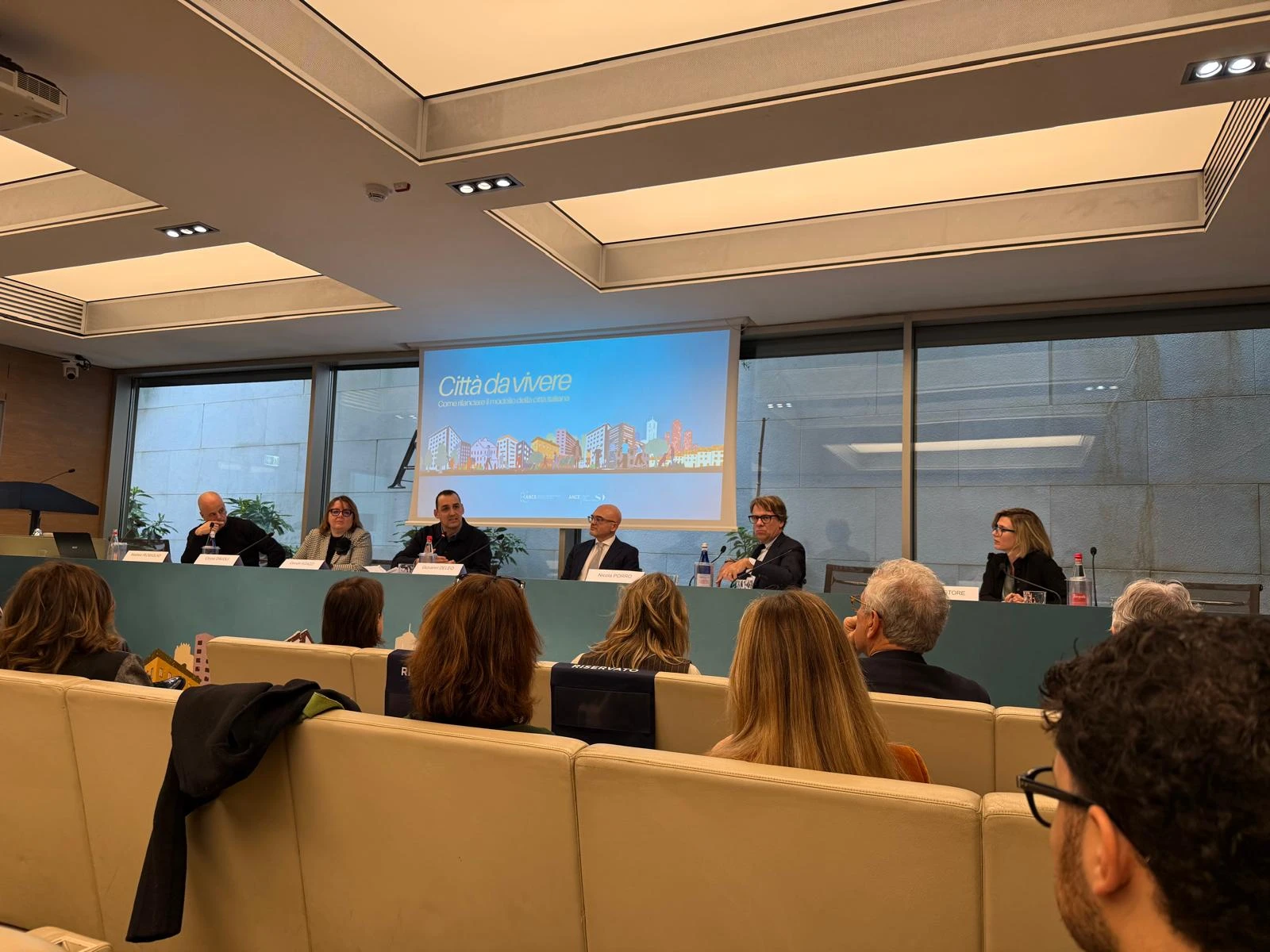
What is the future of major cities in Europe and Italy?
The future of cities is based on integrated models combining urban regeneration, housing policies, and environmental sustainability.
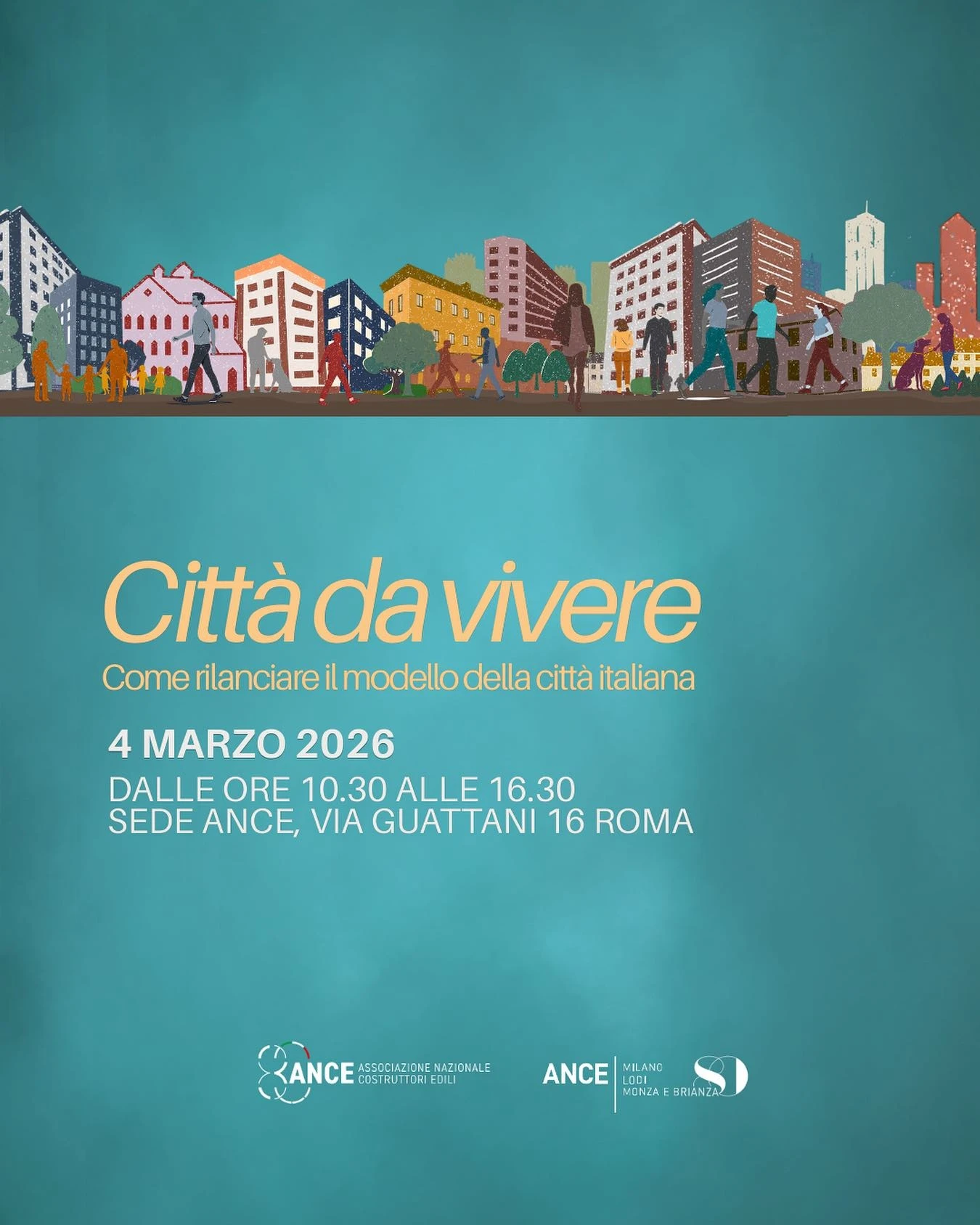
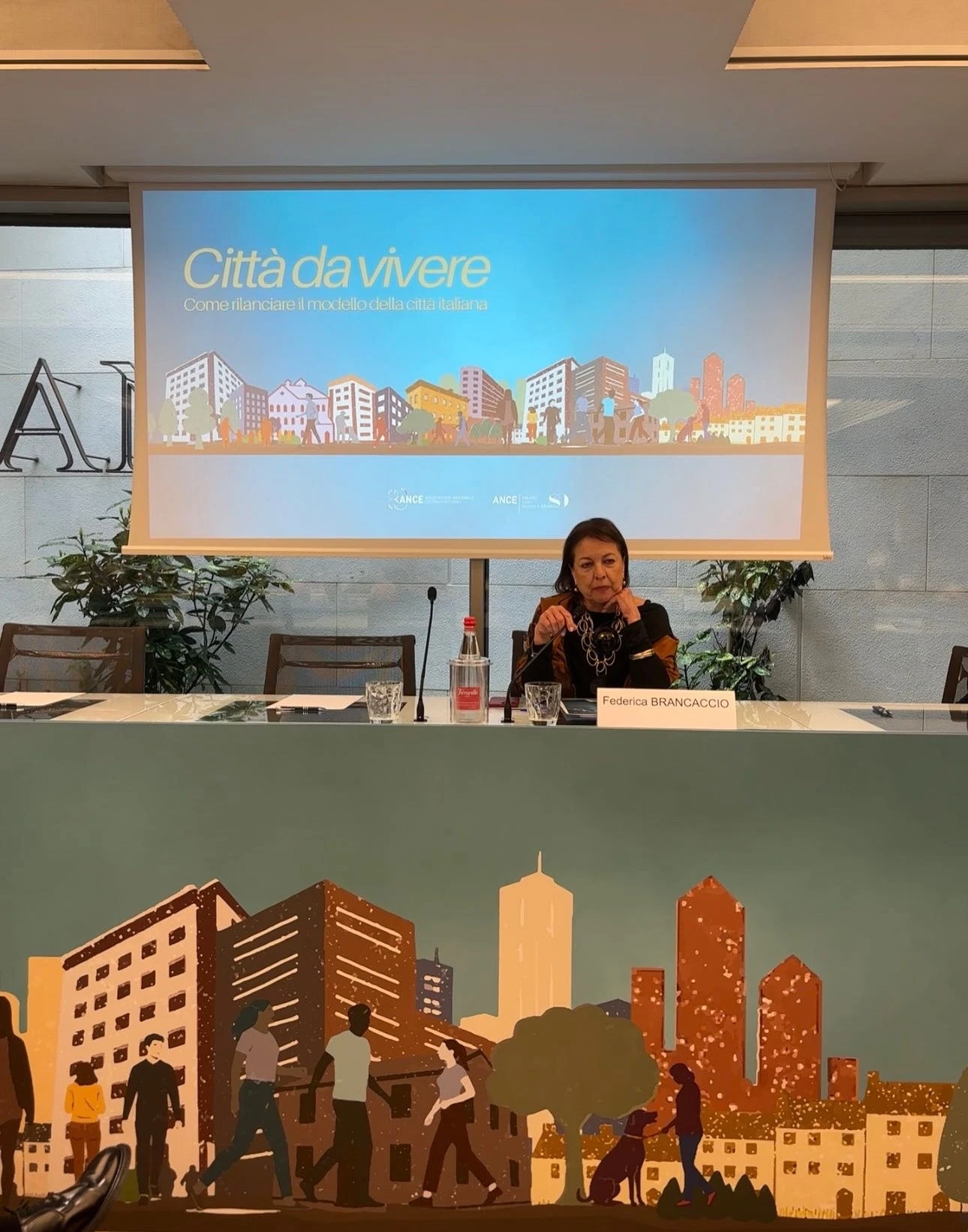
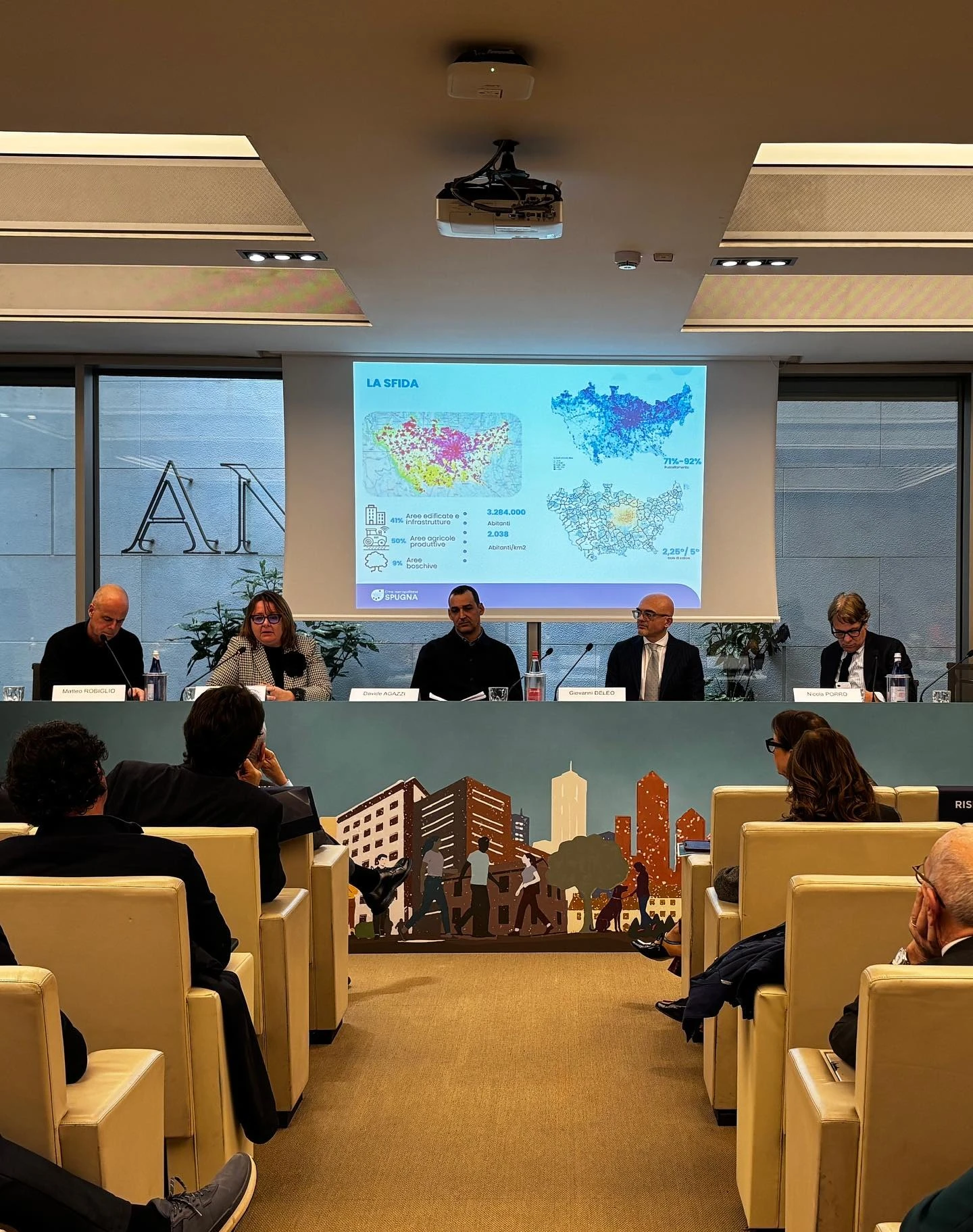
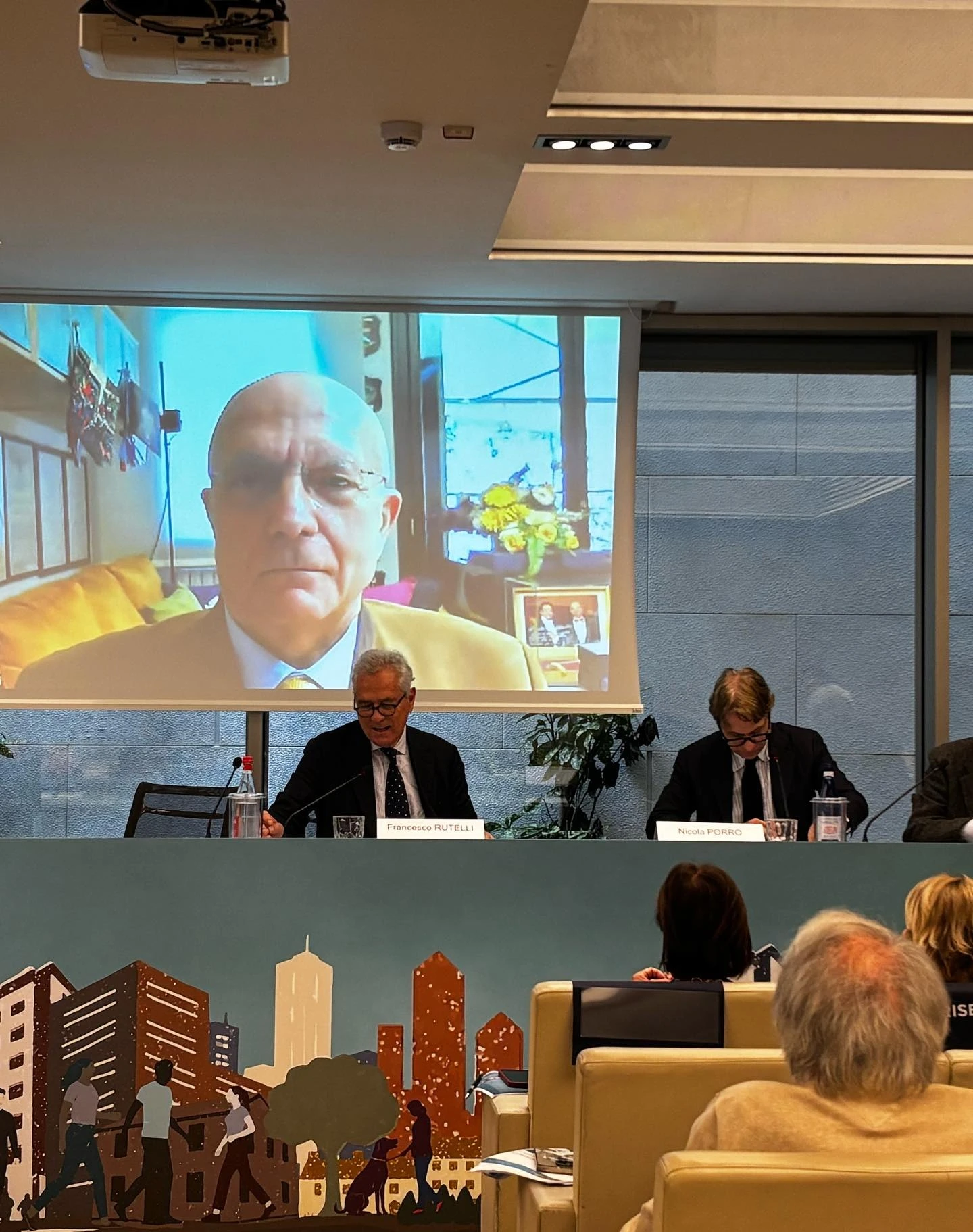
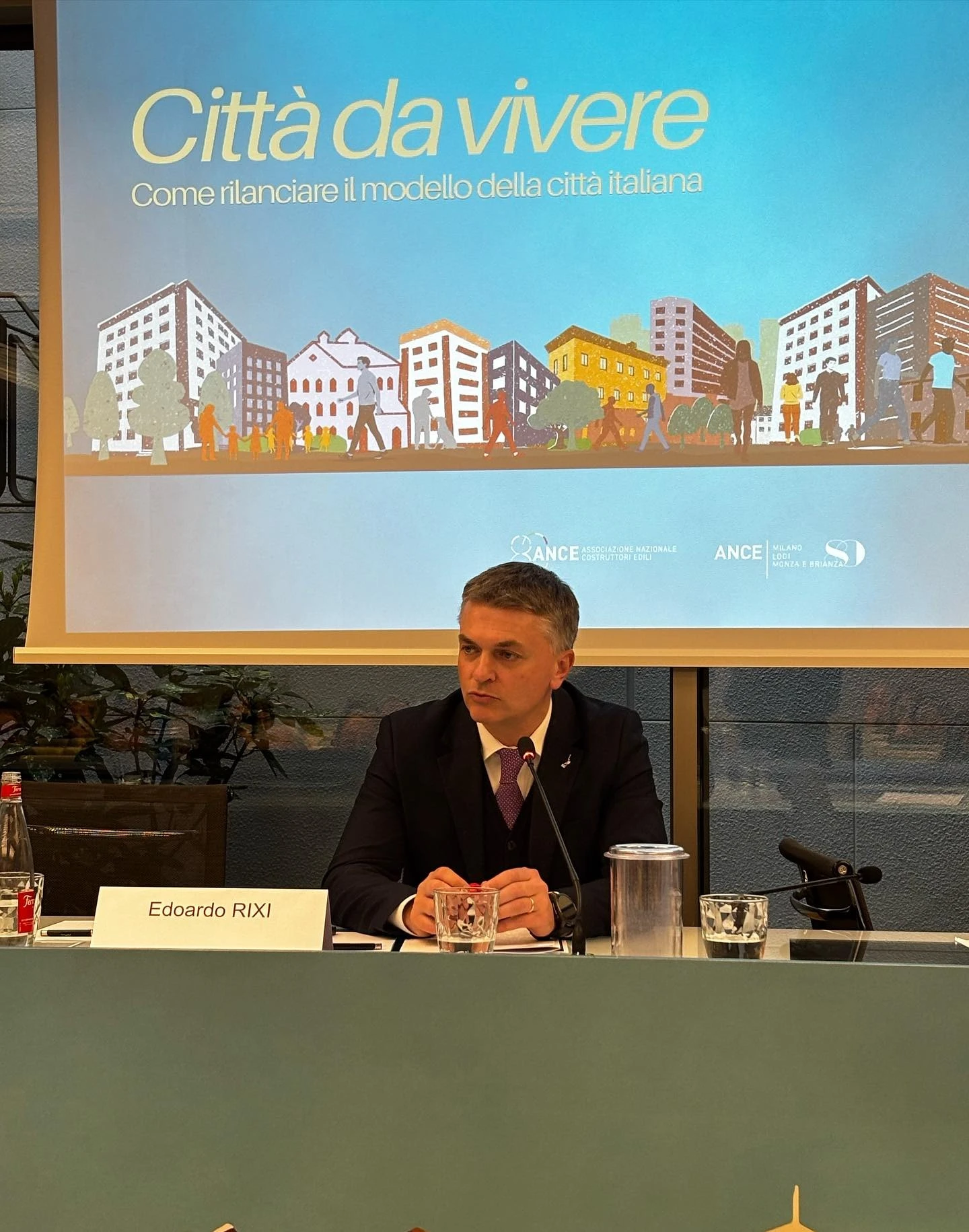
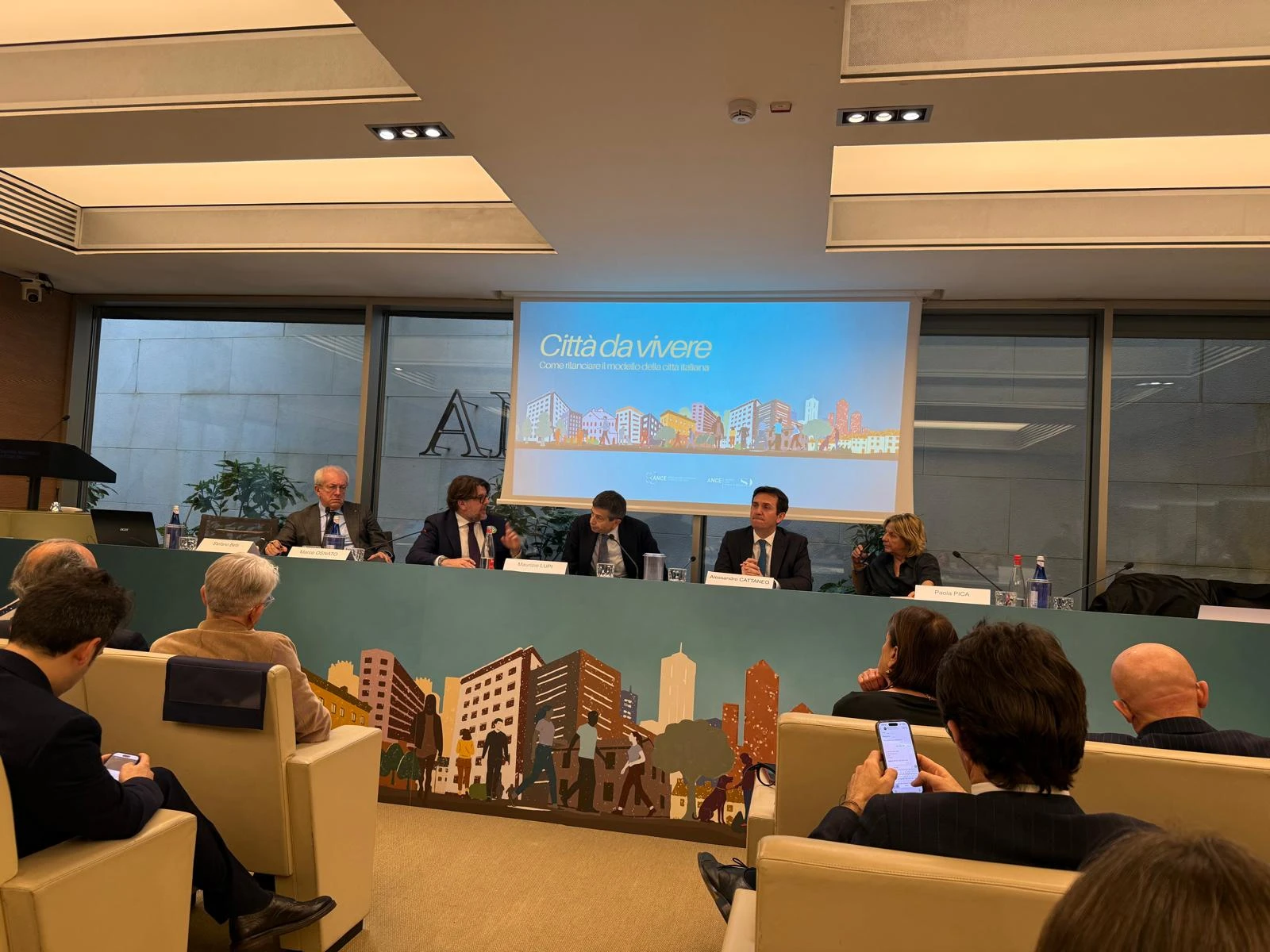
The conference “Livable Cities – How to Relaunch the Italian Urban Model”, held on March 4, 2026 at the ANCE headquarters in Rome and chaired by ANCE National President Federica Brancaccio, represented a strategic forum for discussion among institutions, academics, and stakeholders in the construction sector.
The event featured high-level institutional participants, including the Deputy Minister of Infrastructure and Transport and former Minister Maurizio Lupi, as well as contributions from former mayors of major Italian cities such as Milan, Rome, Naples, and Palermo, providing a concrete and multidimensional perspective on urban dynamics.
The conference addressed key topics for the AEC (Architecture, Engineering, Construction) sector:
- post-1990s urban transformations and their socio-economic impacts
- European urban development models and international benchmarking
- the housing crisis and EU housing policies
- the role of major events in urban regeneration
- integration between culture, tradition, and urban development
According to the official program, the discussion involved institutional representatives and experts from the ANCE Research Center and IFEL, highlighting the need for a systemic approach to urban policy.
What are the main challenges in contemporary urban design?
The primary challenge is managing regulatory complexity, demographic pressure, and ecological transition simultaneously.
Italian and European cities are facing:
- the need to comply with DNSH (Do No Significant Harm) criteria and ESG objectives
- constraints arising from local planning instruments (PRG, PGT) and national regulations
- increasing demand for affordable housing and integrated urban services
- regeneration of existing building stock, often subject to heritage protection (Legislative Decree 42/2004)
As highlighted during the conference, the housing crisis is now a central issue in European policies, with a focus on inclusive and sustainable development models.
What is ENGLOBE’s contribution to the future cities debate?
ENGLOBE contributes through a multidisciplinary approach based on integrated design, BIM, and urban regeneration.
ENGLOBE’s participation in the conference confirms its active role in shaping new urban models.
This approach is operationally implemented through:
- the use of BIM (Building Information Modeling) methodologies for urban lifecycle management
- integration of architectural, structural, and MEP design
- application of CAM (Minimum Environmental Criteria) and NZEB strategies
management of interventions on existing assets through urban regeneration frameworks
Why are cities central to European policies?
Why are cities central to European policies?
Because urban areas concentrate over 70% of the population and represent the main economic and environmental driver.
What is the role of engineering firms in urban transformation?
What is the role of engineering firms in urban transformation?
Integrated engineering firms, such as ENGLOBE, are essential in translating urban strategies into concrete projects by coordinating technical, regulatory, and environmental aspects.