What is the OICE Report 2026 and where was it presented?
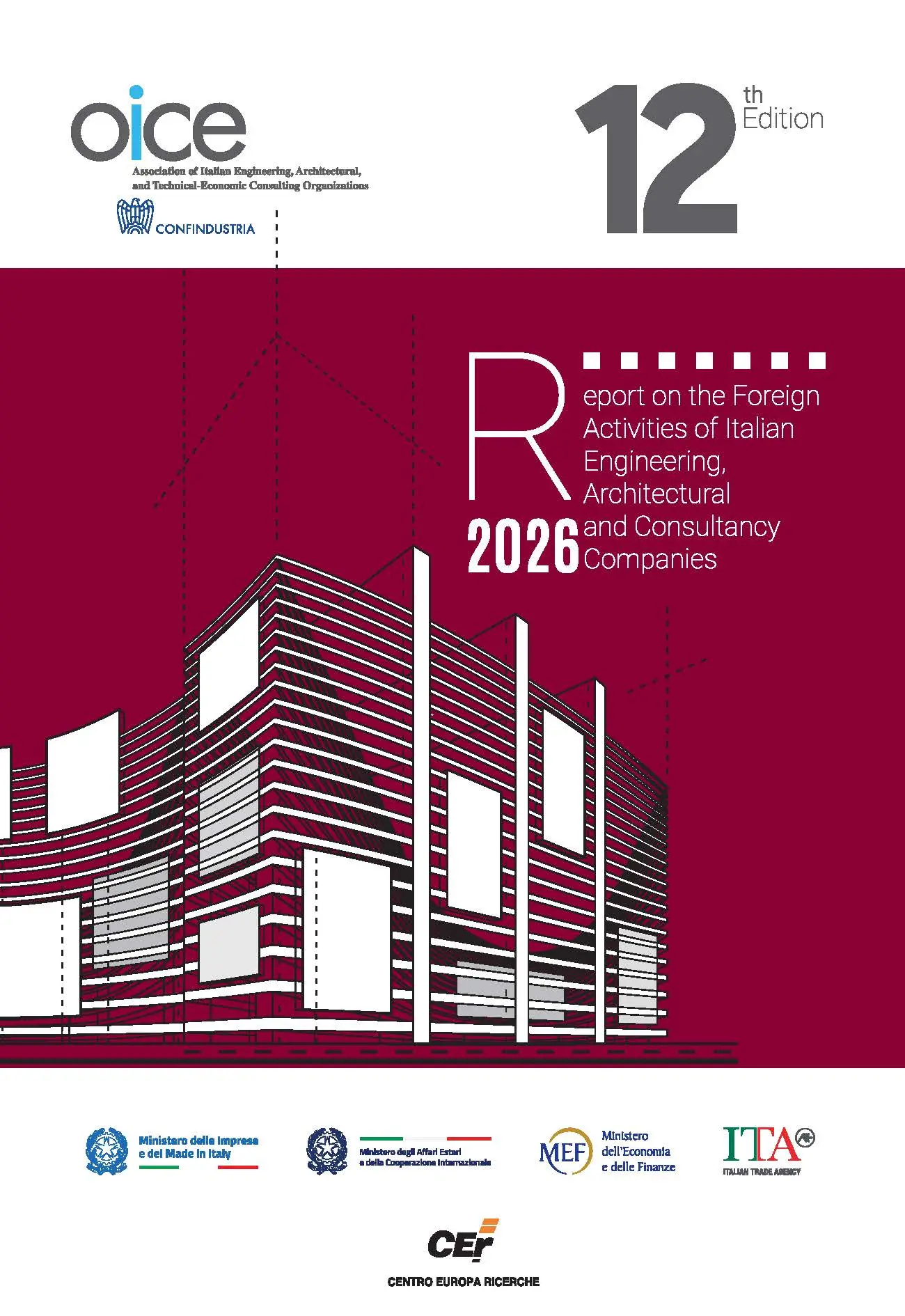
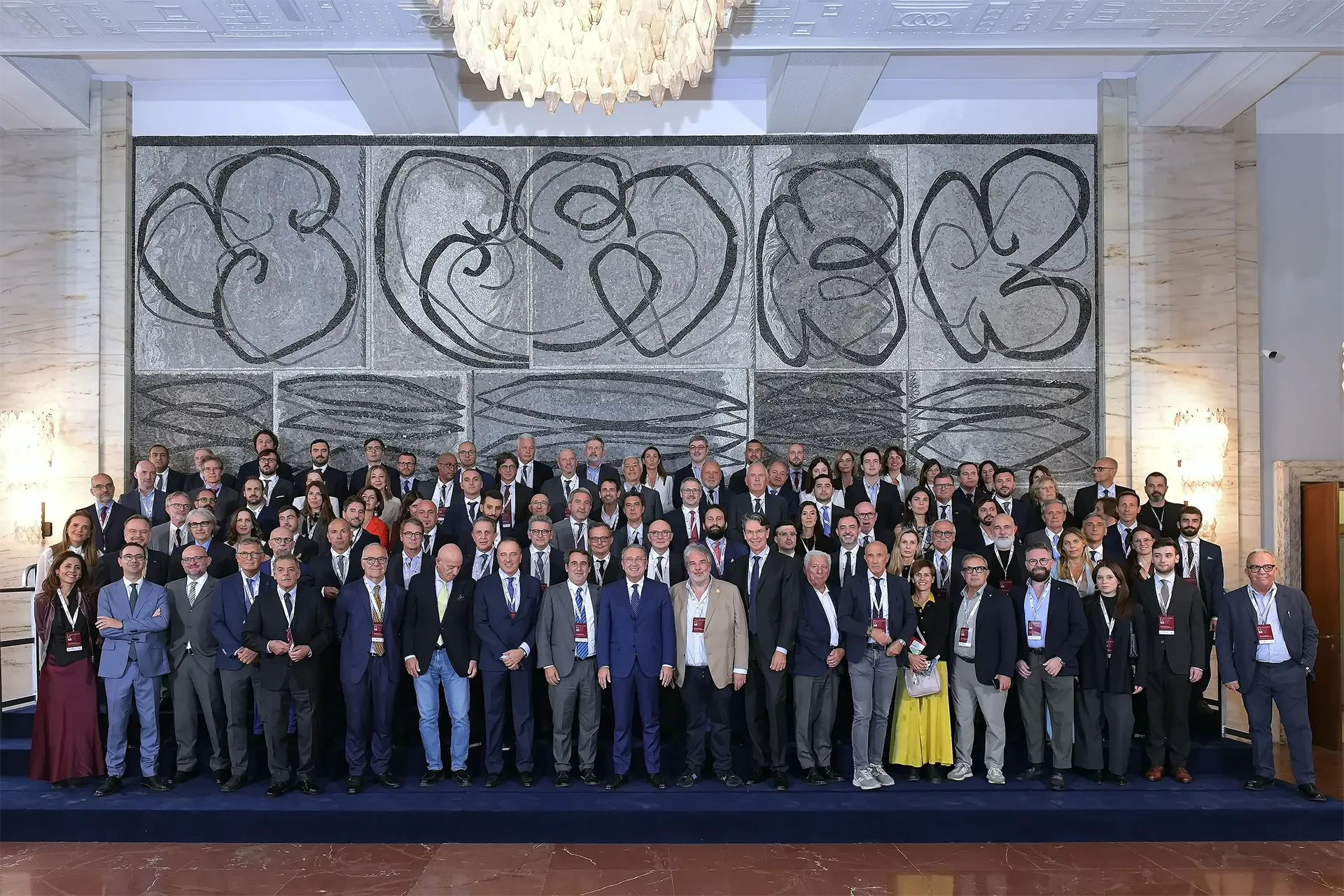
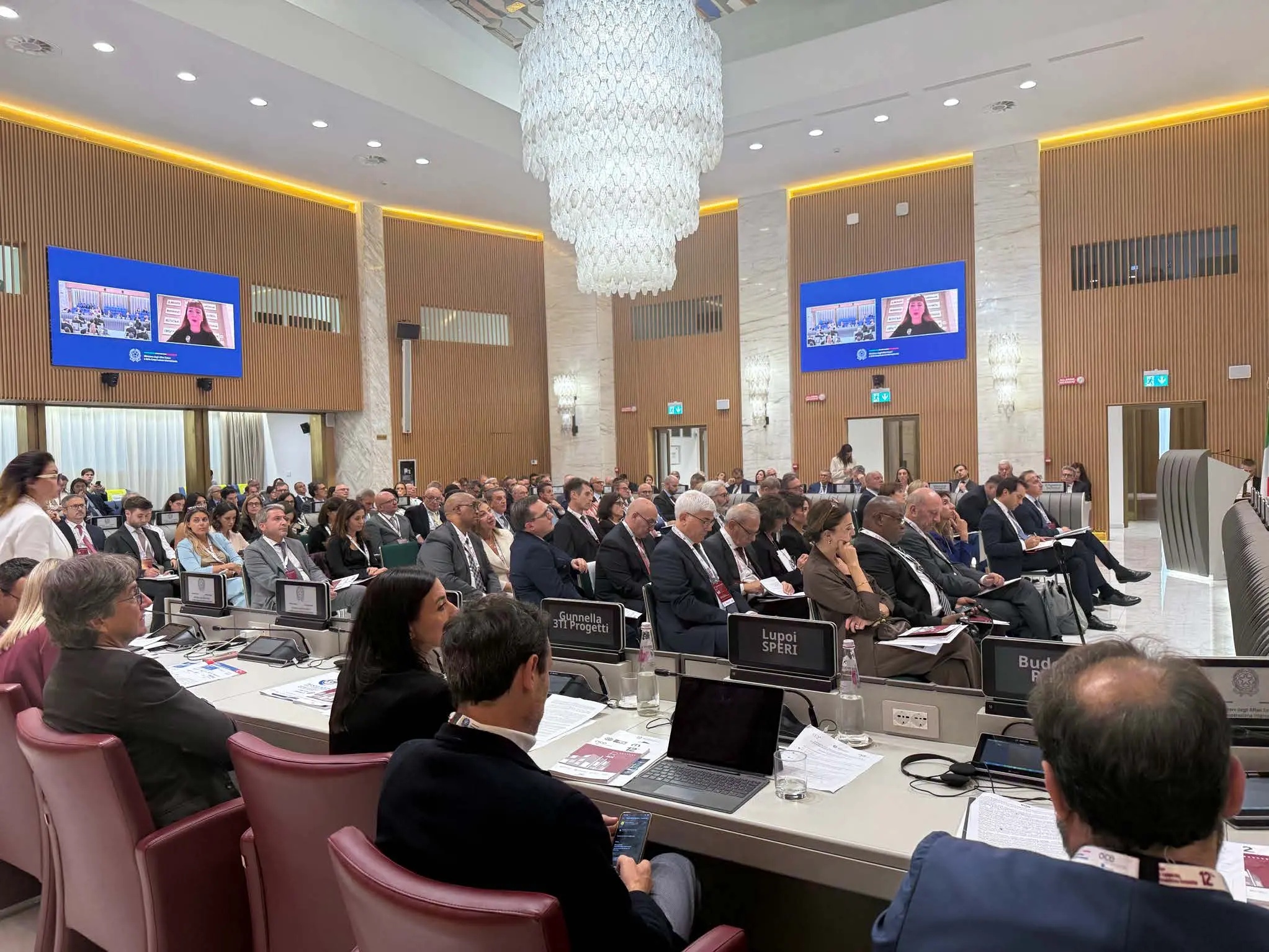
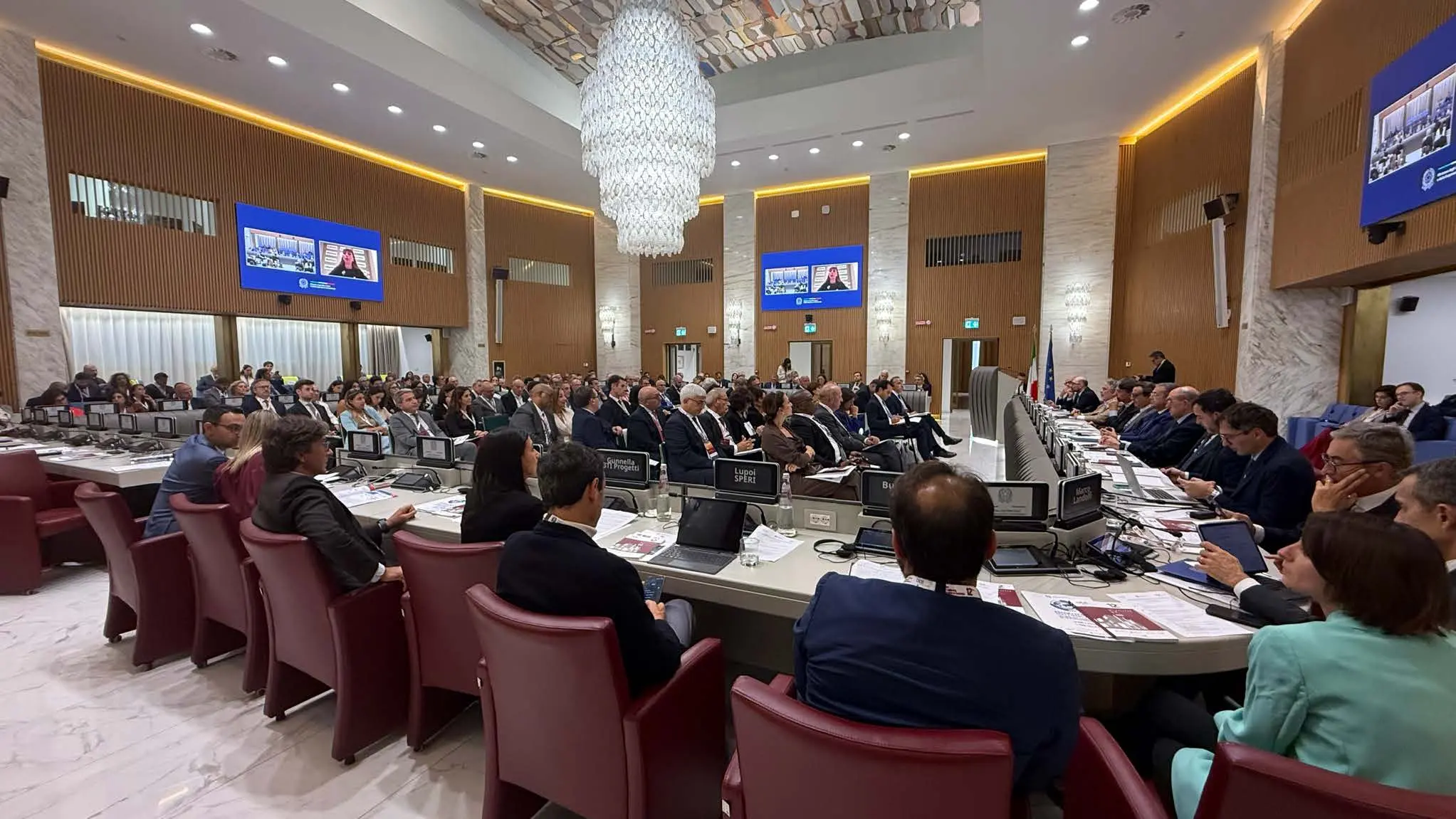
The OICE Report 2026 is the 12th annual survey of Italian engineering, architecture and technical-economic consulting firms working abroad. It was presented on October 20, 2026, in the International Conference Hall of the Farnesina, the Italian Ministry of Foreign Affairs in Rome.
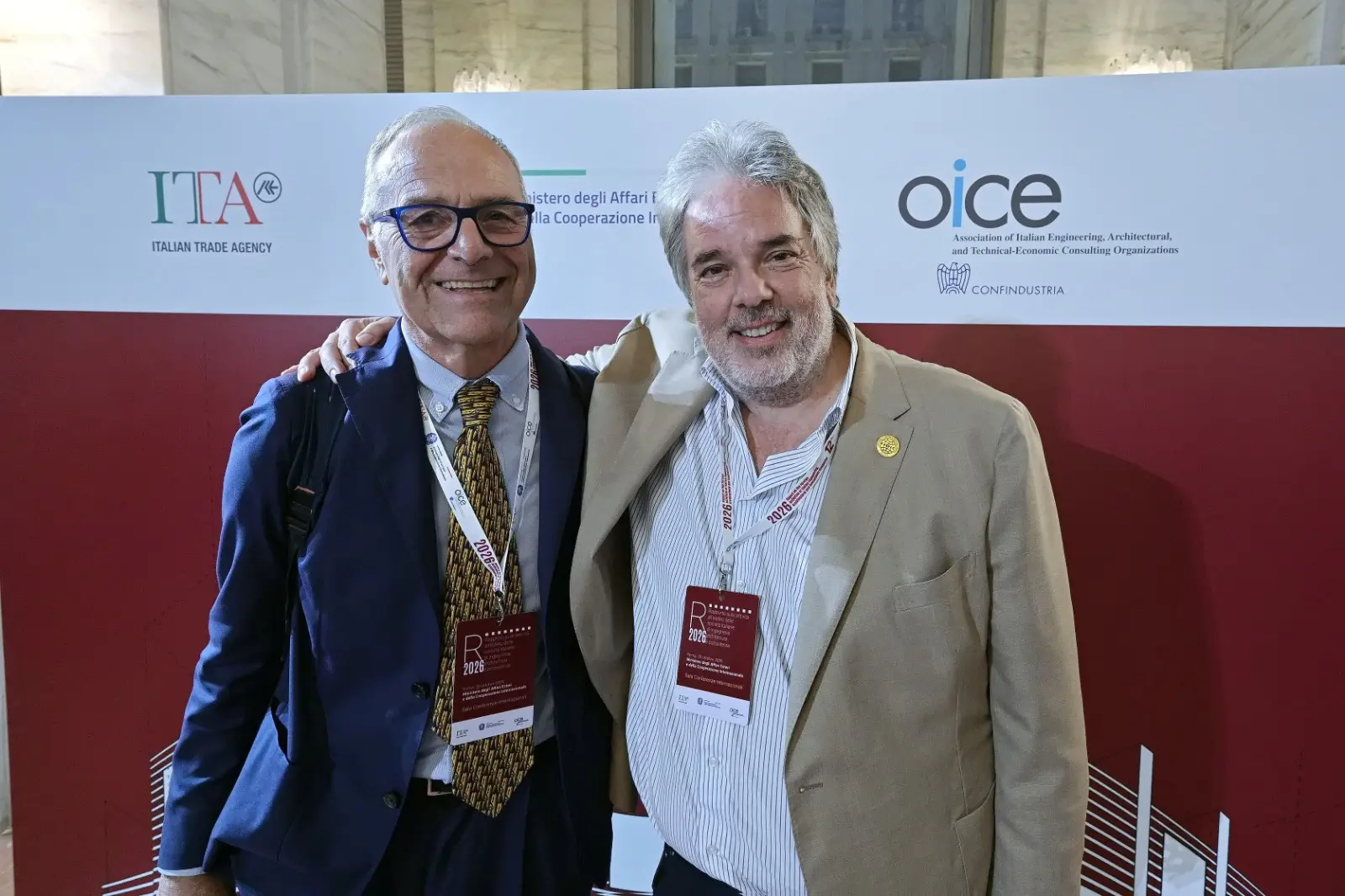
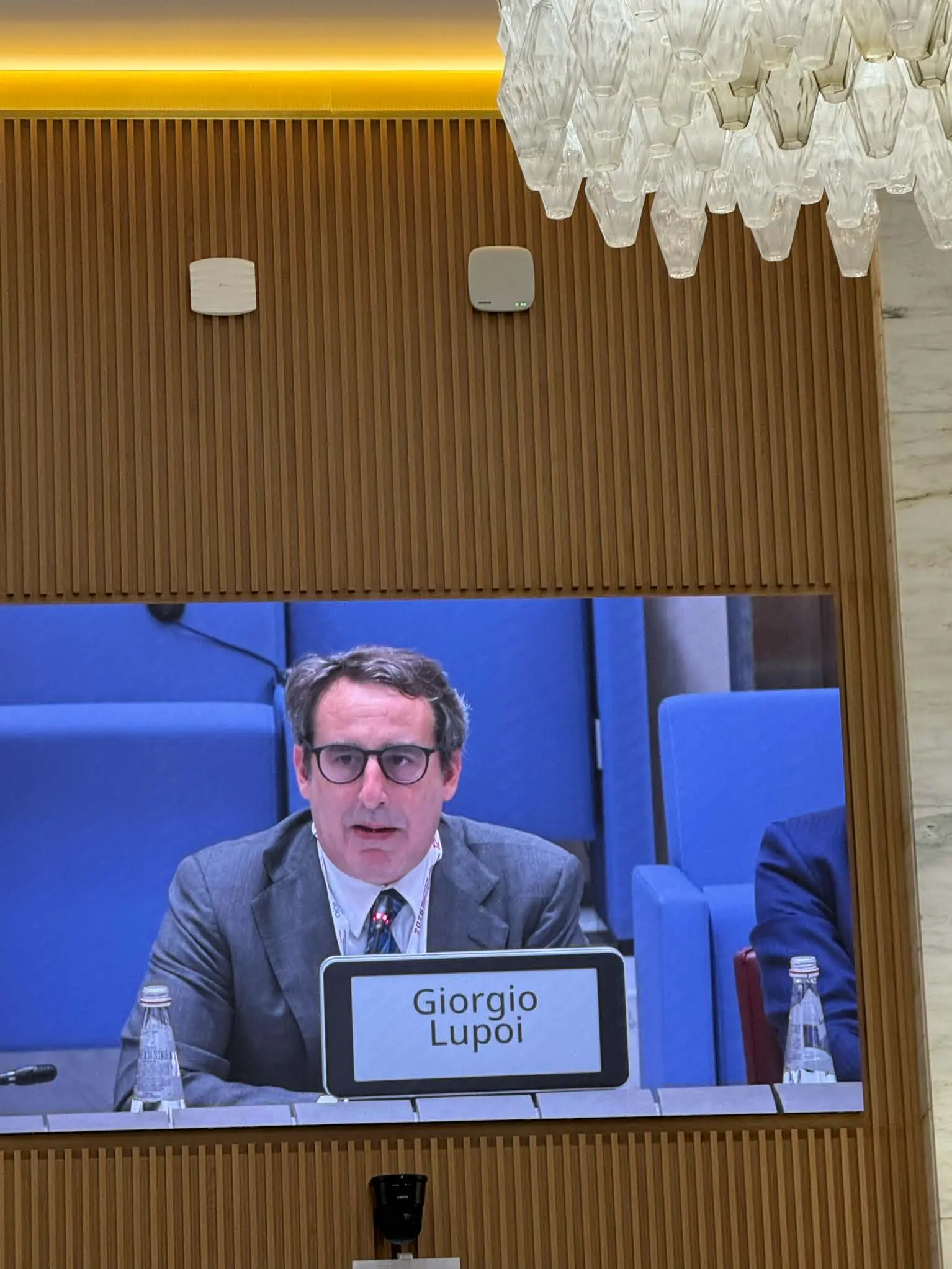
OICE is the association within Confindustria, the Confederation of Italian Industry, that represents these firms. It organized the event with the Ministry of Foreign Affairs and International Cooperation (MAECI) and the Italian Trade Agency (ICE). The report was prepared with Centro Europa Ricerche (CER) and presented by Antonio Forte. In his preface, OICE President Giorgio Lupoi describes the sector’s growth as a trend that is no longer cyclical but structural.
How much international revenue do Italian engineering firms generate?
In 2025, OICE member firms generated €2.2 billion in international revenue, 37% of their total revenue. It is an all-time record for the sector.
- Firms working abroad: from 95 (2021) to 164 (2025), up 73%
- International output of the CER sample: up 141% between 2014 and 2026
- 2026 forecast: up 2%, slower growth but at record levels
- 51.8% of firms expect their international output to grow in 2026
Which markets and sectors do Italian engineering firms work in?
Asia is the largest market, with 29.1% of international output. The Middle East alone accounts for 20.5%. Sub-Saharan Africa follows with 18.5%, then North America with 11.4%.
- European Union: 10.9%. Non-EU Europe and the Balkans: 9.8%
- Sectors in 2025: transportation infrastructure 31.9%, energy and resources 29.7%, construction 13.8%
- In 2026, energy (36.5%) is expected to overtake transportation (29.8%)
- Clients: private-sector clients account for 49.4% of international output
Why is Italy now Europe’s leading engineering country in Africa?
According to the 2025 ENR Top 225 ranking, Italy is for the first time the leading European country by presence in Africa, with $358 million in revenue. It also ranks third among European countries in the Middle East, with $717 million.
The 12 Italian firms in the ranking are more than any other European country has. Their combined international revenue rose from $860 million in 2022 to $1.844 billion in 2025. In the last year alone it grew 14.4%, compared with 9.2% for the Top 225 as a whole. Speaking at the event, Giorgio Lupoi tied this growth to the Balkans, Asia and Africa, where Italian firms now outperform their French competitors.
Which firms actually manage to work abroad?
Mostly the large ones. Firms with more than 500 employees make up 10% of the sample but generate 61% of revenue. Ninety percent of firms with more than 250 employees work abroad, compared with 16% of firms with fewer than 25.
Firms with fewer than 100 employees still make up 67% of the companies working abroad. Of all firms working abroad, 44% do so on their own, 33% with Italian partners and 23% through joint ventures with foreign partners. CER concludes that institutional support for smaller firms will be the key lever in the years ahead.
What public support is available for internationalization?
Firms rate Italy’s institutional support network highly. 89% say embassies and ICE made their work abroad easier, 82% say measures promoted by the Ministry of Foreign Affairs had a high impact, and 79% are satisfied with SIMEST financing.
- Action Plan for Exports to high-potential non-EU markets: considered helpful by 81% of firms
- Mattei Plan and EU Global Gateway: seen as real opportunities by 72%
- In a written message, Deputy Prime Minister and Foreign Minister Antonio Tajani described Italian engineering as strategic for energy, water and innovation
- Undersecretary of State Massimo Dell’Utri announced a memorandum of understanding with UNDP
What did institutions and companies say at the Farnesina?
One message ran through every speech: firms grow abroad by joining forces and working with development banks, public export finance and diplomacy.
FIDIC President Alfredo Ingletti said Italian engineering is regaining the international reputation it had in the 1960s, and that Italian professionals are once again in demand. He also noted that Rome will host the FIDIC Global Infrastructure Conference in 2027.
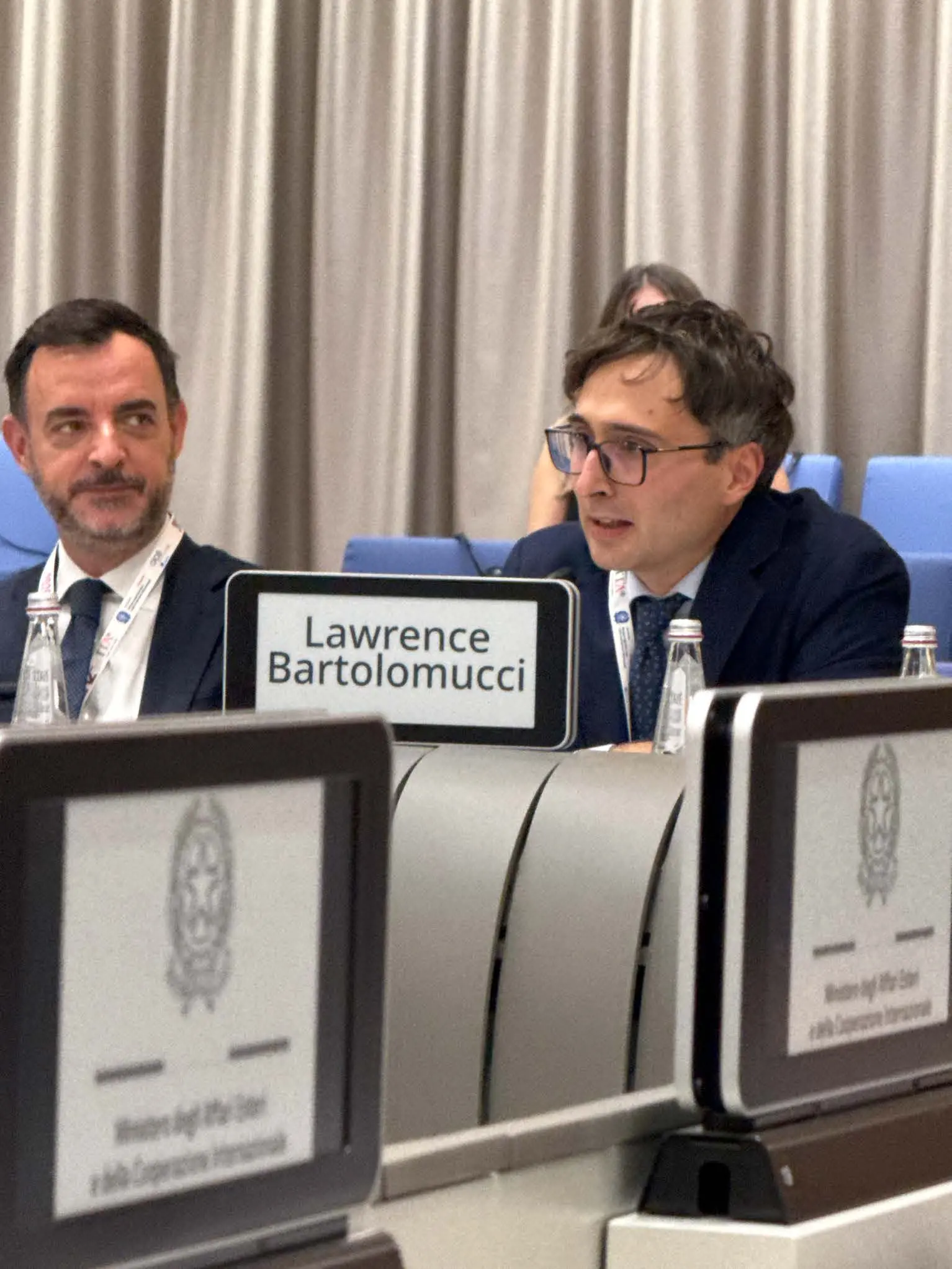
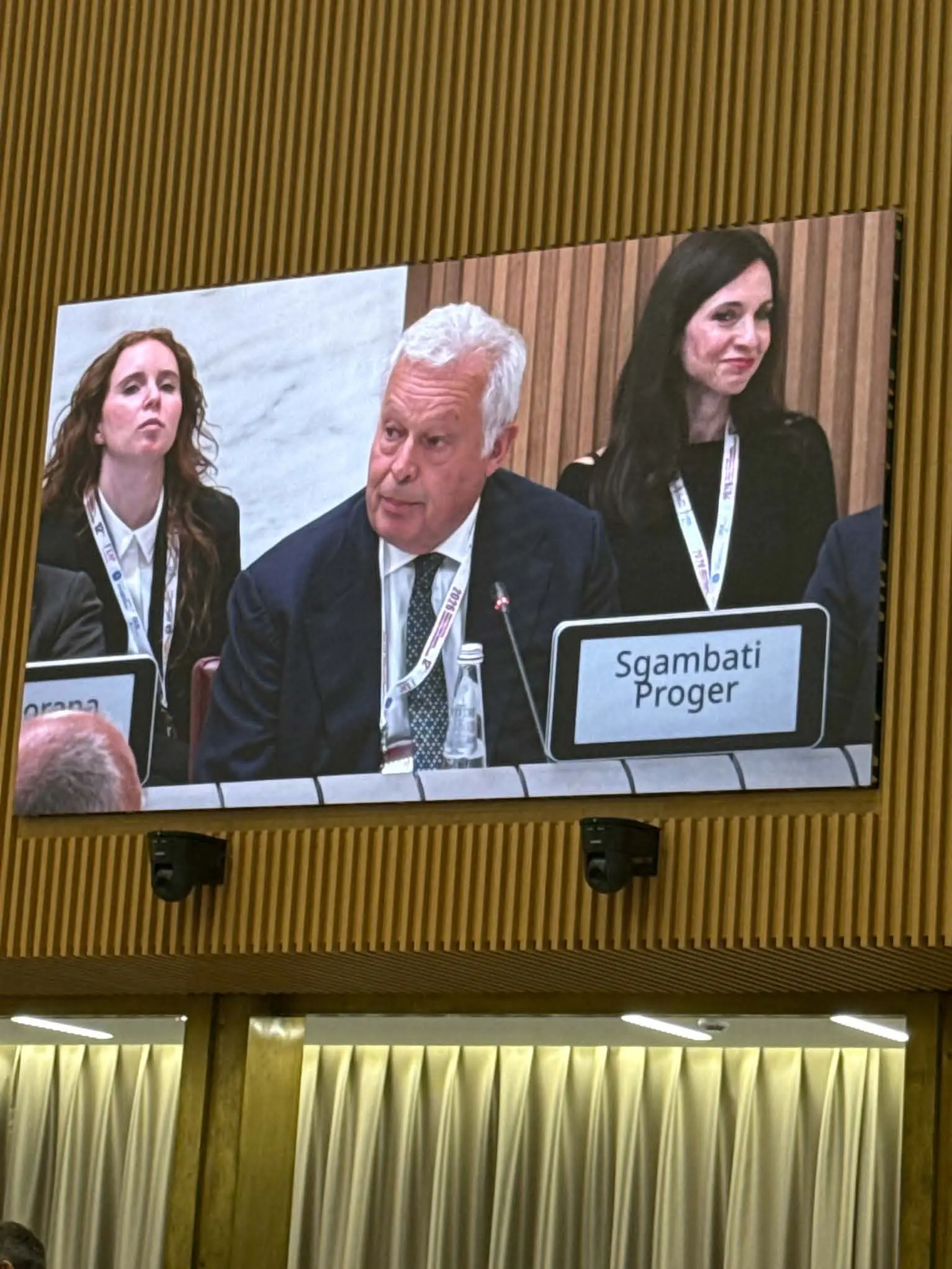
The first panel was moderated by Vincenzo Ercole Salazar Sarsfield. Lawrence Bartolomucci of the Treasury Department at Italy’s Ministry of Economy and Finance (MEF) described the work done to connect multilateral development banks with Italian firms. Laurent Franciosi outlined the work of Cassa Depositi e Prestiti (CDP) on international tenders and technical assistance. Umberto Sgambati of Proger urged the sector to move past its artisanal scale and become a true national engineering team.
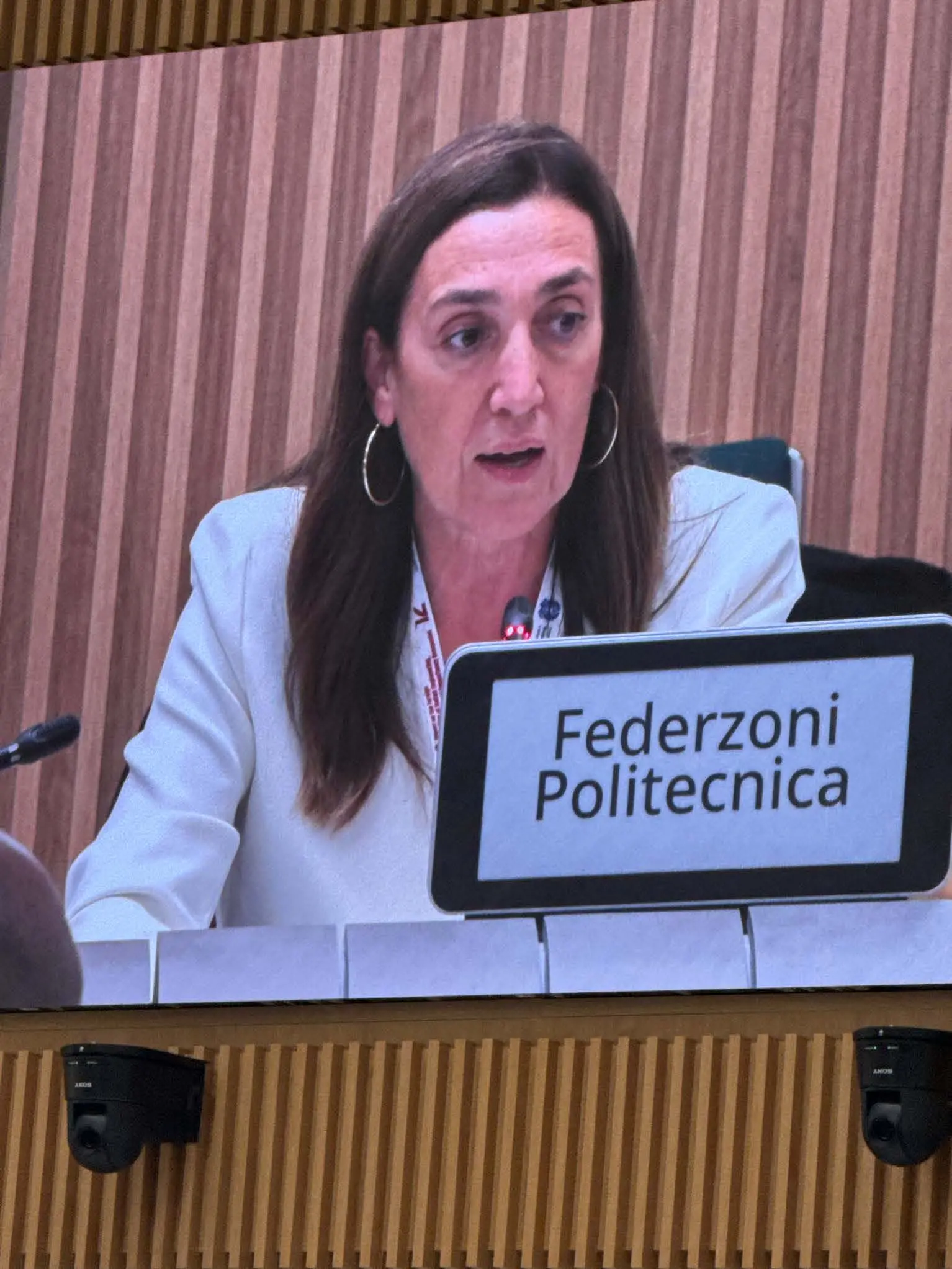
The second panel was moderated by Francesca Federzoni, OICE Vice President and President of Politecnica. Vittorio De Pedys invited firms to use SIMEST’s financing tools. Mario Melillo described SACE’s work in the United States, from railroads to data centers. Michele Budetta of RINA Consulting read the report as a call for optimism. He proposed permanent consortia of firms so they can compete for megaprojects. Francesco Lupoi of Speri described the interest of cultural heritage officials from Riyadh, who traveled to Rome to see the Italian approach firsthand.
What does the OICE Report 2026 mean for firms working on historic buildings?
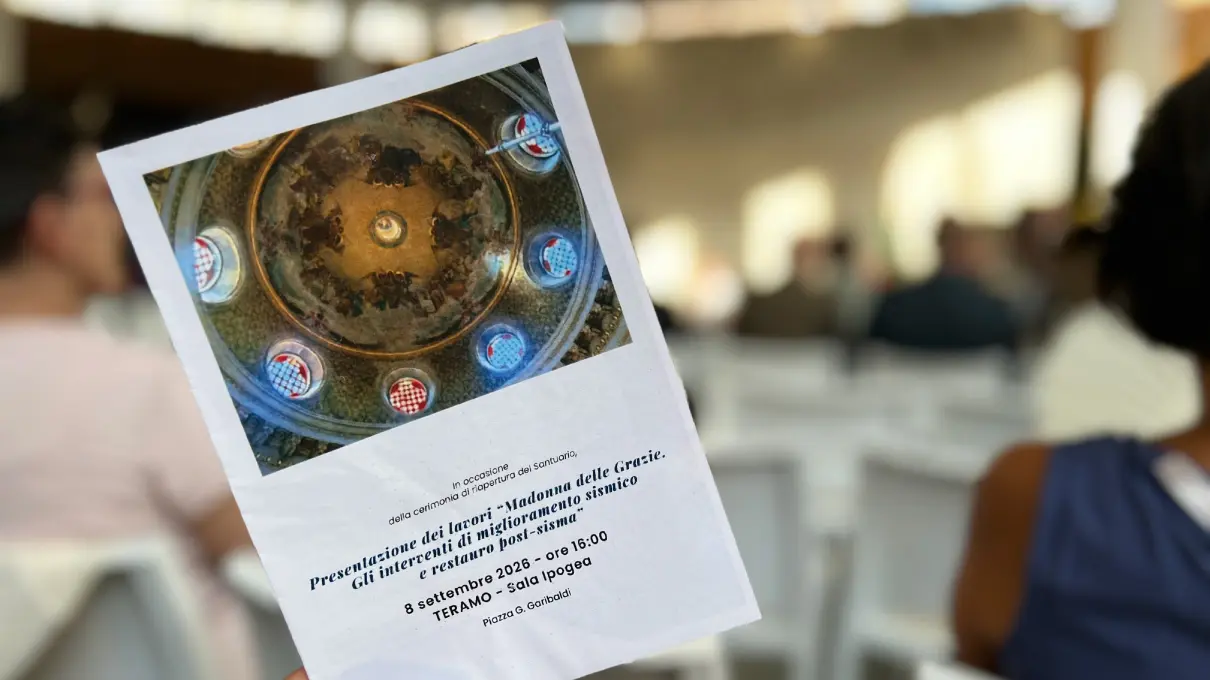
The report shows that construction still accounts for a small share of exports, 13.8%. But foreign interest is growing in the Italian approach to heritage, developed under heritage protection rules and seismic risk. Taking that approach abroad will require permanent partnerships.
ENGLOBE attended the event as an OICE member firm. The regions the report identifies as most dynamic, from the Middle East to the Balkans and the Mediterranean, are the same ones where ENGLOBE is focusing its international development, from North Macedonia to Libya and Saudi Arabia.
The strongest takeaway concerns the value of what has been built at home. The interest from Riyadh in Italy’s approach to cultural heritage points to demand that goes beyond large-scale infrastructure. Seismic retrofitting, the restoration of heritage-listed buildings and post-earthquake reconstruction are skills developed in Italy’s historic town centers, and foreign markets are starting to look for them.
The second takeaway concerns how to go abroad. 44% of firms working abroad do so on their own. Yet Proger and RINA Consulting reached the same conclusion: technical quality and sound methodology are not enough without permanent partnerships. Firms also need the tools offered by SIMEST and SACE and the support of Italy’s diplomatic network.
The 2026 report describes an engineering sector that has already earned the trust of the world’s most dynamic markets. The challenge ahead is to grow together and combine its expertise.
What is the ENR Top 225 ranking?
It is the annual ranking by Engineering News-Record of the world’s 225 largest design firms by revenue earned outside their home country. In 2025, these firms generated $97.6 billion.
Has the Gulf crisis slowed Italian activity in the Middle East?
Less than one might expect. 46% of firms report a low impact and 24% no impact at all. Only 6% describe the impact as high.