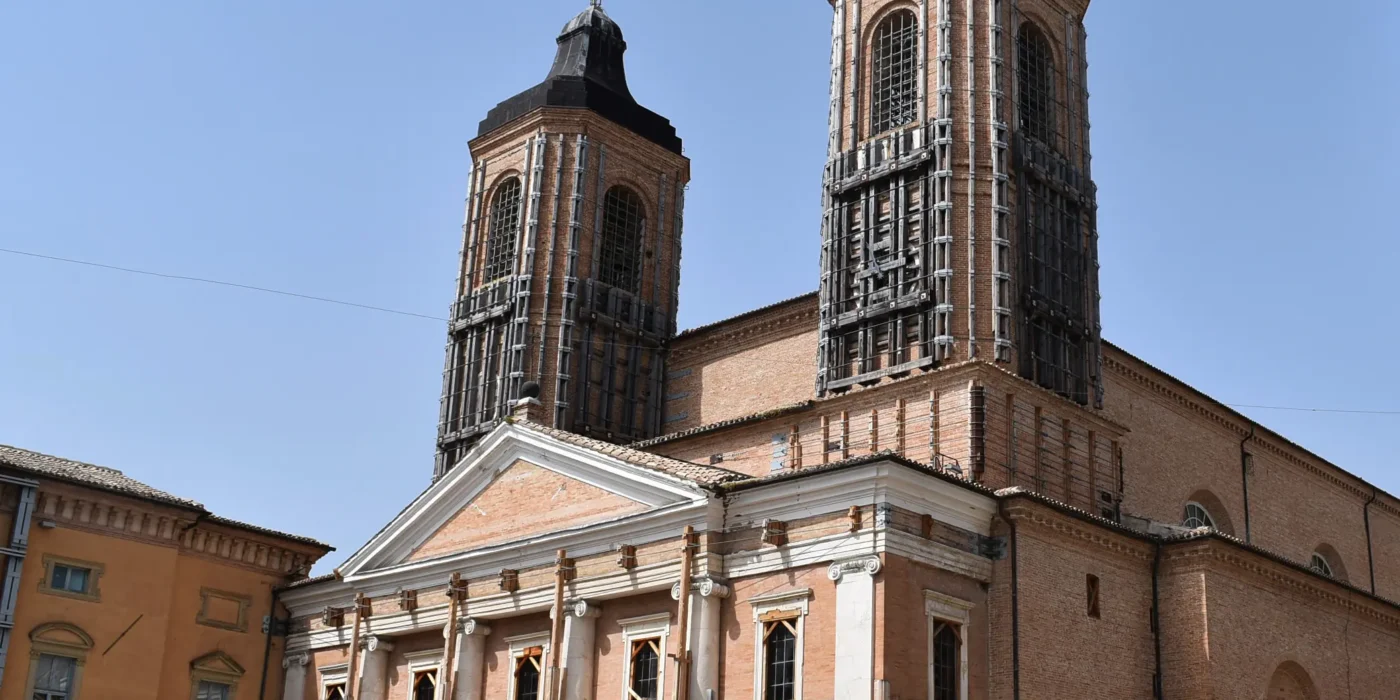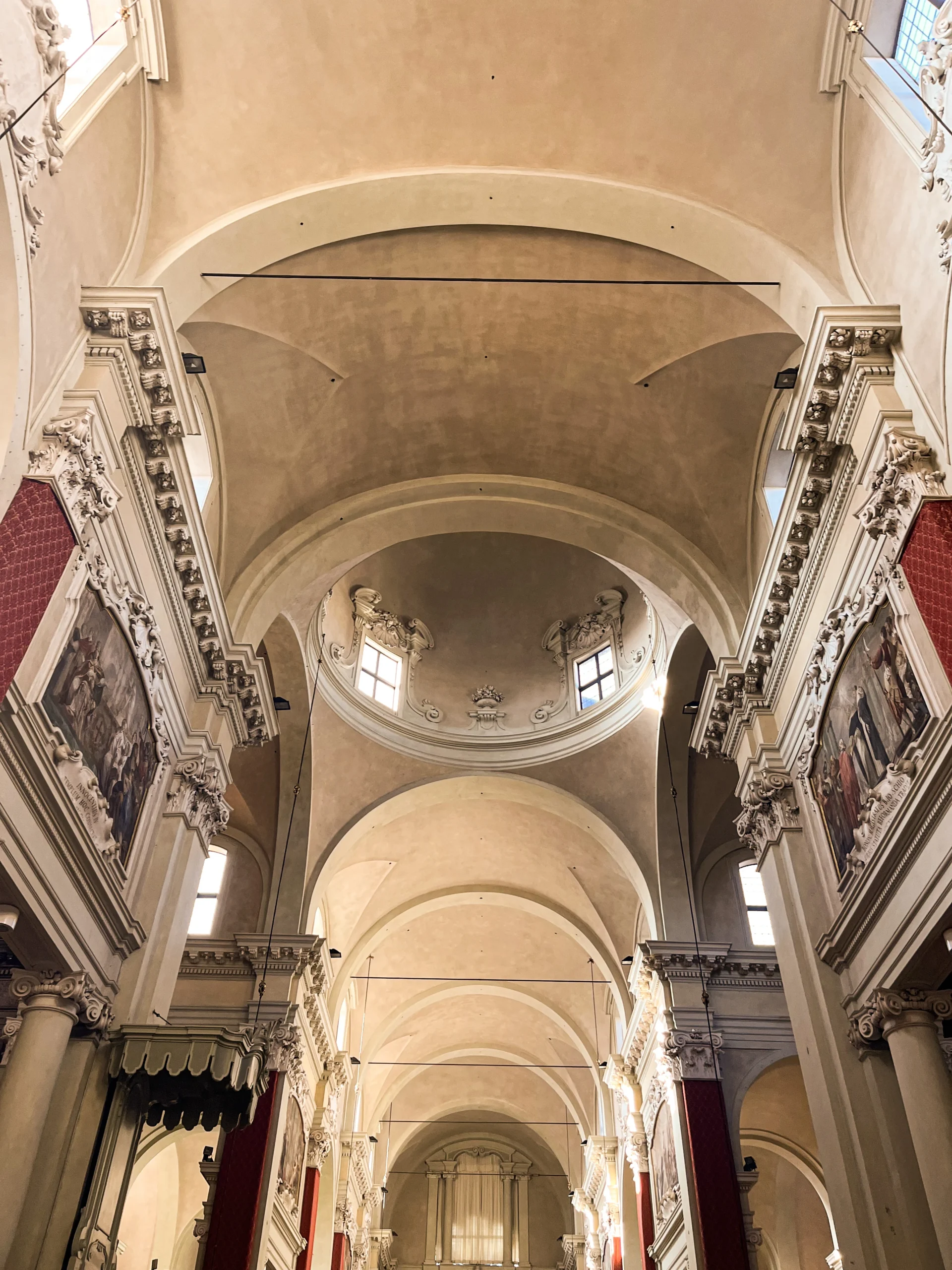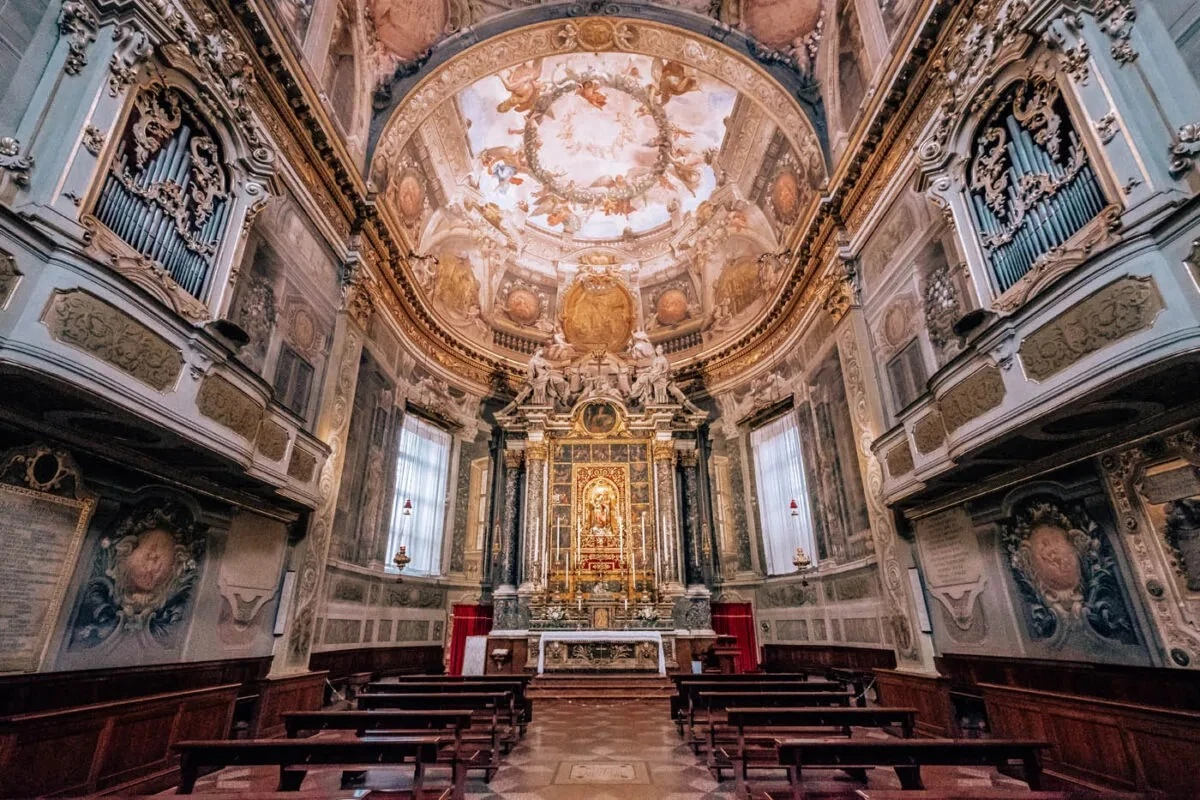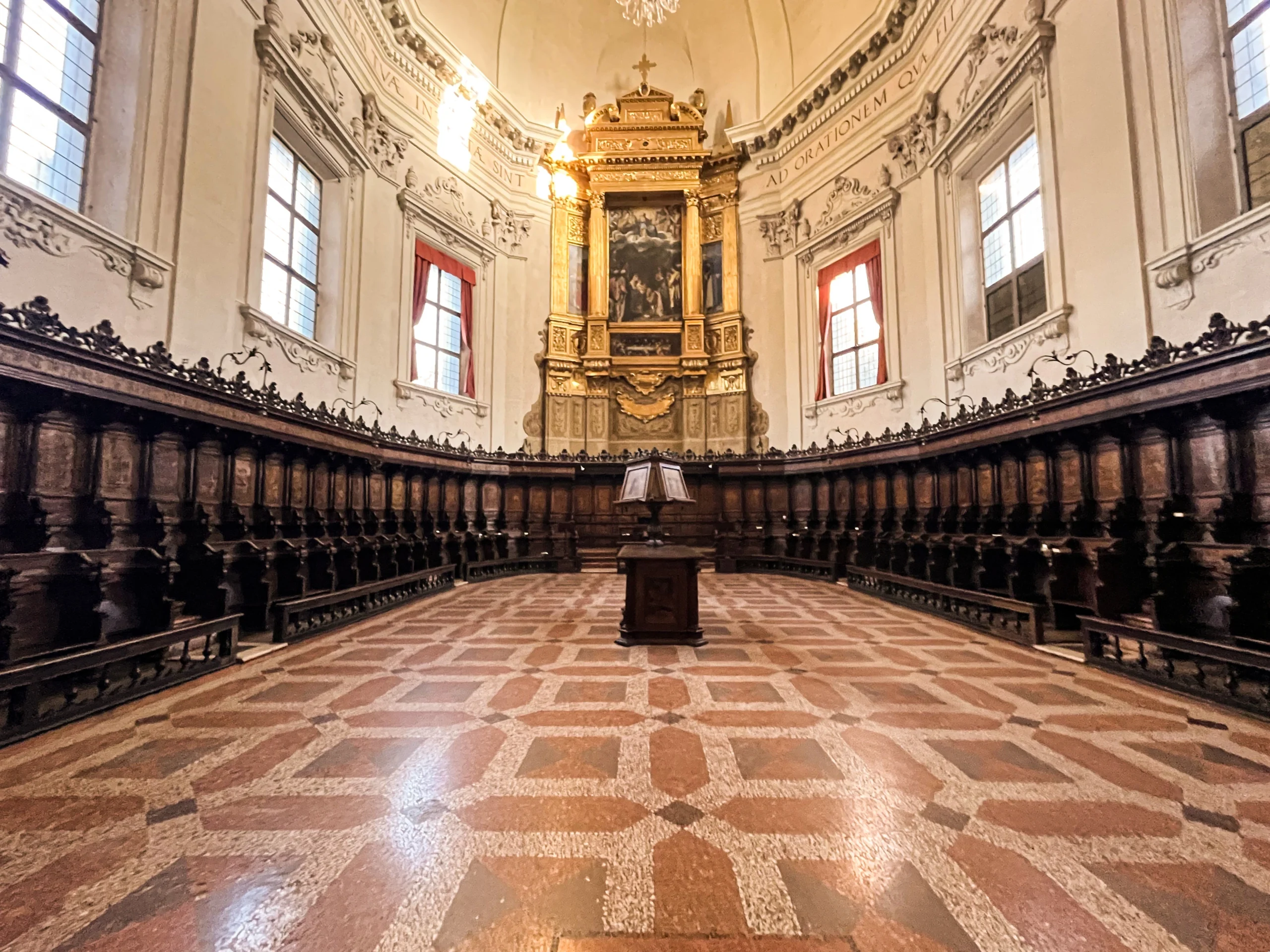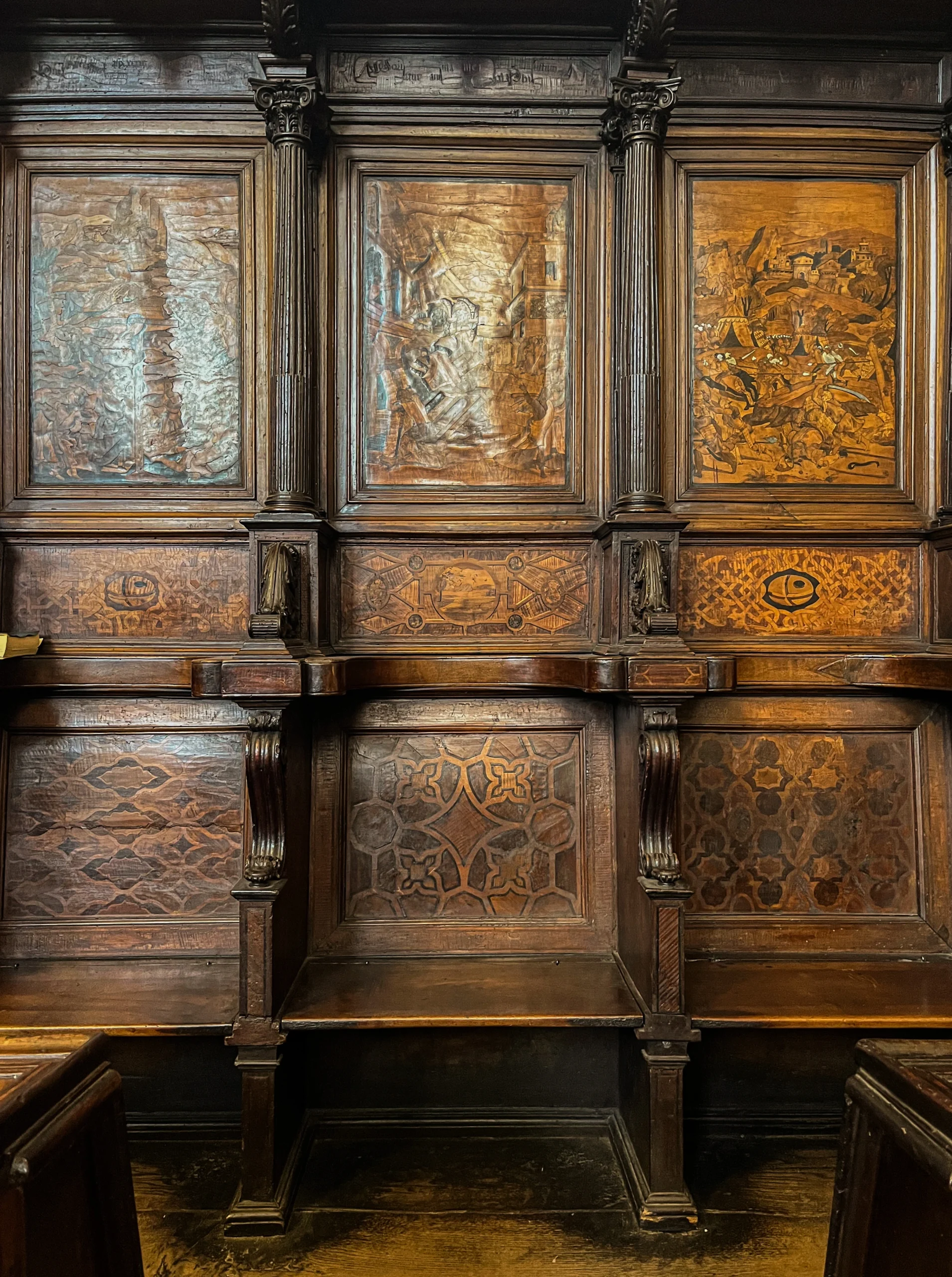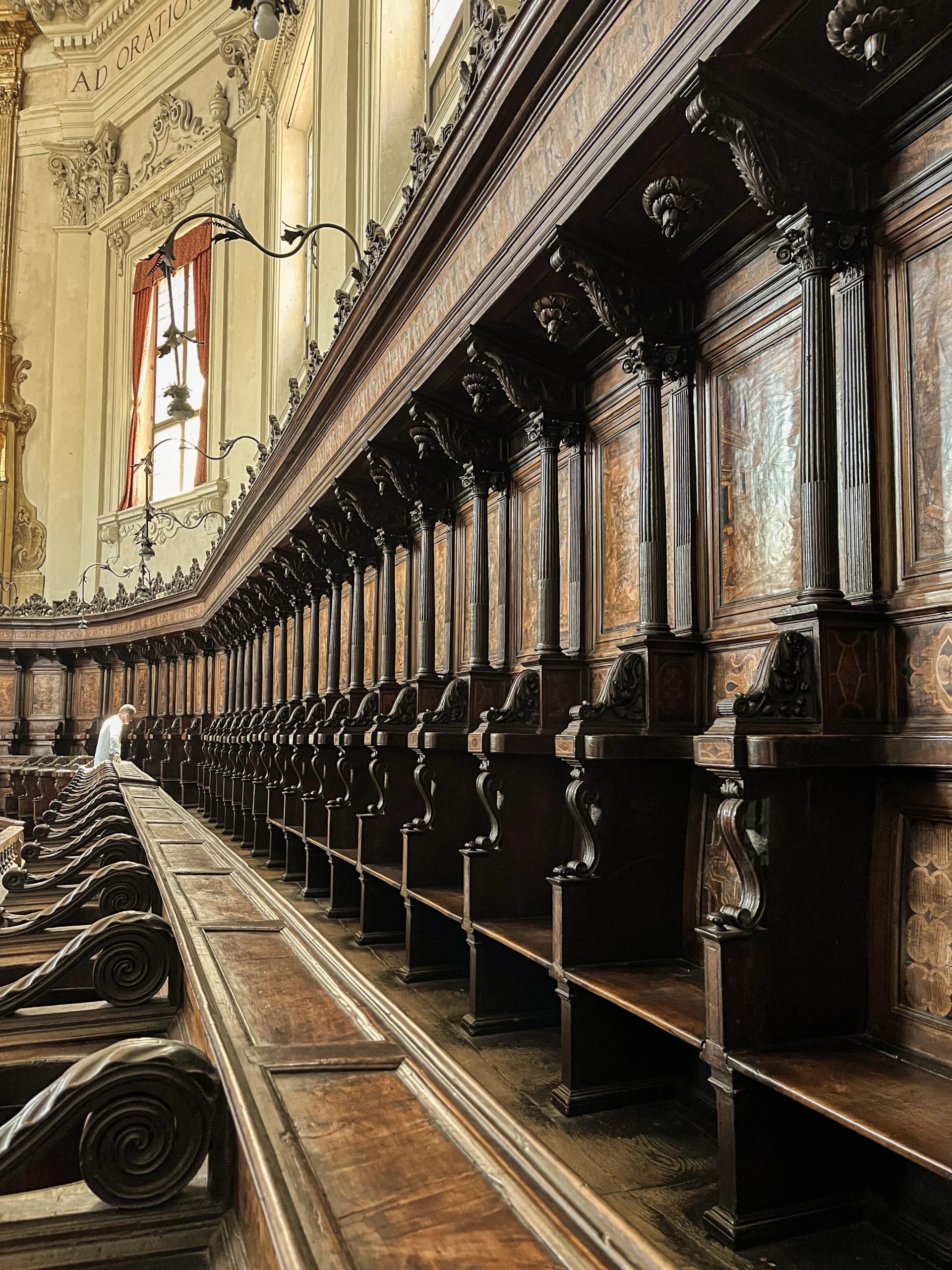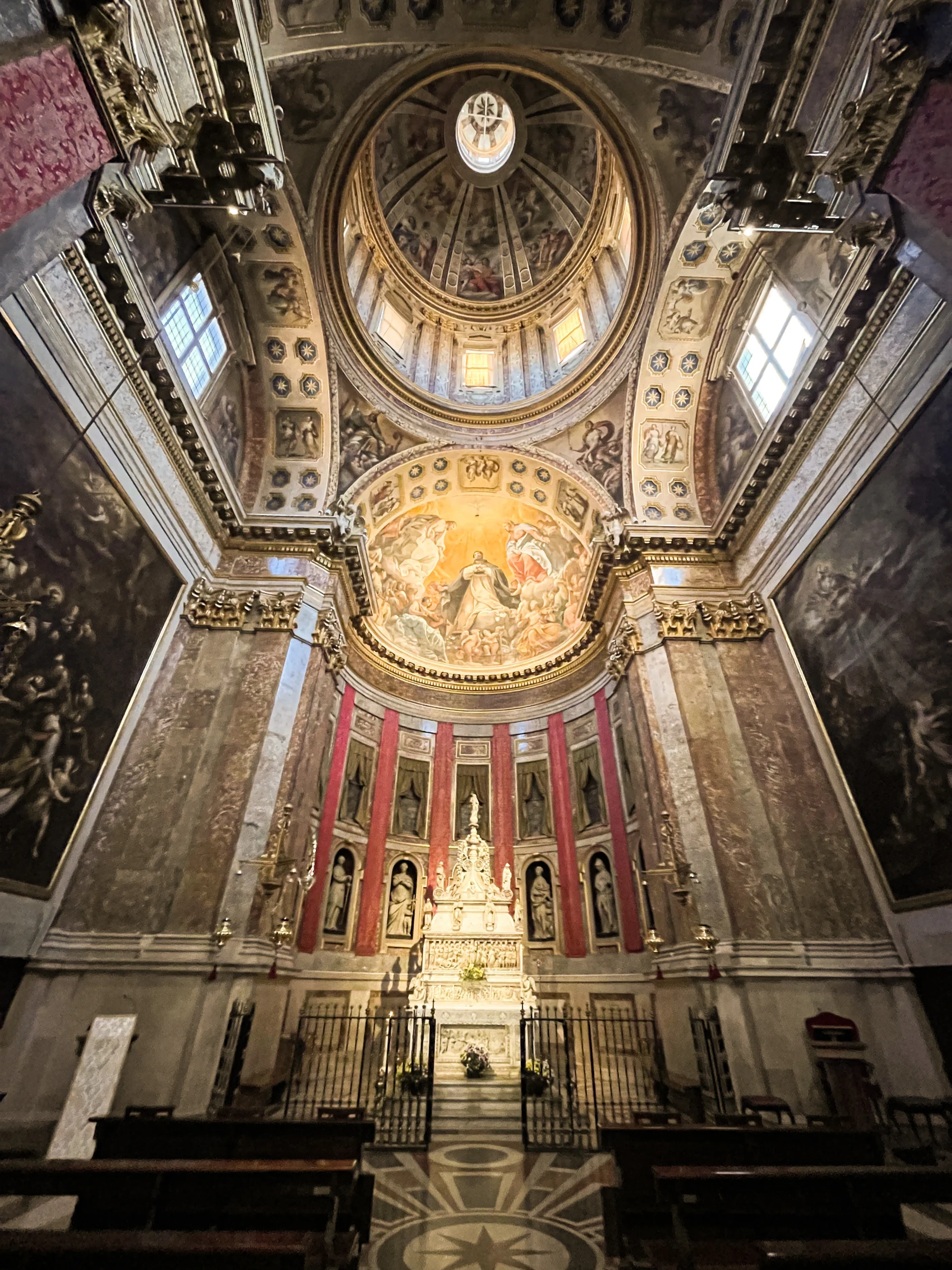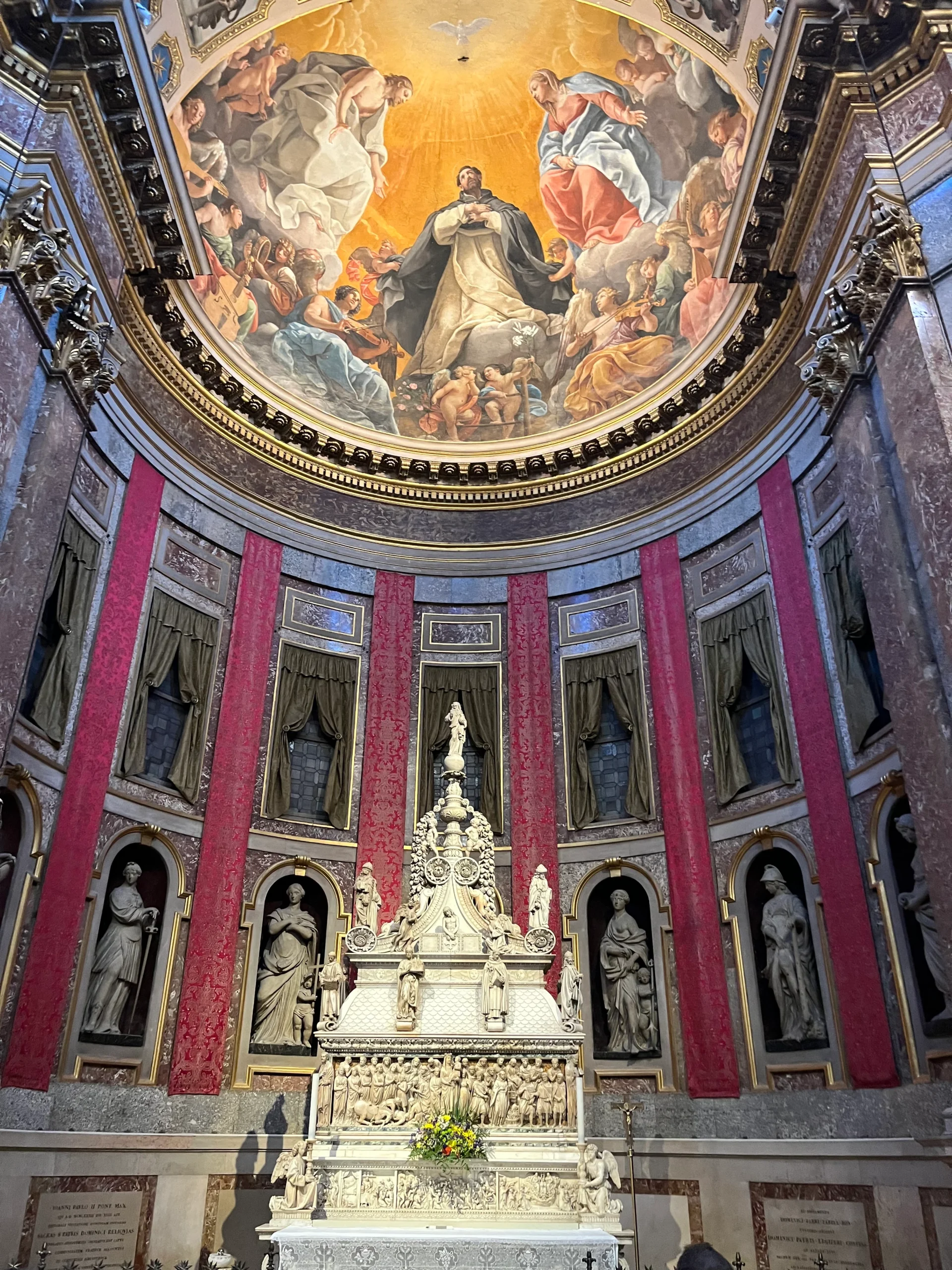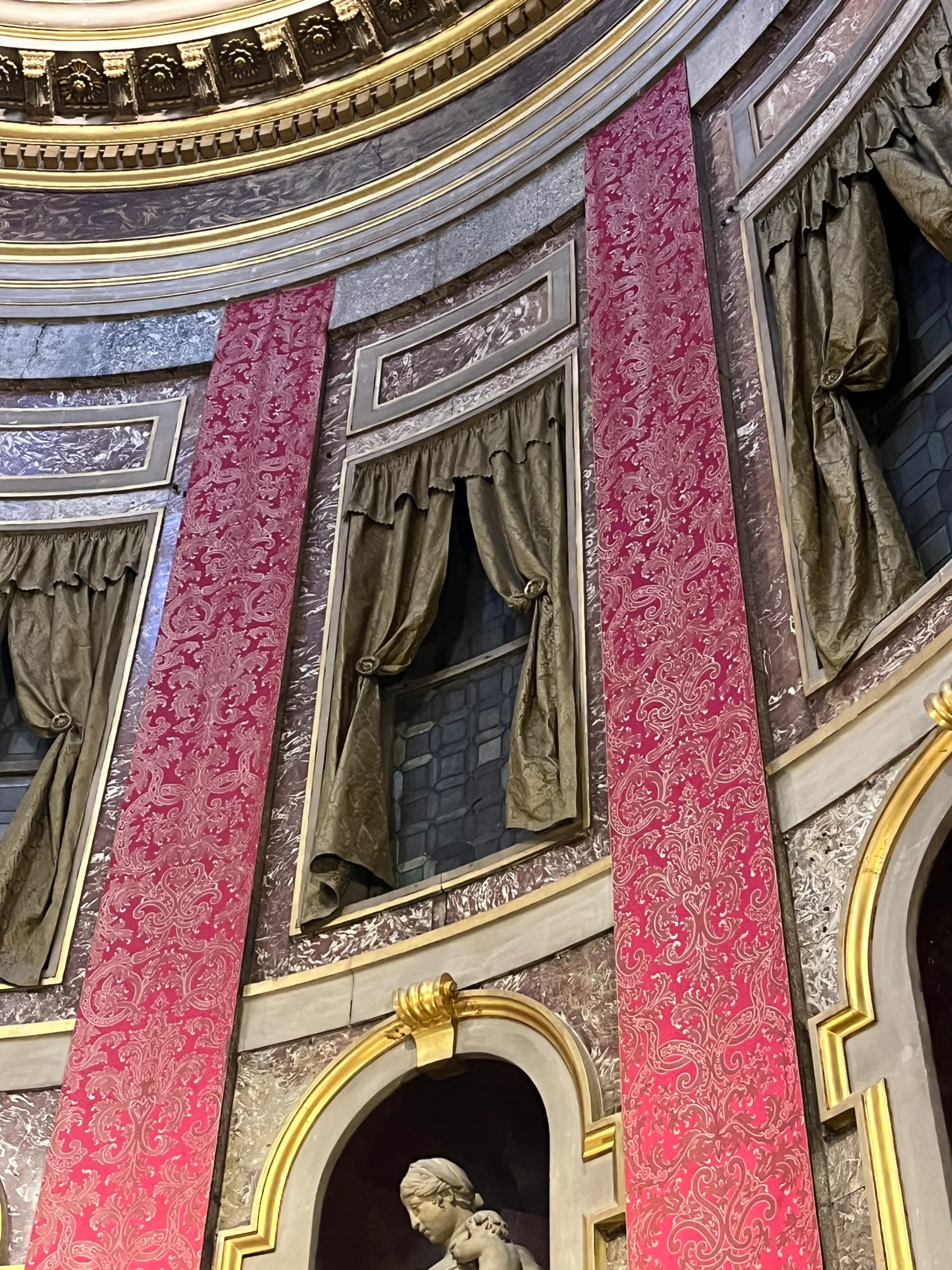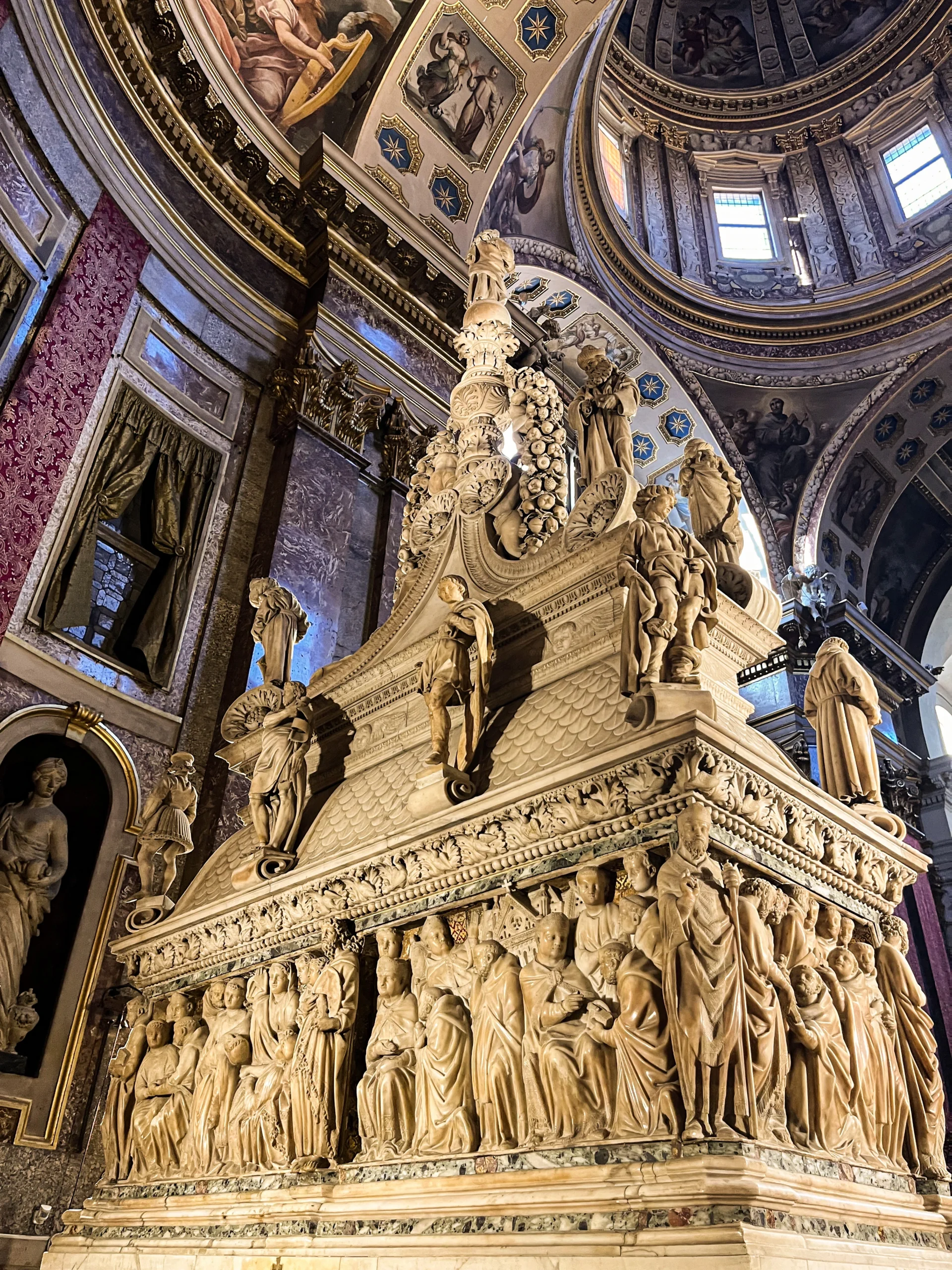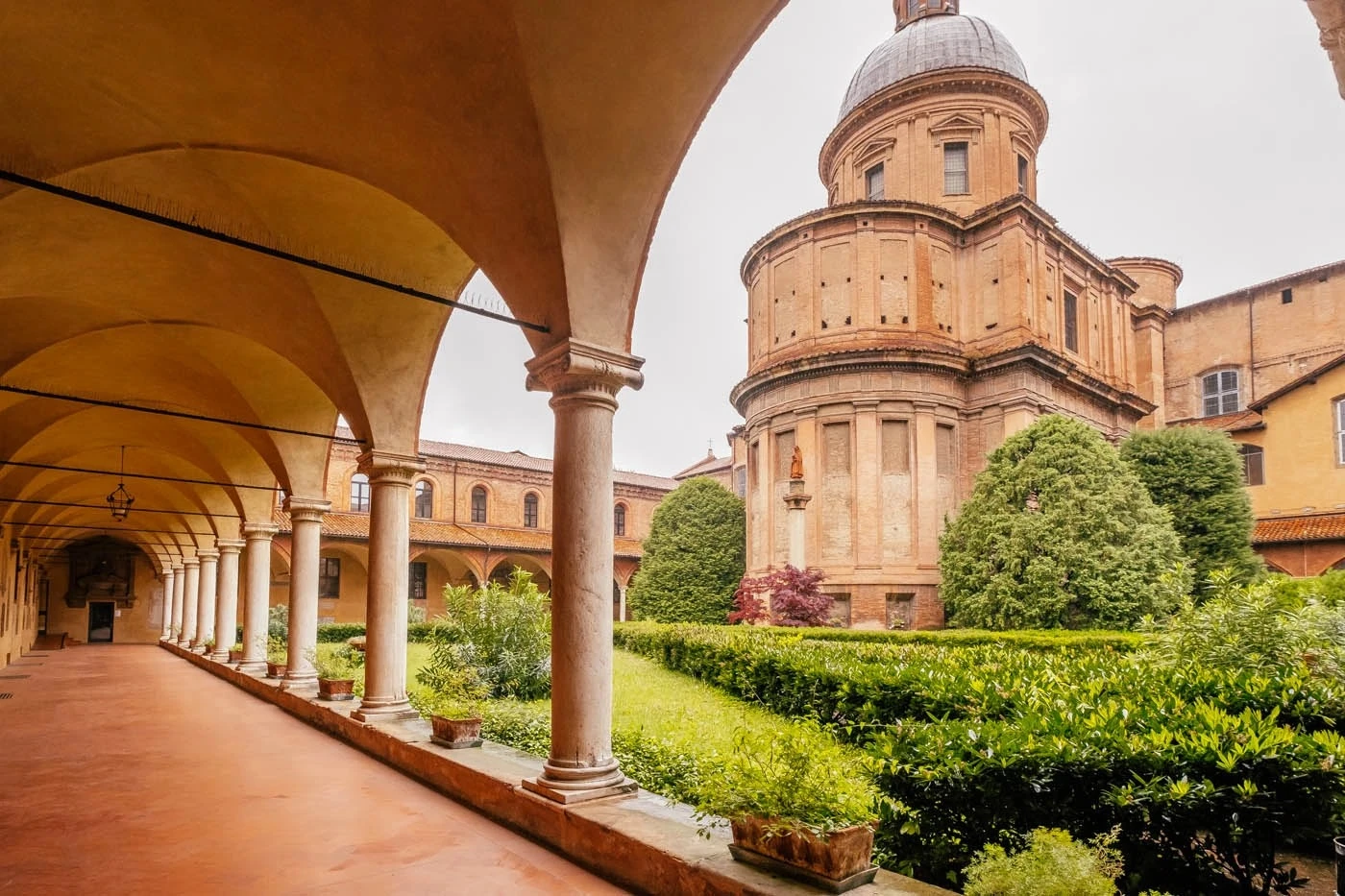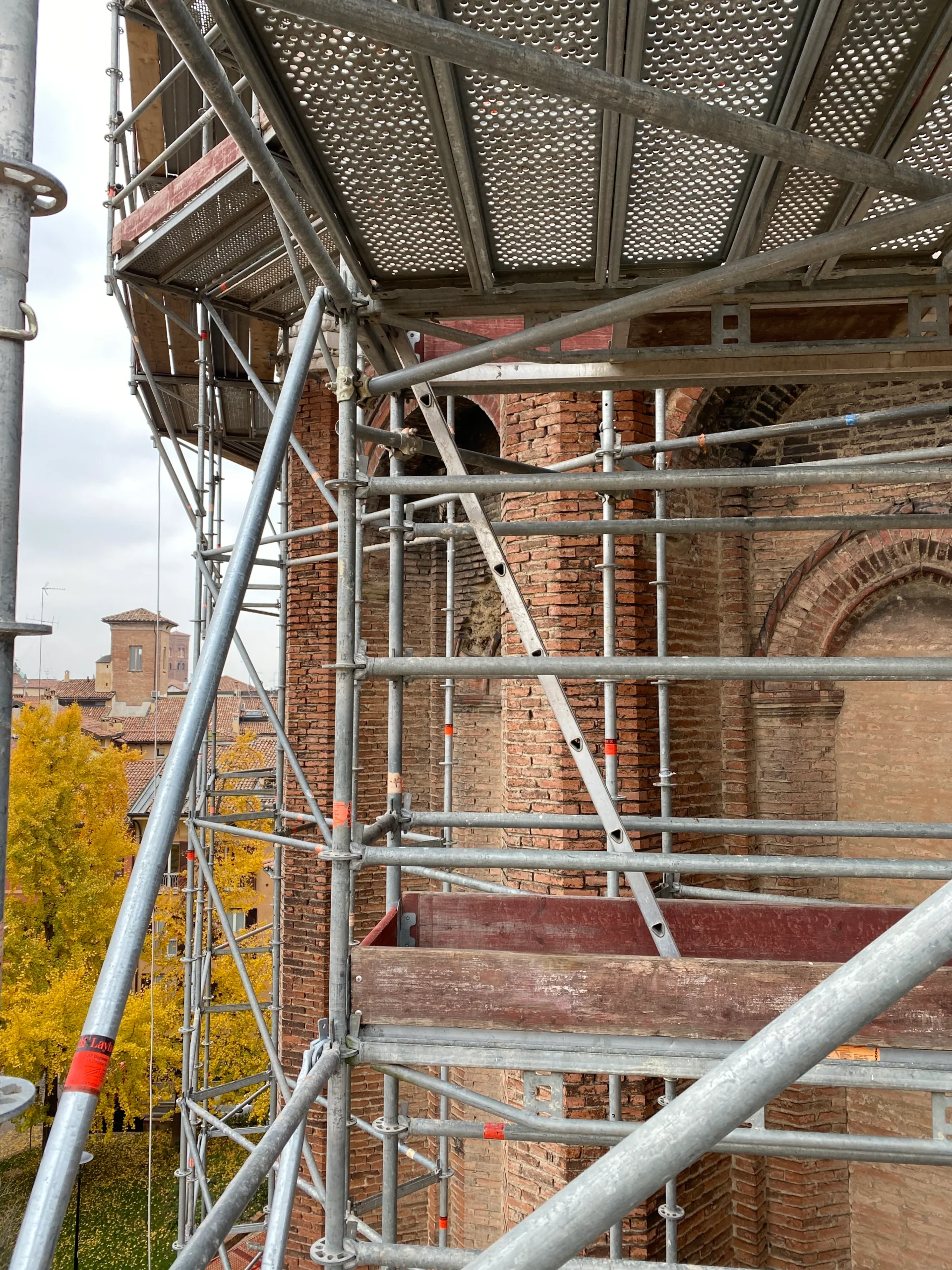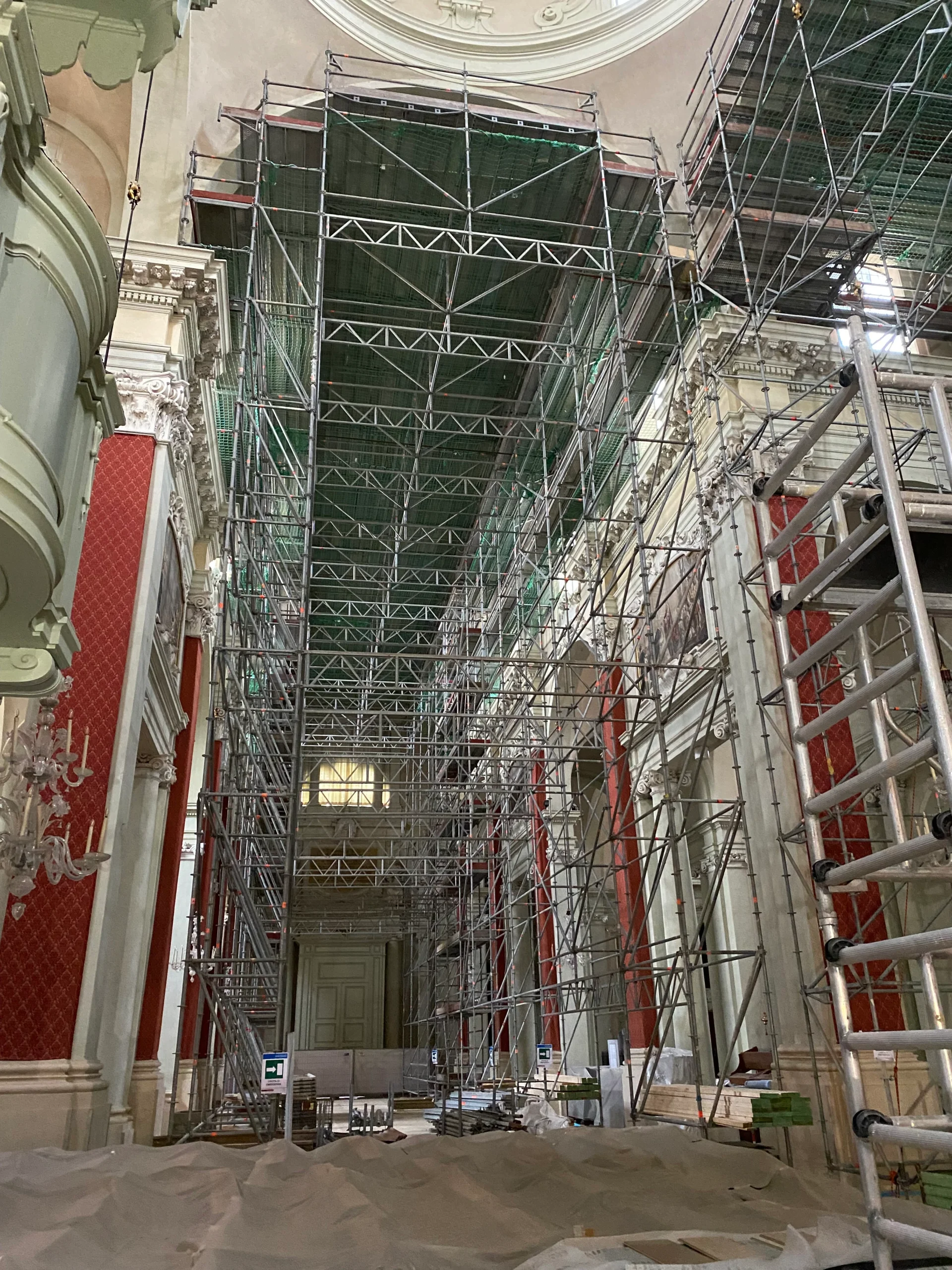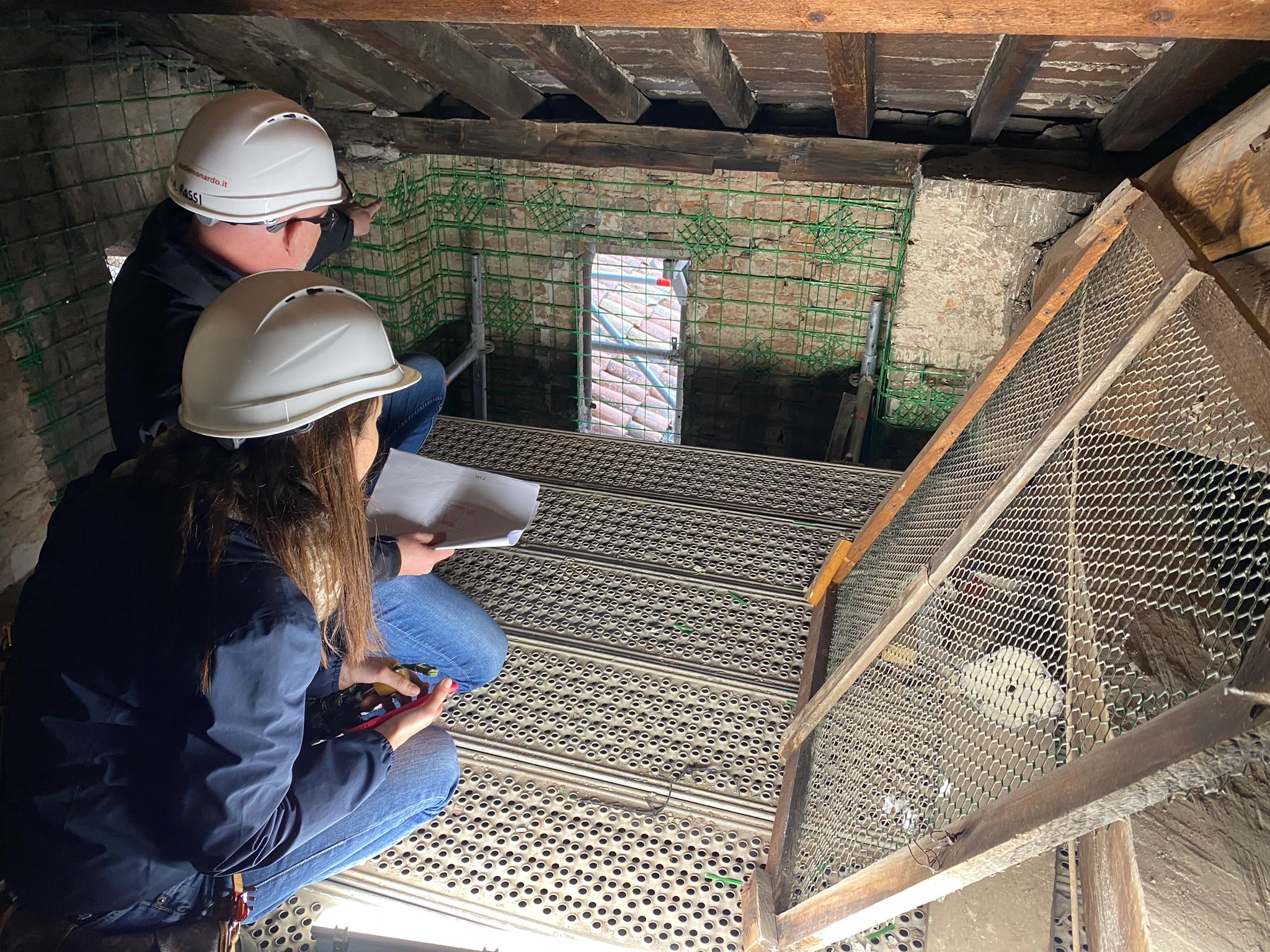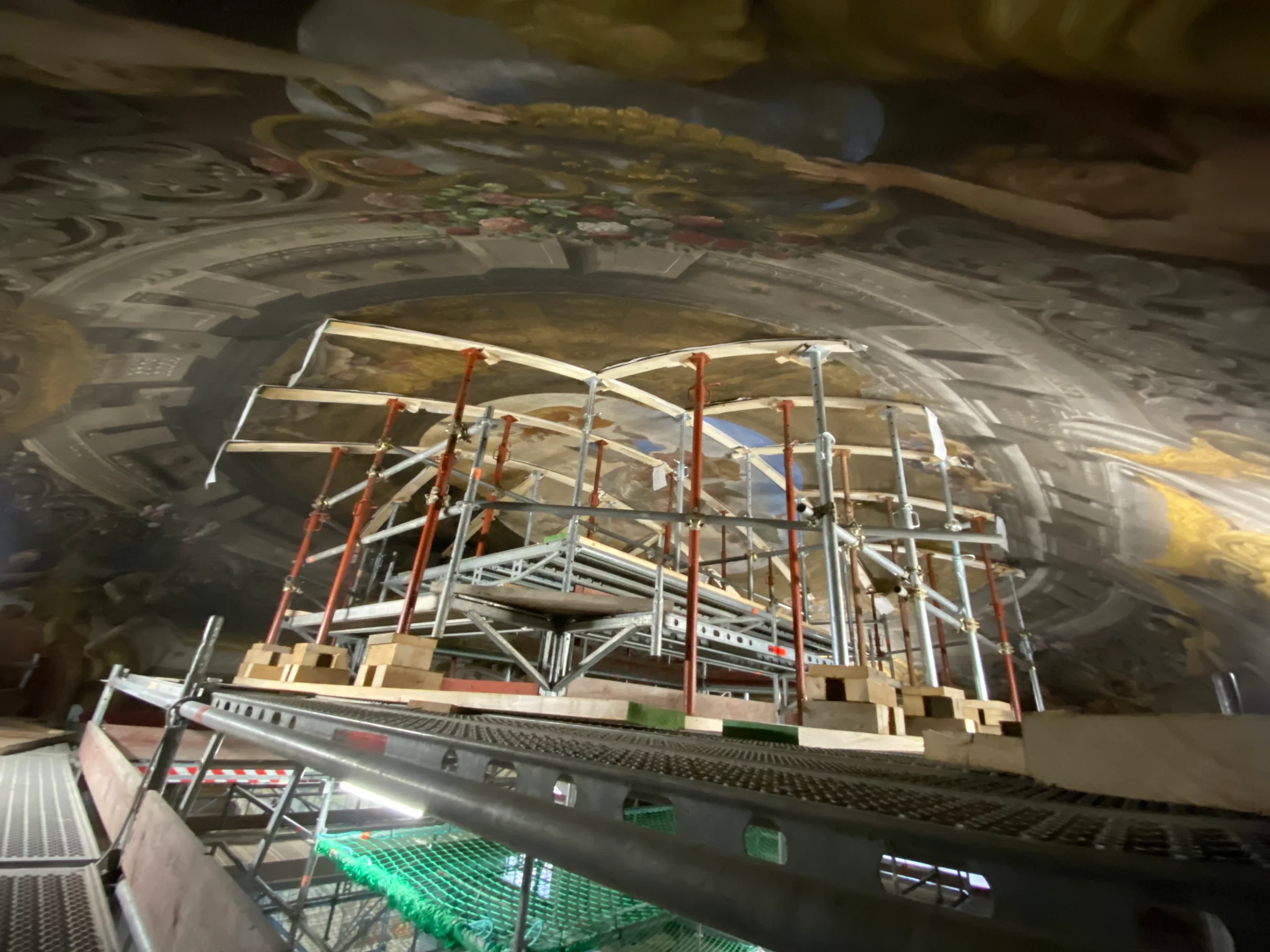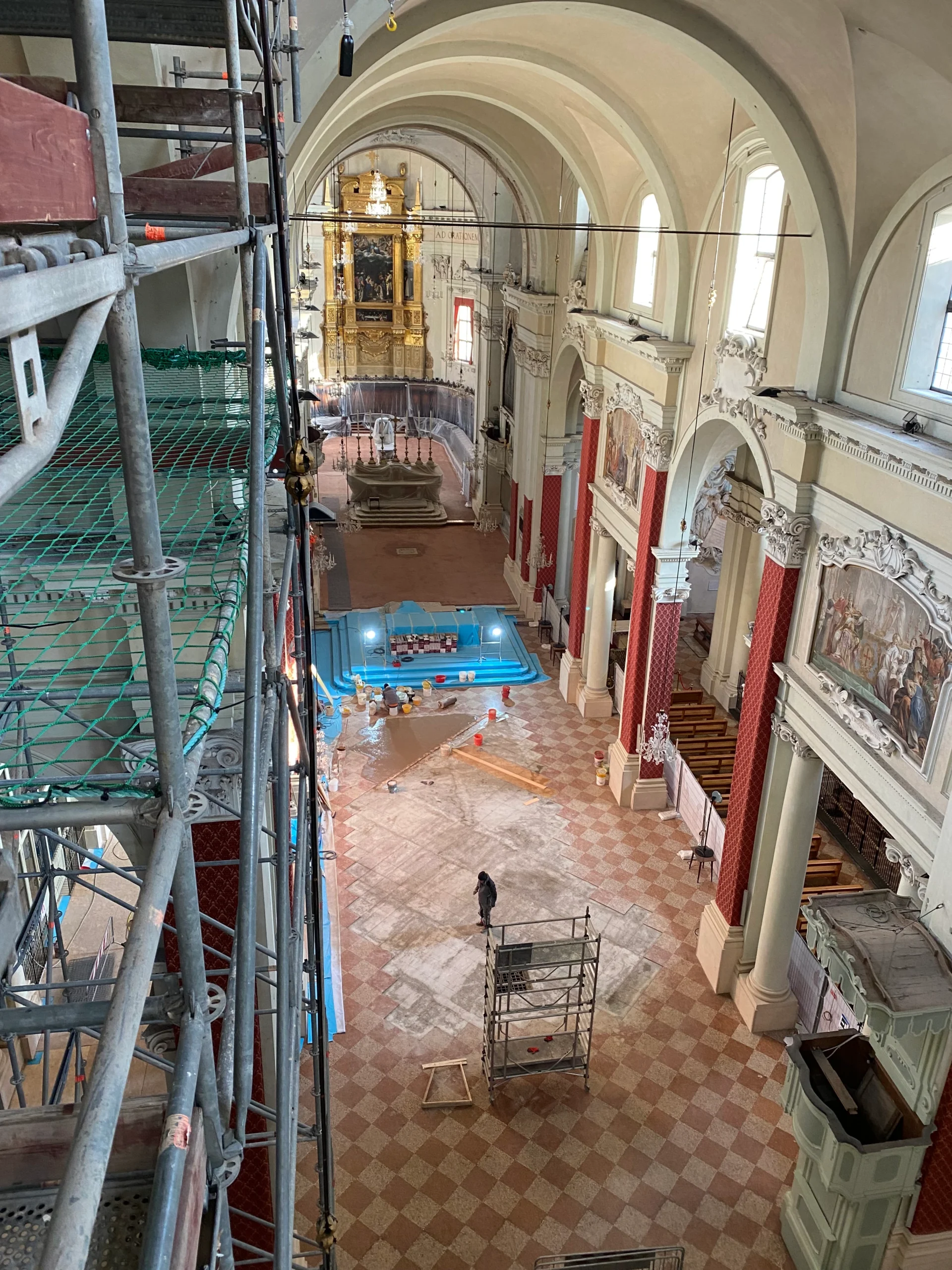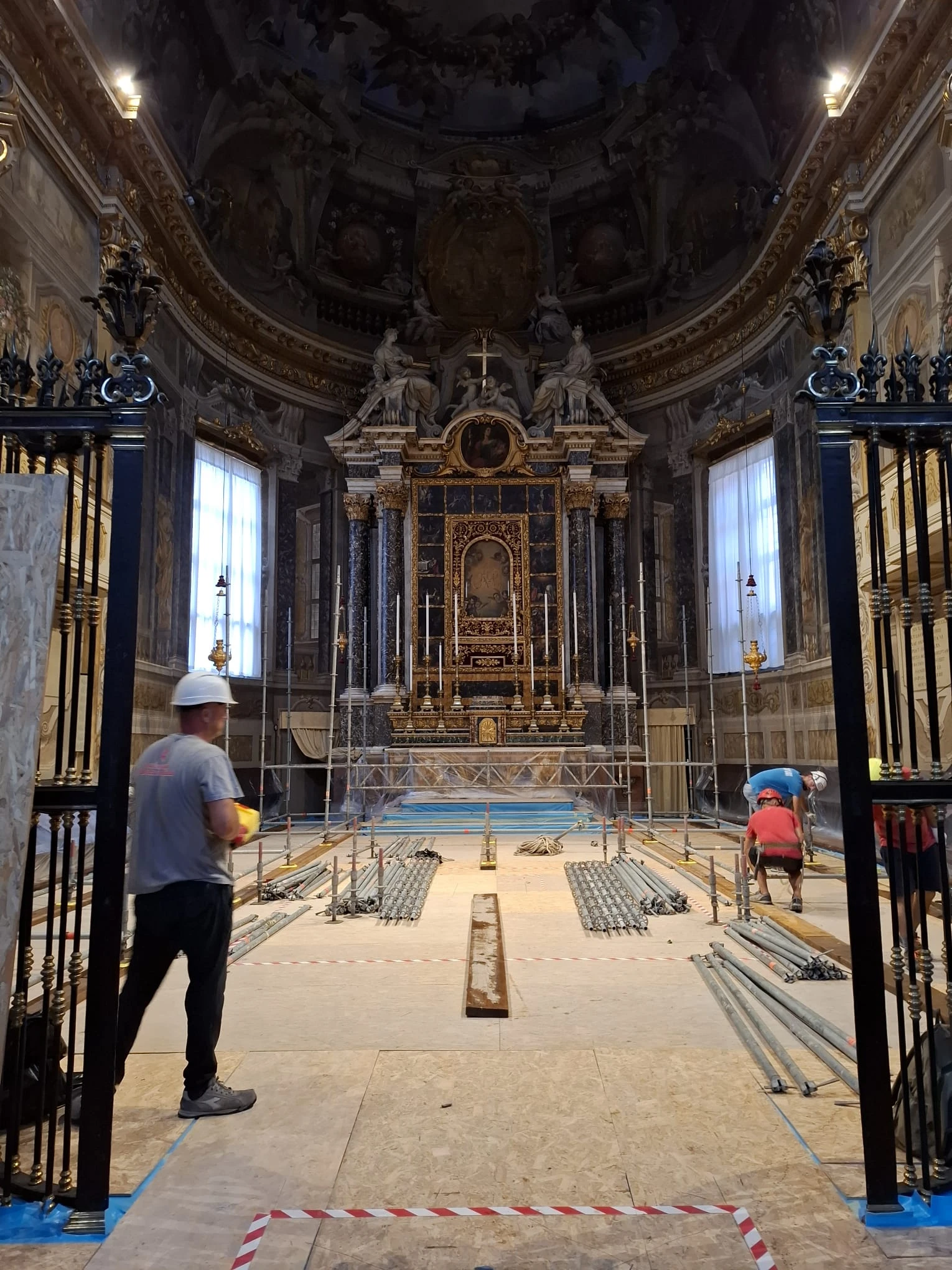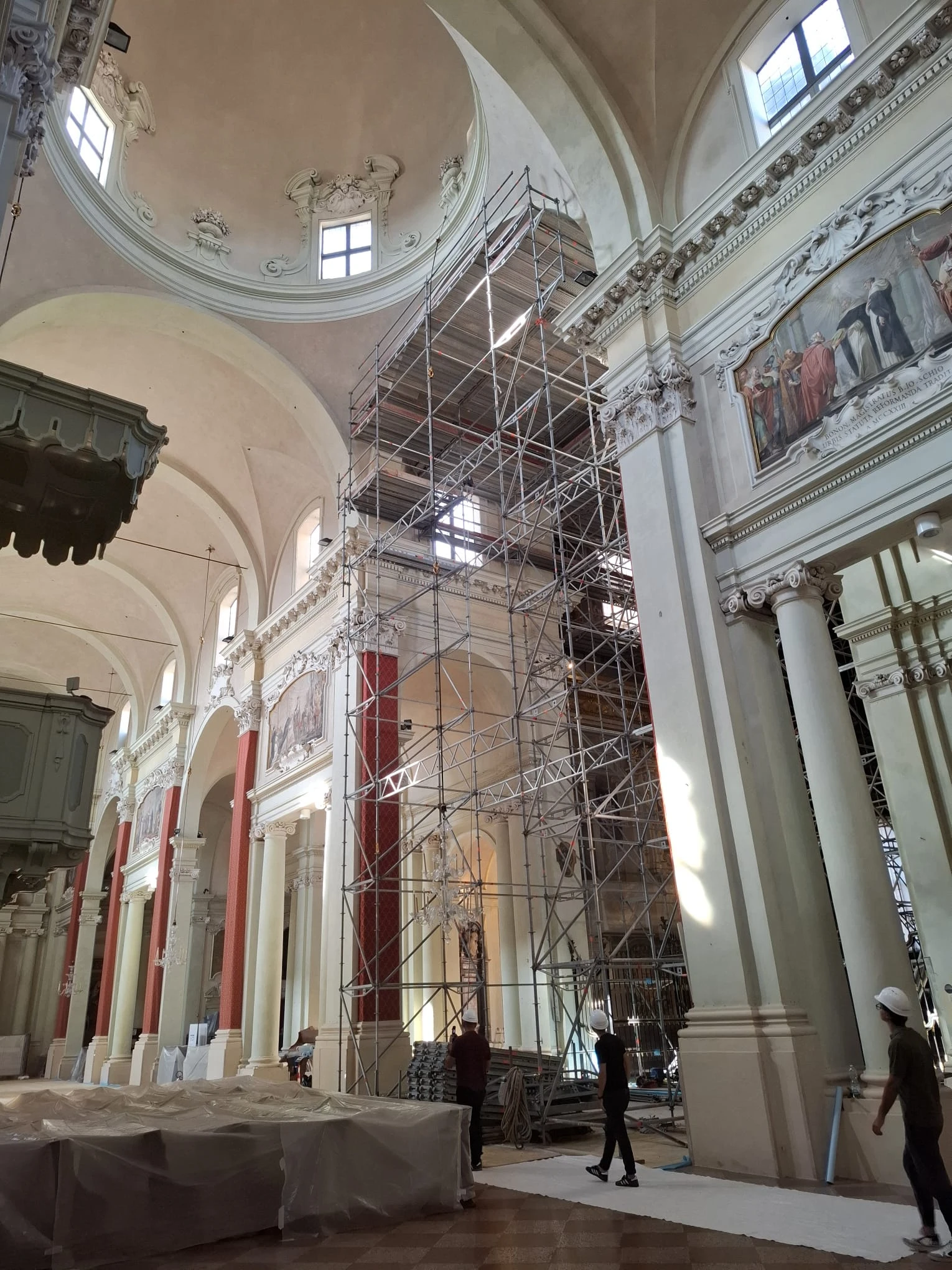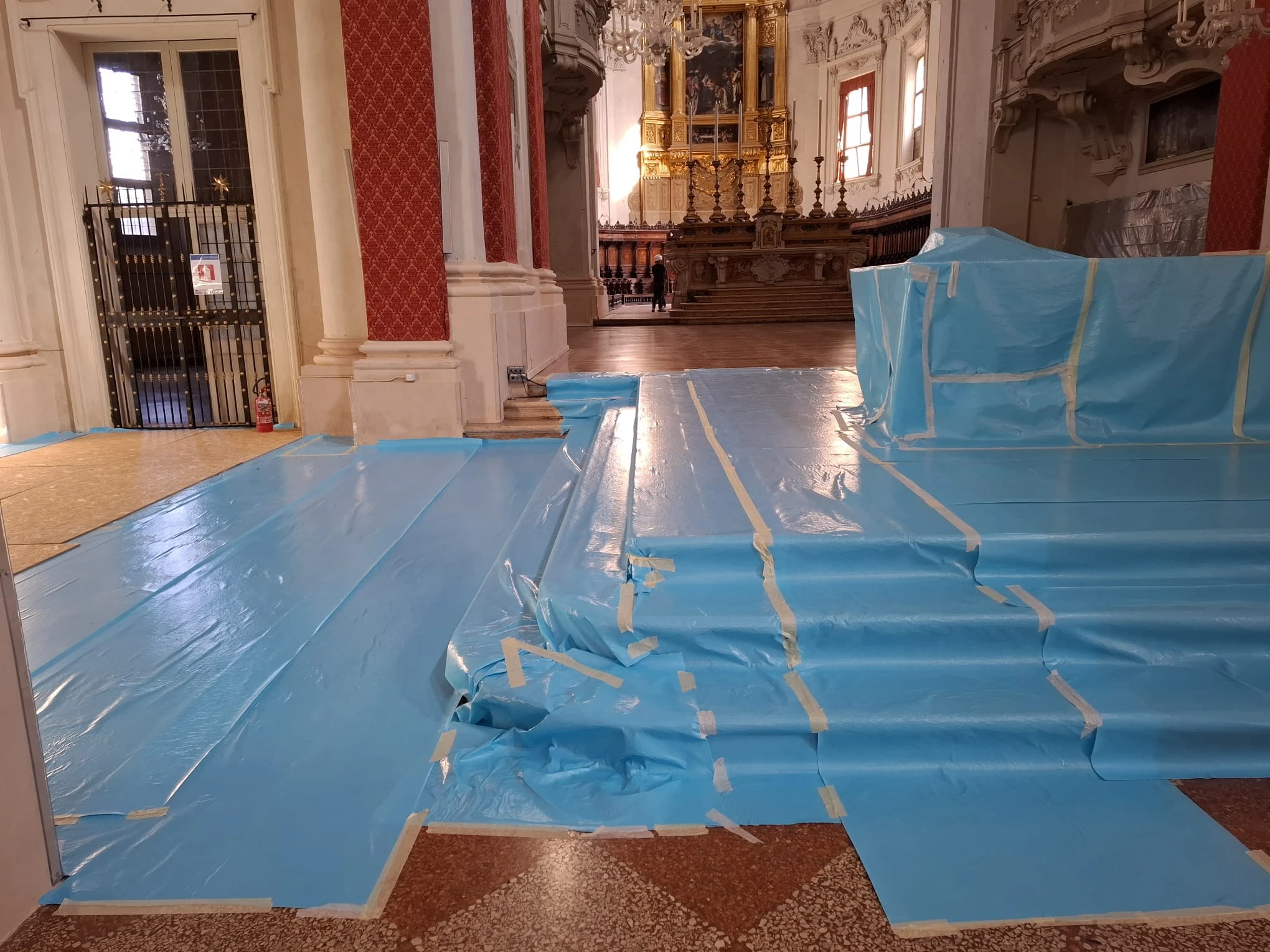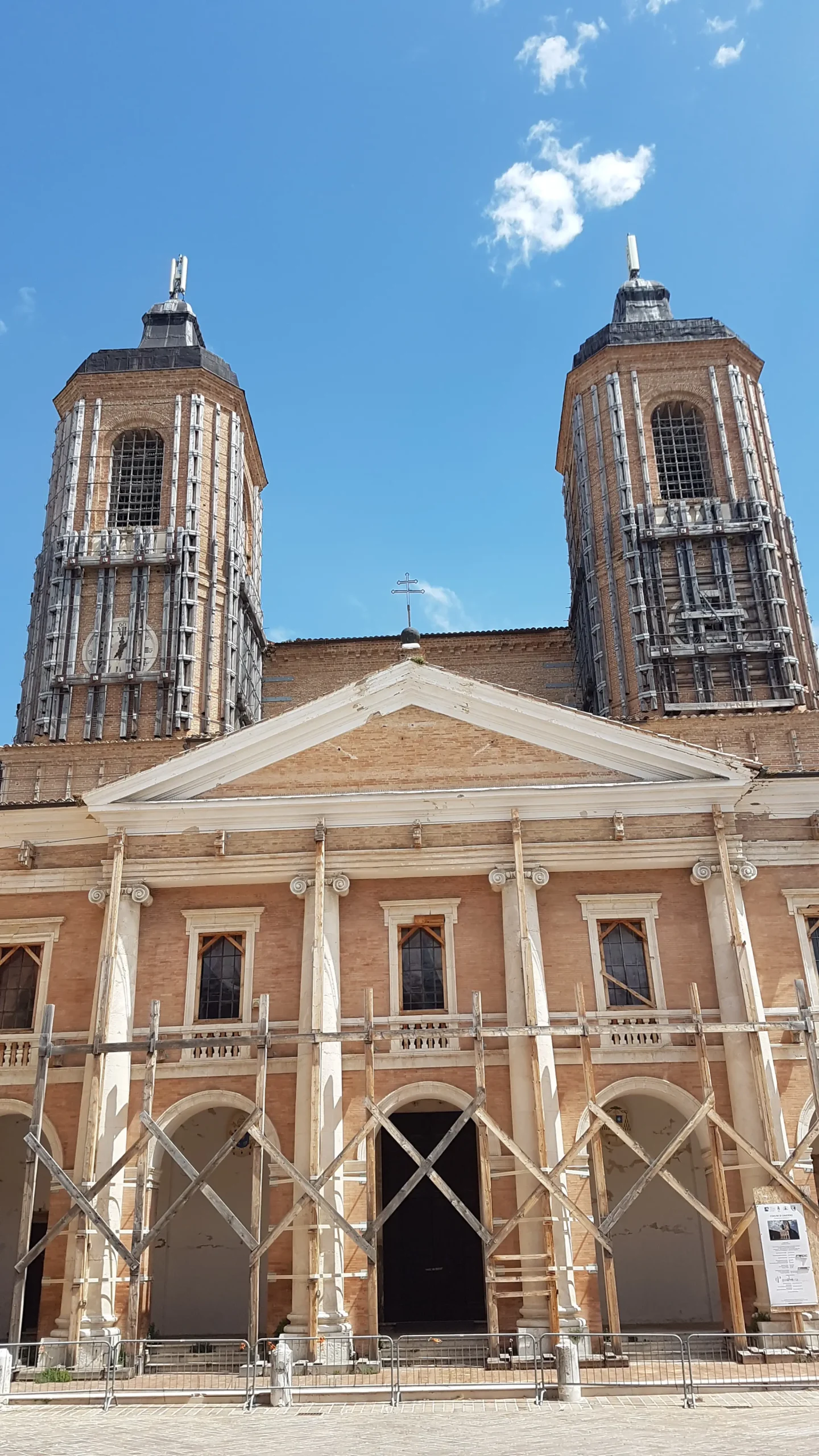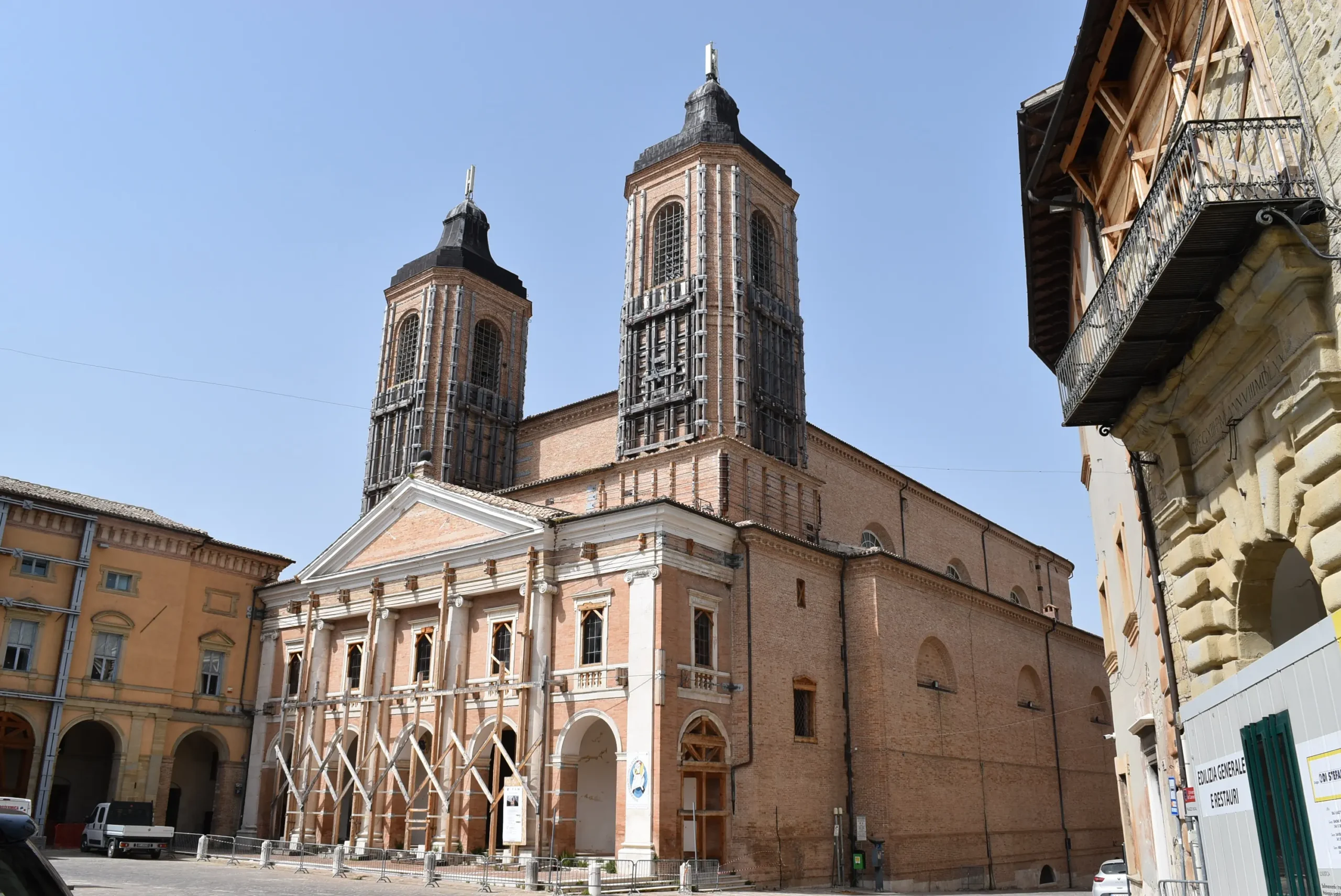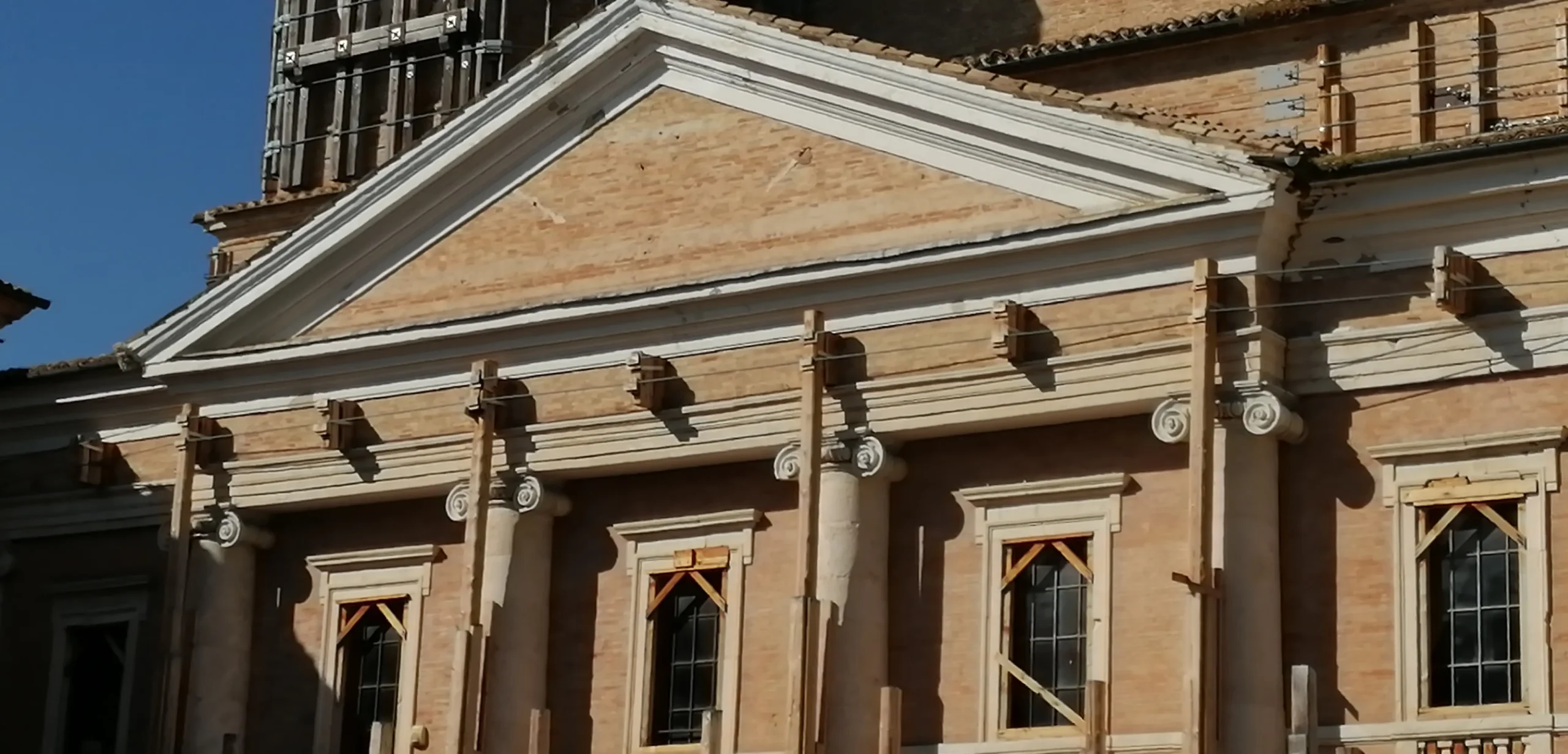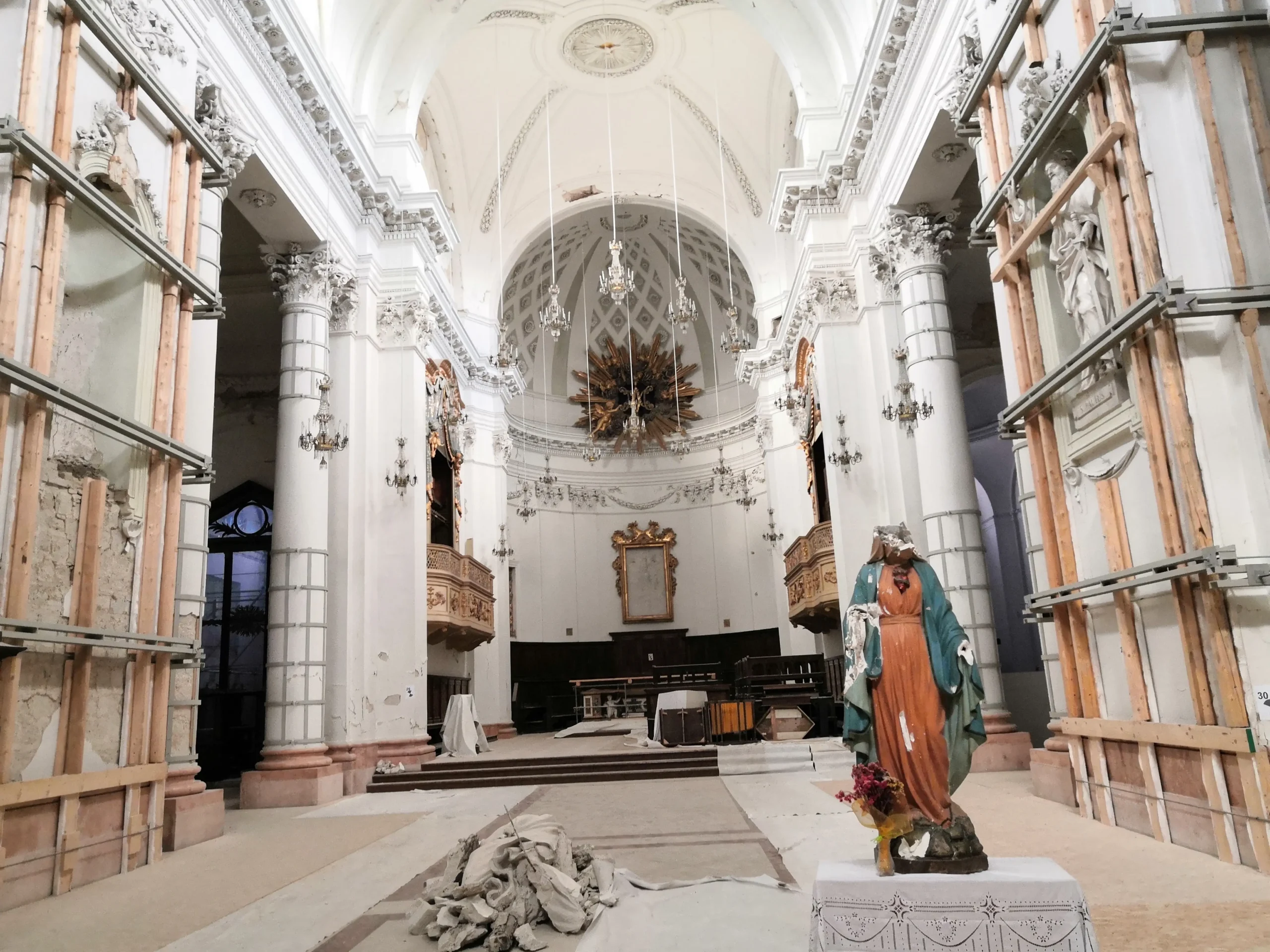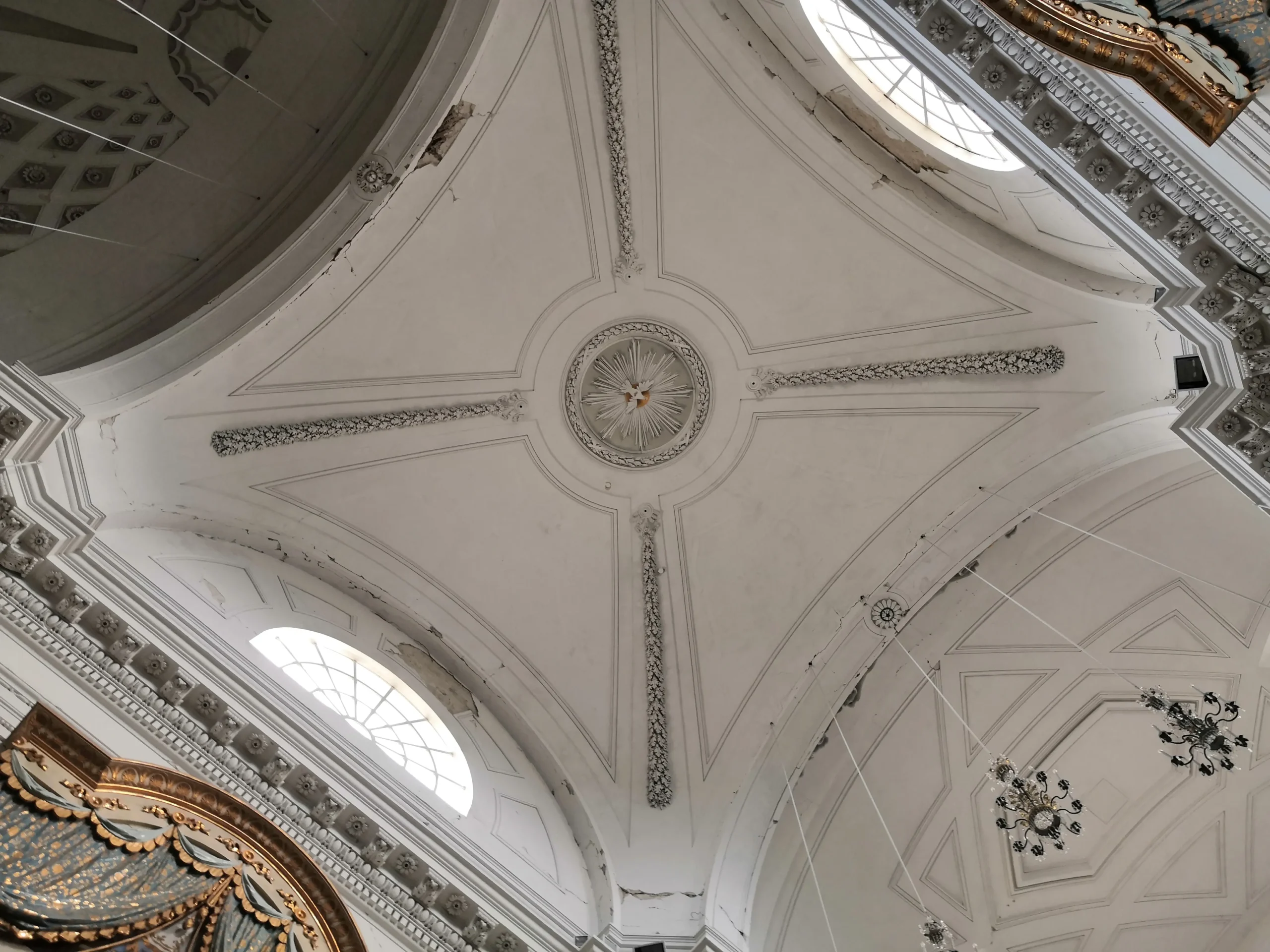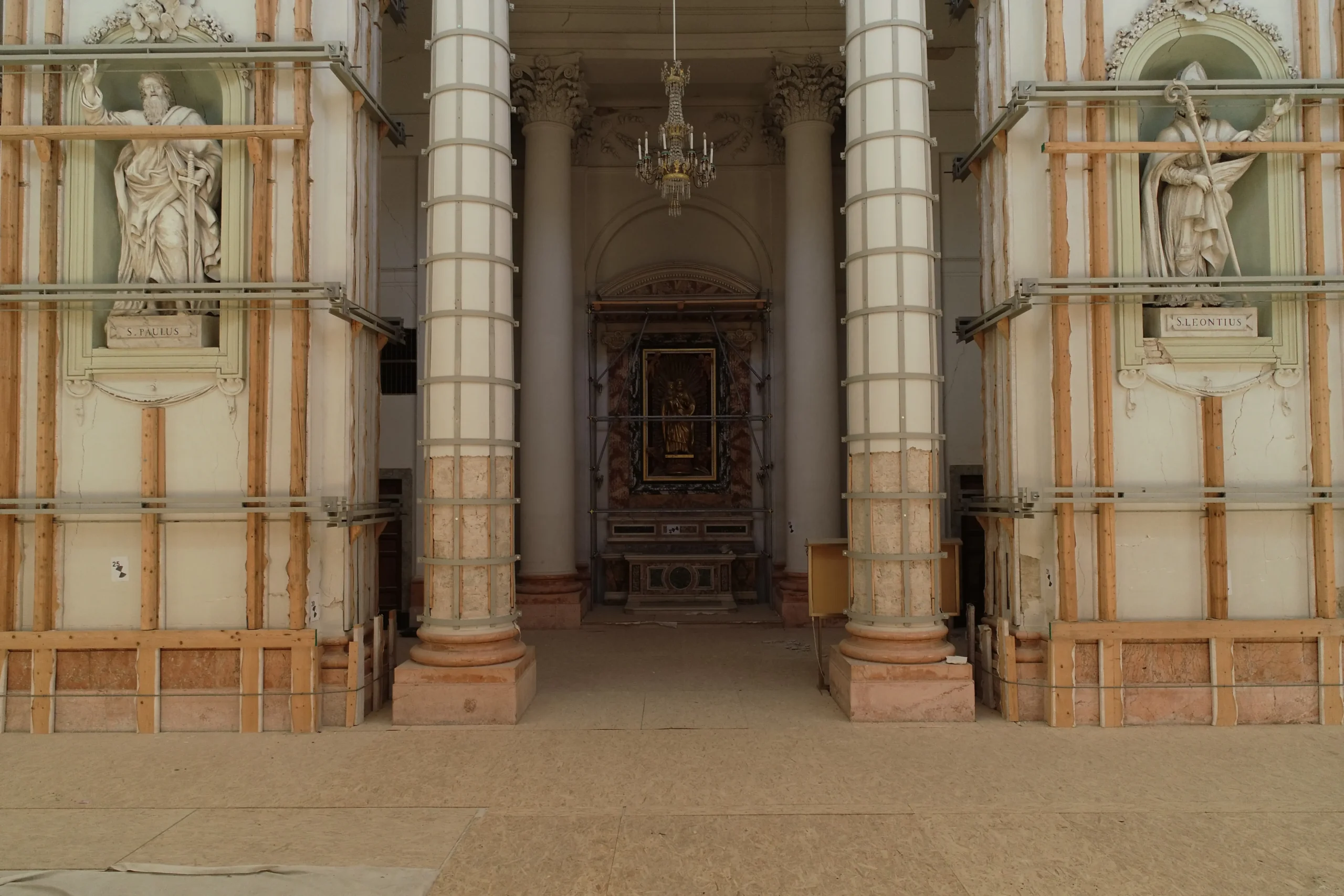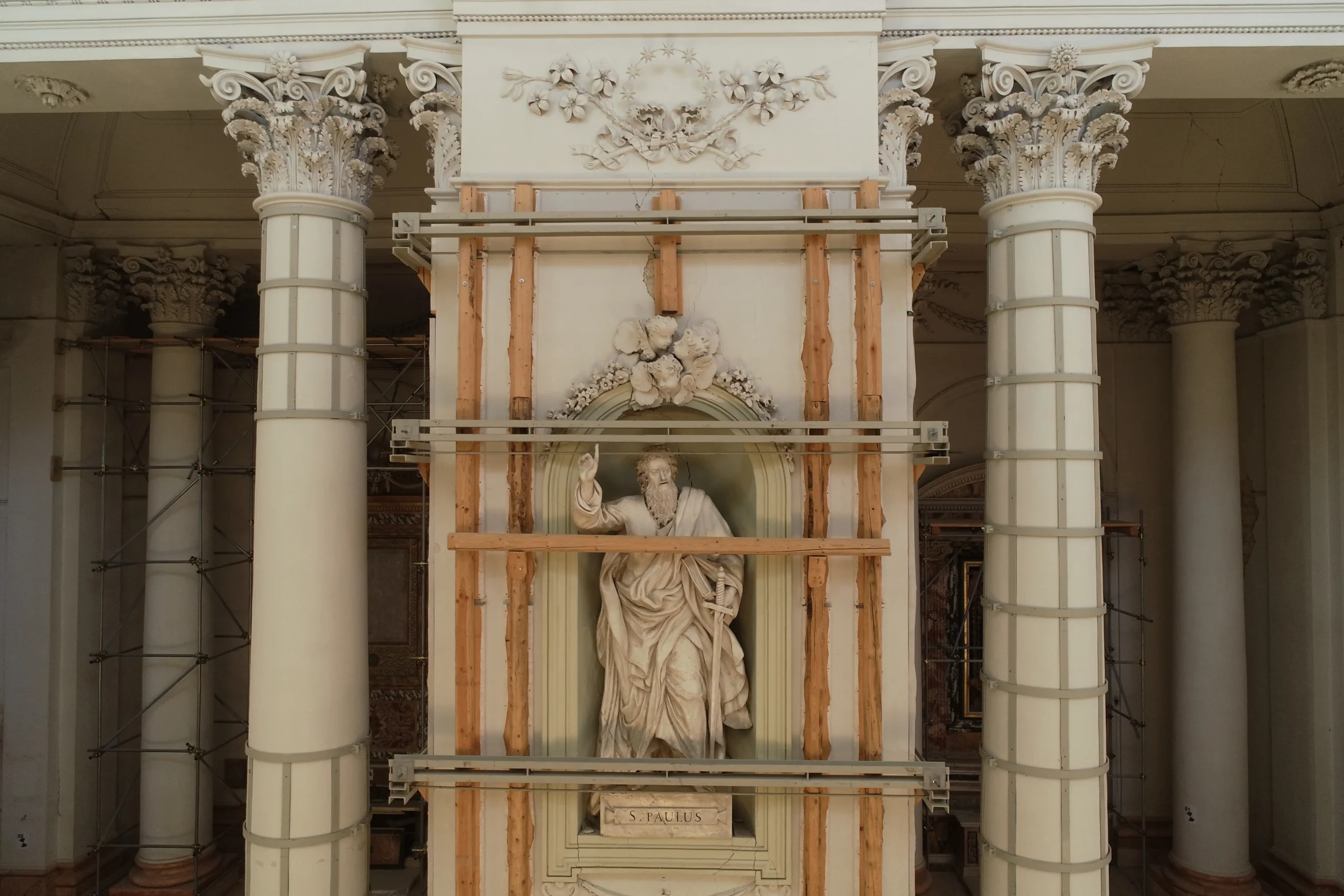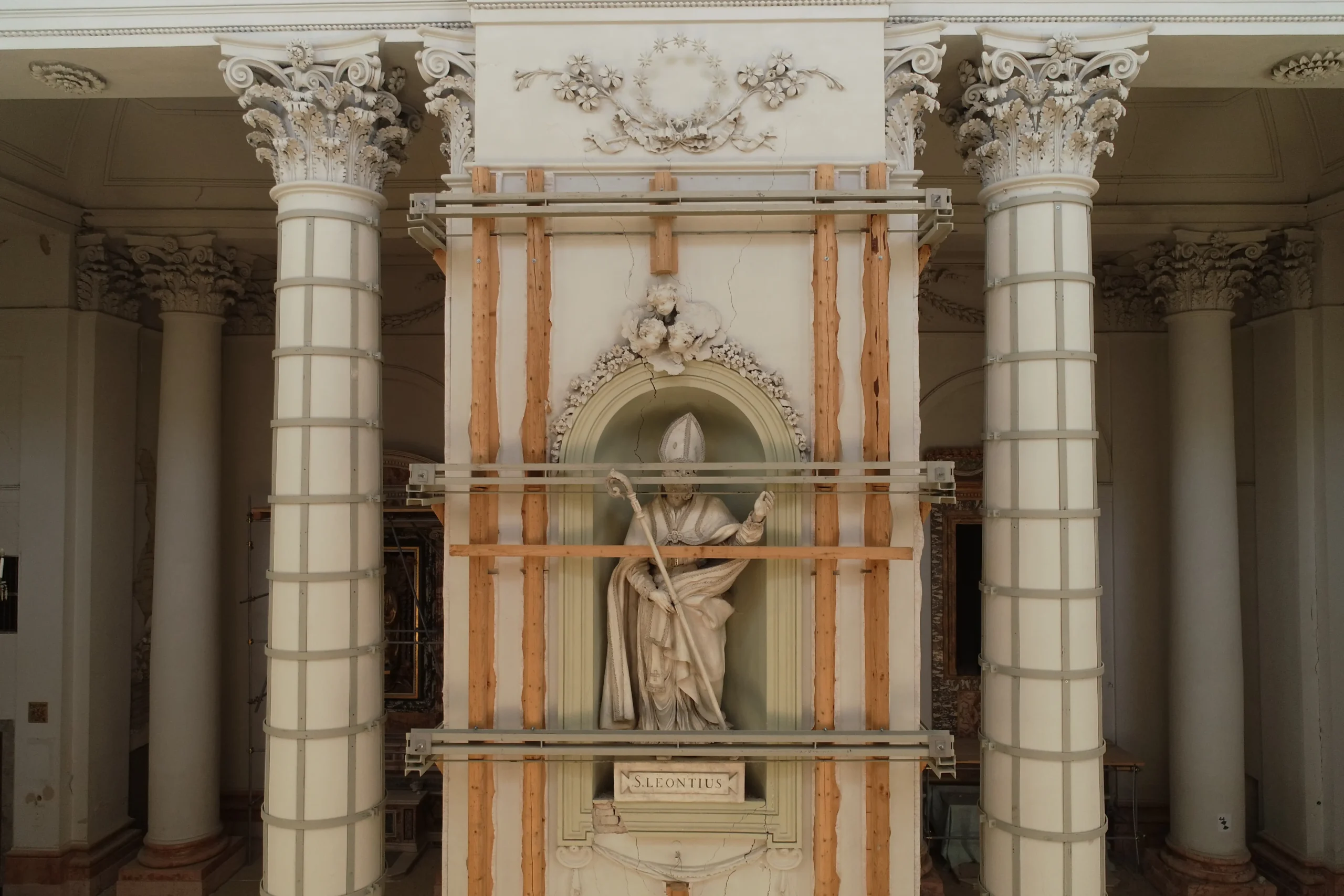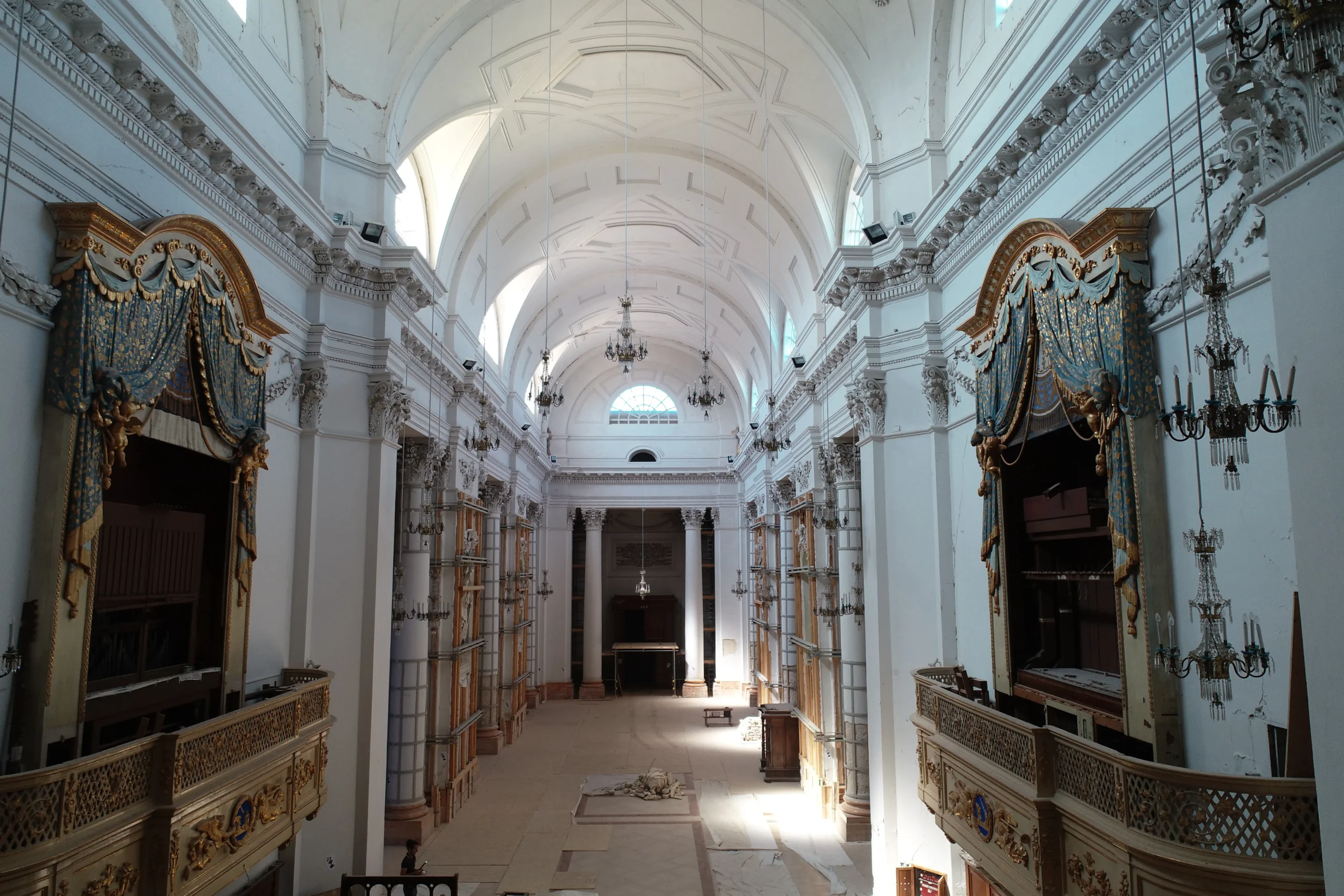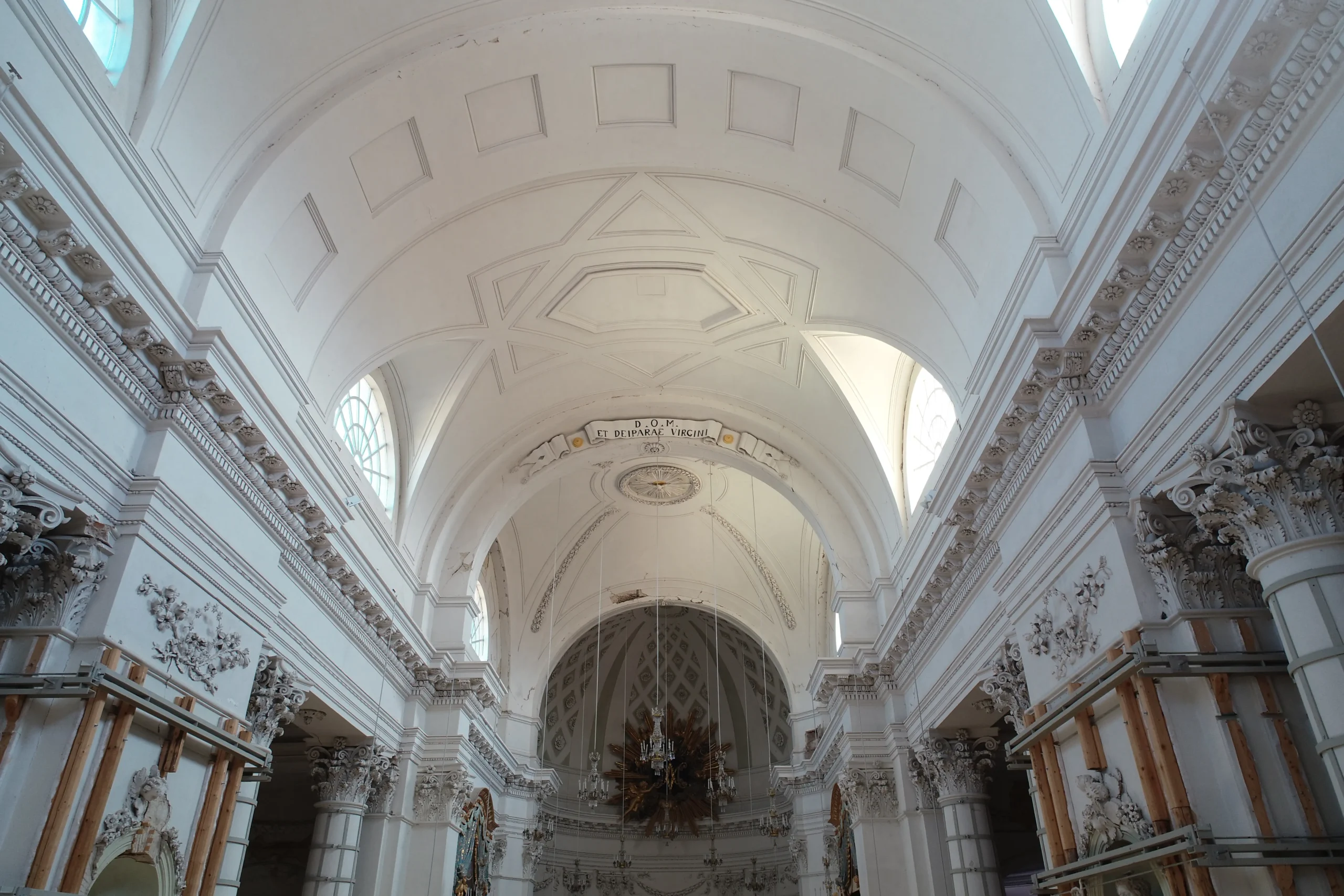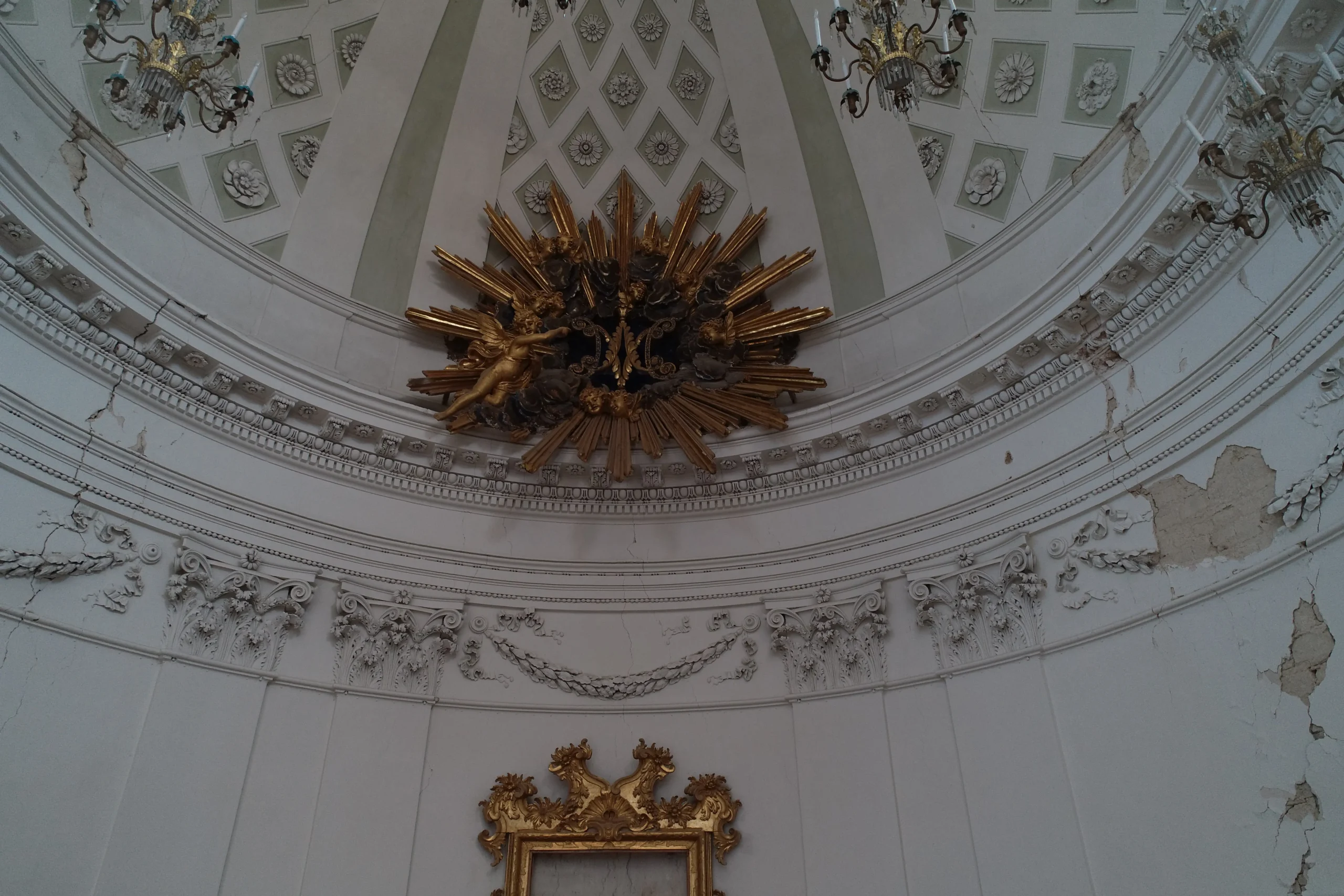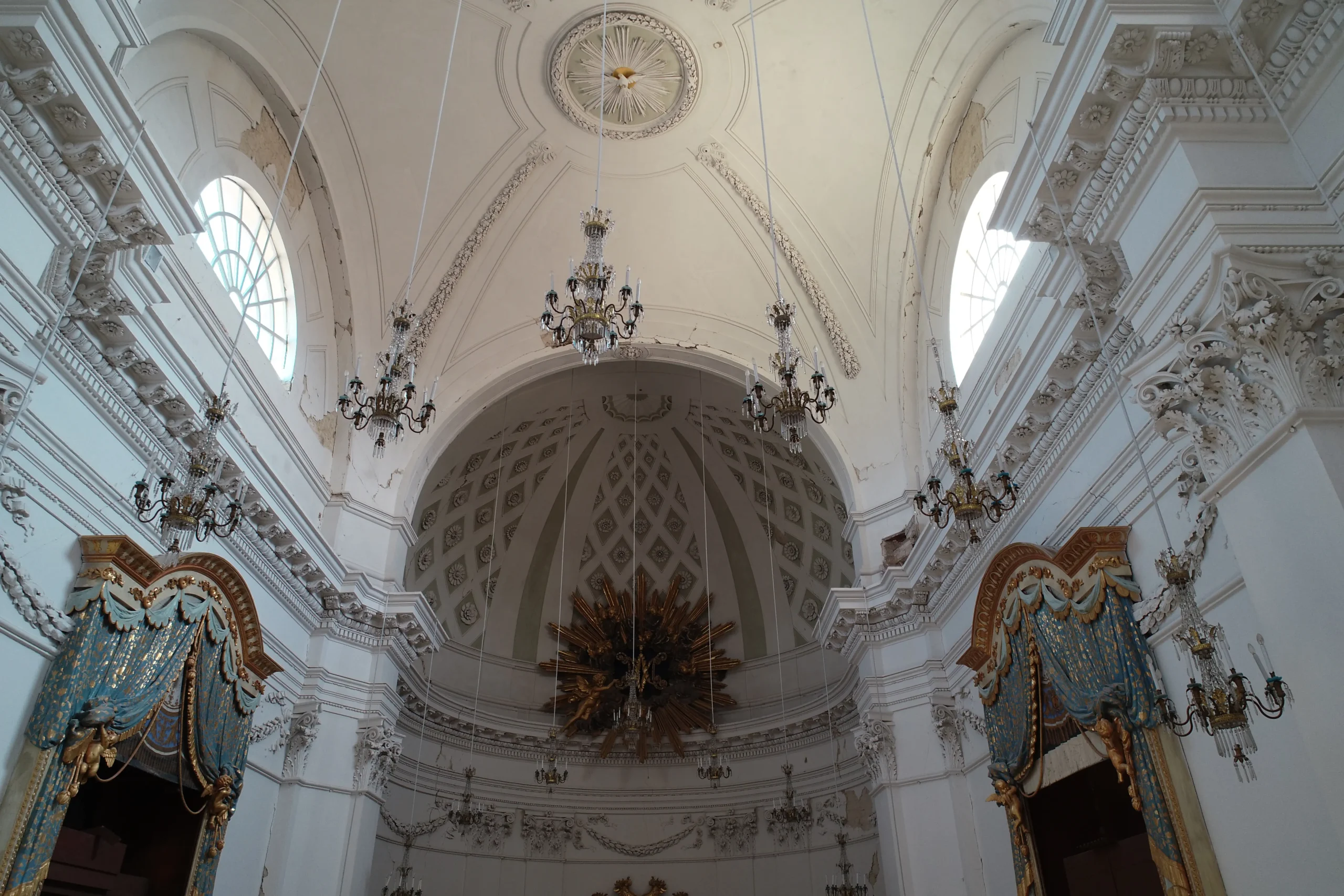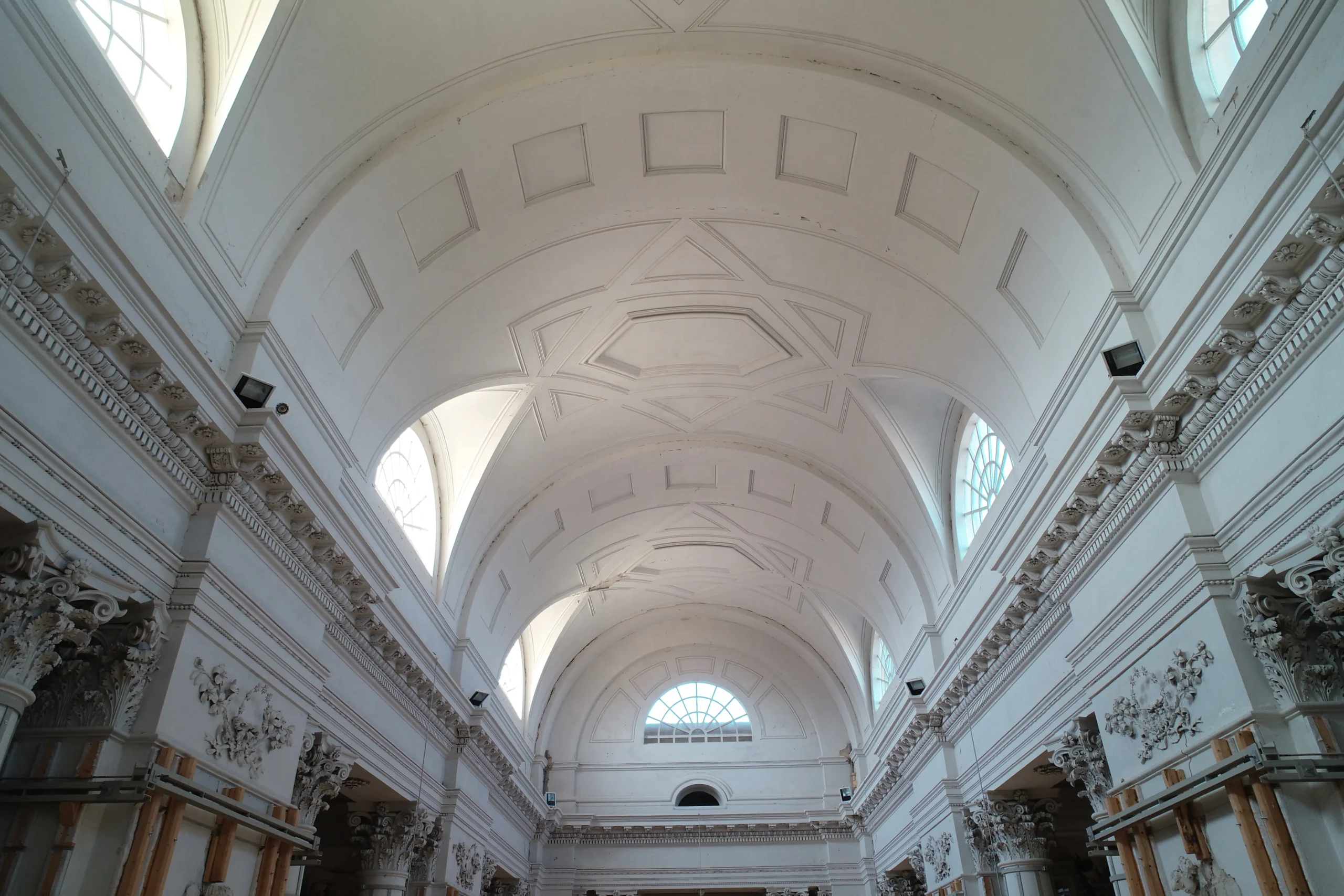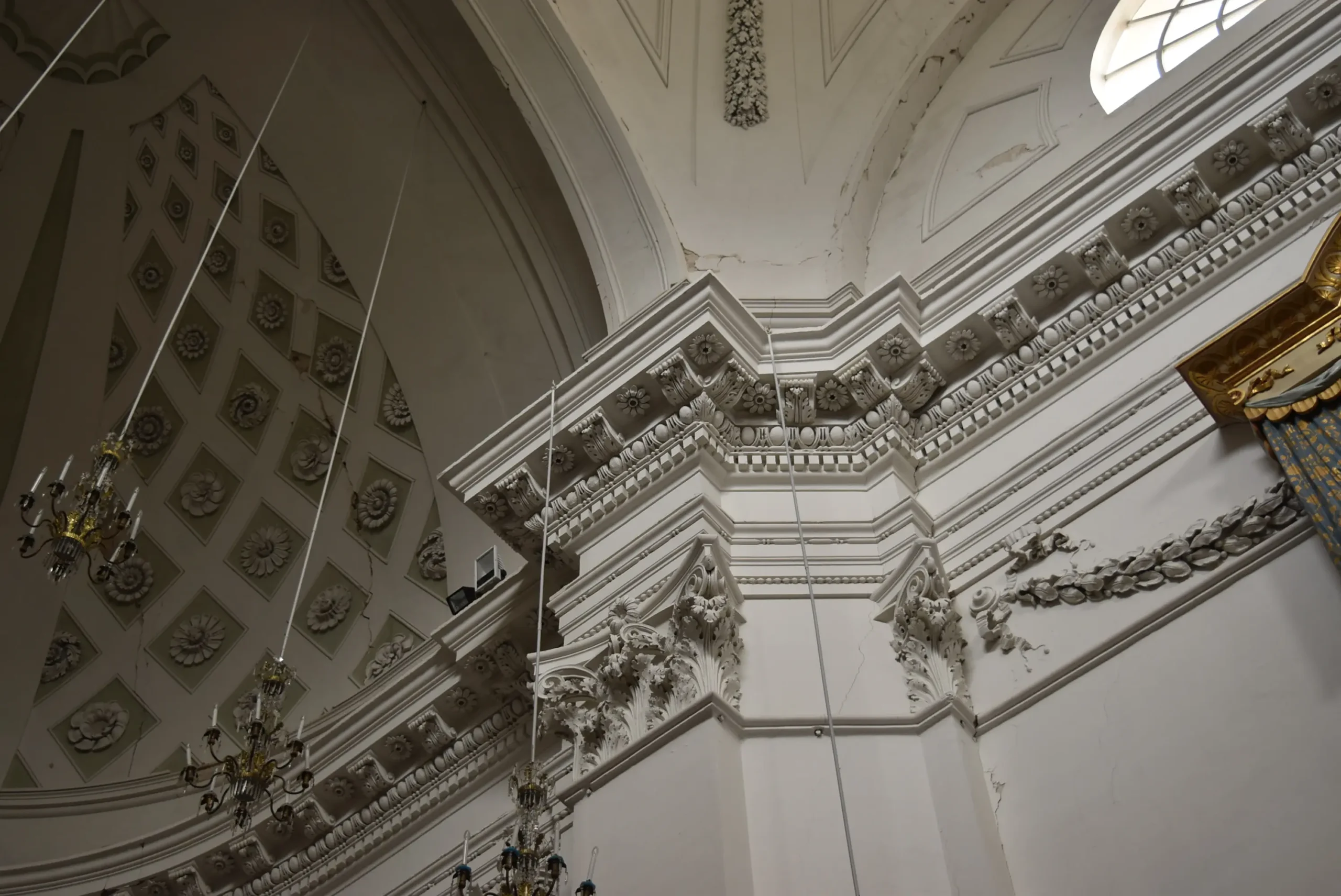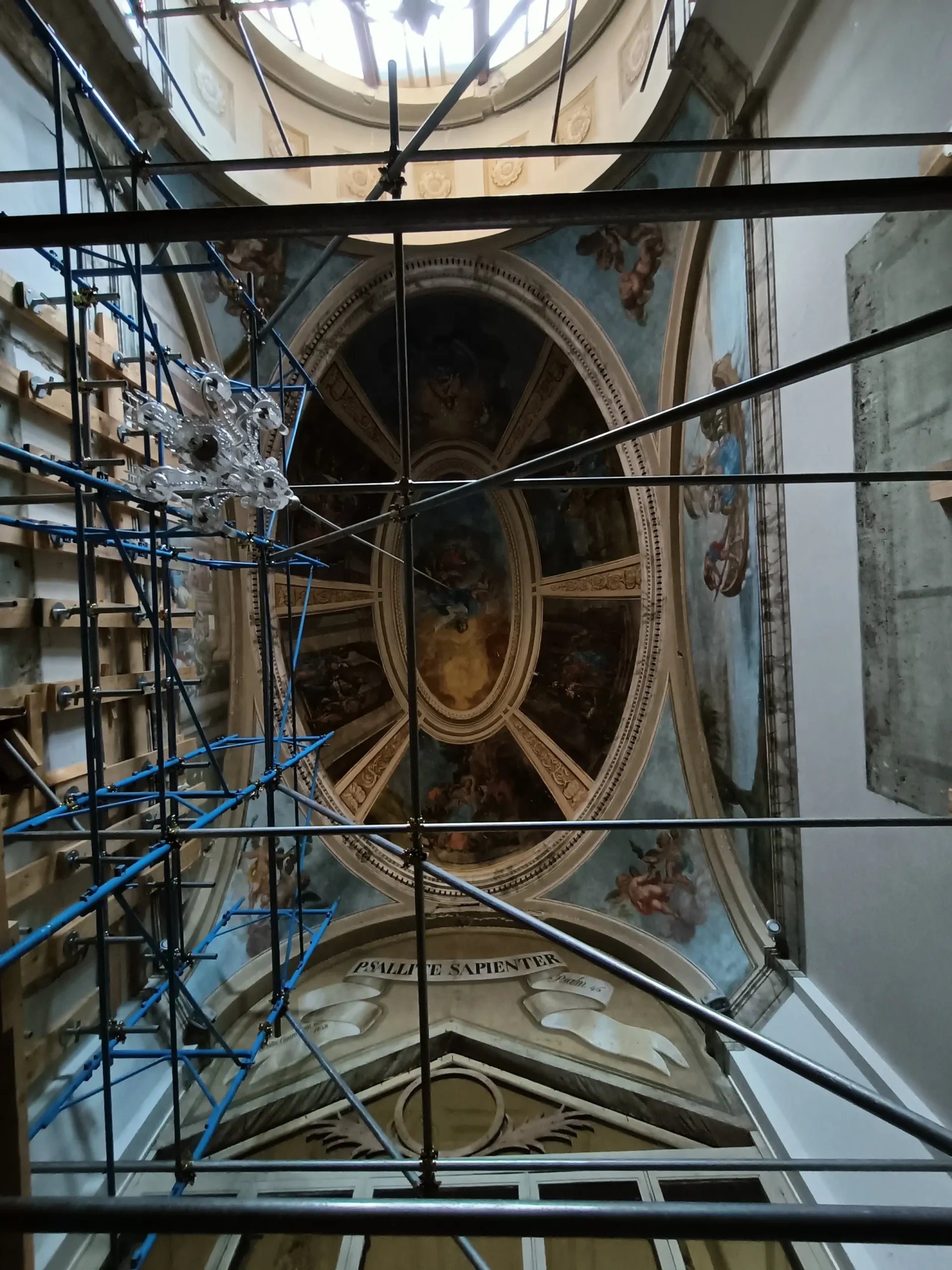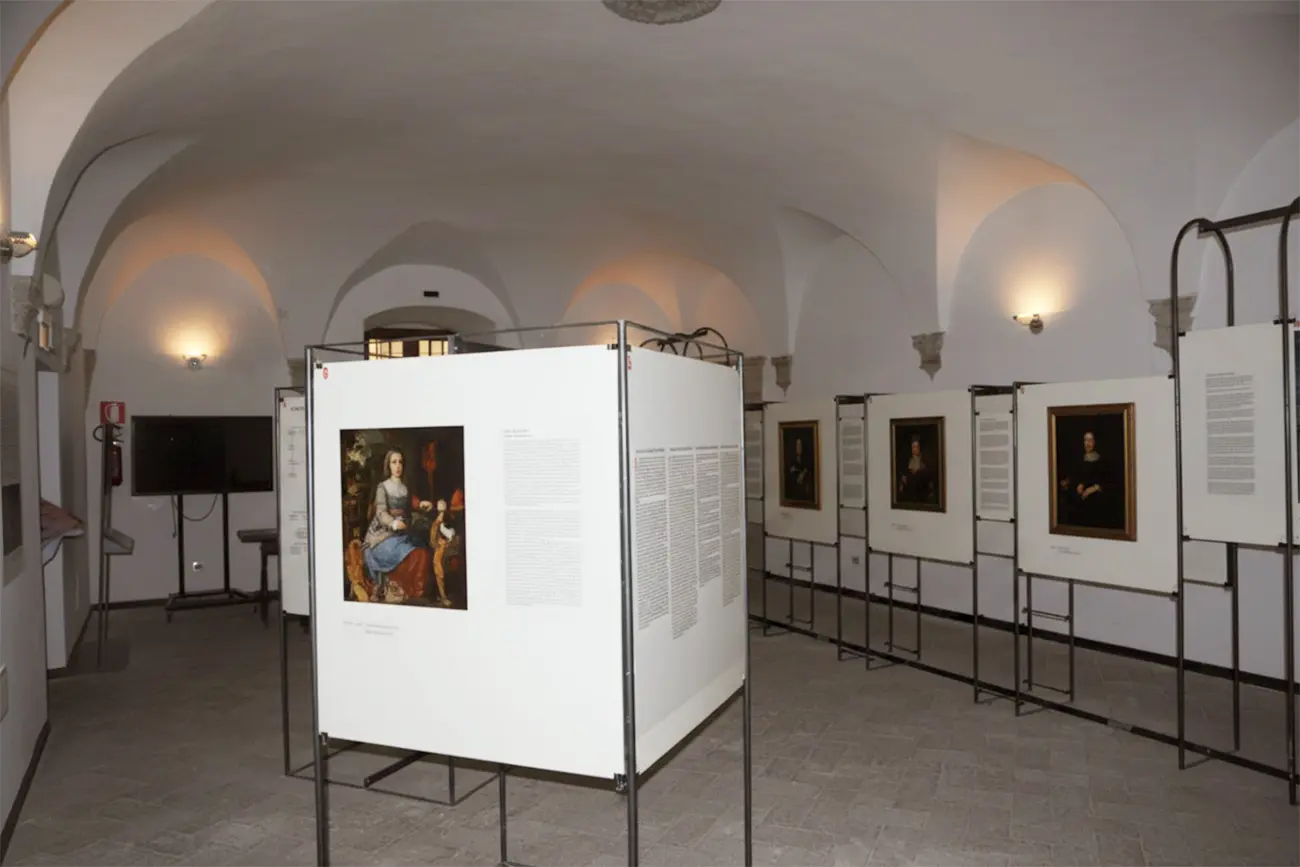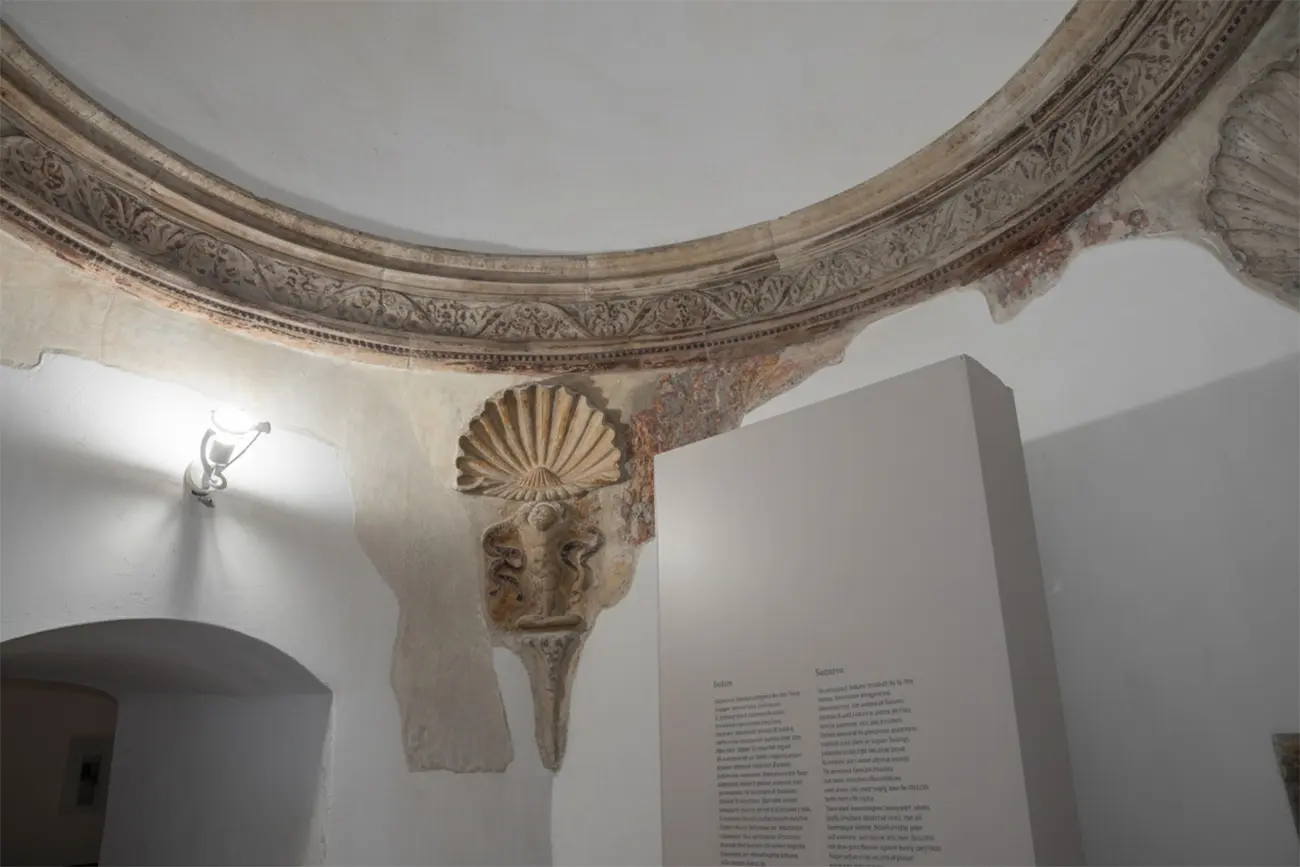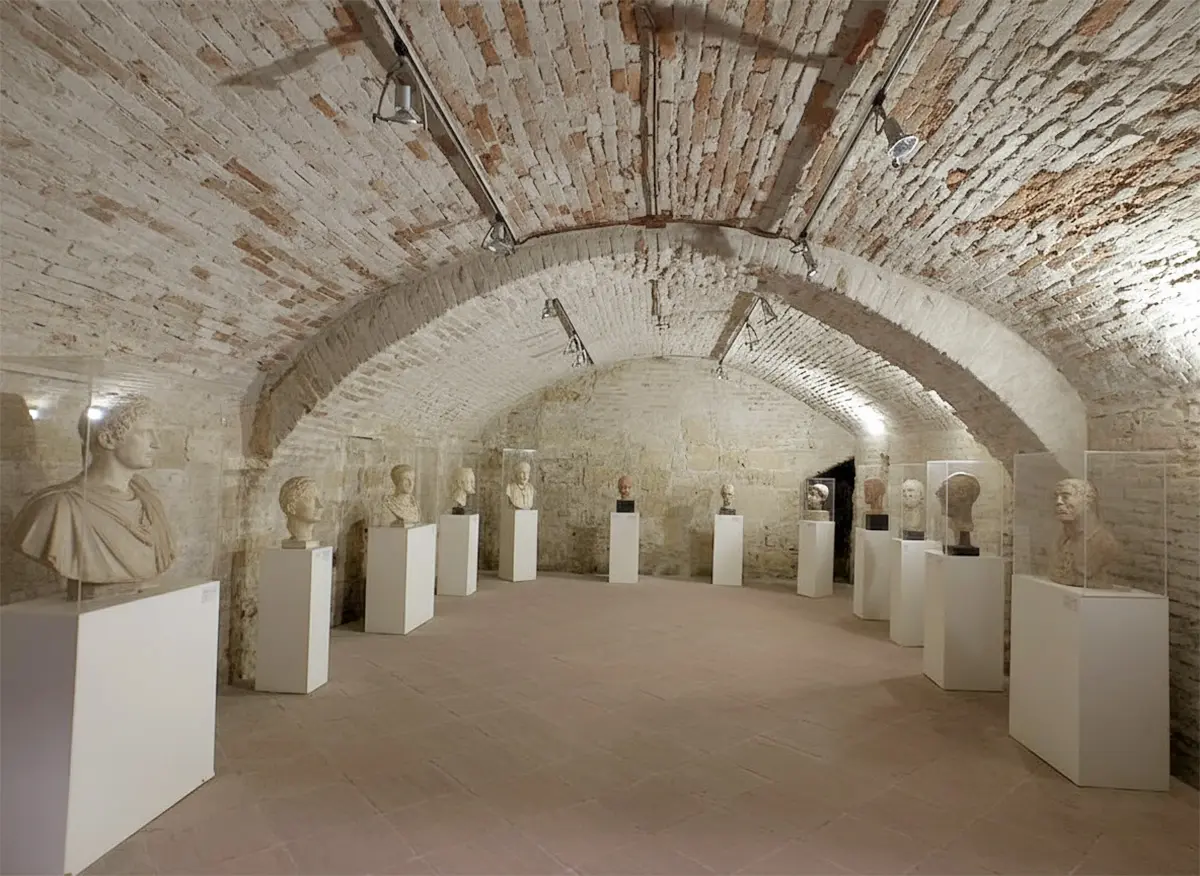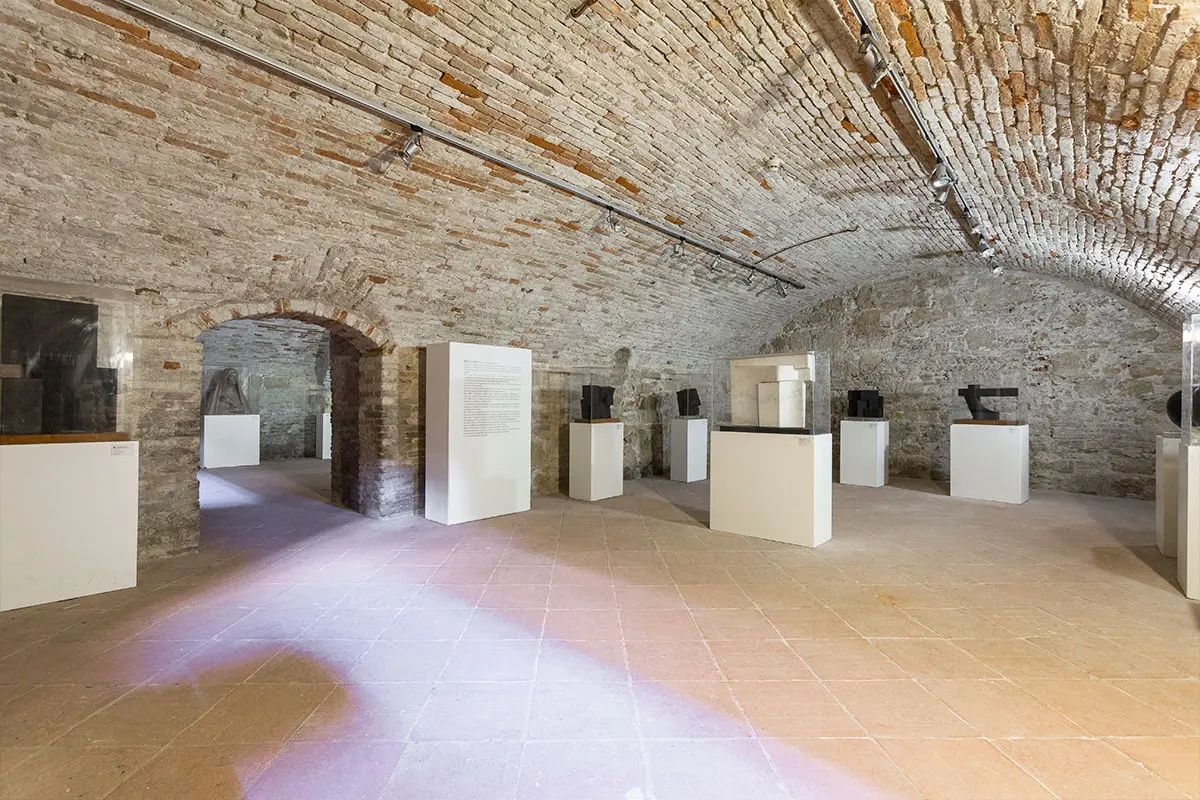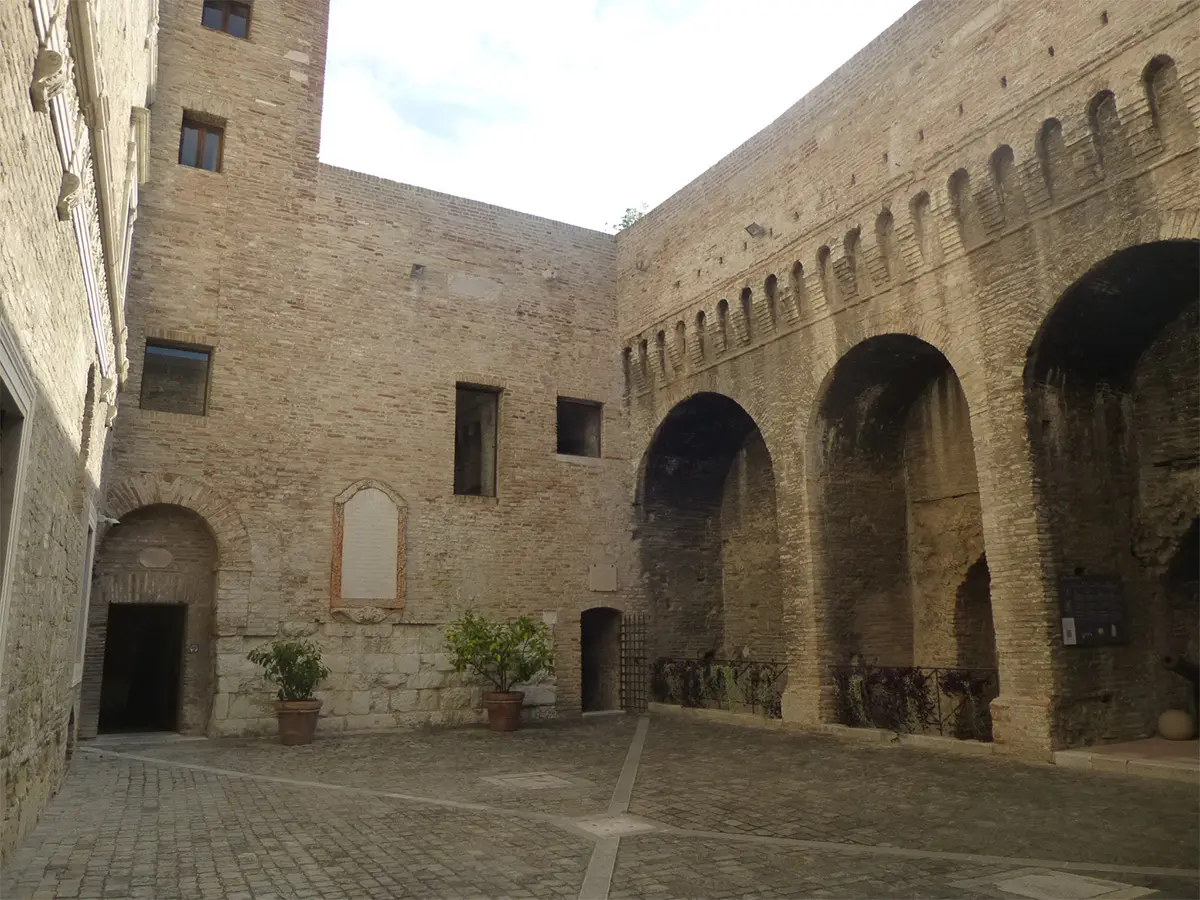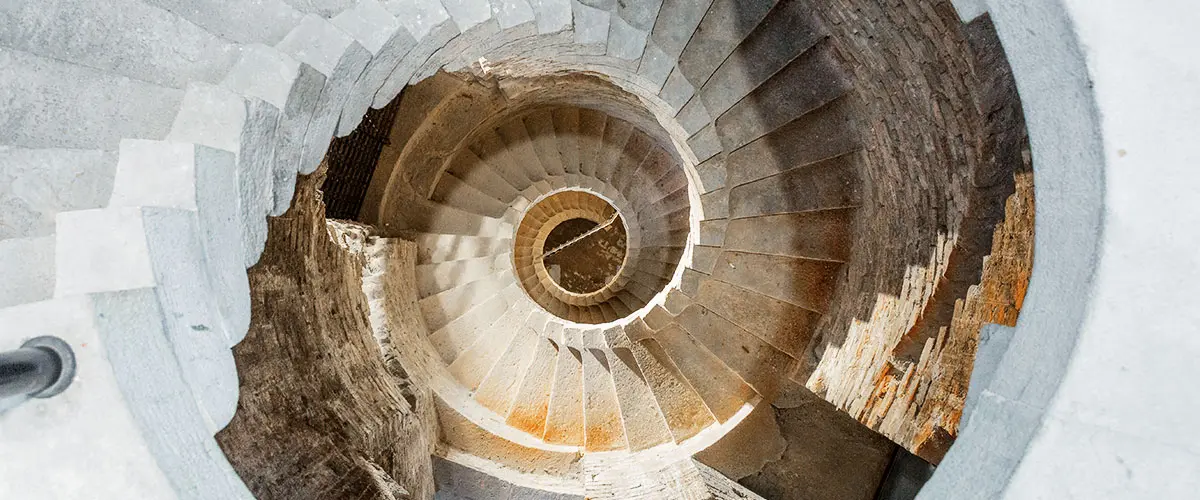
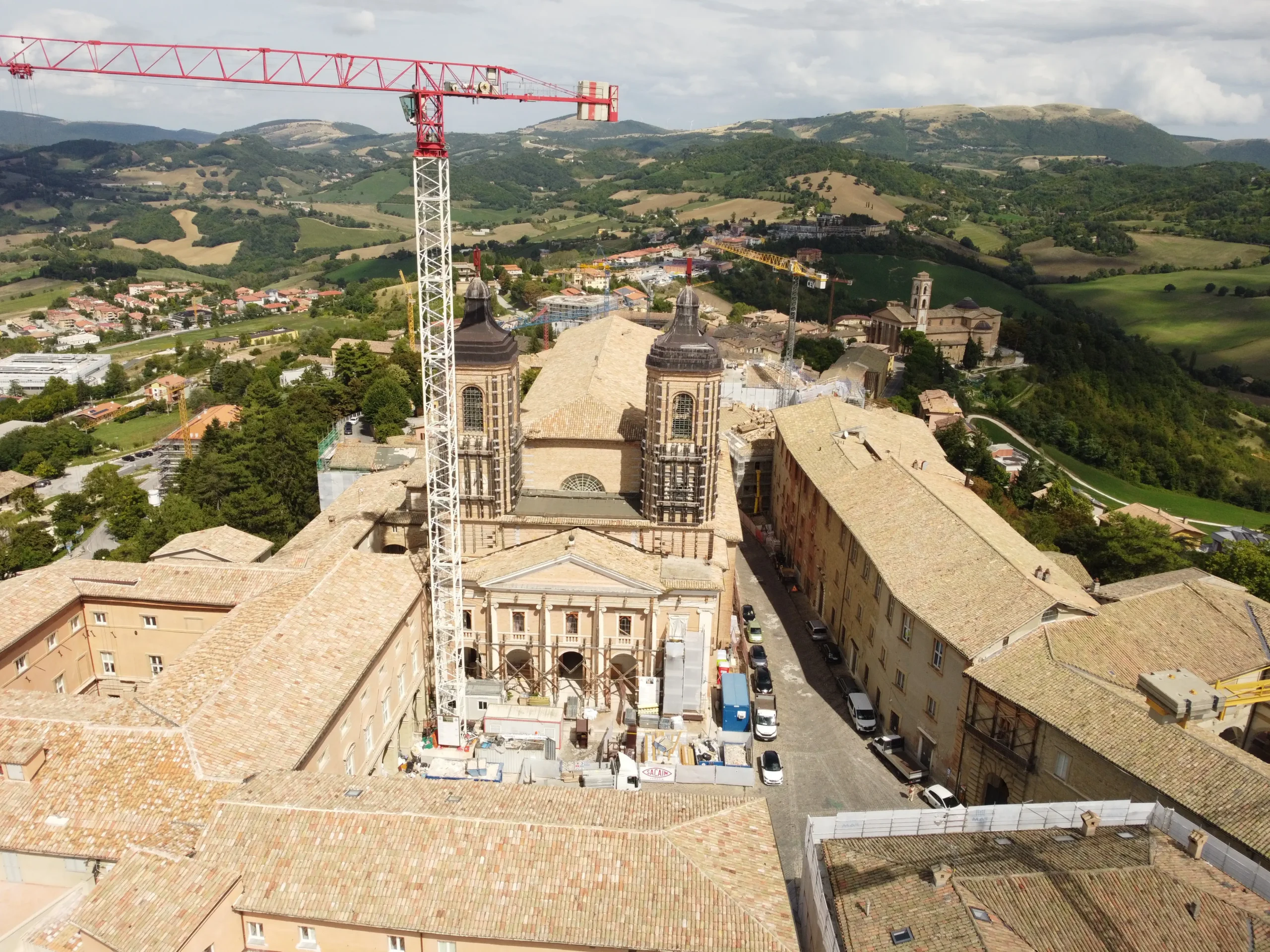
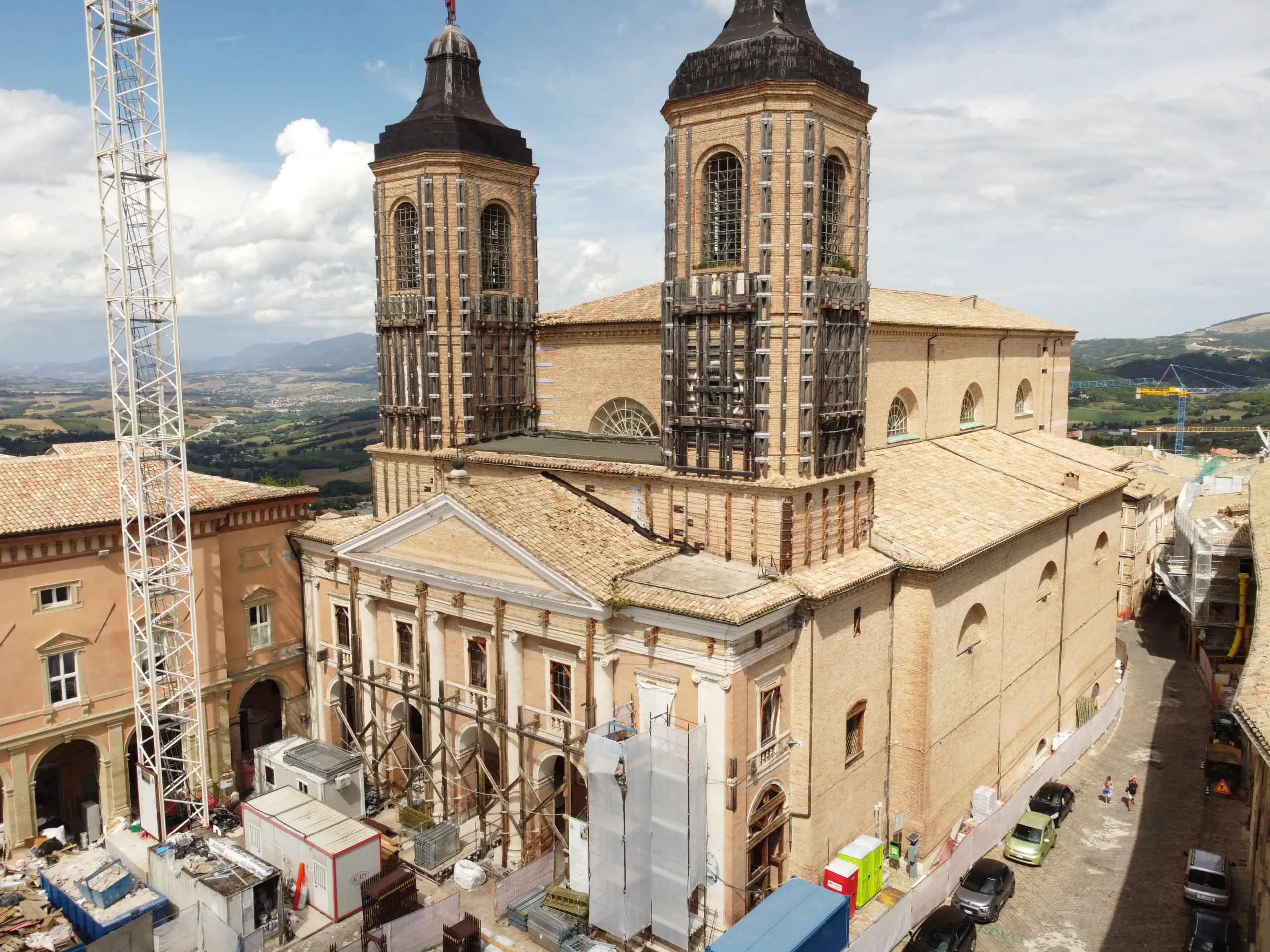
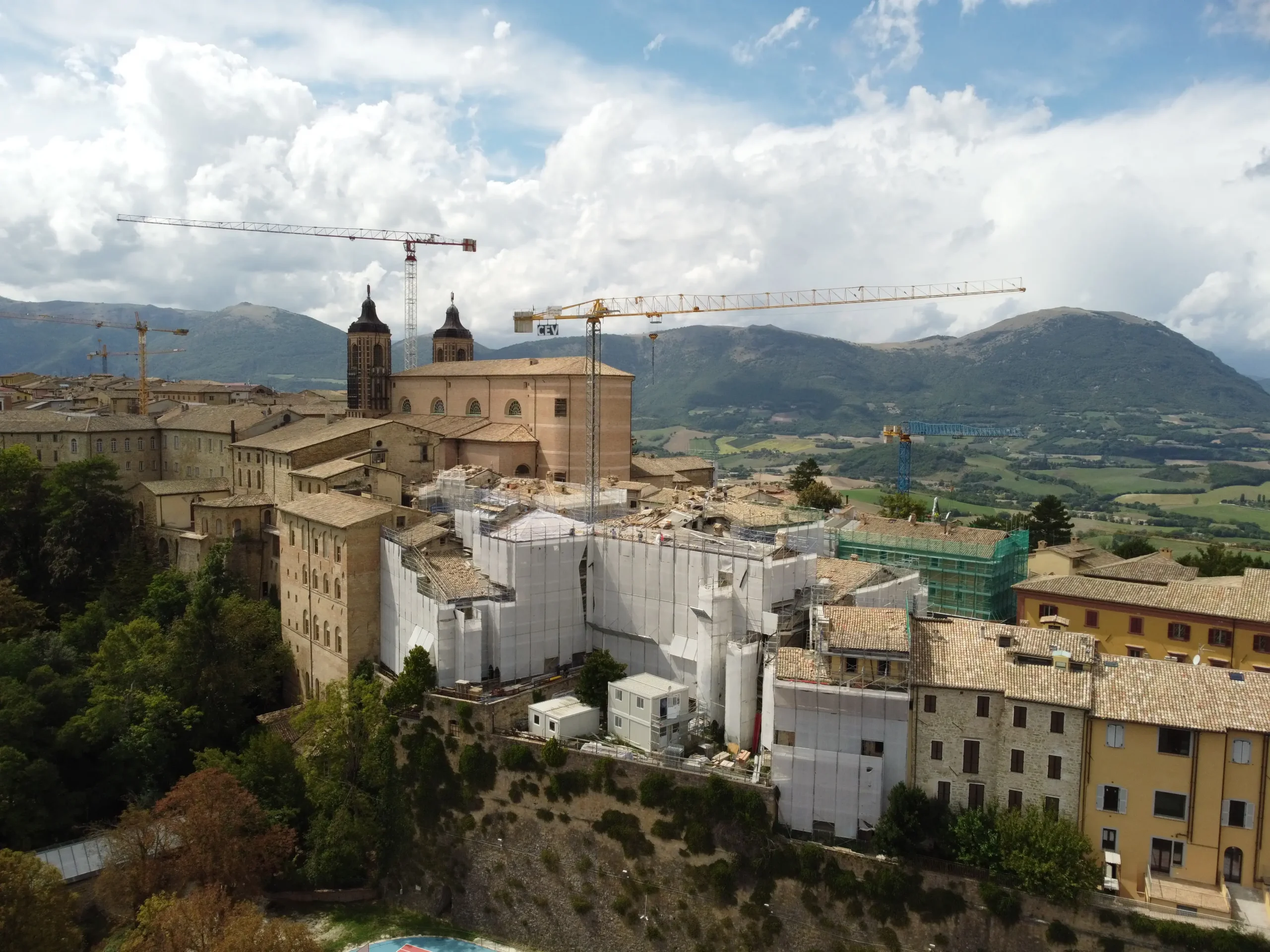
Progetto di restauro e miglioramento sismico del Duomo di Camerino dopo il sisma 2016. Englobe interviene su un edificio storico vincolato con tecniche avanzate e compatibili.

Santa Maria Annunziata Cathedral

Santa Maria Annunziata Cathedral

Seismic retrofit and restoration of Camerino Cathedral

A cathedral shaped by centuries of transformation

Camerino Cathedral is the result of successive reconstructions shaped by history, earthquakes, and cultural shifts.

The current Santa Maria Annunziata Cathedral represents the third construction phase of the site. The earliest structure dates back to the 7th century, while a Romanesque-Gothic cathedral built between the 12th and 13th centuries was destroyed by the 1799 earthquake.

The reconstruction process began in 1800 under architect Andrea Vici, a student of Vanvitelli, marking a transition toward a neoclassical architectural language. After evaluating multiple design options, the final scheme was selected in 1804, and construction began in 1806, leading to completion in 1832 and consecration in 1833.

The current building is therefore the result of a full 19th-century reconstruction that remained largely unchanged until recent seismic events.

The earthquake as a revealer of structural vulnerabilities

The 2016 earthquake exposed hidden structural weaknesses rather than simply causing damage.

Structural assessments revealed widespread cracking in load-bearing systems, instability in the façade and bell towers, and significant damage to camorcanna vaults. The building’s heterogeneous masonry composition, including stone, brick, and mixed techniques with insufficient bonding, contributed to its overall vulnerability.

Knowledge as infrastructure: the role of diagnostic investigations

According to Englobe engineers, knowledge is the foundation of every effective intervention.
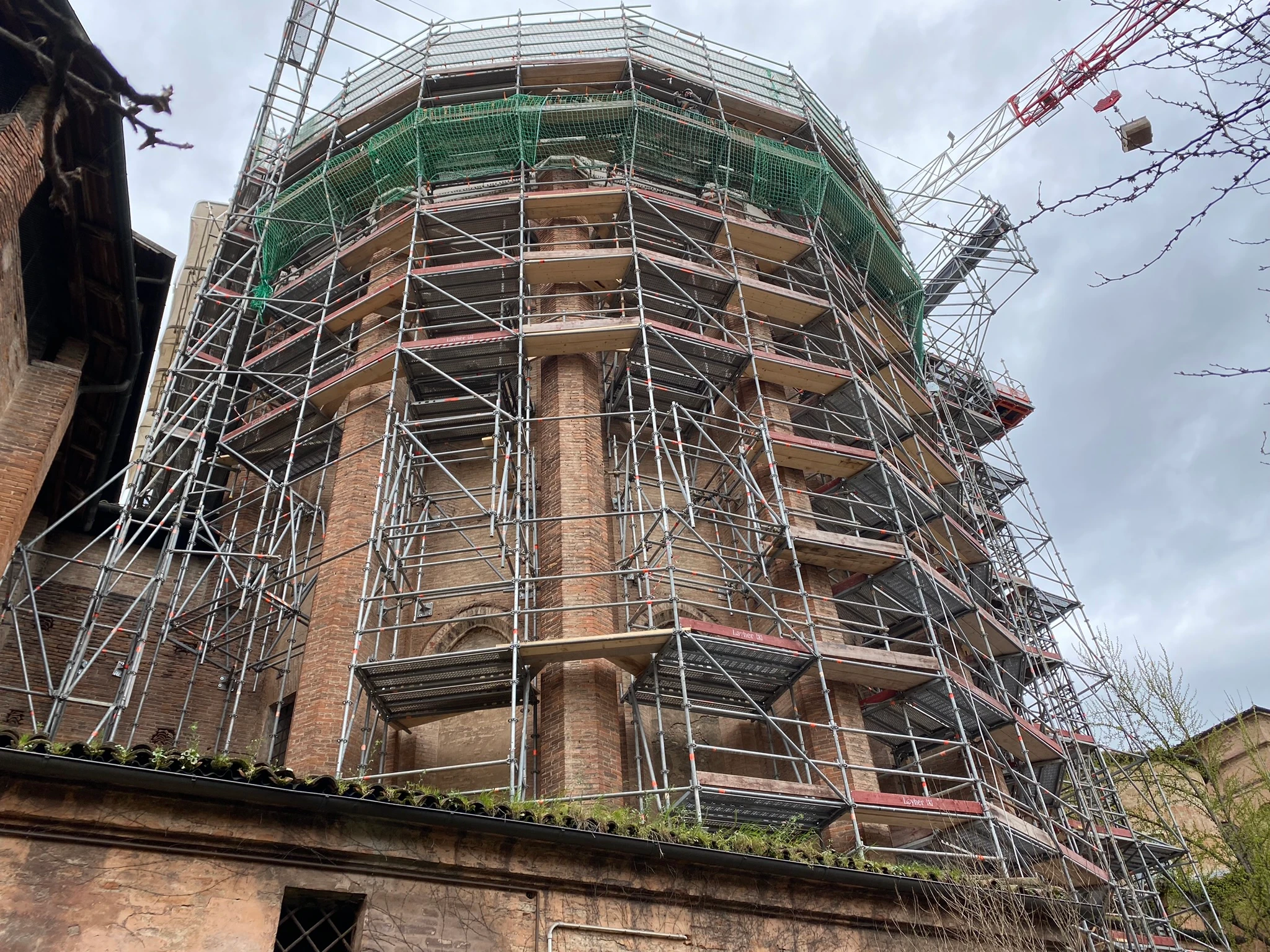
The design process was based on an integrated investigation campaign combining historical research, advanced surveying, and targeted diagnostic testing. These activities provided insight into material stratigraphy, construction techniques, and structural behavior.

The methodology prioritized non-invasive and minimally invasive investigations, using representative sampling strategies to achieve a comprehensive understanding while preserving the integrity of the historic fabric.

Balancing engineering and conservation

The project merges structural performance with material authenticity.

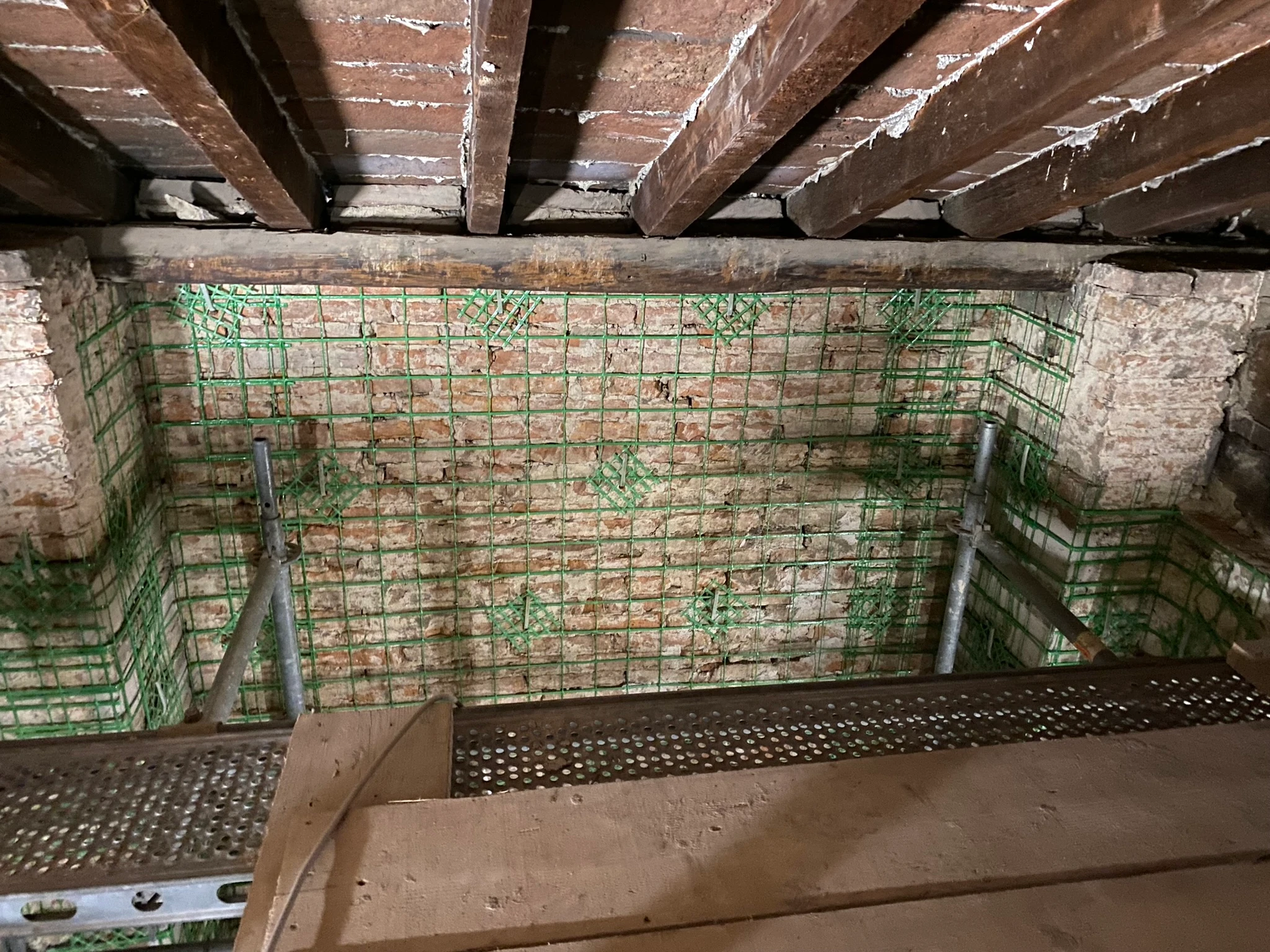
Englobe’s strategy is built on compatible and reversible interventions aimed at improving seismic behavior without altering the building’s identity. Masonry consolidation, composite reinforcement systems, and structural ties are integrated into a cohesive design framework.

At the same time, restoration works and system upgrades enhance both functionality and spatial quality, creating a dialogue between technical performance and historical value.

Beyond restoration: rebuilding a city’s identity

The cathedral acts as a catalyst for urban and cultural regeneration.

Located in Piazza Cavour, the cathedral is a defining element of Camerino’s urban landscape. The intervention therefore operates beyond the scale of architecture, contributing to the reconstruction of collective identity and the reactivation of social and economic dynamics.

According to Englobe, this project demonstrates how restoration can become a contemporary act, capable of connecting knowledge, technology, and cultural heritage.

PLACE

Camerino (MC)

CLIENT

Arcidiocesi di Camerino

WORK PERIOD
ACTIVITY

Design phase Safety coordination
Executive design
Final design
Preliminary design
Works Supervision

TYPOLOGY

Restoration of Listed Cultural Heritage

INTENDED USE

Cultural
Religious

WORK AMOUNT
WORKING GROUP

Dott.ssa Elisa Saracino
Dott.ssa Maria Letizia Amadori
Englobe
Geol. Marco Caporaletti
Ing. Carlo Morosi
Ing. Tommaso Ortolani

Progetto di restauro e rifunzionalizzazione del Palazzo Cisterna di Biella

Palazzo Cisterna

Palazzo Cisterna

Restoration and adaptive reuse of Palazzo Cisterna in Biella

Restoration, conservation, and functional adaptive reuse

ENGLOBE was responsible for the Technical and Economic Feasibility Project (PFTE) for the restoration and adaptive reuse of Palazzo Cisterna, a listed historic building located in the Piazzo district, within the historic center of Biella.

Promoted by the Piedmont Region, the project is part of a broader strategy for the enhancement of public heritage, with the aim of assigning the building a contemporary use fully compatible with its historical and architectural value.

A new hub for local Public Administrations

The project envisions the transformation of Palazzo Cisterna into an integrated service hub for Public Administrations, accommodating institutional functions, workspaces, public-facing areas, and facilities for educational and cultural activities.

The design strategy combines heritage protection, functional modernization, and accessibility, ensuring public use of the building and its reintegration into the urban fabric of the Piazzo district.

Design approach and intervention strategy

The building is characterized by a complex historical stratification, developed between the 13th and 17th centuries and shaped by subsequent functional transformations.

The project adopts a conservation-oriented approach, aimed at preserving and enhancing existing architectural features, limiting invasive interventions and favoring compatible, reversible, and clearly legible solutions.

All design decisions were developed in compliance with heritage and landscape protection regulations pursuant to Legislative Decree 42/2004 and in coordination with the relevant Heritage Authority.

Architectural design and functional layout

The spatial reorganization of the building is structured around the internal courtyard, which acts as the main distribution and organizational core.

The two historic entrances from Piazza Cisterna and Piazza Cucco have been preserved and enhanced, ensuring equal functional hierarchy and full accessibility.

The project includes:

  • public-facing and reception areas on the ground floor, including reception and café spaces within historic, frescoed rooms;
  • smart working areas and administrative offices for Public Administration staff;
  • conference halls and representative spaces located in the most architecturally significant levels;
  • temporary exhibition areas and storage spaces at basement level;
  • multipurpose classrooms and temporary accommodation for students and visiting faculty on the upper floors.

Special attention has been given to the removal of architectural barriers, with the inclusion of an elevator system developed through two alternative design solutions (internal and external), defined in agreement with the Heritage Authority.

Seismic improvement and structural interventions

The structural design focuses on the seismic improvement of the building through localized repair and strengthening measures, fully respecting traditional construction techniques.

The adopted solutions prioritize minimal invasiveness, material compatibility, and improved global structural behavior, with targeted interventions on masonry walls and timber floor systems.

Building systems, safety, and fire prevention

The building is equipped with an integrated building services system designed to ensure comfort, efficiency, and safety.

Although the building does not fall under mandatory fire safety certification procedures, the project adopts the Italian Fire Prevention Code as a reference framework, with specific attention to listed buildings open to the public.
The design also includes access control systems, video surveillance, and differentiated user flow management in response to the multiple functions hosted within the building.

Restoration and enhancement of decorative elements

The restoration project is based on a detailed stratigraphic analysis of interior surfaces.

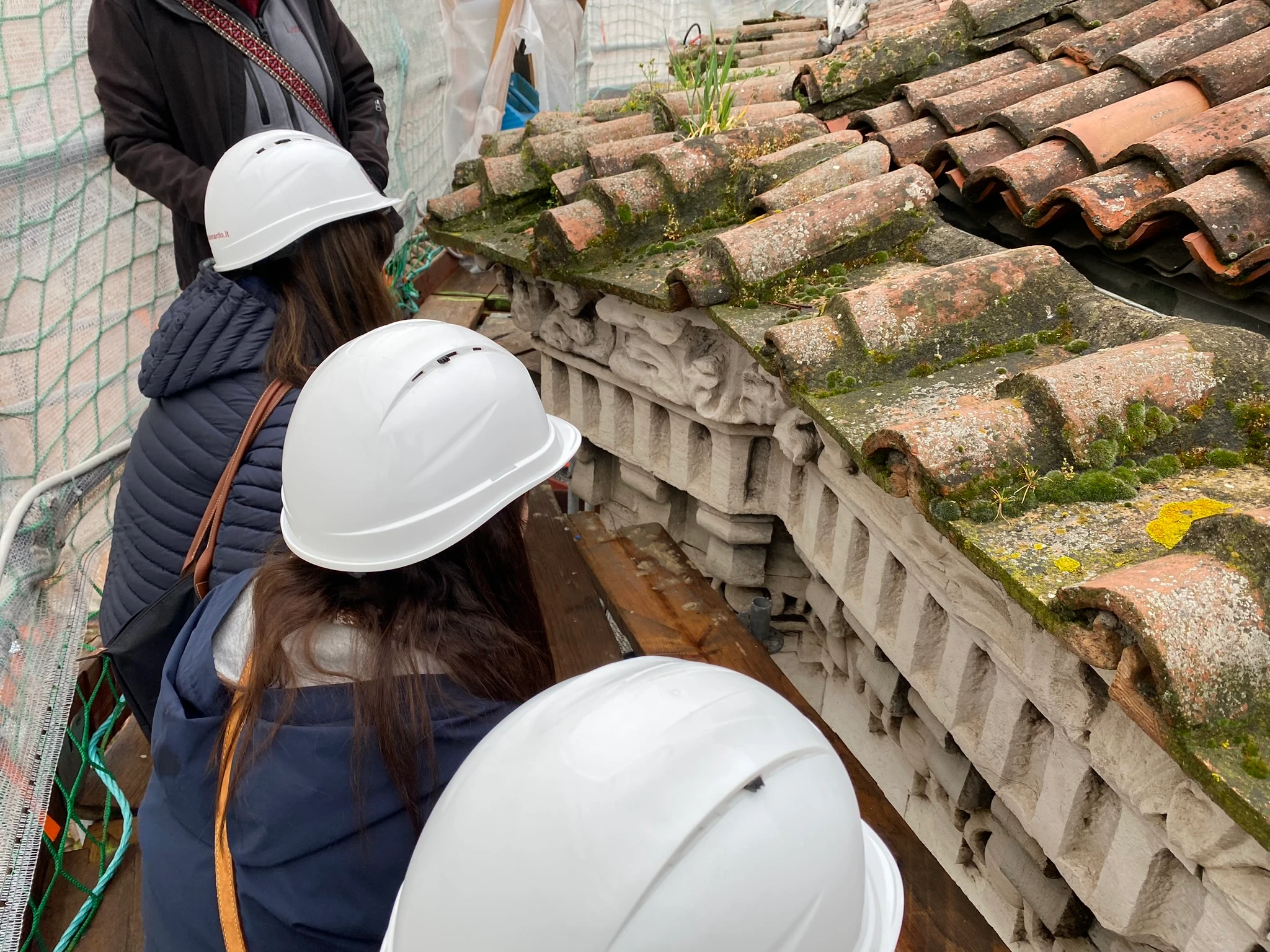
Interventions include the conservation of existing decorative layers, the recovery of historic wall paintings, mitigation of moisture-related deterioration, and the enhancement of valuable architectural elements, all developed in close coordination with the Construction Management team and the Heritage Authority.

PLACE

Biella (BI)

CLIENT

Regione Piemonte

WORK PERIOD
ACTIVITY

Design phase Safety coordination
Executive design
Safety coordination for executive phase
Technical and Economic Feasibility Study
Works Supervision

TYPOLOGY

Conservative Rehabilitation
Restoration of Listed Cultural Heritage

INTENDED USE

Cultural
Exhibition
Institutional
Museum
Residential

WORK AMOUNT
WORKING GROUP

Englobe
Geol. Manuela Pallozzi
Phigroup s.r.l.
Rest. Riccardo Moselli

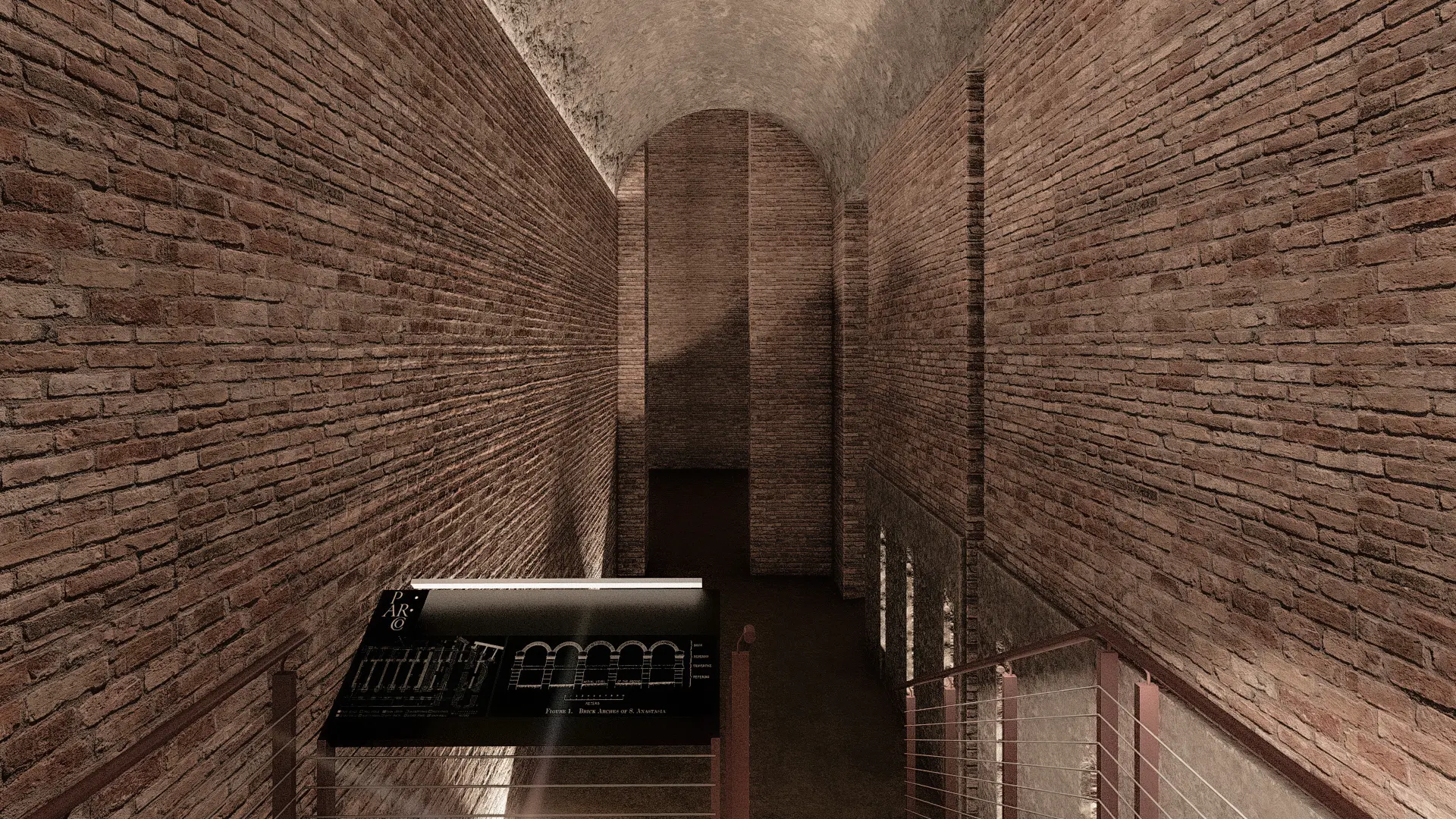
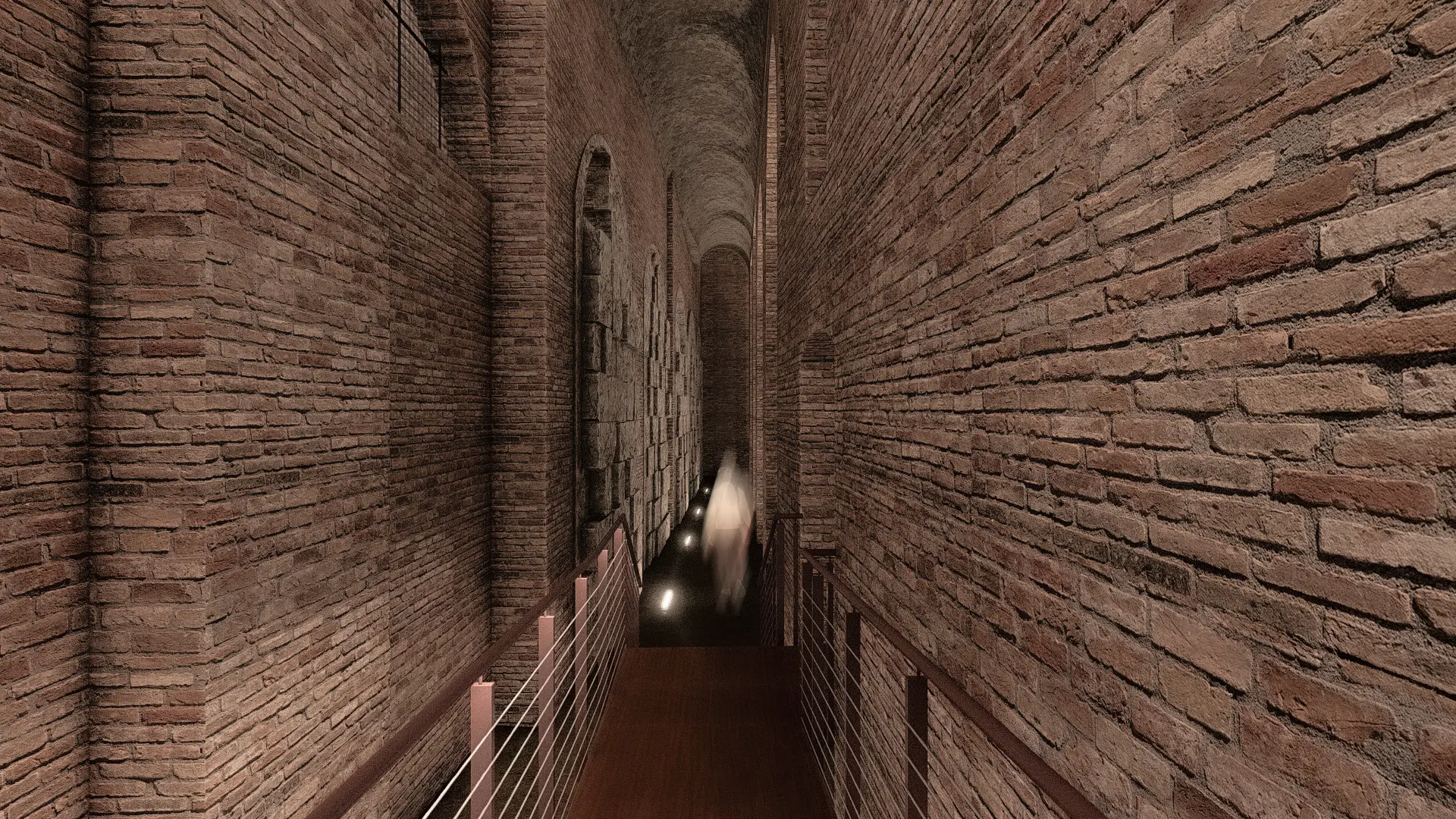
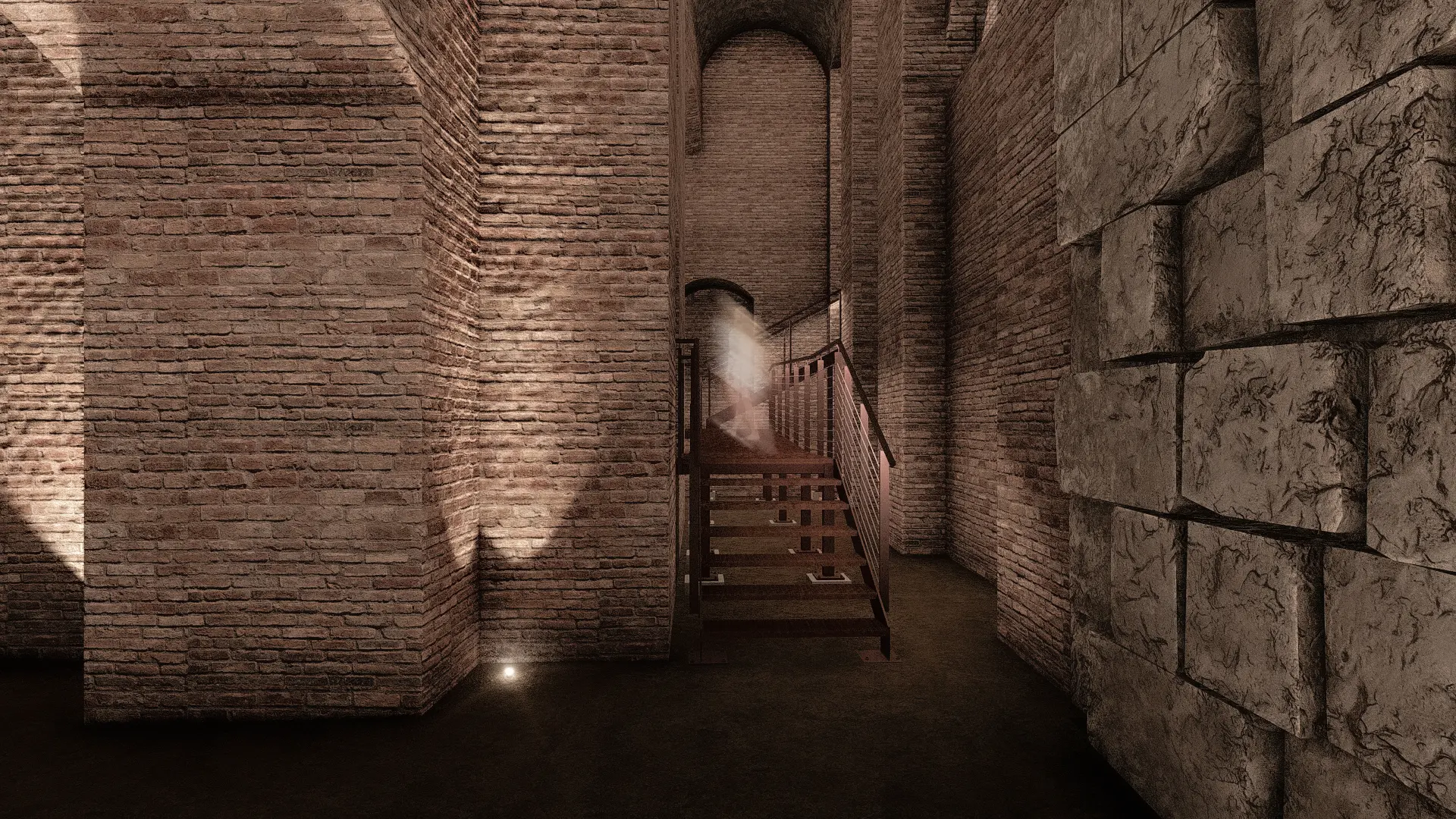
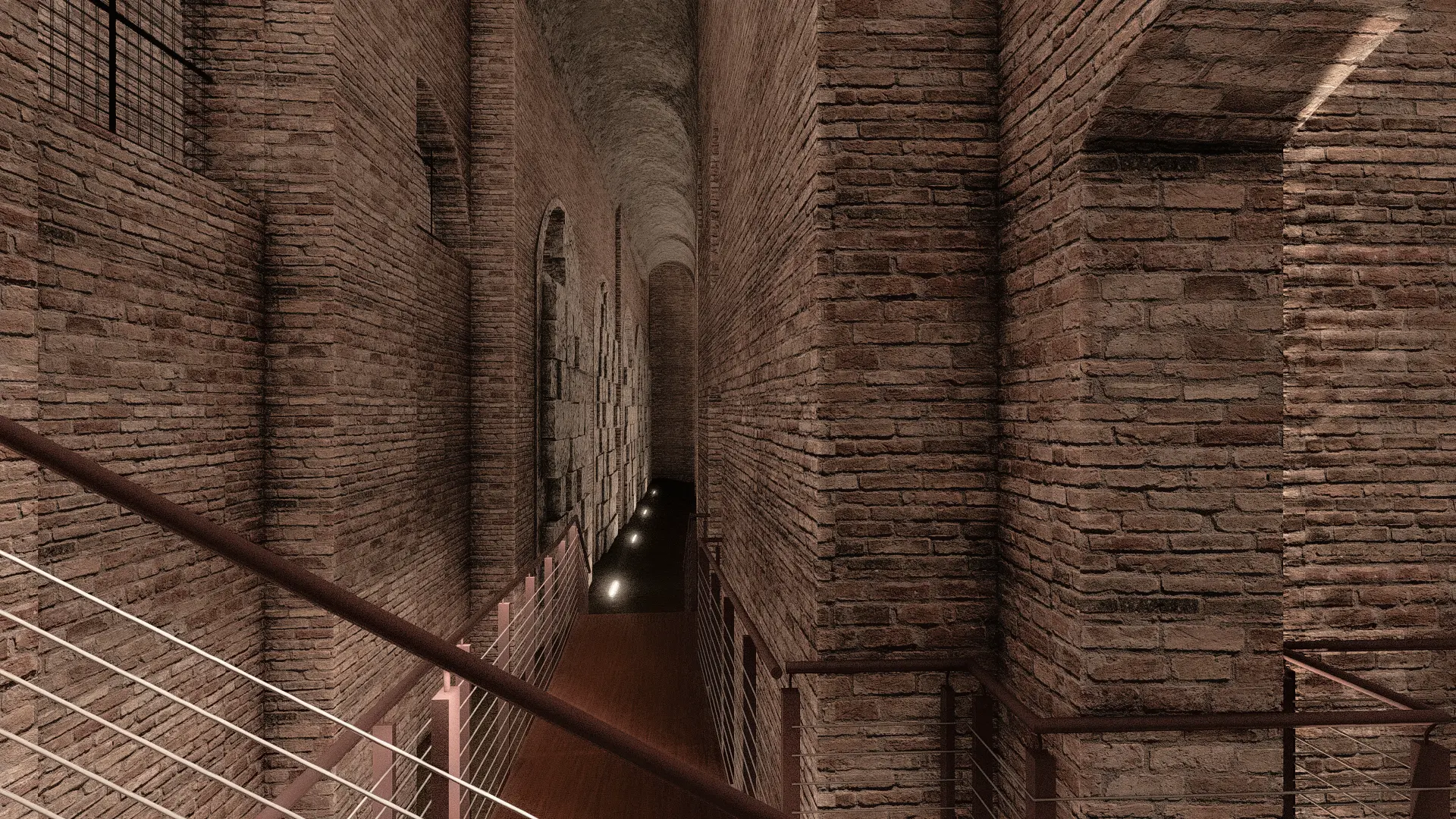
Sotterranei della Chiesa di Sant’Anastasia al Palatino

The Underground Spaces of Saint Anastasia Church

The Underground Spaces of Saint Anastasia Church

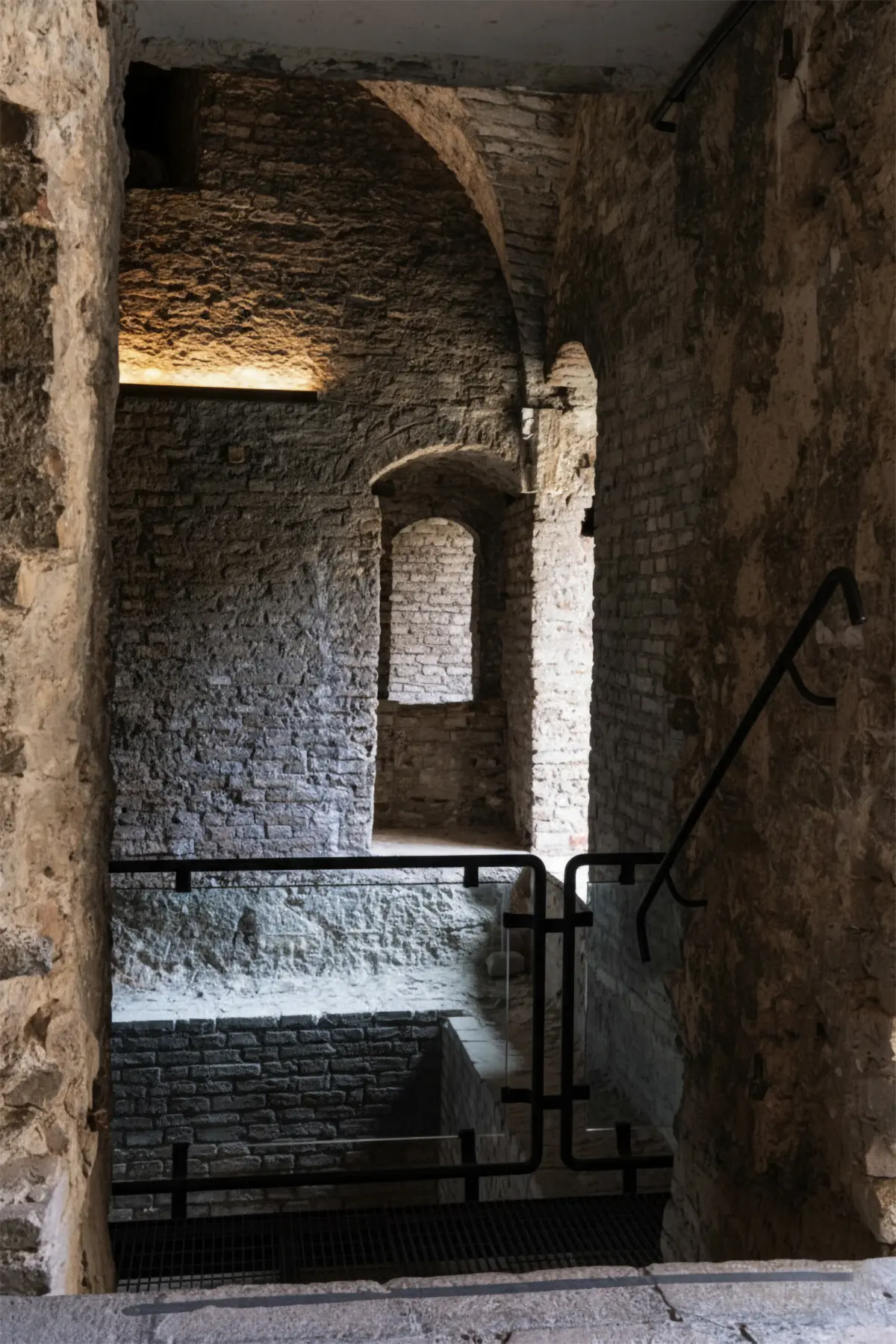
Restoring and bringing new life to the underground spaces of Saint Anastasia Church on the Palatine Hill.

In the heart of Imperial Rome

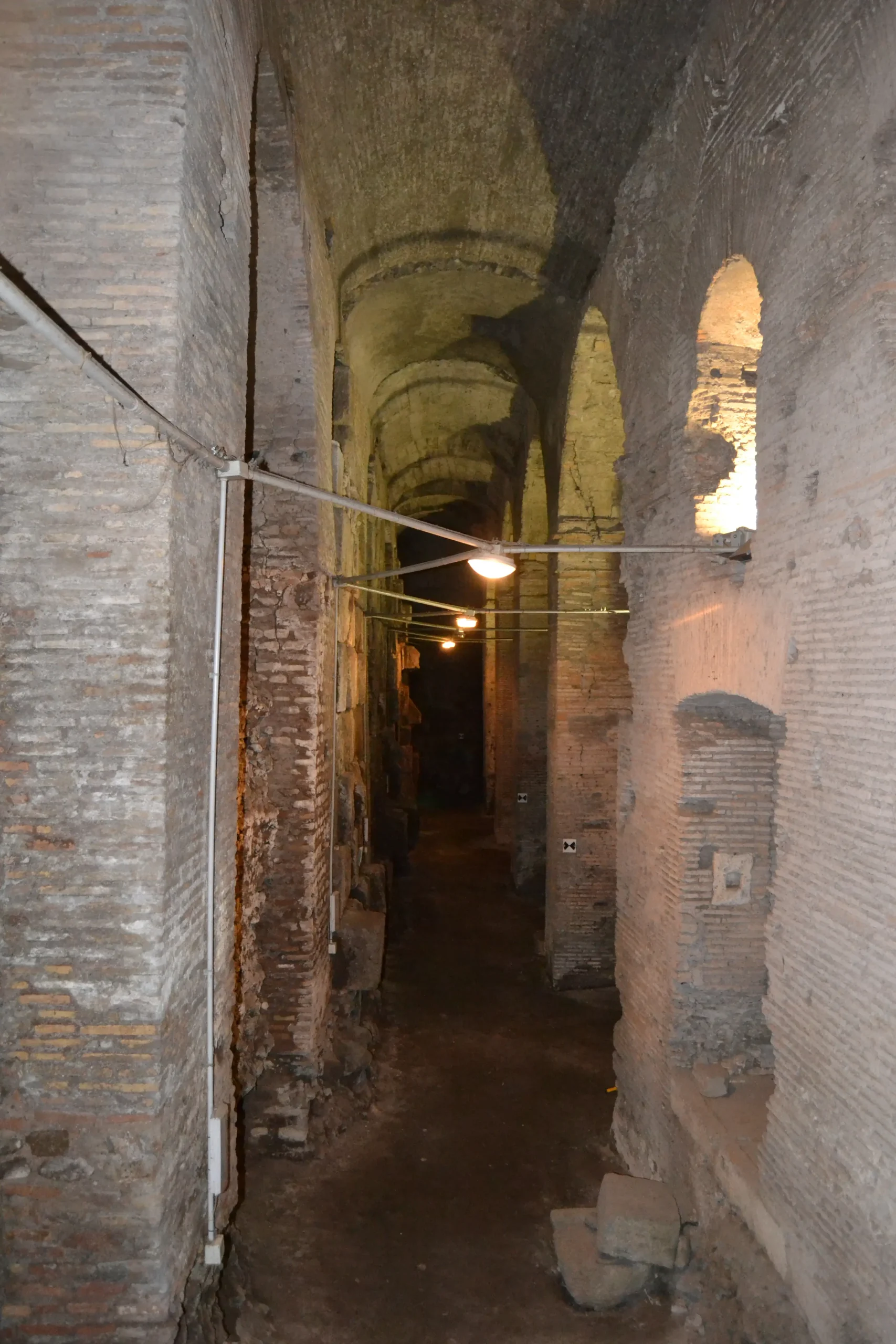
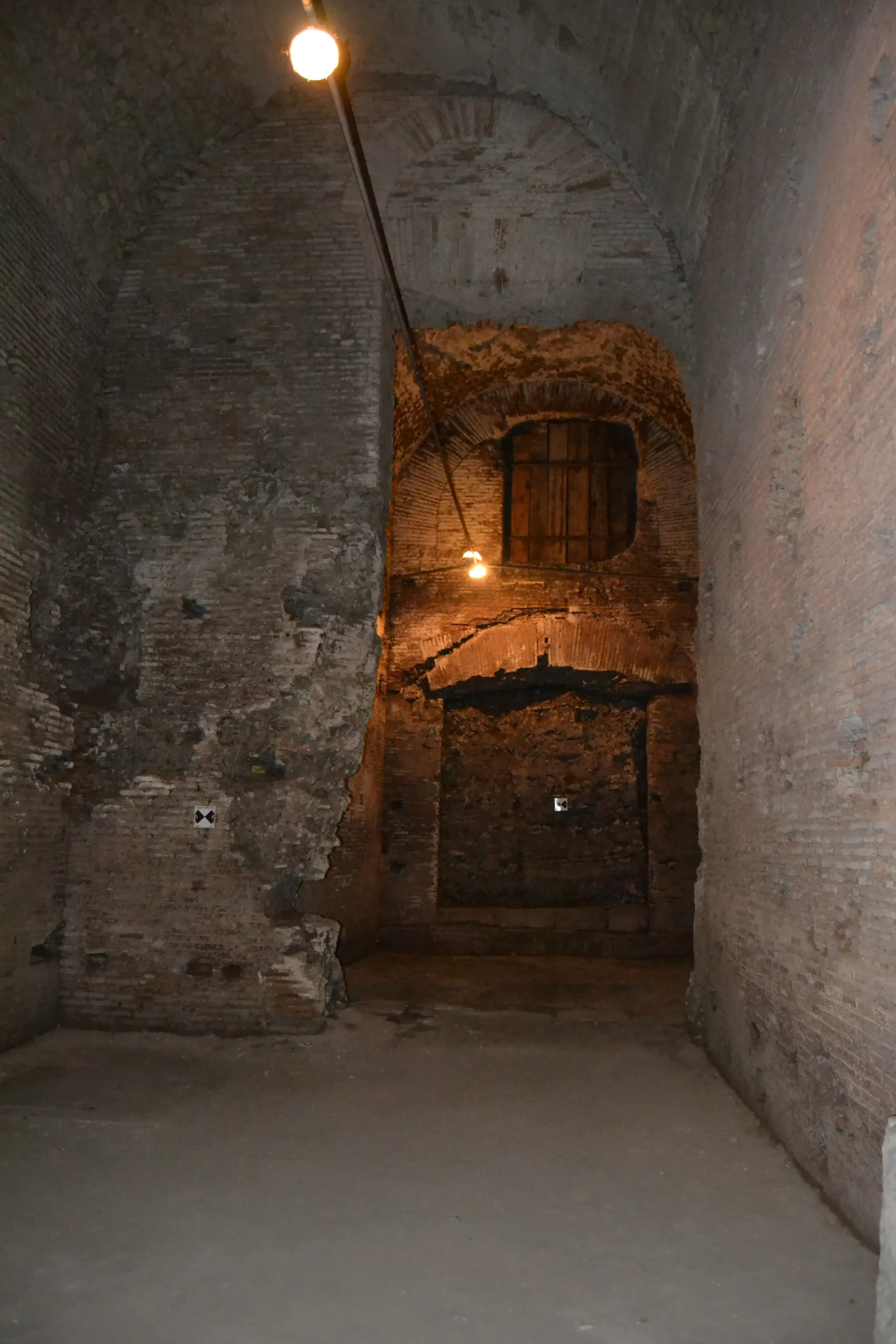
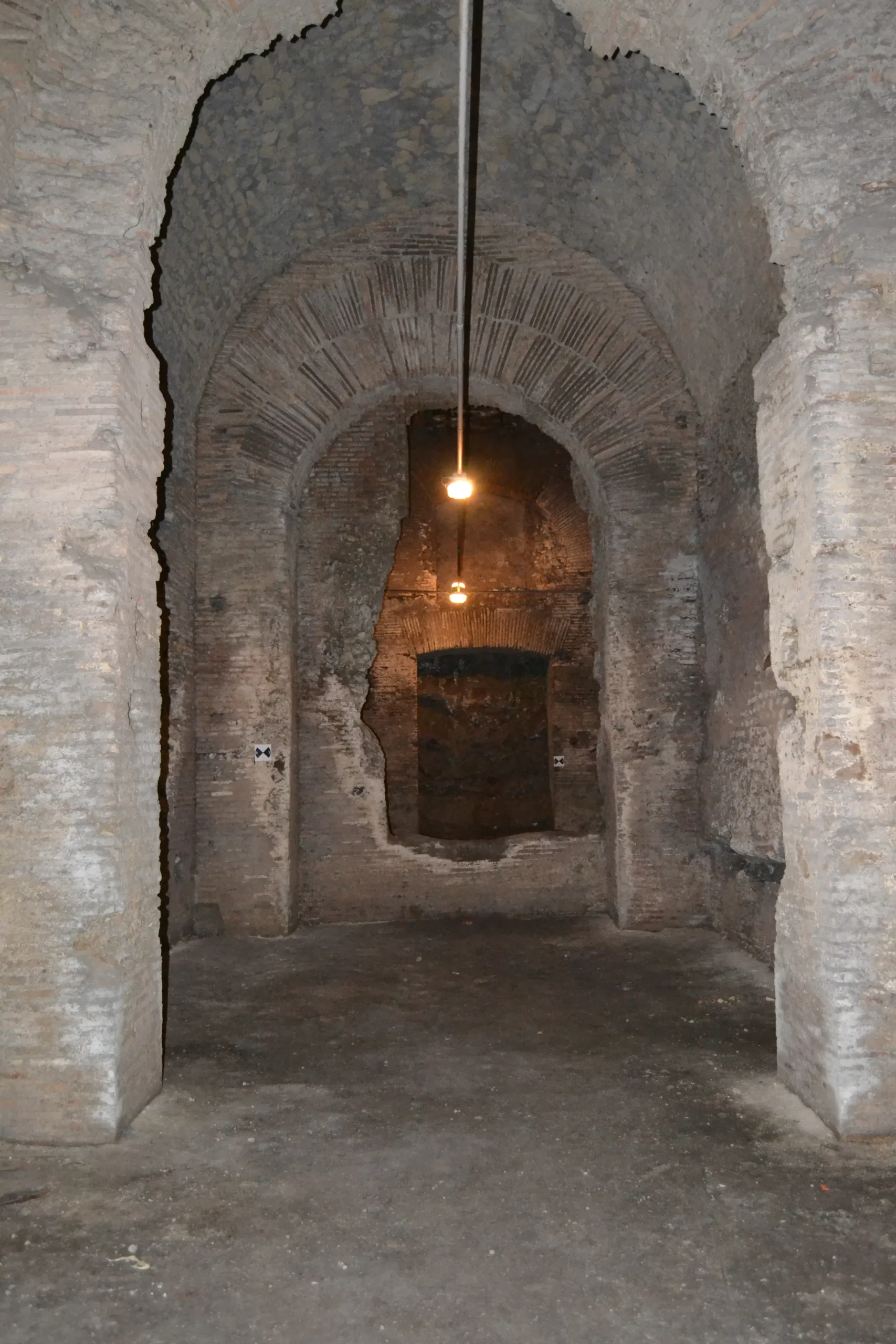
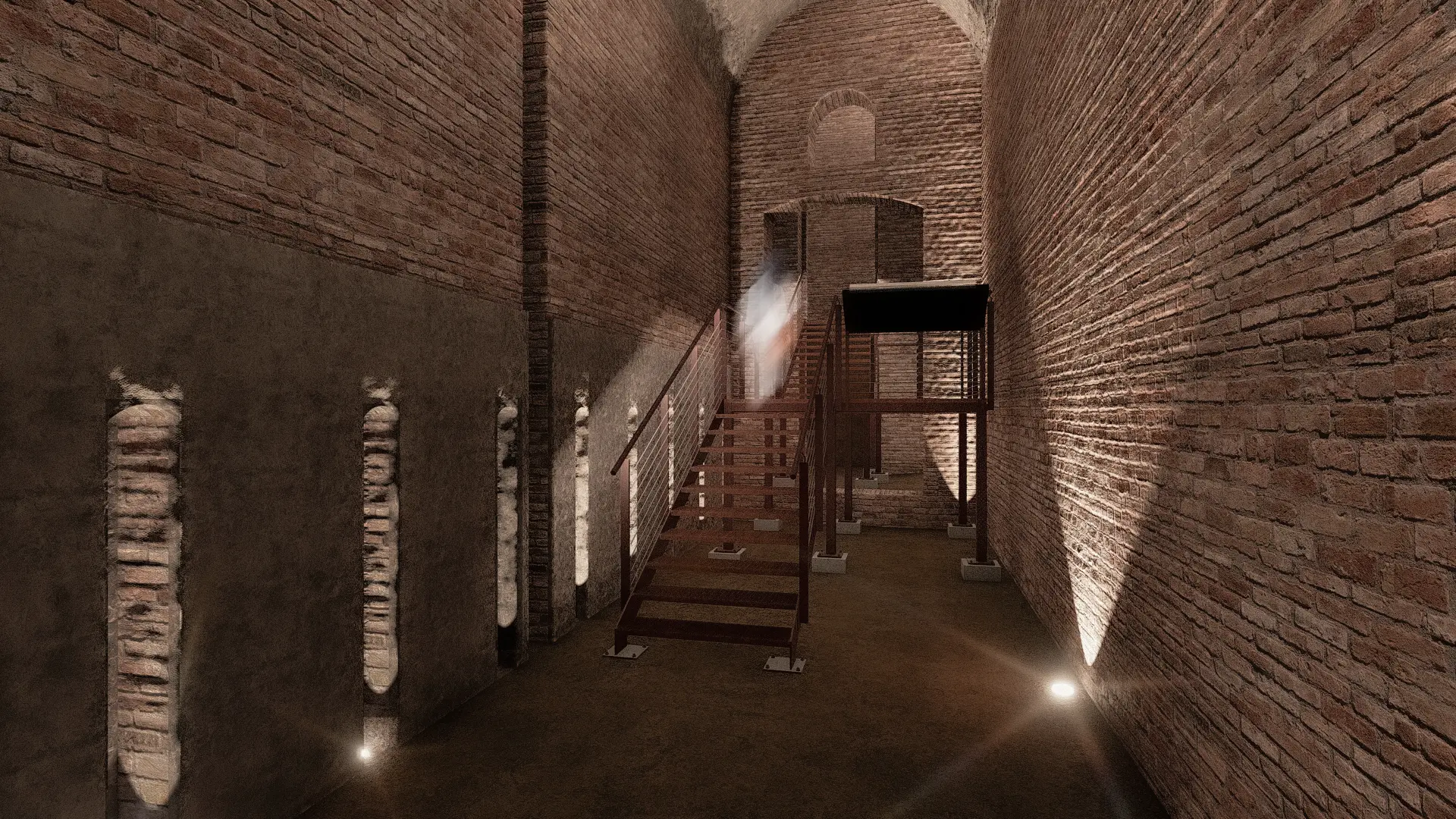
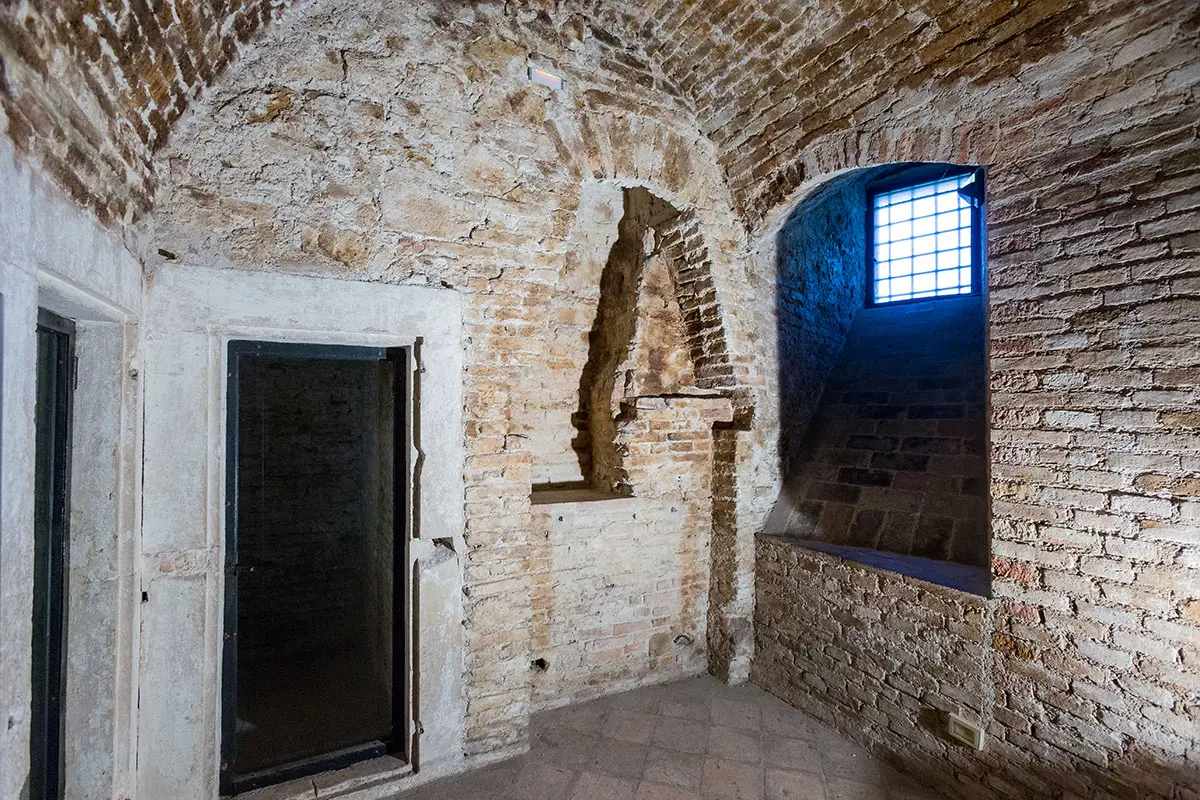
At the heart of the Palatine Hill, the restoration of the underground chambers of the Church of Saint Anastasia brings back to light an extraordinary archaeological site. Commissioned by the Archaeological Park of the Colosseum and funded by the Caput Mundi – Next Generation EU program, the project includes a complex process of architectural conservation, functional upgrading and heritage enhancement aimed at reopening one of the most ancient and symbolic spaces of Imperial Rome.

Intervention and methods

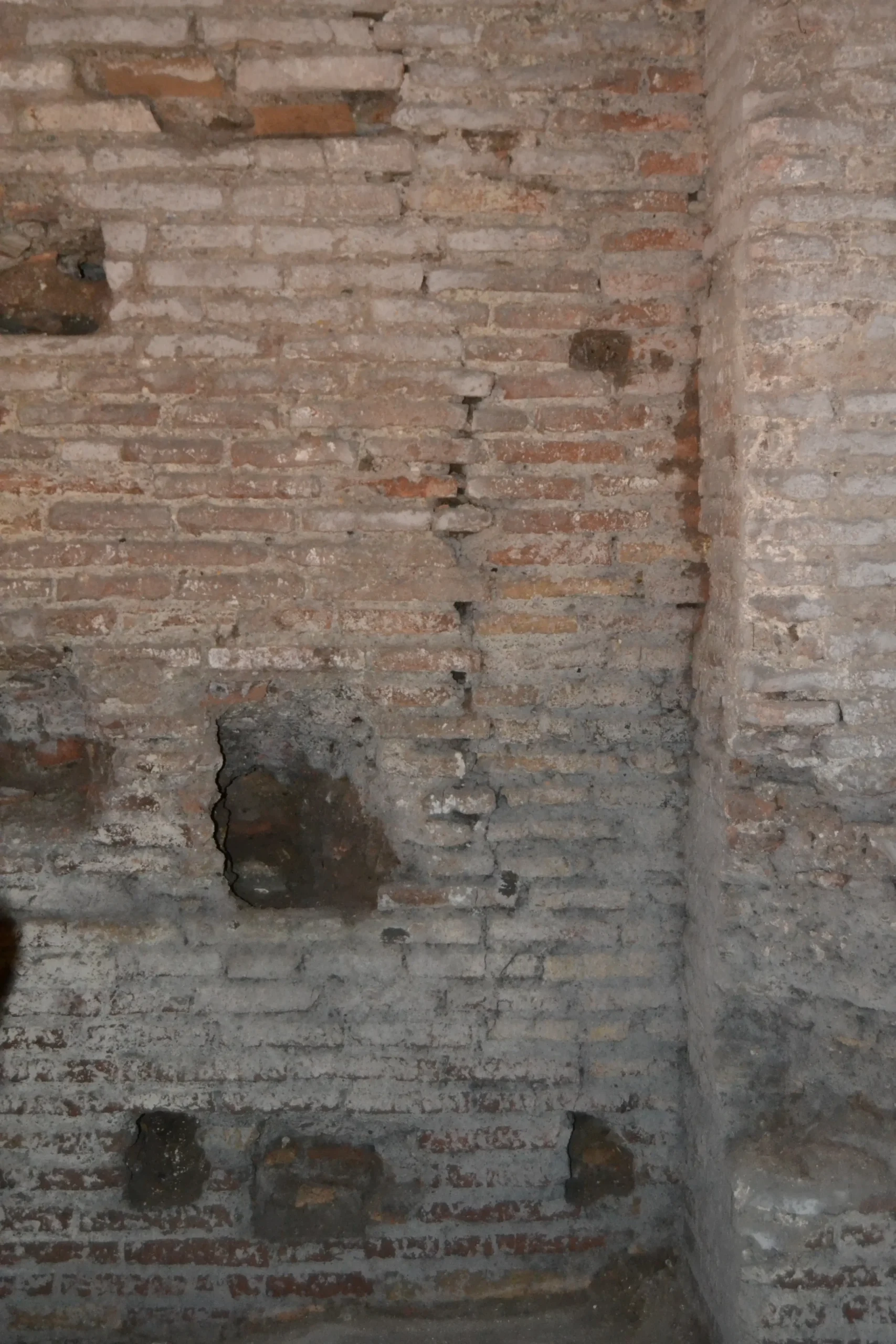
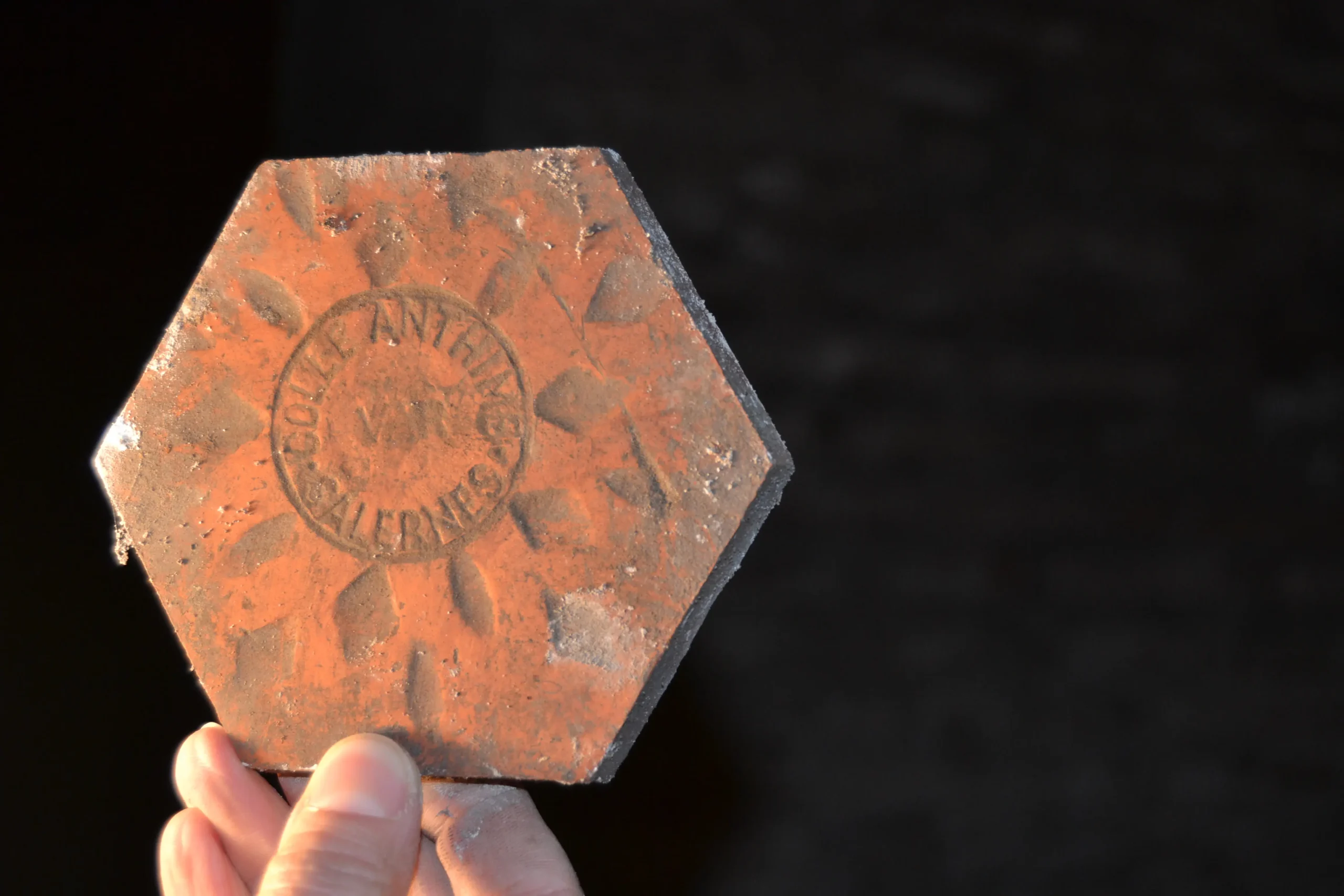
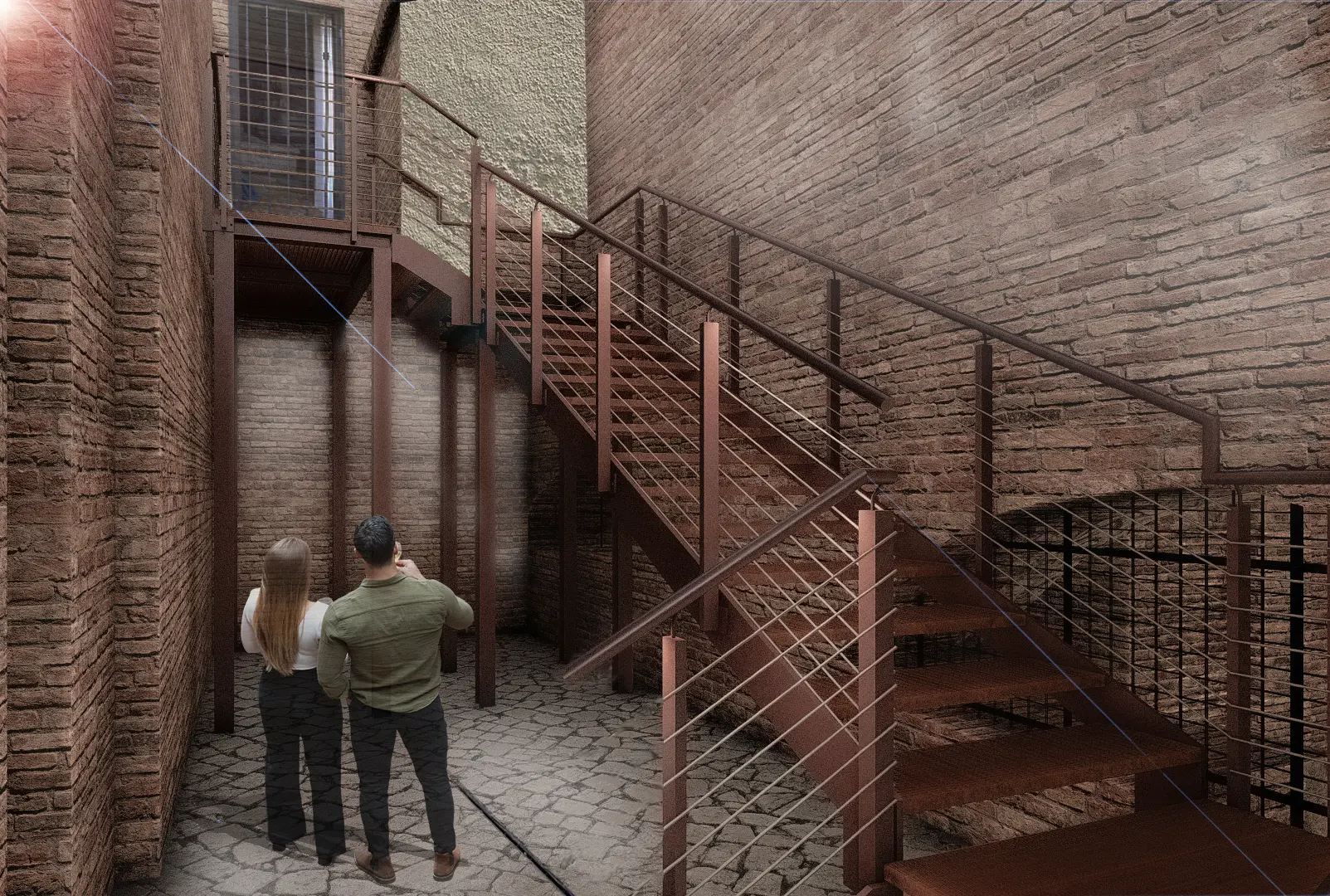
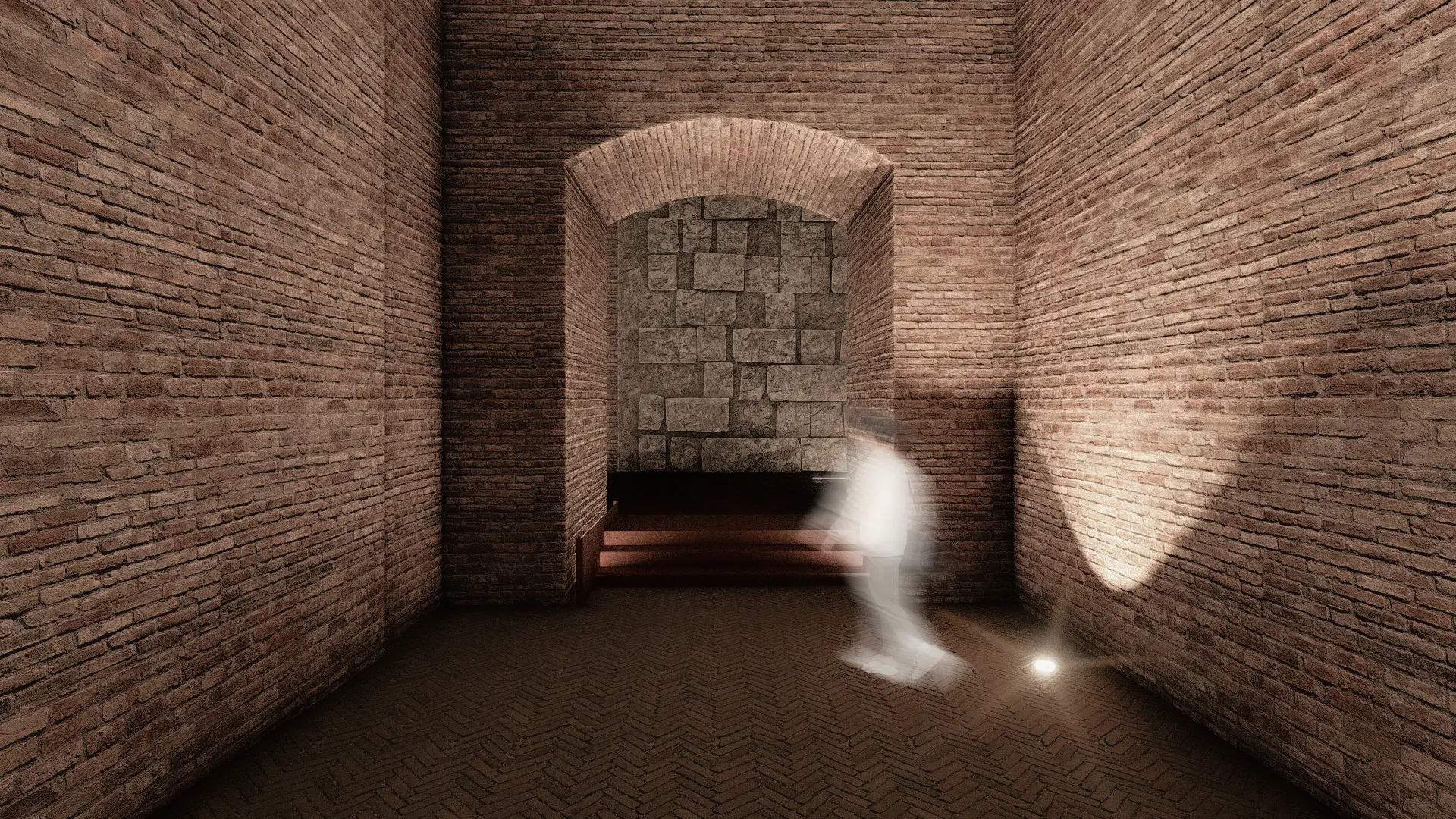
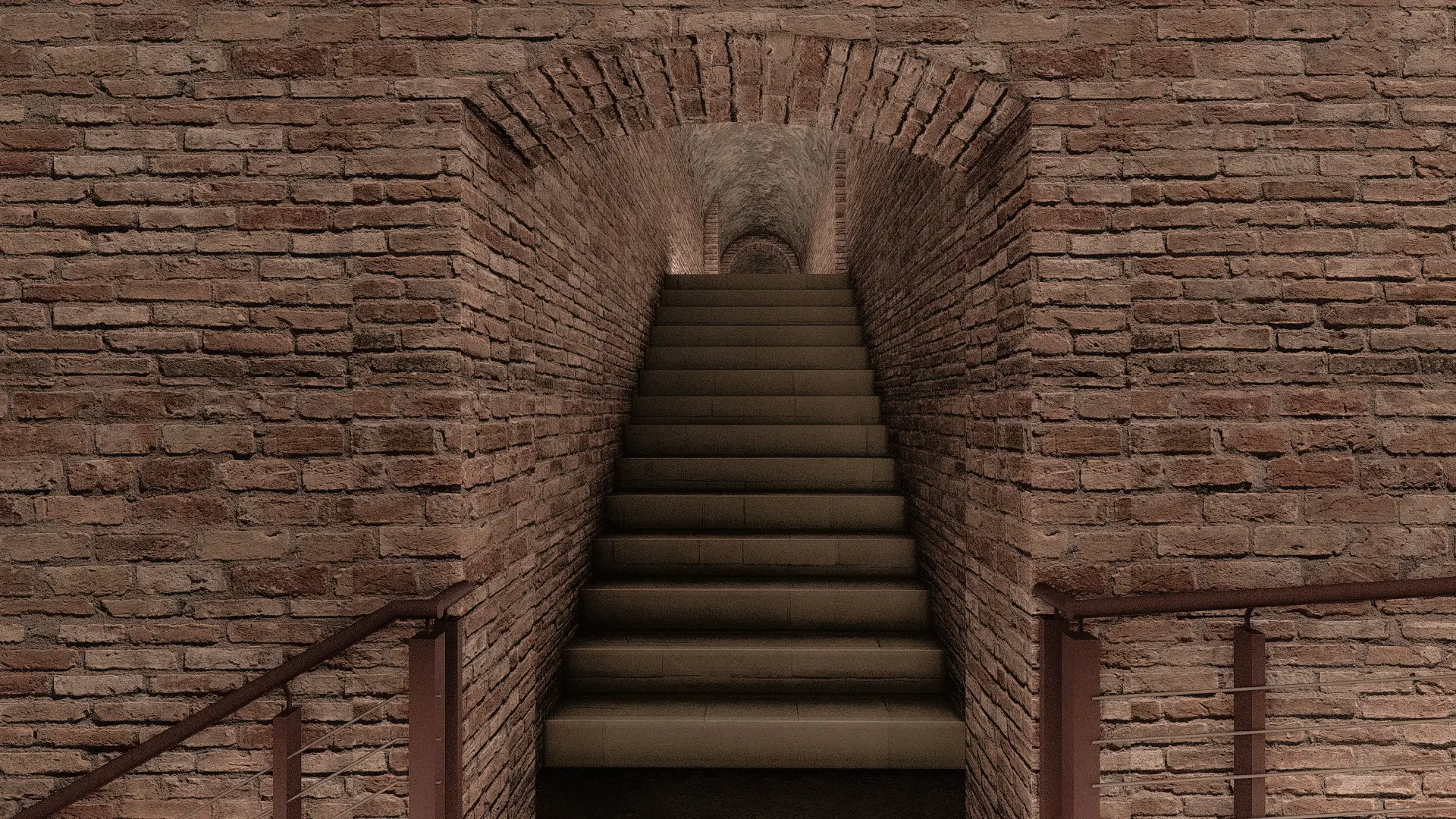
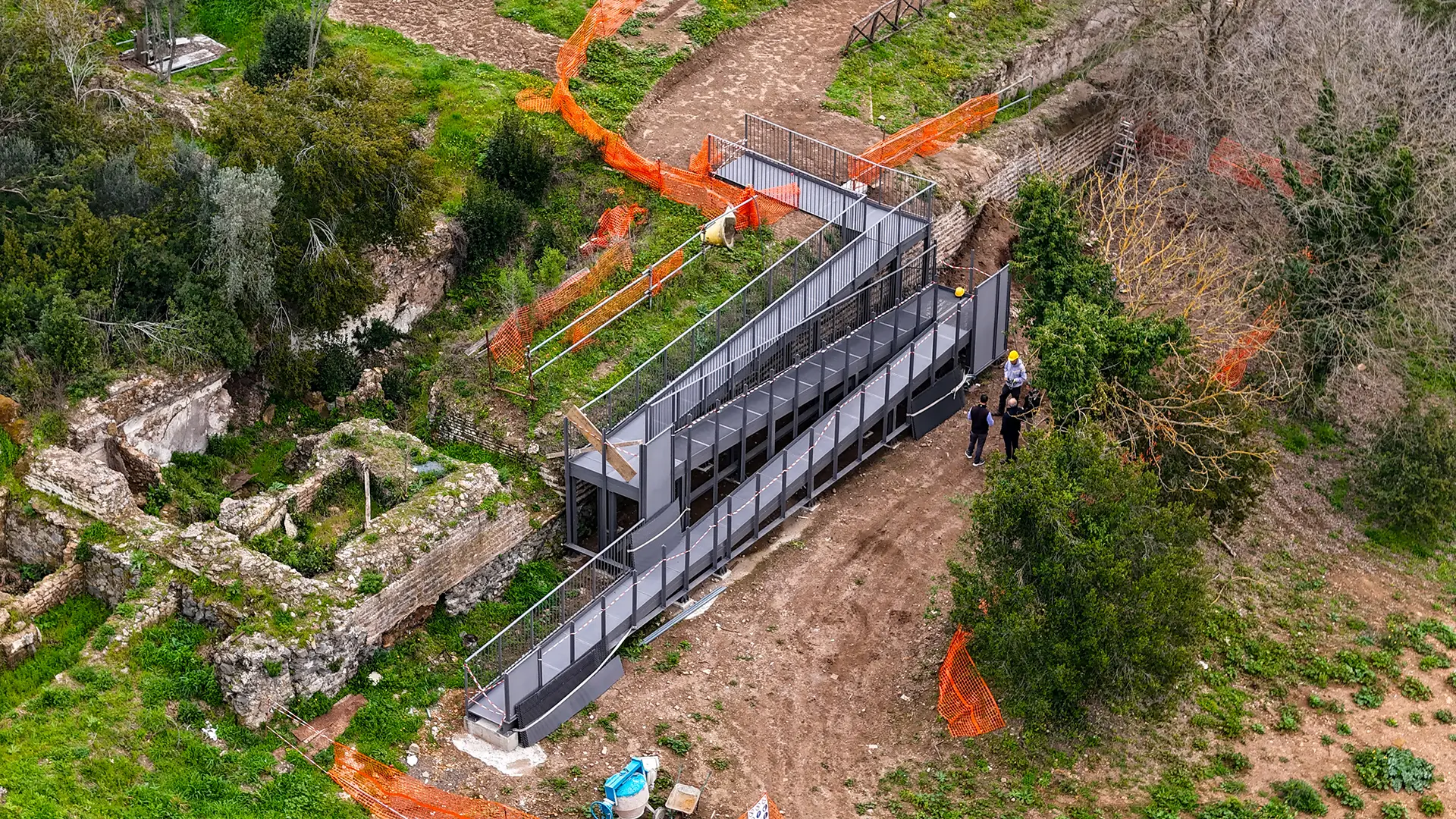
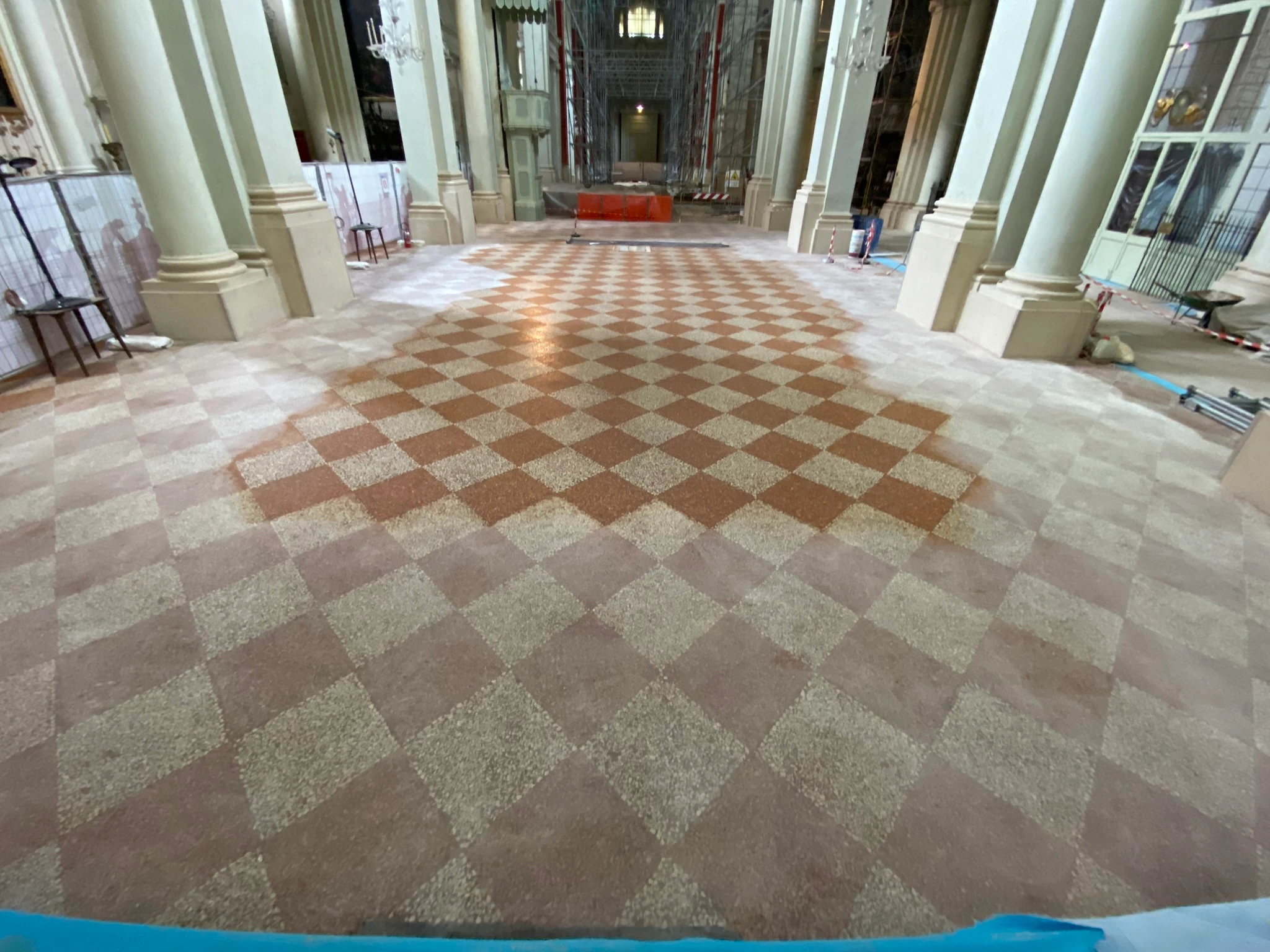
The intervention involved the consolidation of opus caementicium and brick structures, cleaning and restoration of ancient surfaces, recovery of opus spicatum floors and Roman paving, and the creation of new corten steel walkways and staircases designed to harmonize with the archaeological context.

Design approach

Through its integrated and multidisciplinary approach, ENGLOBE ensured the balance between conservation, accessibility and safety, allowing visitors to rediscover a unique testimony to the origins of the Eternal City.

PLACE

Roma

CLIENT

Parco archeologico del Colosseo

WORK PERIOD
ACTIVITY

Design phase Safety coordination
Executive design
Works Supervision

TYPOLOGY

Restoration of Listed Cultural Heritage

INTENDED USE

Cultural
Religious

WORK AMOUNT
WORKING GROUP

Englobe
Geol. Alberto Antinori
Relevo s.r.l.

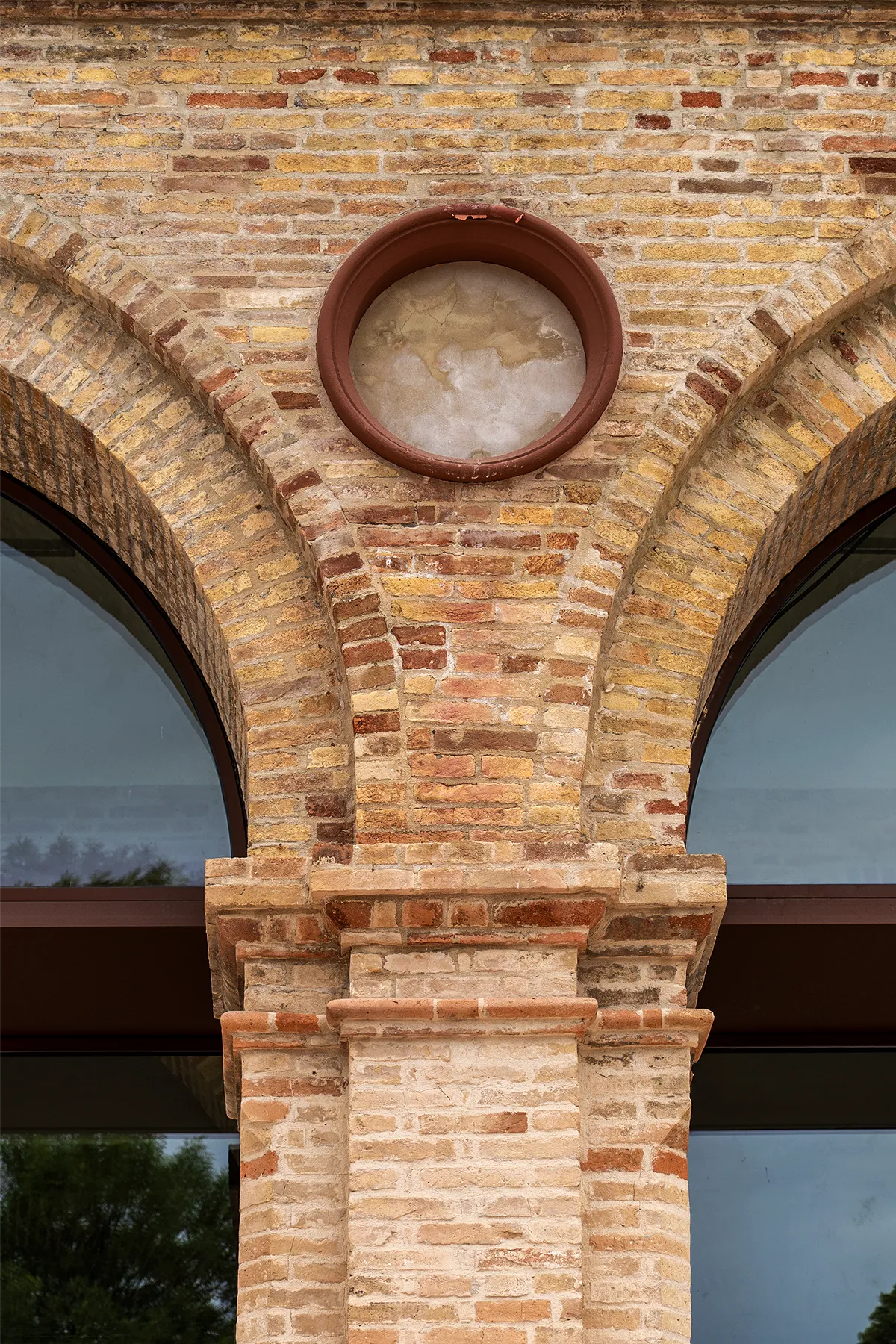
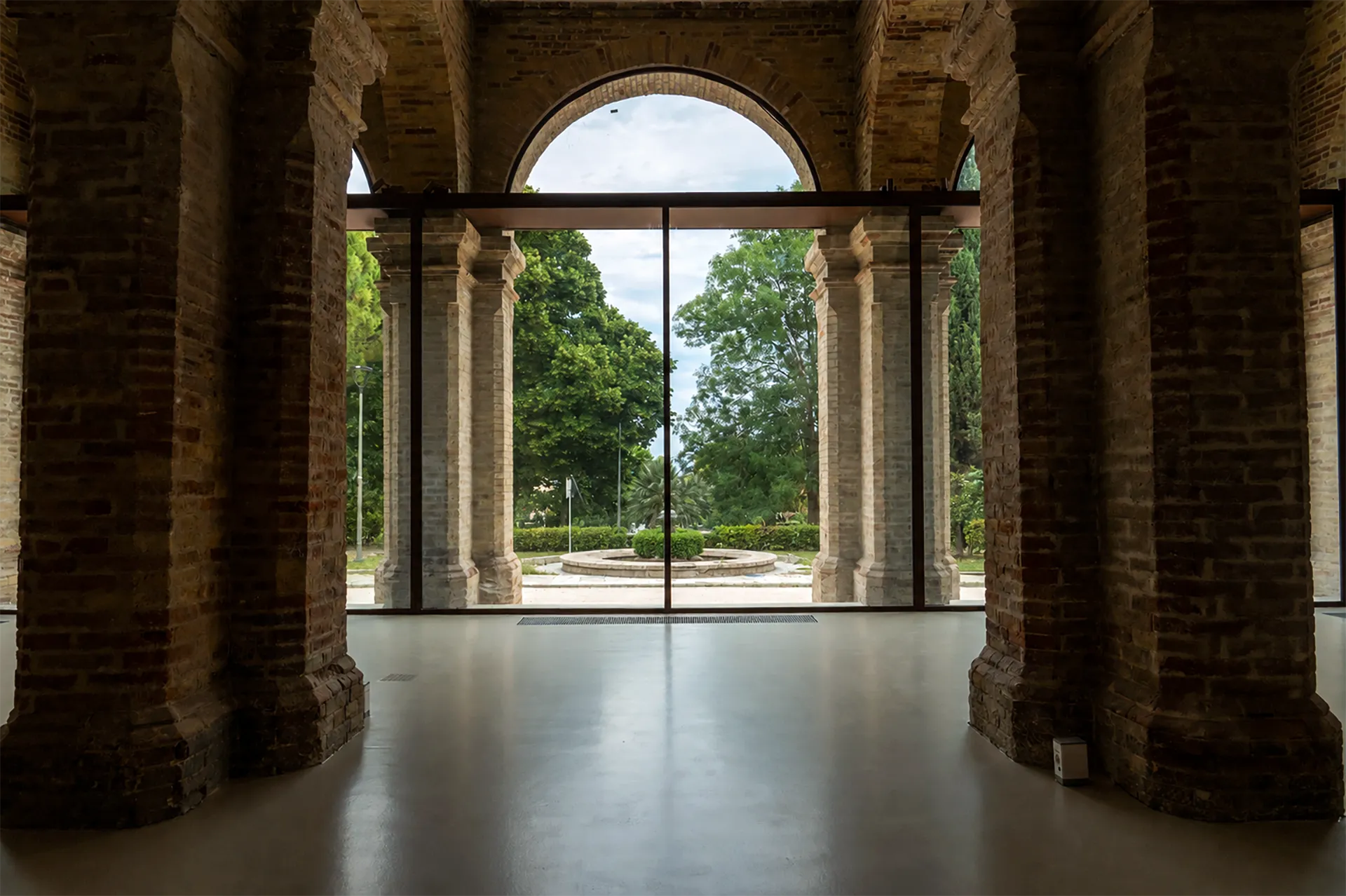
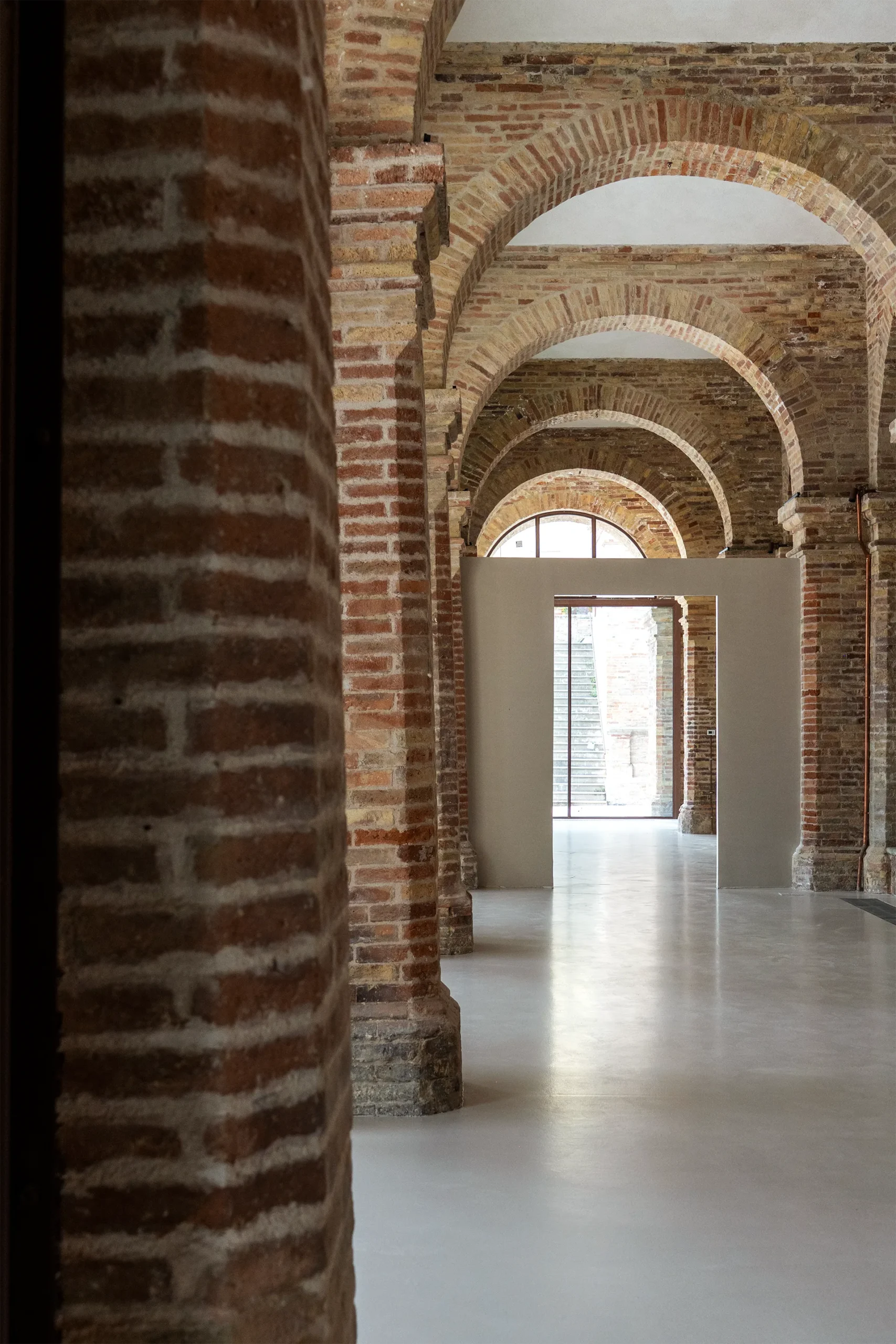
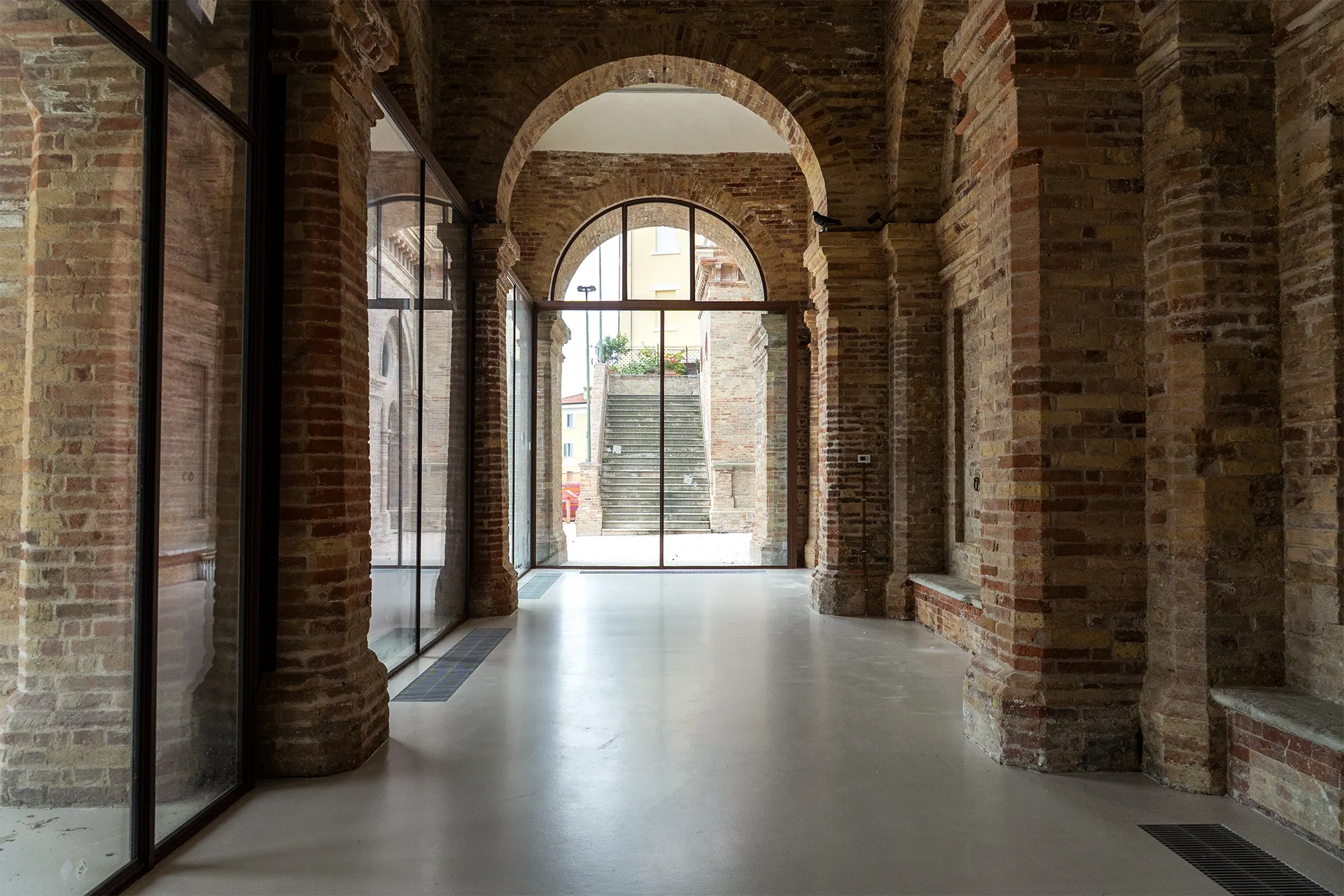
Ristrutturazione e ampliamento dell’ex deposito derrate alimentari

Former Food Storage Warehouse

Former Food Storage Warehouse

Renovation and expansion of Ancona’s former Food Storage Warehouse into new student housing.

Renovation, Expansion and Adaptive Reuse for Student Housing

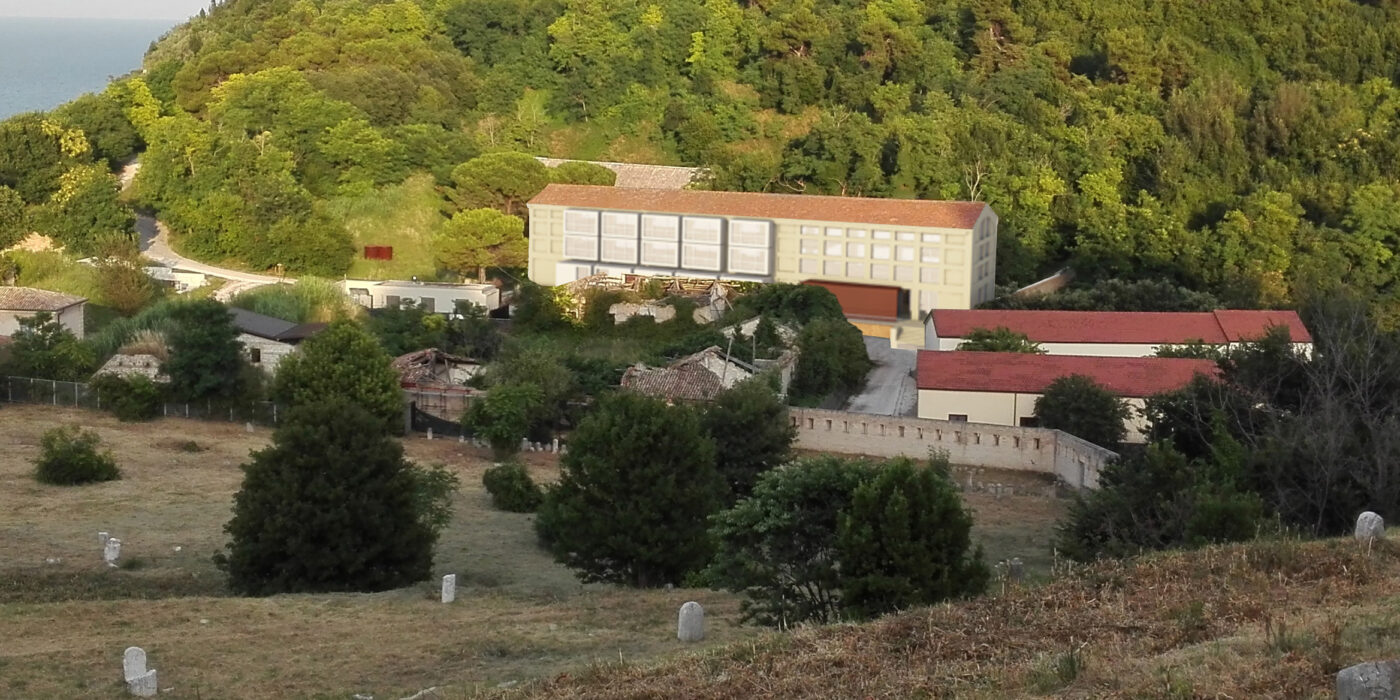
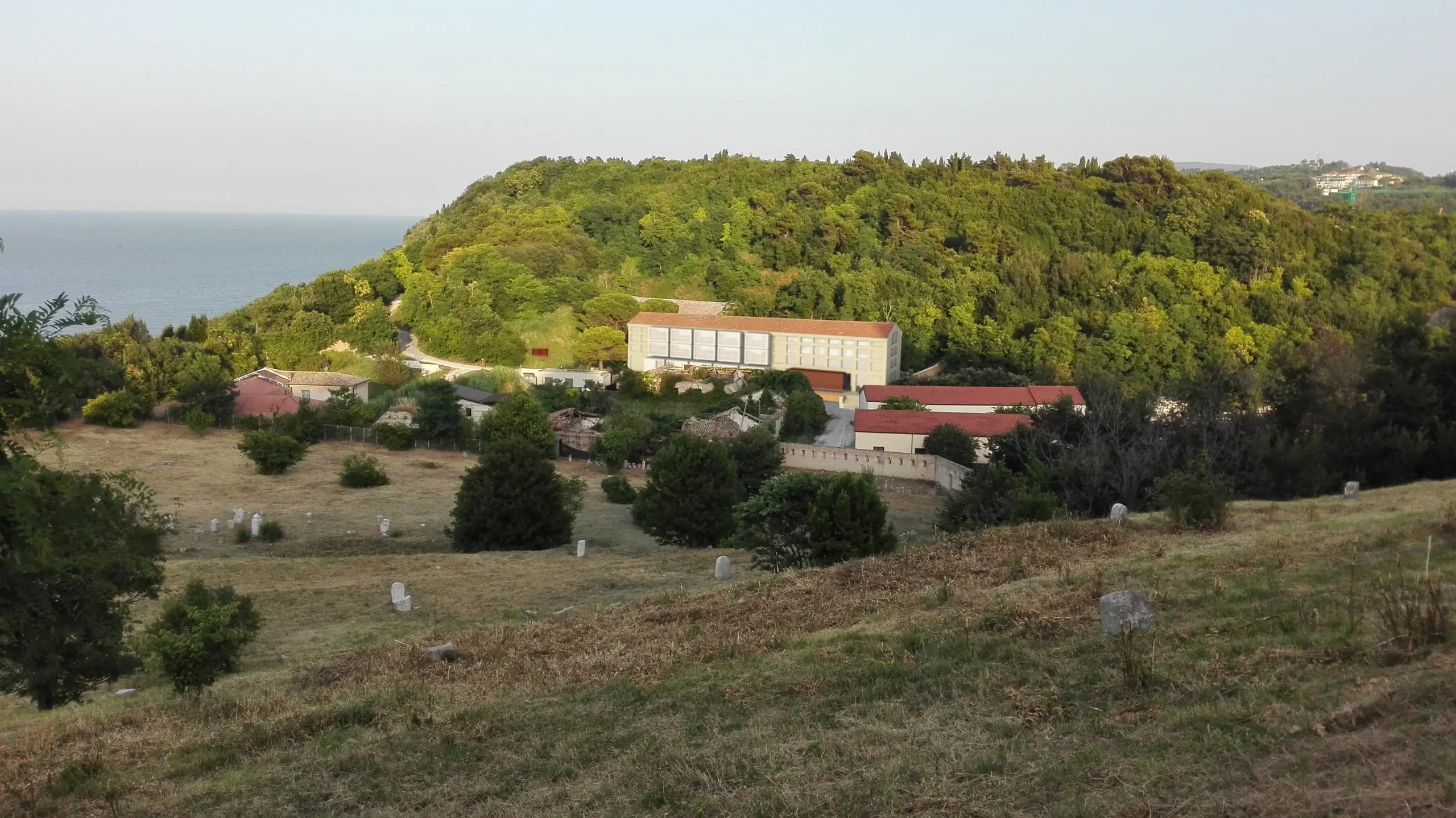
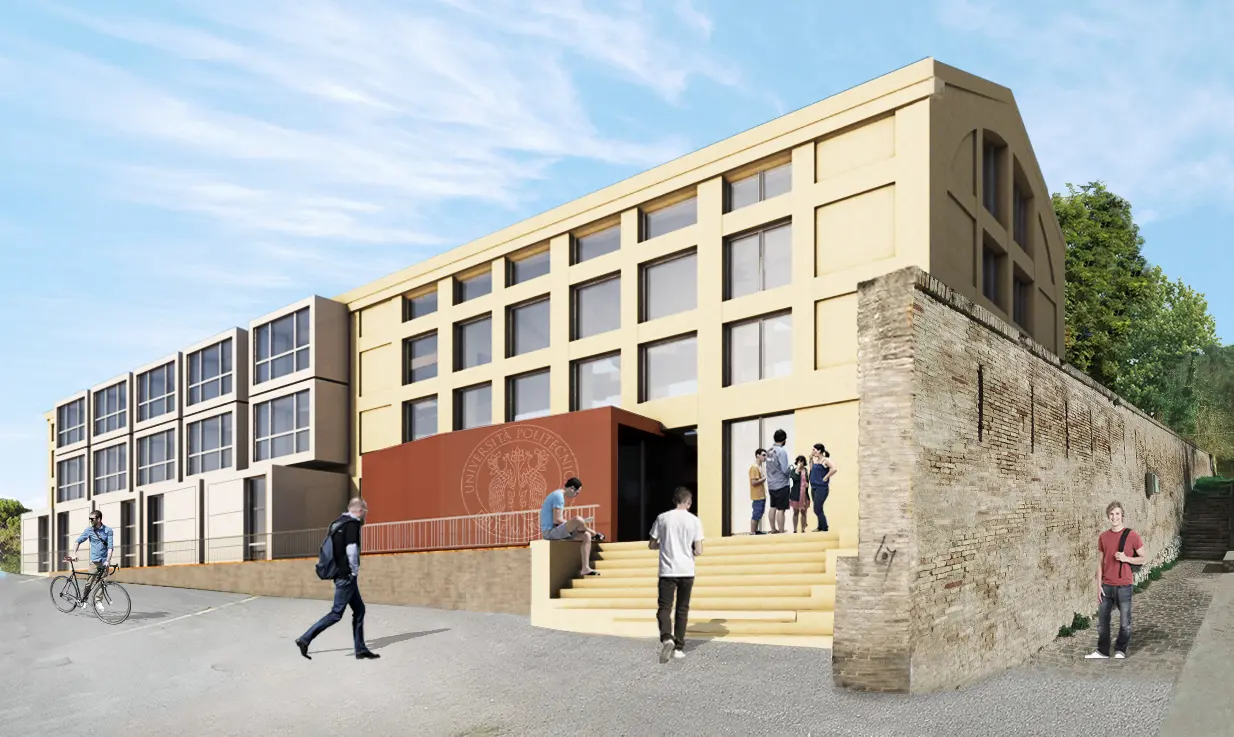
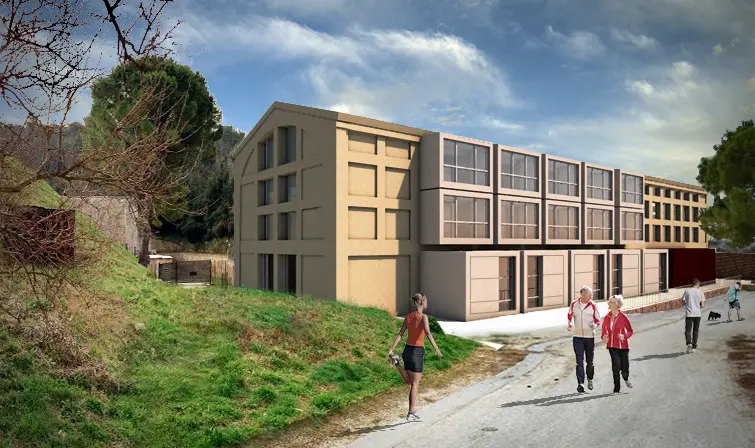
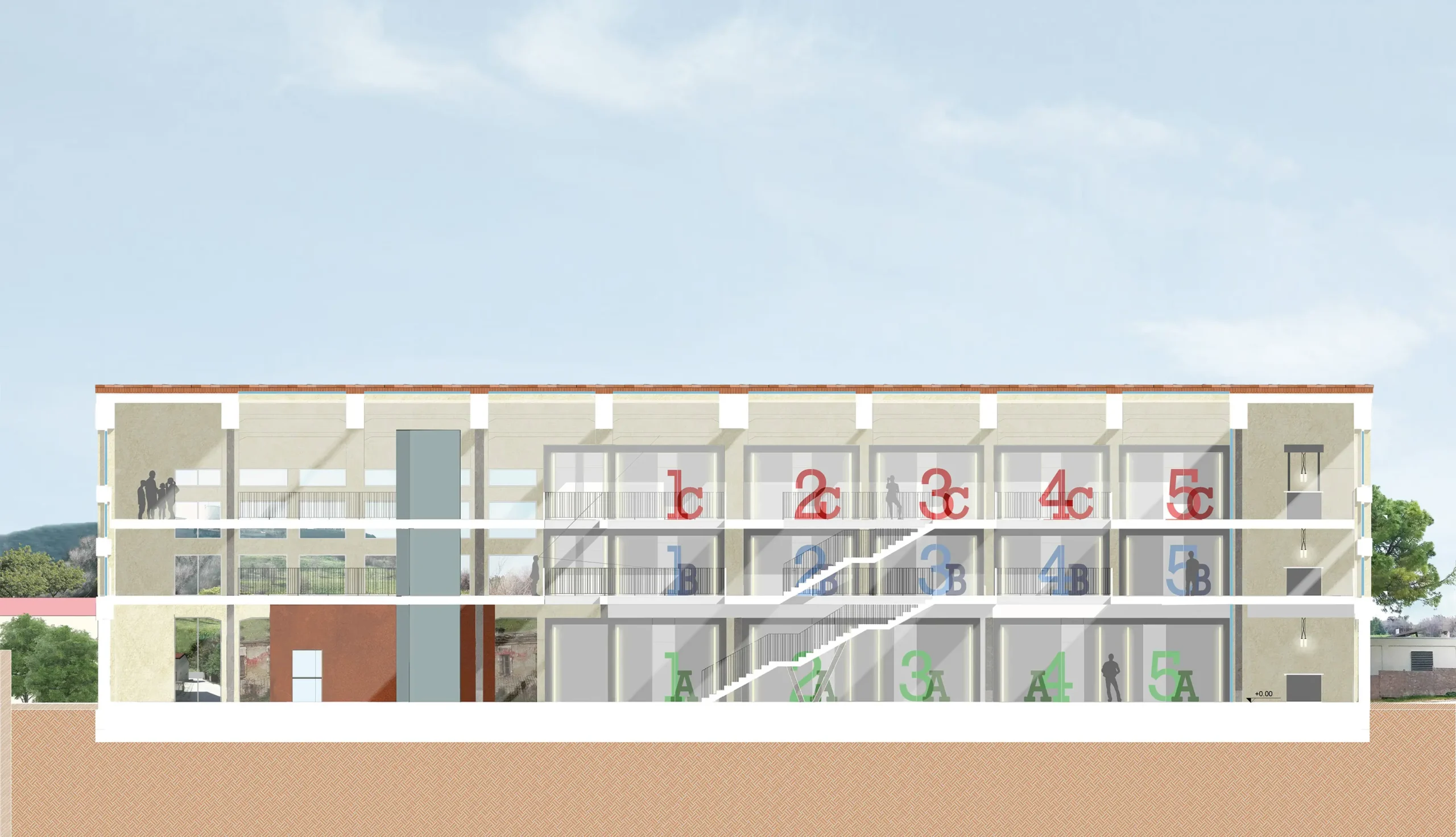
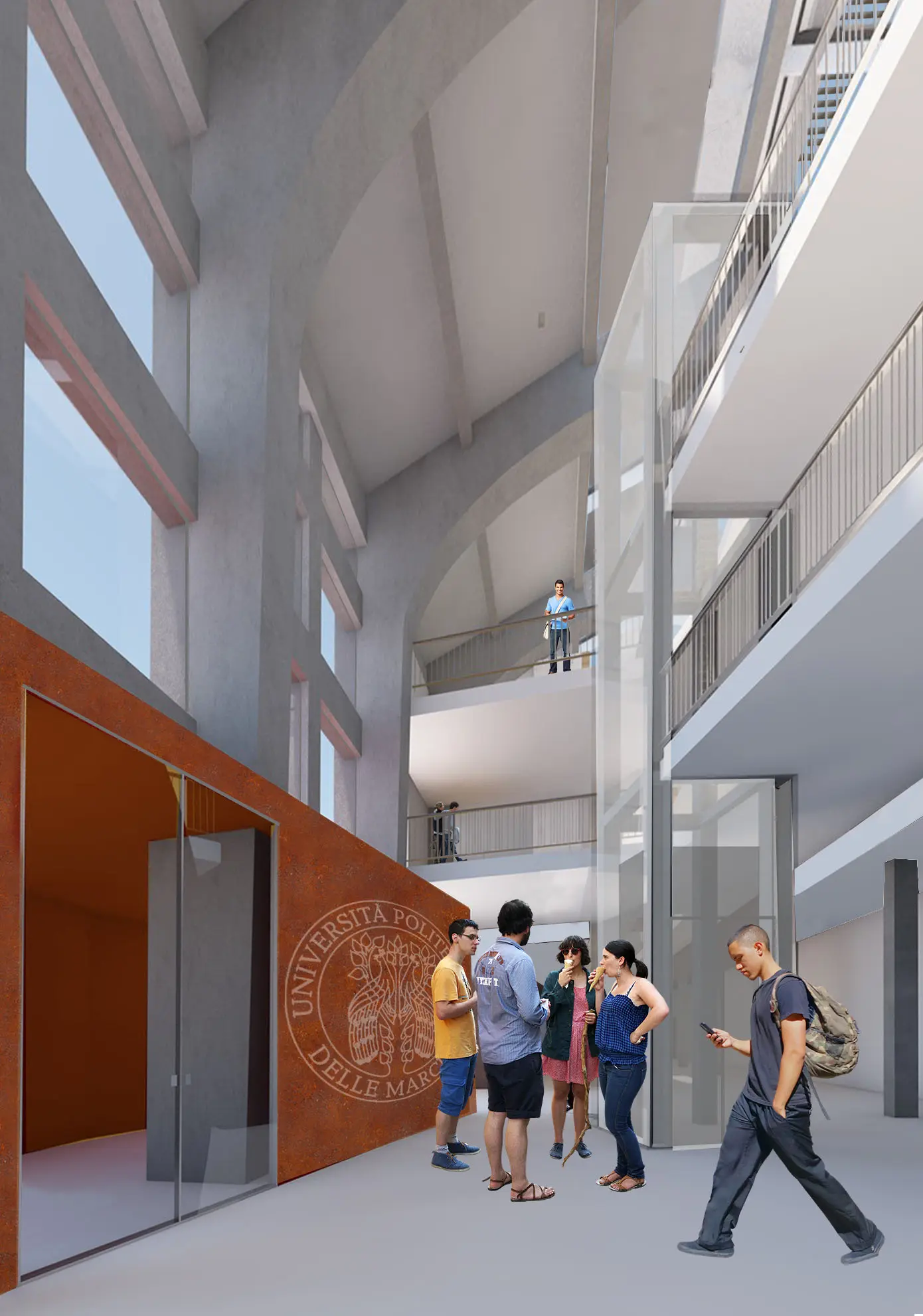
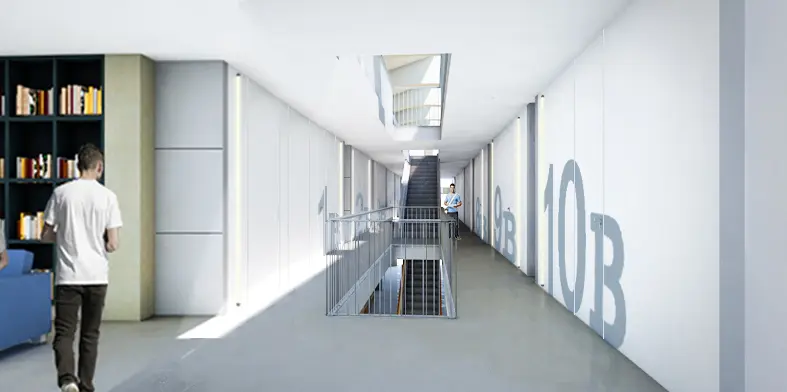
The project transforms Ancona’s former Food Storage Warehouse, located within Cardeto Park, into contemporary student residences designed to combine heritage preservation and environmental performance.

Commissioned by ERDIS Marche and developed by ENGLOBE, the intervention stands as a model of sustainable urban regeneration and adaptive reuse of public buildings within a historically layered landscape.

Design strategies and intervention

The existing structure, a rare example of industrial architecture, has been carefully restored and expanded through the addition of a new upper level defined by light materials and clean geometries.
Every design choice aims to balance technological innovation and historical continuity, adopting low-impact materials, high-efficiency MEP systems, and construction solutions that ensure both comfort and sustainability.

The use of BIM methodology enabled precise coordination across all disciplines, ensuring transparency, efficiency, and control throughout the design process.

Sustainable value and contemporary vision

Beyond its residential function, the project reactivates a key area of Cardeto Park, turning a disused building into a living space that bridges the past and the present.
By combining restoration and architectural innovation, ENGLOBE demonstrates an integrated approach that links environmental responsibility, spatial quality, and respect for cultural identity.

PLACE

Ancona

CLIENT

Polytechnic University of the Marche

WORK PERIOD
ACTIVITY

CSE
Executive design
Works Supervision

TYPOLOGY

Restoration
Restoration of Listed Cultural Heritage
Urban Regeneration

INTENDED USE

Education
Residential

WORK AMOUNT
WORKING GROUP

Englobe
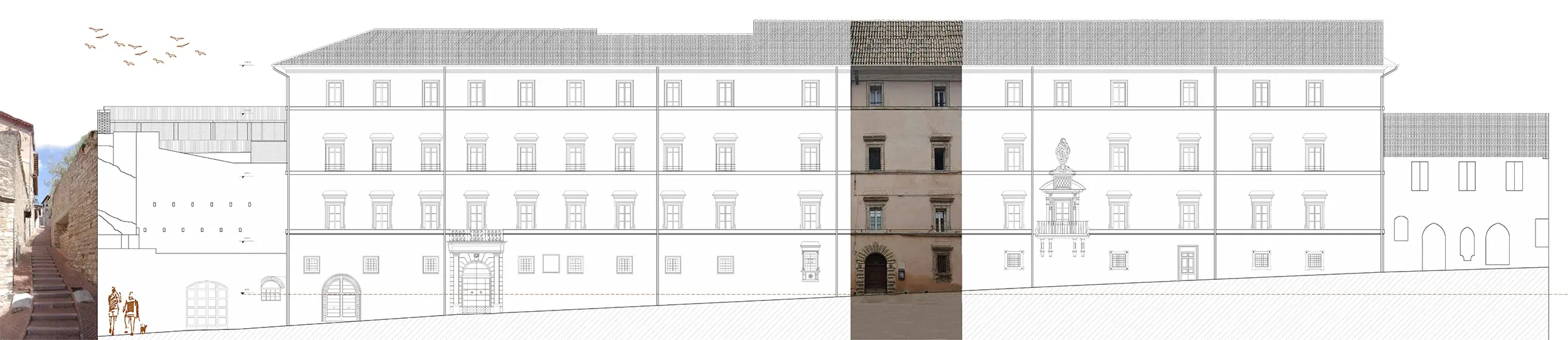
Restauro e riqualificazione di Palazzo Vallemani ad Assisi ENGLOBE Progettazione Integrata

Palazzo Vallemani

Palazzo Vallemani

Restoration and Redevelopment of Palazzo Vallemani

A cultural landmark in the heart of Assisi

The restoration and redevelopment of Palazzo Vallemani in Assisi represent a key intervention to preserve and enhance one of the city’s most significant historic buildings. Located in the heart of the old town, just a few steps from the Basilica of Saint Francis, the Palazzo stands as a symbol of Assisi’s architectural heritage and a vital meeting place for the local community.

Regeneration supported by the PNRR

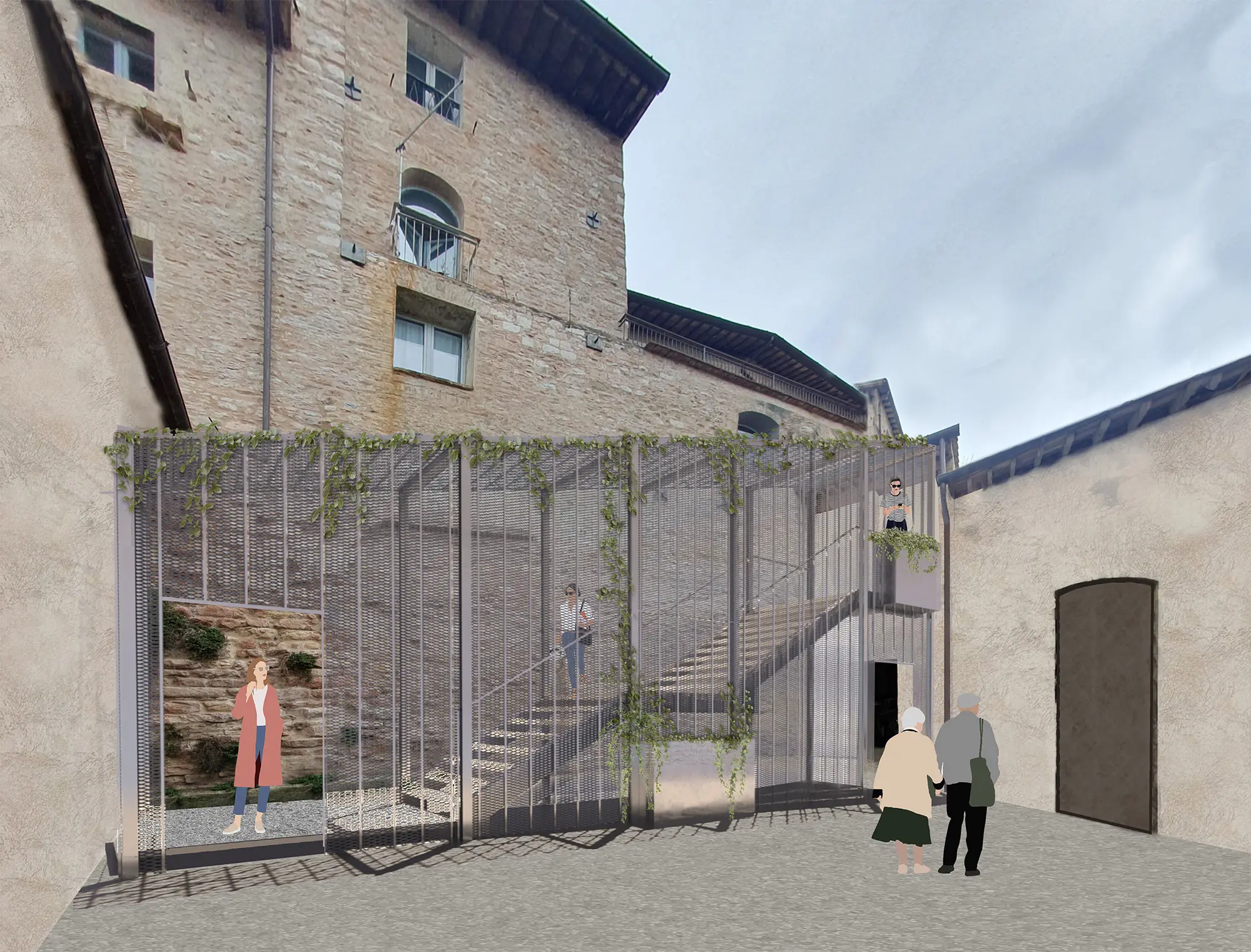
Funded by Italy’s National Recovery and Resilience Plan (PNRR), the project aims to restore the Palazzo’s full functionality while integrating new uses that strengthen its civic and cultural role. The intervention includes:

  • the recovery of areas assigned to local cultural associations,

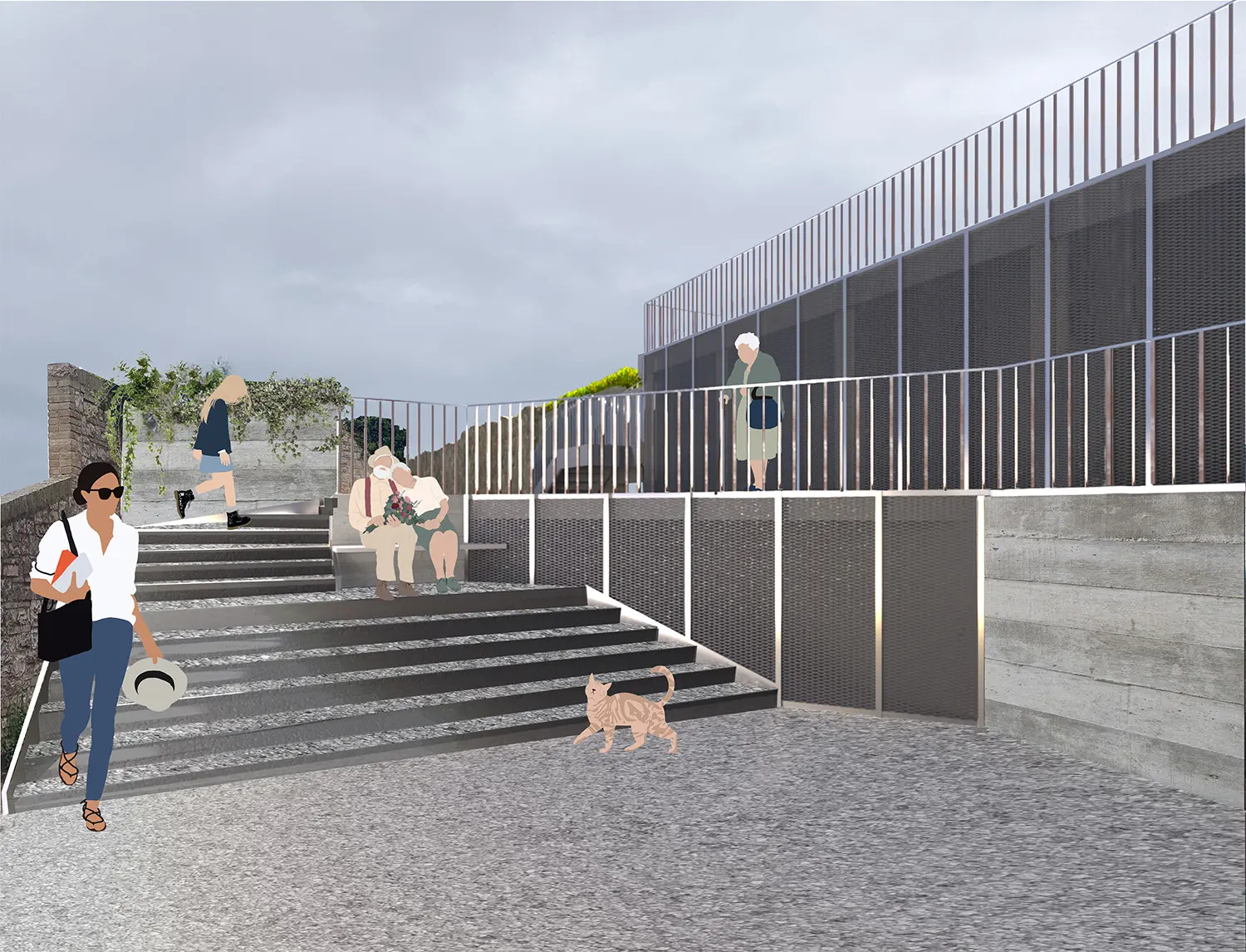
  • the redevelopment of outdoor spaces and adjacent urban pathways,

  • the improvement of accessibility through new vertical connection systems.

Balancing heritage and innovation

The design approach combines respect for historical and artistic value with the adoption of innovative technologies to enhance sustainability, safety, and comfort. The restoration focuses on preserving the Palazzo’s original architectural features while ensuring inclusive and accessible spaces for all users.

A renewed center for culture and community

Through this project, Palazzo Vallemani is set to become once again a vibrant hub of culture, social life, and identity for the city of Assisi — a place where historical memory and contemporary design coexist in perfect balance.

PLACE

Assisi (PG)

CLIENT

Centrale Unica di Committenza Assisi - Bastia Umbra - Cannara

WORK PERIOD
ACTIVITY

Design phase Safety coordination
Executive design
Final design
Safety coordination for executive phase
Technical and Economic Feasibility Study
Works Supervision

TYPOLOGY

Restoration of Listed Cultural Heritage

INTENDED USE

Cultural
Multifunctional

WORK AMOUNT
WORKING GROUP

Arch. Maurizio Sabatino Pirocchi
Energi S.r.l.
Englobe
Geol. Alberto Antinori

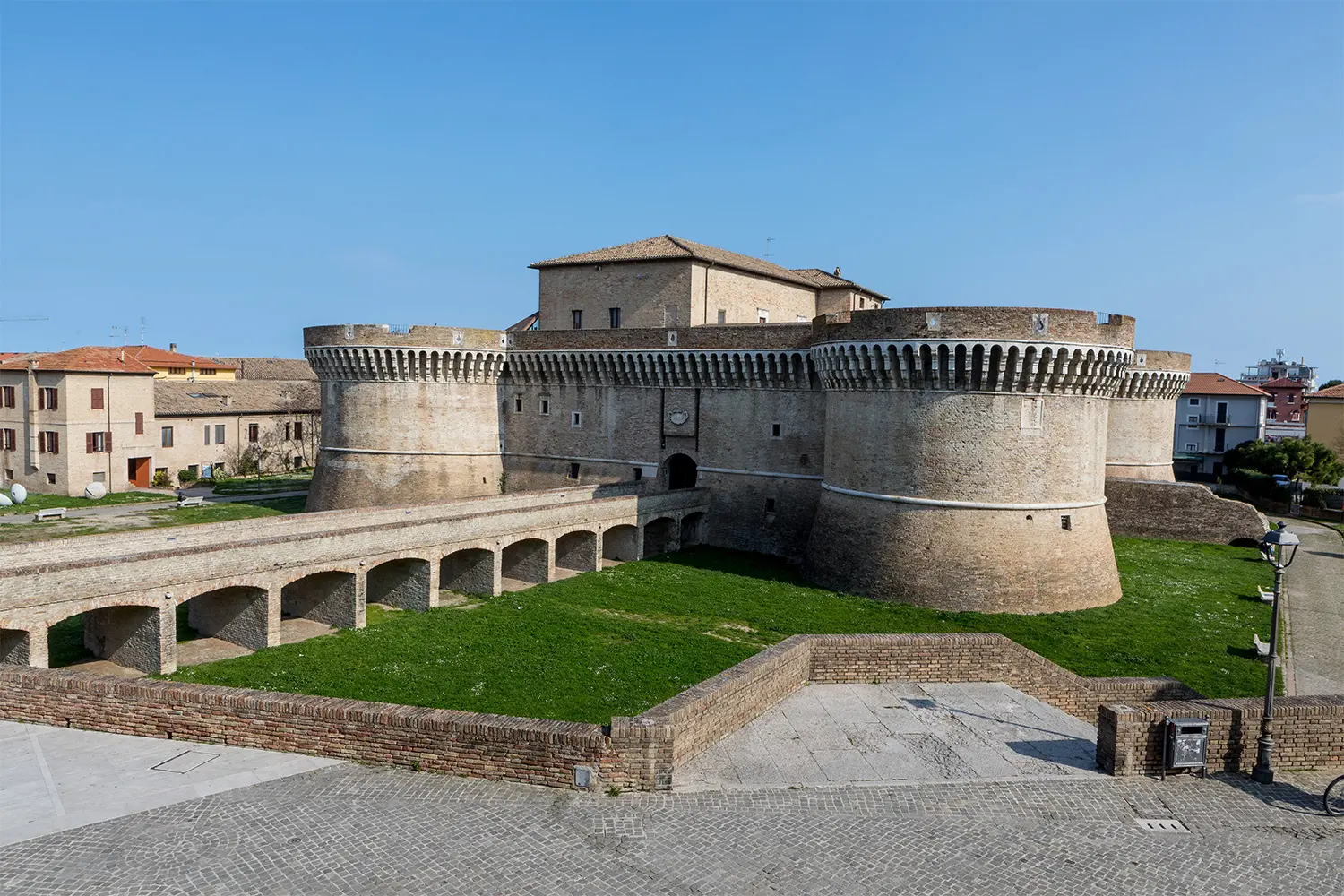
Rocca Roveresca di Senigallia | Restauro e Risanamento Conservativo dei Fronti Storici
Rocca Roveresca

Rocca Roveresca

Restoration and Conservative Remediation of Historic Fronts

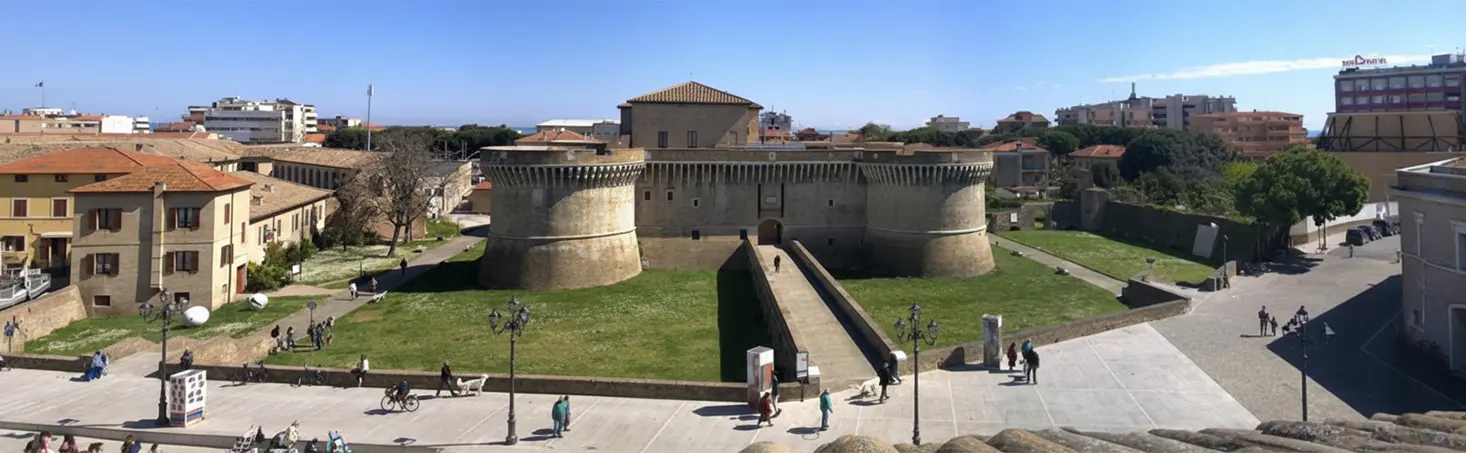
The Rocca Roveresca in Senigallia, located in Piazza del Duca in the heart of the Marche town, is one of the most important historic monuments in the region. The project for the conservative rehabilitation and restoration of the external façades of the monumental complex aimed to ensure its preservation, structural safety, and architectural enhancement—safeguarding a landmark building that embodies the identity of the city.

A monument of historical and architectural significance

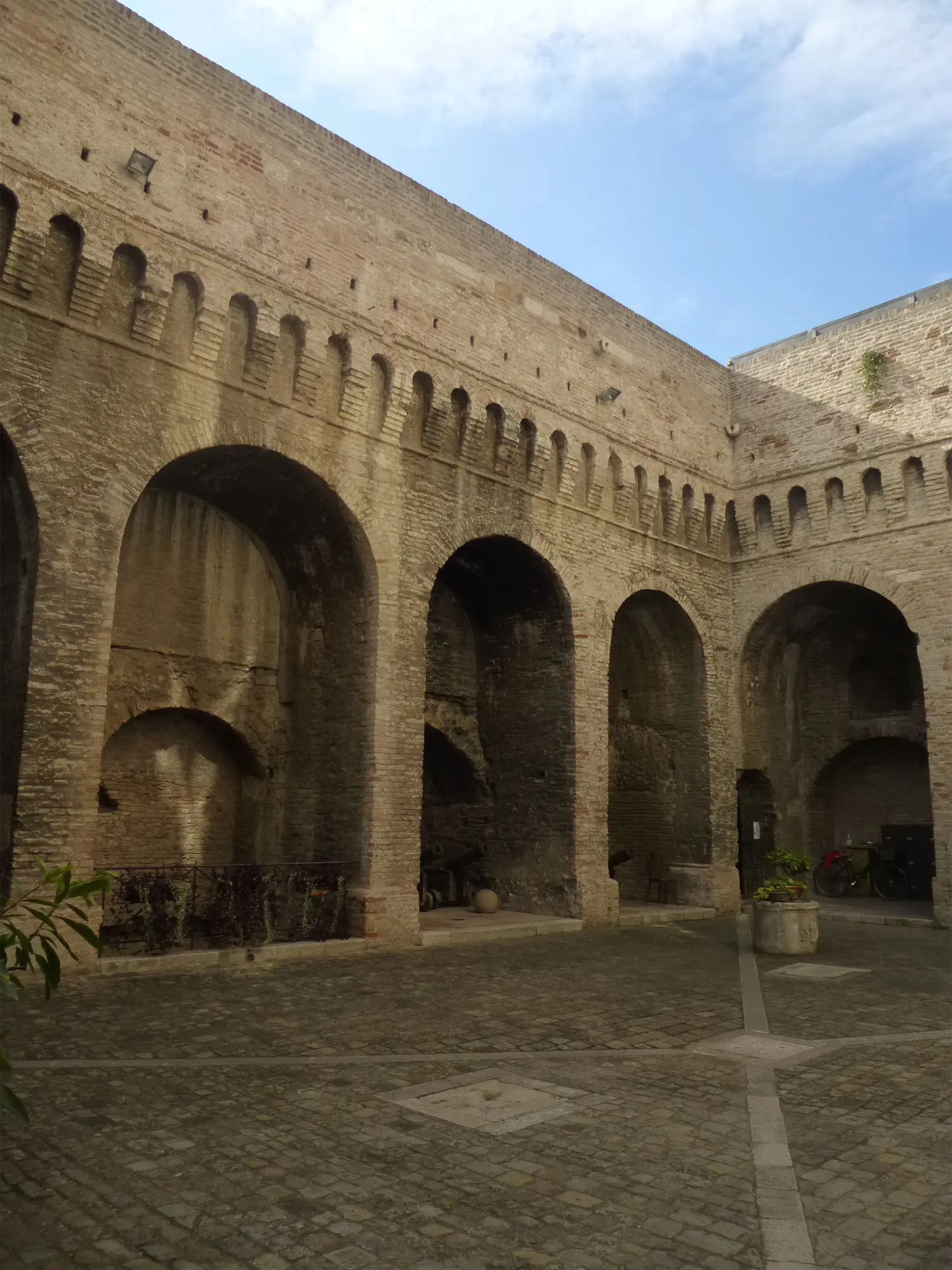
Built between the 14th and 15th centuries on the remains of an earlier Roman tower, the Rocca Roveresca is an extraordinary example of Renaissance military architecture. Originally erected as a defensive stronghold of the Papal States, it was expanded over the centuries by the Malatesta and Della Rovere families, eventually taking on its current quadrilateral layout with four circular towers connected by ramparts and crowned with Istrian stone corbels.

Today, the Rocca is managed by the Regional Directorate of Museums of the Marche and is among the most visited sites of the region’s architectural heritage—thanks also to the restoration efforts that have ensured its preservation and continued accessibility to the public.

Conservation-driven interventions

The project involved targeted conservation and restoration work on the external façades, including:

  • Rehabilitation of the brick masonry facing

  • Restoration and structural consolidation of the stone elements

The intervention followed the principles of integrated conservation, prioritizing material compatibility and reversibility. All operations were supported by an extensive diagnostic campaign carried out in collaboration with the Universities of Camerino and Marche Polytechnic University, involving laser scanner surveys, mechanical analyses, and seismic vulnerability studies.

The construction site was organized into three operational phases, with progressive work on the different sides of the Rocca to ensure safety and continuity of museum activities.

Enhancing cultural heritage

The restoration of the Rocca Roveresca in Senigallia stands as a model of heritage preservation and enhancement: an intervention that combines traditional craftsmanship with technological innovation.
Through this project, the Rocca once again becomes a cultural and symbolic landmark for the city and the Marche region, a place of history, art, and collective memory, fully integrated into the network of state museums and territorial cultural promotion systems.

PLACE

Senigallia (AN)

CLIENT

Ministero dei beni e delle attività culturali e del turismo

WORK PERIOD
ACTIVITY

Design phase Safety coordination
Diagnostic Investigations
Executive design
Final design
Safety coordination for executive phase
Seismic Vulnerability and Risk Assessment
Works Supervision

TYPOLOGY

Conservative Rehabilitation
Restoration of Listed Cultural Heritage

INTENDED USE

Cultural

WORK AMOUNT
WORKING GROUP

Restauratrice Dott.ssa Elisa Saracino
Studio Paci Srl

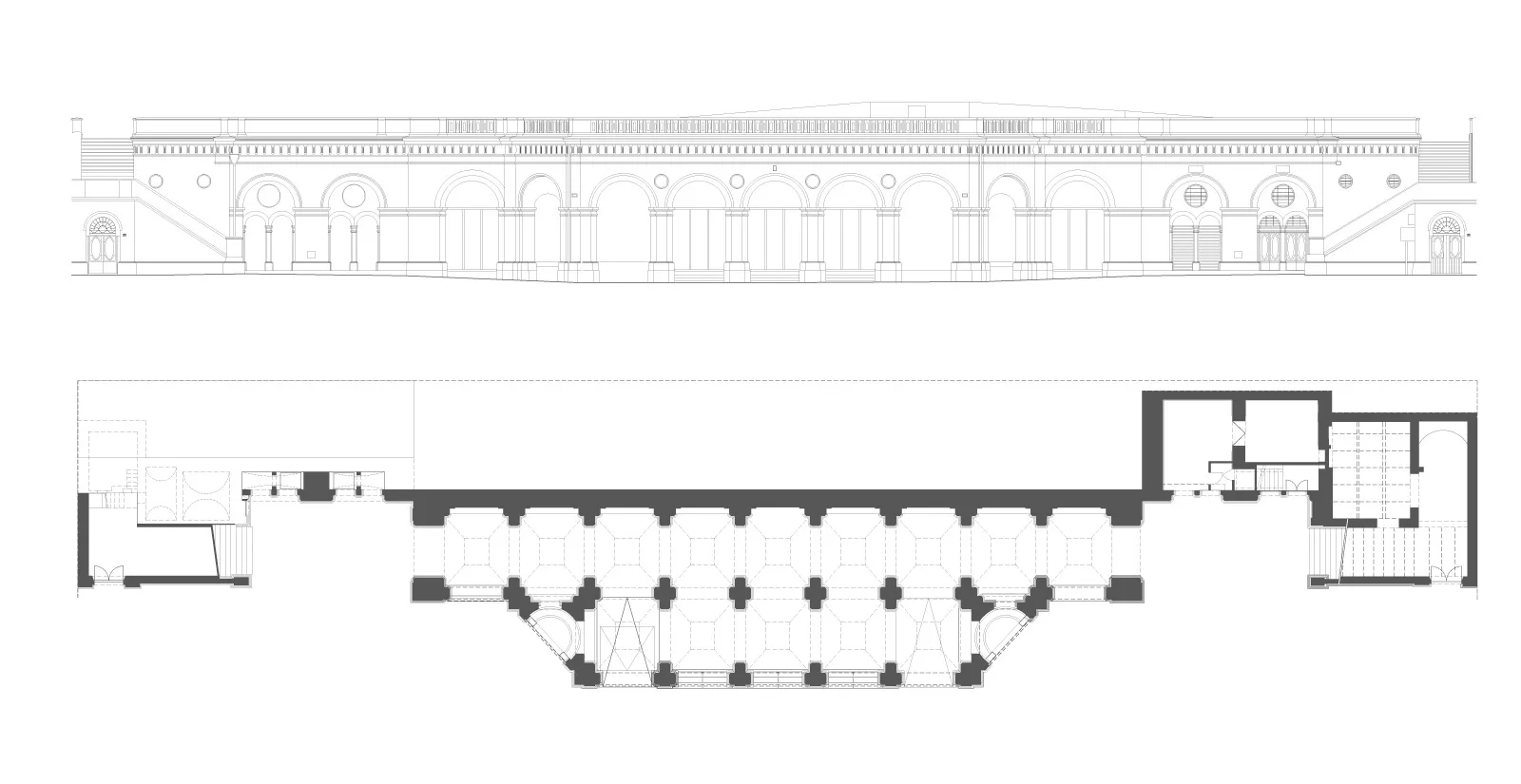
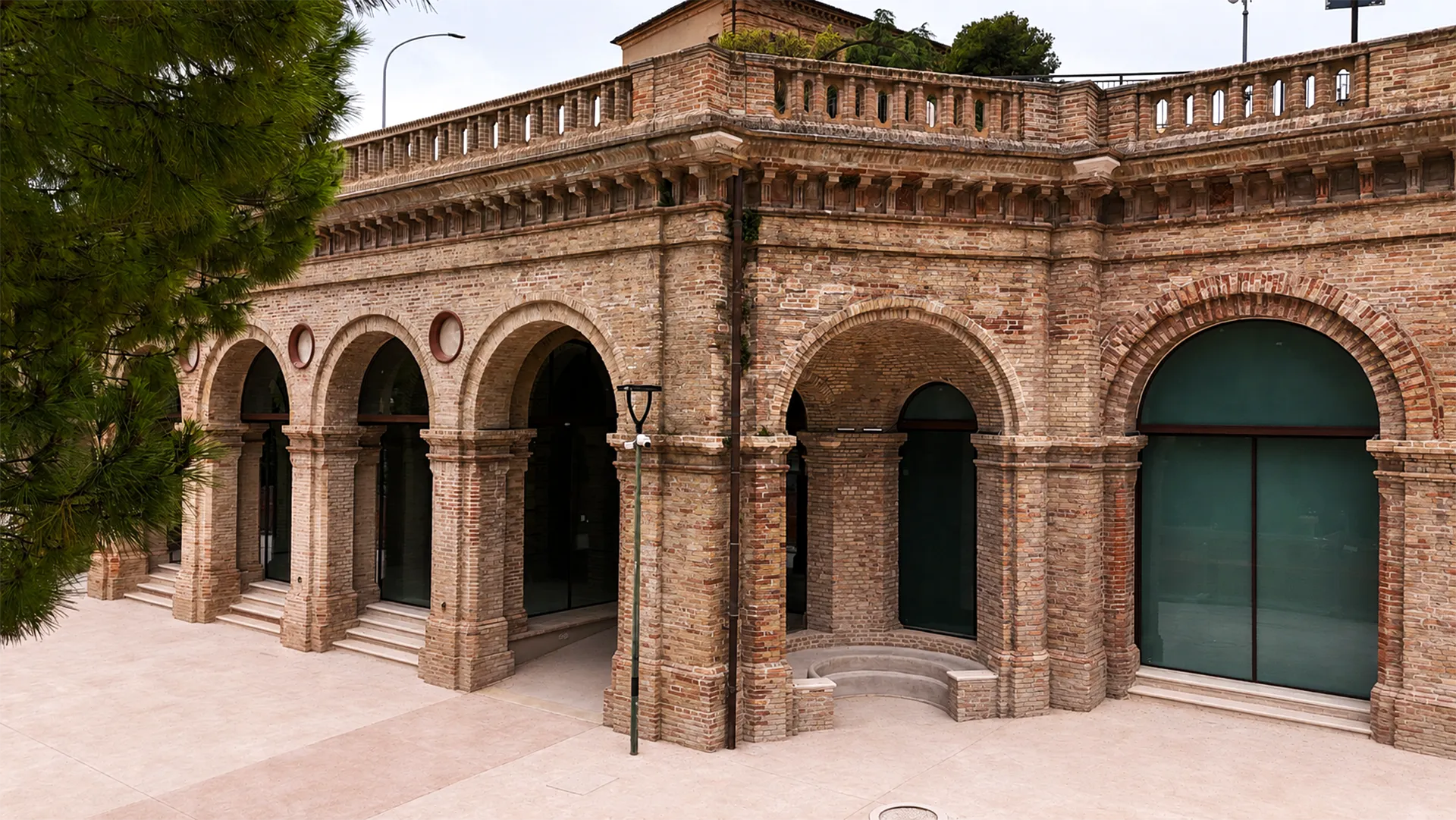
Riqualificazione Ex Foro Boario e Piazza Papa Giovanni XXIII a Osimo | Restauro e Rigenerazione Urbana

Ex Foro Boario

Ex Foro Boario

Restoration, Accessibility, and Urban Innovation

Redevelopment of the Former Foro Boario and Piazza Papa Giovanni XXIII in Osimo

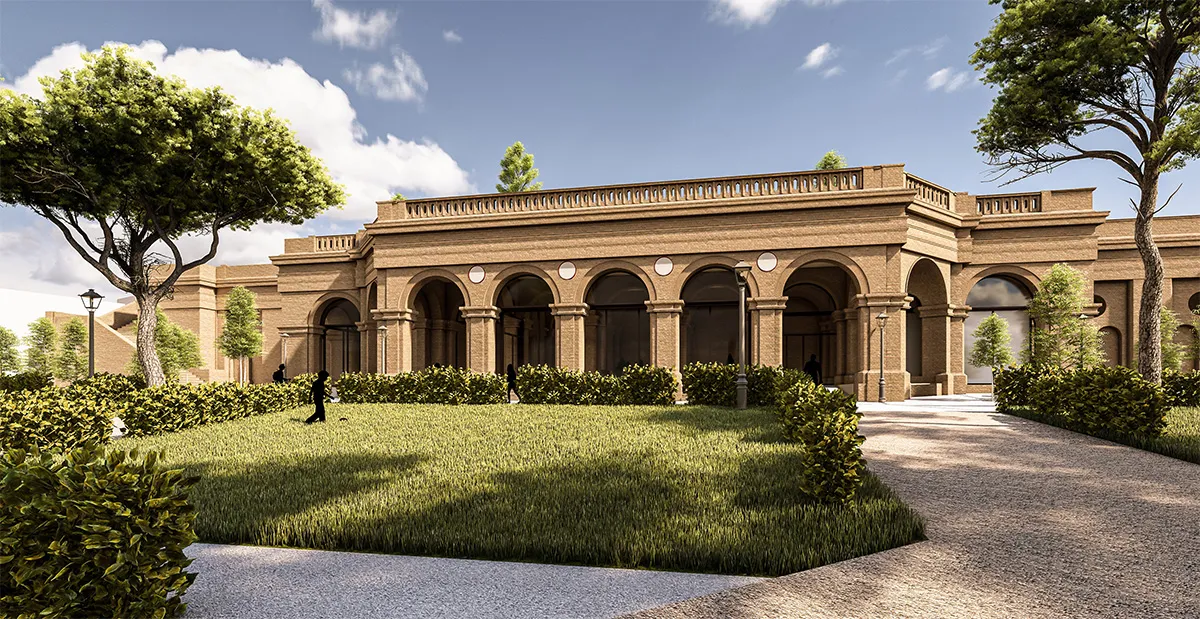
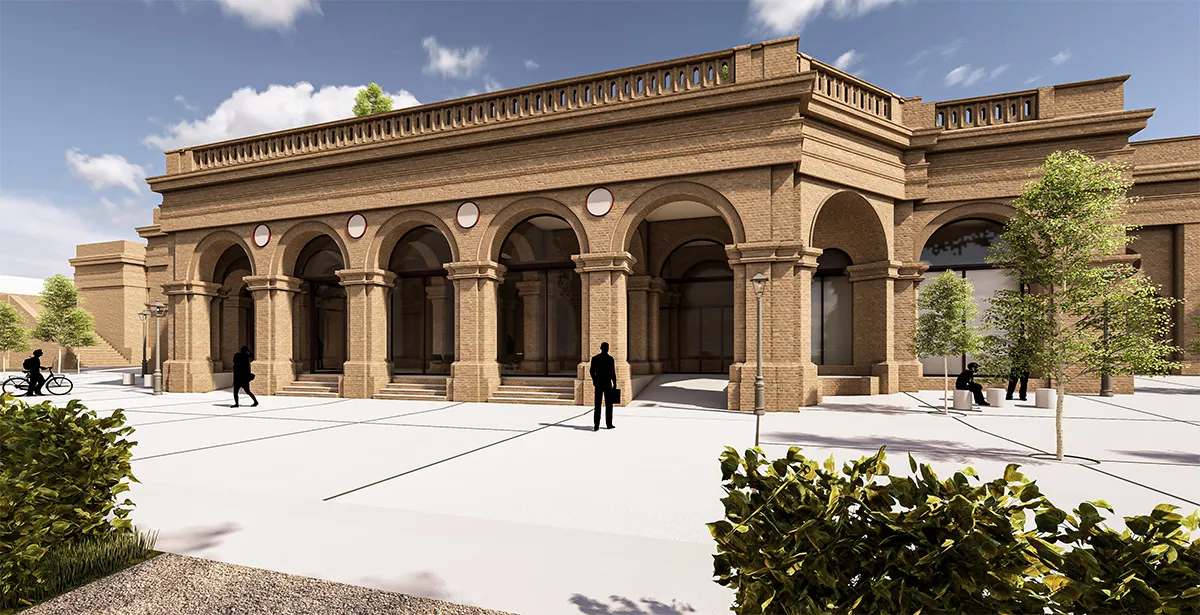
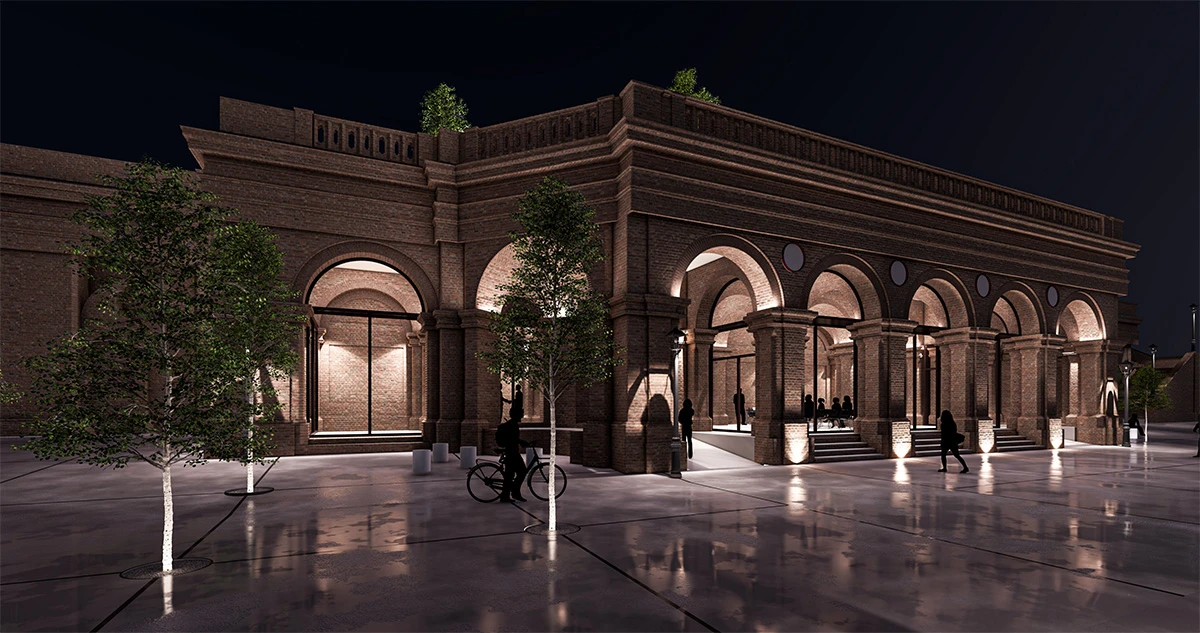
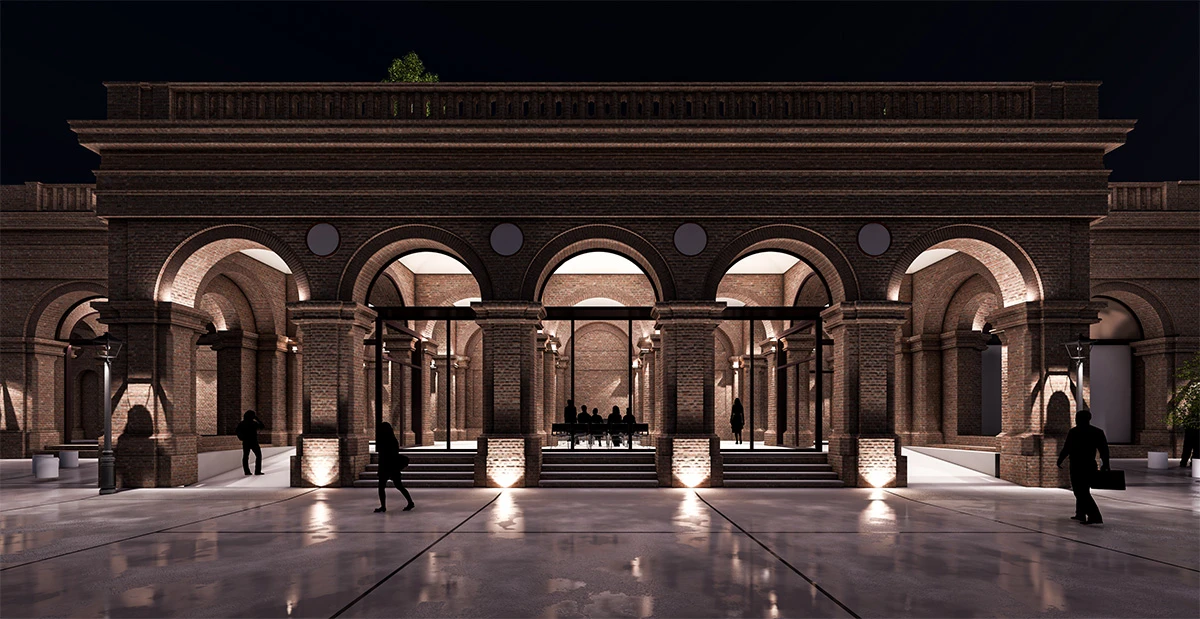
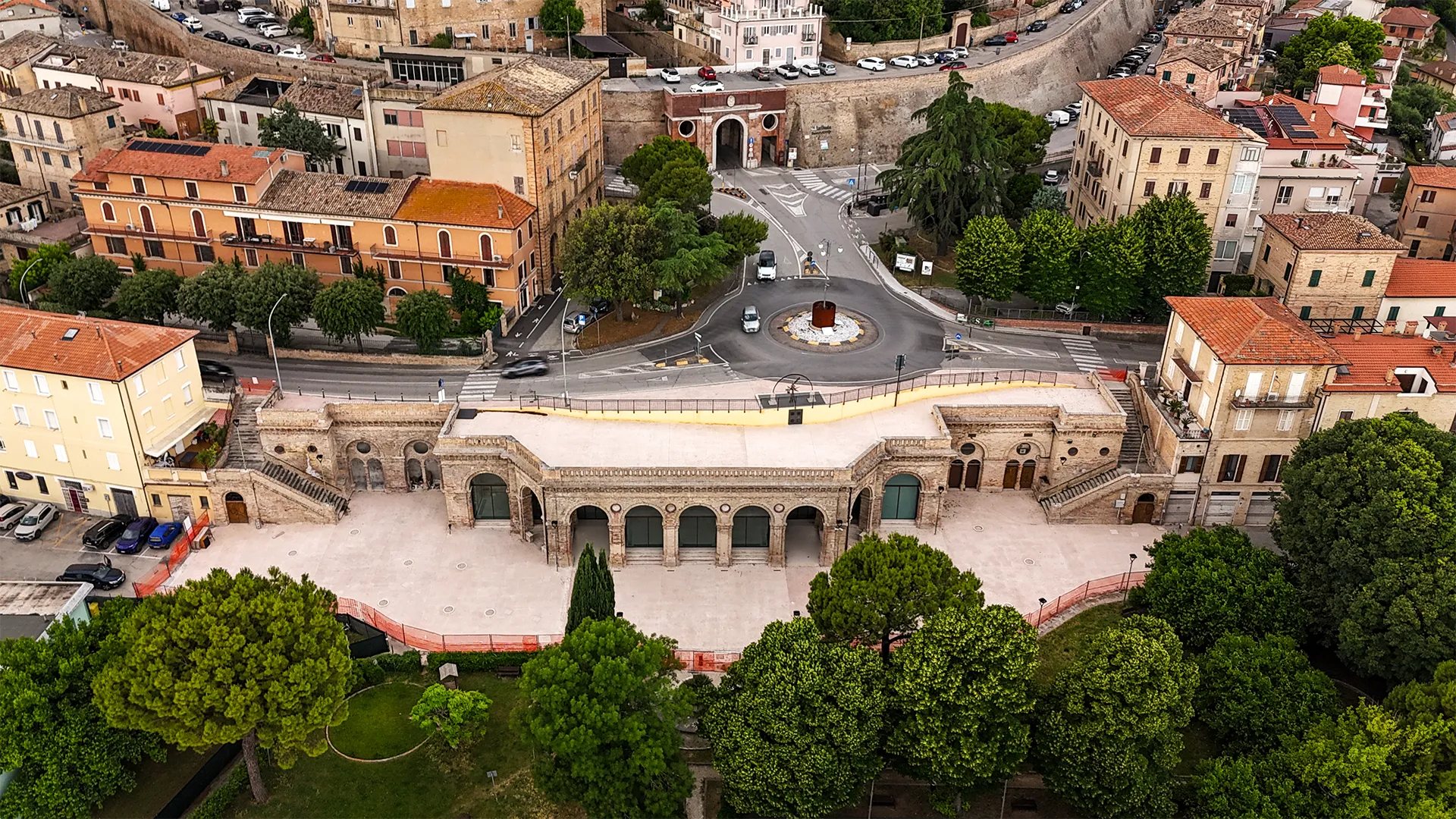
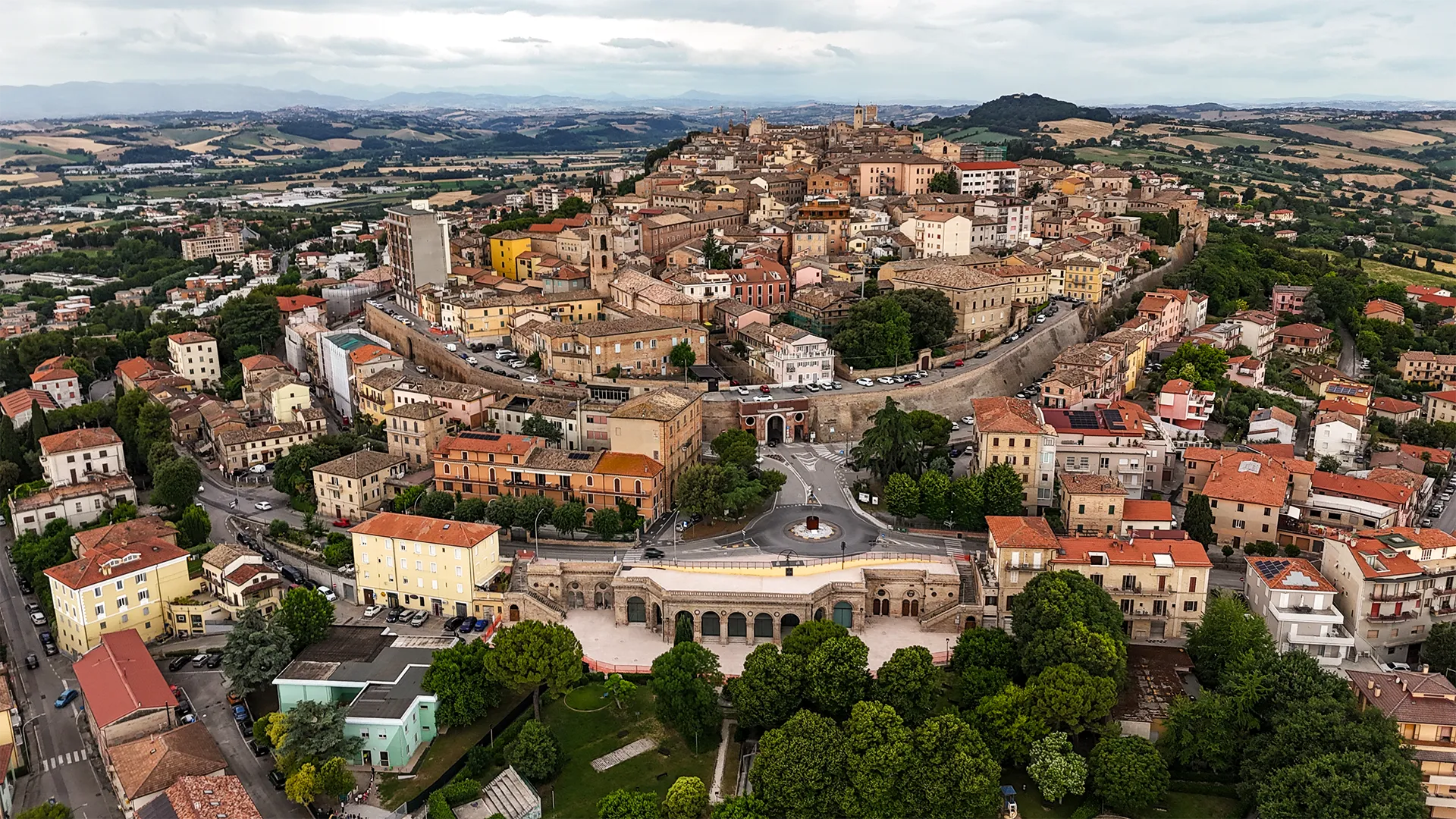
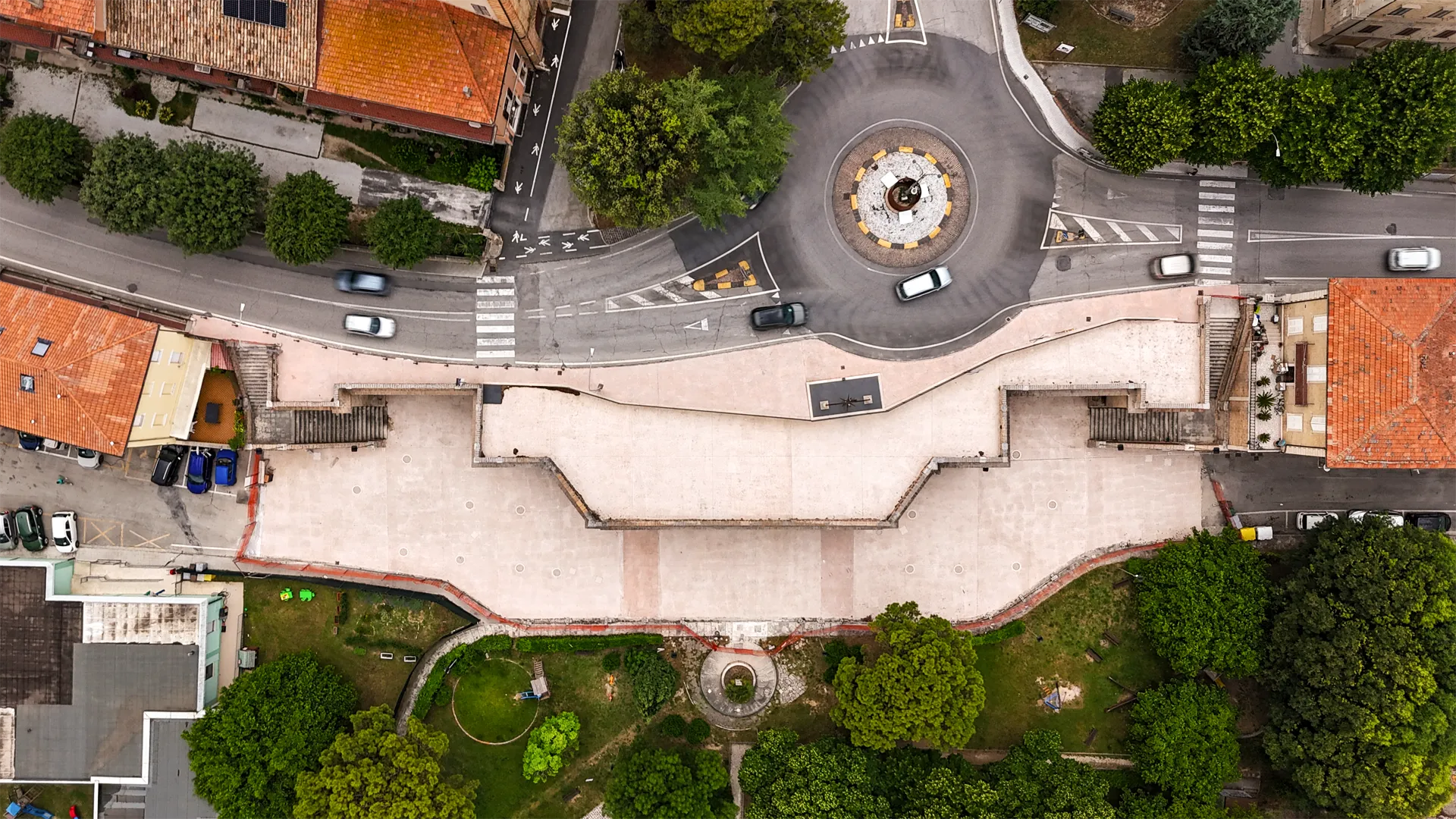
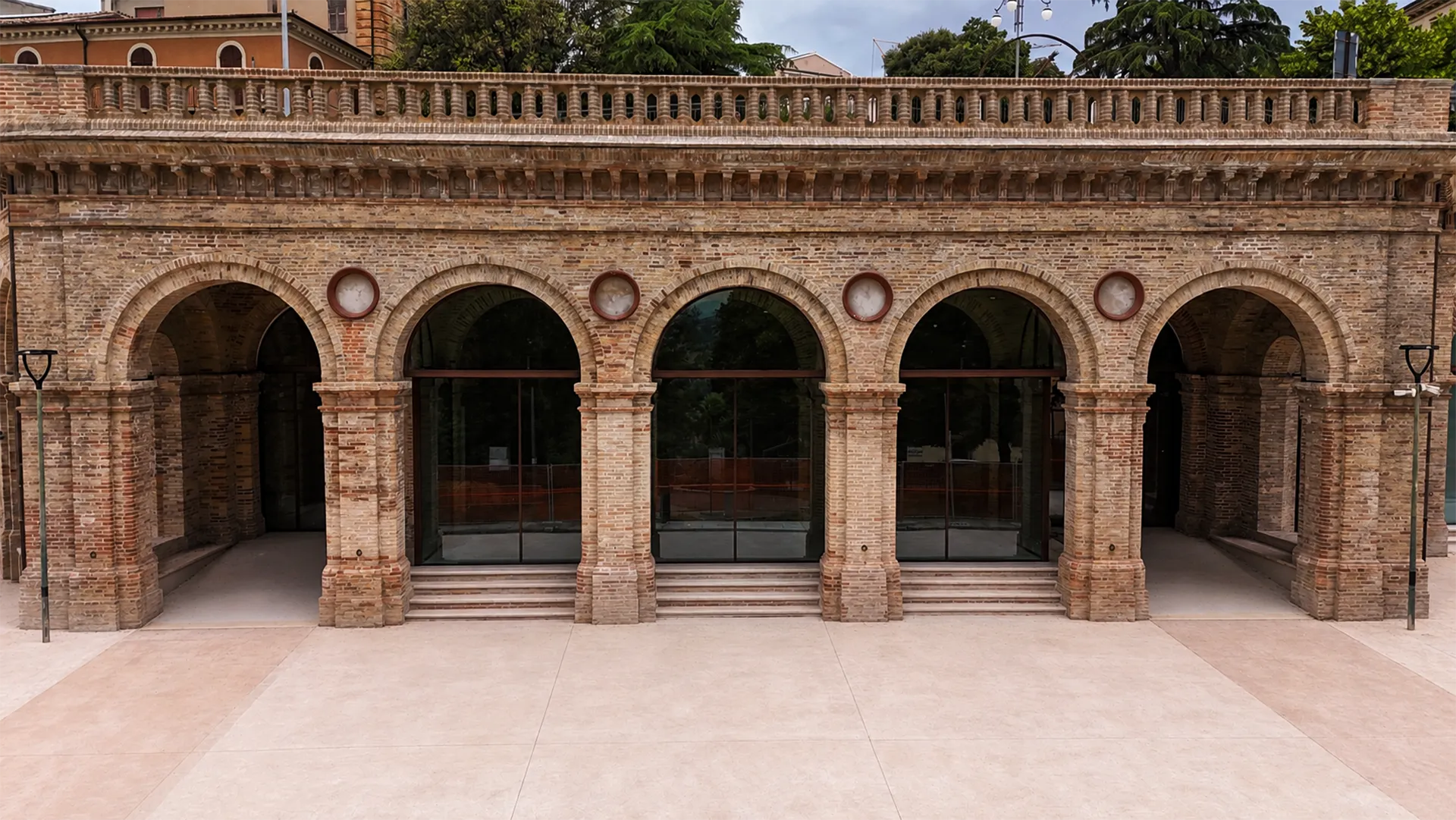
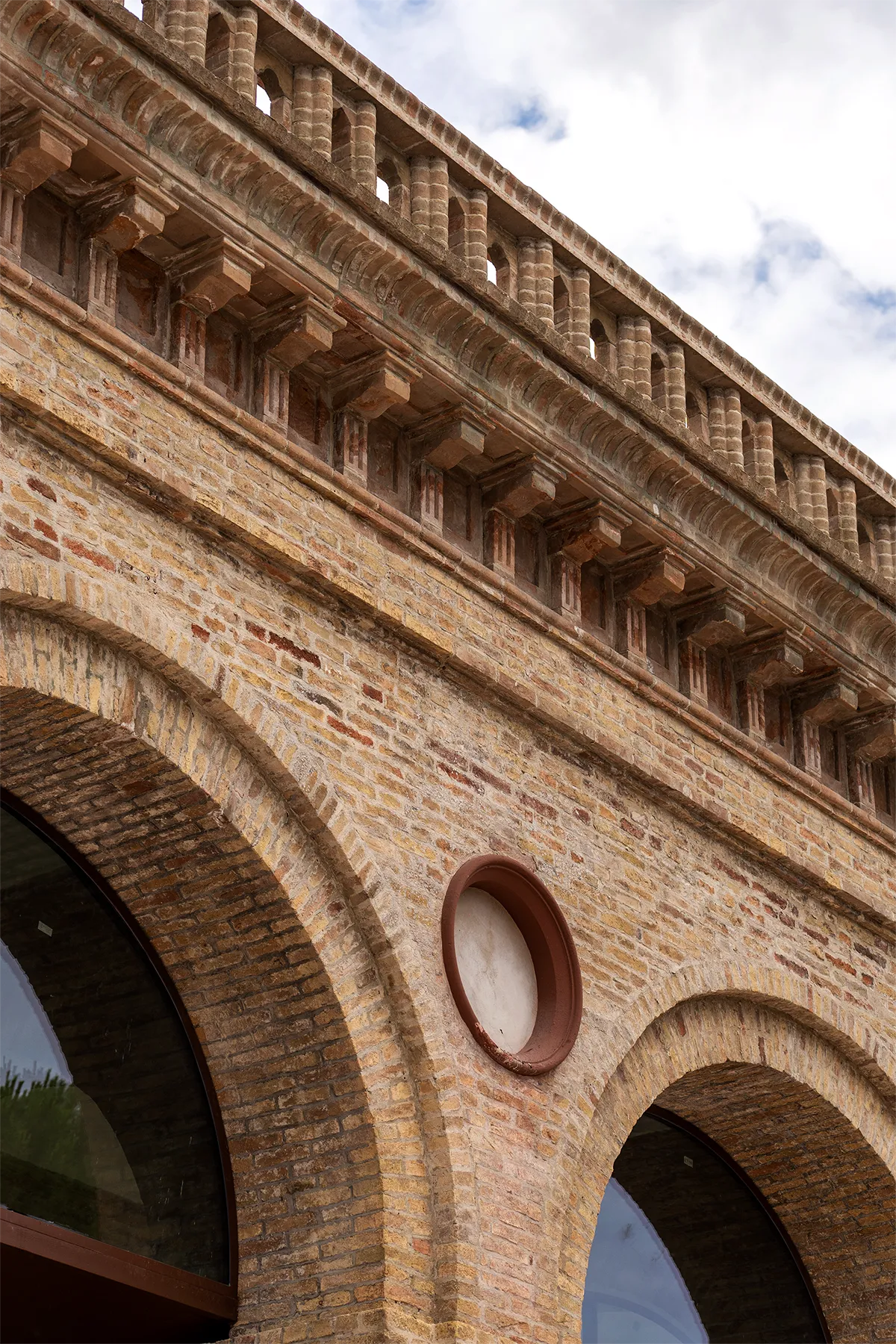
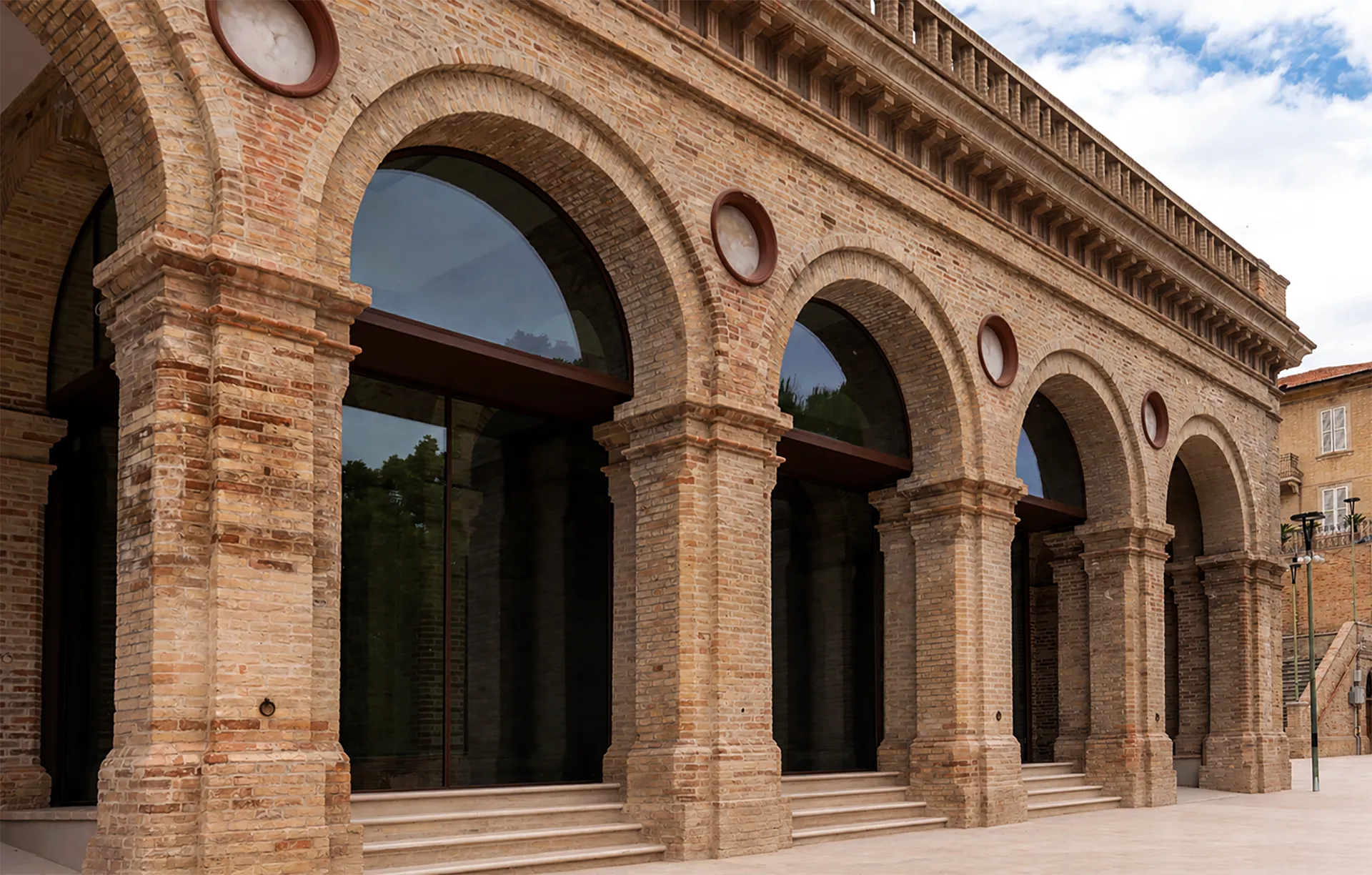
The redevelopment project of the Former Foro Boario and Piazza Papa Giovanni XXIII in Osimo represents a strategic urban regeneration initiative aimed at restoring vitality to an area of significant historical, architectural, and social value. Located at the entrance to Osimo’s historic center, the porticoed complex of the Foro Boario—dating back to the 19th century—is an emblematic example of Marche’s historical architecture, now undergoing restoration and enhancement through a contemporary design approach.

An integrated project within the PINQuA Program of the NRRP

This initiative is part of the PINQuA Program under Italy’s National Recovery and Resilience Plan (NRRP), dedicated to improving housing quality and promoting urban sustainability.
The main goal is to regenerate the Former Foro Boario, transforming it into a cultural and social hub for the local community through multifunctional spaces designed for events, exhibitions, conferences, and public activities.

The project includes:

  • Conservative restoration of the historic structures;

  • Seismic upgrading and structural strengthening;

  • Energy efficiency measures and environmental sustainability technologies;

  • Universal accessibility through the removal of architectural barriers.

Architectural restoration and enhancement of historic spaces

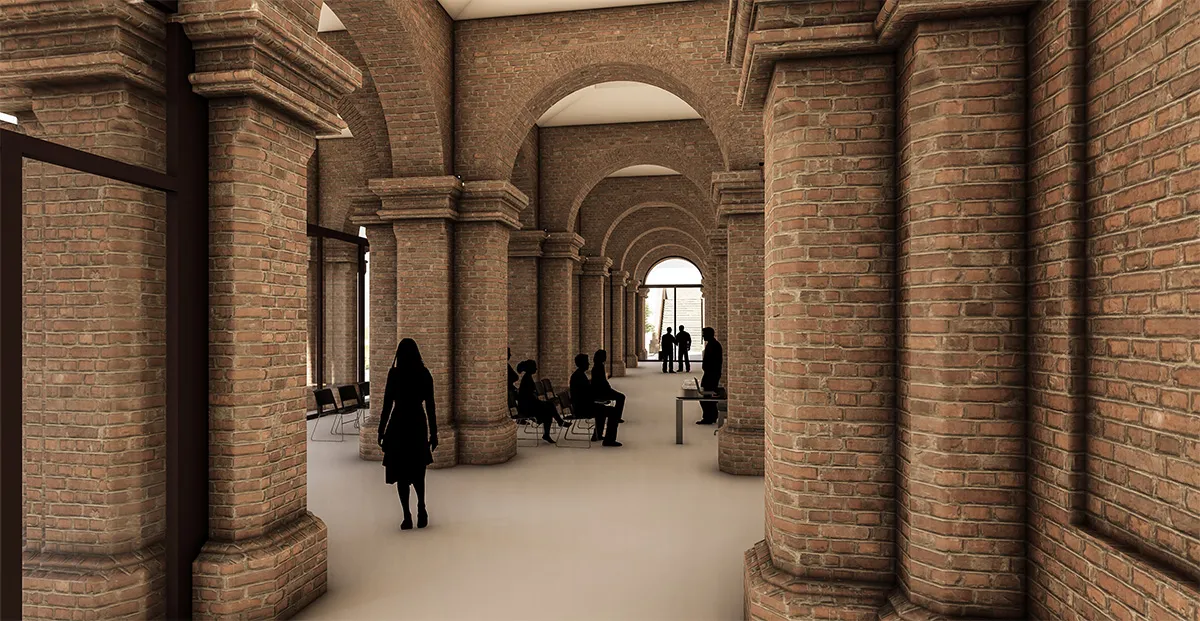
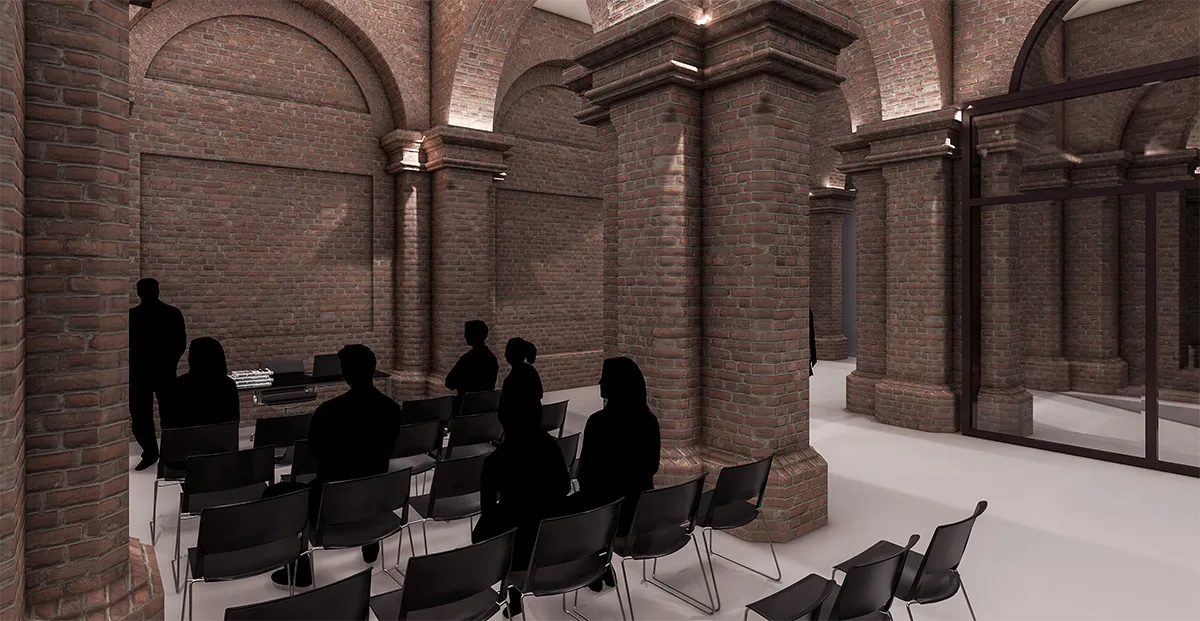
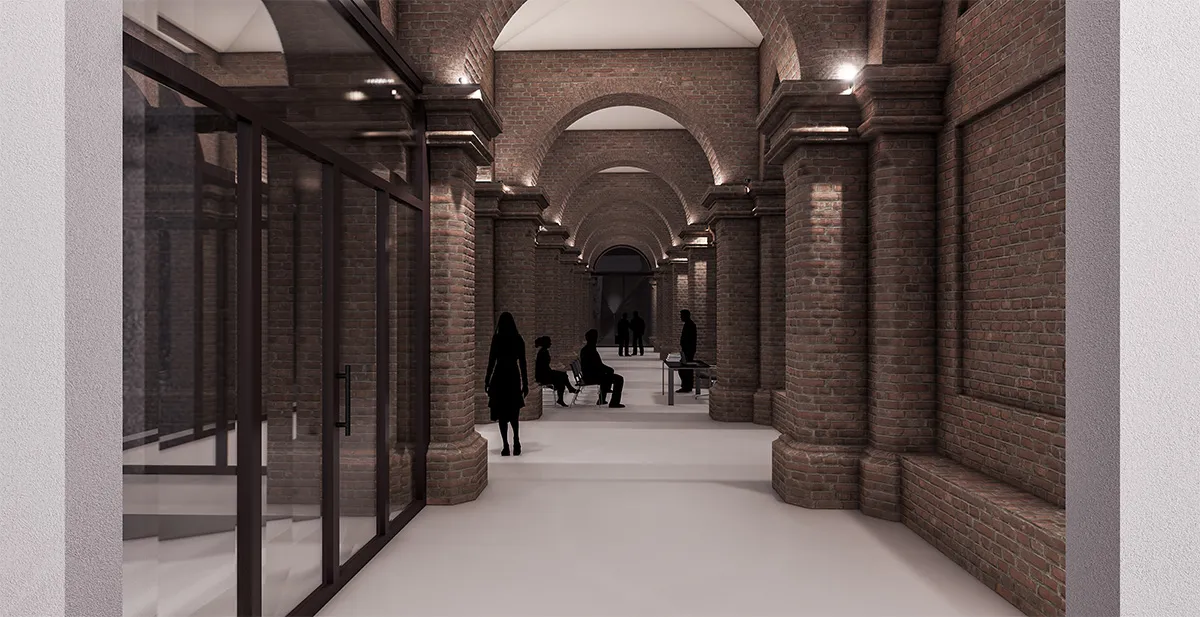
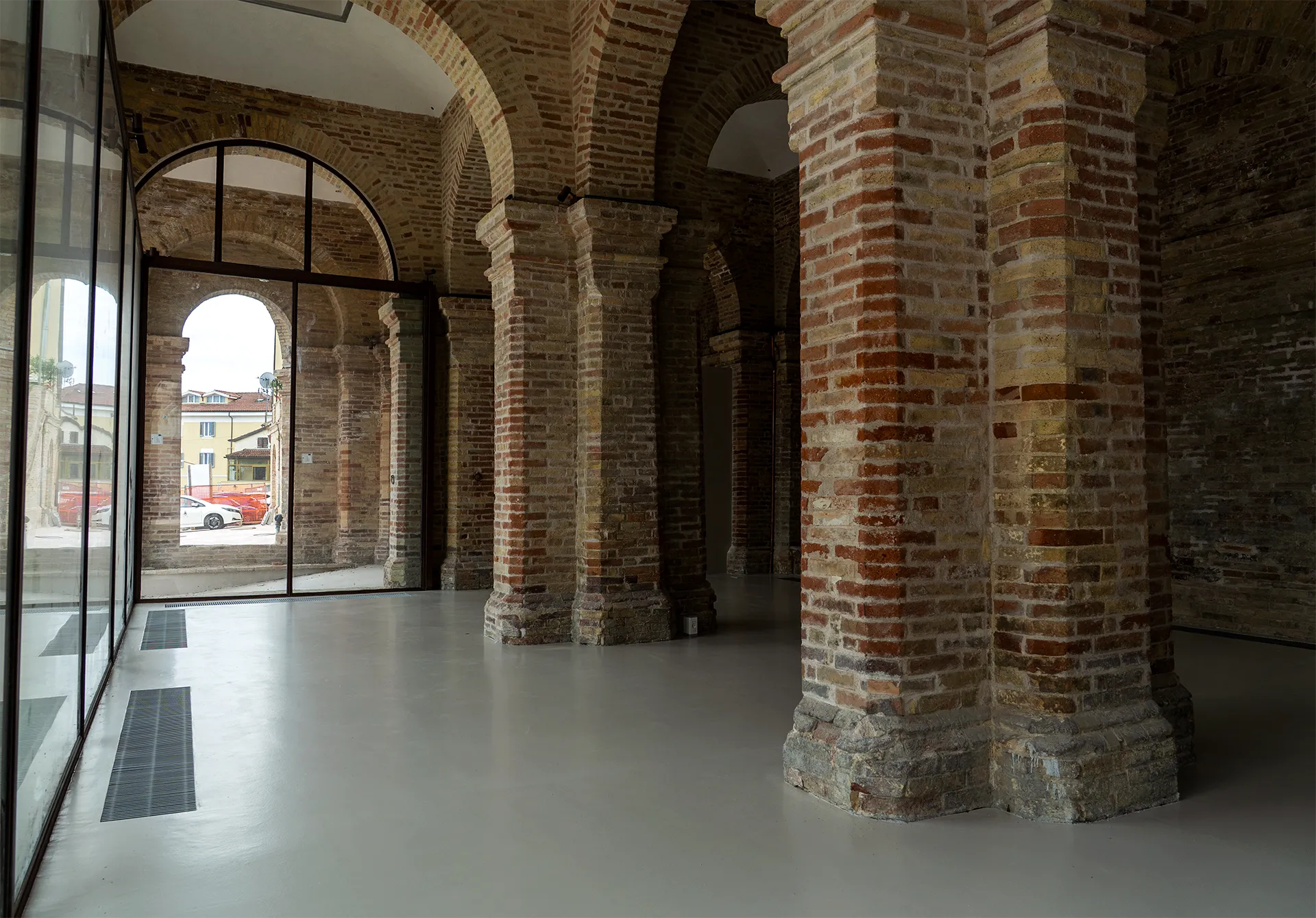
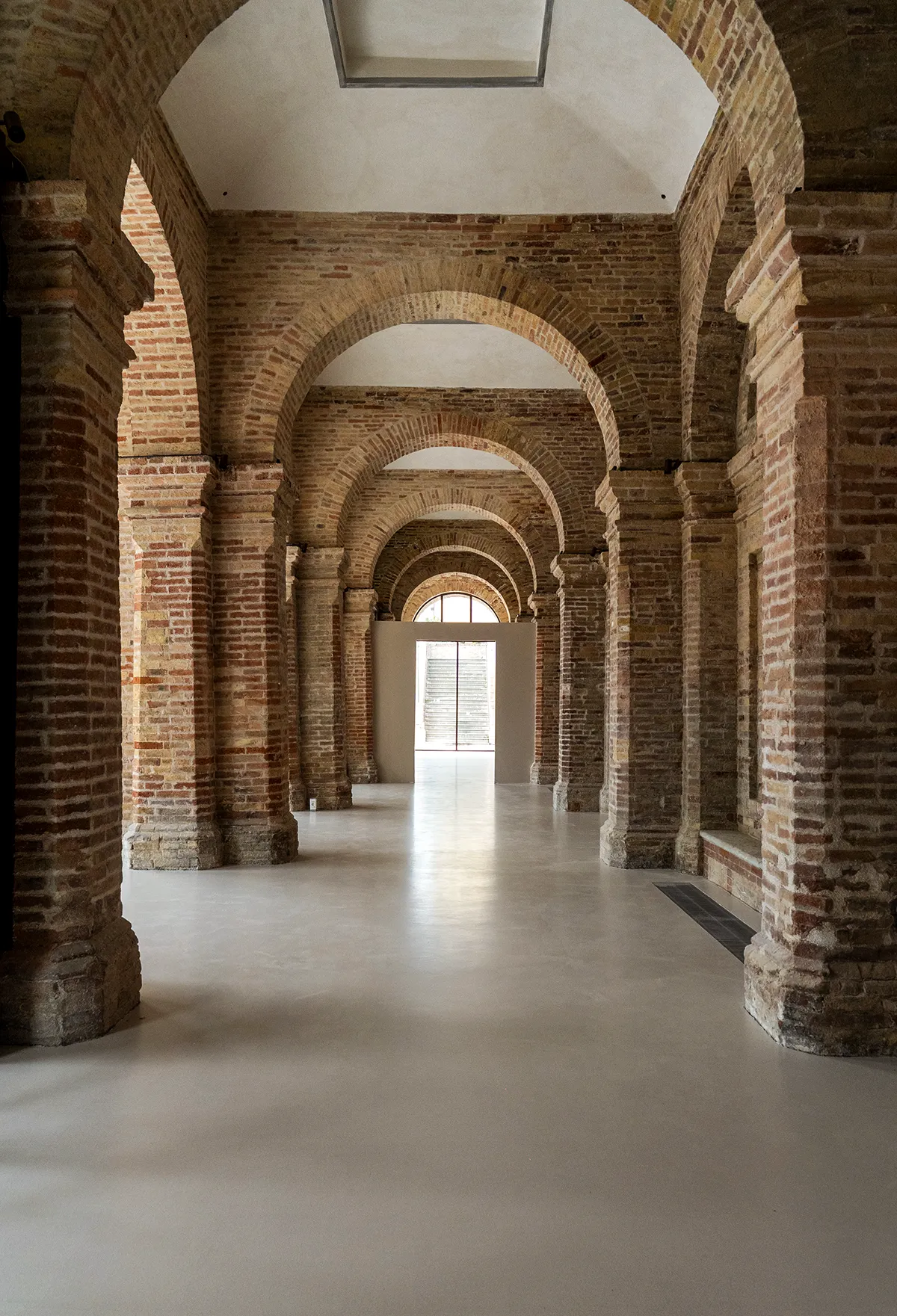
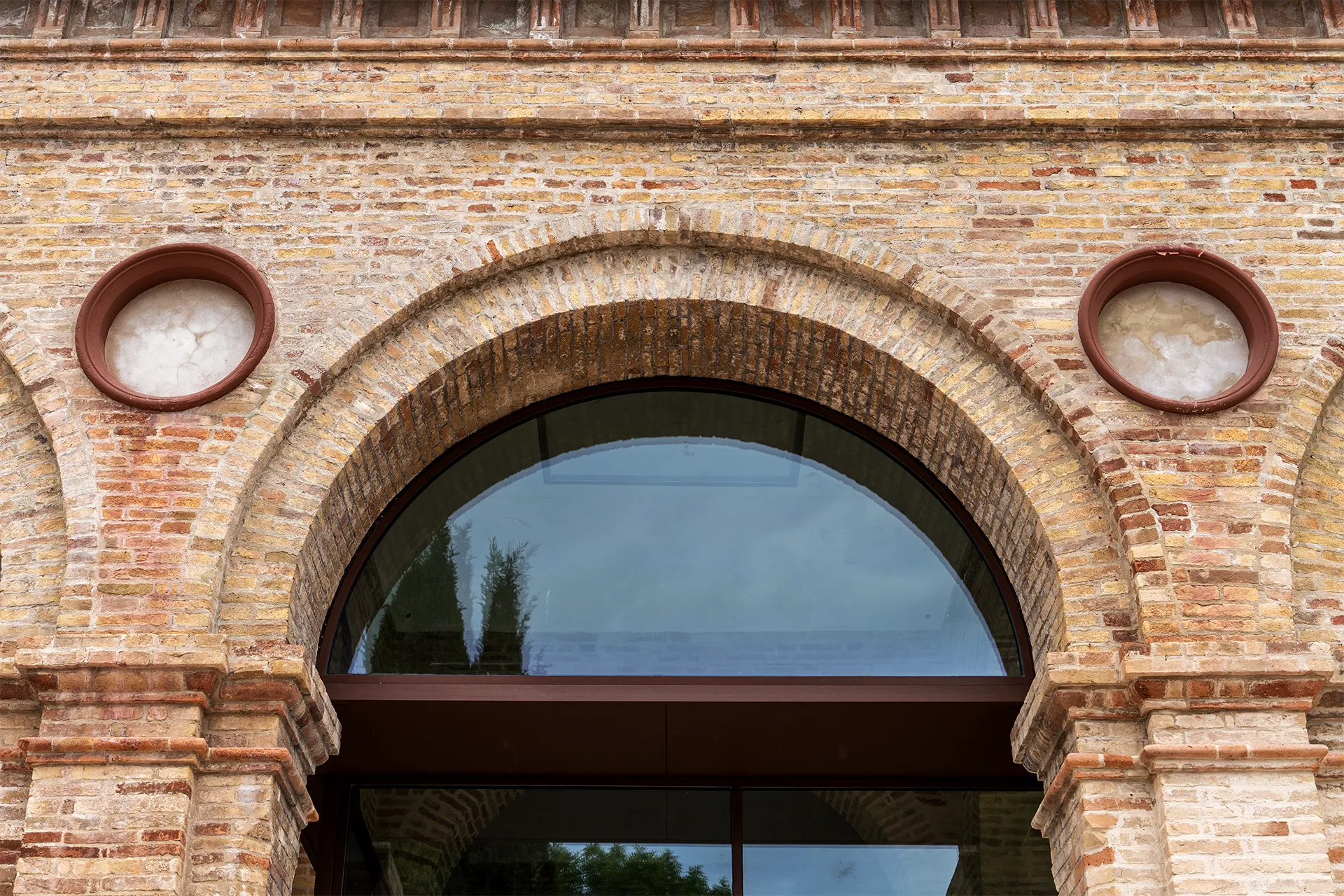
The restoration of the Foro Boario’s portico was conceived to preserve its historical character while introducing new functions. The historic arches will be enclosed with lightweight glass panels, creating flexible, sheltered spaces suitable for public events and conferences.
A new panoramic elevator will connect the Foro level to Osimo’s historic center, improving accessibility and usability for all citizens, particularly those with reduced mobility.

Piazza Papa Giovanni XXIII and the park: breathing new life into public spaces

The project extends to the adjacent square and park, featuring:

  • Pedestrian areas and green pathways;

  • Resting zones and recreational spaces;

  • Smart lighting systems and sustainable urban furniture.

These interventions aim to improve urban quality, enhance safety, foster social inclusion, and make Osimo a tangible example of a Smart City within the Marche region.

A model of urban regeneration between history and innovation

This project serves as a model of integrated urban regeneration, where the enhancement of historic heritage harmoniously interacts with the needs of contemporary urban life.
Through restoration, accessibility, and sustainability, Osimo renews its urban fabric—promoting social cohesion, quality of life, and territorial identity, which reflect the core principles of European and national policies for the ecological and digital transition of cities.

PLACE

Osimo (AN)

CLIENT

Comune di Osimo

WORK PERIOD
ACTIVITY

Design phase Safety coordination
Executive design
Final design
General Coordination of Specialized Disciplines
Safety coordination for executive phase
Works Supervision

TYPOLOGY

Restoration of Listed Cultural Heritage

INTENDED USE

Institutional
Multifunctional

WORK AMOUNT
WORKING GROUP

Arch. Maurizio Sabatino Pirocchi
Geol. Alberto Antinori
Novigos Tecno s.r.l.
Studio Paci Srl

Villa di Massenzio sull’Appia Antica | Restauro e Valorizzazione del Patrimonio Archeologico

Villa di Massenzio

Villa di Massenzio

Conservative restoration, enhancement, and visitor access routes

The Villa of Maxentius on the Appian Way: Restoration and Enhancement of Rome’s Archaeological Heritage

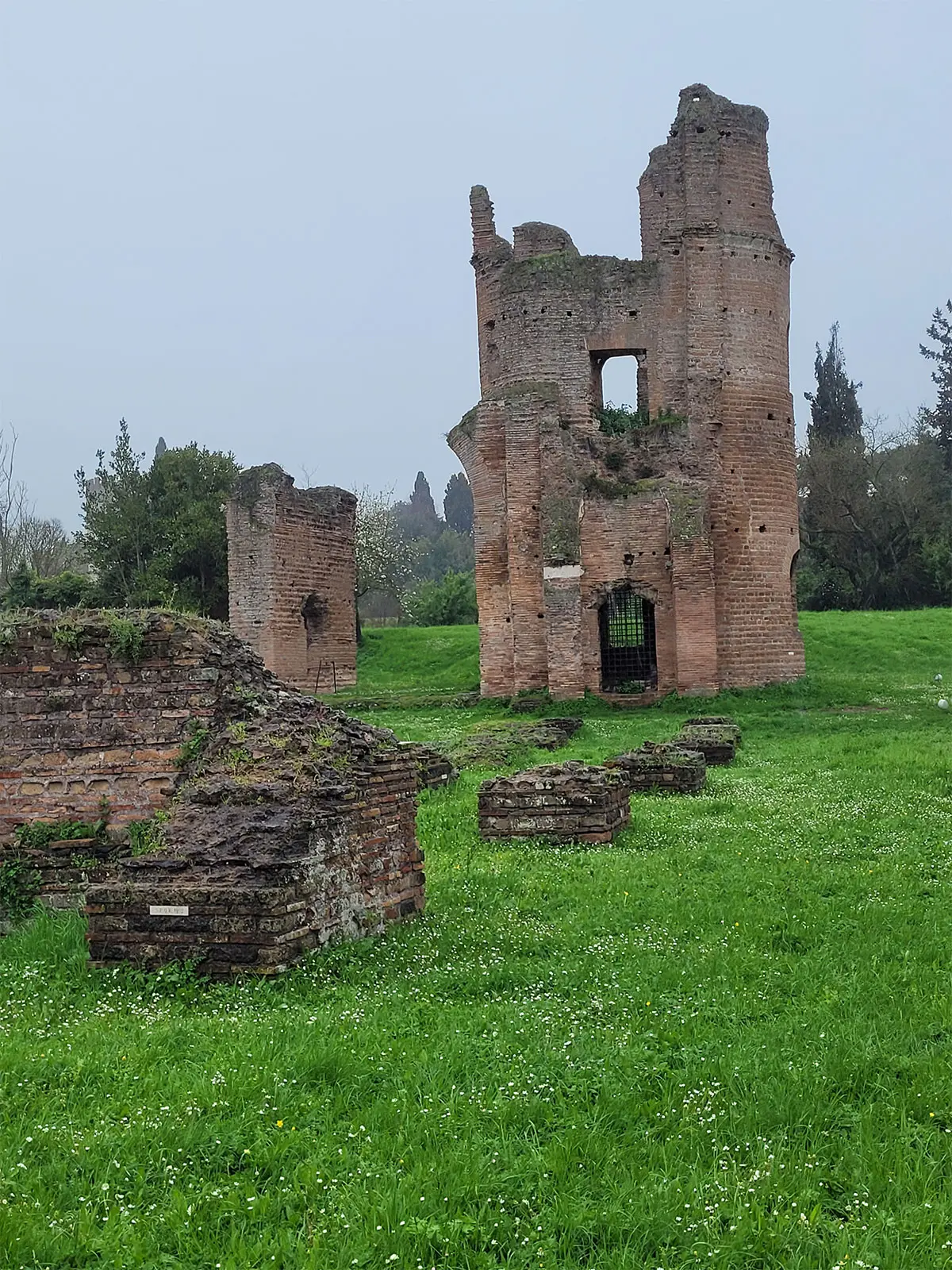
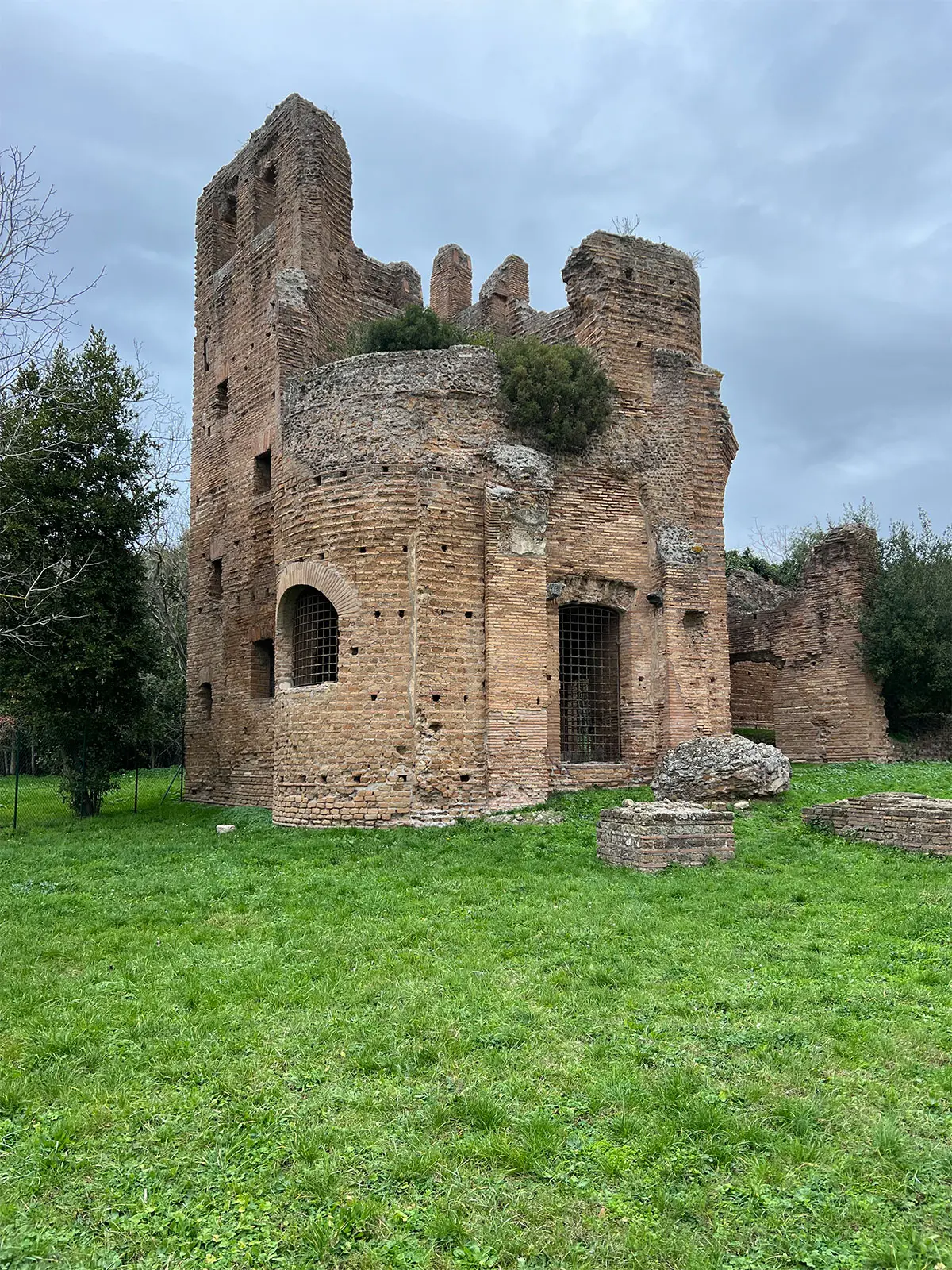
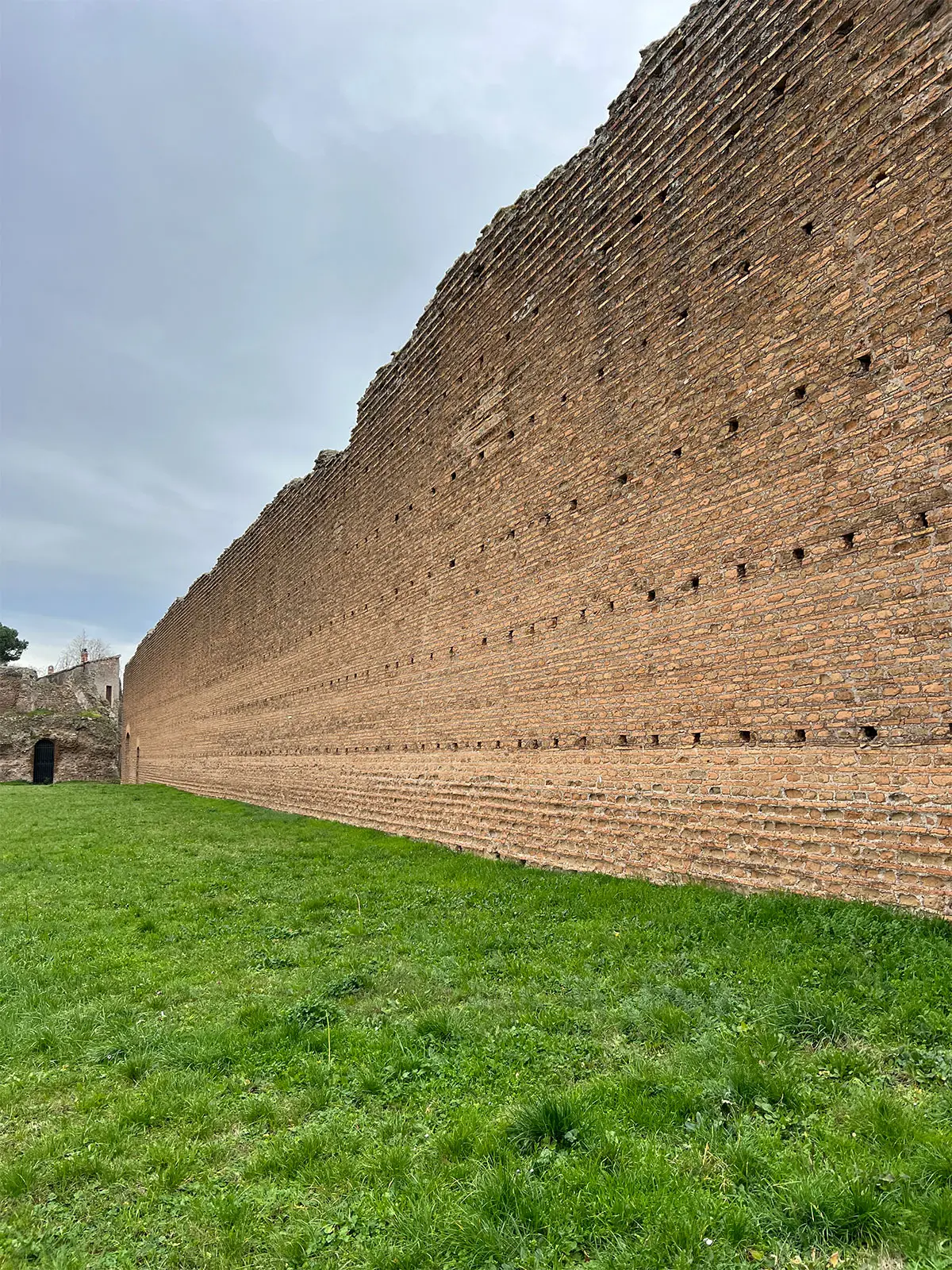
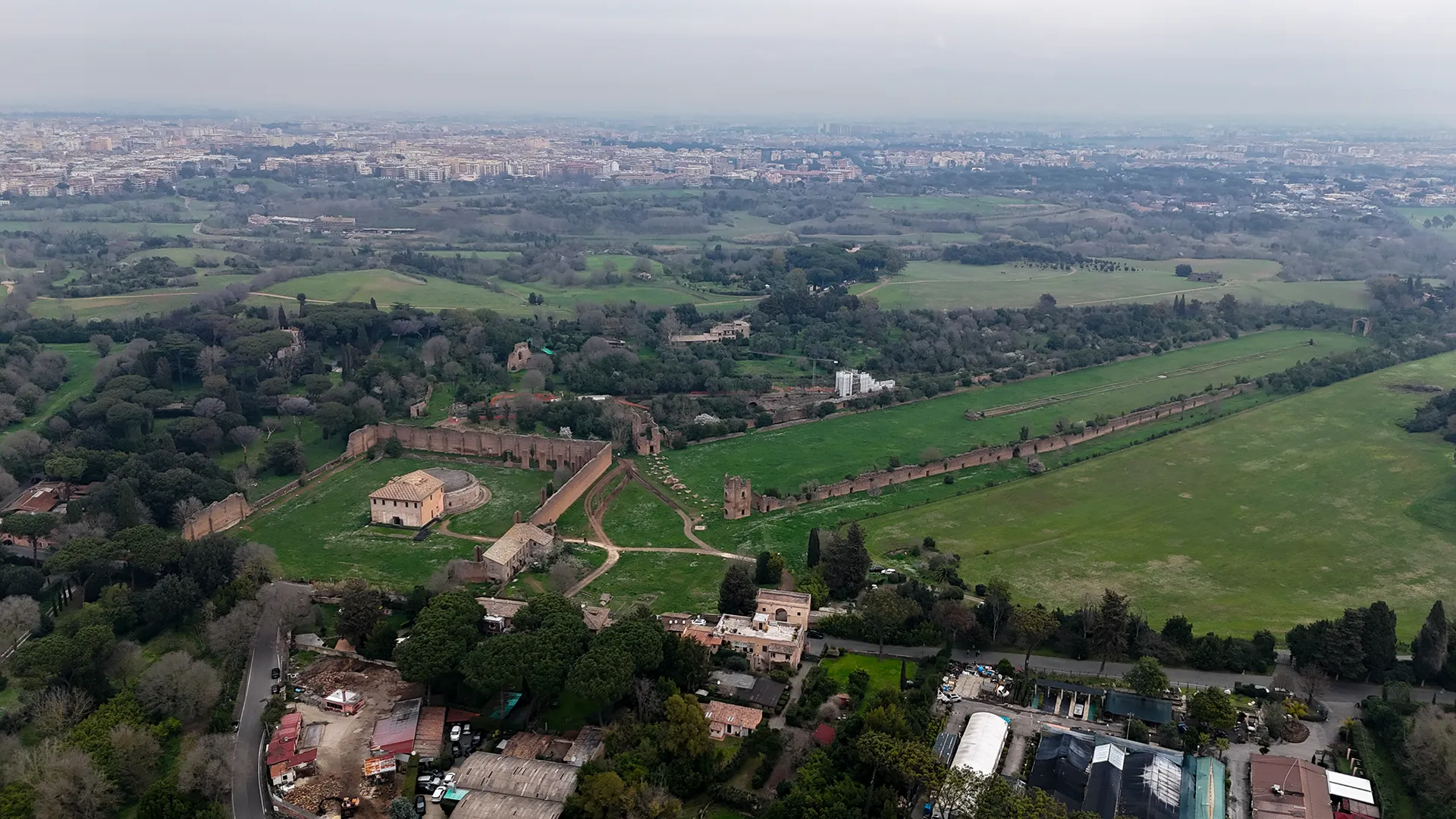
The Villa of Maxentius is one of the most extraordinary archaeological complexes of ancient Rome, located between the second and third mile of the Appian Way, the historic consular road that once connected Rome to Capua.

Built between 306 and 309 AD, the imperial residence includes three main structures: the Imperial Palace, the Mausoleum of Romulus, and the Circus of Maxentius, monumental works designed to celebrate the emperor’s figure and assert his power through architecture.

A unique late-imperial complex

The Villa of Maxentius stands out for its exceptional architectural and symbolic unity, rare among imperial complexes of the late Roman Empire. The site perfectly illustrates how politics, architecture, and religion were intertwined in late antiquity.
Over the centuries, the villa experienced transformations, abandonment, and decay, making a careful and respectful restoration intervention essential.

The conservative restoration of the Villa of Maxentius

The archaeological and conservative restoration project aimed to preserve and enhance one of Rome’s most significant cultural landmarks. The intervention included:

  • Consolidation of ancient masonry using compatible techniques and low-impact materials;

  • Restoration of the “imperial corridor,” the passage connecting the palace to the pulvinar, the podium from which the emperor watched the races in the circus;

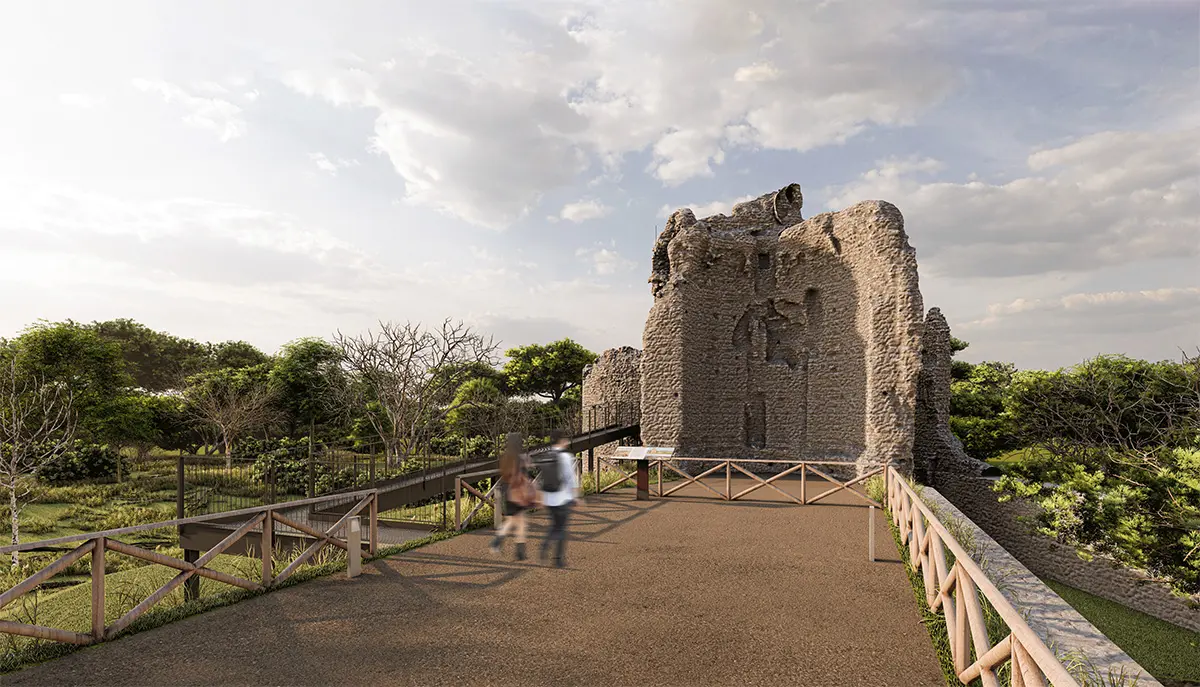
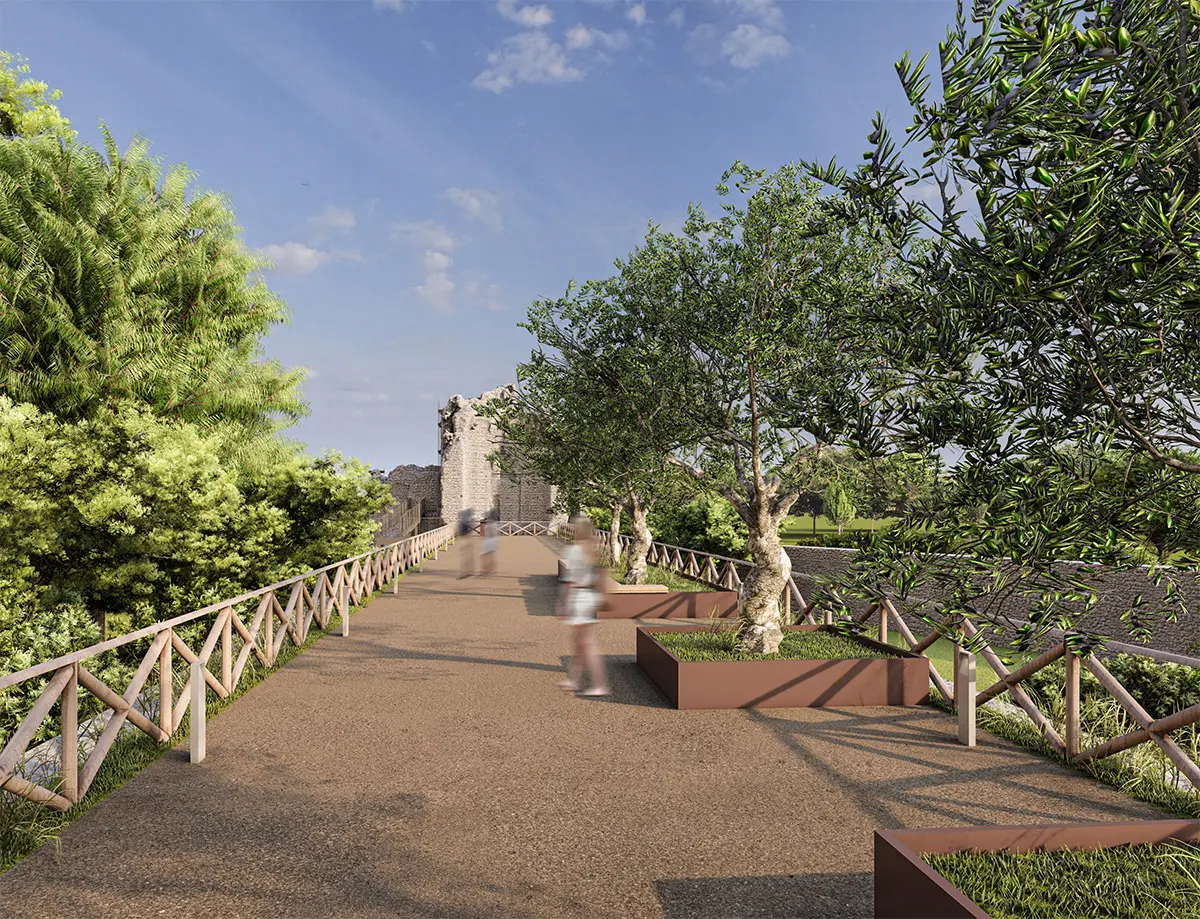
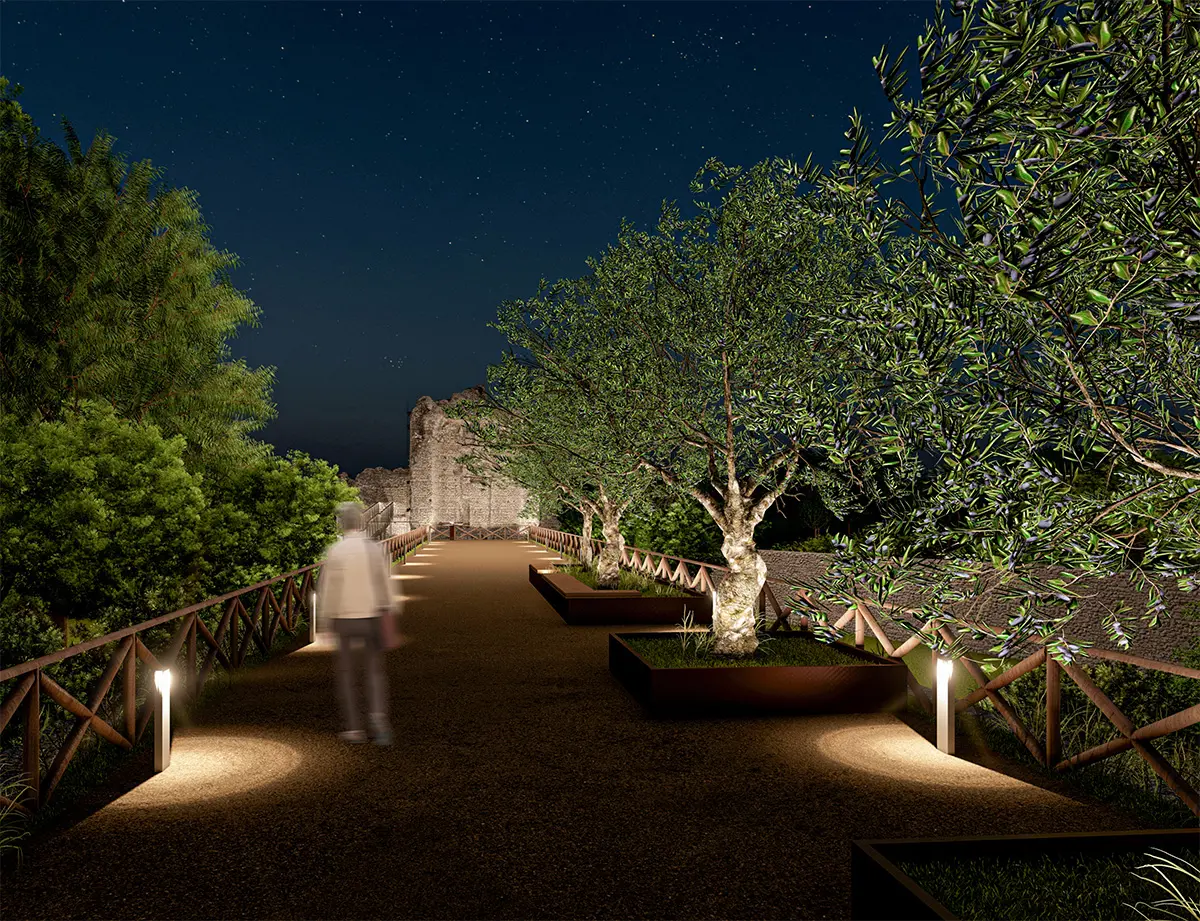
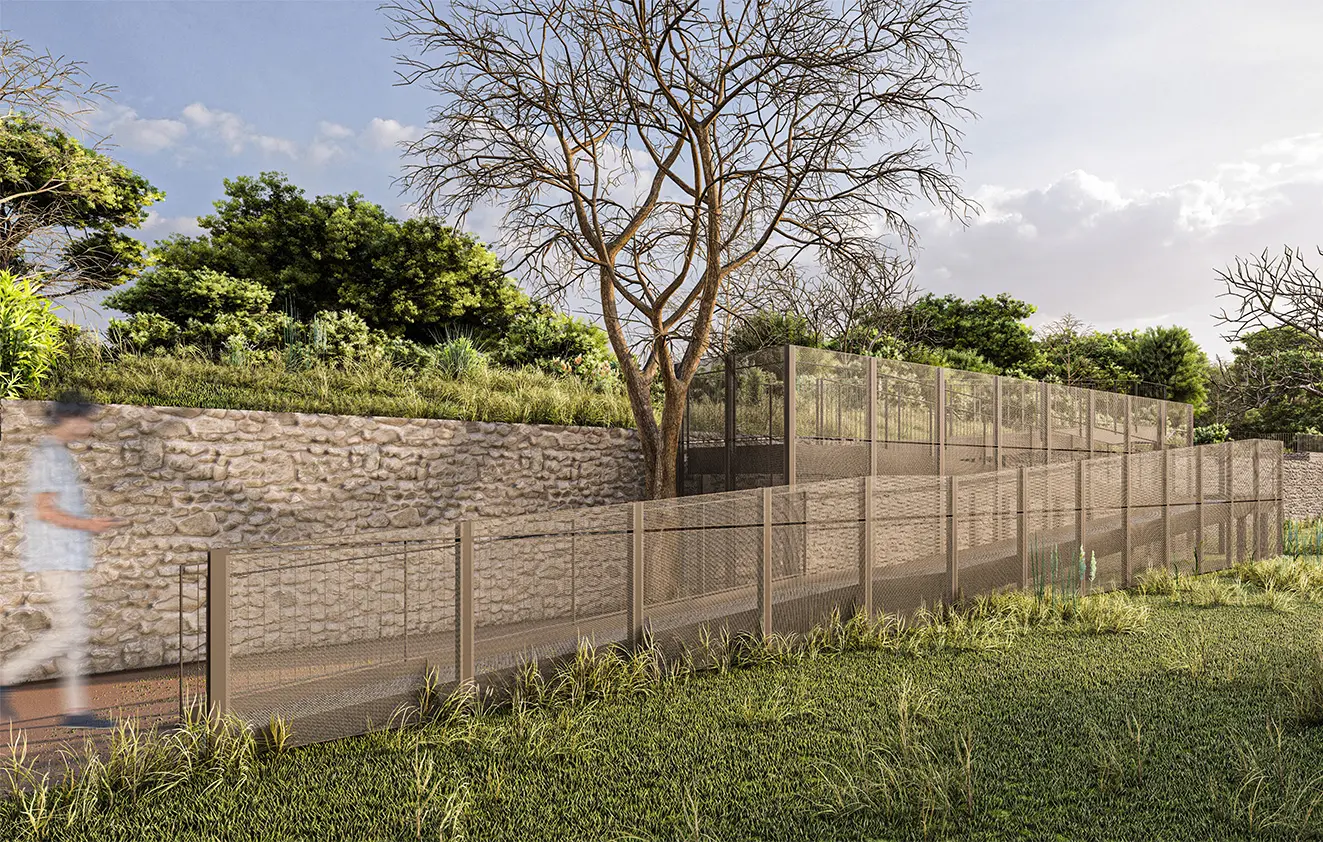
  • Redevelopment of visitor pathways, introducing accessible and sustainable solutions.

Technology and design approach

The intervention was based on a multidisciplinary approach combining traditional restoration techniques with advanced digital and diagnostic technologies for structural and environmental monitoring.
All operations were carried out with the utmost respect for the archaeological context, ensuring safety, preservation, and accessibility for visitors.

A dialogue between past and future

Today, the Villa of Maxentius is a vibrant and accessible site where history, architecture, and landscape coexist.
The restoration has returned to the public a place of extraordinary beauty, allowing visitors to immerse themselves in the ancient splendor of Rome along the Appian Way, surrounded by monuments, ruins, and evocative views.

This project represents a bridge between past and future, an example of sustainable enhancement of archaeological heritage that combines scientific rigor, innovation, and respect for historical memory.

PLACE

Roma

CLIENT

Roma Capitale - Sovrintendenza Capitolina

WORK PERIOD
ACTIVITY

Design phase Safety coordination
Executive design
Final design
Safety coordination for executive phase
Works Supervision

TYPOLOGY

Restoration of Listed Cultural Heritage

INTENDED USE

Cultural

WORK AMOUNT
WORKING GROUP

Englobe
Geol. Alberto Antinori
Relevo s.r.l.

ENGLOBE Progettazione Integrata Restauro Sisma Convento San Francesco Matelica

Complesso conventuale di San Francesco

Complesso conventuale di San Francesco

Design and execution of conservative restoration, structural consolidation, and energy efficiency improvement

Franciscan Heritage Since the 13th Century


The San Francesco Monastic Complex in Matelica represents one of the most significant examples of religious architecture in the Marche region. Its origins date back to the 13th century, when the Friars Minor settled in the northeastern sector of the walled city, contributing to the cultural and administrative development of the area.


Throughout the centuries, the complex was occupied by different Franciscan branches — including the Conventuals, Observants, and Reformati — undergoing alternating phases of expansion and decline. These events continued until the Napoleonic suppression and the site’s definitive closure in 1861.

The Church of San Francesco and Its Artistic Value


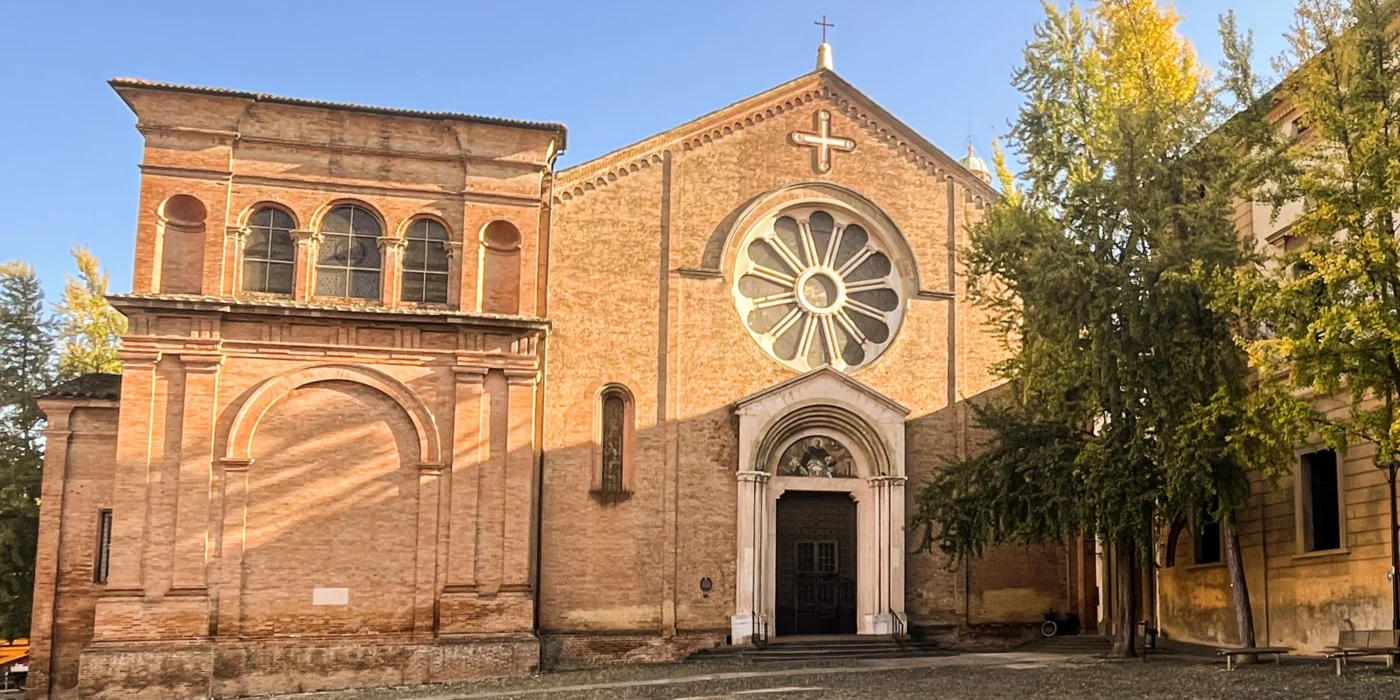
Adjacent to the monastery stands the Church of San Francesco, a custodian of valuable artistic heritage: frescoes, decorative elements, and architectural stratifications that document centuries of transformation and adaptation.


However, recent seismic events in the region significantly compromised the structural stability of the complex, making an urgent and well-designed restoration intervention essential to safeguard both its architectural integrity and cultural value.

ENGLOBE’s Intervention: Restoration and Seismic Strengthening

ENGLOBE carried out a comprehensive intervention involving both the church and the monastery, with the dual objective of preserving historical elements and ensuring structural safety.

The project included:

  • the restoration of load-bearing structures and original construction systems,

  • the conservation of decorated surfaces and frescoes,

  • the redevelopment of the roofing systems, removing non-original additions,

  • the use of technologies compatible with the historical and architectural context.

Design Approach and Cultural Value

The intervention was developed through an integrated approach, combining specialized structural engineering and heritage conservation expertise. This strategy allowed the complex to regain full usability, while preserving its historical and artistic value and ensuring long-term safety.

Thanks to this restoration, the San Francesco complex continues to serve as a significant cultural and identity landmark for the city of Matelica and for the broader Marche region.

PLACE

Matelica (MC)

CLIENT

Provincia Picena di S. Giacomo della Marca dei Frati Minori

WORK PERIOD
ACTIVITY

Design phase Safety coordination
Executive design
Final design
Preliminary design
Safety coordination for executive phase
Works Supervision

TYPOLOGY

Restoration of Listed Cultural Heritage

INTENDED USE

Multifunctional
Religious

WORK AMOUNT
WORKING GROUP

Studio Paci Srl

Hotel Palazzo Castri

Hotel Palazzo Castri

Restoration of an historical palace

Restoration of Hotel Palazzo Castri – Florence

The restoration project of Hotel Palazzo Castri is located in the historic center of Florence and focuses on the recovery and enhancement of a historic building dedicated to hospitality. The intervention aims to combine architectural heritage conservation, functional upgrading, and high-quality hospitality spaces, while respecting the building’s historical and material characteristics.

Historical framework and urban context

Palazzo Castri is an integral part of Florence’s historic urban fabric, characterized by strong architectural stratification and heritage protection constraints. The project addresses a context of exceptional cultural value, requiring design solutions fully compatible with the building’s identity and historical significance.

Conservation principles and restoration criteria

Design decisions are based on the principles of conservative restoration, favoring targeted, reversible, and compatible interventions. The project focuses on preserving original architectural elements while integrating technical solutions that improve functional performance without compromising the building’s character.

Functional upgrading and hospitality spaces

The restoration includes a functional upgrading of interior spaces, aimed at meeting contemporary hospitality standards. The reorganization of the internal layout enhances comfort, usability, and the overall guest experience, maintaining a balanced relationship between operational requirements and historic preservation.

Hotel restoration as heritage enhancement

The intervention at Hotel Palazzo Castri represents an example of heritage-focused hotel restoration, where architectural conservation is combined with new functional needs. The project contributes to the enhancement of the building and strengthens Florence’s hospitality offer within its historic city center.

PLACE

Firenze (FI)

CLIENT

Private

WORK PERIOD
ACTIVITY

Architectural project in variant
Structural Design
Works Supervision

TYPOLOGY

Restoration

INTENDED USE

Receptive

WORK AMOUNT
WORKING GROUP

Studio Paci Srl