Nursery school
Nursery school

Construction of a new nursery school

New Nursery School Construction in Misano Adriatico

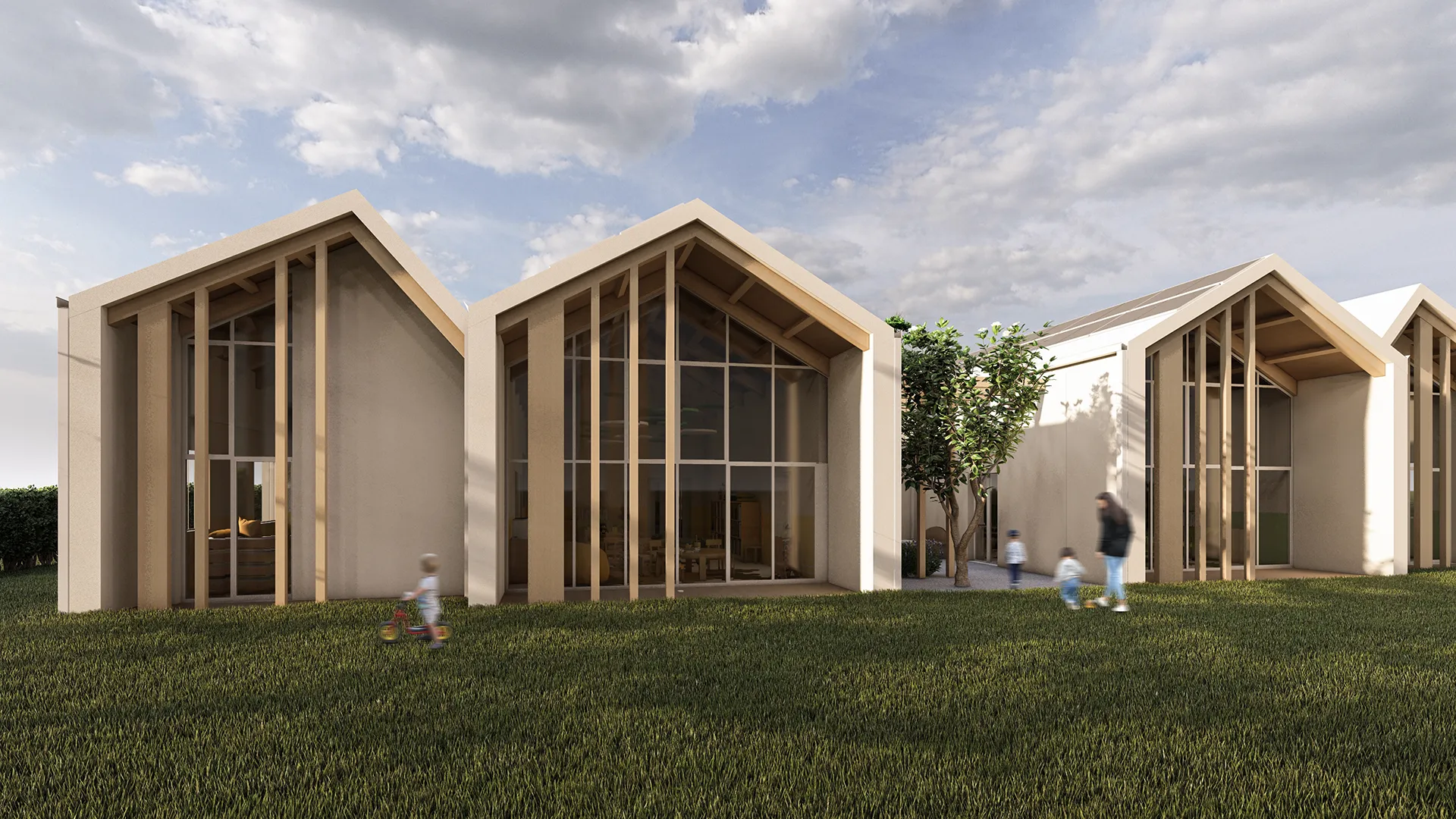
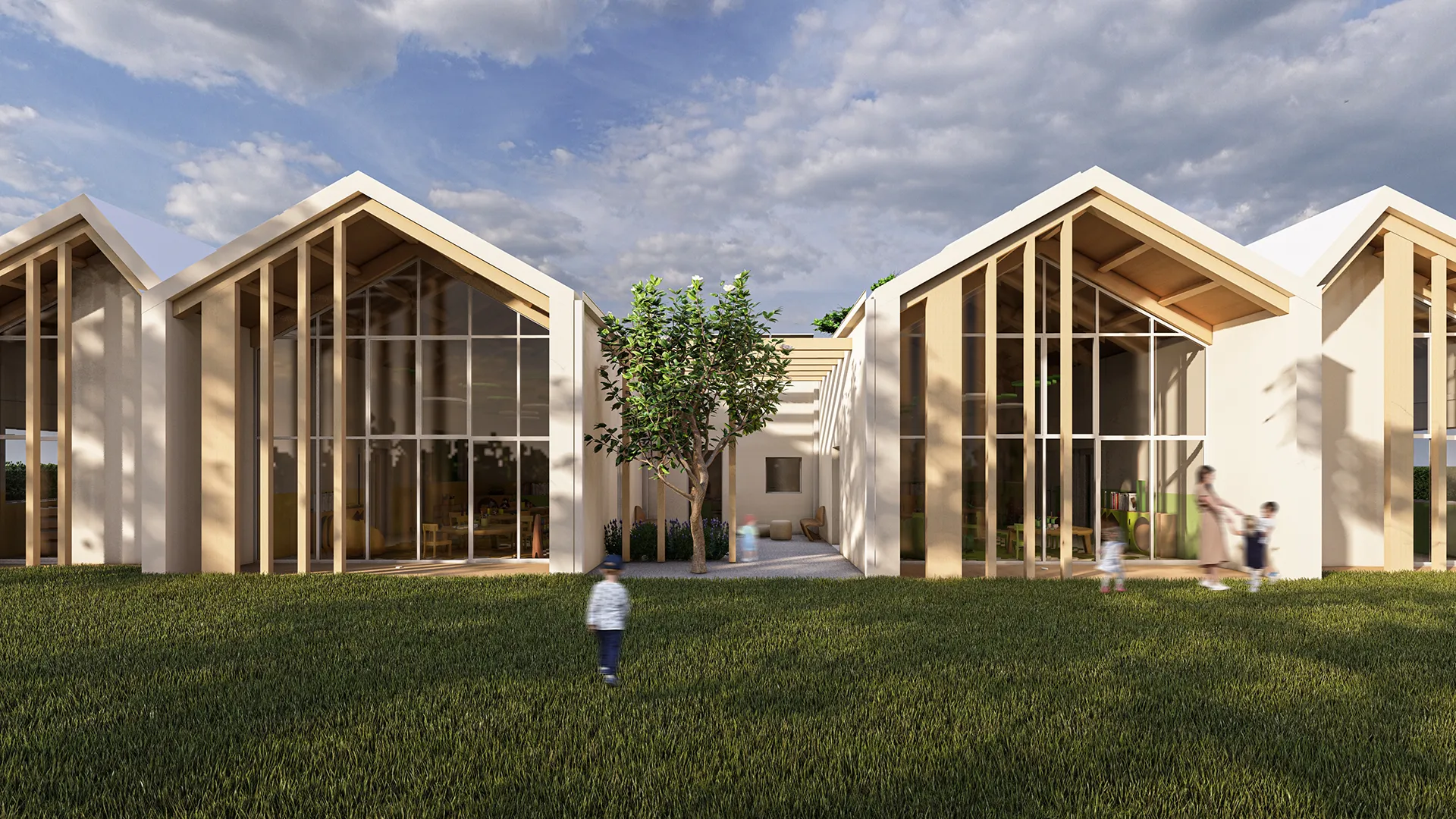
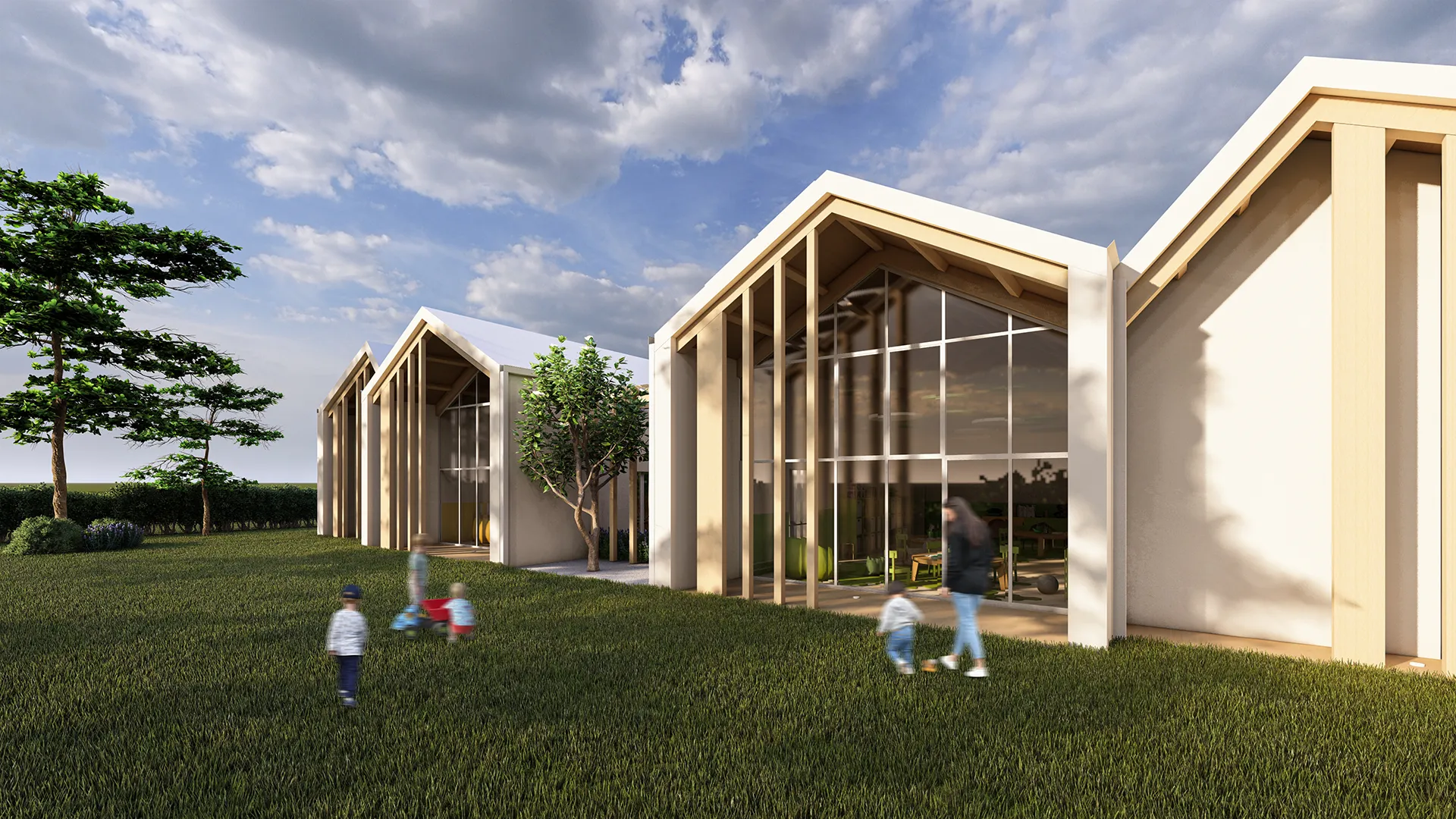
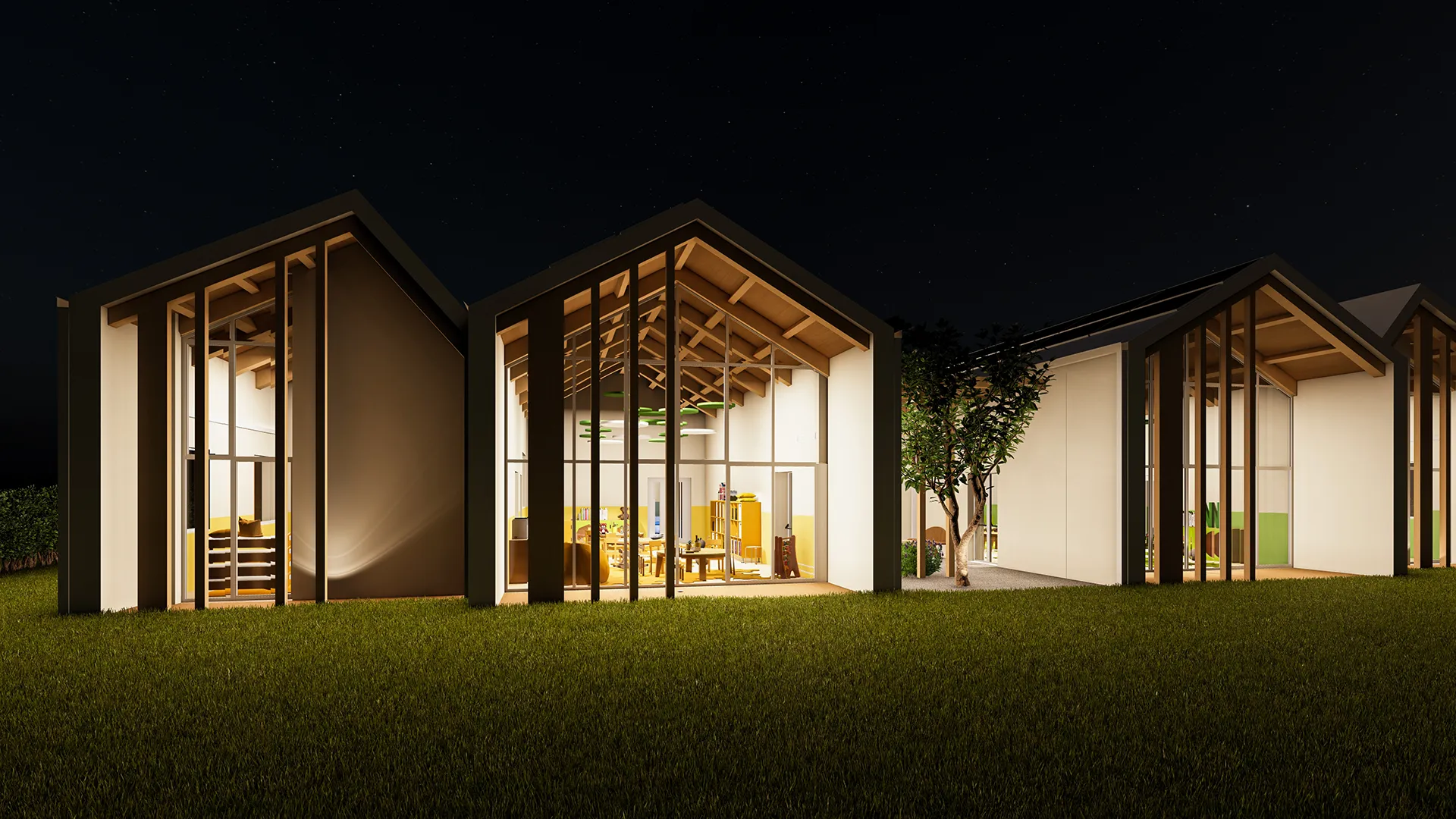
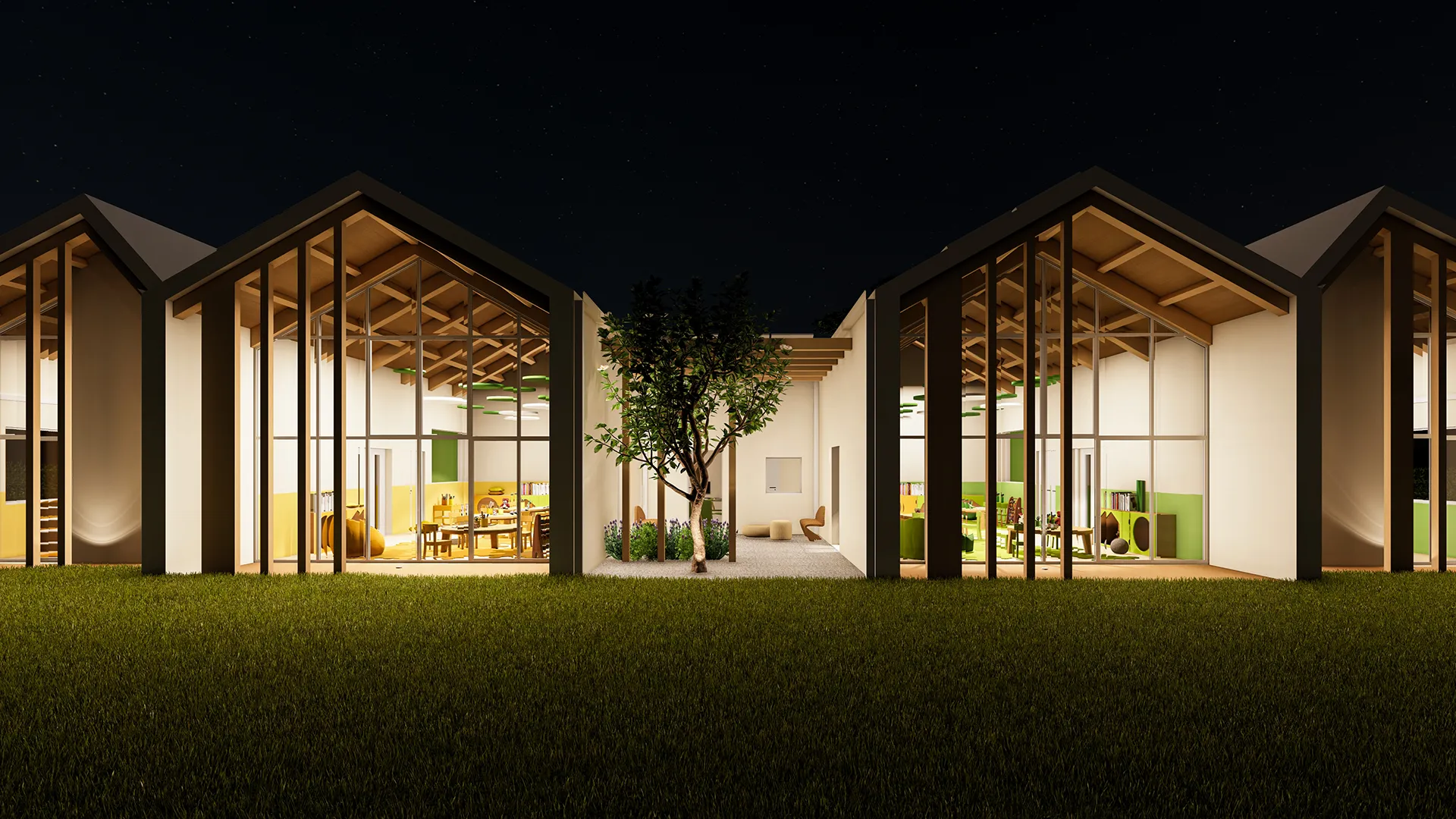
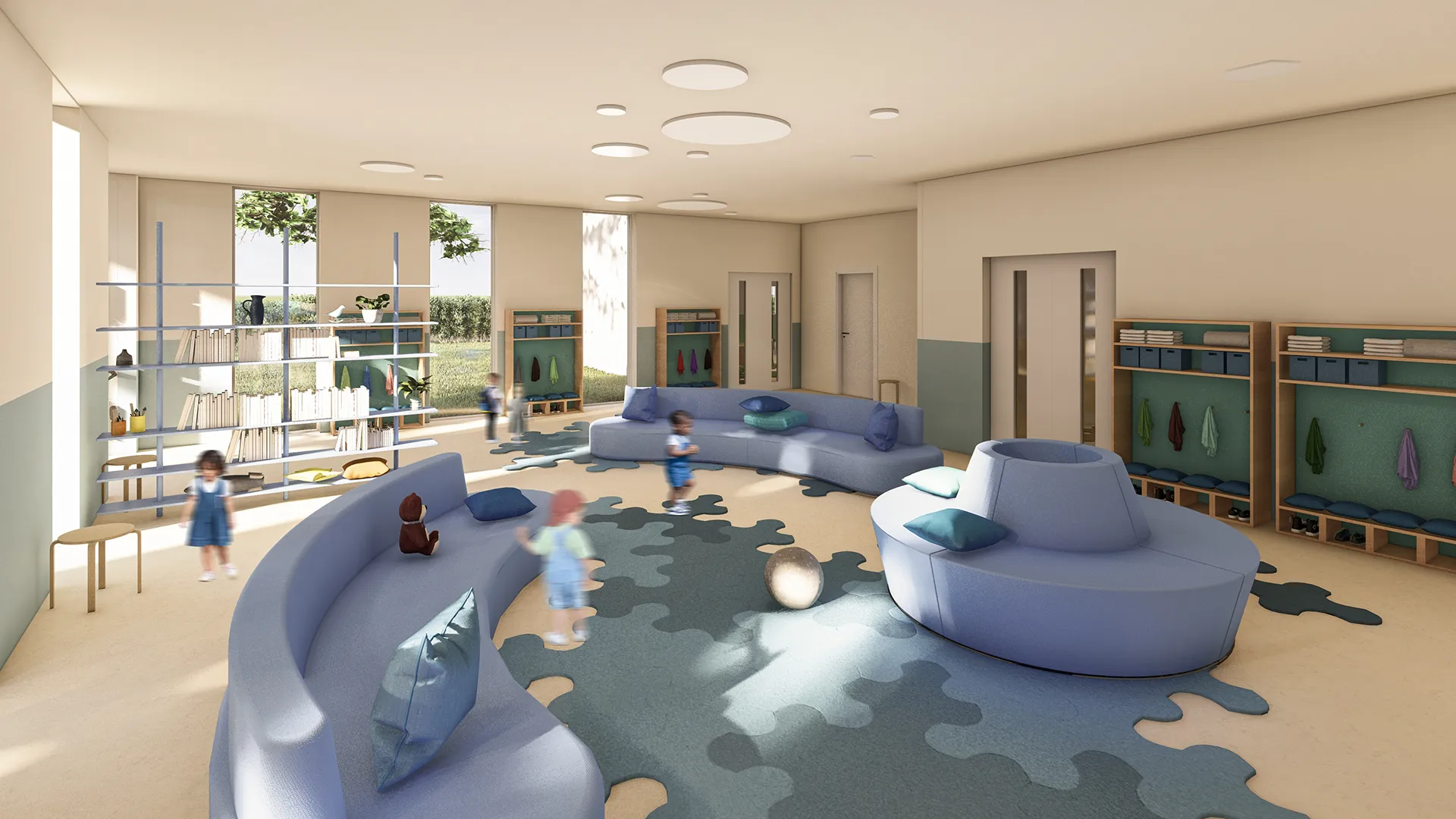
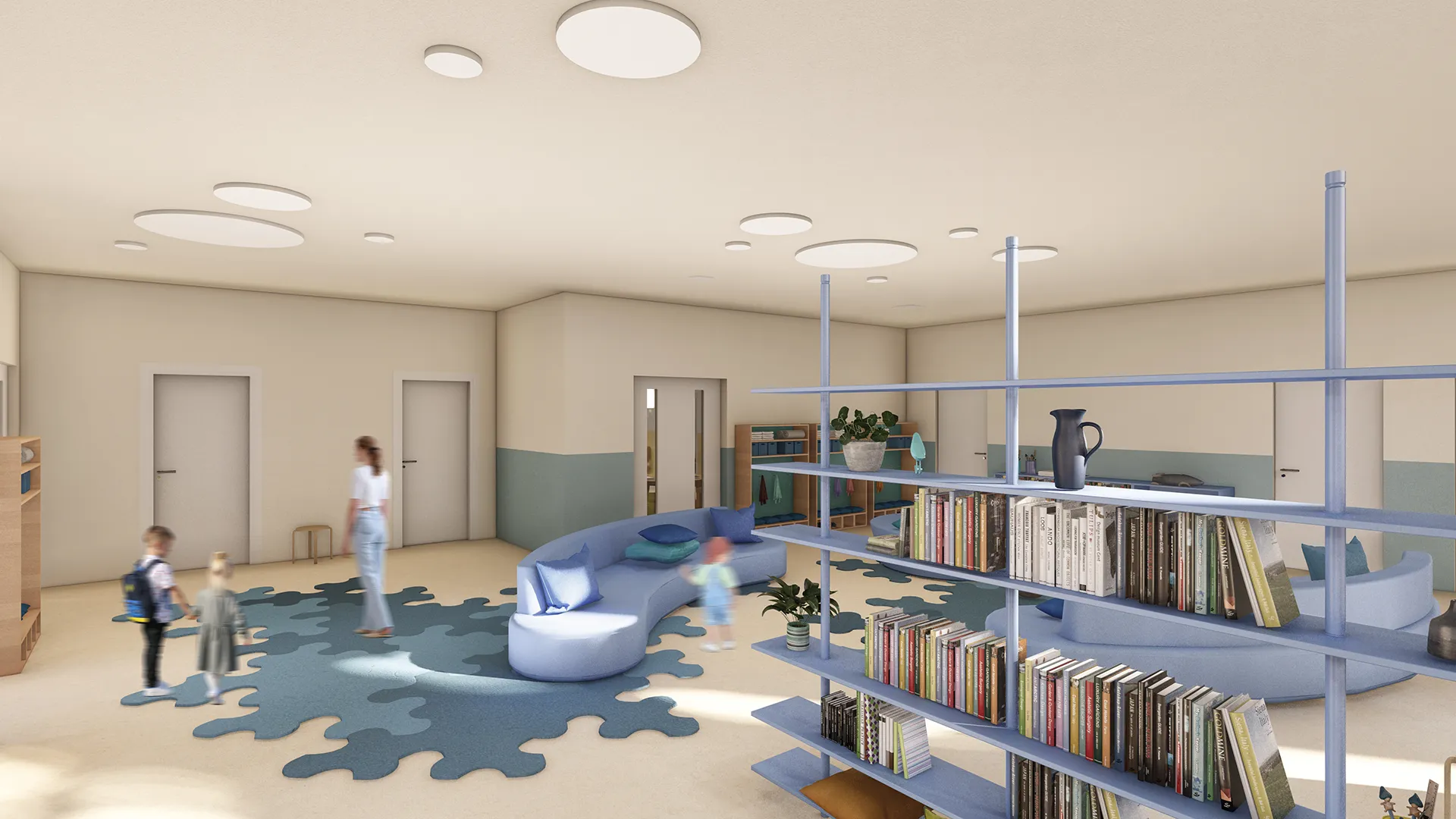
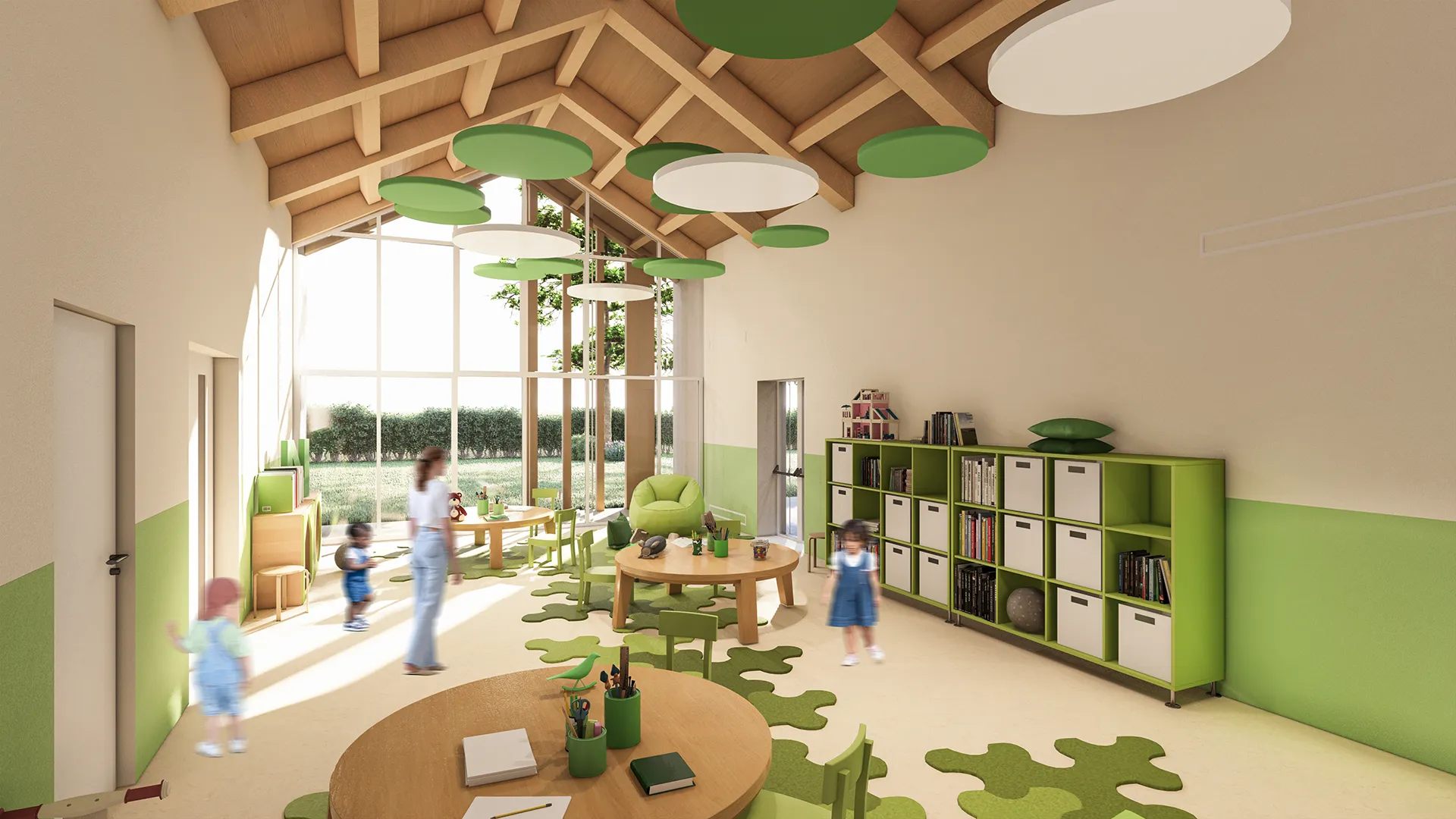
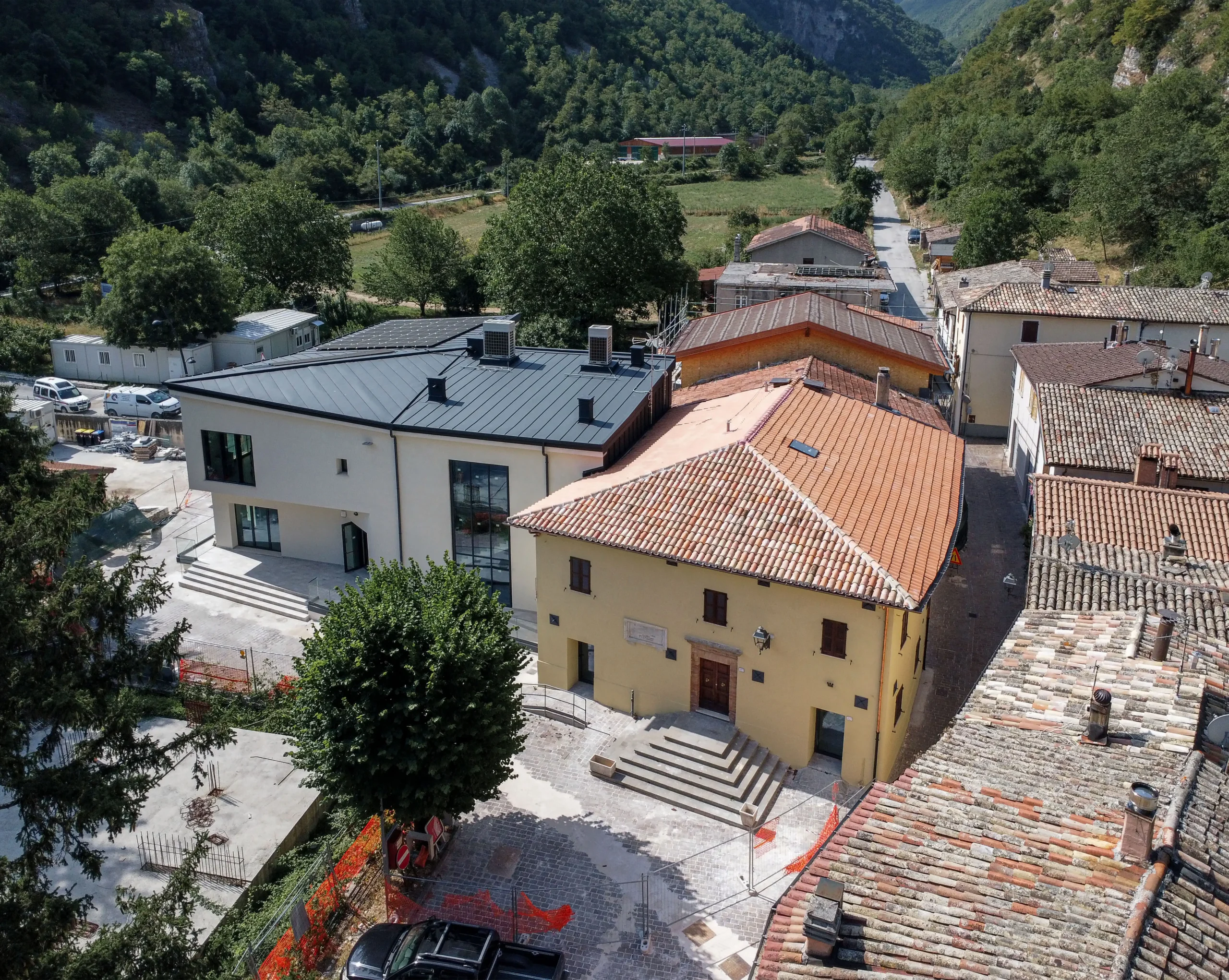
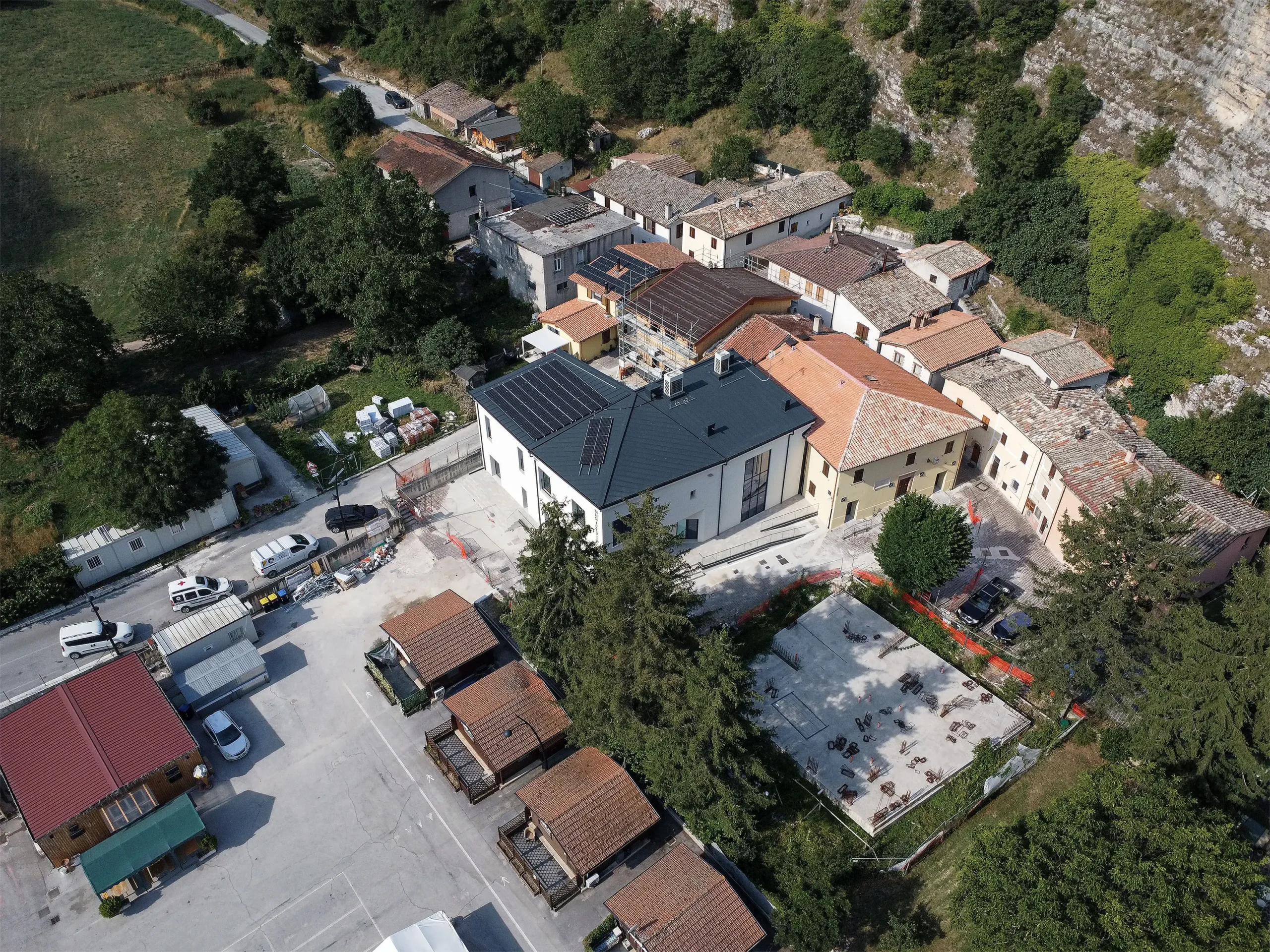
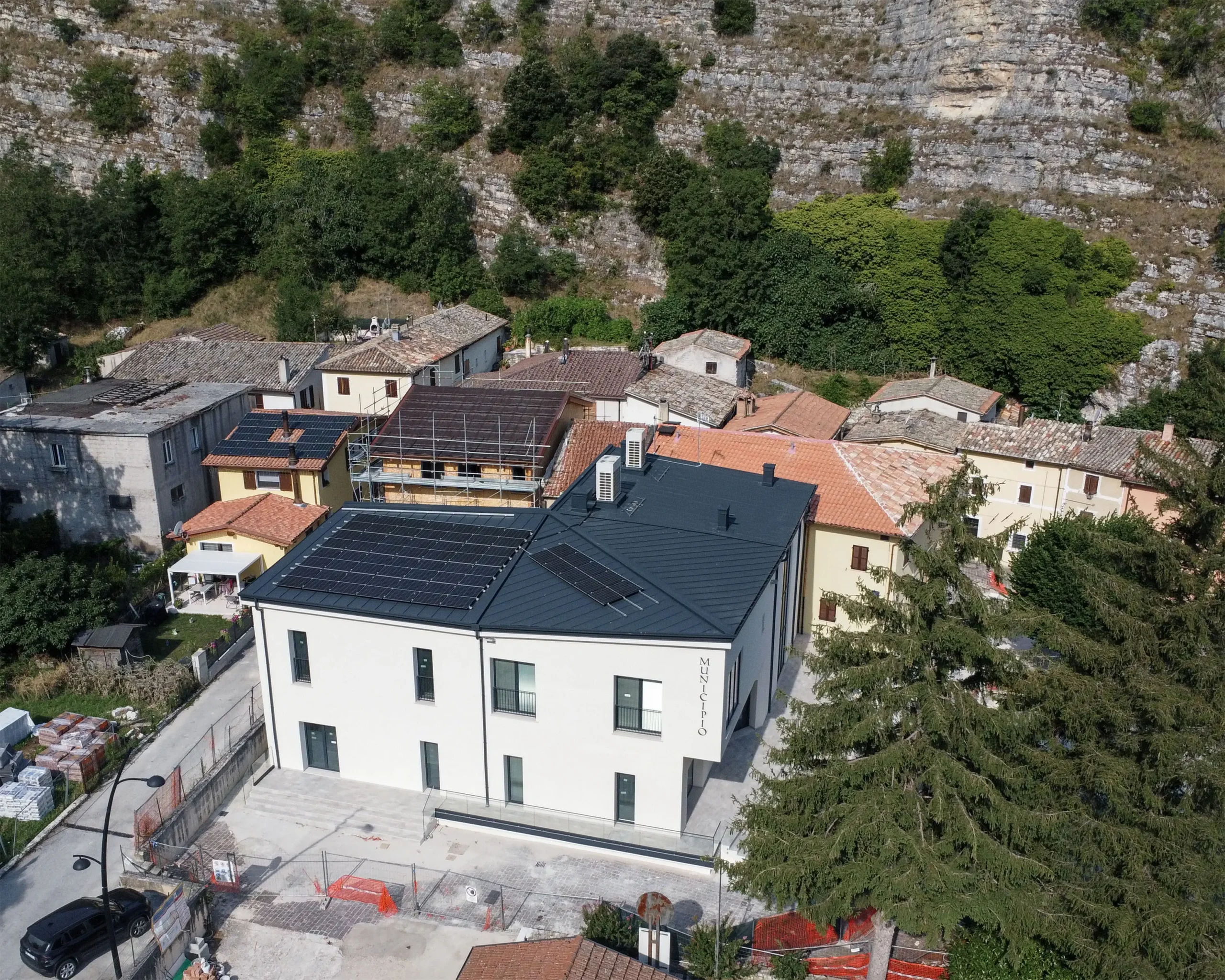
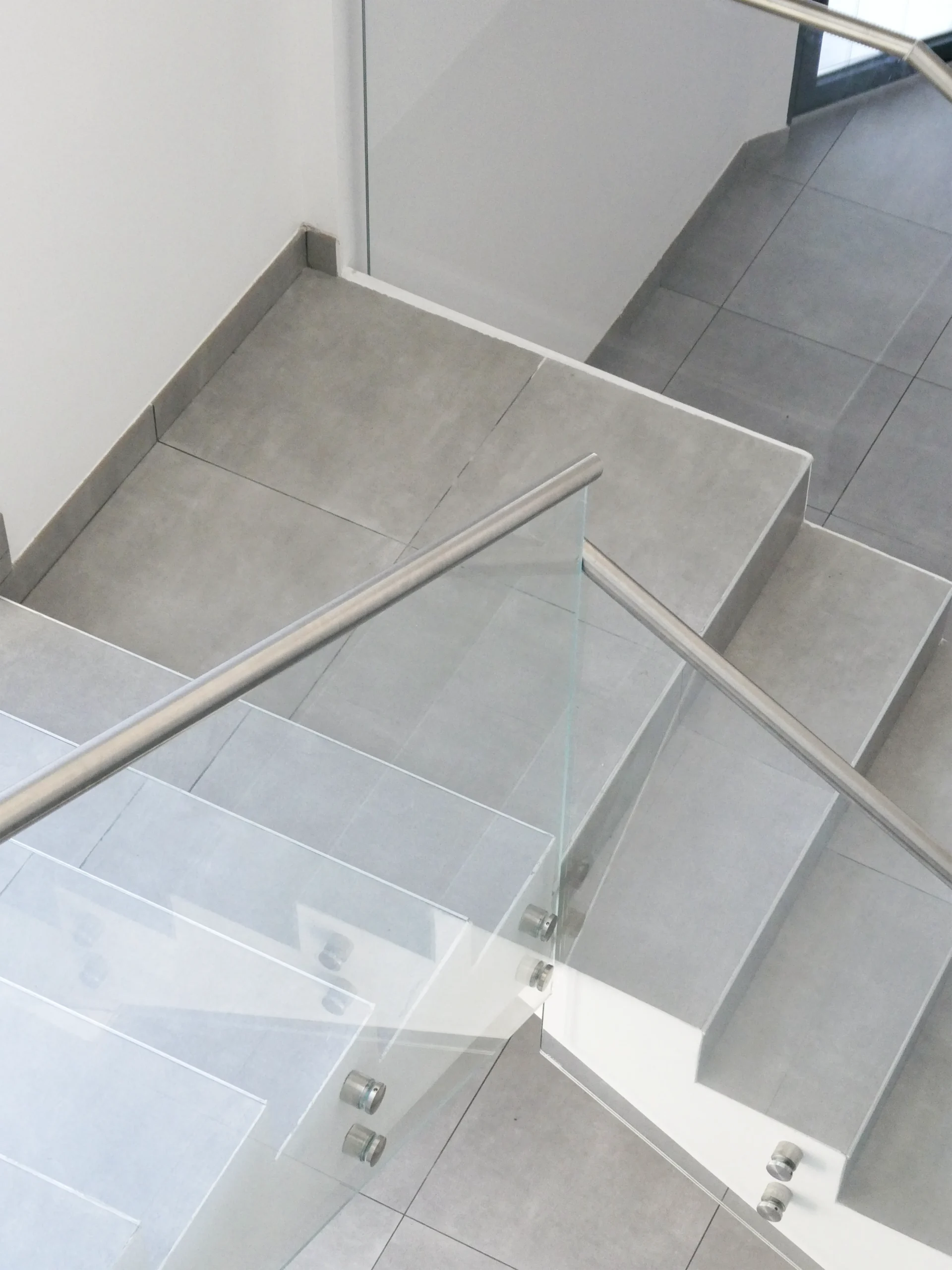
The new nursery school project in Misano Adriatico involves the construction of a building dedicated to early childhood education, designed to meet the latest standards in safety, functionality, and architectural quality. The intervention is integrated into the urban context as an educational and social facility serving families and the local community.

Urban context and educational role

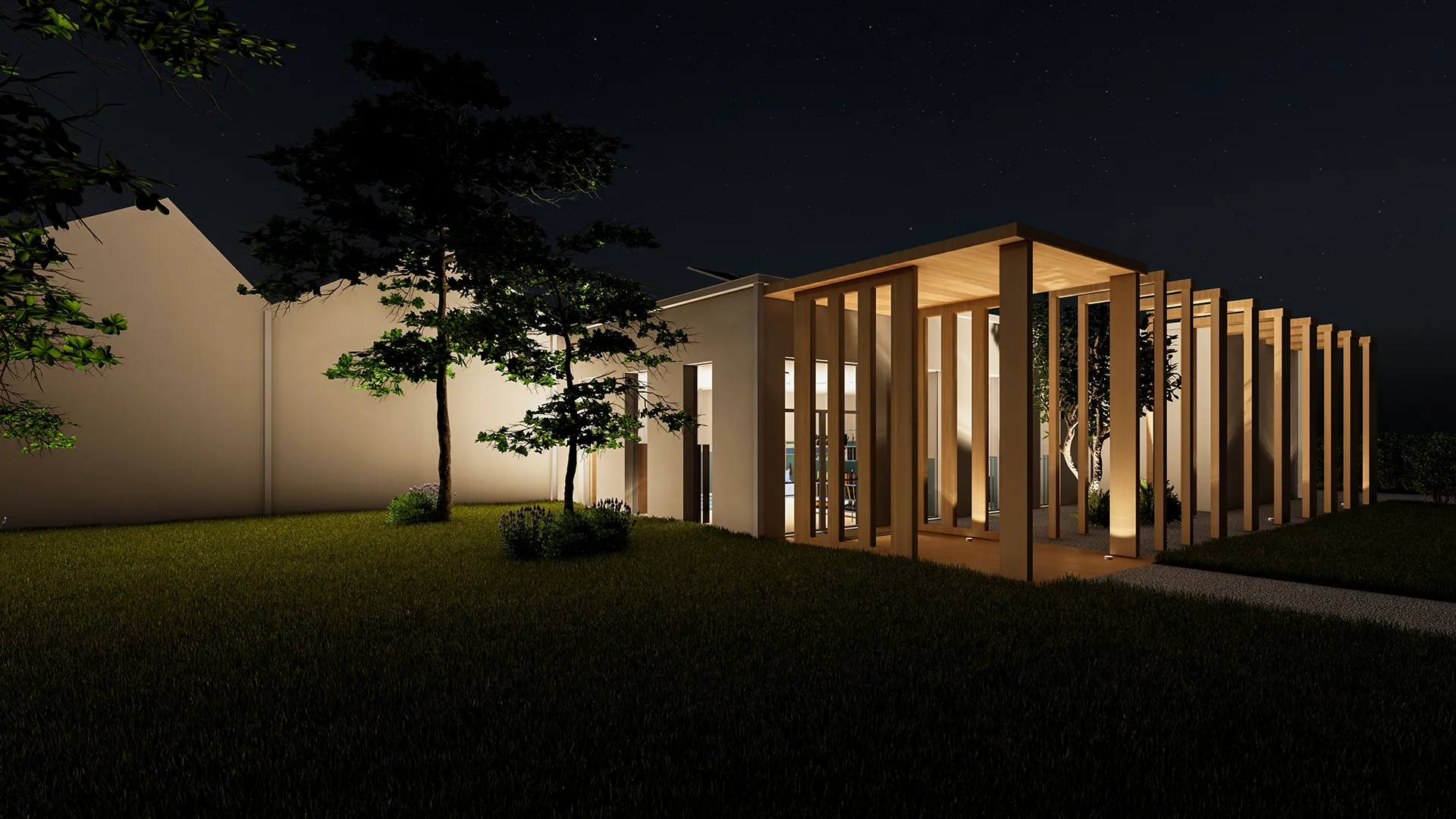
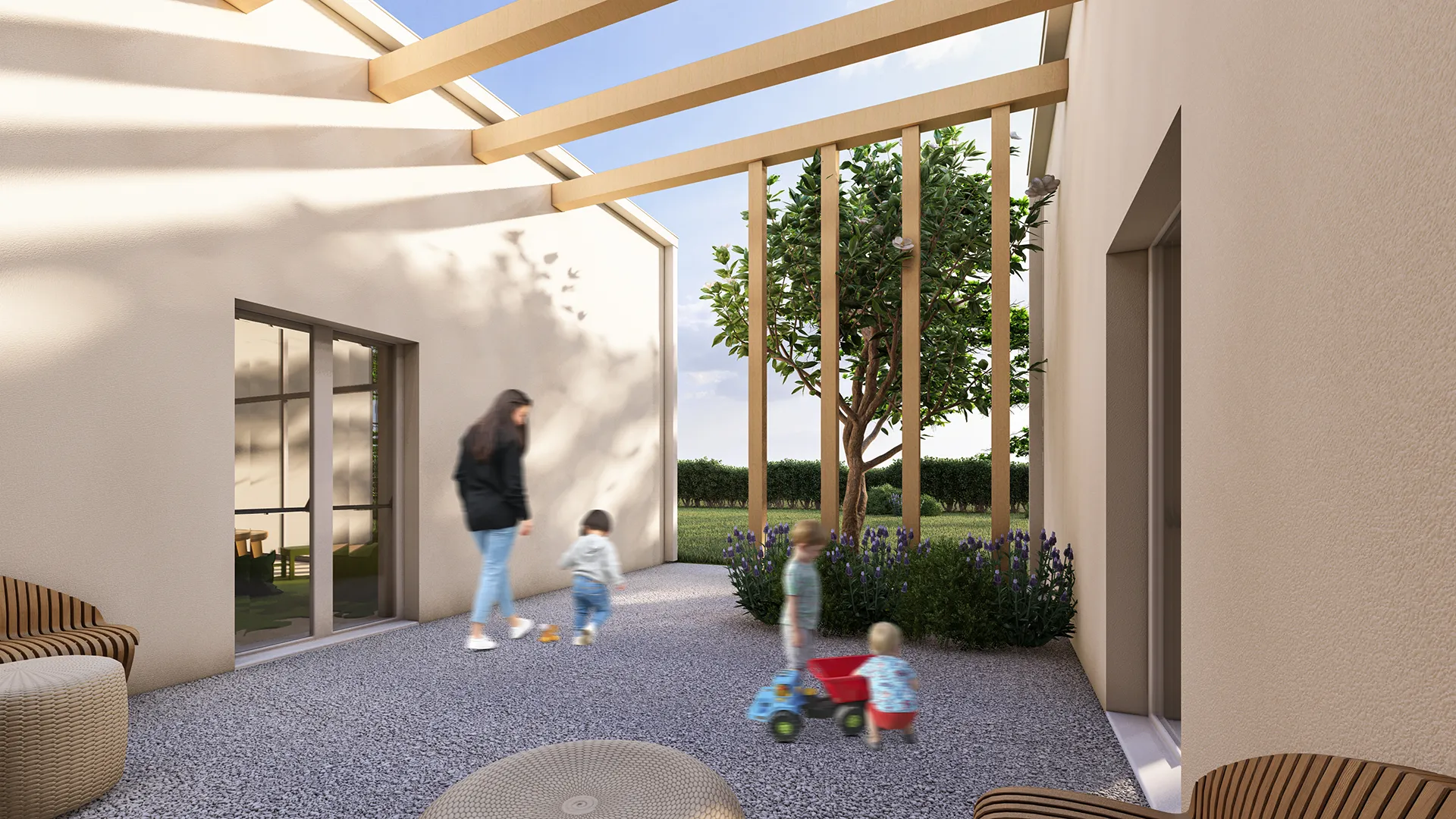
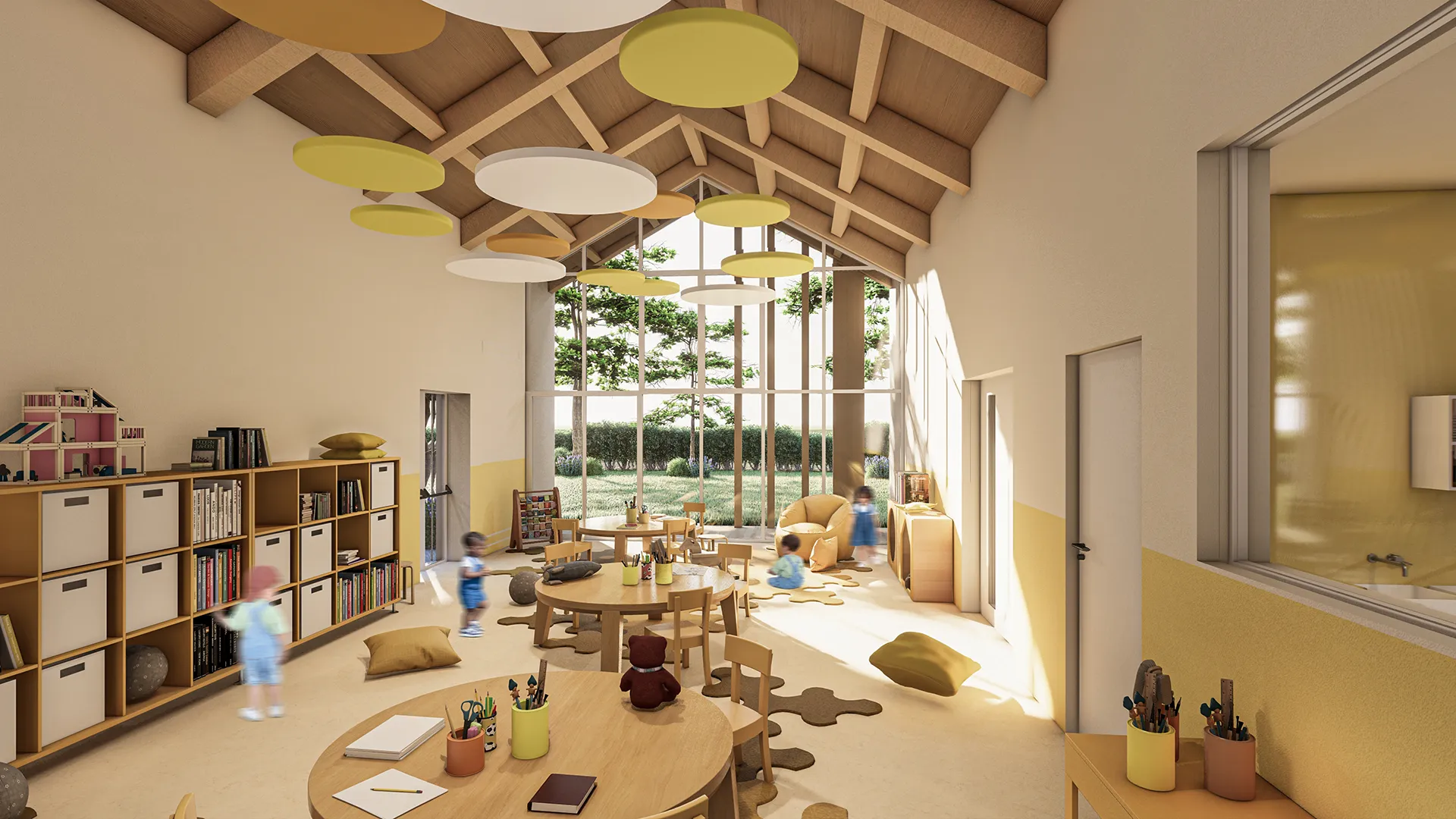
The new facility is conceived as a welcoming and stimulating learning environment, capable of engaging with its surroundings and providing spaces suited to early childhood educational activities. The project emphasizes the relationship between the building and outdoor areas, which play a key role in play and child development.

Design principles and spatial quality

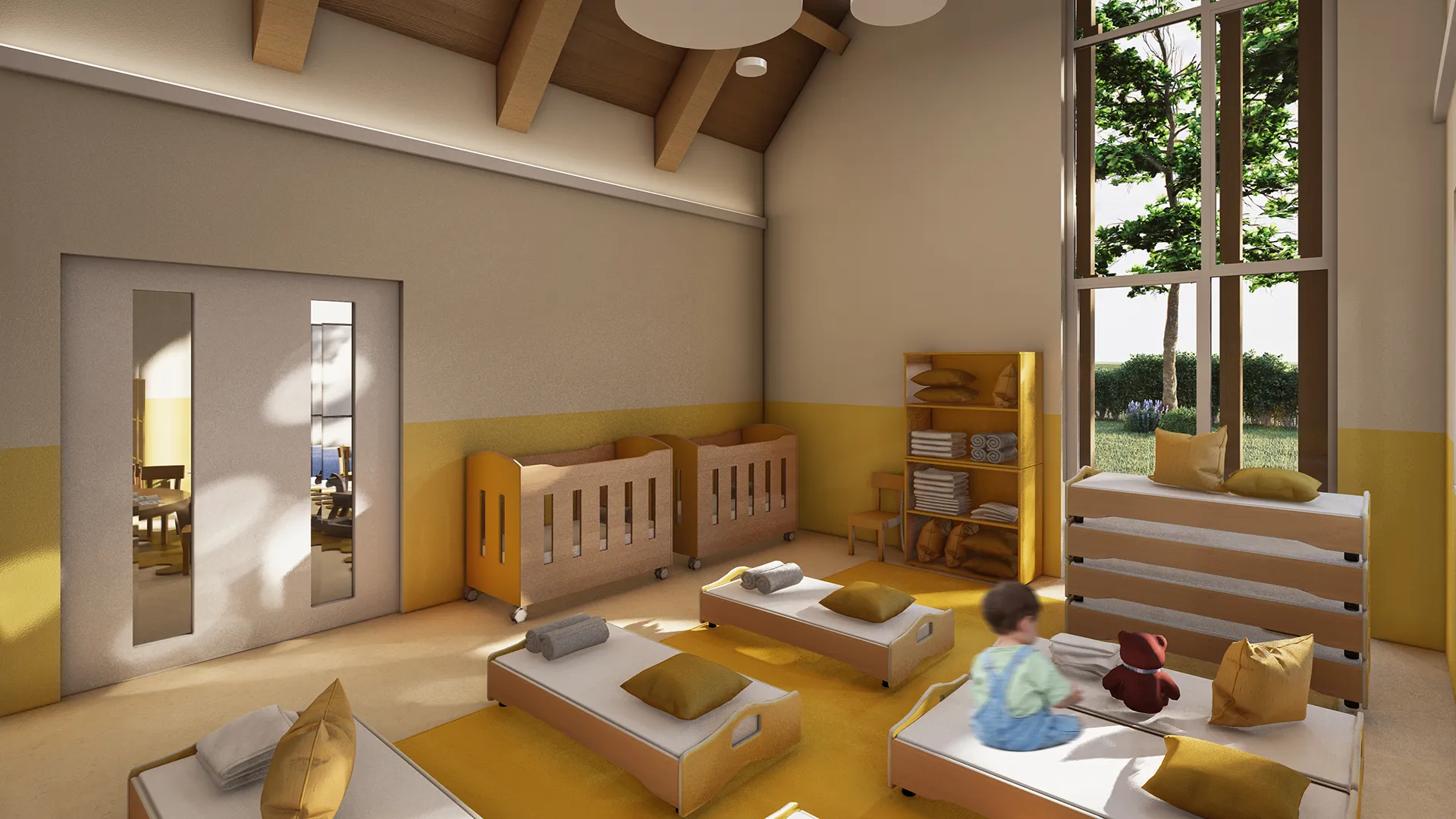
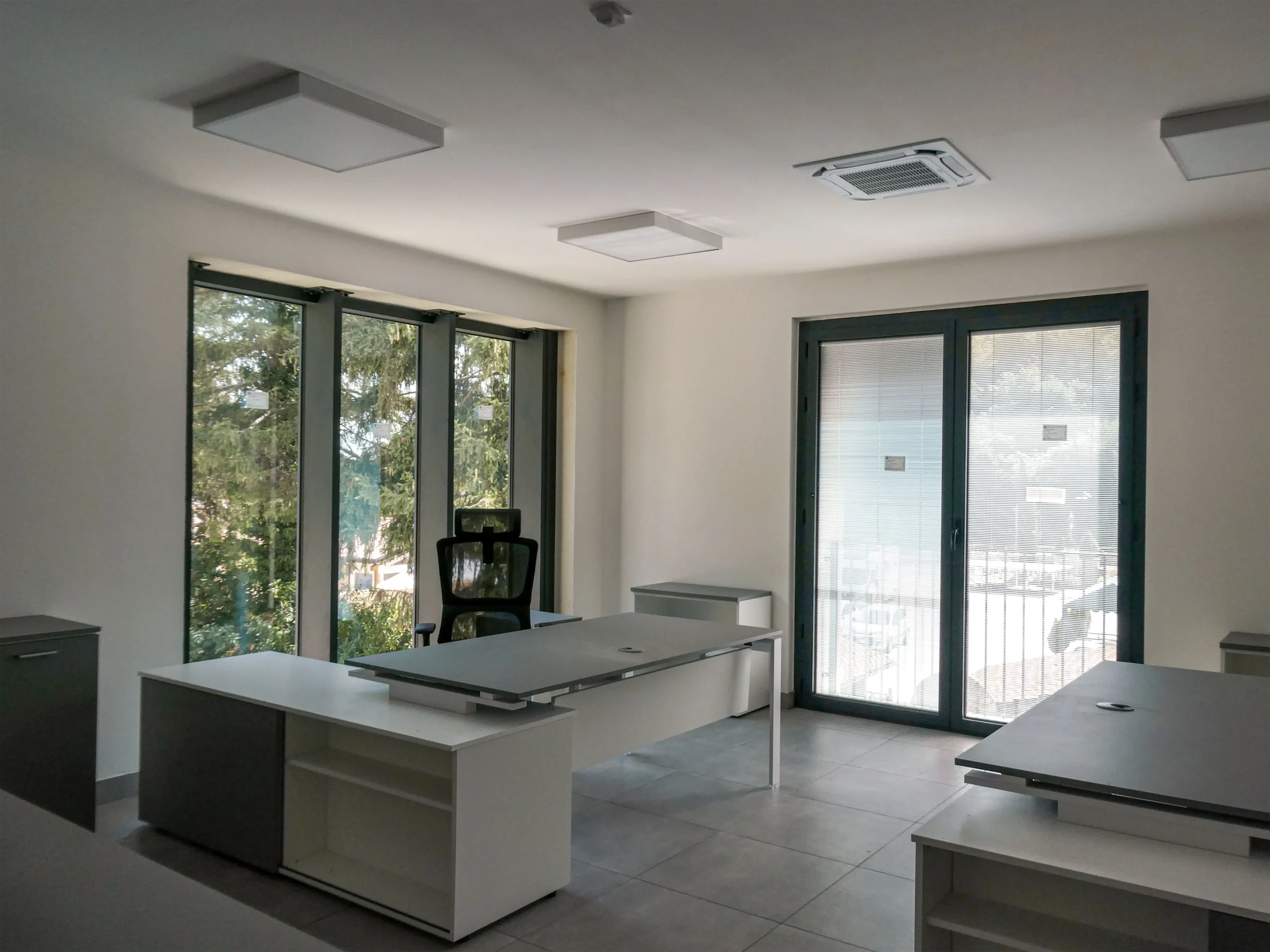
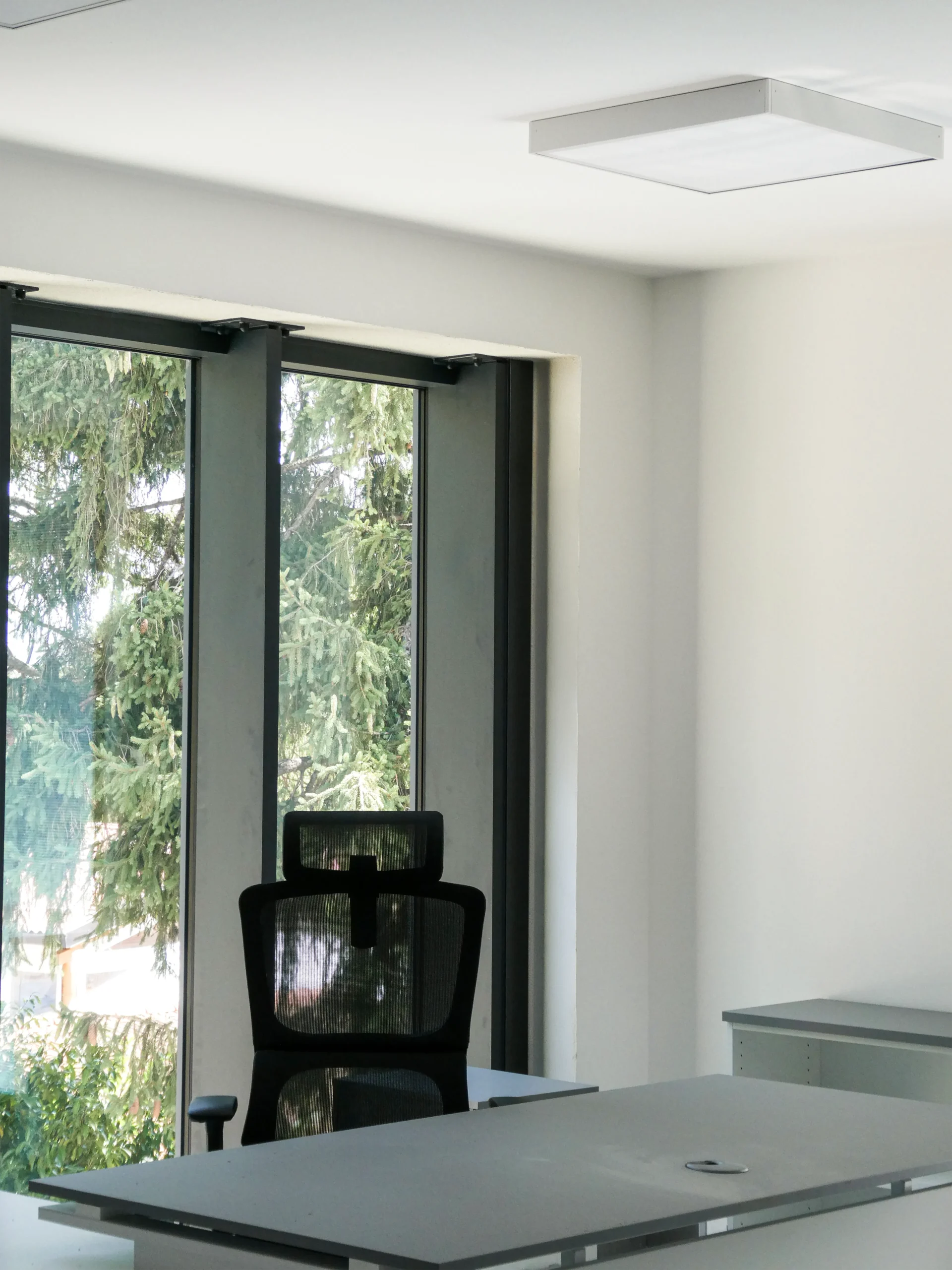
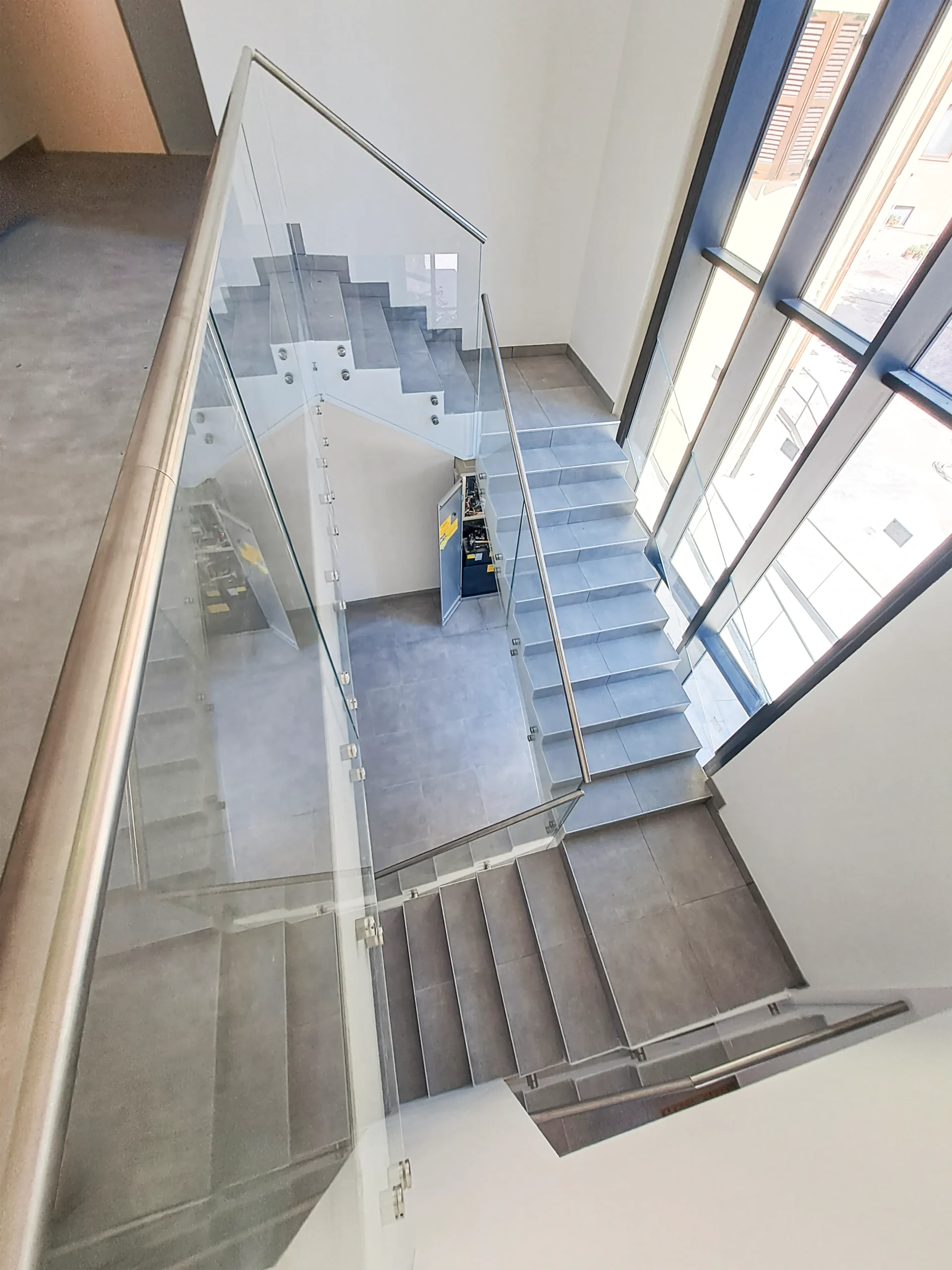
The design is guided by principles of clear spatial organization, safety, and environmental comfort, with particular attention to child-scale design. Interior spaces are bright, accessible, and flexible, supporting well-being and the overall quality of the educational experience.

Functional layout of the nursery school

The internal layout ensures an effective functional separation between classrooms, shared areas, and service spaces, while maintaining visual continuity and ease of supervision. Spaces are designed to support educational, recreational, and social activities typical of nursery schools.

Safety, comfort, and building performance

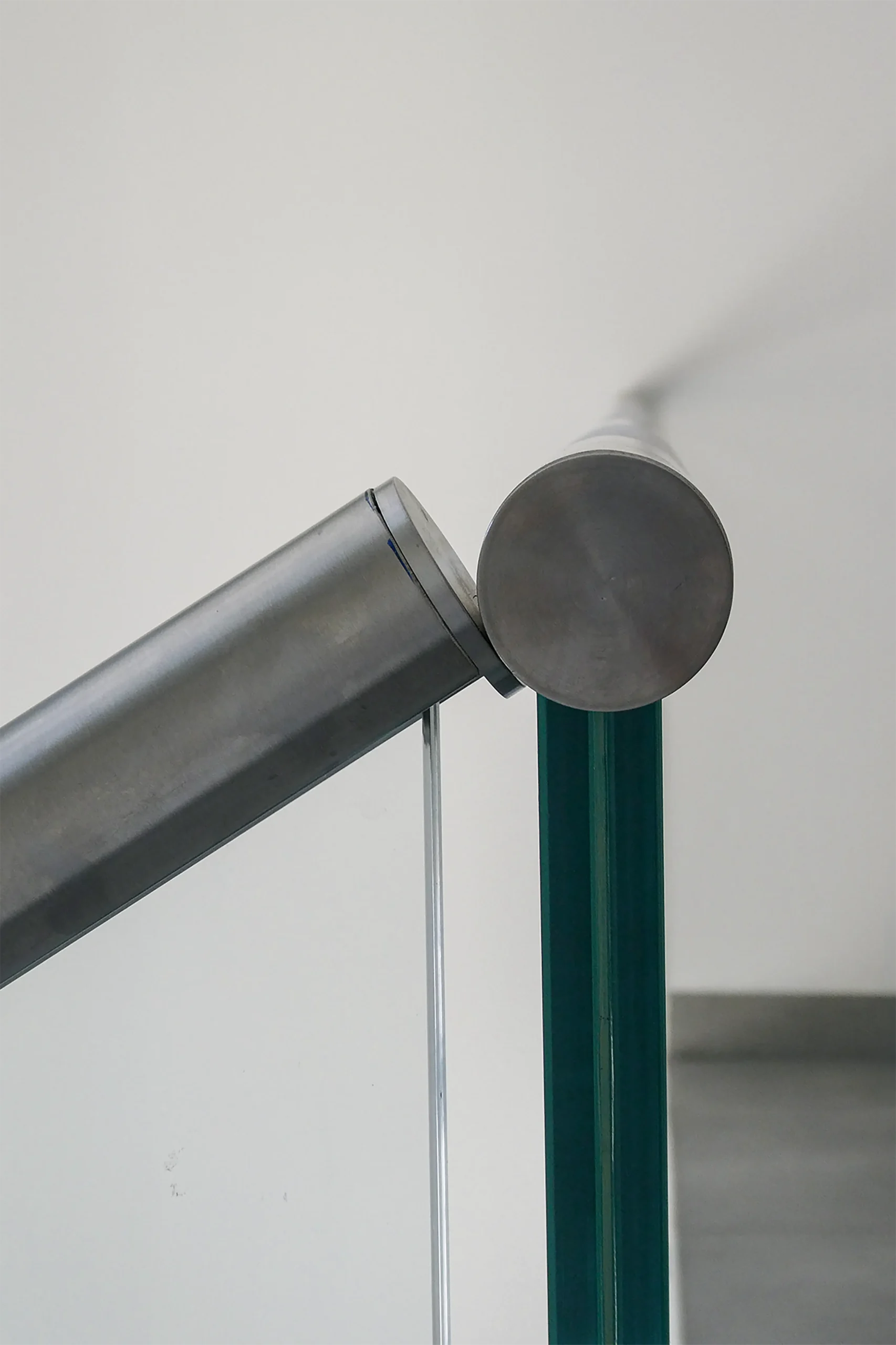
Special attention was given to structural safety, thermal and indoor comfort, and long-term durability. The new building complies with current regulations for educational facilities, providing a safe, welcoming environment suitable for young children.

PLACE

Misano Adriatico (RN)

CLIENT

Comune Misano Adriatico

WORK PERIOD
ACTIVITY

PFTE
Works Supervision

TYPOLOGY

New Construction

INTENDED USE

Education

WORK AMOUNT
WORKING GROUP

Englobe

Centocelle Archaeological Park

Centocelle Archaeological Park

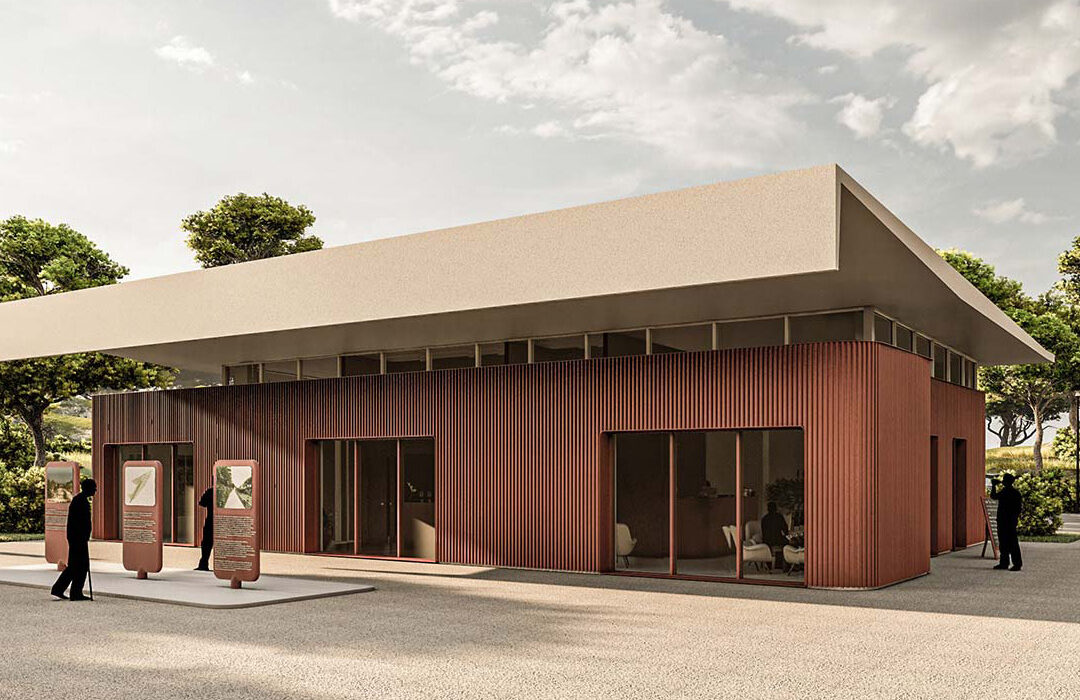
Recovery of the former service station

Urban Regeneration in Centocelle – Rome

The urban regeneration project in the Centocelle district of Rome is part of a broader process aimed at the redevelopment of the existing urban fabric, with the goal of improving the quality of the built environment and strengthening the relationship between architecture, functions, and the local community. The intervention addresses urban transformation through an integrated and sustainability-oriented approach.

Urban context and territorial framework

The project area is located within a consolidated urban context, characterized by a strong neighborhood identity and high building density. The intervention addresses typical challenges of mature urban fabrics, focusing on spatial continuity, public space quality, and the relationship between buildings and the surrounding urban system.

Objectives of urban regeneration

The intervention aims at the functional reactivation of spaces and the improvement of livability conditions through design solutions capable of responding to the contemporary needs of the district. Urban regeneration is conceived as a tool to enhance existing assets, reduce land consumption, and promote sustainable transformation.

Design strategies and integrated approach

The adopted strategies are based on a multidisciplinary approach, integrating architectural, functional, and urban aspects. The project seeks to improve spatial organization, the usability of shared areas, and the integration of new functions into the existing context, while maintaining a balance between transformation and place identity.

Regeneration as a tool for urban enhancement

The urban regeneration project in Centocelle represents an intervention focused on urban quality and social cohesion, contributing to neighborhood revitalization and strengthening local identity. The project plays a strategic role in the city’s renewal process, promoting a sustainable and inclusive vision of urban development.

PLACE

Roma

CLIENT

Comune di Roma

WORK PERIOD
ACTIVITY

Executive design
Final design
Preliminary design
Works Supervision

TYPOLOGY

Urban Regeneration

INTENDED USE

Multifunctional

WORK AMOUNT
WORKING GROUP

Englobe

Museo Diocesano San Severino

Museo Diocesano San Severino

Design of the exhibition itinerary and museum lighting

Diocesan Museum of San Severino

The intervention on the Diocesan Museum of San Severino is part of a broader process aimed at the enhancement of historic and artistic heritage, through the adaptive reuse of existing spaces dedicated to the conservation and public display of artworks. The project was developed with full respect for the architectural and urban context, strengthening the museum’s cultural role within the city.

Historical context and museum function

The Diocesan Museum is housed within a historic building that forms an integral part of the city’s architectural system. The project carefully considered the historical stratification of the structure and its representative function, ensuring compatibility between new museographic requirements and the preservation of the existing fabric.

Intervention criteria for the historic building

Design decisions were based on an approach combining restoration and functional upgrading, aimed at preserving the original architectural features while ensuring suitable conditions for artwork conservation and visitor access. The interventions were designed to be reversible and compatible, in compliance with heritage regulations and conservation constraints.

Exhibition layout and visitor experience

Special attention was given to the organization of exhibition spaces, improving the clarity of museum routes and the overall quality of the visitor experience. The adopted solutions balance conservation needs, functional requirements, and interpretative aspects, ensuring a harmonious relationship between the architectural container and the displayed collections.

The museum as a cultural landmark

The Diocesan Museum of San Severino project represents a strategic intervention for strengthening local cultural identity, enhancing ecclesiastical and artistic heritage and making it accessible to the wider community. The project reinforces the museum’s role as a place for knowledge, conservation, and dissemination of the territory’s historic and artistic heritage.

PLACE

San Severino Marche (MC)

CLIENT

Arcidiocesi di Camerino
San Severino Marche

WORK PERIOD
ACTIVITY

Architectural Design
Design phase Safety coordination
Safety coordination for executive phase
Works Supervision

TYPOLOGY

Preparation

INTENDED USE

Cultural

WORK AMOUNT
WORKING GROUP

Ing. Stefano Pacifico Tallei
Studio Paci Srl