Villa di Massenzio
Conservative restoration, enhancement, and visitor access routes
The Villa of Maxentius on the Appian Way: Restoration and Enhancement of Rome’s Archaeological Heritage
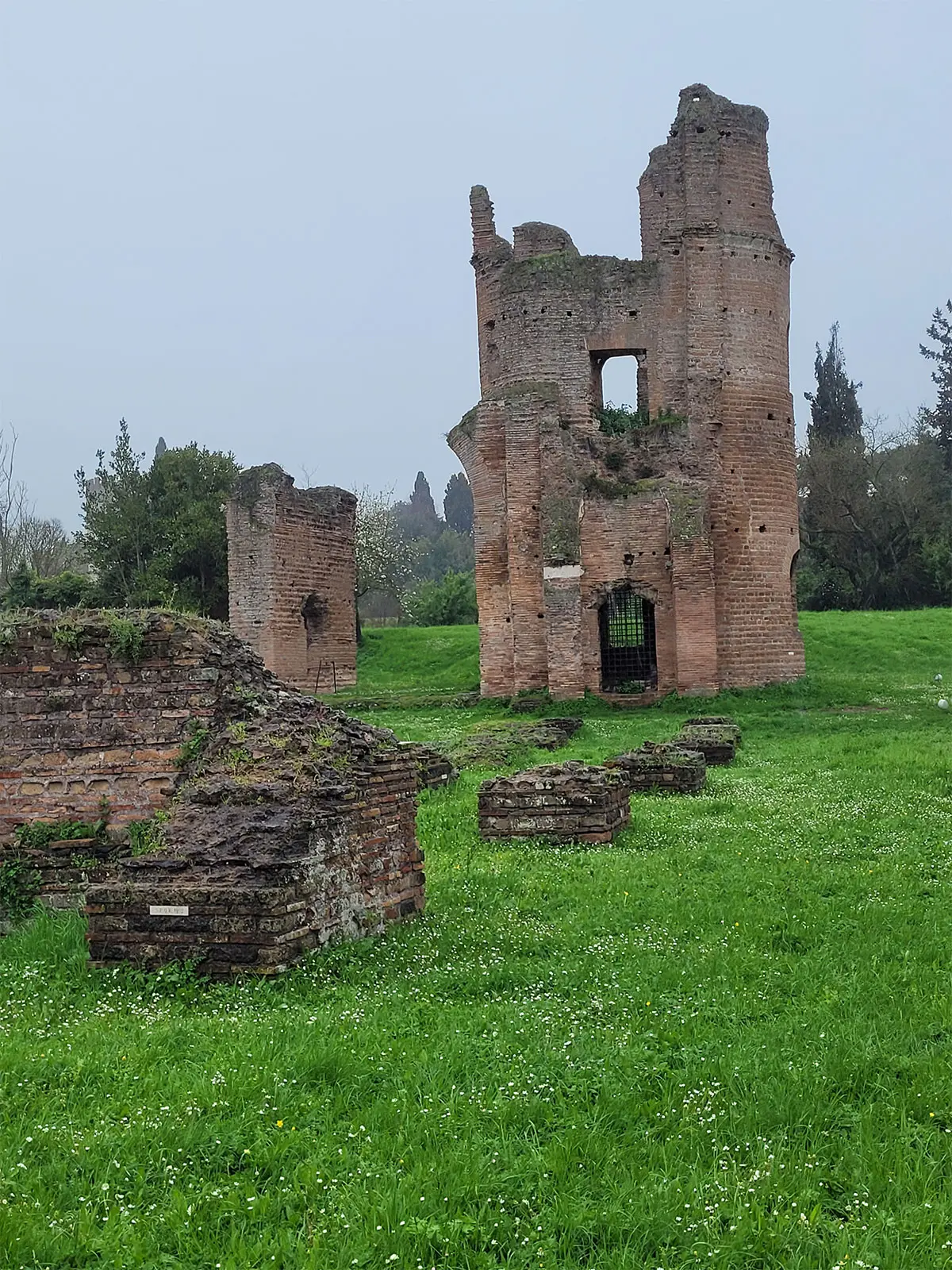
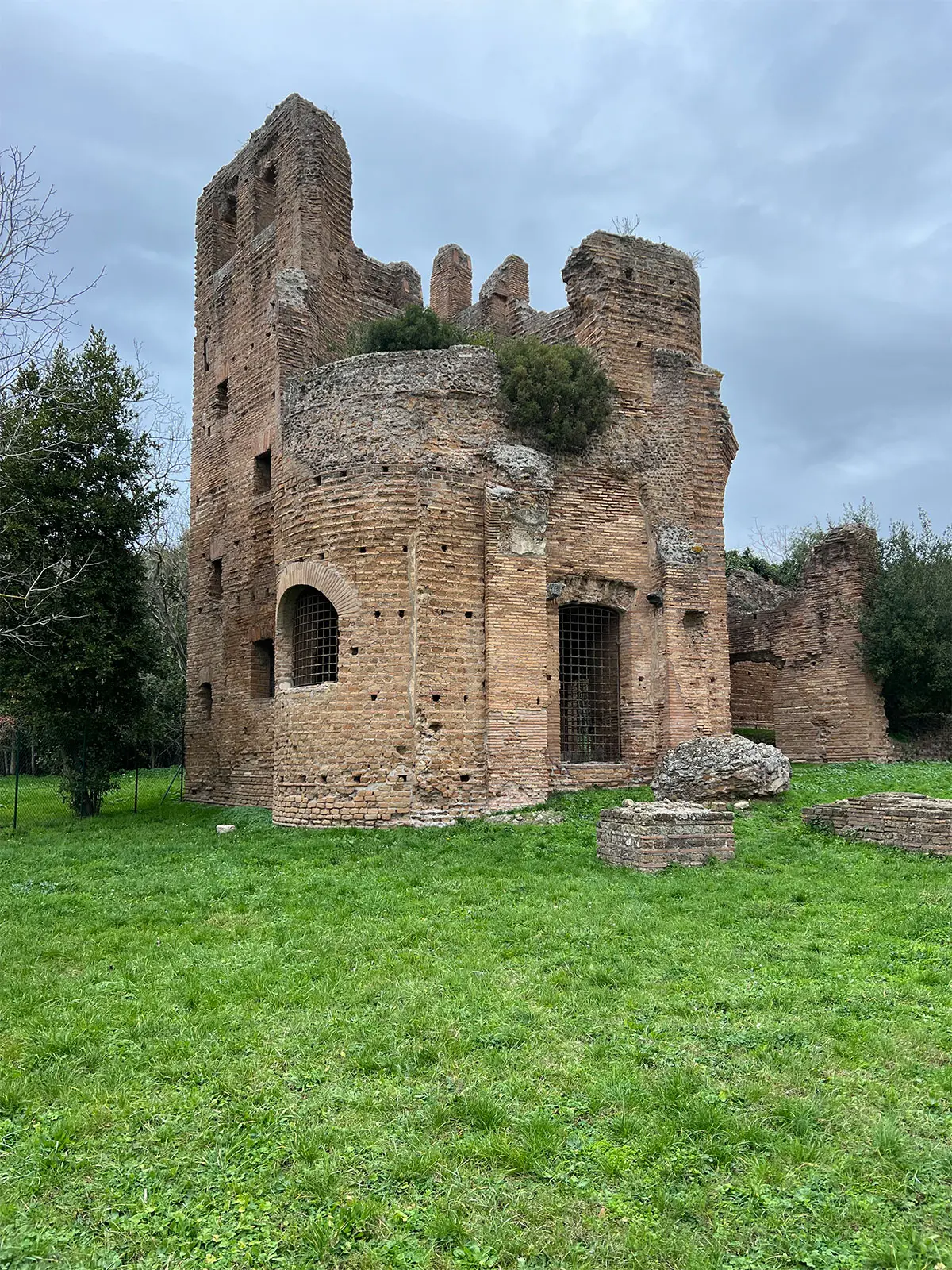
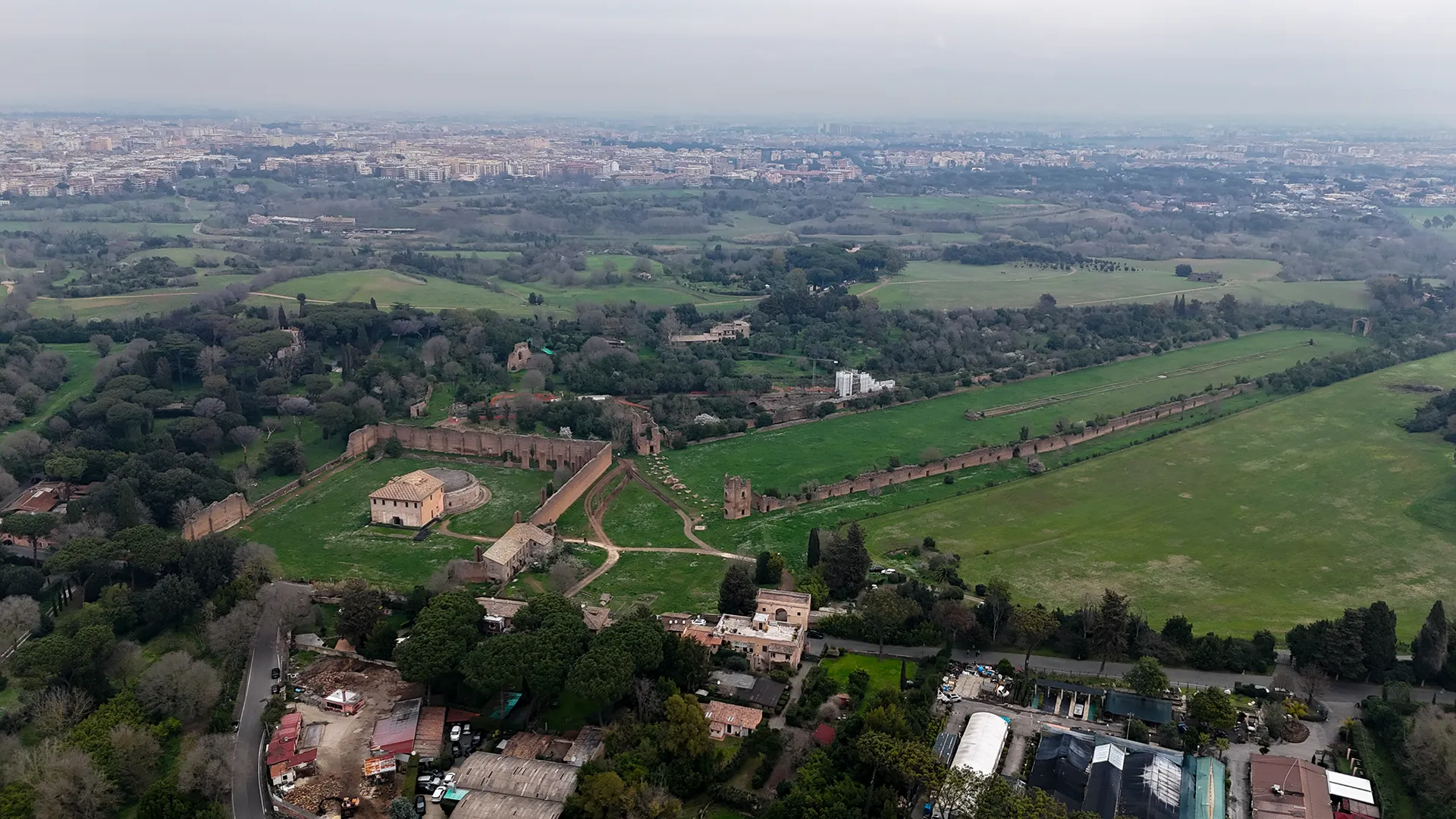
The Villa of Maxentius is one of the most extraordinary archaeological complexes of ancient Rome, located between the second and third mile of the Appian Way, the historic consular road that once connected Rome to Capua.
Built between 306 and 309 AD, the imperial residence includes three main structures: the Imperial Palace, the Mausoleum of Romulus, and the Circus of Maxentius, monumental works designed to celebrate the emperor’s figure and assert his power through architecture.
A unique late-imperial complex
The Villa of Maxentius stands out for its exceptional architectural and symbolic unity, rare among imperial complexes of the late Roman Empire. The site perfectly illustrates how politics, architecture, and religion were intertwined in late antiquity.
Over the centuries, the villa experienced transformations, abandonment, and decay, making a careful and respectful restoration intervention essential.
The conservative restoration of the Villa of Maxentius
The archaeological and conservative restoration project aimed to preserve and enhance one of Rome’s most significant cultural landmarks. The intervention included:
-
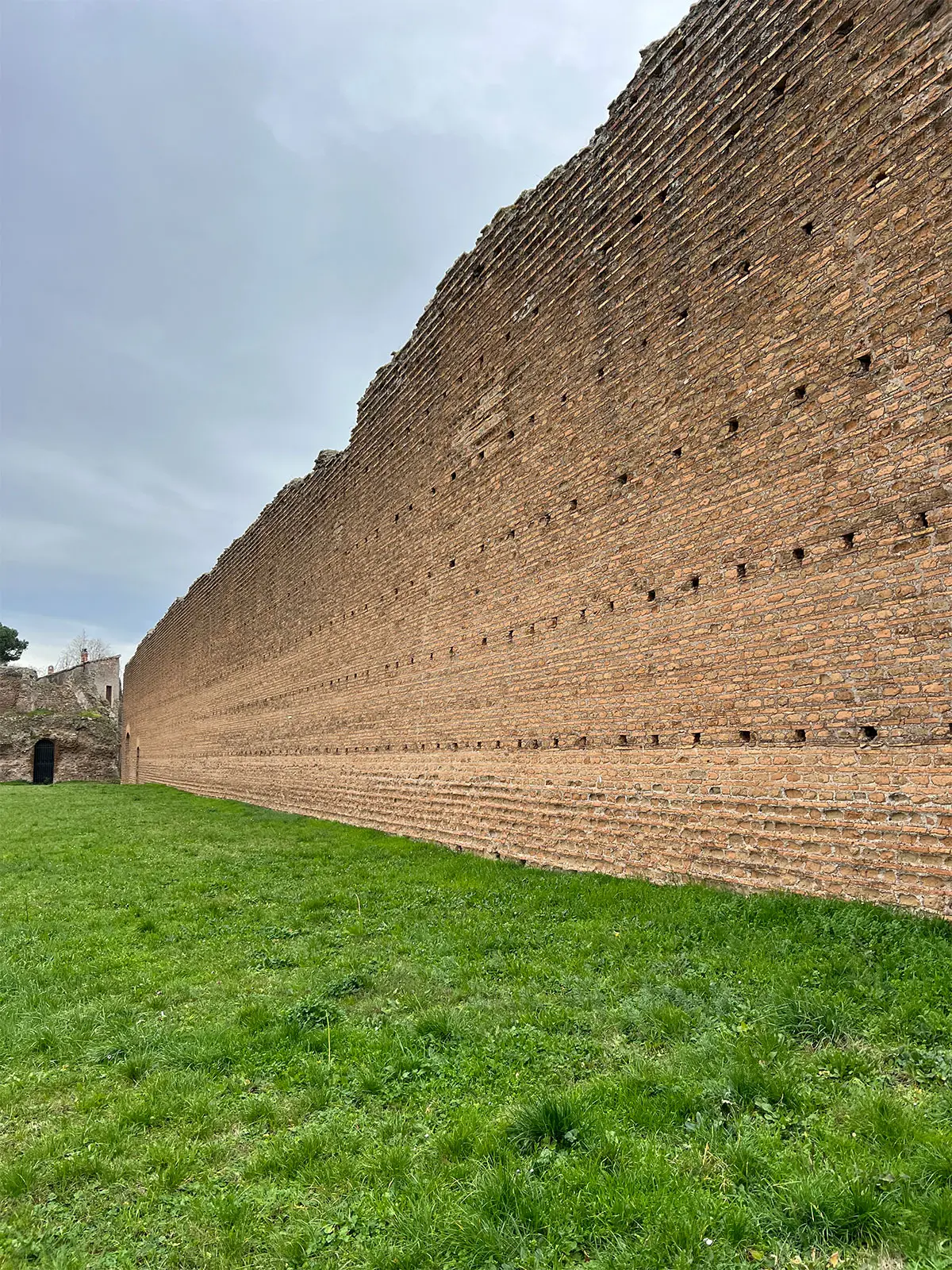
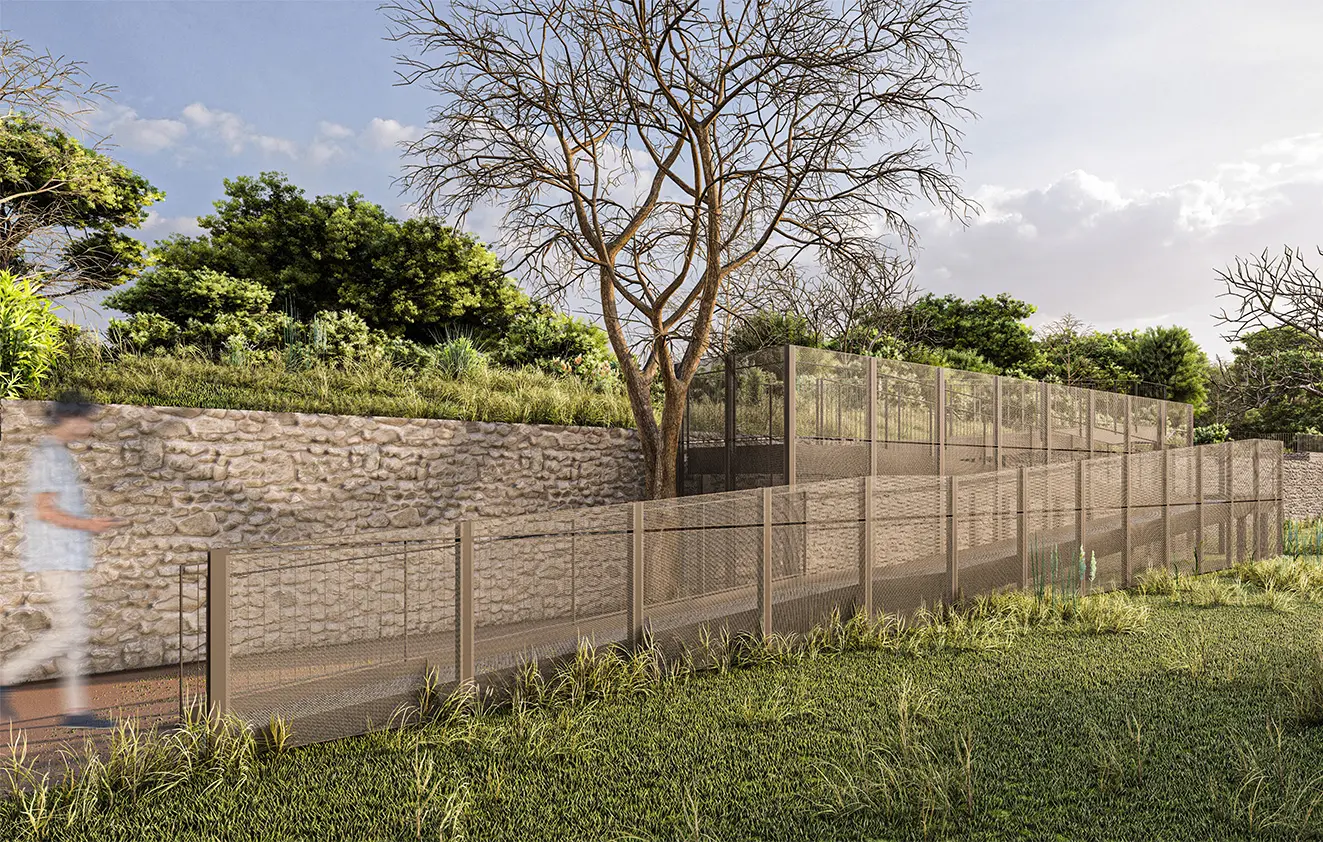
Consolidation of ancient masonry using compatible techniques and low-impact materials;
-
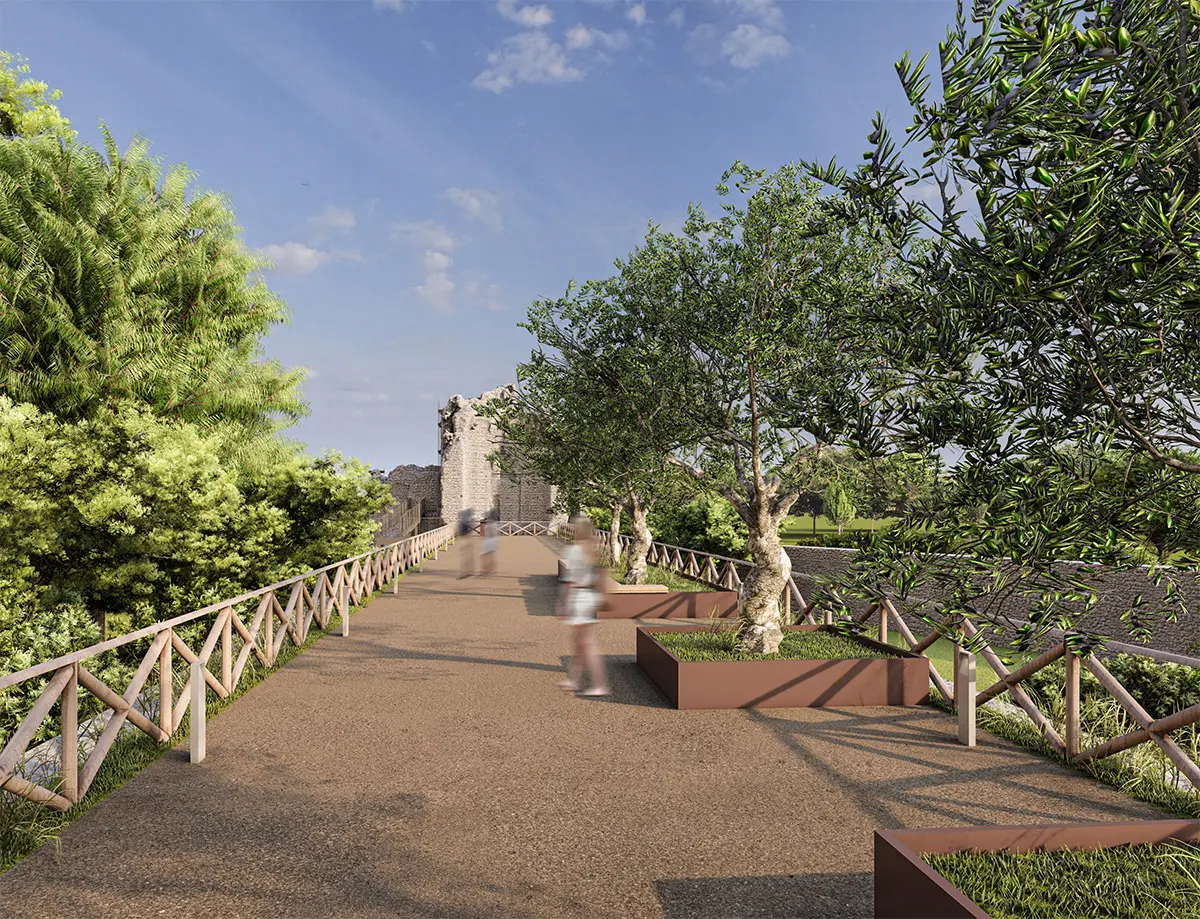
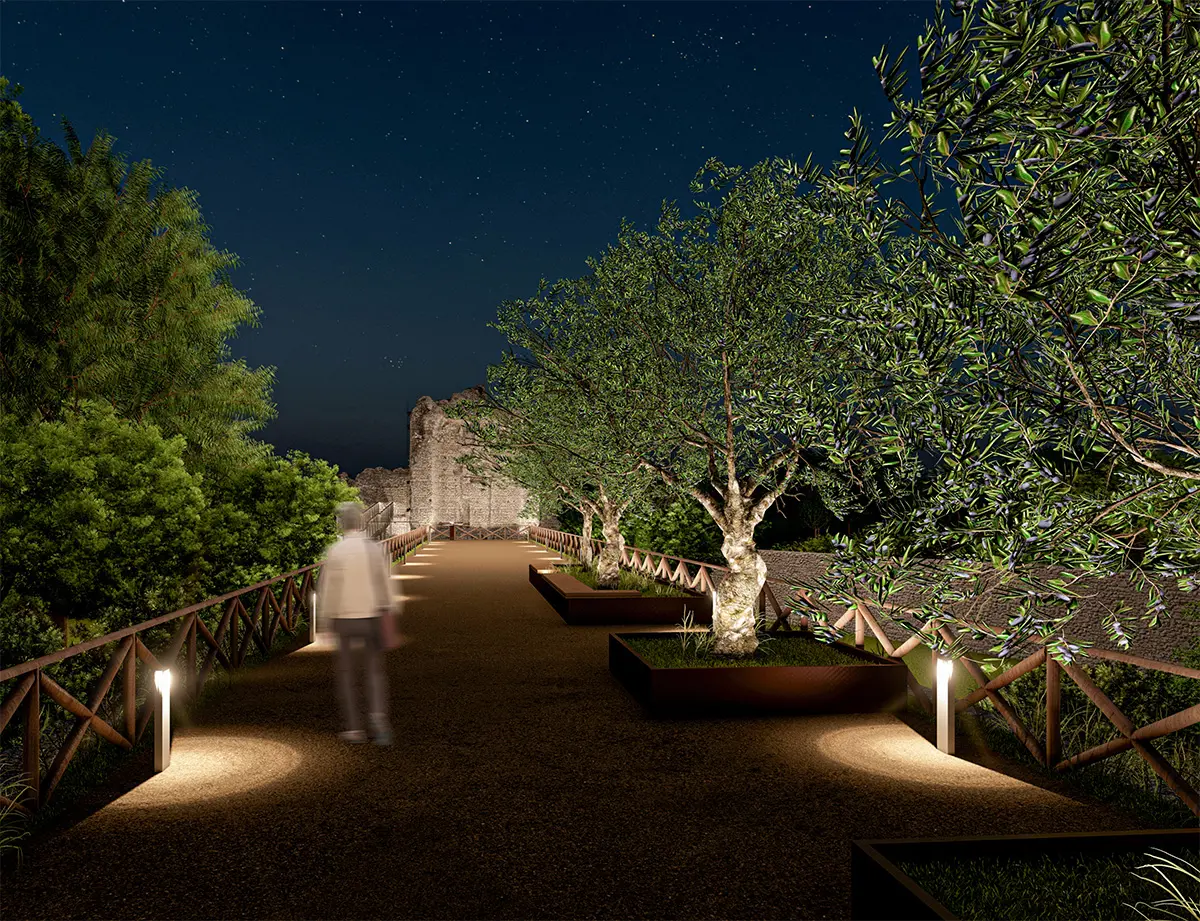
Restoration of the “imperial corridor,” the passage connecting the palace to the pulvinar, the podium from which the emperor watched the races in the circus;
-
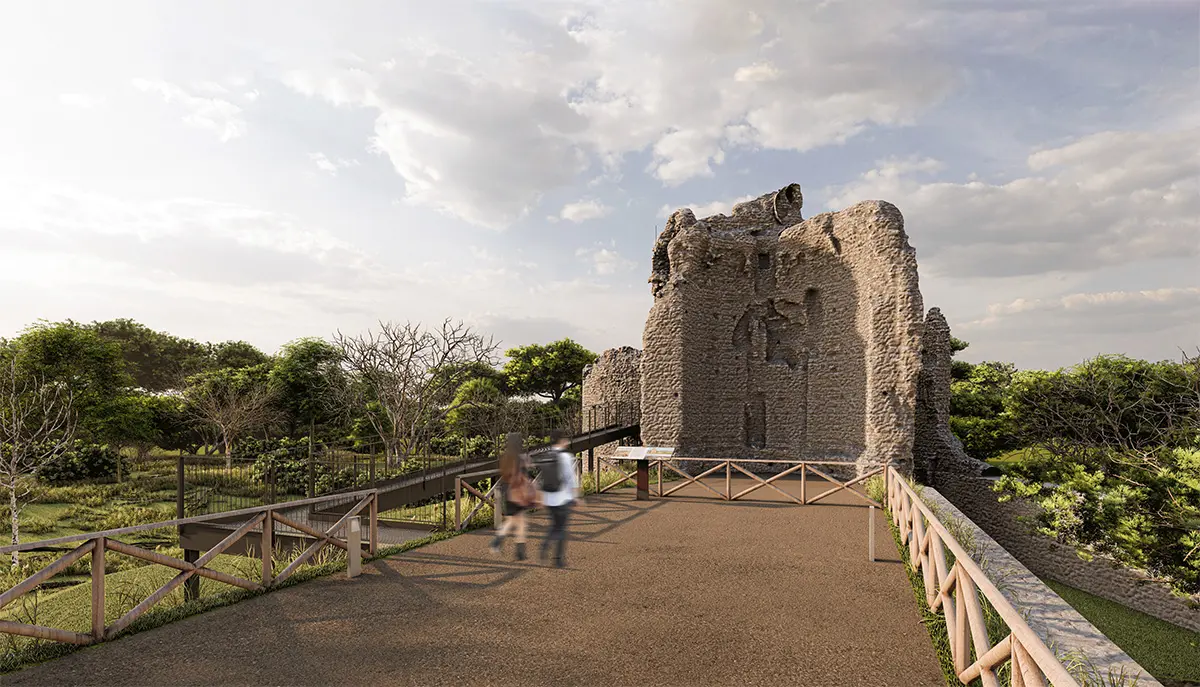
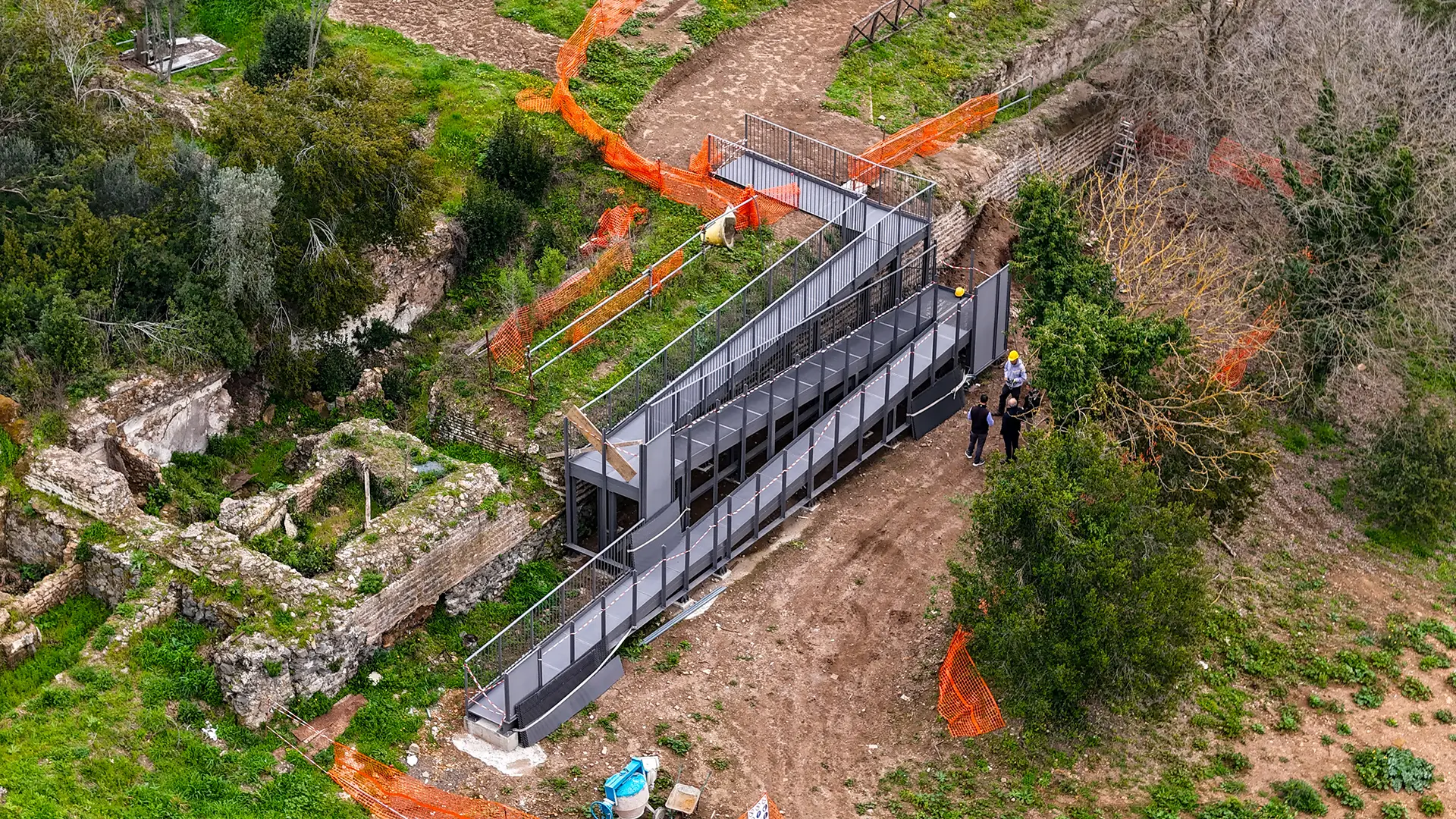
Redevelopment of visitor pathways, introducing accessible and sustainable solutions.
Technology and design approach
The intervention was based on a multidisciplinary approach combining traditional restoration techniques with advanced digital and diagnostic technologies for structural and environmental monitoring.
All operations were carried out with the utmost respect for the archaeological context, ensuring safety, preservation, and accessibility for visitors.
A dialogue between past and future
Today, the Villa of Maxentius is a vibrant and accessible site where history, architecture, and landscape coexist.
The restoration has returned to the public a place of extraordinary beauty, allowing visitors to immerse themselves in the ancient splendor of Rome along the Appian Way, surrounded by monuments, ruins, and evocative views.
This project represents a bridge between past and future, an example of sustainable enhancement of archaeological heritage that combines scientific rigor, innovation, and respect for historical memory.
PLACE
Roma
CLIENT
Roma Capitale - Sovrintendenza Capitolina
WORK PERIOD
2024 / ongoing
ACTIVITY
Design phase Safety coordination
Executive design
Final design
Safety coordination for executive phase
Works Supervision
TYPOLOGY
Restoration of Listed Cultural Heritage
INTENDED USE
Cultural
WORK AMOUNT
€ 2.696.750,00
WORKING GROUP
Englobe
Geol. Alberto Antinori
Relevo s.r.l.