Ablai Khan Building – Nuova costruzione residenziale e commerciale ENGLOBE Progettazione Integrata

Ablai Khan Building

Ablai Khan Building

New Residential & Commercial Construction

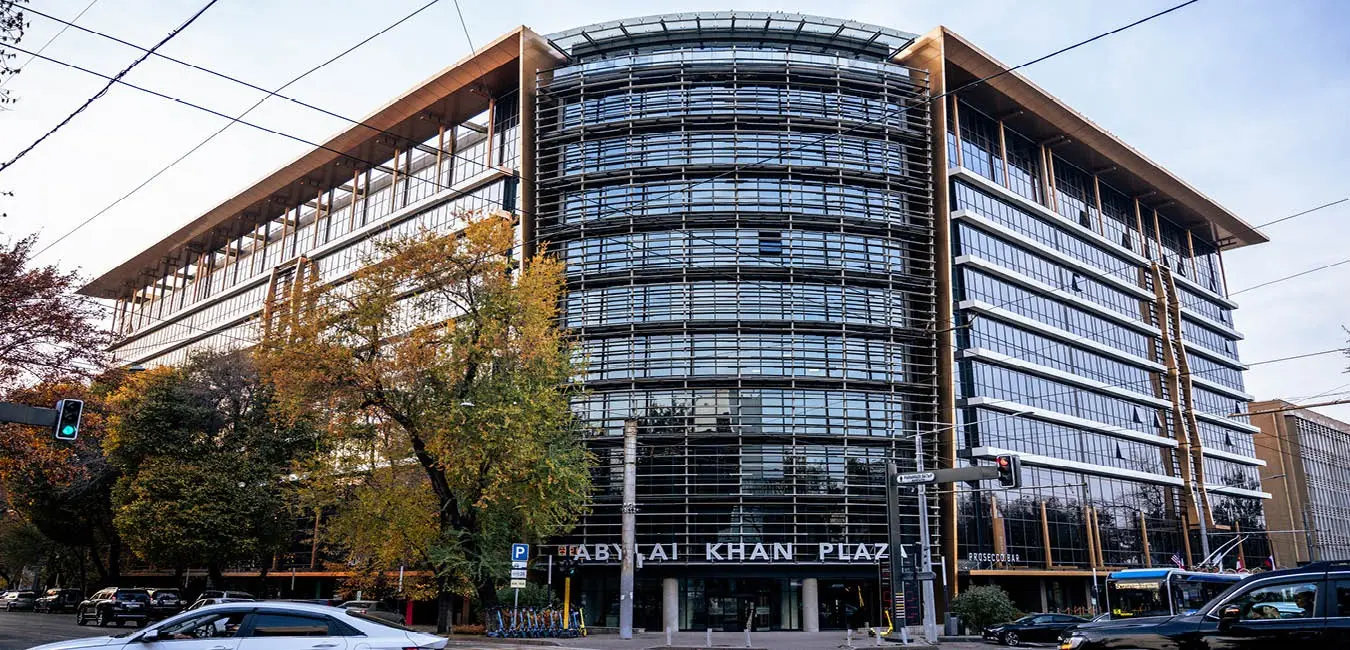
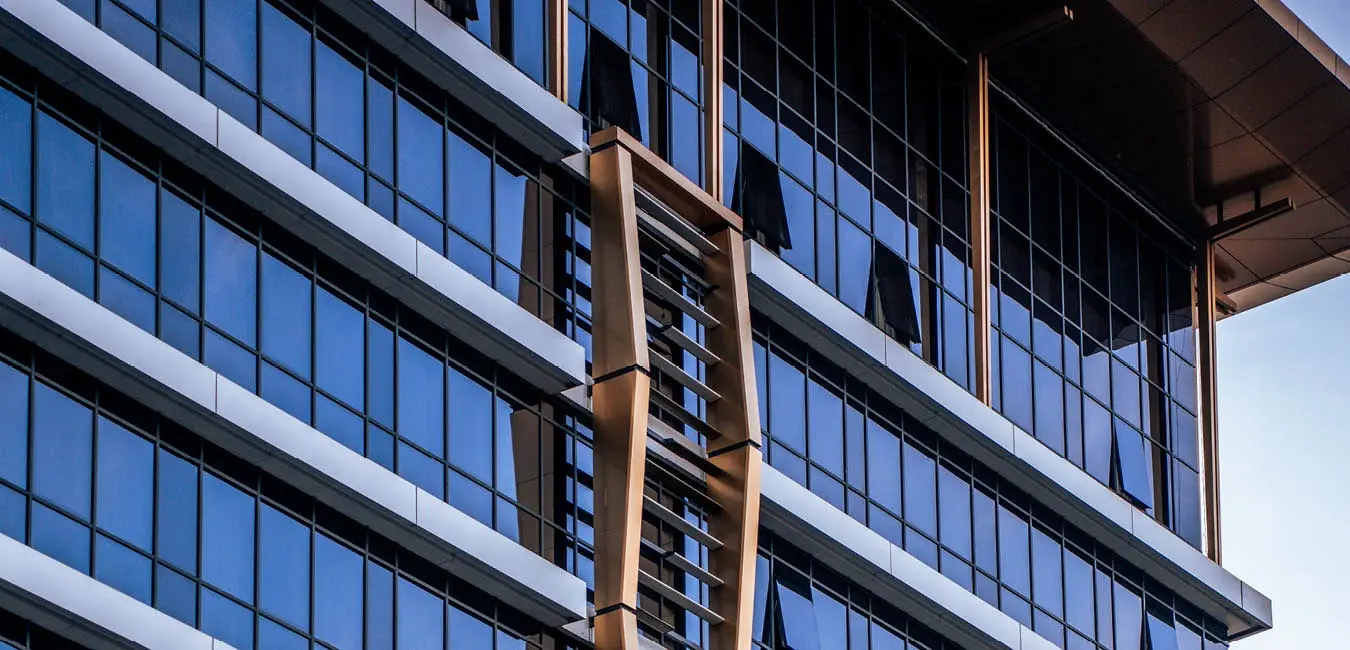
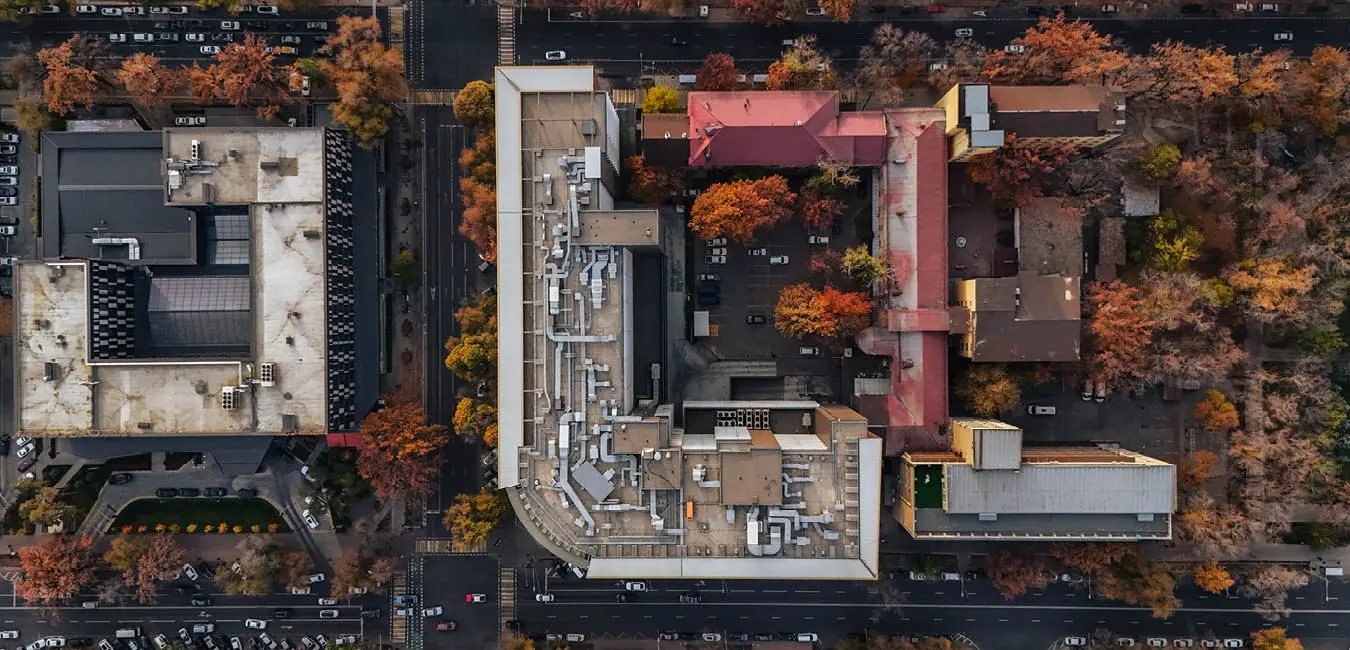
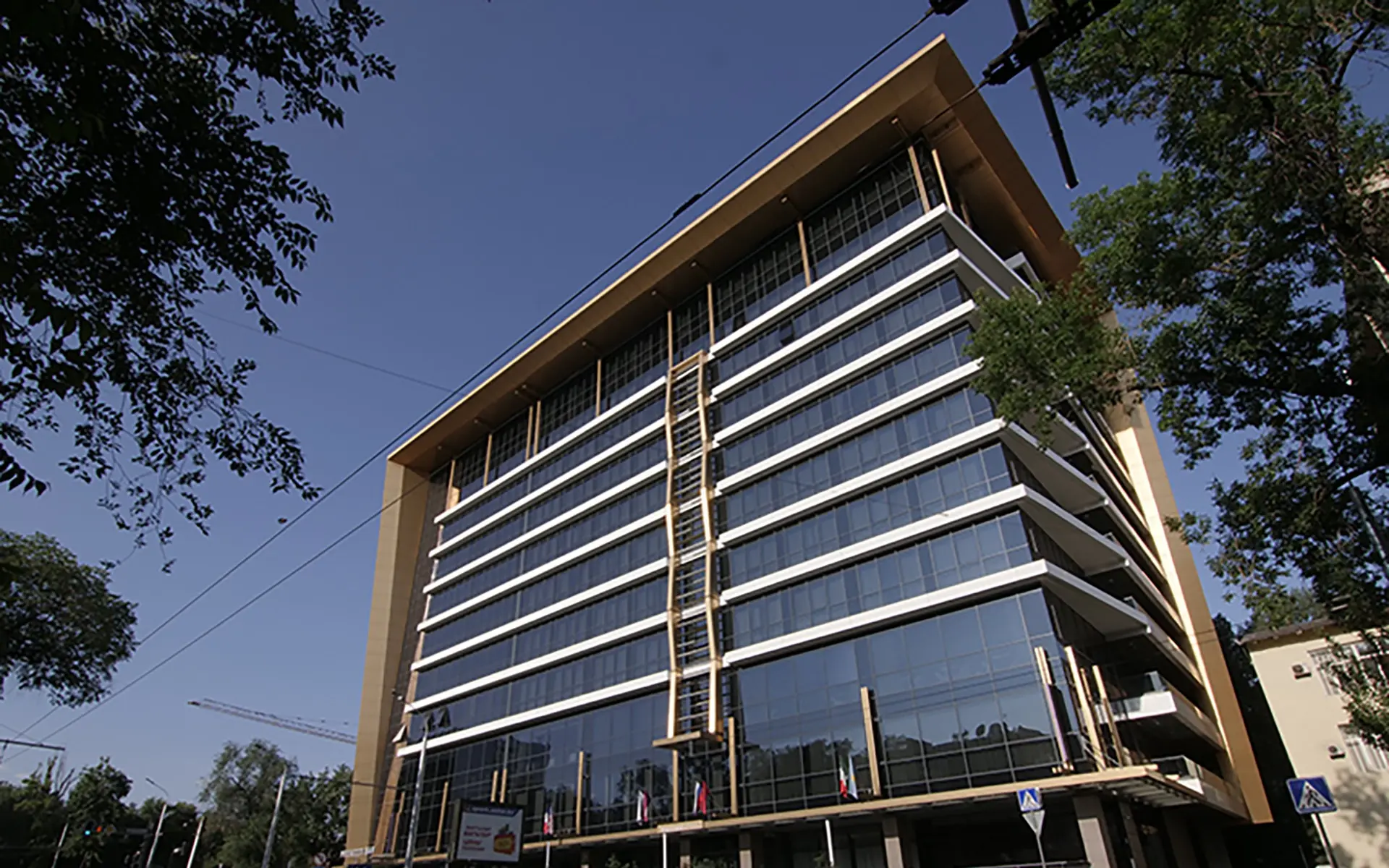
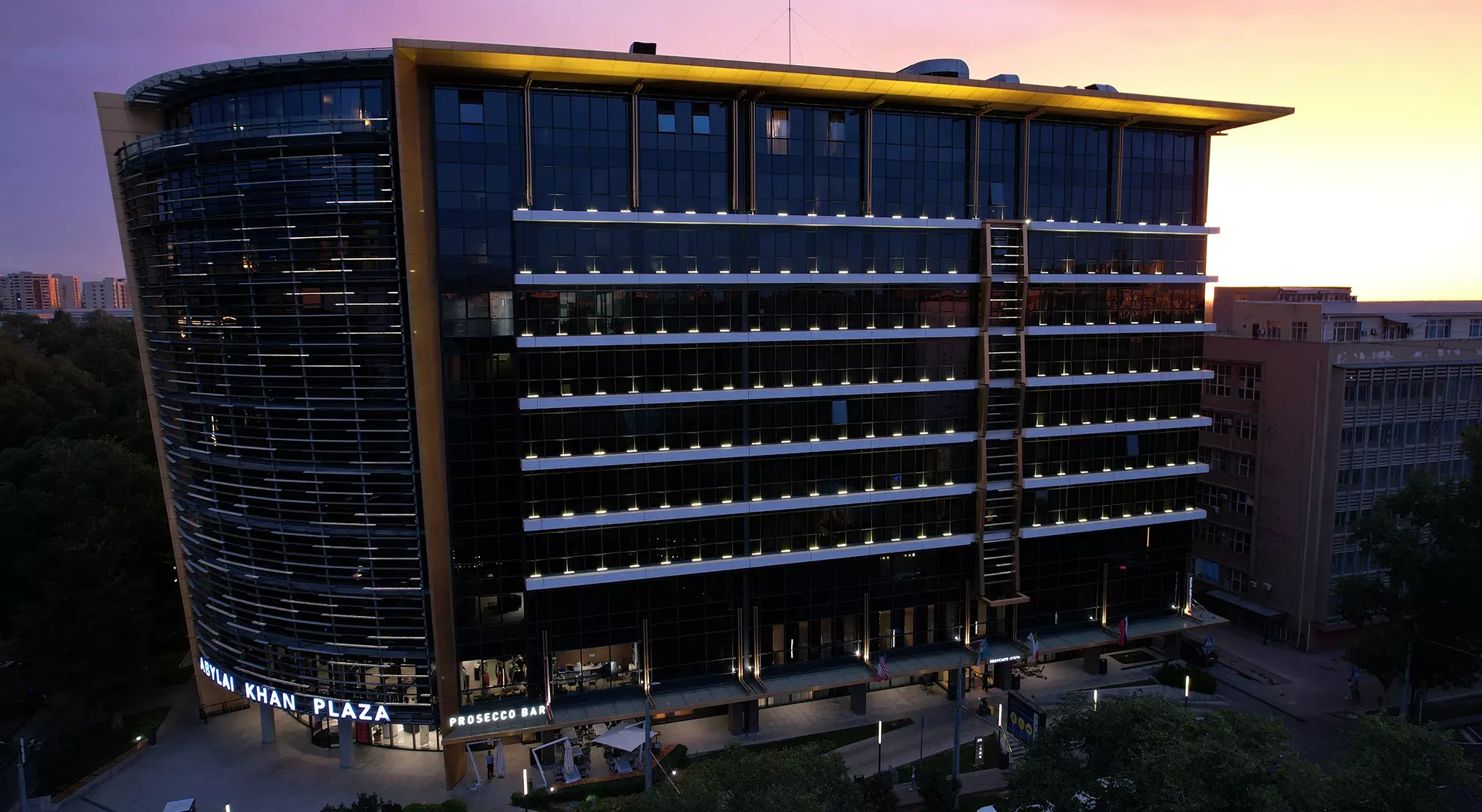
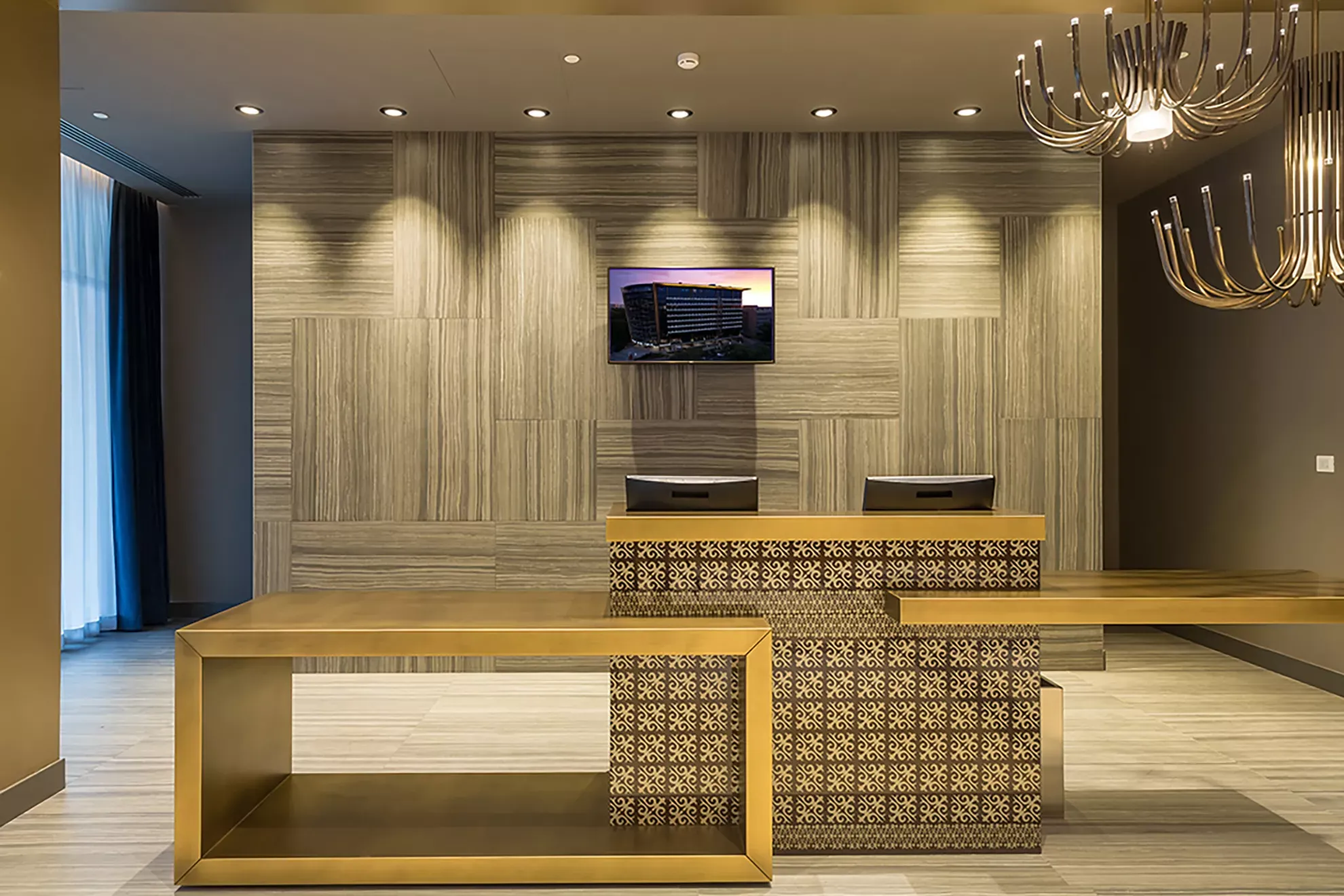
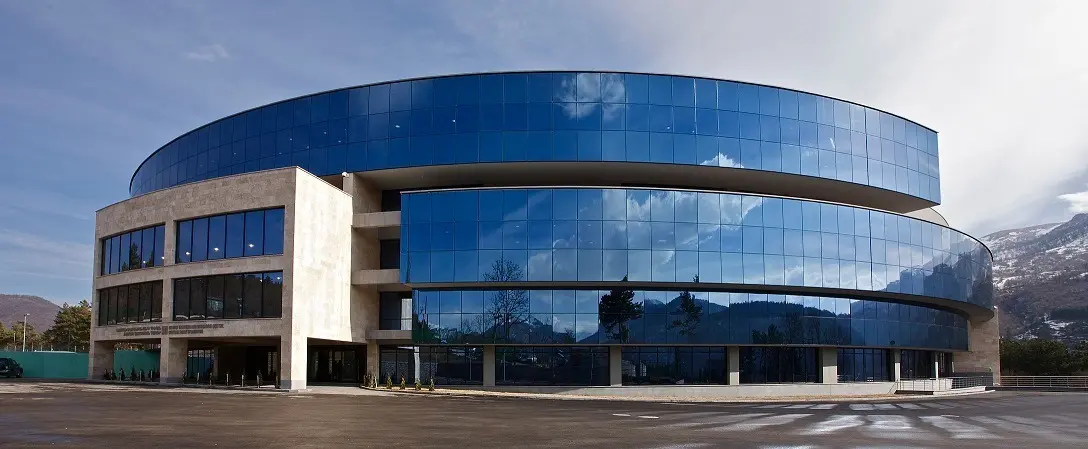
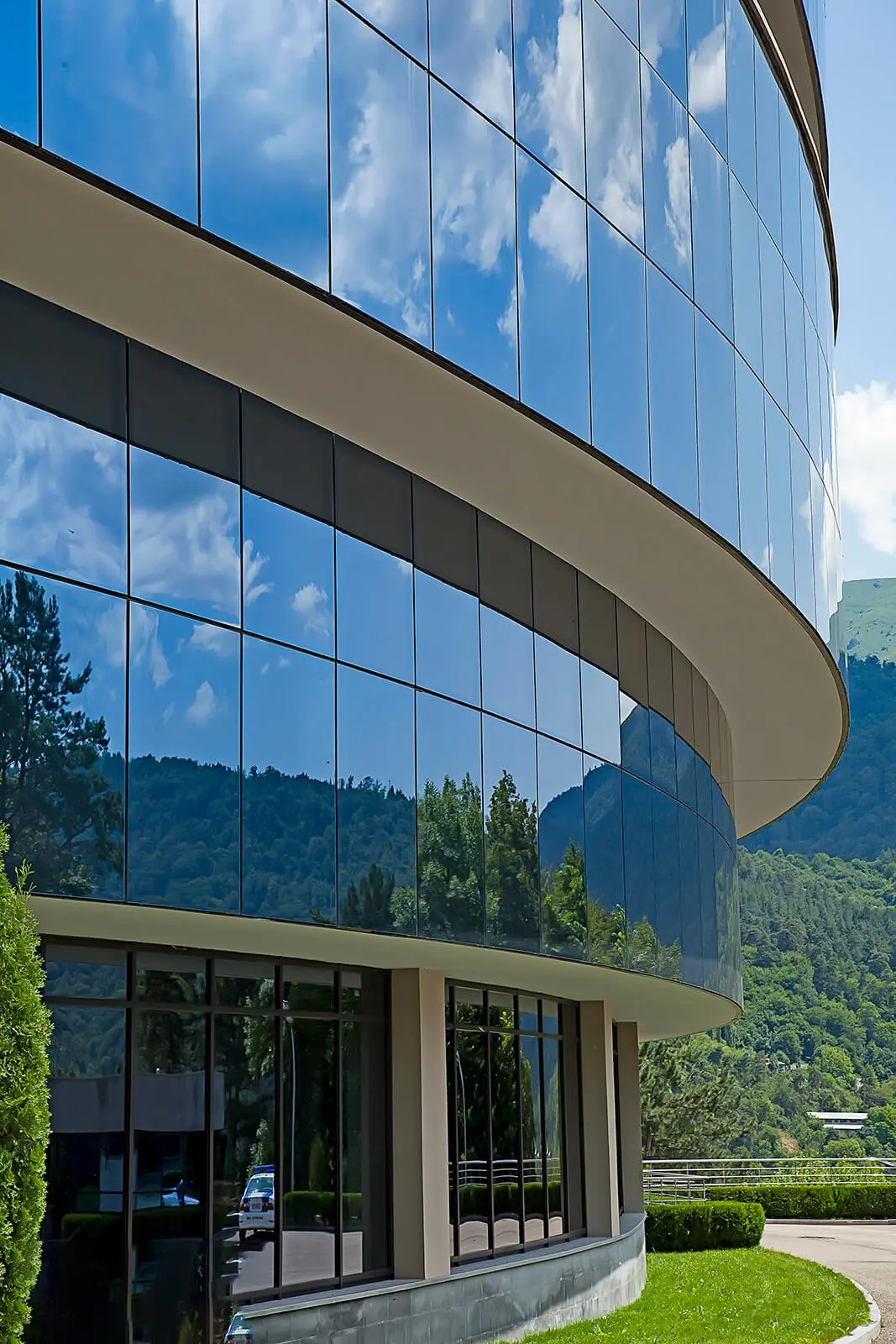
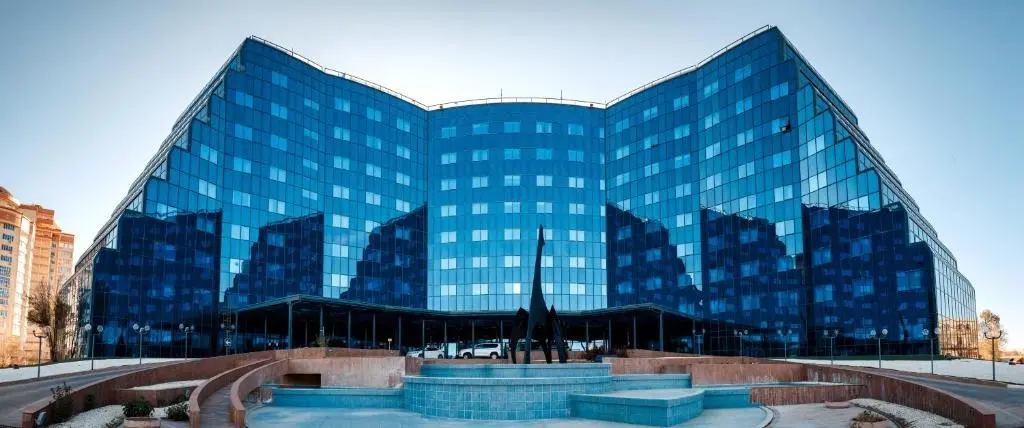
Abylai Khan Plaza is one of the most significant urban development projects completed in Almaty, located along the central Abylai Khan Avenue. The complex is a 47,000 m² mixed-use building that integrates hotel, office, retail, and residential functions, meeting the growing demand for multifunctional spaces in the economic heart of Kazakhstan.

The building comprises 11 above-ground floors and 3 underground levels, reaching a height of approximately 52 meters. Its structural and architectural concept was designed to ensure maximum safety, performance, and flexibility across diverse functional areas.

Structural Design: ENGLOBE’s Contribution

ENGLOBE developed the complete structural design of the entire complex, delivering high-performance solutions for a mixed-use tower hosting a 4-star hotel, open-space offices, retail areas, and residential units.

The design process included:

The definition of vertical and horizontal load-bearing systems, calibrated to the building’s mixed functions.
Optimization of structural systems to allow flexible interior layouts in office areas and enhanced stability in hotel and residential zones.
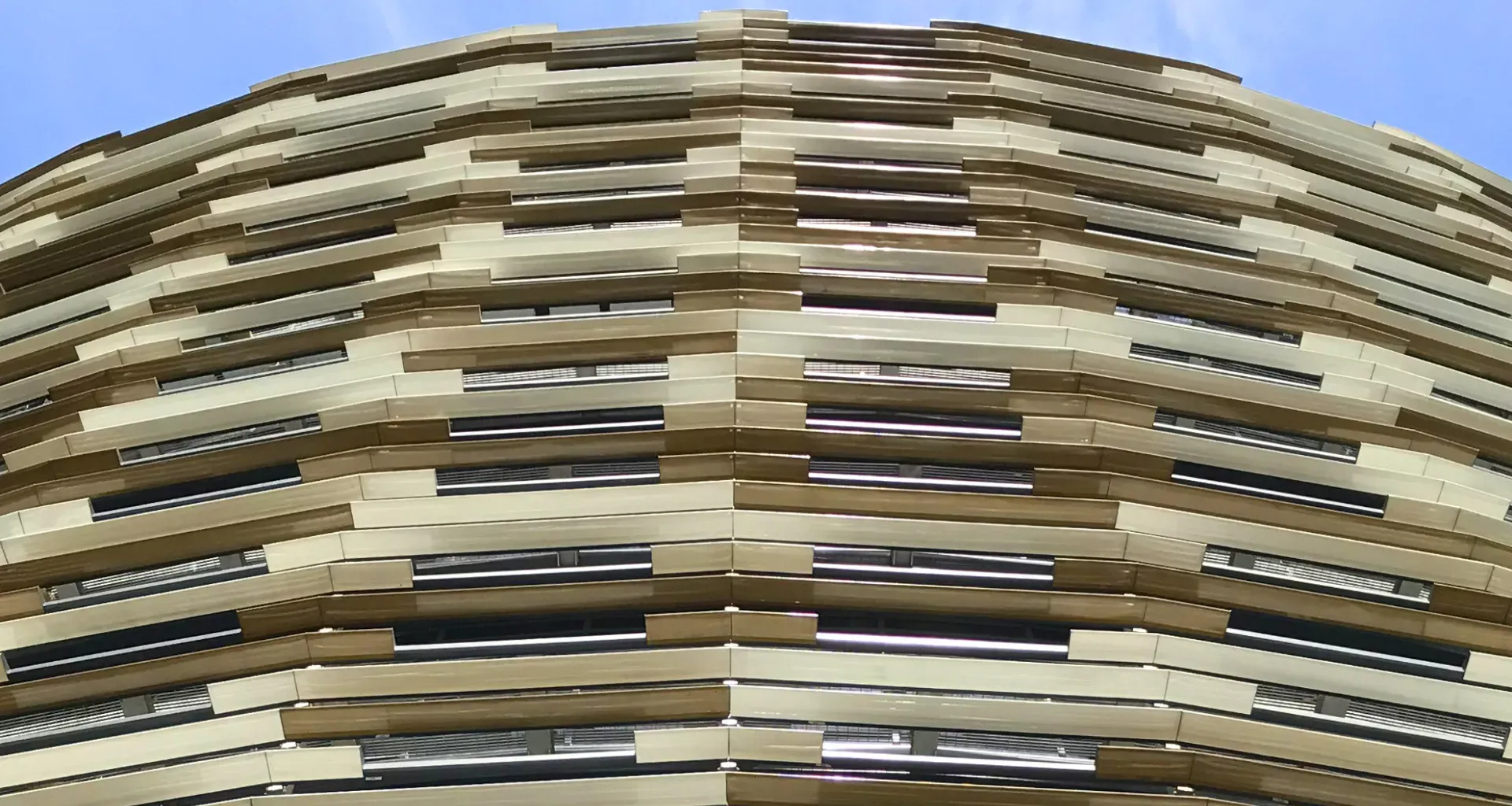
Integration between structural components, building systems, and the envelope—an essential aspect in mixed-use buildings.
Structural modeling and verification of the three underground parking levels, with particular attention to load interactions and excavation phases.

Thanks to the team’s international expertise, the project achieved an effective balance between structural efficiency, architectural quality, and functional performance.

Construction Supervision and Quality Control

In addition to design activities, ENGLOBE provided technical coordination during the construction phase, supporting on-site activities in a complex international environment characterized by diverse regulations and logistical challenges.

During construction, the team contributed to:

Regular inspections of the structural works at every stage.
Quality control of concrete pouring phases and reinforcement installation.
Coordination between local contractors and international suppliers.
Timely resolution of structural and MEP interferences.
Optimization of construction sequences to maintain both schedule and quality.

This supervision ensured consistent alignment between the design model and the executed work, supporting a smooth and efficient construction process.

A New Urban Hub for Almaty

Today, Abylai Khan Plaza is a landmark of contemporary Almaty.
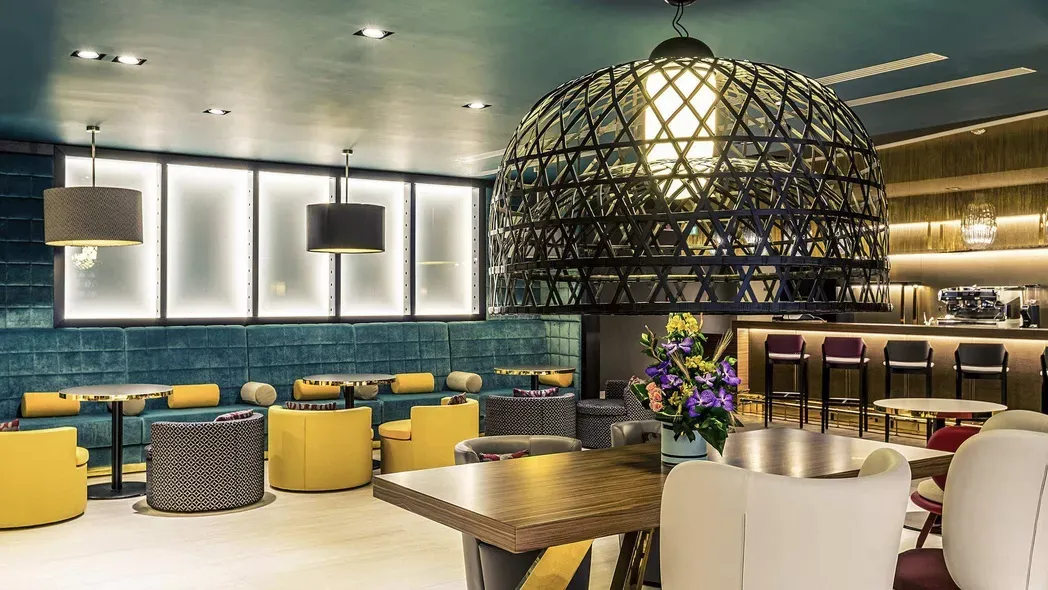
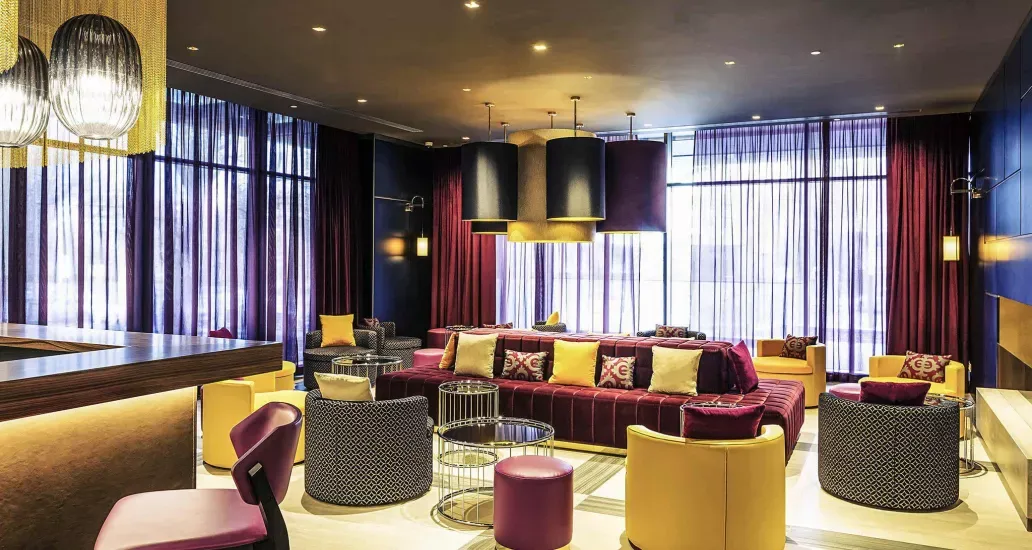
With the presence of the Mercure Hotel, business-oriented office spaces, next-generation retail units, and residential apartments, the complex serves as a true multi-functional urban hub, bringing together people, services, and activities within a single architectural system.

Its strong mixed-use identity, combined with the overall construction quality, contributes to the enhancement of an entire area of the city, raising its profile to international standards.

PLACE

Almaty (Kazakhstan)

CLIENT

Private

WORK PERIOD
ACTIVITY

Structural Design

TYPOLOGY

Infrastructure

INTENDED USE

Multifunctional

WORK AMOUNT
WORKING GROUP

Ing. Pietro Paci
Renco

Diamonds Star of the East – Infrastrutture resort 5 stelle

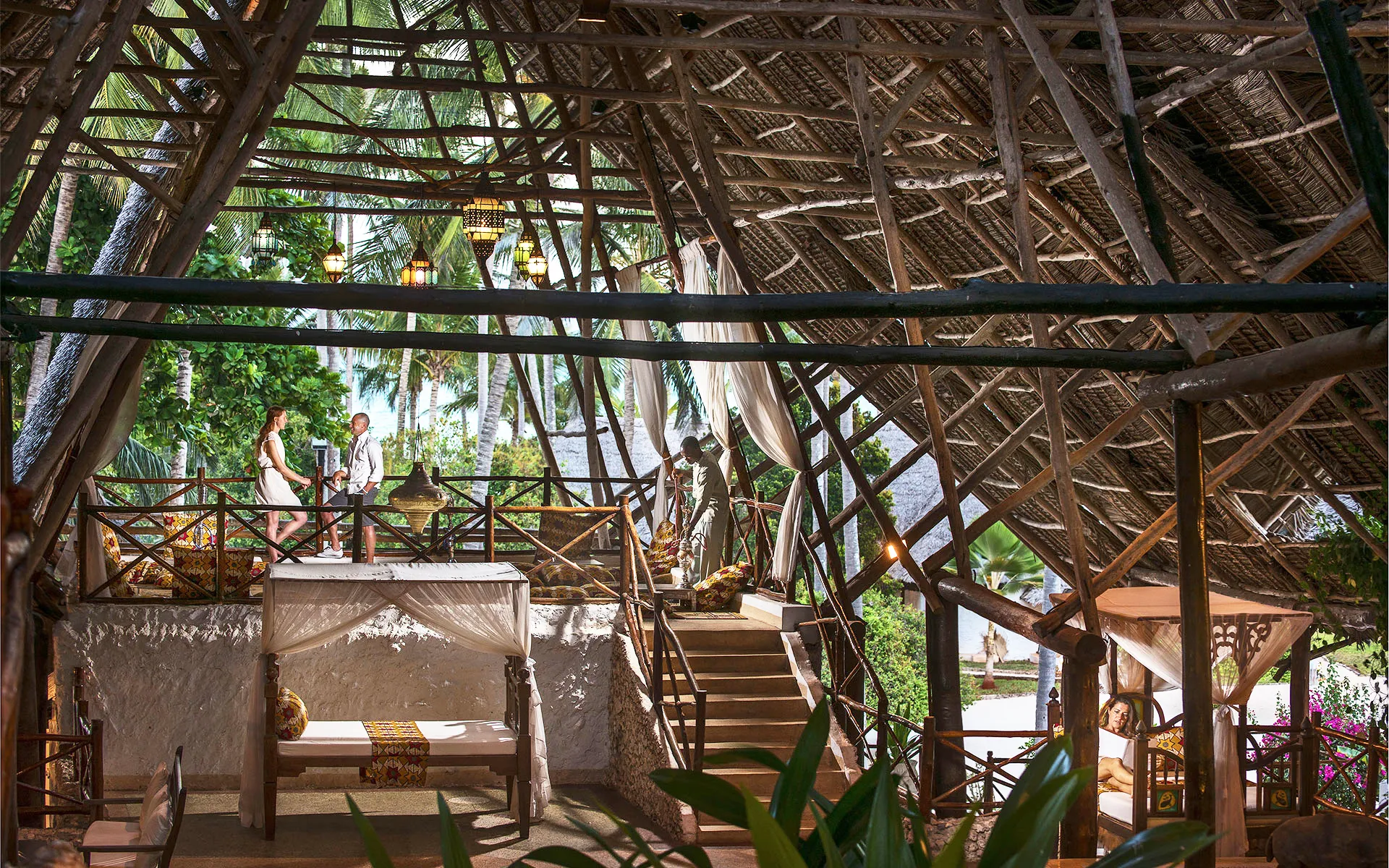
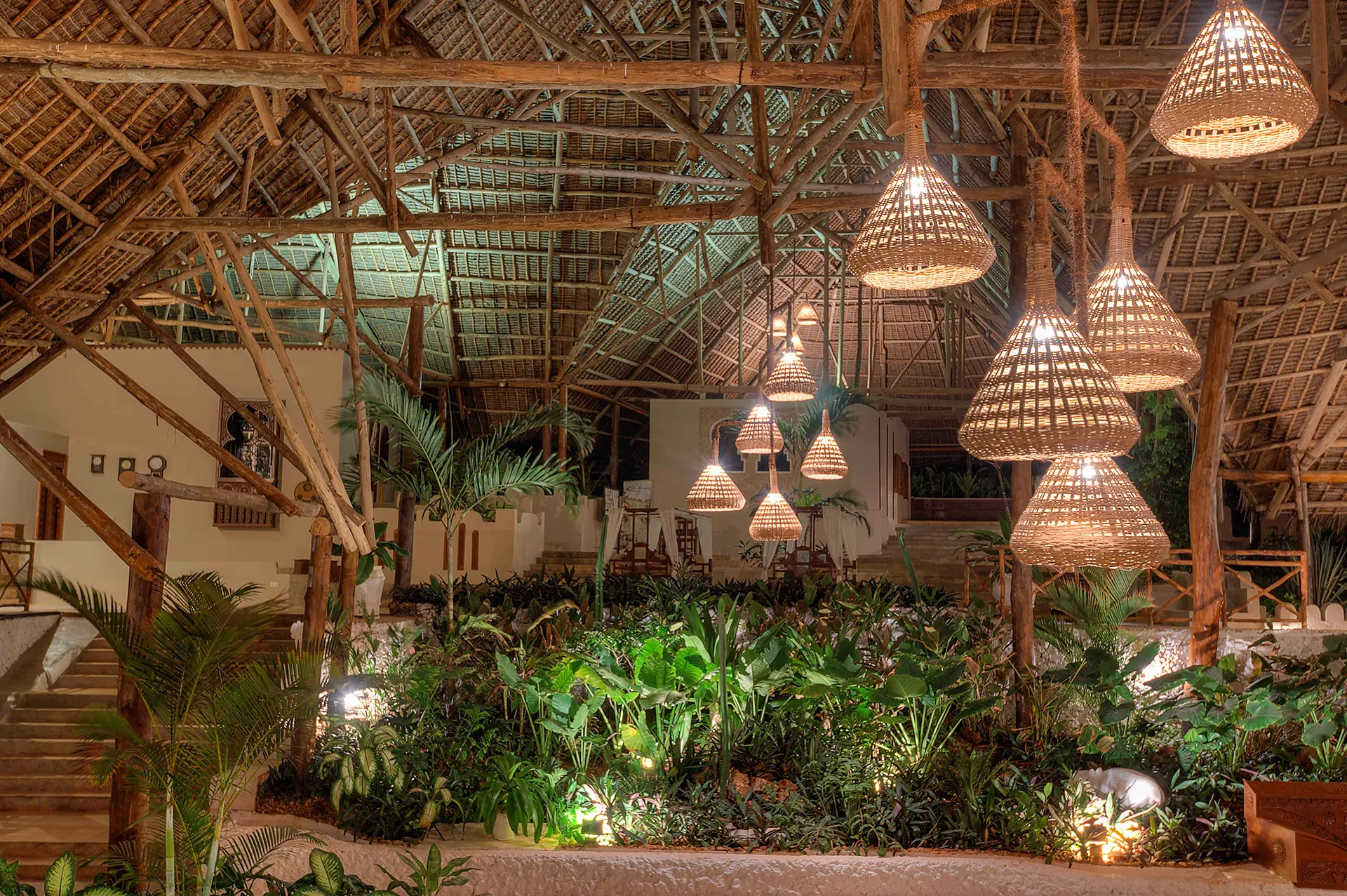
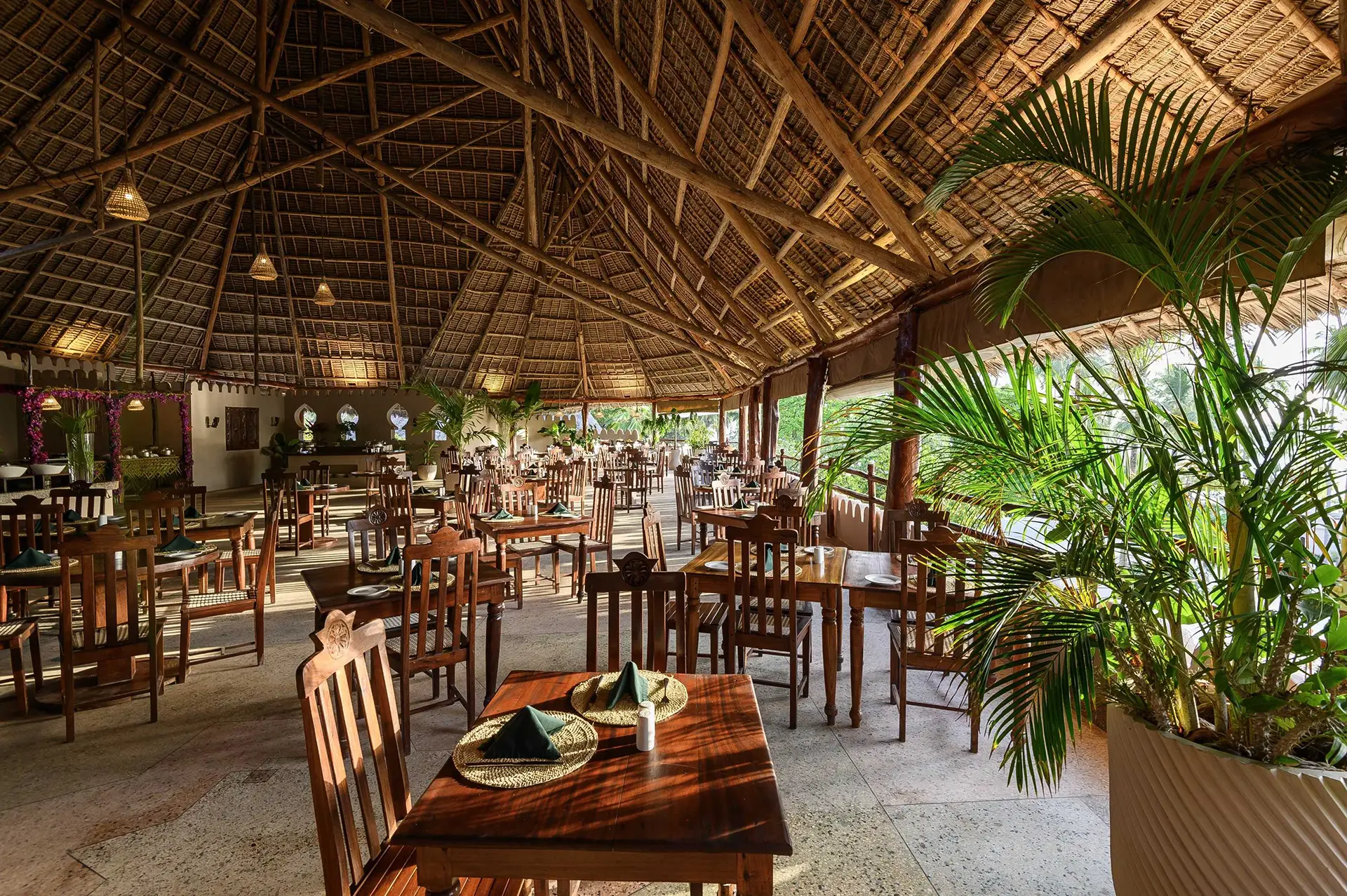
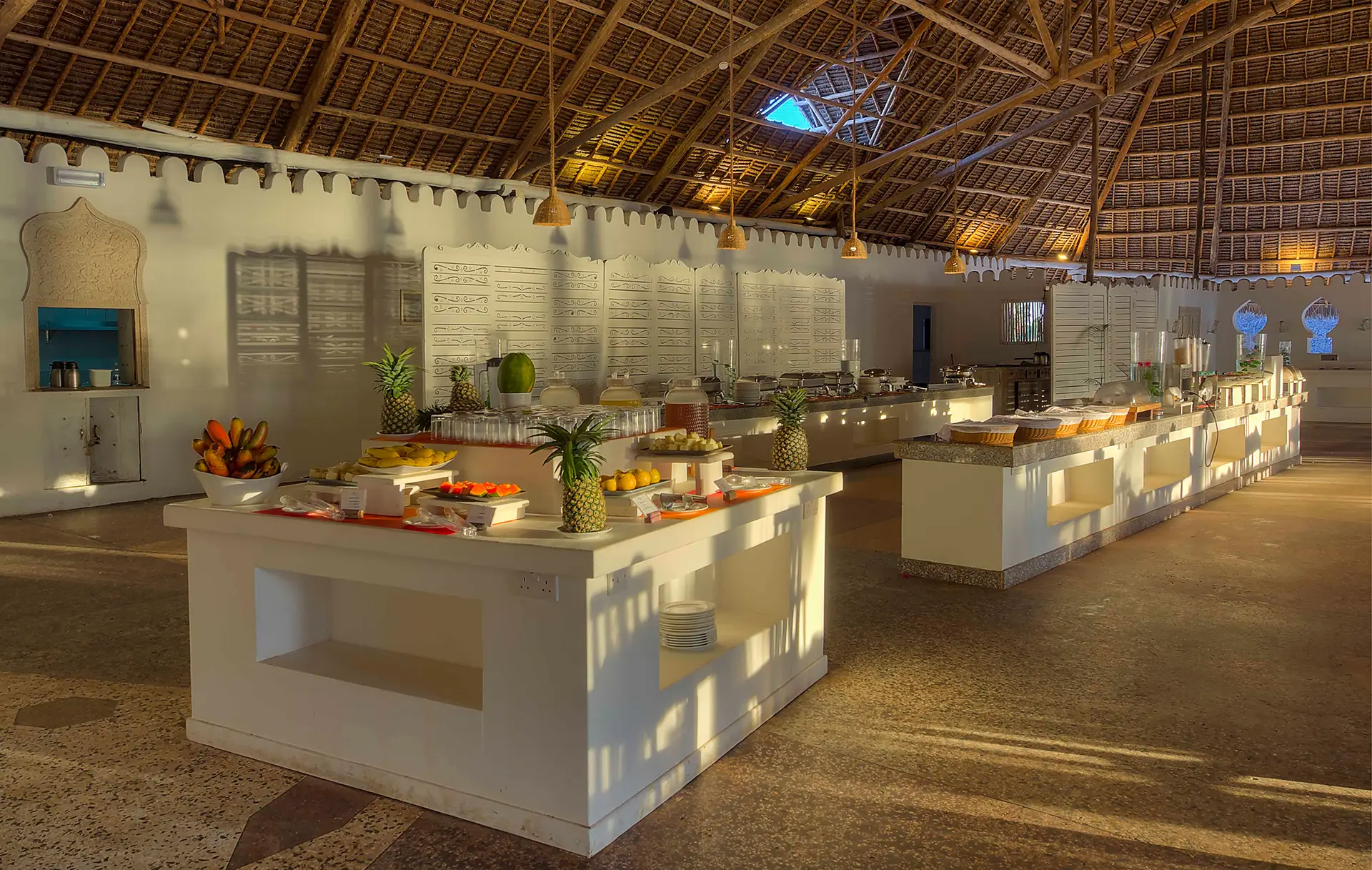
Diamonds Star of the East Resort

Diamonds Star of the East Resort

5-Star Resort Infrastructure

Foundations, underground utilities, and technical support during construction

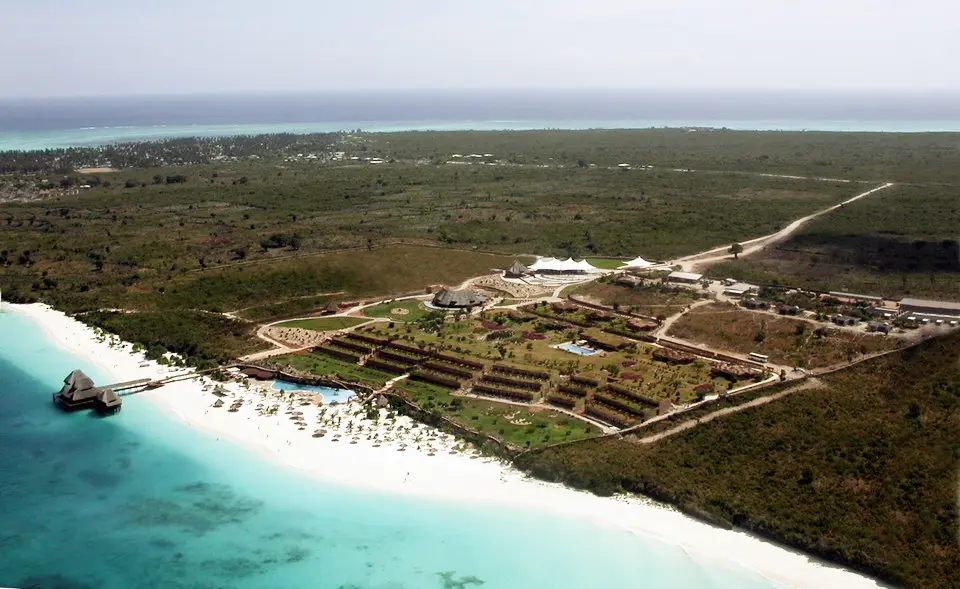
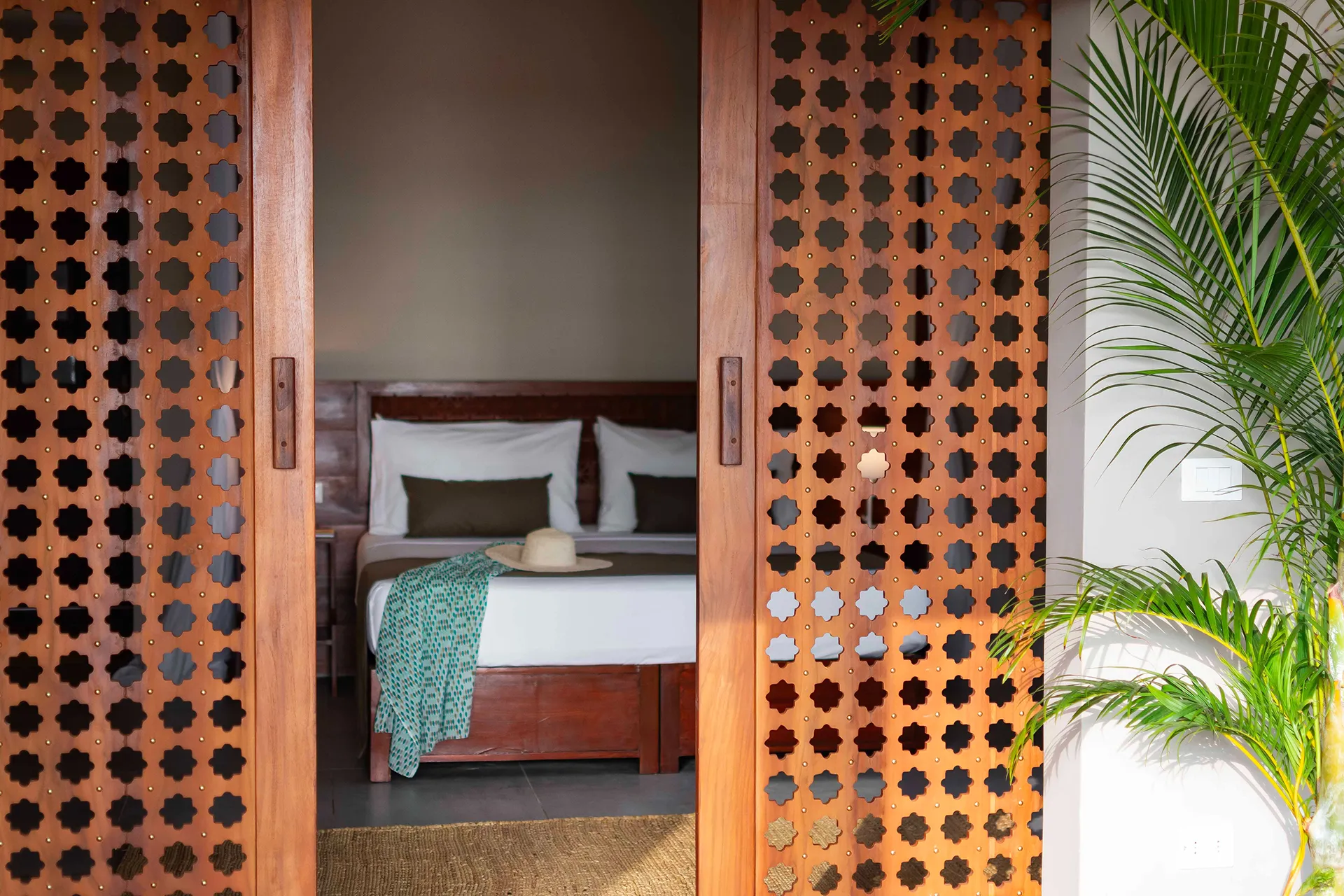
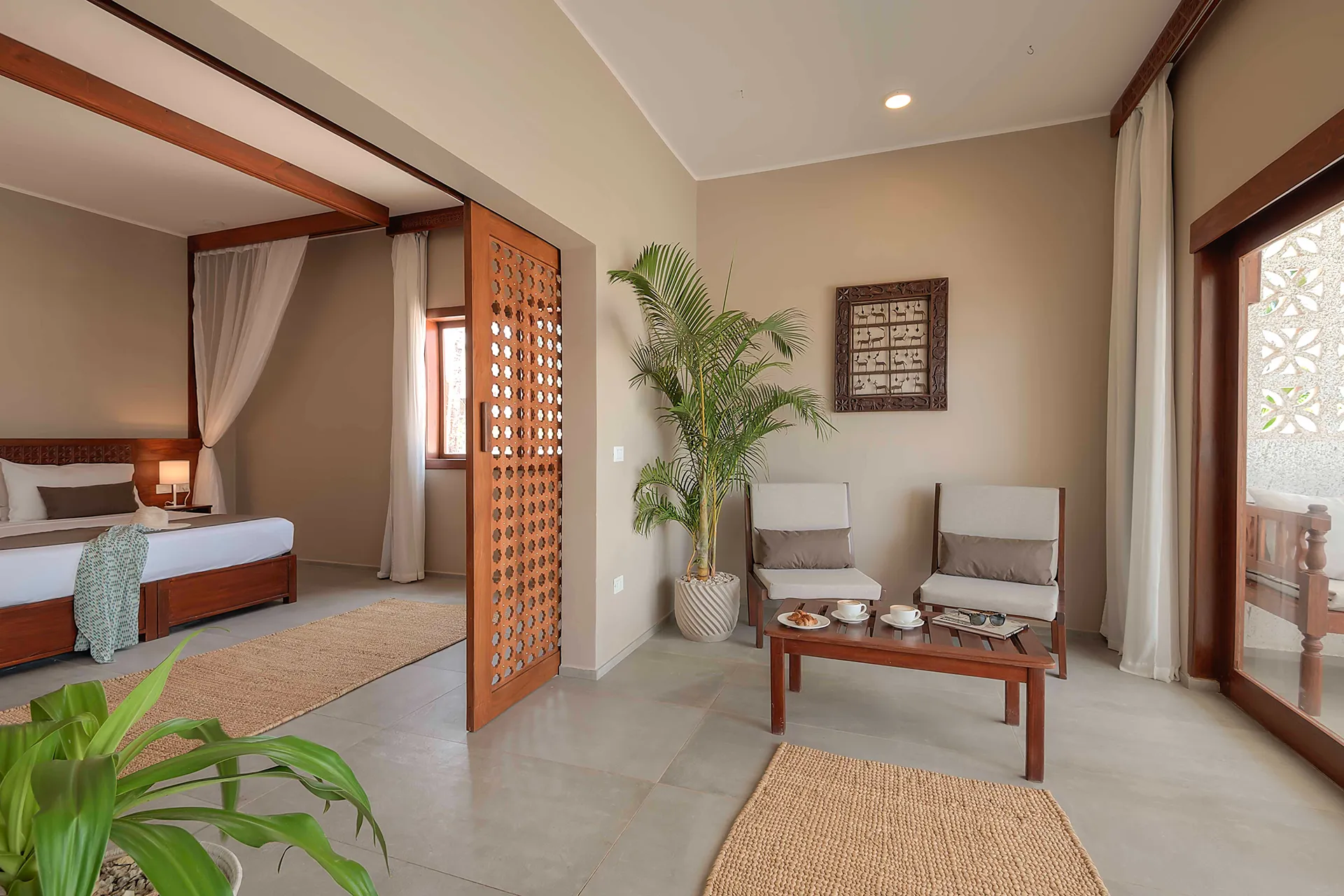
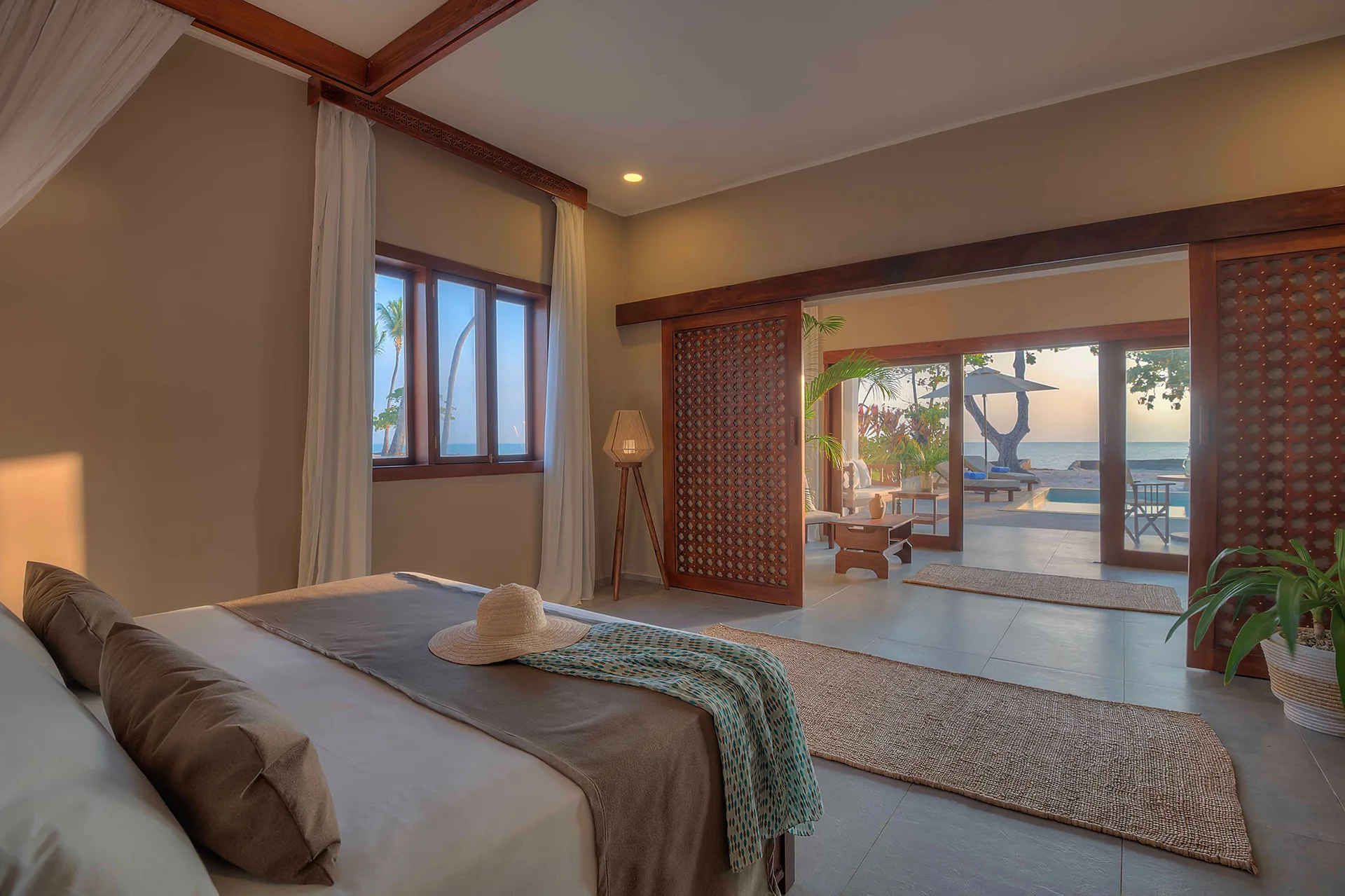
ENGLOBE handled the structural and MEP design supporting the expansion of the Diamonds Star of the East, one of the most exclusive resorts in Zanzibar, located in Nungwi on the island’s northern coast. The intervention involved the construction of new units within the hospitality complex and the related technological and infrastructural systems, ensuring full integration with the existing layout and compliance with the high standards required of a five-star resort.

Structural design: foundations and primary works

The new structures were designed by taking into account the specific geotechnical conditions of the coastal area and exposure to a tropical climate. ENGLOBE developed:
the design of foundations for the new villas and service areas;
the definition of primary and secondary structural works;
load analysis in a context characterized by sandy soils and a variable water table;
optimized construction solutions to ensure durability, lightness, and resistance to corrosion in a marine environment.

Close coordination between structures, architecture, and building systems ensured continuity in the resort’s aesthetic language while delivering high levels of safety and comfort.

MEP design and service infrastructure

For the new expansion, ENGLOBE designed:

  • electrical and hydraulic underground utilities;
  • water supply and drainage systems;
  • MEP connections with the existing buildings;
  • technological infrastructure serving the new private villas.

Experience gained in international contexts enabled the development of efficient MEP solutions compatible with local material availability and the maintenance requirements of a high-end hospitality facility.

Technical support and on-site supervision

ENGLOBE provided technical assistance during construction phases, coordinating:

  • inspection of structural works at the shell stage;
  • verification of layouts and underground infrastructure;
  • continuous coordination with contractors and local workforce;
  • resolution of emerging clashes between systems, structures, and finishes.

Operating in an island context required careful planning of supplies and detailed schedule management, ensuring compliance with quality standards and preservation of the resort’s architectural identity.

A fully integrated resort expansion

The intervention supported the evolution of the Diamonds Star of the East, delivering new residential units and services with the same formal and construction quality as the original complex. The use of local materials, lightweight architecture, and careful attention to outdoor spaces preserved the exclusive and private atmosphere that defines the resort.

PLACE

Zanzibar (Tanzania)

CLIENT

Private

WORK PERIOD
ACTIVITY

Structural Design

TYPOLOGY

Infrastructure

INTENDED USE

Commercial

WORK AMOUNT
WORKING GROUP

Ing. Pietro Paci
Renco

Sede Banca Centrale Armenia ENGLOBE Progettazione Integrata

Central Bank

Central Bank

Glass roof design with steel structure for institutional building

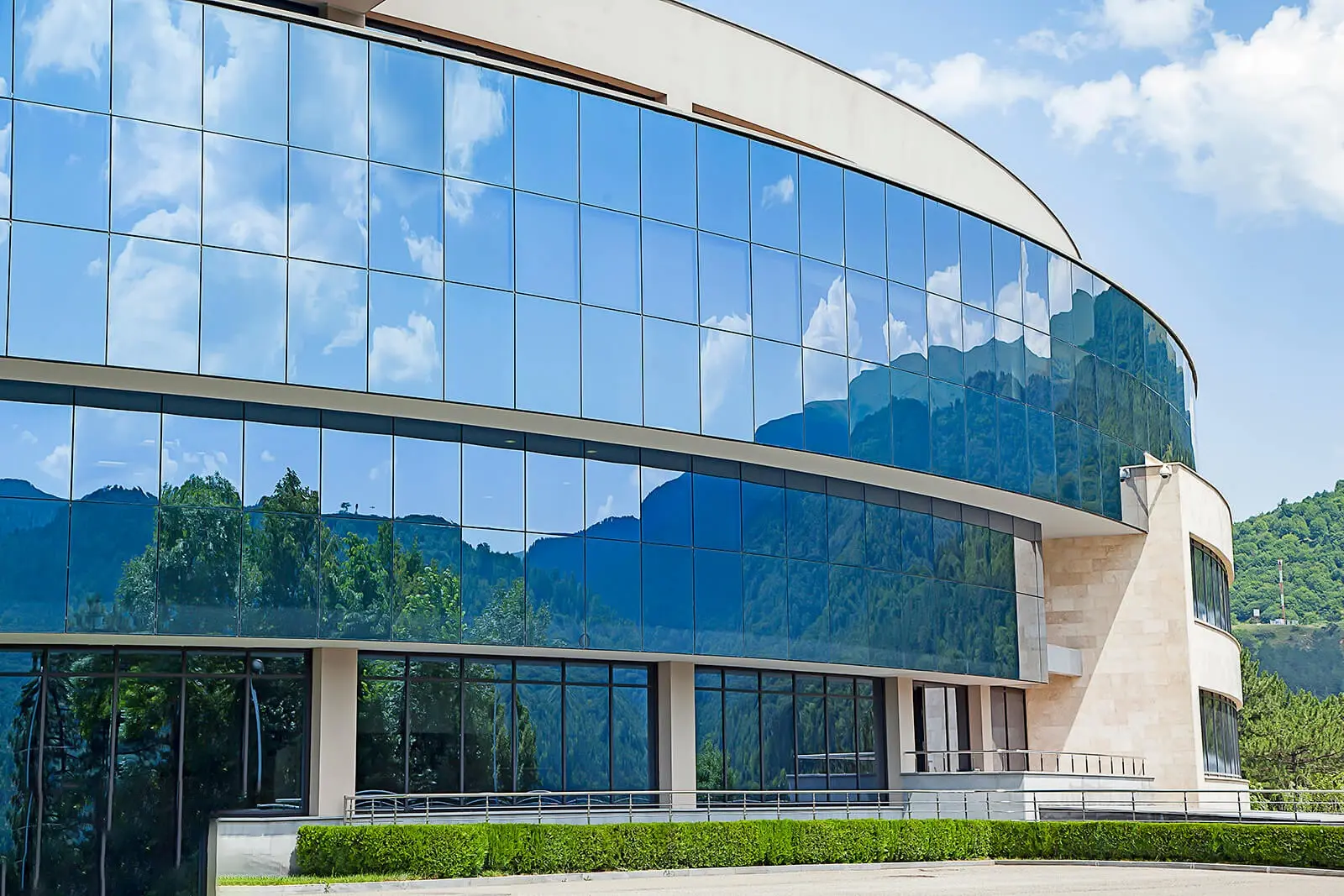
ENGLOBE developed the structural and architectural design of a new steel-and-glass roof for a representative area of the Central Bank of Armenia headquarters in Yerevan, one of the country’s most symbolic institutional buildings.

The intervention aimed to create a high-quality covered space—elegant, functional, and capable of enhancing the existing architecture—while providing new representative areas, meeting spaces, and protected circulation routes.
The canopy was conceived as a light, transparent architectural element, respectful of the monumentality of the original building.

A transparent architectural element integrated into an institutional landmark

The new roof was designed to:

  • introduce a contemporary, refined architectural feature,

  • protect internal spaces while ensuring maximum natural light,

  • maintain full visual coherence with the institutional character of the Central Bank,

  • guarantee thermal and environmental comfort in Yerevan’s continental climate, characterized by strong temperature variations.

The steel-and-glass system creates a recognisable yet discreet presence, allowing the historic building to remain visually dominant while enriching its functional potential.

Advanced structural design

ENGLOBE developed the full structural model of the roof, including:

  • sizing and geometry of the steel profiles and joints,

  • verification of glass panels and anchoring systems,

  • analysis of snow and wind loads, essential in Yerevan’s climatic conditions,

  • integration of drainage and water management solutions within the canopy structure.

The geometry features inclined and curved surfaces to optimize daylight distribution, requiring:

  • complex joint detailing,

  • FEM analyses to test behavior under environmental loads,

  • dedicated seismic checks — crucial in a high-seismicity country such as Armenia.

Light, comfort, and engineering performance

A key aspect of the project was the study of natural light, including:

  • control of direct solar radiation,

  • mitigation of glare,

  • maximization of diffuse daylight,

  • selection of high-performance laminated glass with energy-efficient coatings.

The result is a roof capable of improving both the visual comfort and the environmental performance of the enclosed areas, reducing reliance on artificial lighting throughout the day.

Integration with the existing headquarters

The design required careful coordination with the existing building, including:

  • verification of load transfer points and anchorage to the existing structure,

  • compatibility with stone façades and original geometries,

  • development of concealed connection details,

  • compliance with aesthetic, technical, and institutional constraints.

The solution ensures a canopy that appears fully integrated yet lightweight, preserving the architectural dignity of the Central Bank building.

A new representative space for the institution

The roof provides the Central Bank with:

  • expanded reception and representative areas,

  • improved comfort and environmental quality,

  • protection of functional and circulation spaces,

  • an architectural enhancement aligned with the prestige of a national institution.

The project reflects the synergy between structural engineering, architectural quality, and daylight design, resulting in an elegant and technically advanced intervention.

PLACE

Yerevan (Armenia)

CLIENT

Private

WORK PERIOD
ACTIVITY

Structural Design

TYPOLOGY

Infrastructure

INTENDED USE

Commercial

WORK AMOUNT
WORKING GROUP

Ing. Pietro Paci
Renco

ENGLOBE Progettazione Integrata

River Palace

River Palace

Structural engineering for a mixed-use building on the Ural River

ENGLOBE delivered the complete structural design of a mixed-use building in Atyrau, a strategic city in western Kazakhstan and a key industrial hub for the Caspian region. The development is located in a privileged position directly overlooking the Ural River, within an alluvial area characterized by challenging soil conditions and stringent structural performance requirements.

Foundation design for difficult soils and a shallow water table

The project site lies on the riverfront alluvial plain, an area marked by:

  • soft silty and sandy soils,

  • high groundwater levels,

  • risk of differential settlements,

  • variable loading conditions due to the building’s mixed-use configuration.

To ensure long-term stability, ENGLOBE designed a foundation system capable of performing reliably under these constraints, including:

  • deep or combined foundation solutions to mitigate settlements;

  • rigid raft foundations and shear-wall systems to distribute loads effectively;

  • waterproofing strategies and protective measures against groundwater, erosion and soil aggressiveness;

  • full compliance with international engineering standards and local Kazakh regulations.

Structural design of the superstructure

The building hosts multiple functions—commercial spaces, offices, and residential areas—which required a flexible yet robust structural layout. ENGLOBE developed:

  • a comprehensive 3D structural model to analyze load paths and interactions;

  • reinforced concrete frames and shear walls engineered for high seismic performance;

  • optimized beam and slab systems providing open, adaptable internal spaces;

  • structural details tailored to withstand the region’s extreme temperature variations and continental climate.

The engineering approach balanced structural strength, constructability, and functional versatility, aligning with the requirements of an international mixed-use development.

Technical coordination and construction support

Beyond the design phase, ENGLOBE provided continuous technical assistance during construction, including:

  • supervision of reinforcement placement and concrete casting;

  • verification of structural alignments and tolerances;

  • resolution of clashes between structural and MEP works;

  • adjustments to the foundation works based on soil behavior observed during excavation.

Close collaboration with local contractors ensured quality execution despite the environmental and logistical challenges typical of the Atyrau region.

A new waterfront landmark on the Ural River

Positioned along one of the city’s most significant riverfront areas, the building contributes to the ongoing architectural transformation of Atyrau.
Its structurally optimized design supports the city’s growing demand for international-standard mixed-use developments, combining engineering reliability with urban enhancement along the Ural River.

PLACE

Atyrau (Kazakistan)

CLIENT

Private

WORK PERIOD
ACTIVITY

Structural Design

TYPOLOGY

Infrastructure

INTENDED USE

Commercial

WORK AMOUNT
WORKING GROUP

Ing. Pietro Paci
Renco

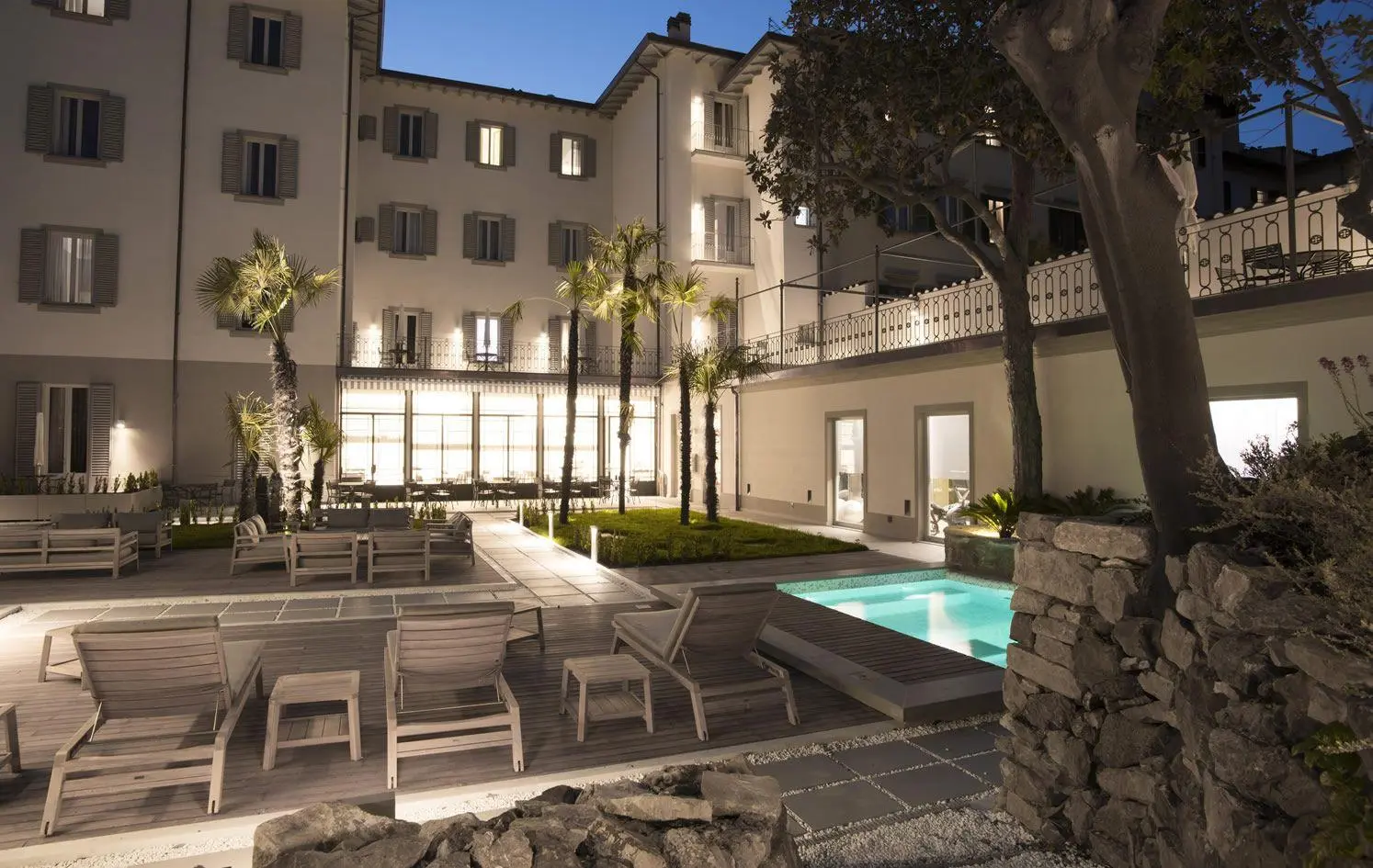
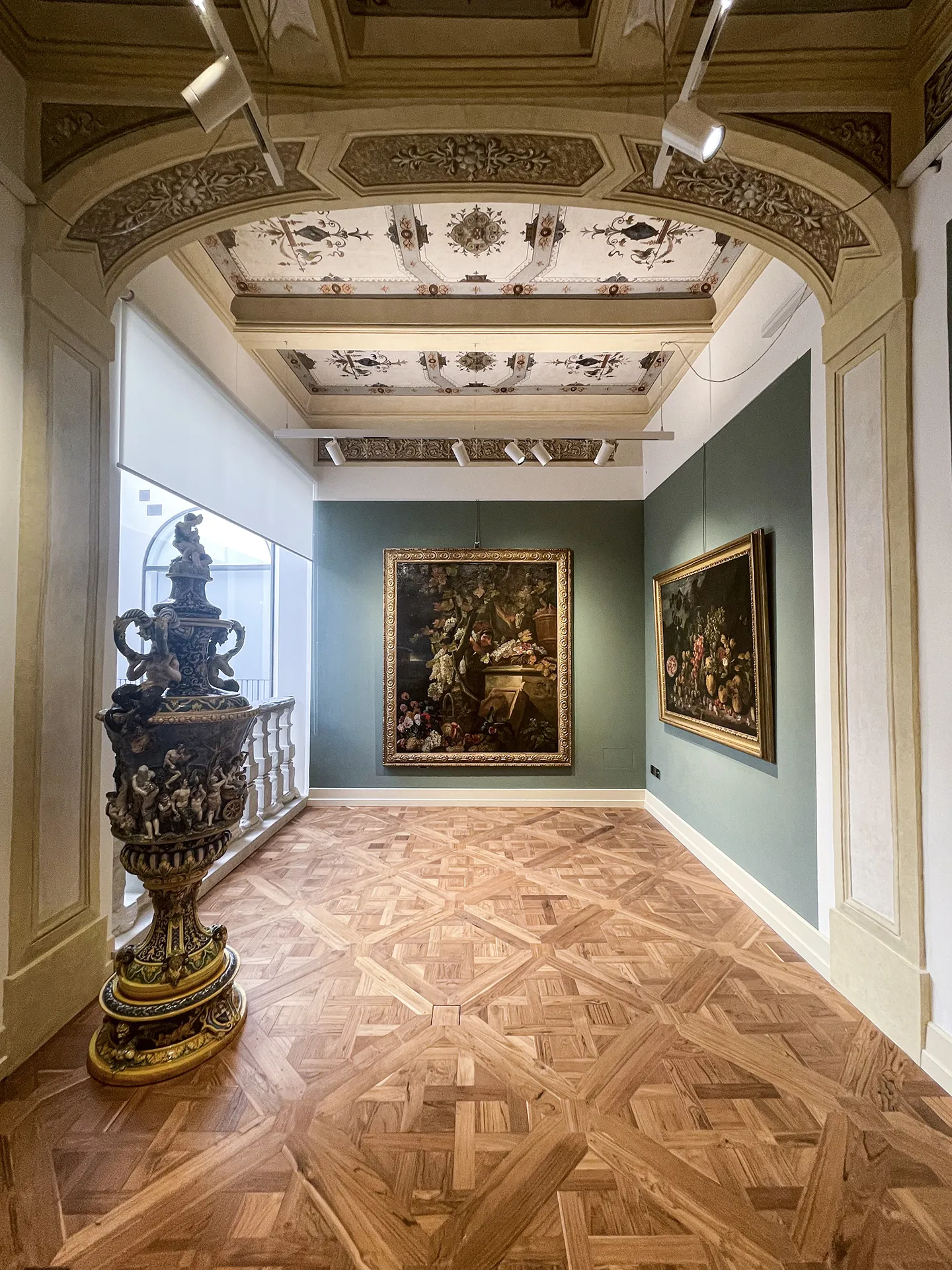
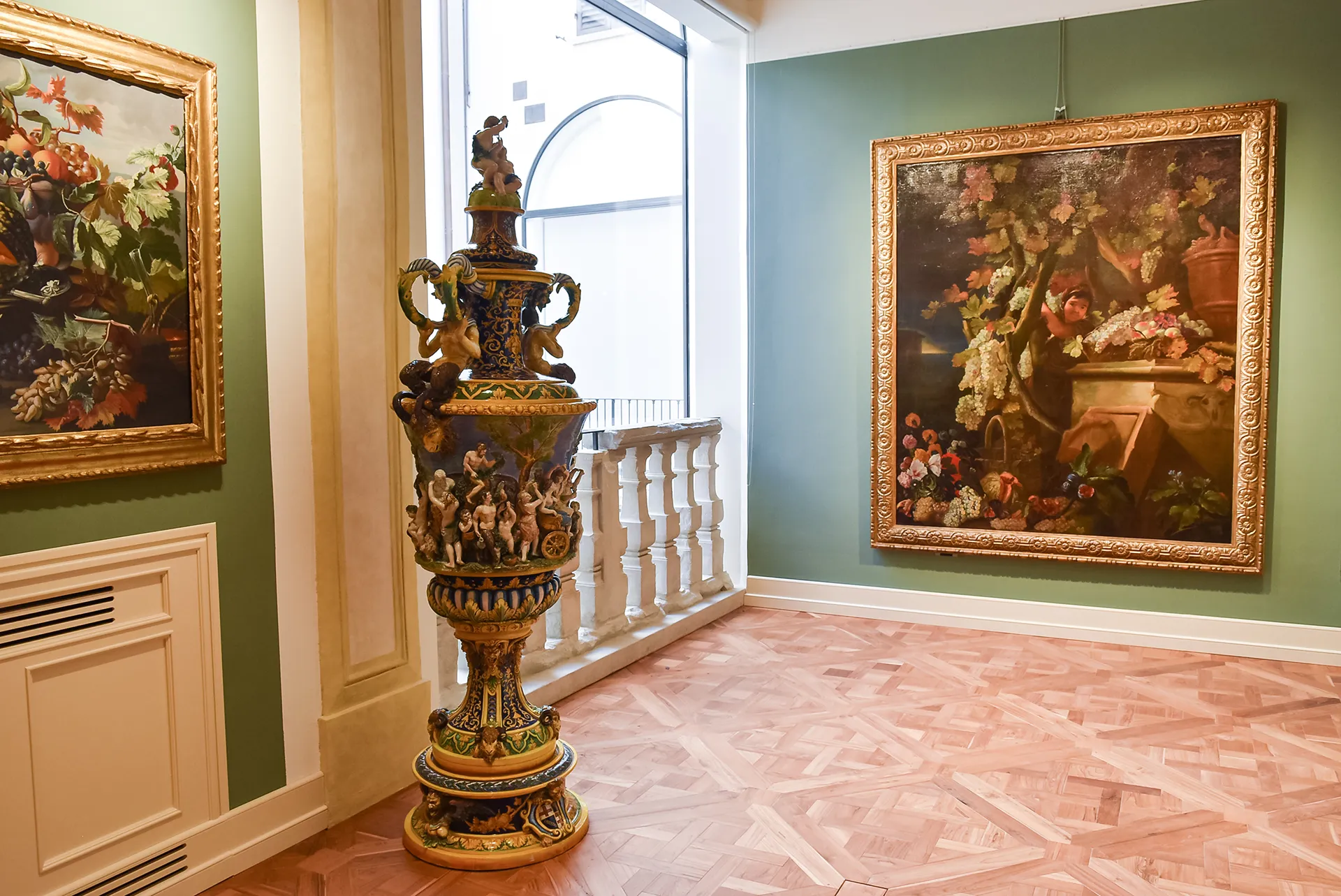
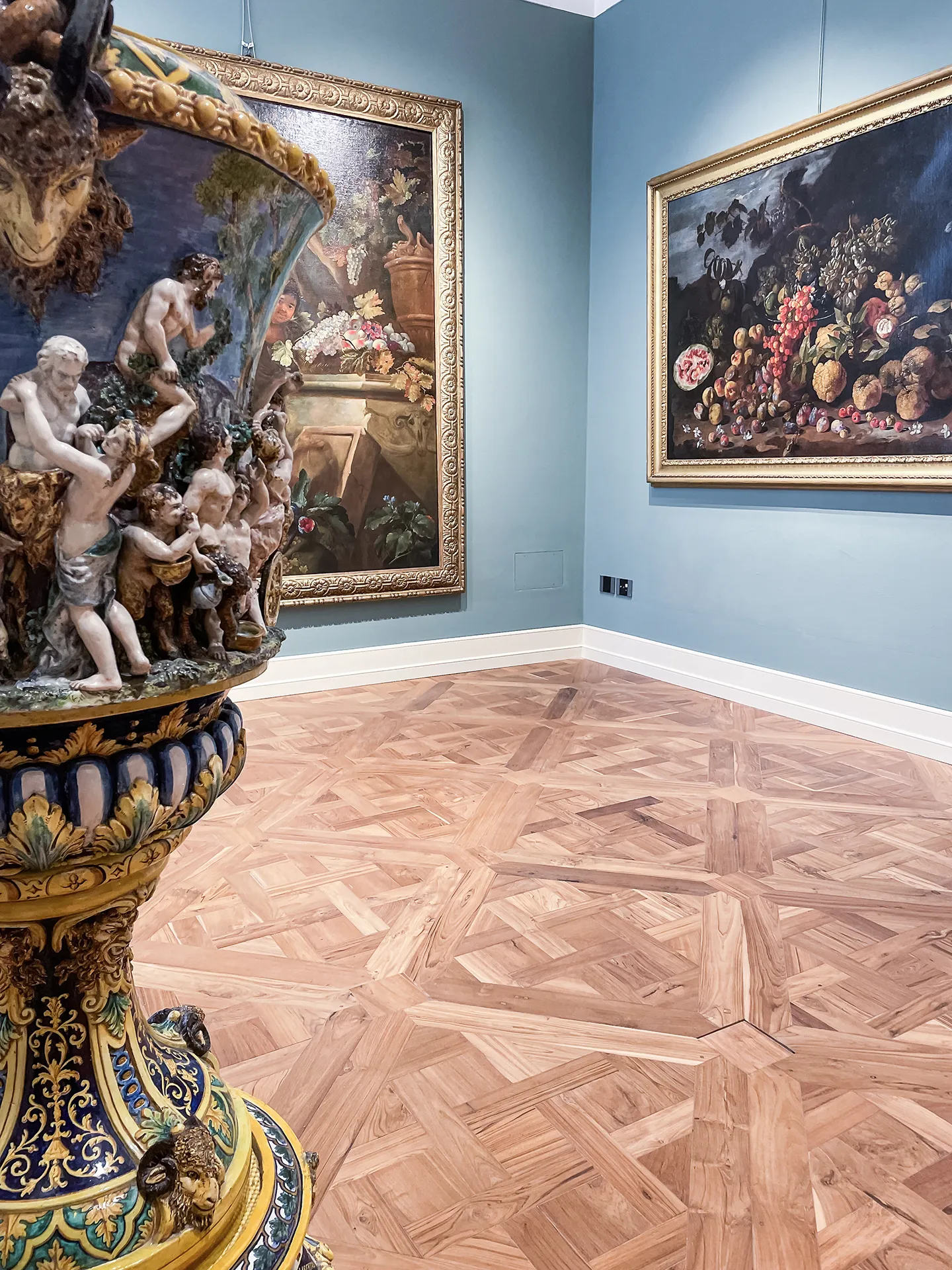
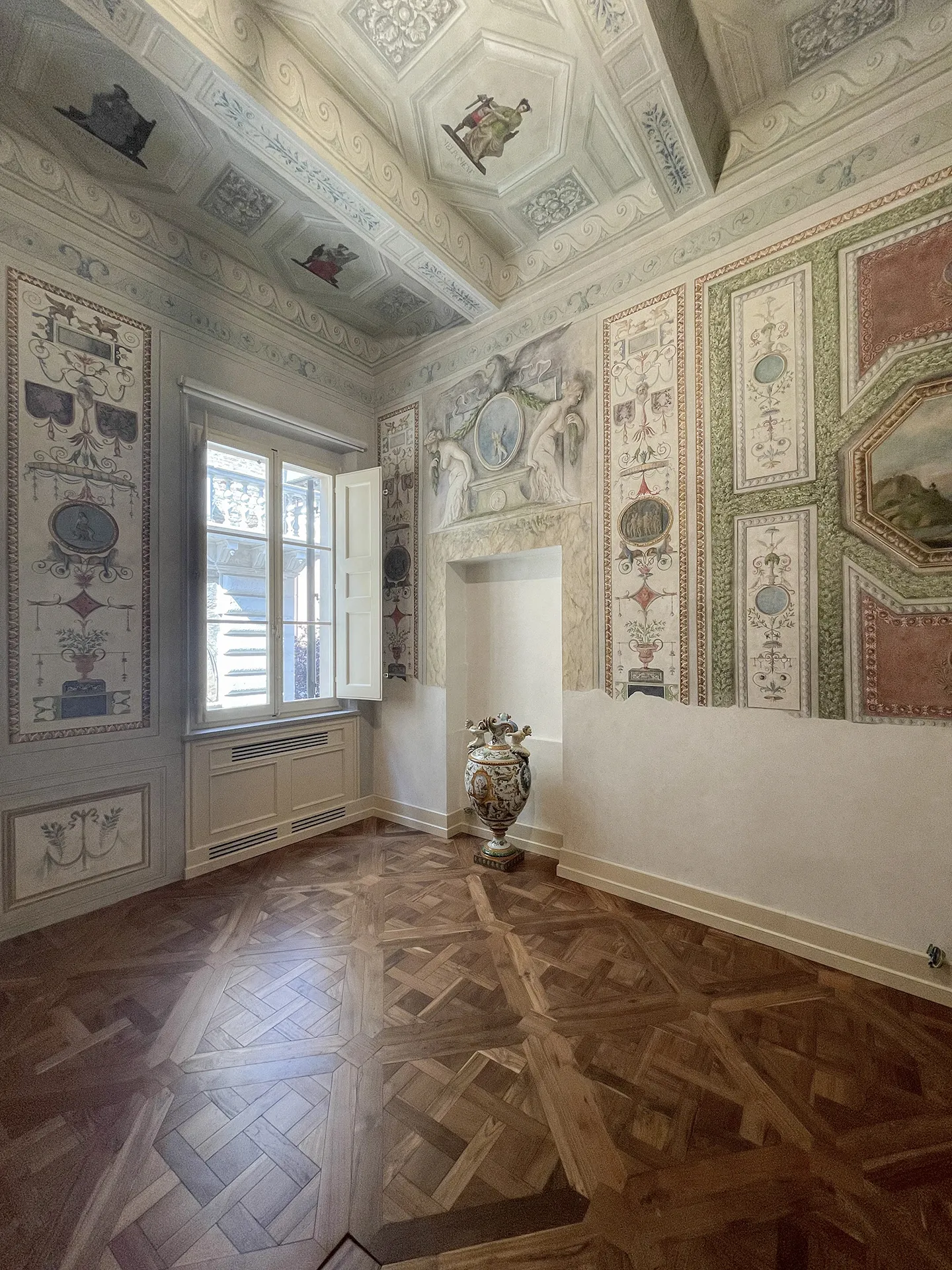
Hotel Palazzo Castri

Hotel Palazzo Castri

Restoration of an historical palace

Restoration of Hotel Palazzo Castri – Florence

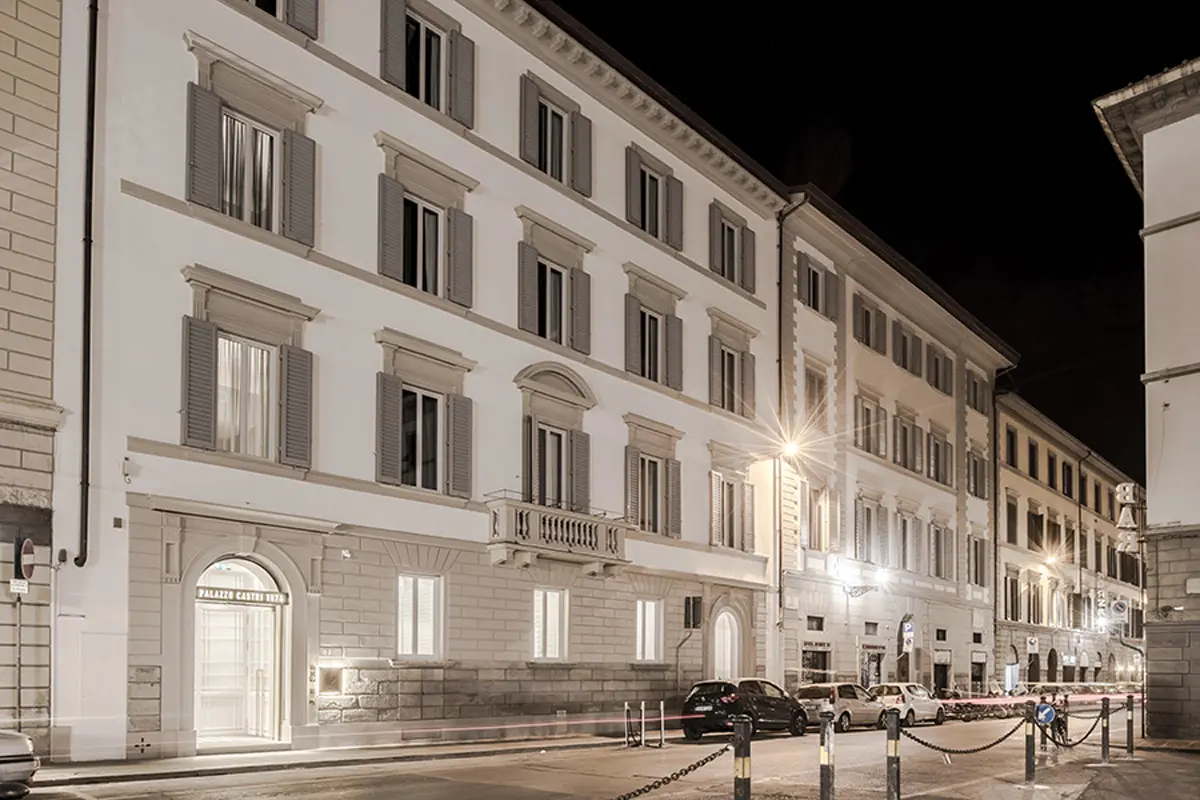
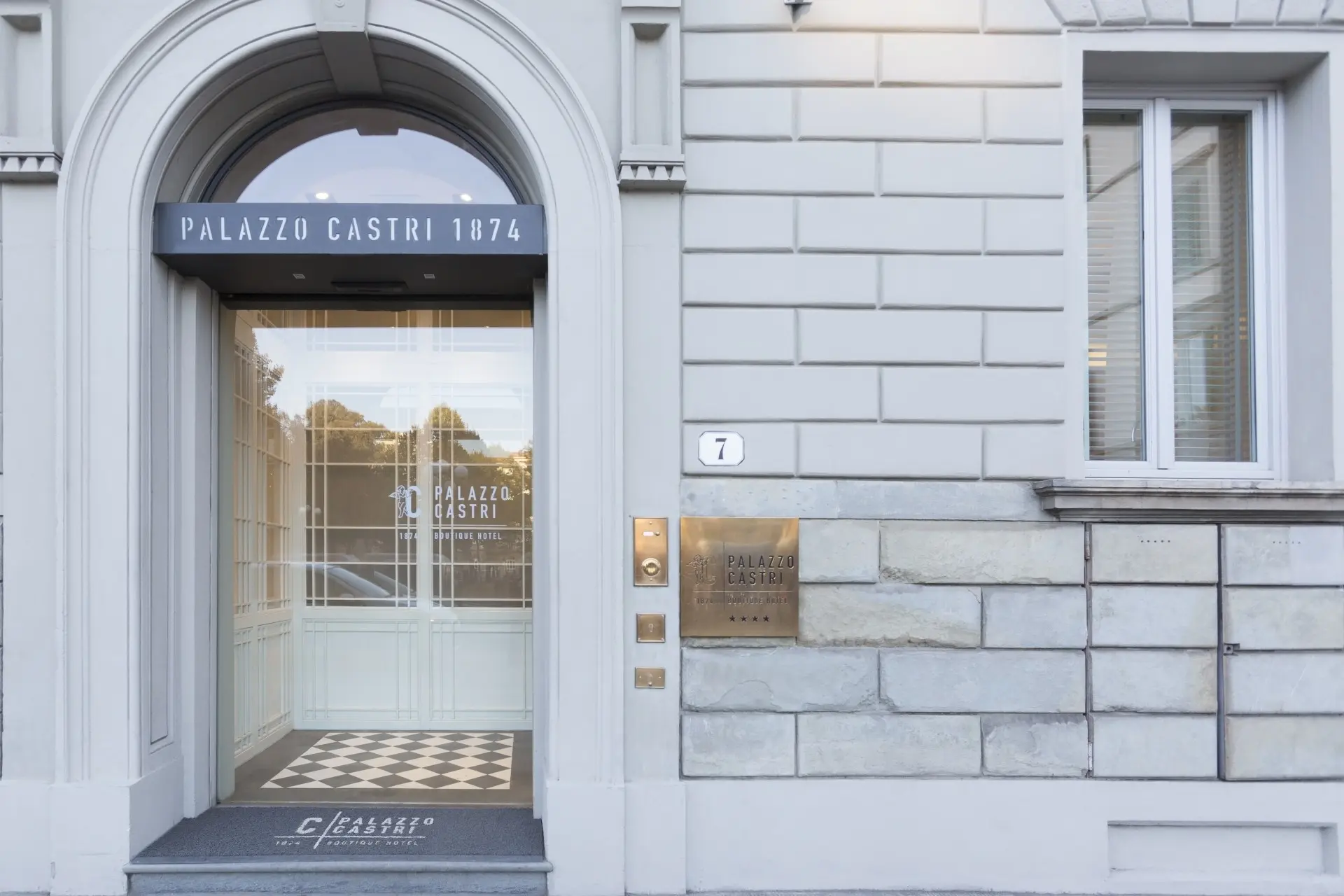
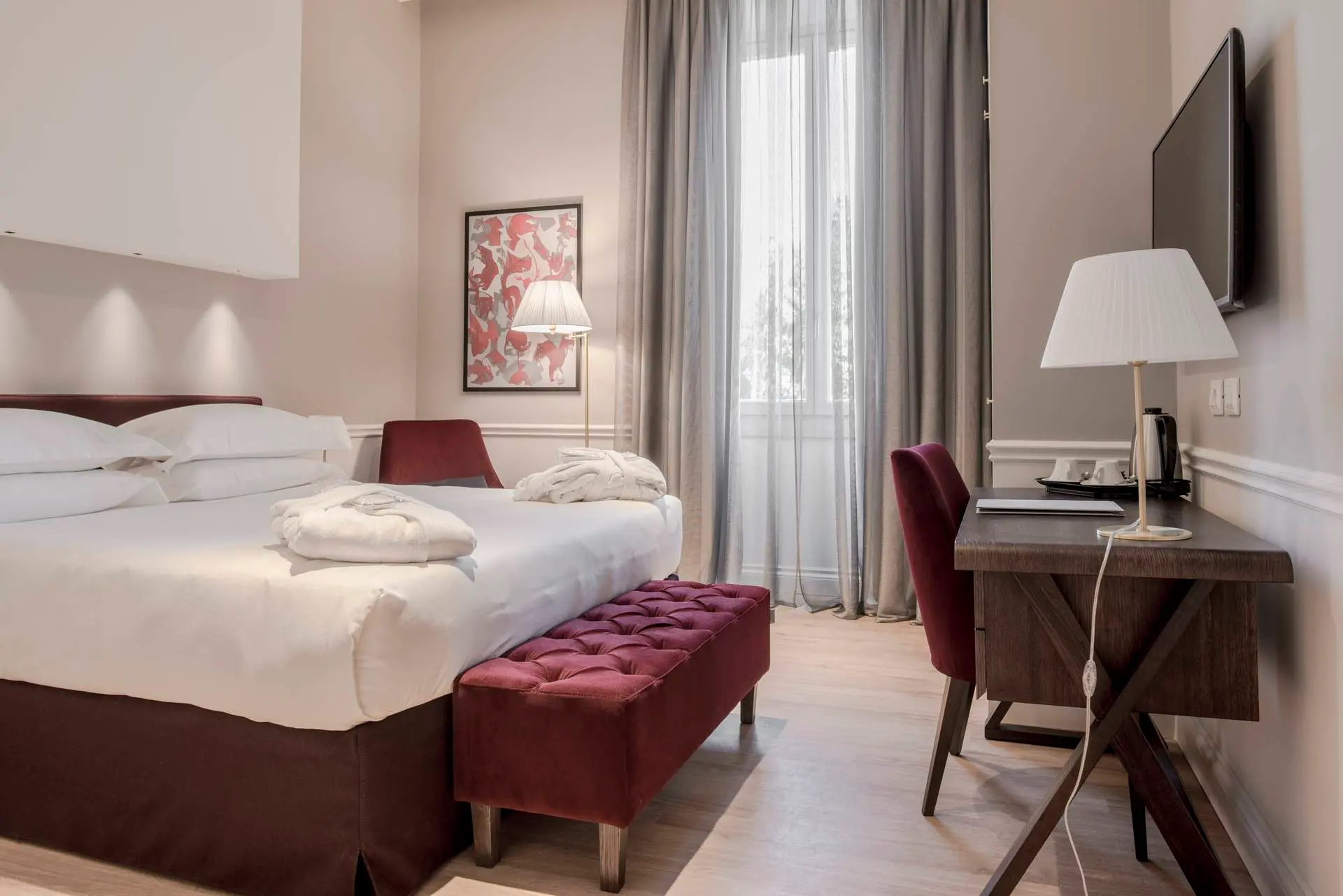
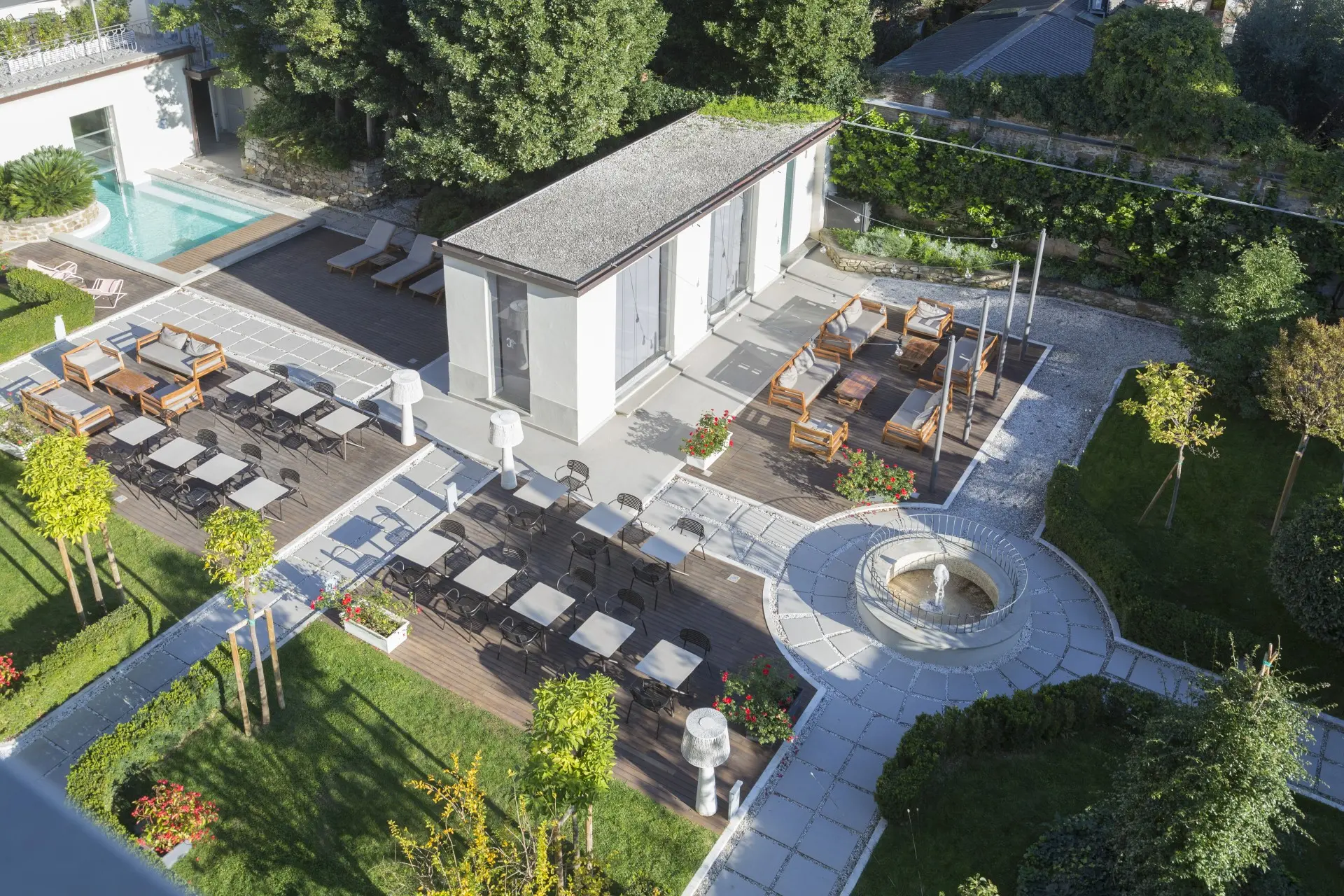
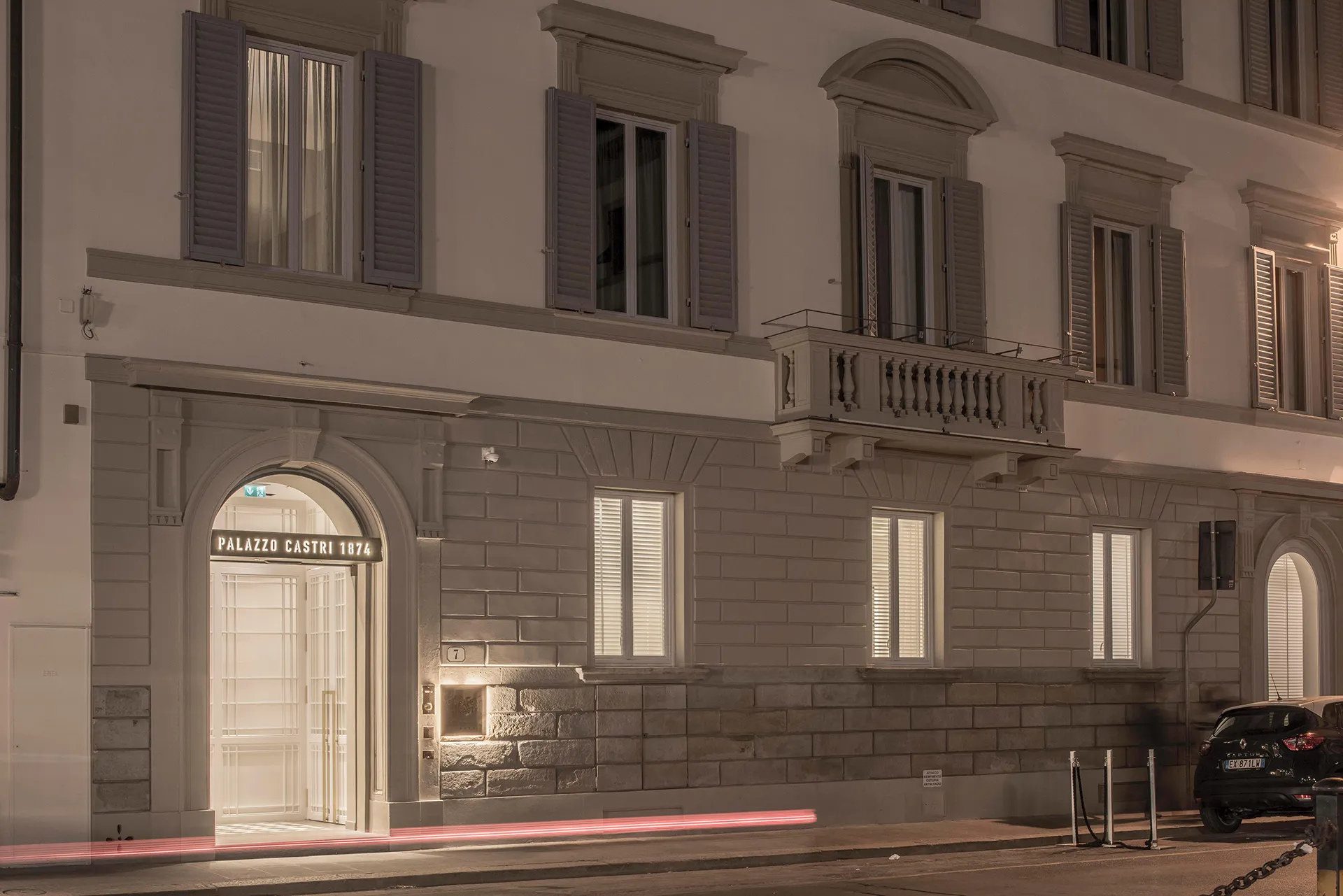
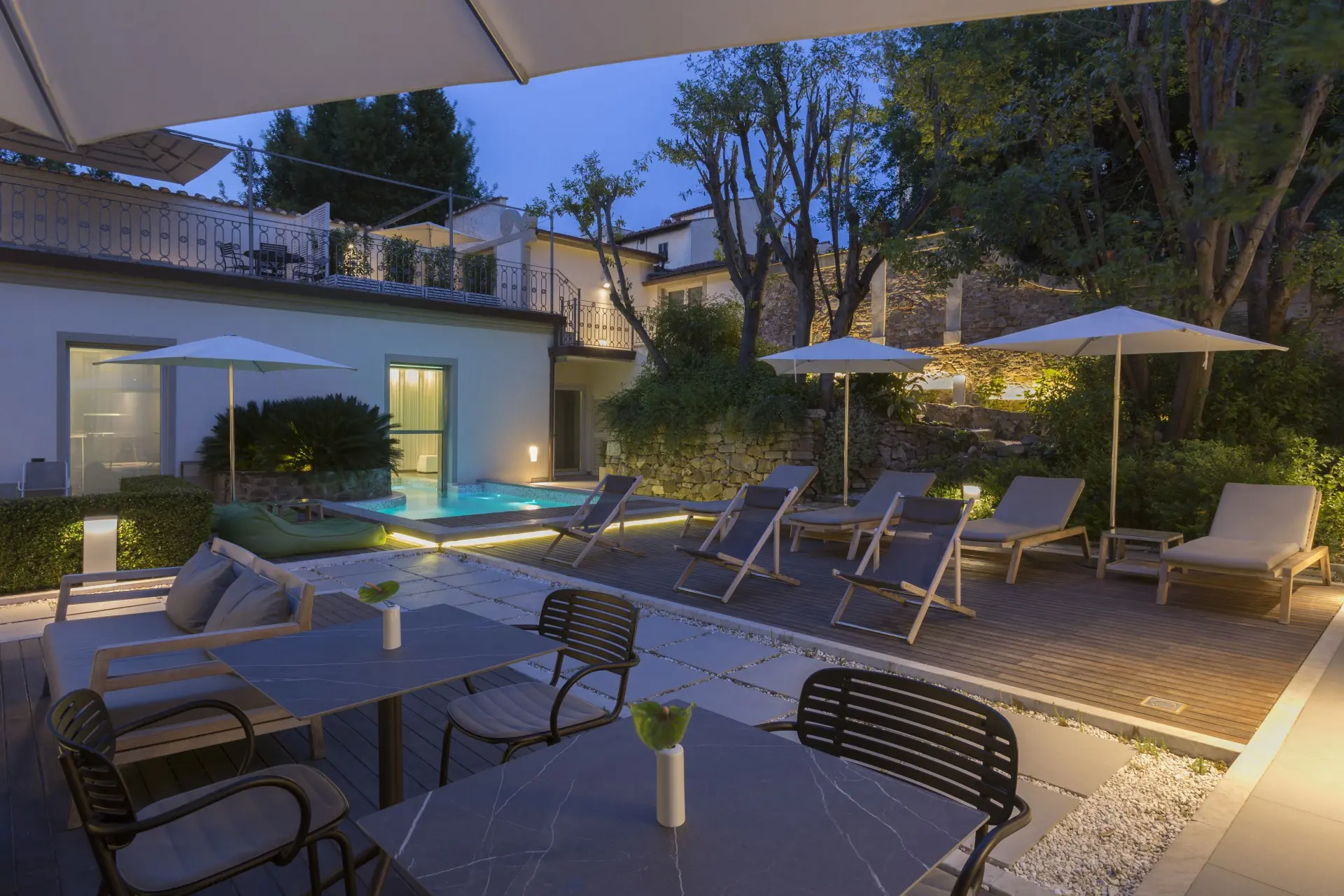
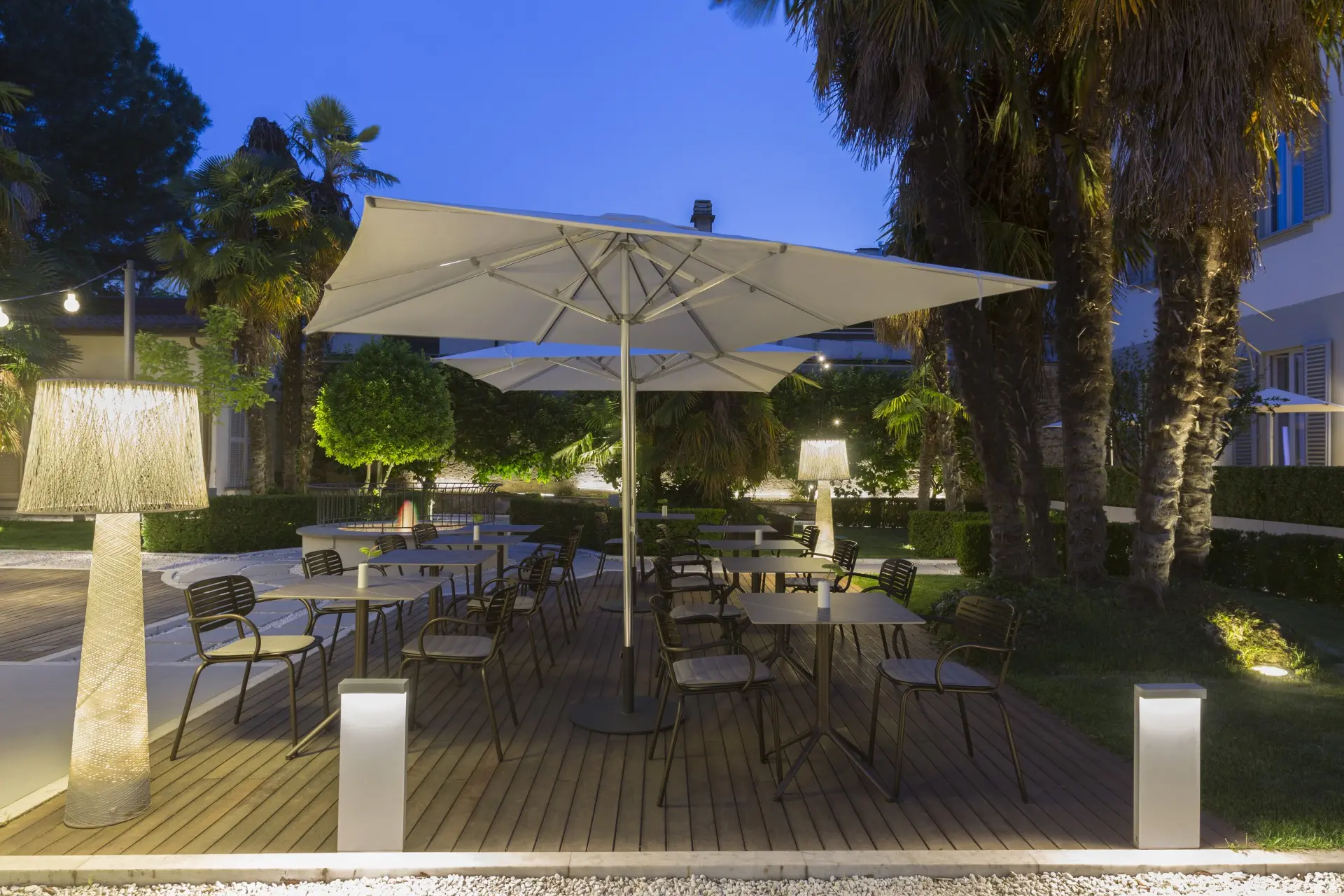
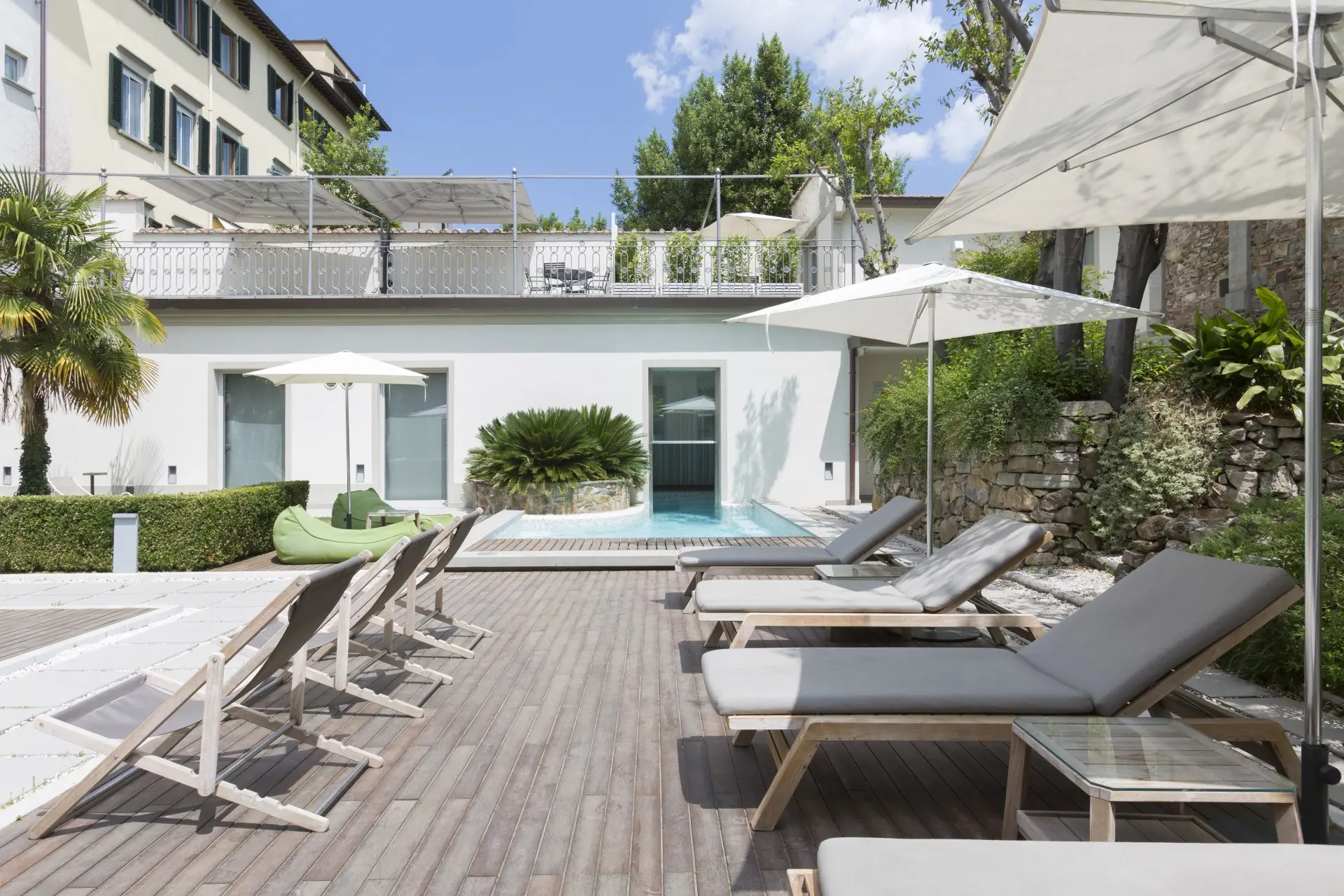
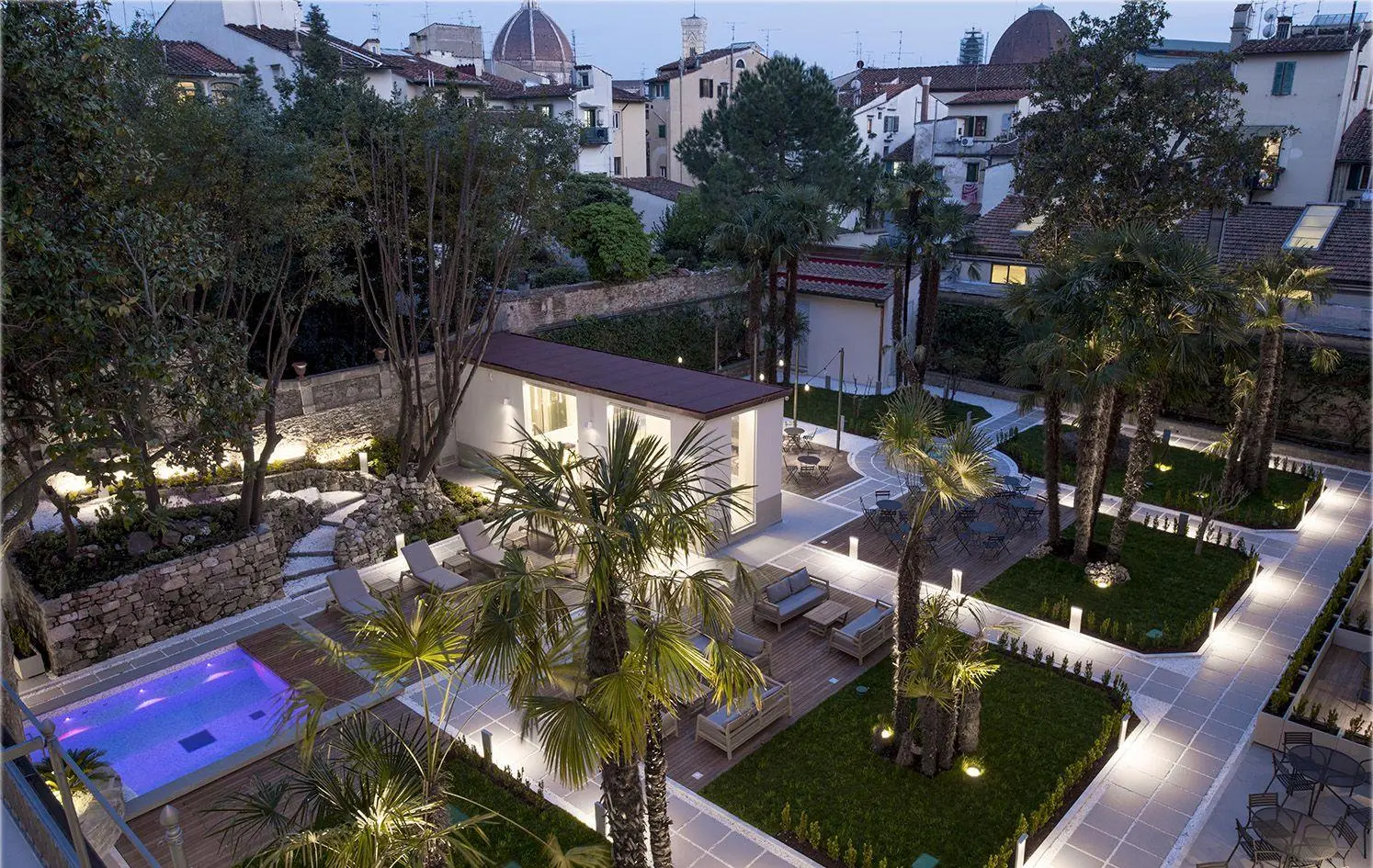
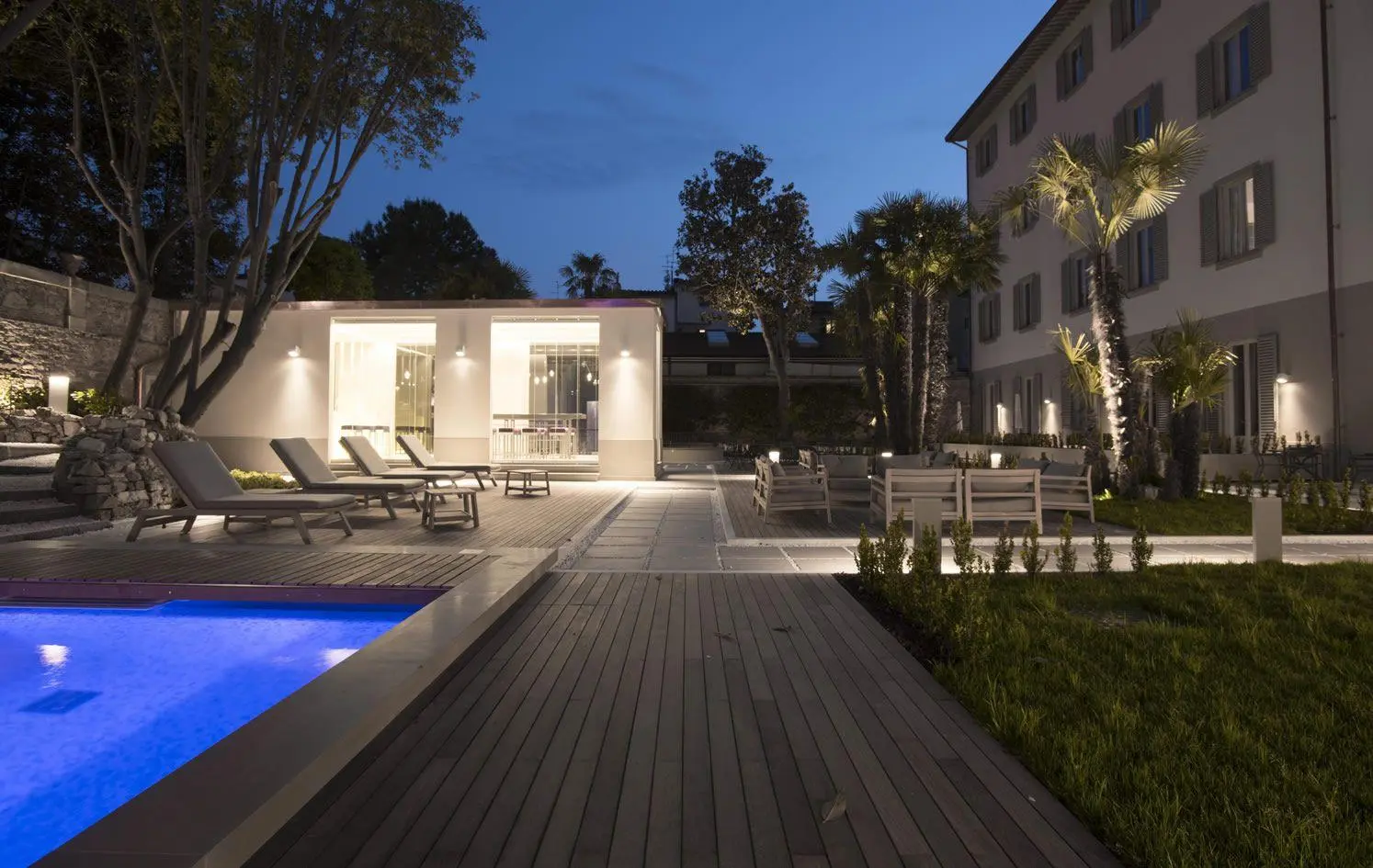
The restoration project of Hotel Palazzo Castri is located in the historic center of Florence and focuses on the recovery and enhancement of a historic building dedicated to hospitality. The intervention aims to combine architectural heritage conservation, functional upgrading, and high-quality hospitality spaces, while respecting the building’s historical and material characteristics.

Historical framework and urban context

Palazzo Castri is an integral part of Florence’s historic urban fabric, characterized by strong architectural stratification and heritage protection constraints. The project addresses a context of exceptional cultural value, requiring design solutions fully compatible with the building’s identity and historical significance.

Conservation principles and restoration criteria

Design decisions are based on the principles of conservative restoration, favoring targeted, reversible, and compatible interventions. The project focuses on preserving original architectural elements while integrating technical solutions that improve functional performance without compromising the building’s character.

Functional upgrading and hospitality spaces

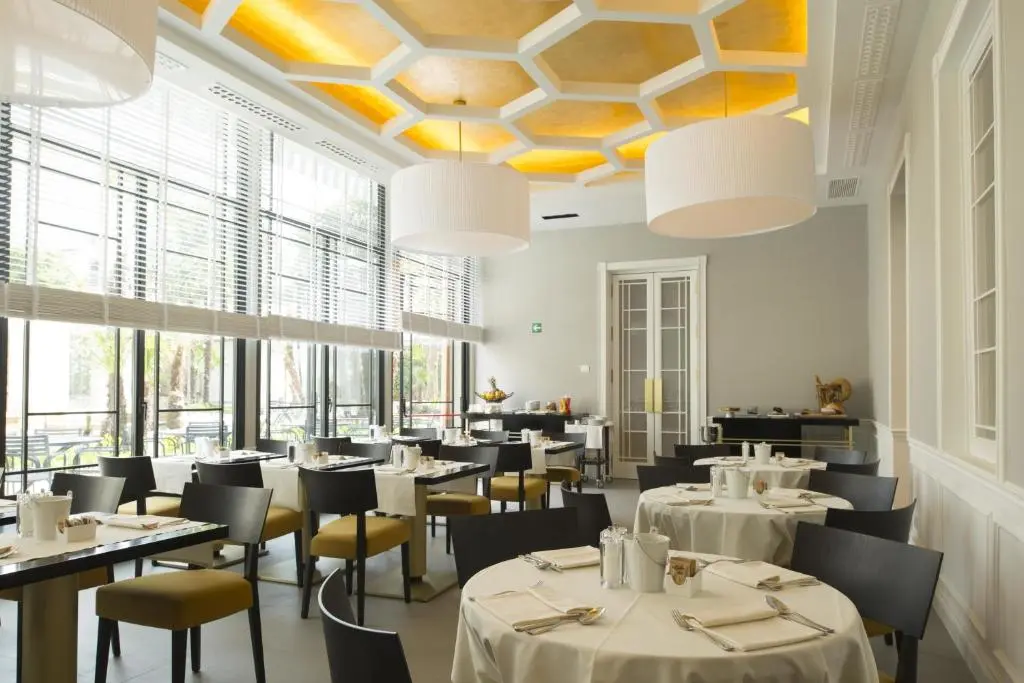
The restoration includes a functional upgrading of interior spaces, aimed at meeting contemporary hospitality standards. The reorganization of the internal layout enhances comfort, usability, and the overall guest experience, maintaining a balanced relationship between operational requirements and historic preservation.

Hotel restoration as heritage enhancement

The intervention at Hotel Palazzo Castri represents an example of heritage-focused hotel restoration, where architectural conservation is combined with new functional needs. The project contributes to the enhancement of the building and strengthens Florence’s hospitality offer within its historic city center.

PLACE

Firenze (FI)

CLIENT

Private

WORK PERIOD
ACTIVITY

Architectural project in variant
Structural Design
Works Supervision

TYPOLOGY

Restoration

INTENDED USE

Receptive

WORK AMOUNT
WORKING GROUP

Studio Paci Srl

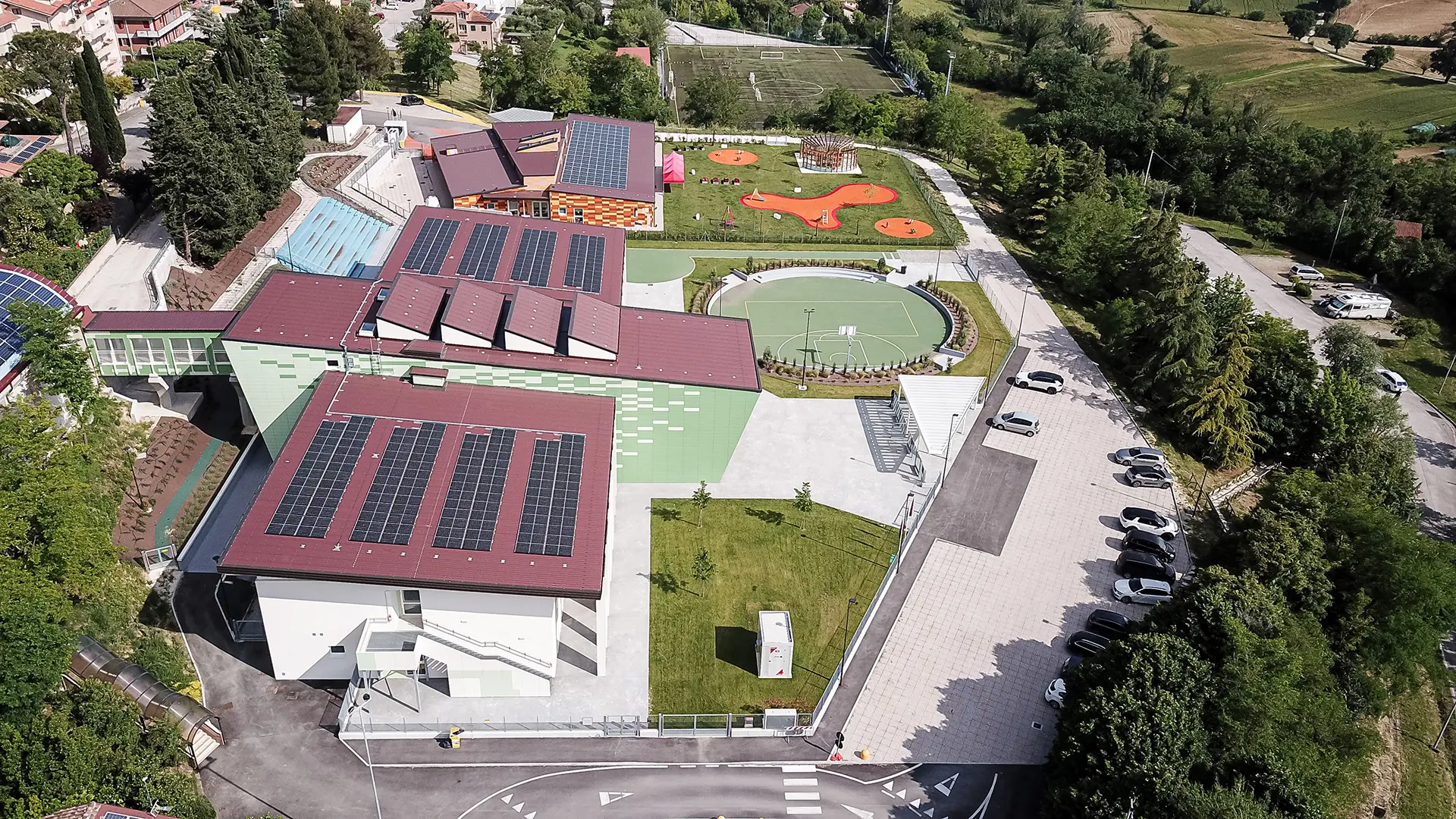
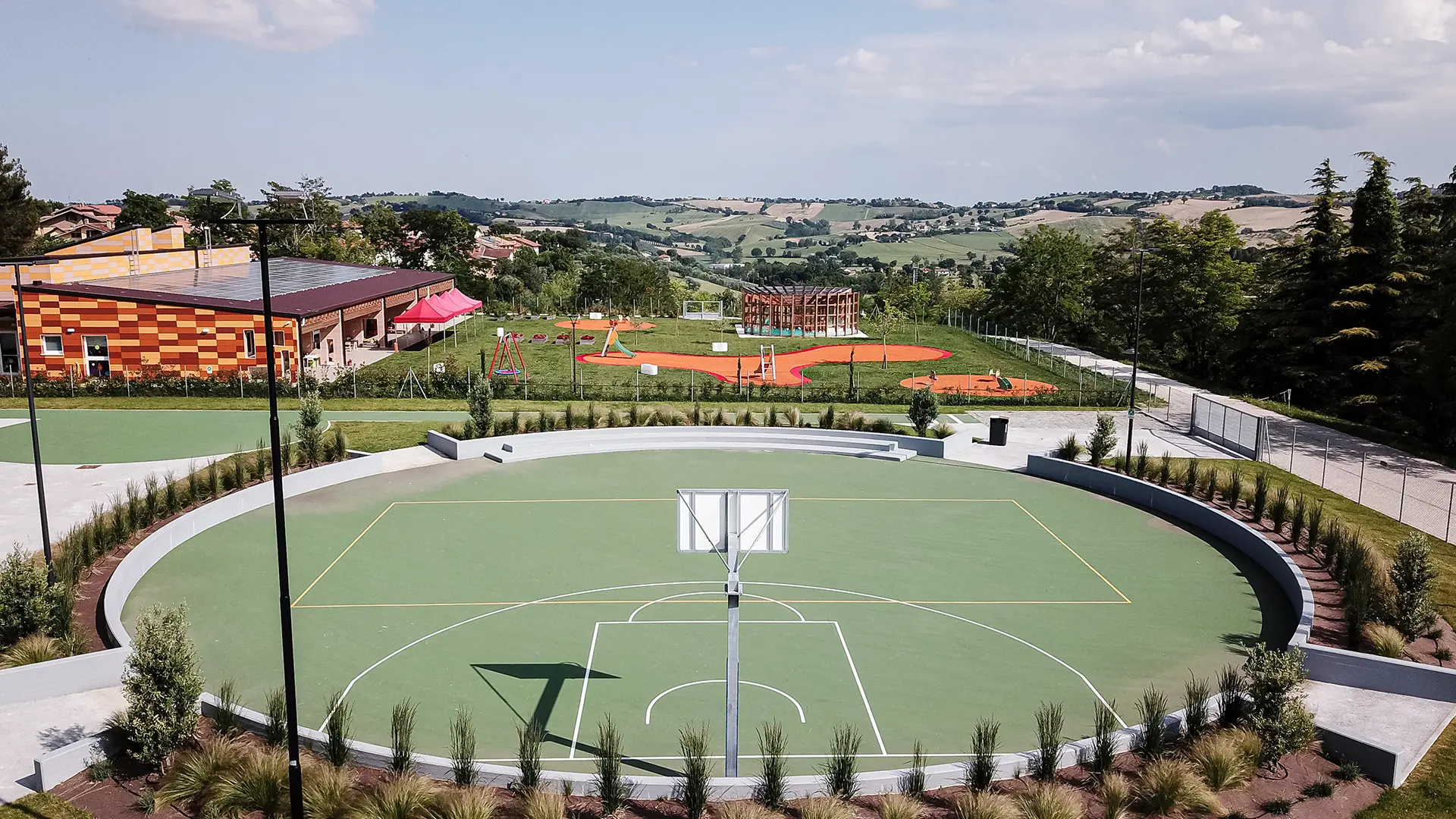
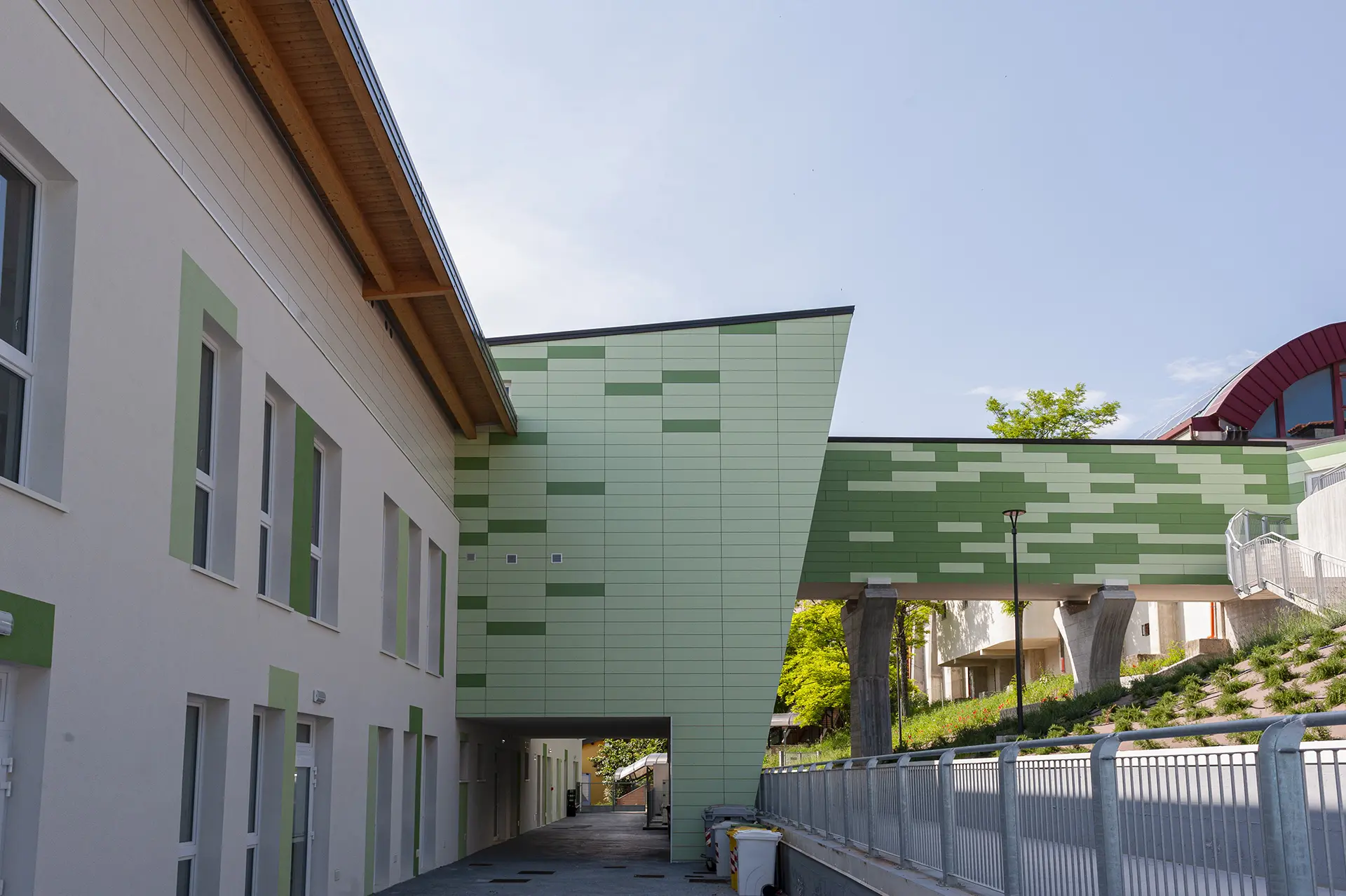
Lower secondary school

Lower secondary school

Construction of a new lower secondary school.

An Integrated School Campus in Corinaldo

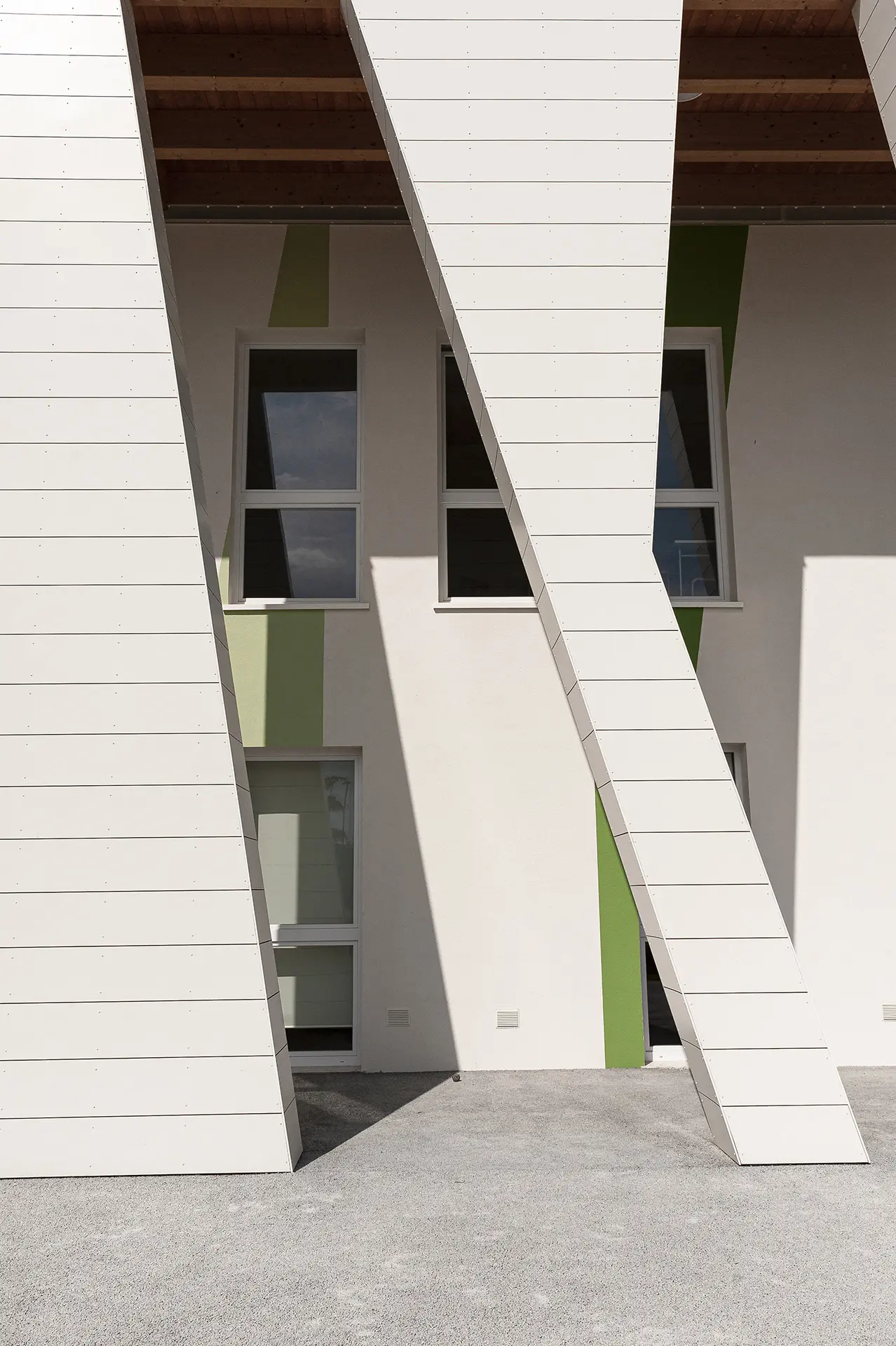
The new Lower Secondary School of Corinaldo (AN) is conceived as an innovative project that places student well-being and the quality of educational spaces at its core. Located next to the S. M. Goretti primary school and the municipal sports hall, the building is part of a broader vision for a fully integrated school campus, designed to combine education, social interaction, and strong connections with the local community.

Bright and Sustainable School Architecture

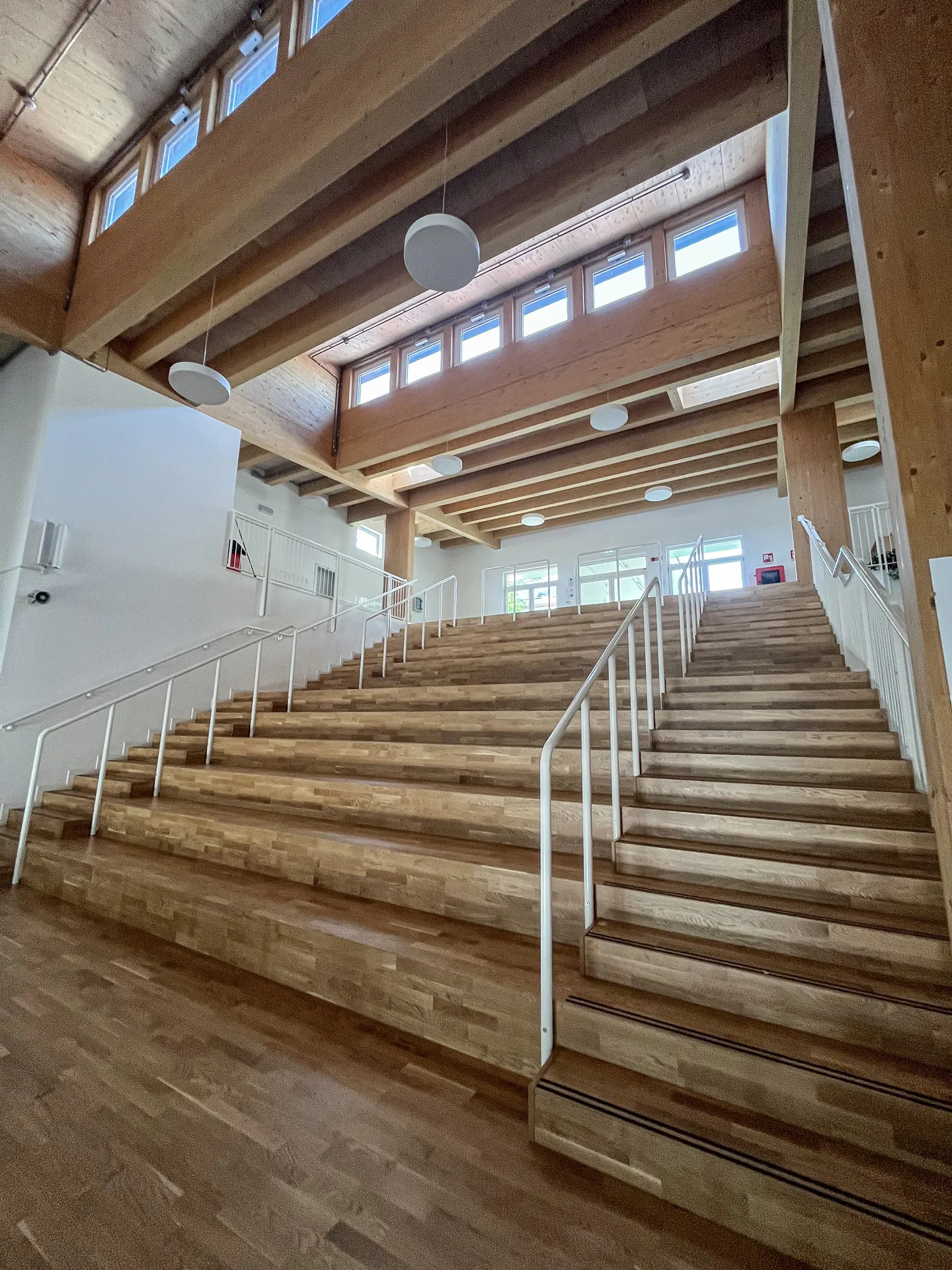
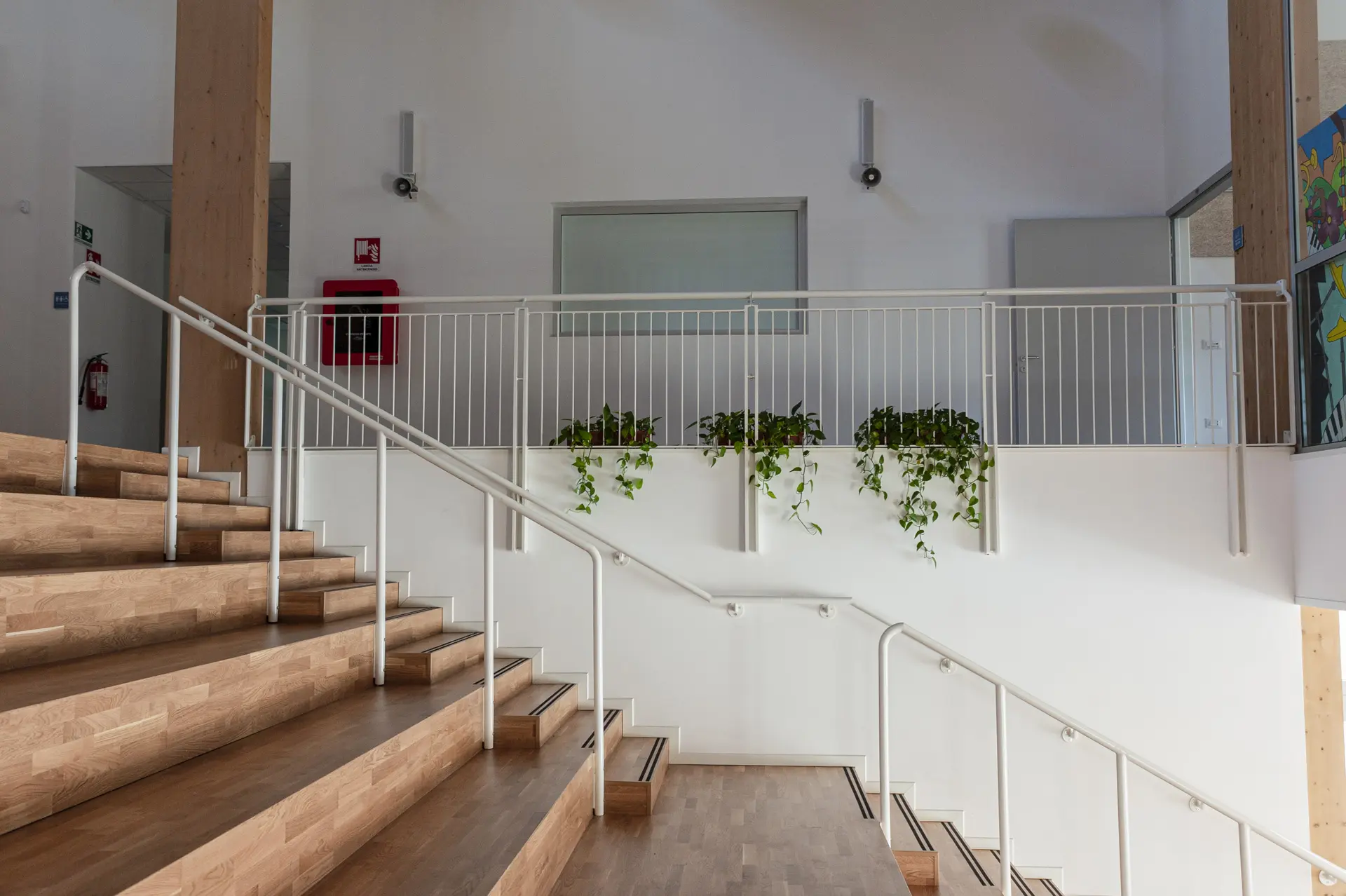
The building is organized around a central multifunctional atrium, which acts as the heart of school life and a key gathering space. Large glazed surfaces and skylights ensure abundant natural daylight throughout all areas, creating welcoming and stimulating learning environments.
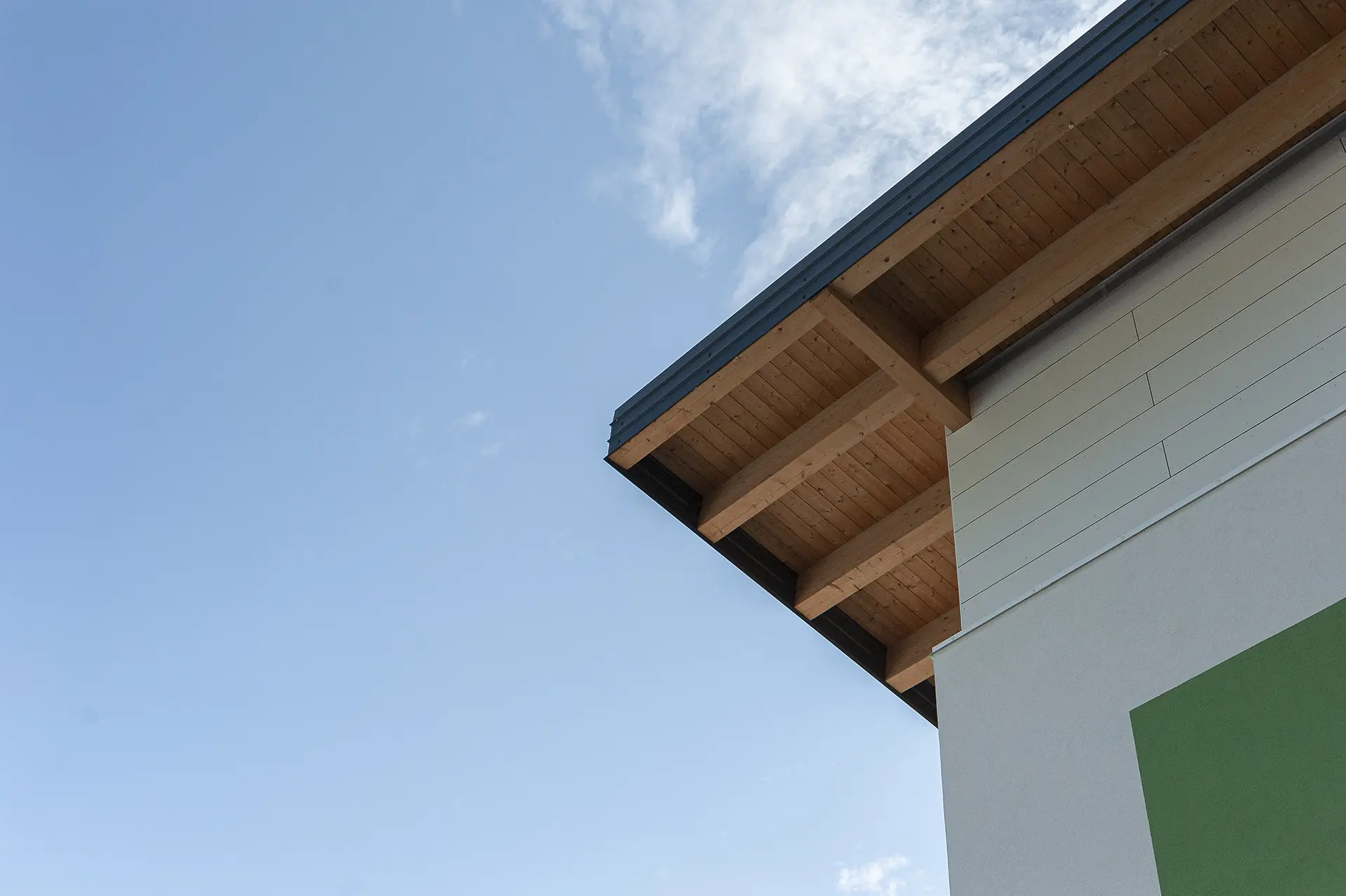
The design stands out for its strong focus on environmental sustainability, achieved through the use of eco-compatible materials and advanced technological solutions, including photovoltaic panels for renewable energy production, high-efficiency underfloor heating systems, and energy-saving technologies aimed at reducing environmental impact.

Contemporary Learning and Safe Educational Spaces

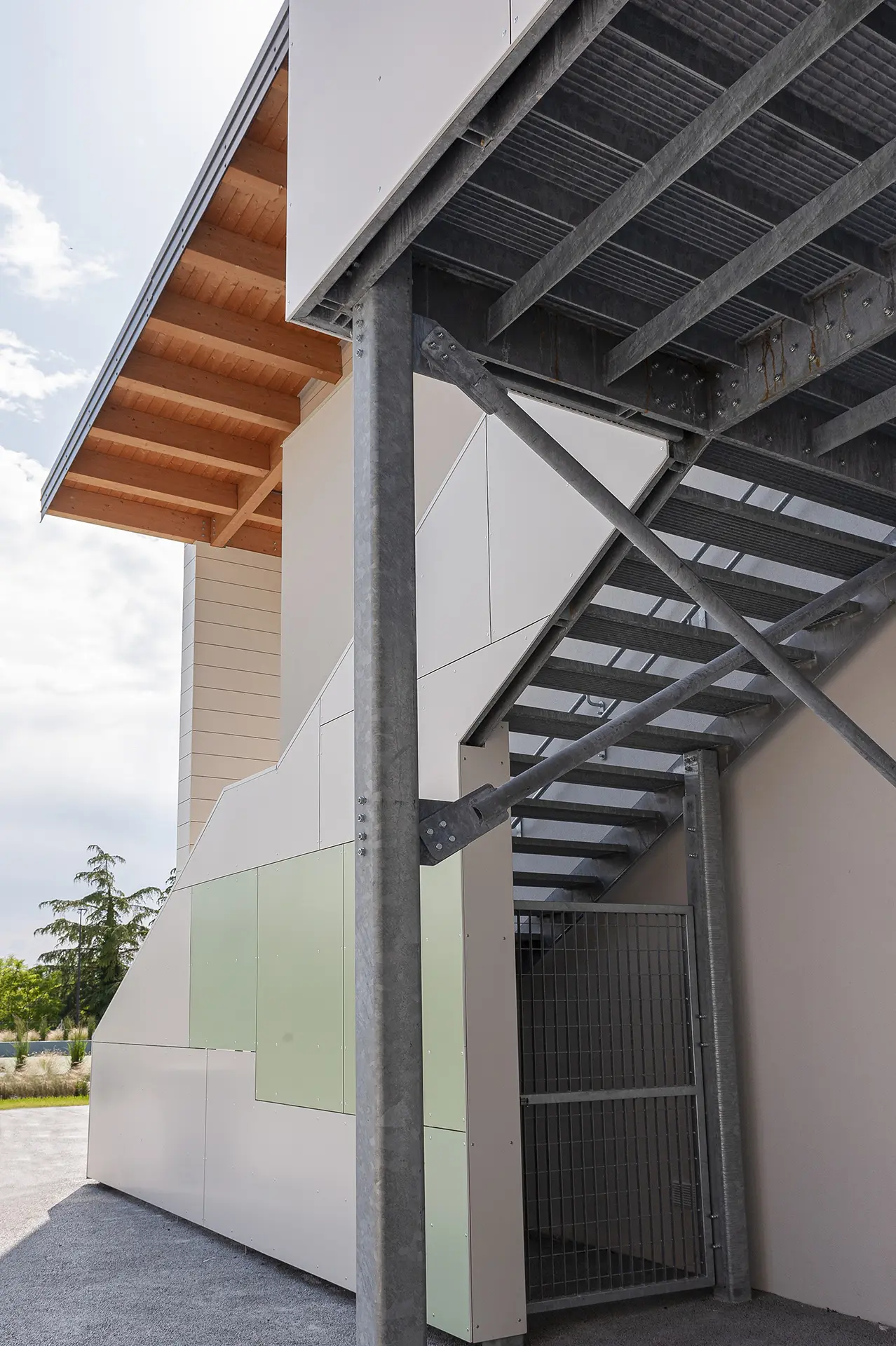
The school is designed to meet the needs of contemporary education, featuring flexible classrooms, interdisciplinary laboratories, and spaces dedicated to recreational and social activities. Outdoor areas include green spaces, covered walkways, and protected paths, supporting play, social interaction, and outdoor learning.
Safety is ensured through seismic-resistant structures and fully accessible circulation routes, resulting in a truly inclusive, student-centered educational building.

A Model for Innovative School Architecture

The new Lower Secondary School of Corinaldo represents a best-practice example of innovative school architecture, where design quality, sustainability, and student well-being converge. The project delivers an educational environment capable of inspiring, welcoming, and supporting future generations.

PLACE

Corinaldo (AN)

CLIENT

Unione dei comuni Misano-Nevola

WORK PERIOD
ACTIVITY

Safety coordination
Structural Design
Structural Works Management

TYPOLOGY

New Construction

INTENDED USE

Education

WORK AMOUNT
WORKING GROUP

Arch. Silvia Lupini
Englobe
Ing. Alberto Romagnoli
Vitre Studio S.r.l.

Palazzo Perticari

Palazzo Perticari

Conservative restoration, structural consolidation and functional reuse

An Integrated Restoration, Seismic Upgrading, and Adaptive Reuse Project

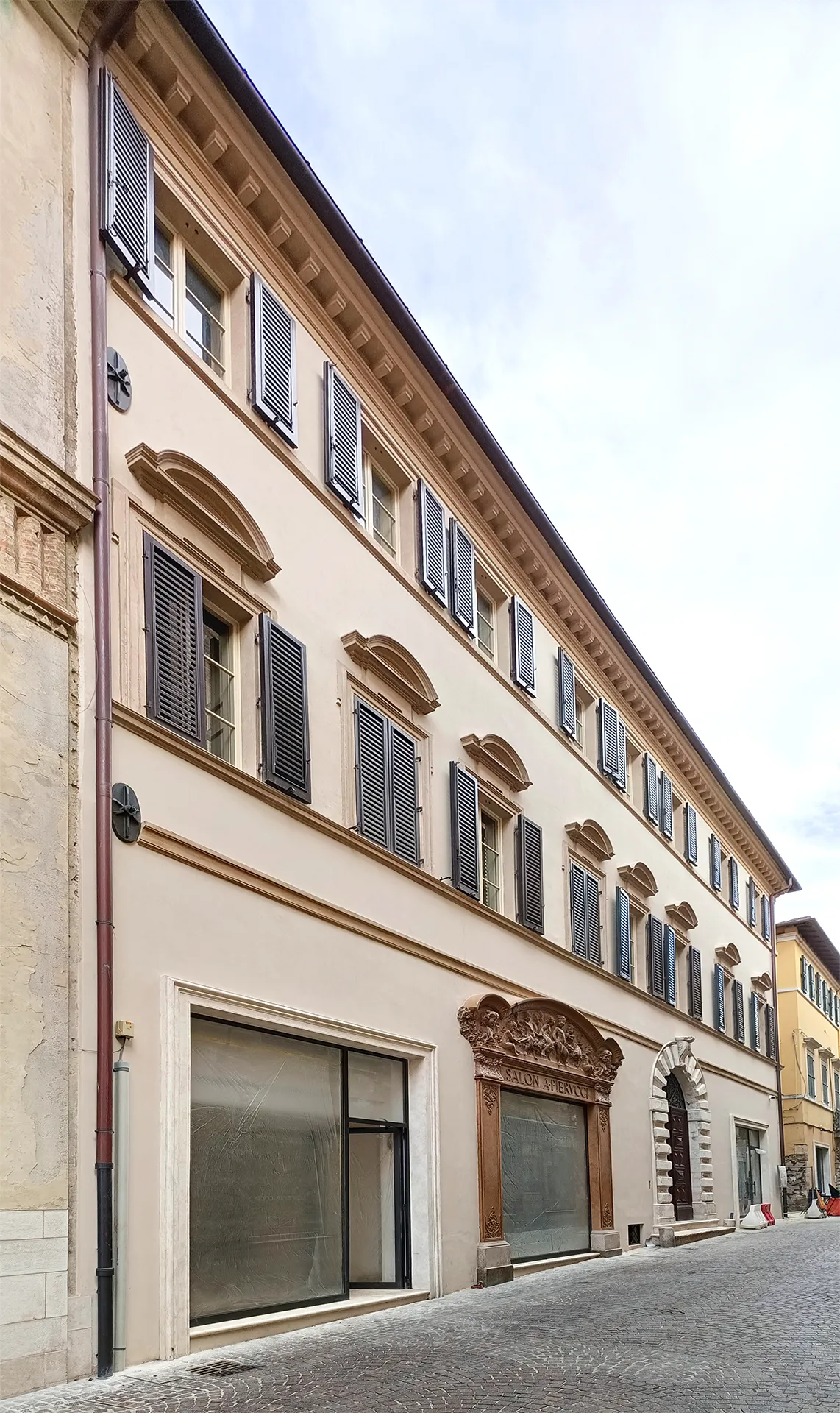
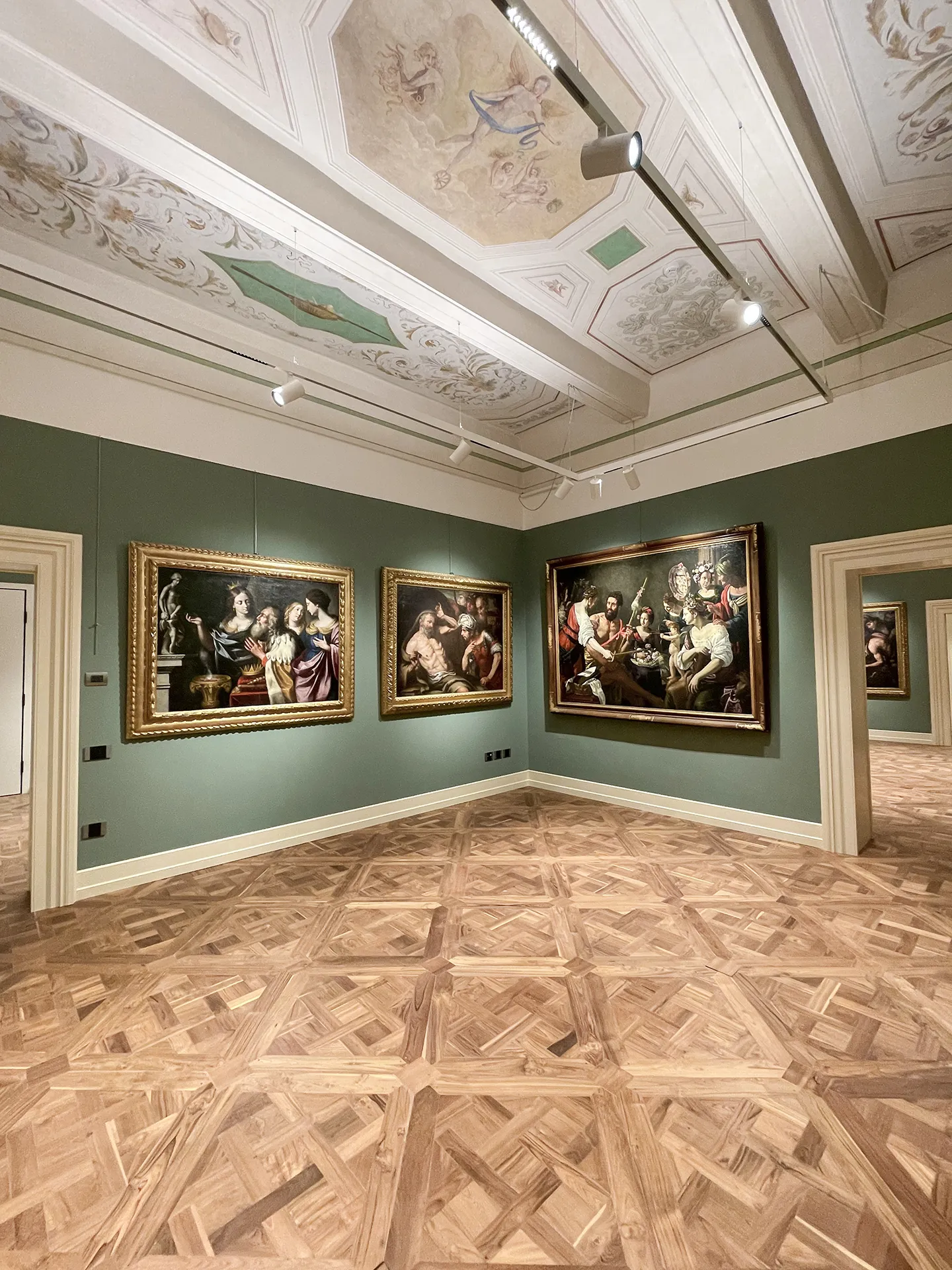
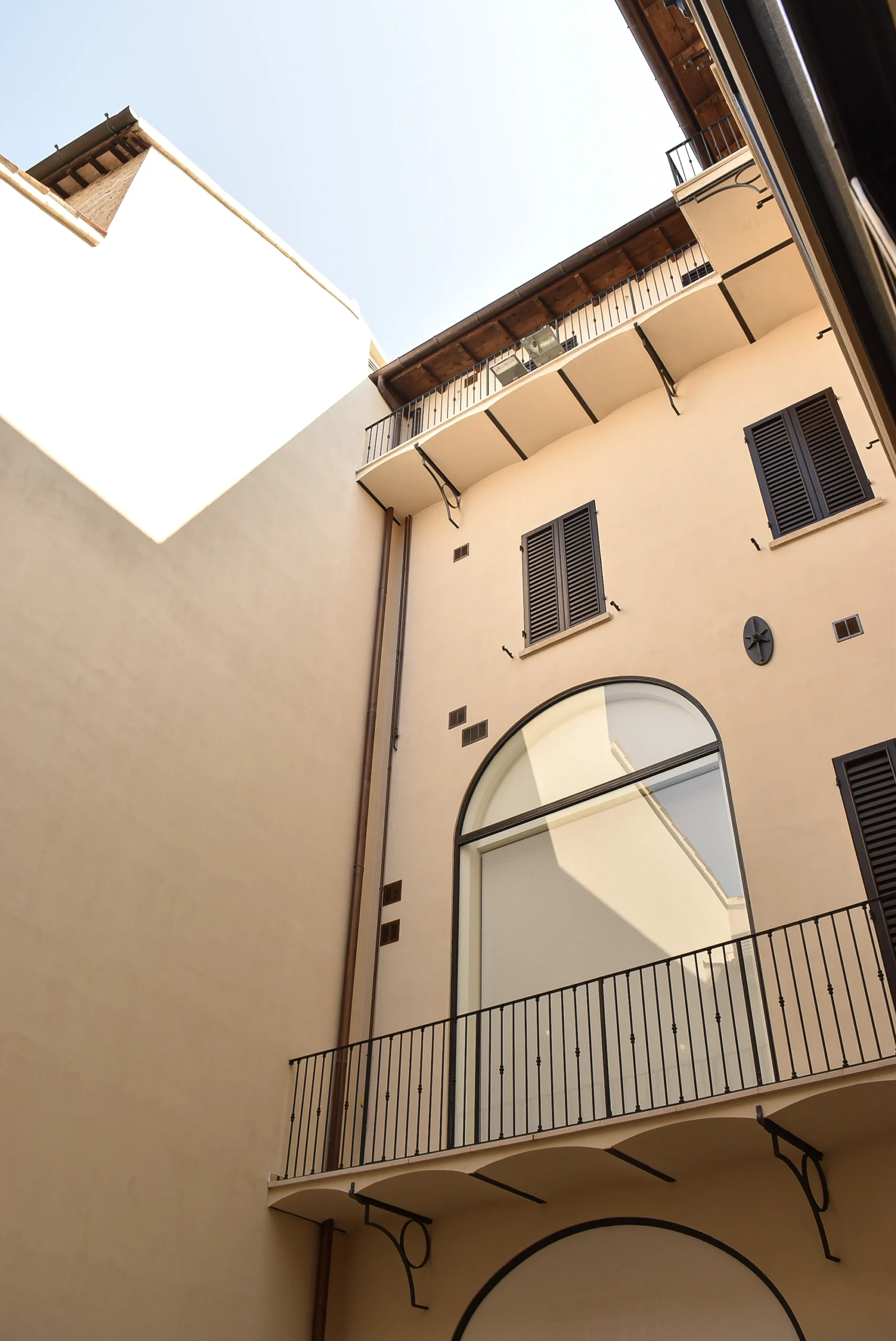
Palazzo Perticari, one of the most distinguished historic buildings in Pesaro, has long served as a cultural and architectural landmark. Overlooking the city’s main street and built upon a Renaissance core, the palazzo reached its peak in the late 18th century, becoming a renowned literary salon visited by figures such as Gioachino Rossini and Stendhal.

Historical and Architectural Features

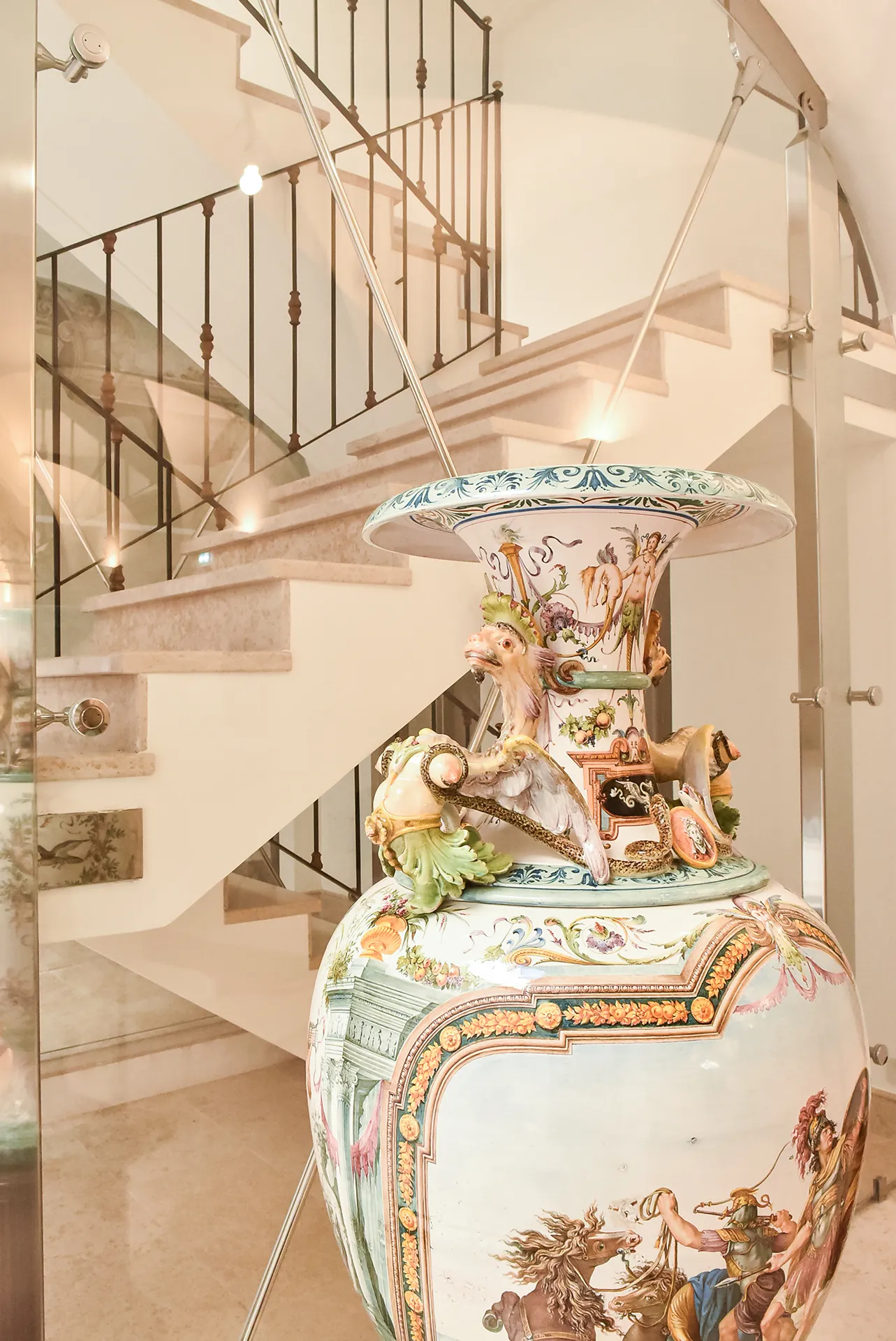
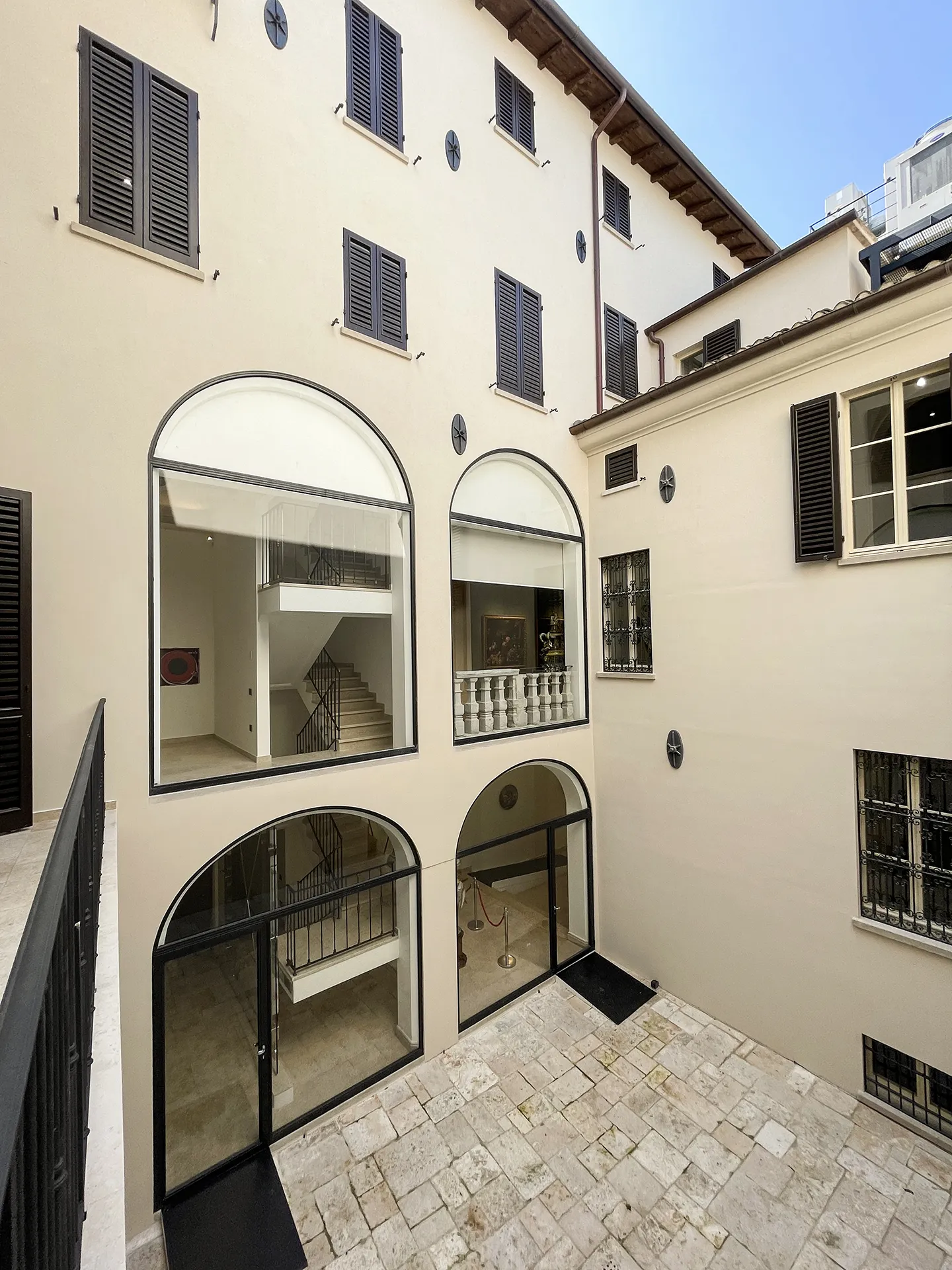
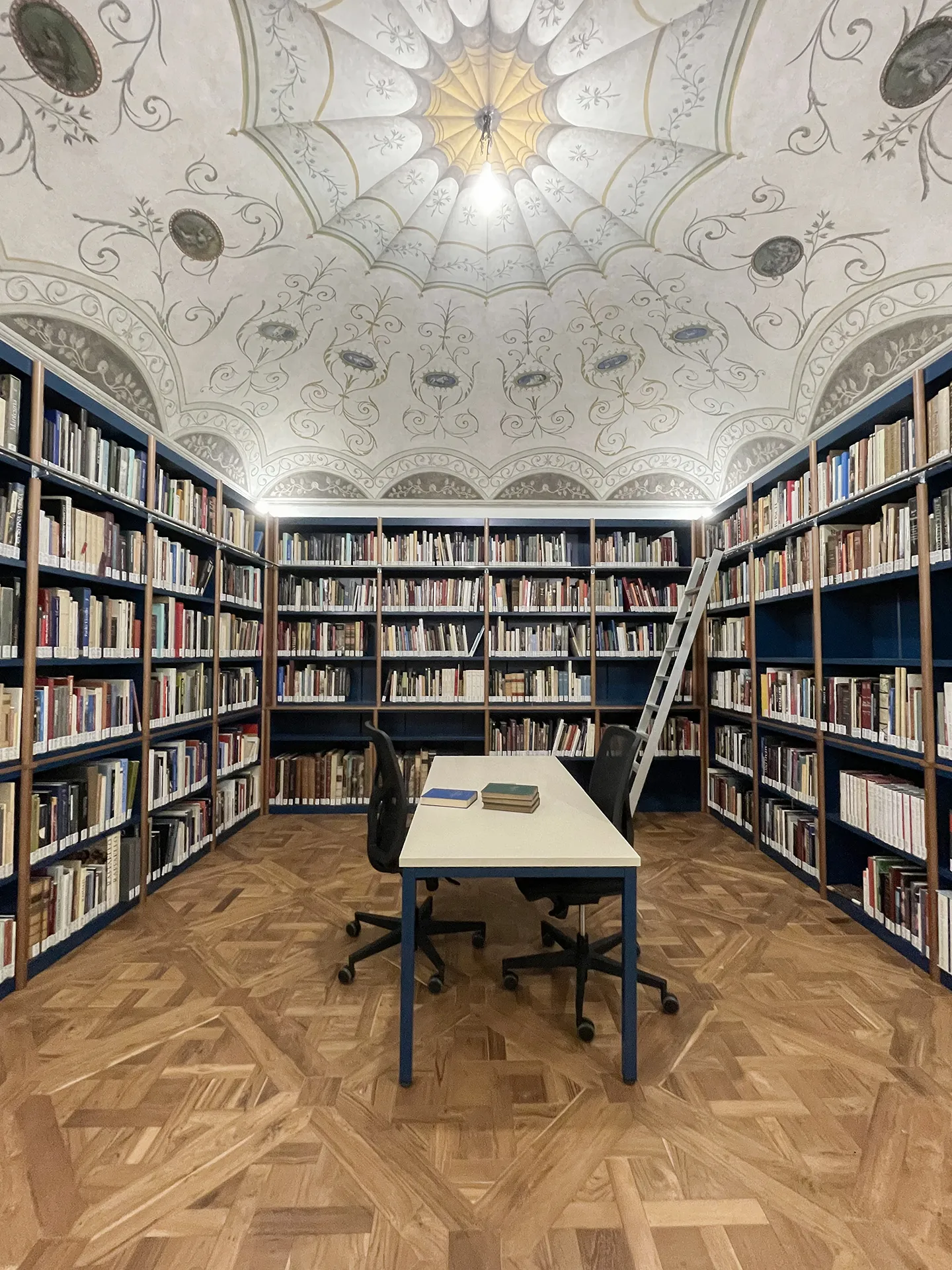
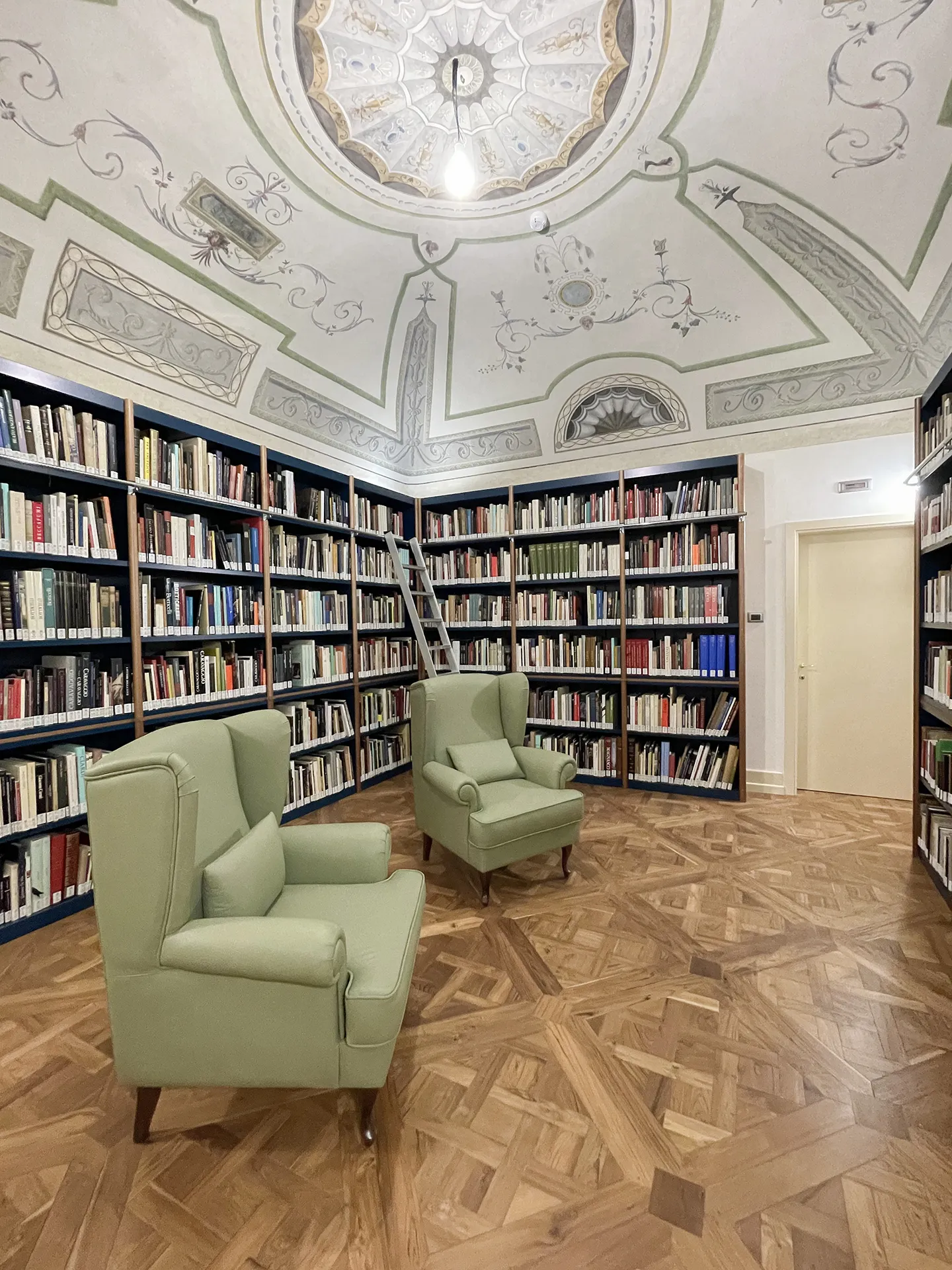
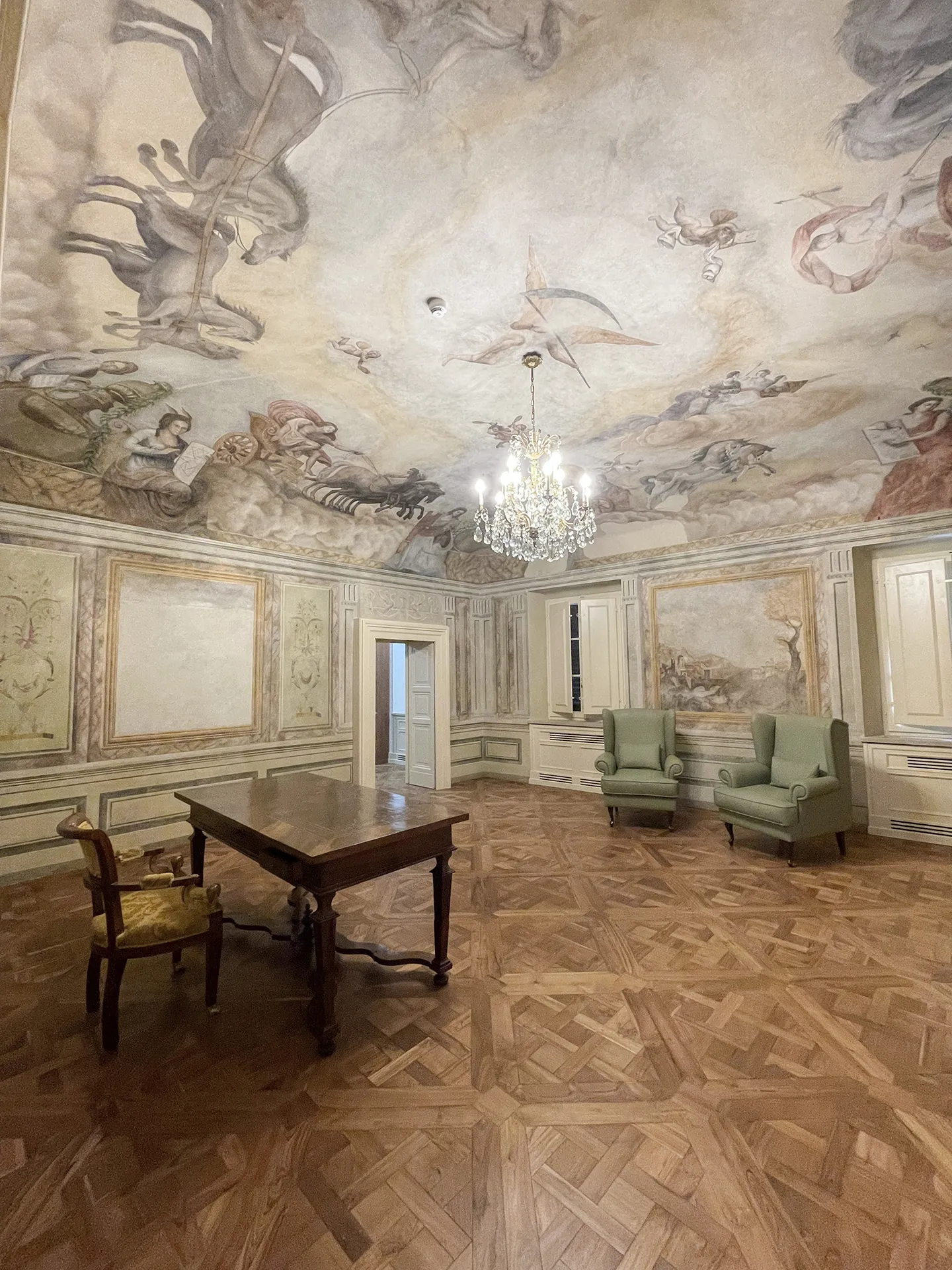
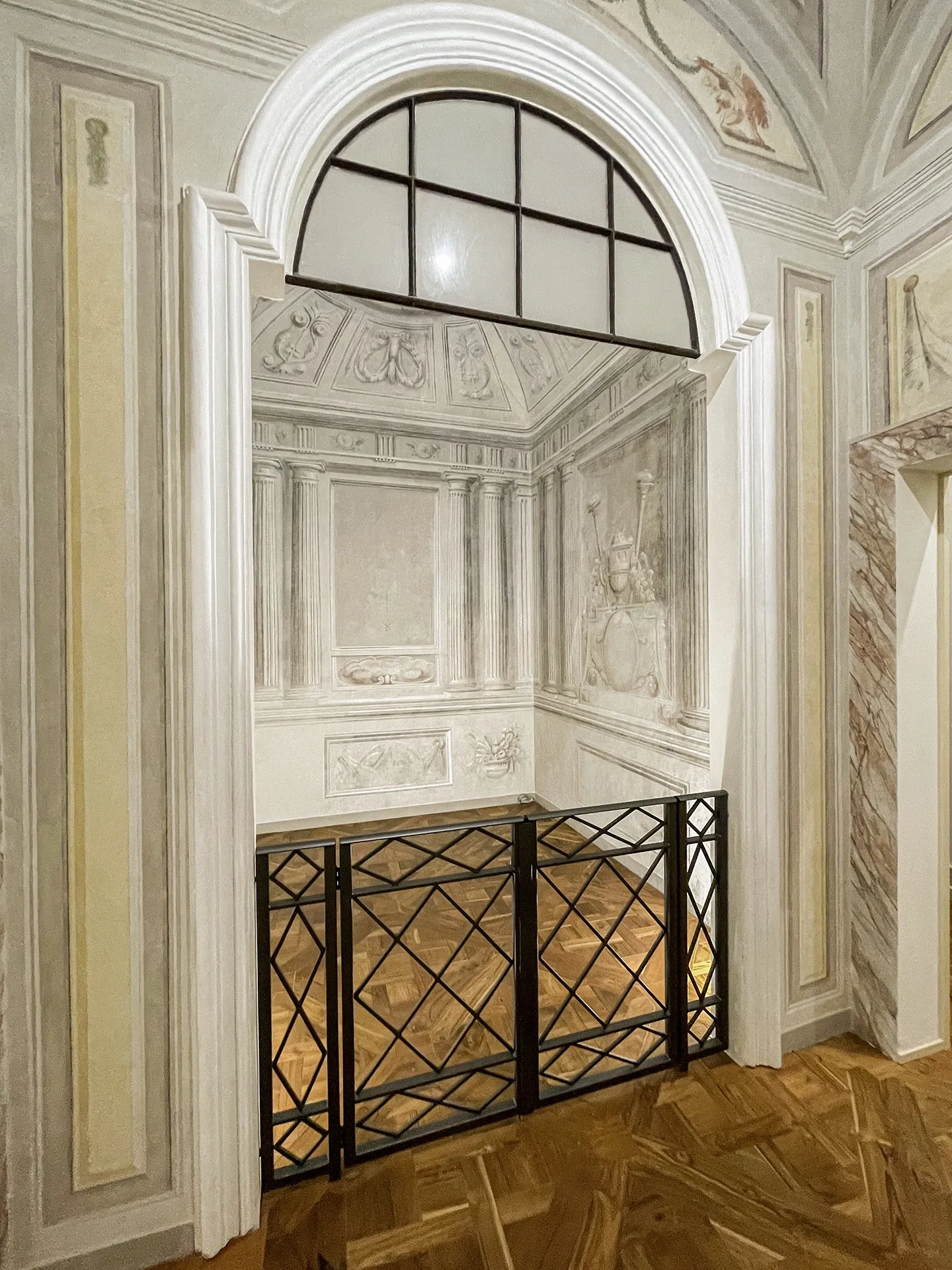
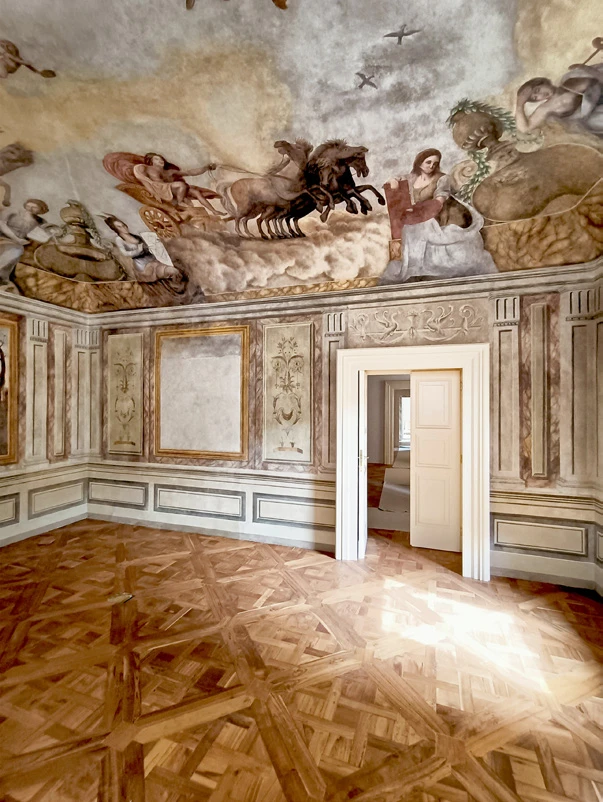
The building extends over four above-ground floors and a system of underground grottos, with a sequence of highly refined interior spaces: coffered ceilings, frescoed rooms, decorations created by pupils of Lazzarini, and the celebrated conte’s studiolo.
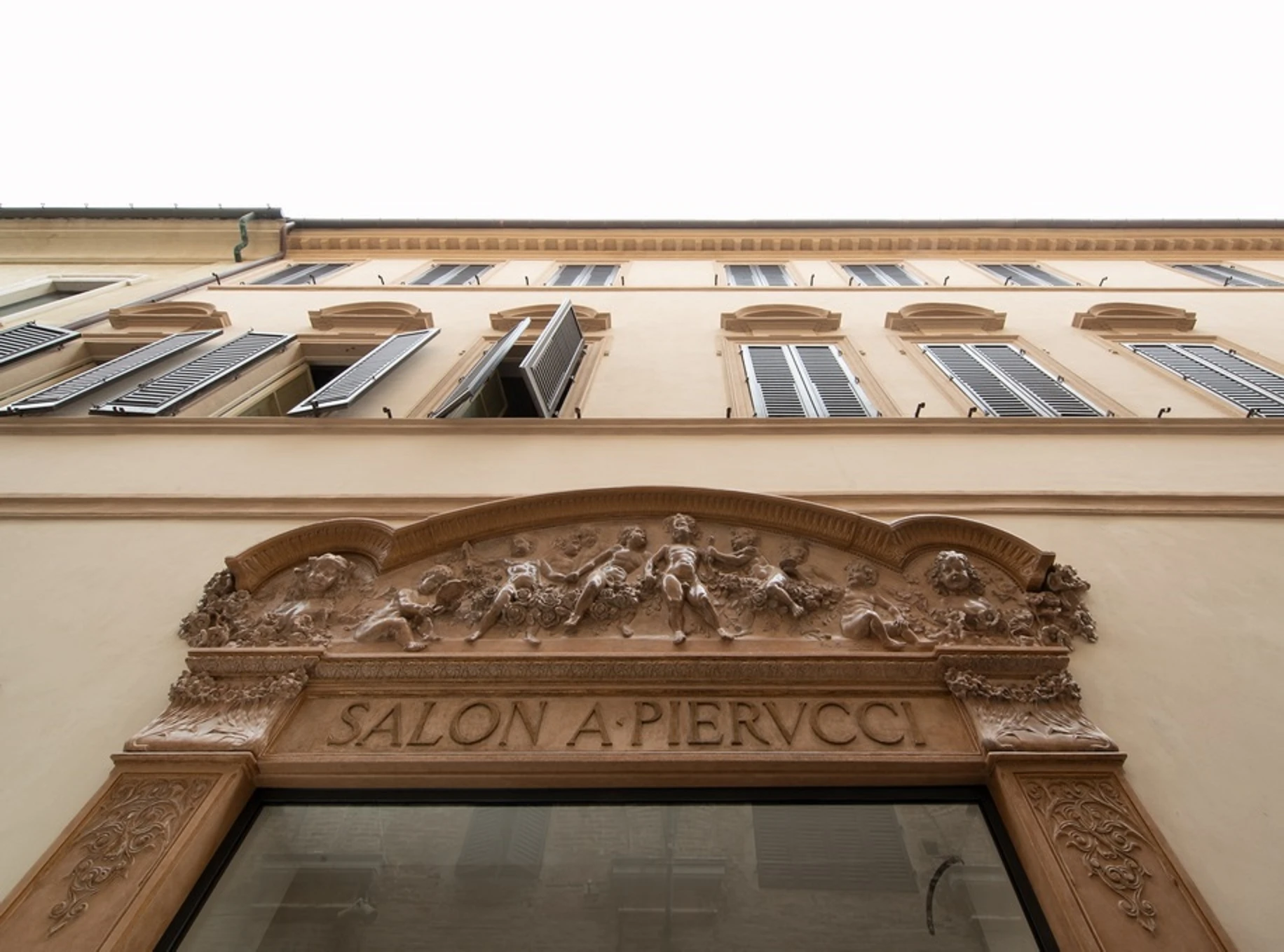
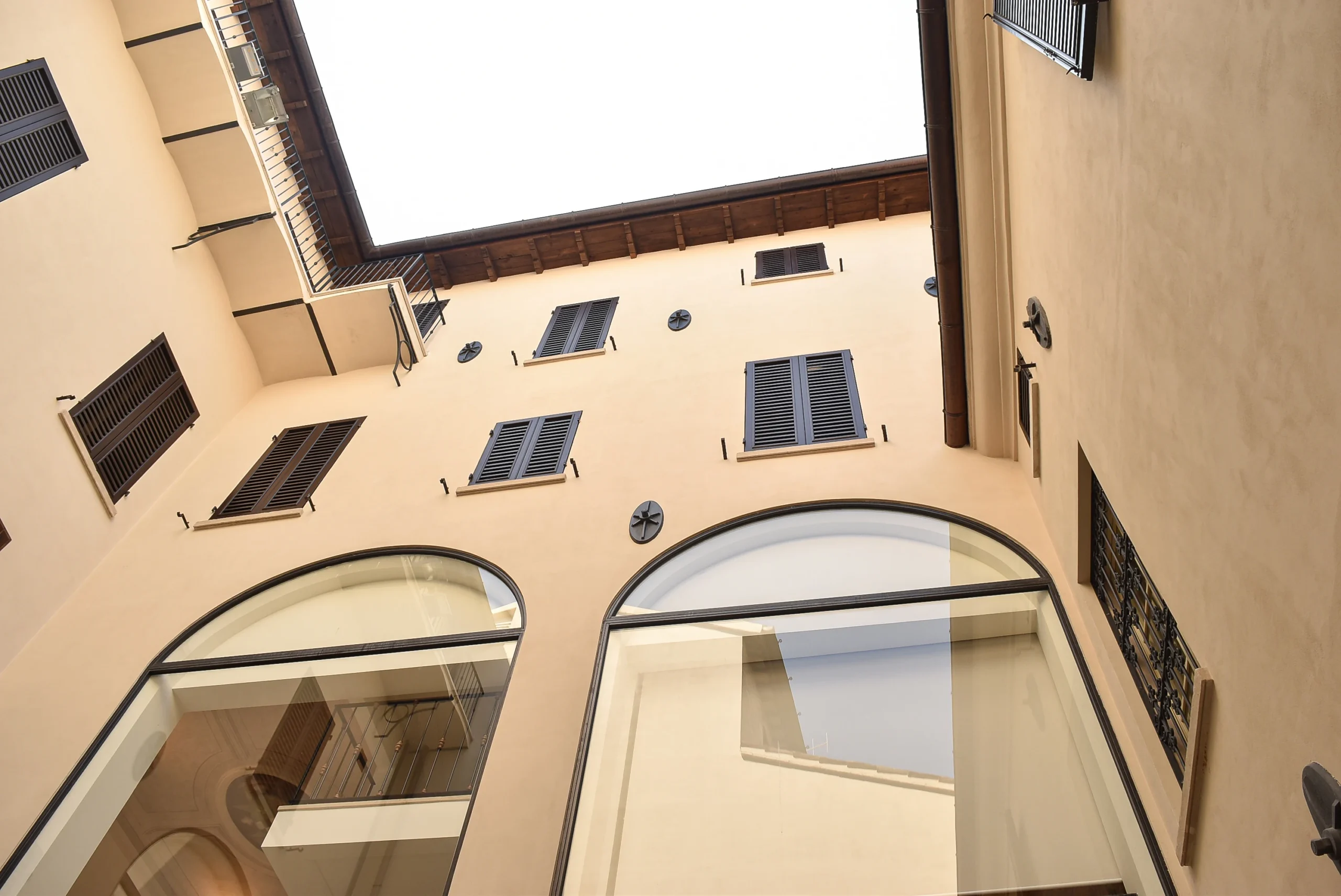
The main façade features a finely crafted marble portal, a 17th-century wooden entrance door, and a balanced three-level composition. Inside, a historic courtyard enriches the architectural value of the complex.

Structural Strengthening and Conservation Strategy

The restoration project—designed by Studio Paci—included a comprehensive program of conservation, structural strengthening, and seismic upgrading to rehabilitate an asset that, at the time of acquisition, was in a severe state of neglect and deterioration.

Key components of the intervention include:

  • Structural works for seismic performance improvement, such as foundation strengthening, reinforcement of masonry walls, enhancement of vertical connections, reconstruction of the roof structures, and stiffening of vaulted and slab systems.

  • Internal spatial reorganization, ensuring full functional compatibility with the new intended uses.

  • Restoration of architectural finishes and conservation of historic decorations, many of which had been compromised or nearly lost over time.

A Restored Landmark Returned to the City: Adaptive Reuse and Cultural Value

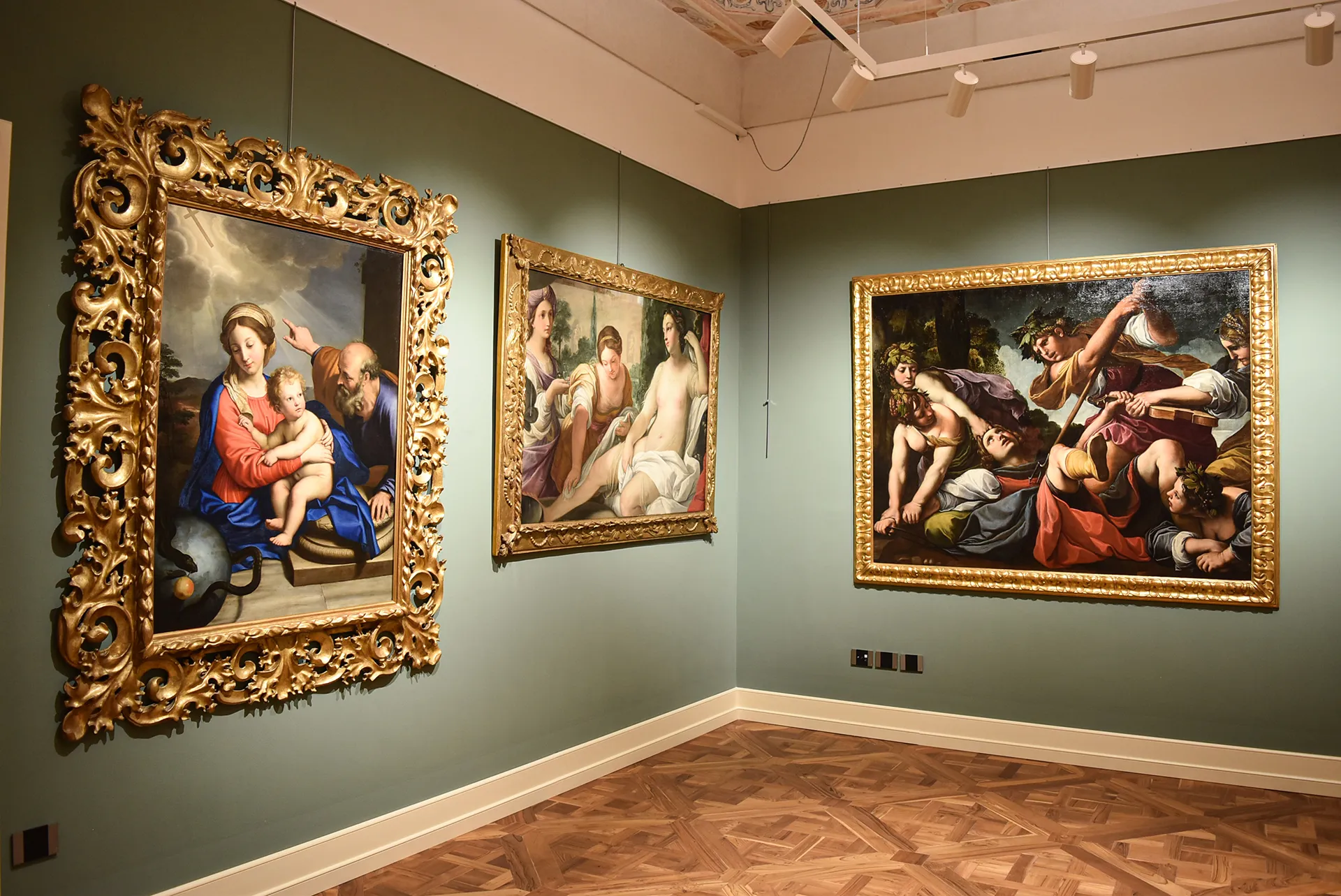
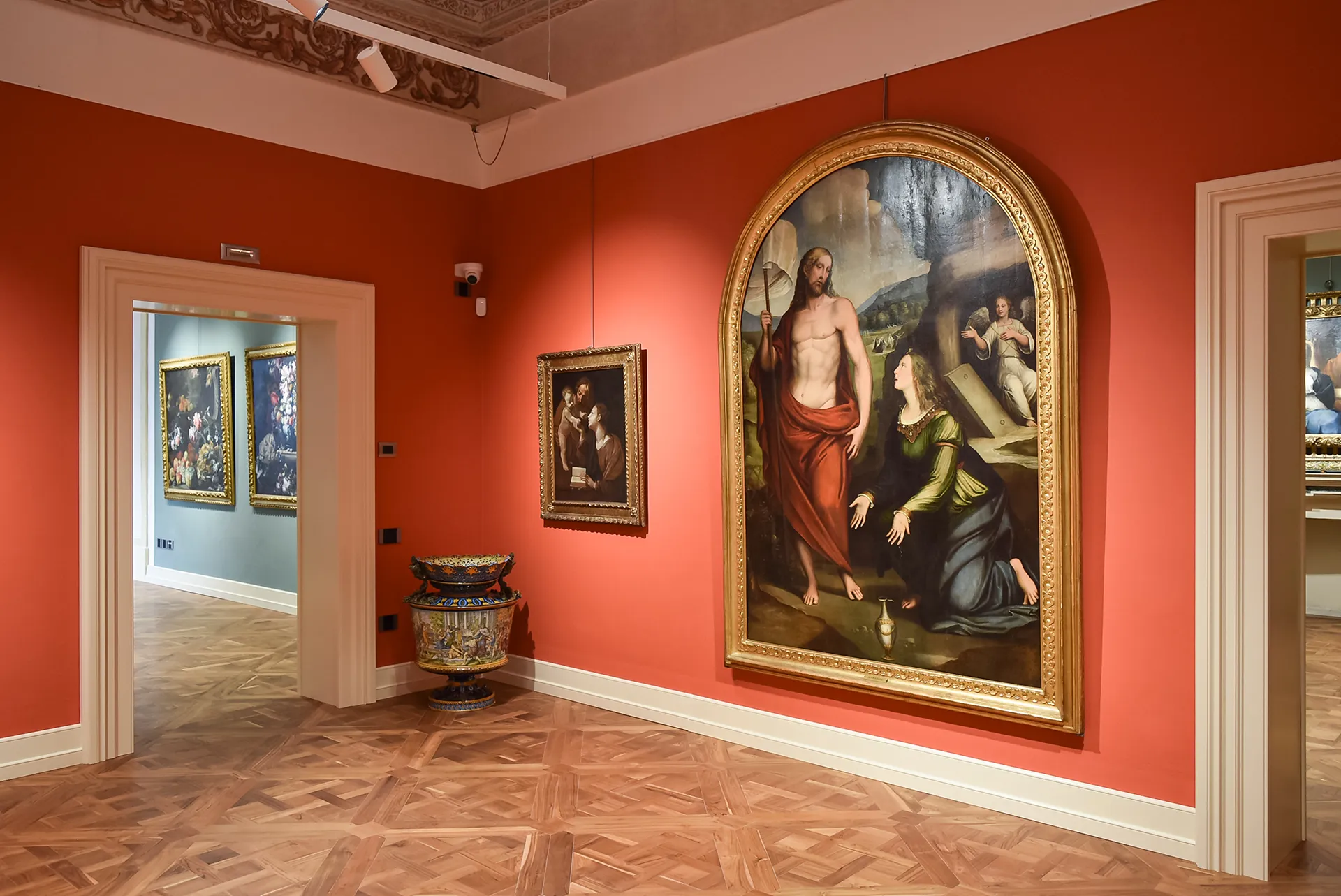
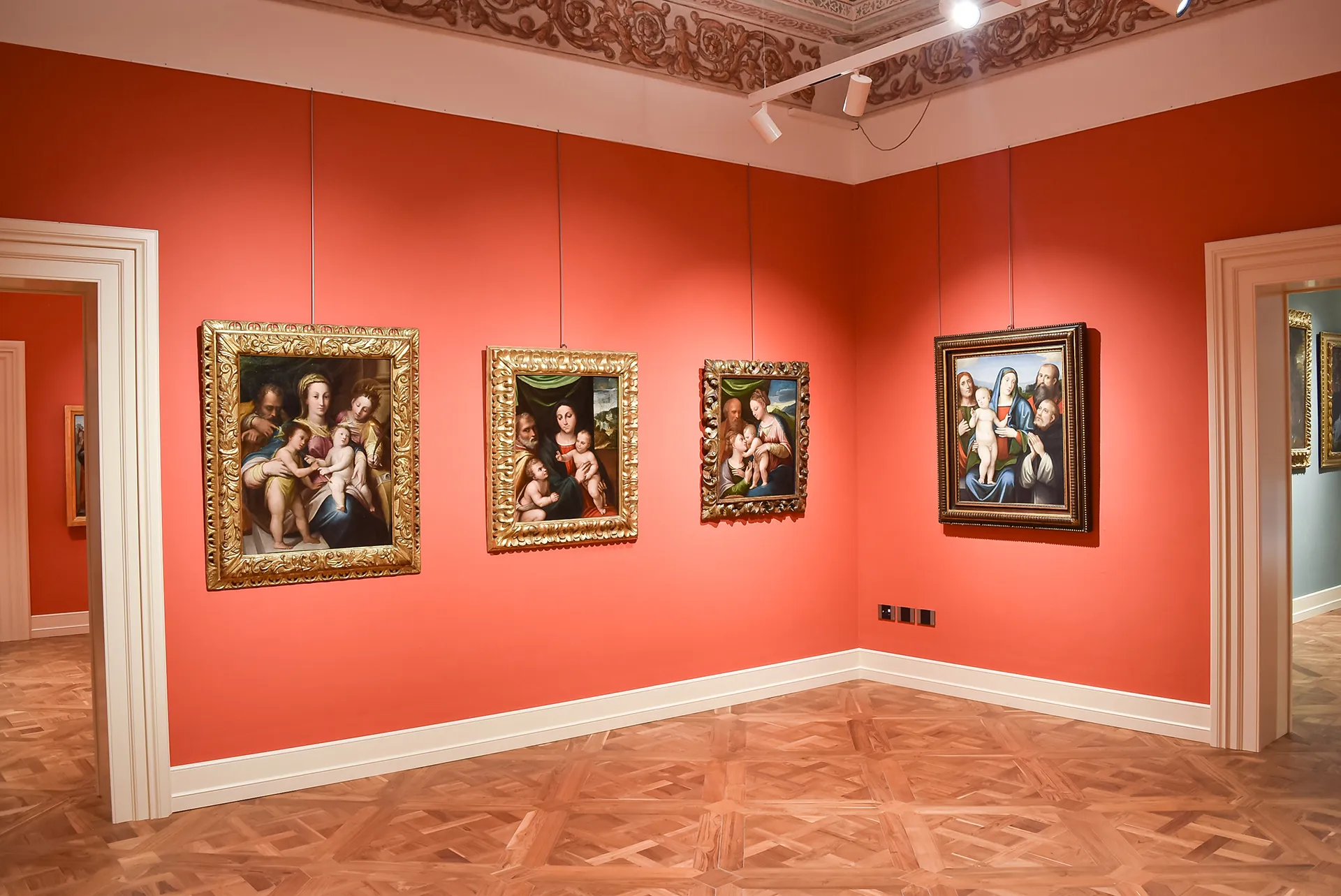
Through an integrated and multidisciplinary approach, Palazzo Perticari has been brought back to its original splendor, reestablishing its role as a cultural anchor within the city. The restored building will accommodate a museum, a 50,000-volume library, public event spaces, a guesthouse, and a restaurant.
With its frescoed ceilings, decorated vaults, and restored architectural details, the palazzo becomes not only a new civic and cultural hub for Pesaro, but also a unique environment for researchers, scholars, and artists.

PLACE

Pesaro (PU)

CLIENT

Private

WORK PERIOD
ACTIVITY

Structural Design
Structural Works Management

TYPOLOGY

Restoration of Listed Cultural Heritage

INTENDED USE

Cultural

WORK AMOUNT
WORKING GROUP

Arch. P. Morri
Studio Paci Srl

Comune di Gabicce Mare

Comune di Gabicce Mare

Design and construction management of the new municipal headquarters

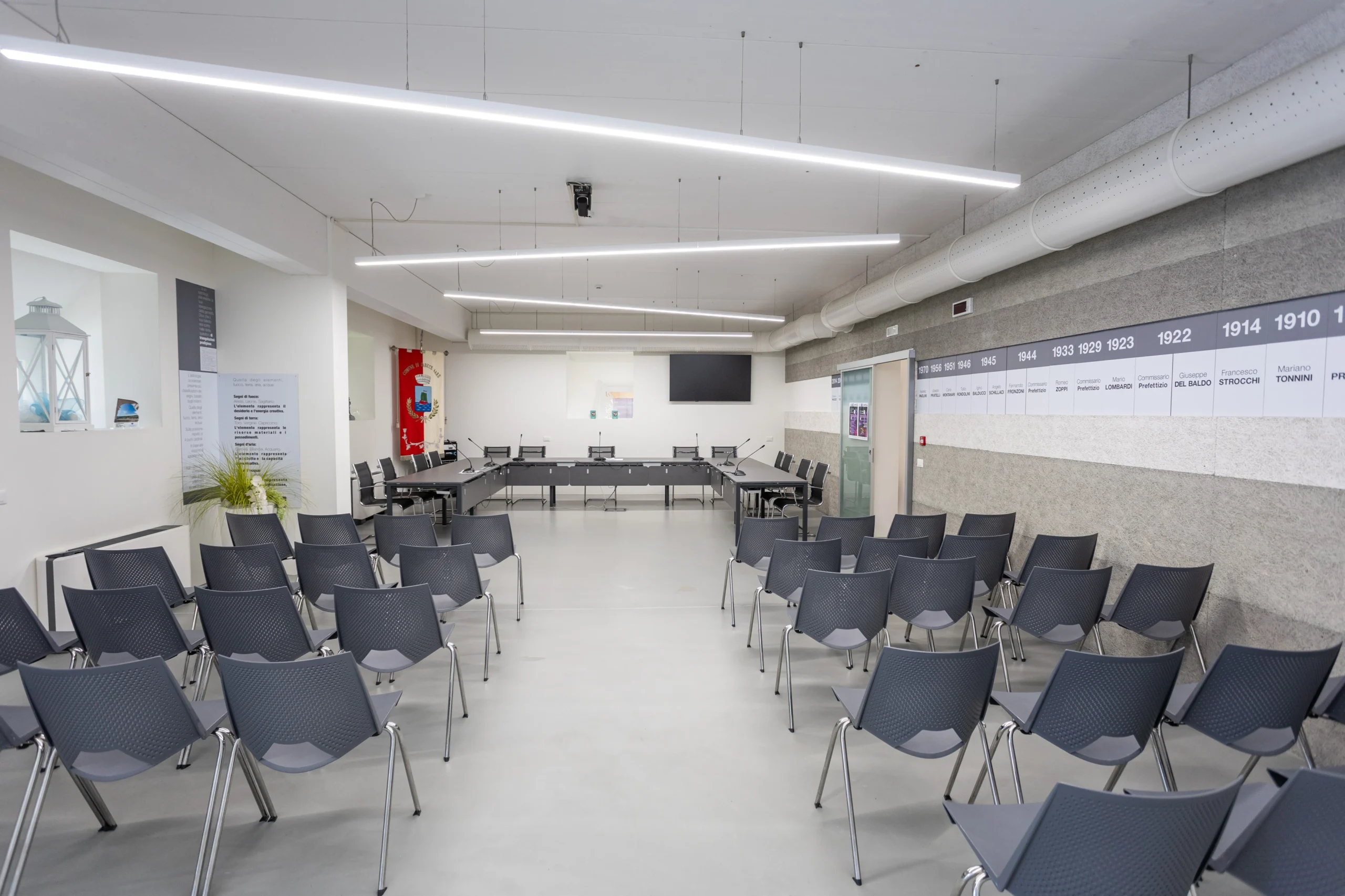
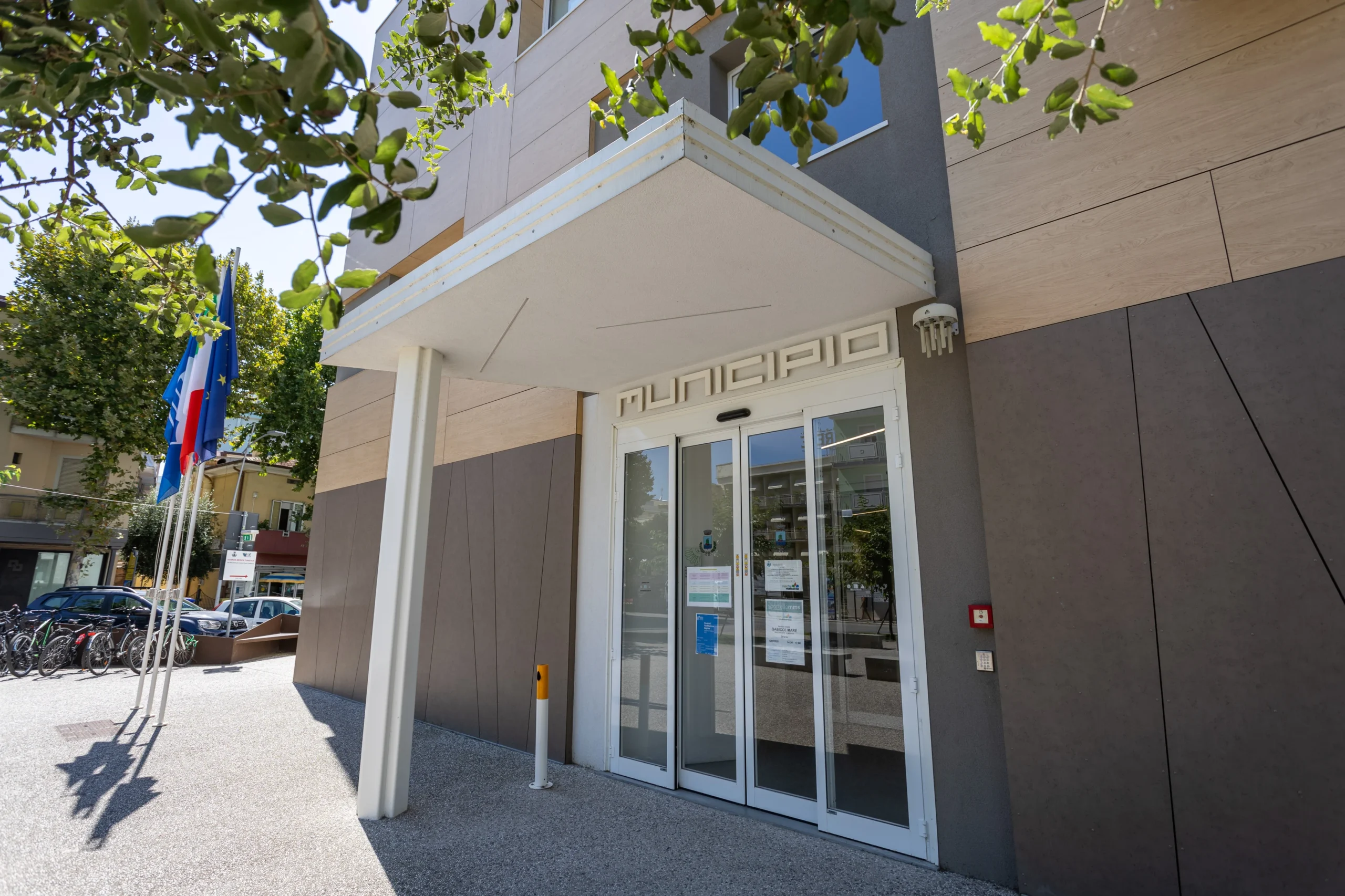
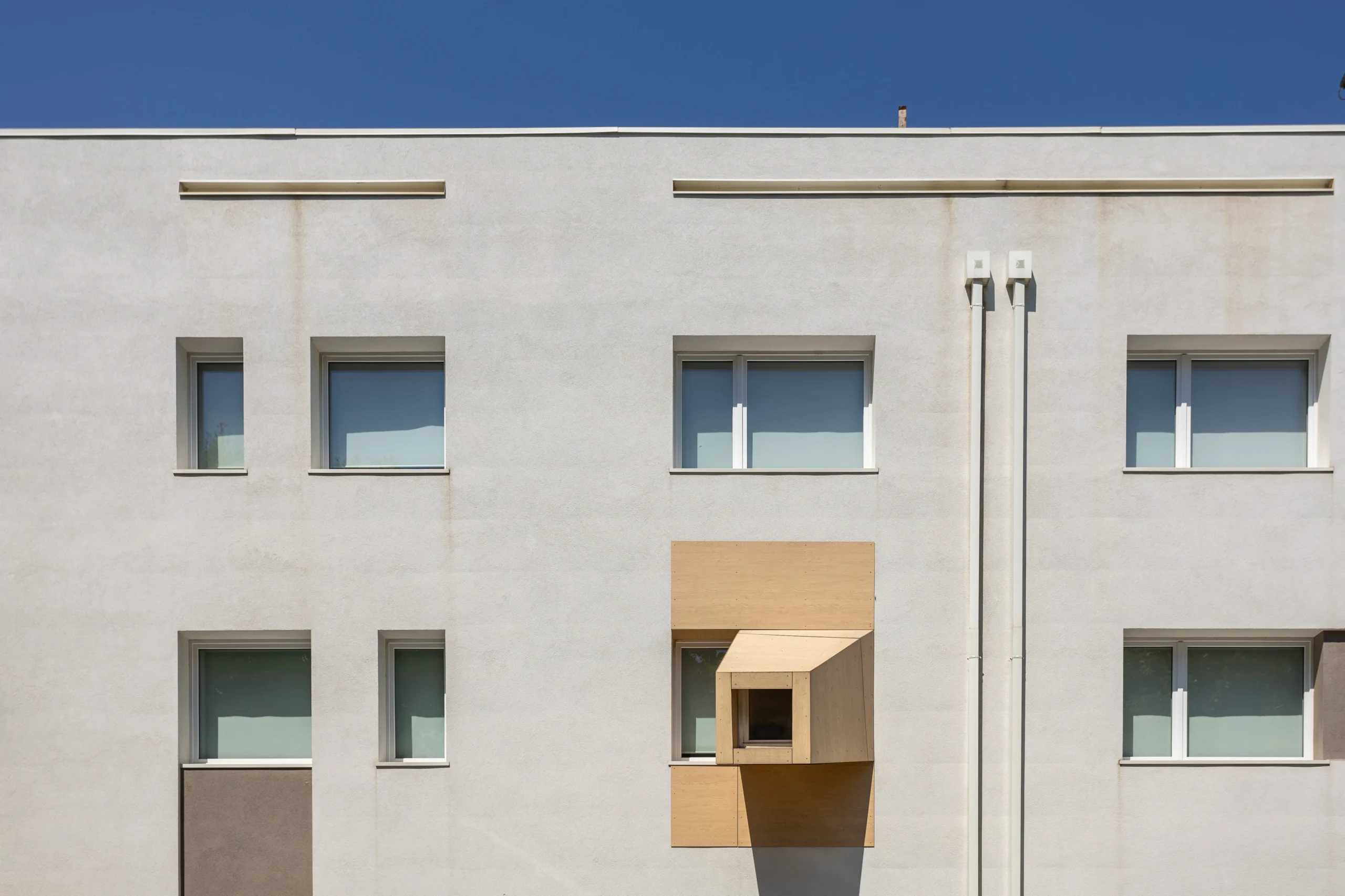
Gabicce Mare Town Hall

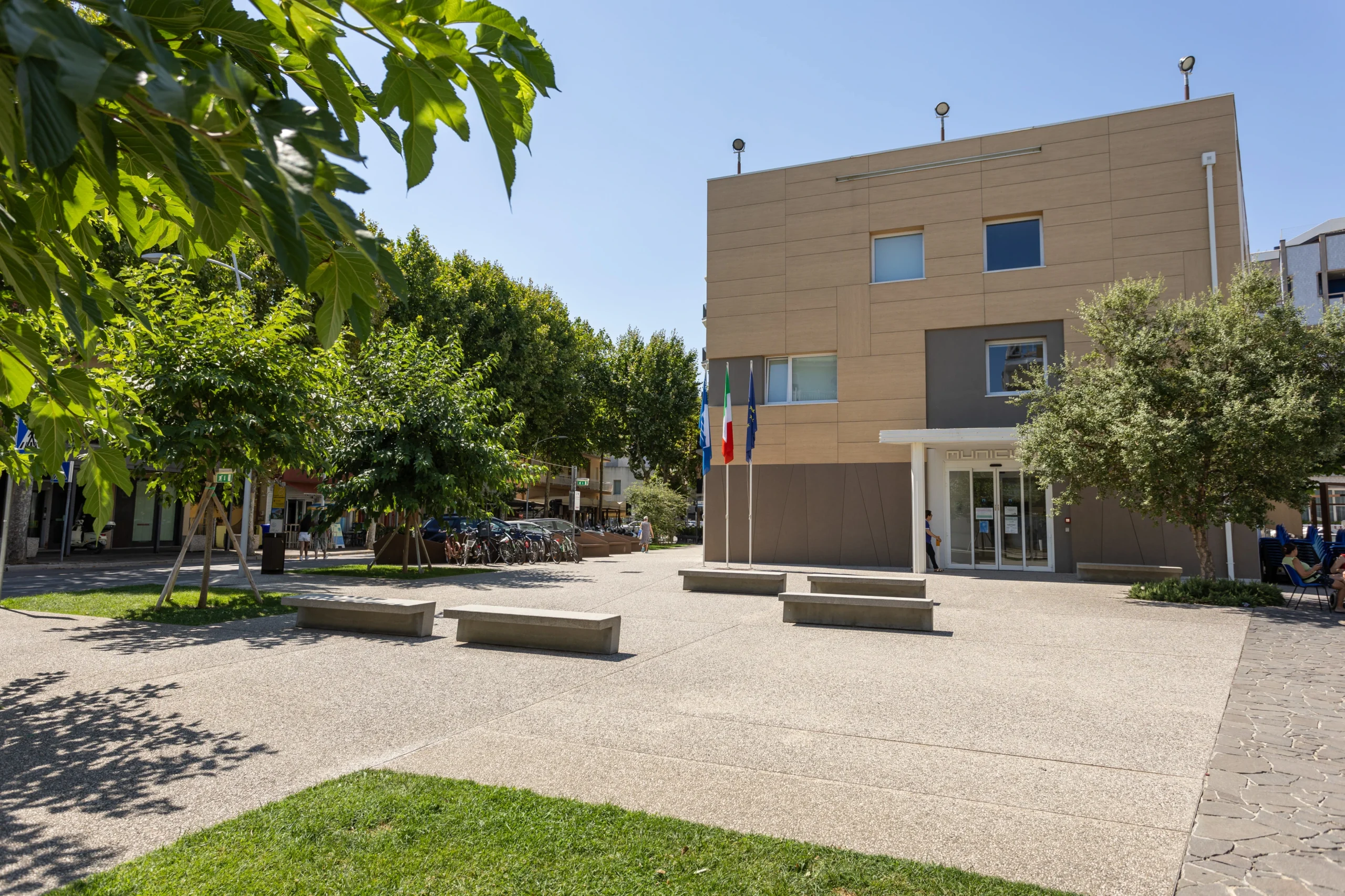
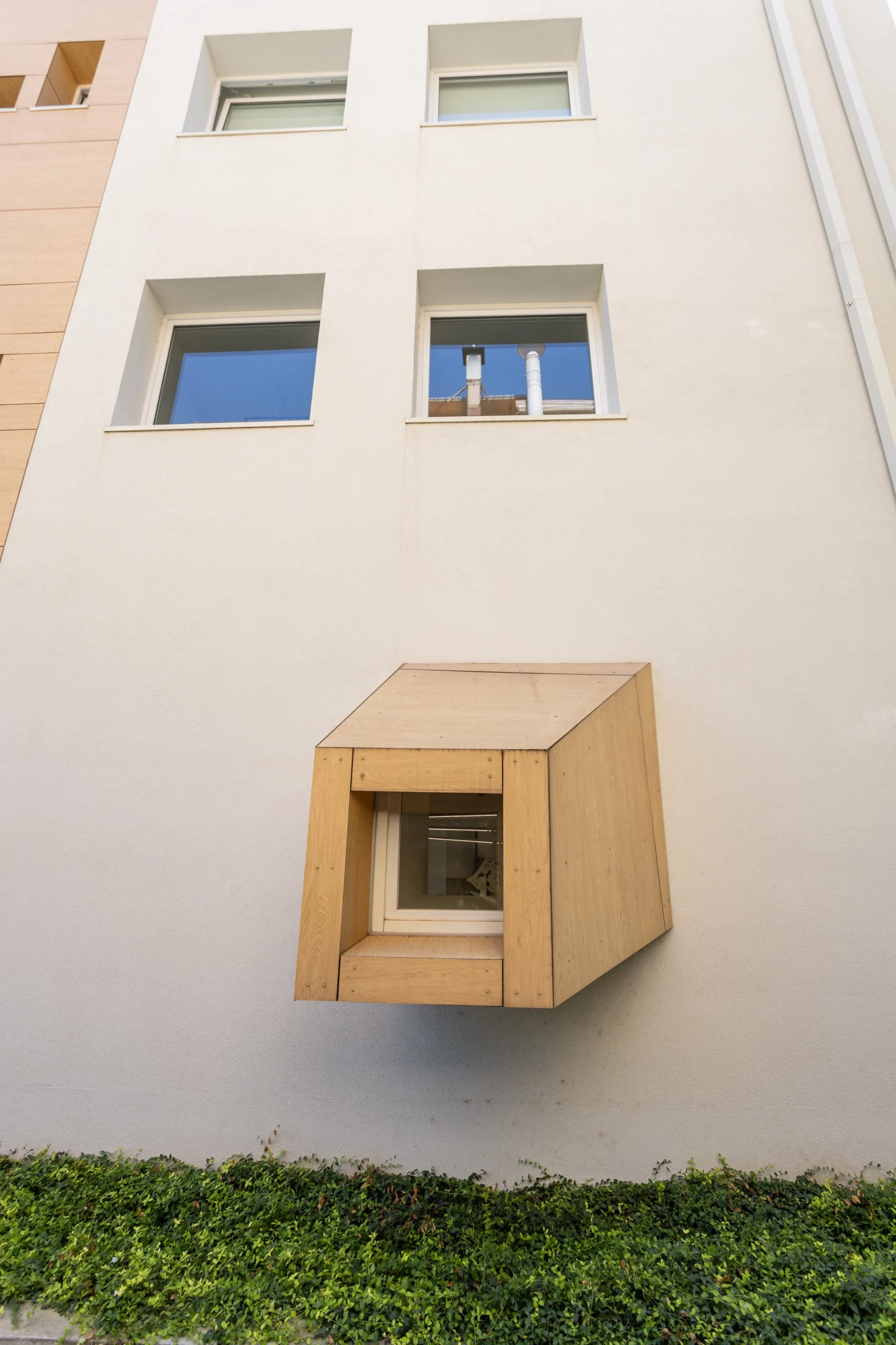
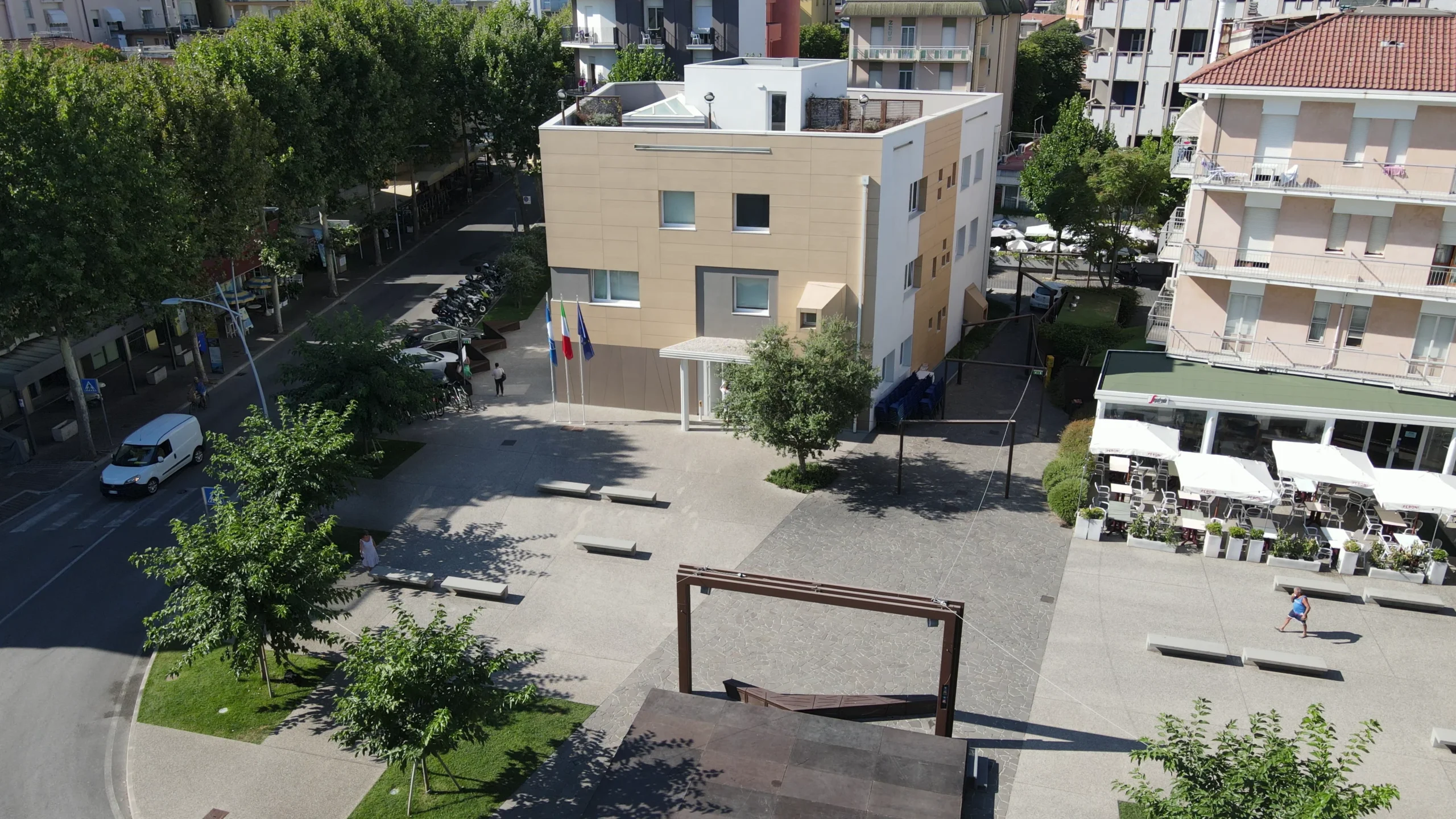
The new Gabicce Mare Town Hall, located in Gabicce Mare, is a new construction project developed after the former municipal building was declared unfit for use following the 2016 seismic events. The project redefines the role of the public building within the urban context, strengthening its relationship with the Municipal Square.

Public building and urban space

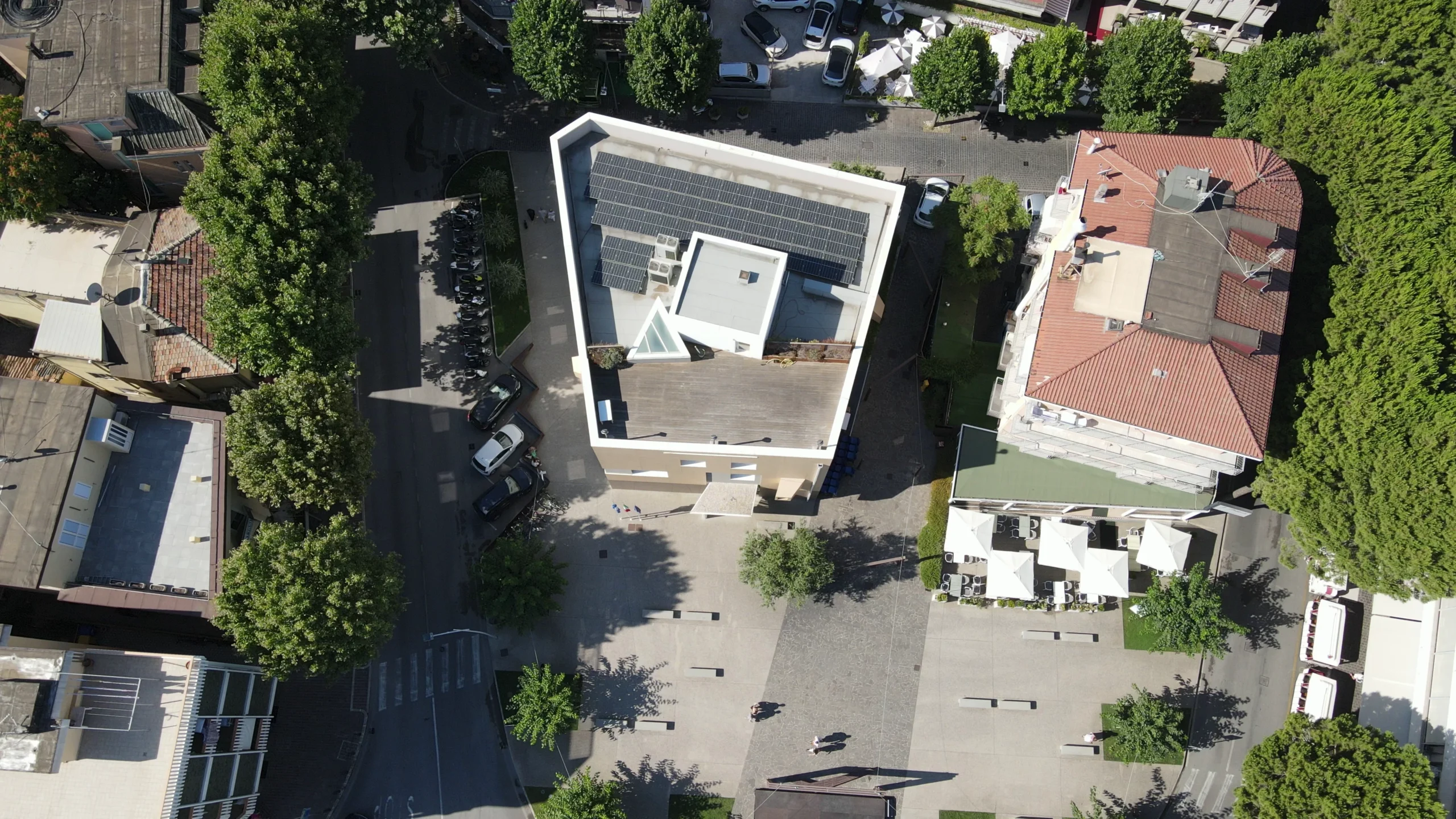
The intervention includes the construction of the new town hall and the redevelopment of surrounding public spaces, featuring new paving, urban furniture, and lighting solutions aimed at improving usability and spatial quality.

Timber structure and seismic performance

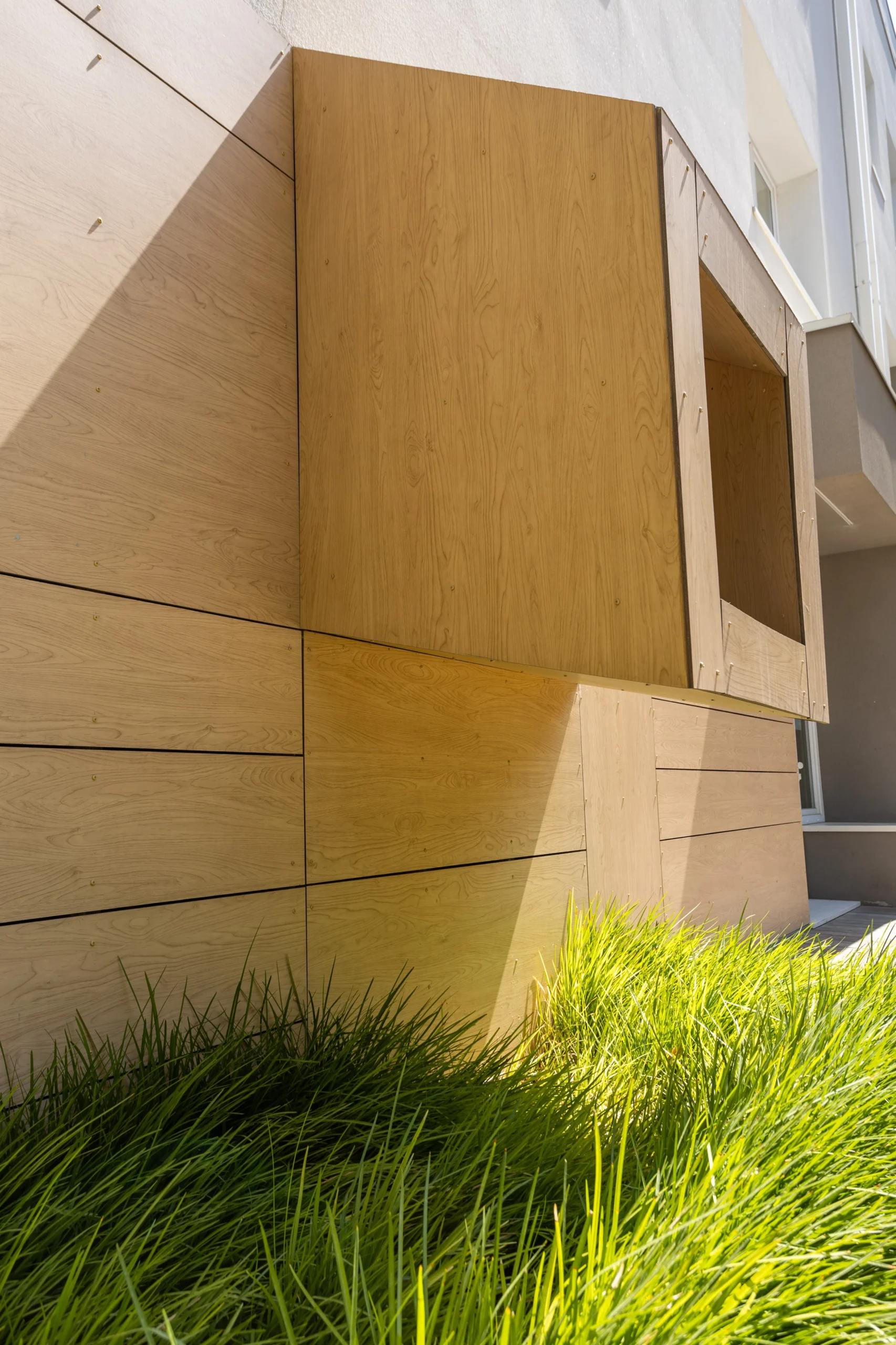
The adoption of an entirely timber structural system ensures high seismic performance, while providing thermal and acoustic comfort and effective control of thermal bridges. The chosen construction system meets requirements for structural reliability and long-term durability.

Energy efficiency and sustainability

The new building is designed as an nZEB (Nearly Zero Energy Building), integrating solutions focused on reducing energy consumption and incorporating renewable energy sources. The goal is to minimize environmental impact and optimize life-cycle operating costs.

Functional layout of the building

The town hall is arranged over three above-ground floors and one basement level, with an irregular volumetric configuration that optimizes the layout of administrative spaces. The council chamber, located on the ground floor, is designed as a flexible space suitable for institutional and public events.

Roof and access systems

The roof hosts a panoramic terrace equipped with photovoltaic panels. Vertical circulation is provided by a central staircase and an elevator, ensuring full accessibility and a functional relationship between the municipal administration and citizens.

PLACE

Gabicce Mare (PU)

CLIENT

Comune Gabicce Mare

WORK PERIOD
ACTIVITY

Safety coordination
Structural Design
Structural Works Management

TYPOLOGY

New Construction

INTENDED USE

Institutional

WORK AMOUNT
WORKING GROUP

Arch. Michele Bonini
Cat Impianti Srl
Studio Paci Srl
Subissati Srl

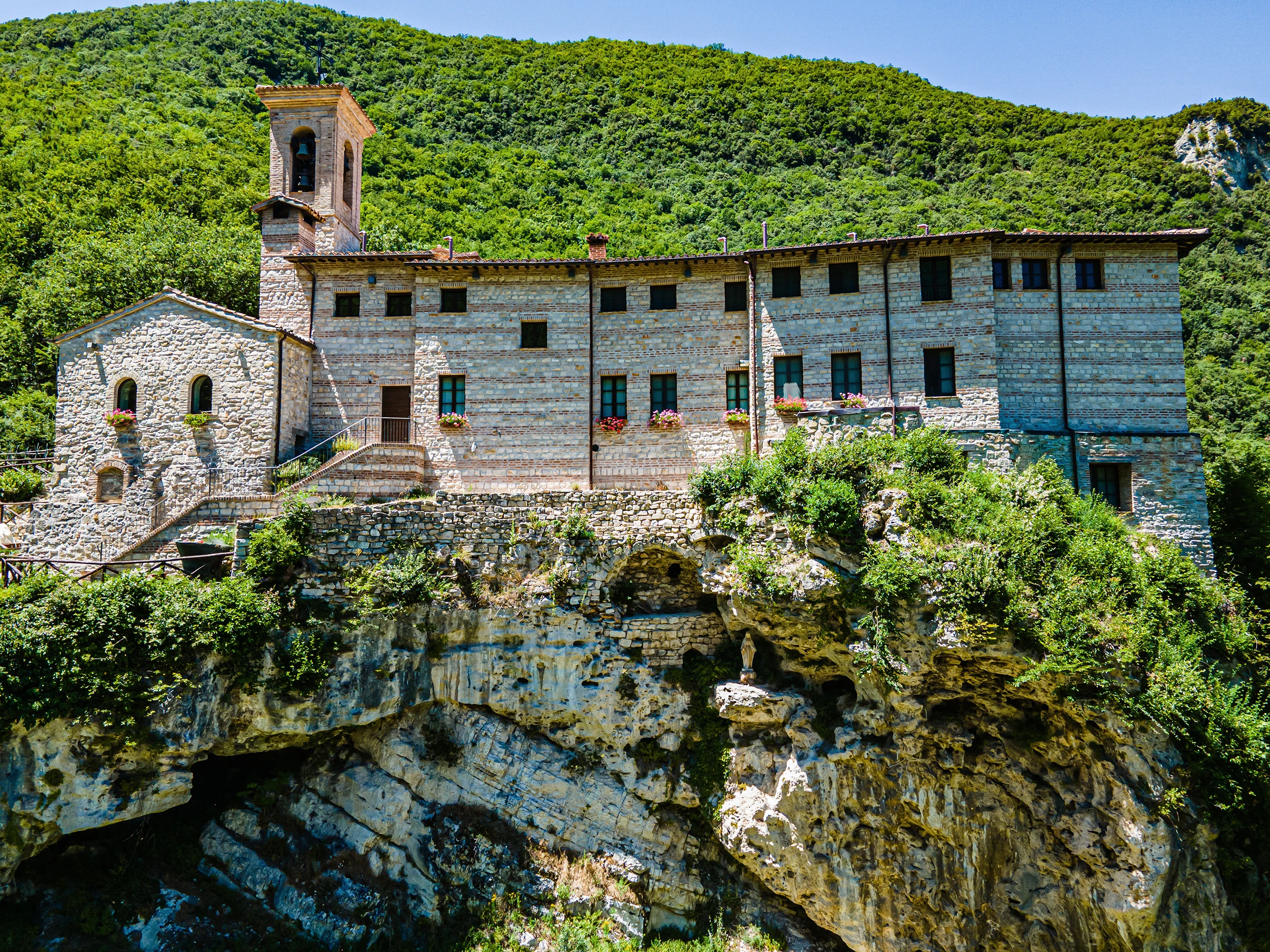
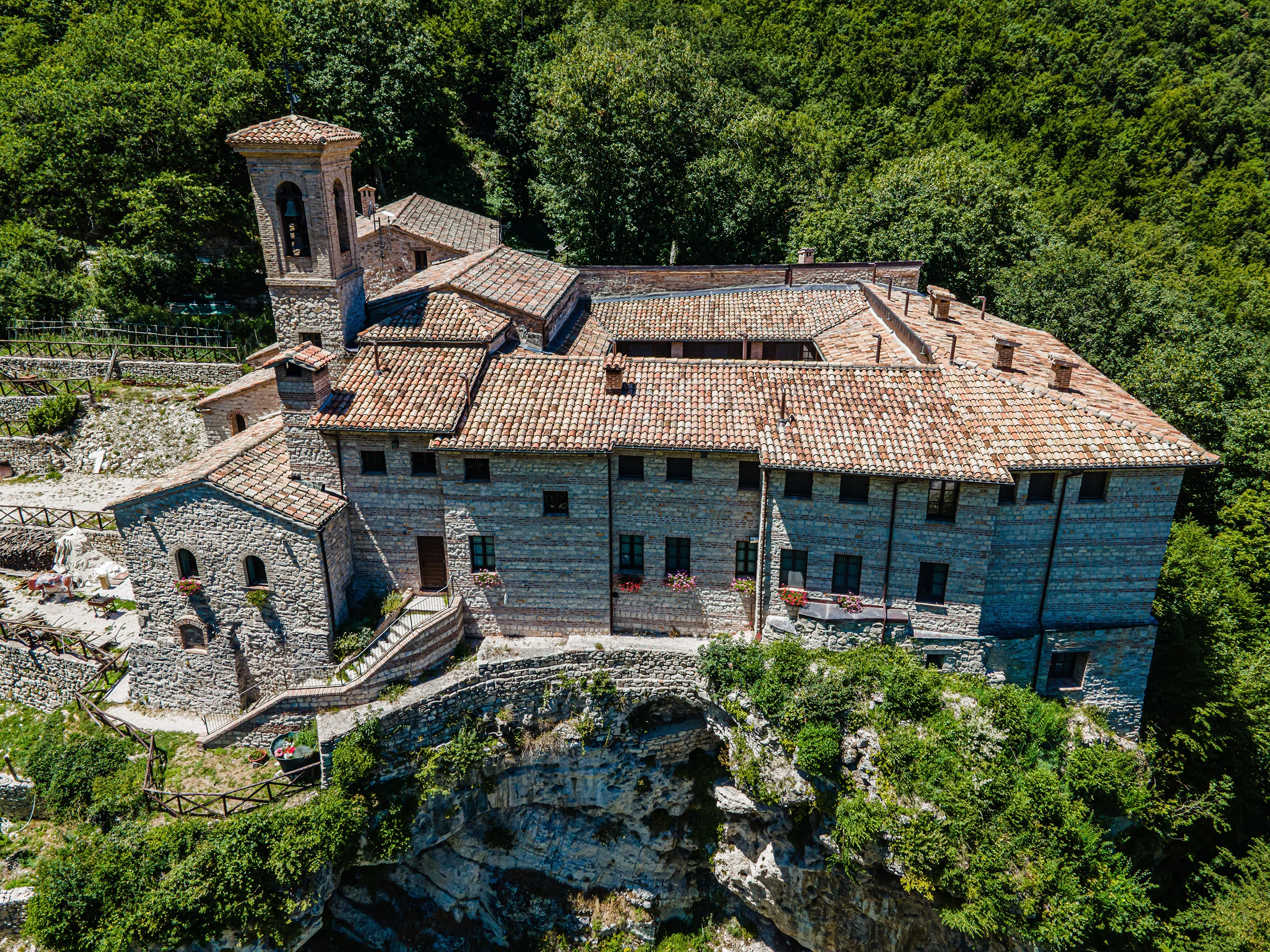
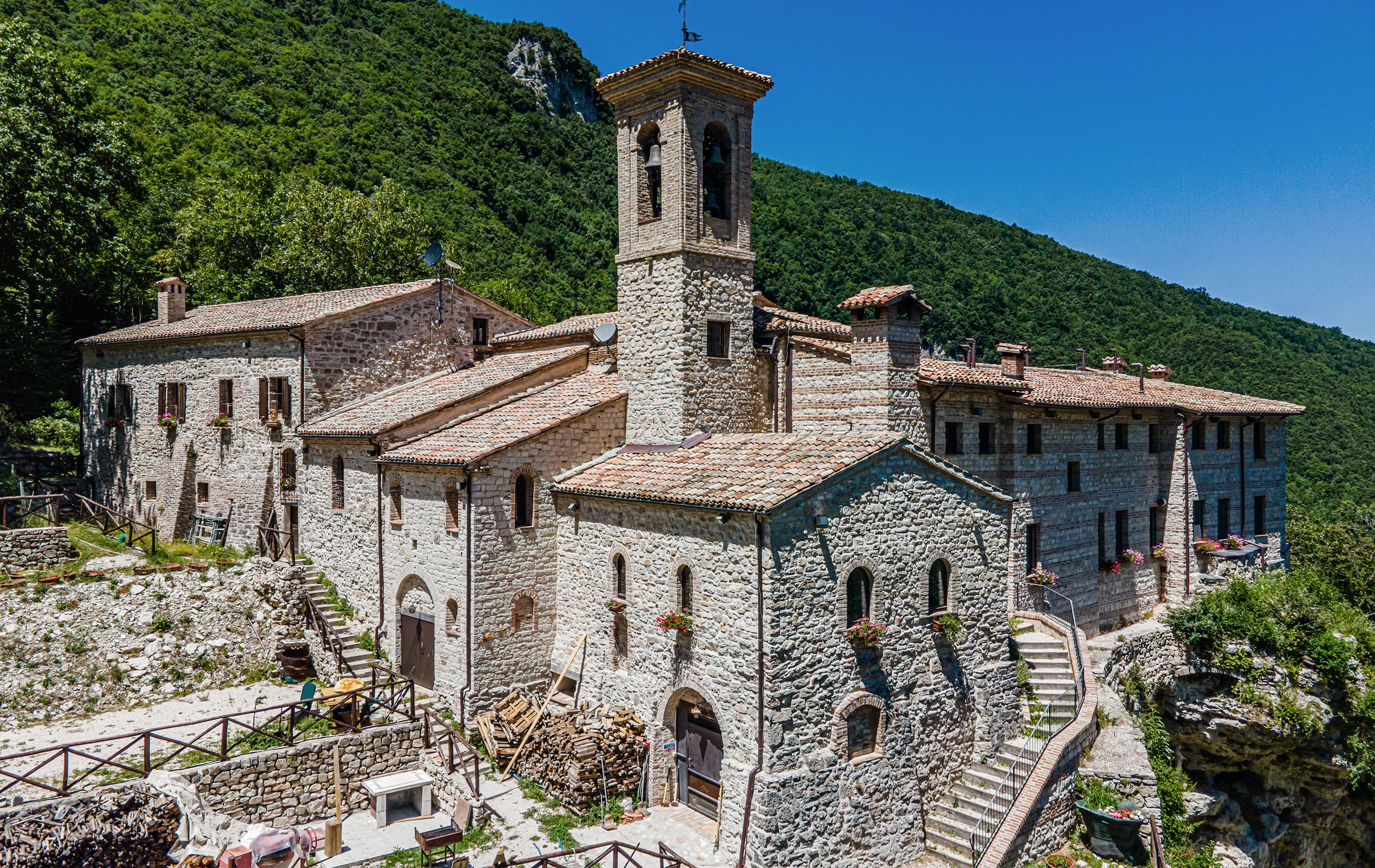
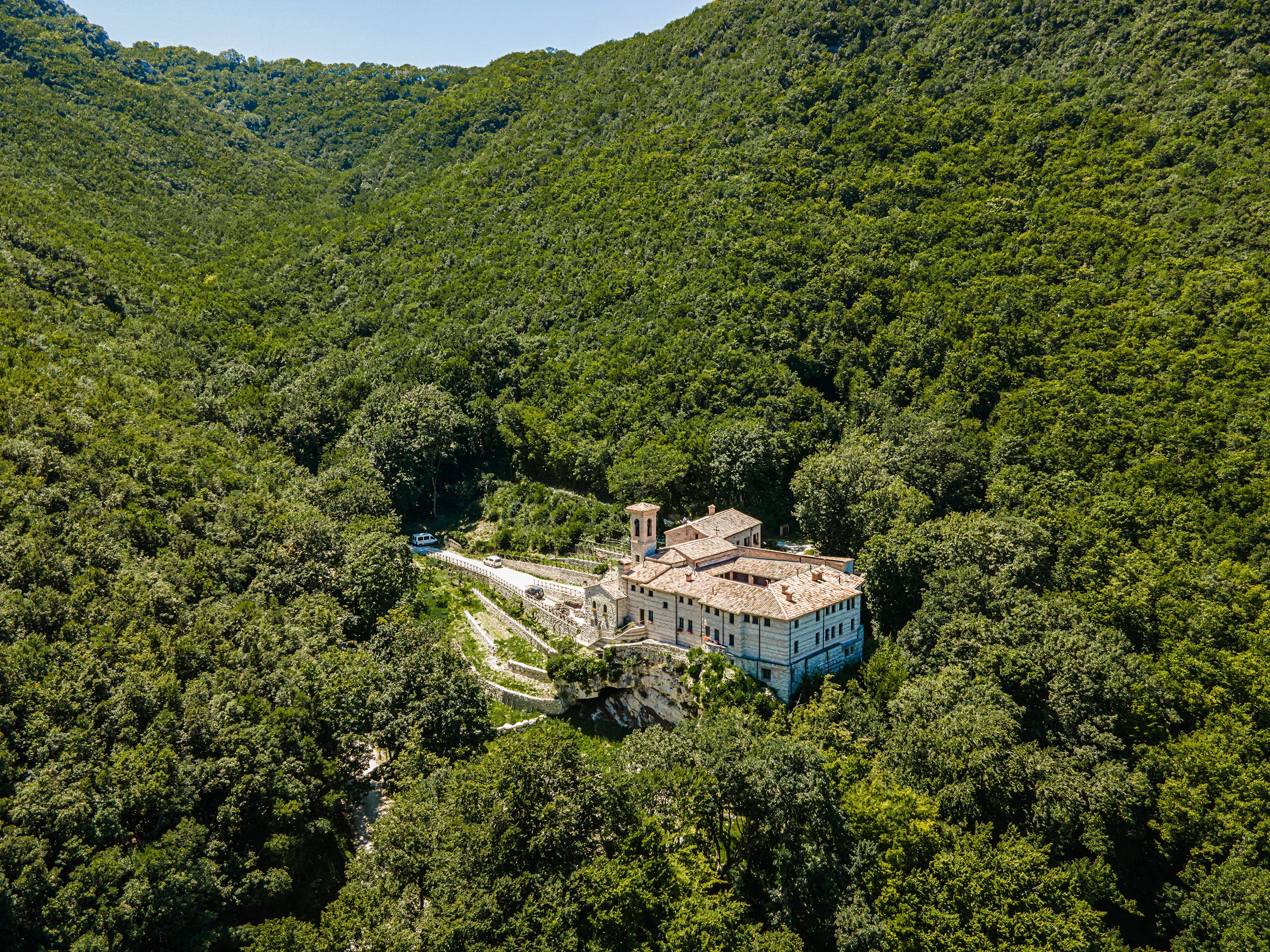
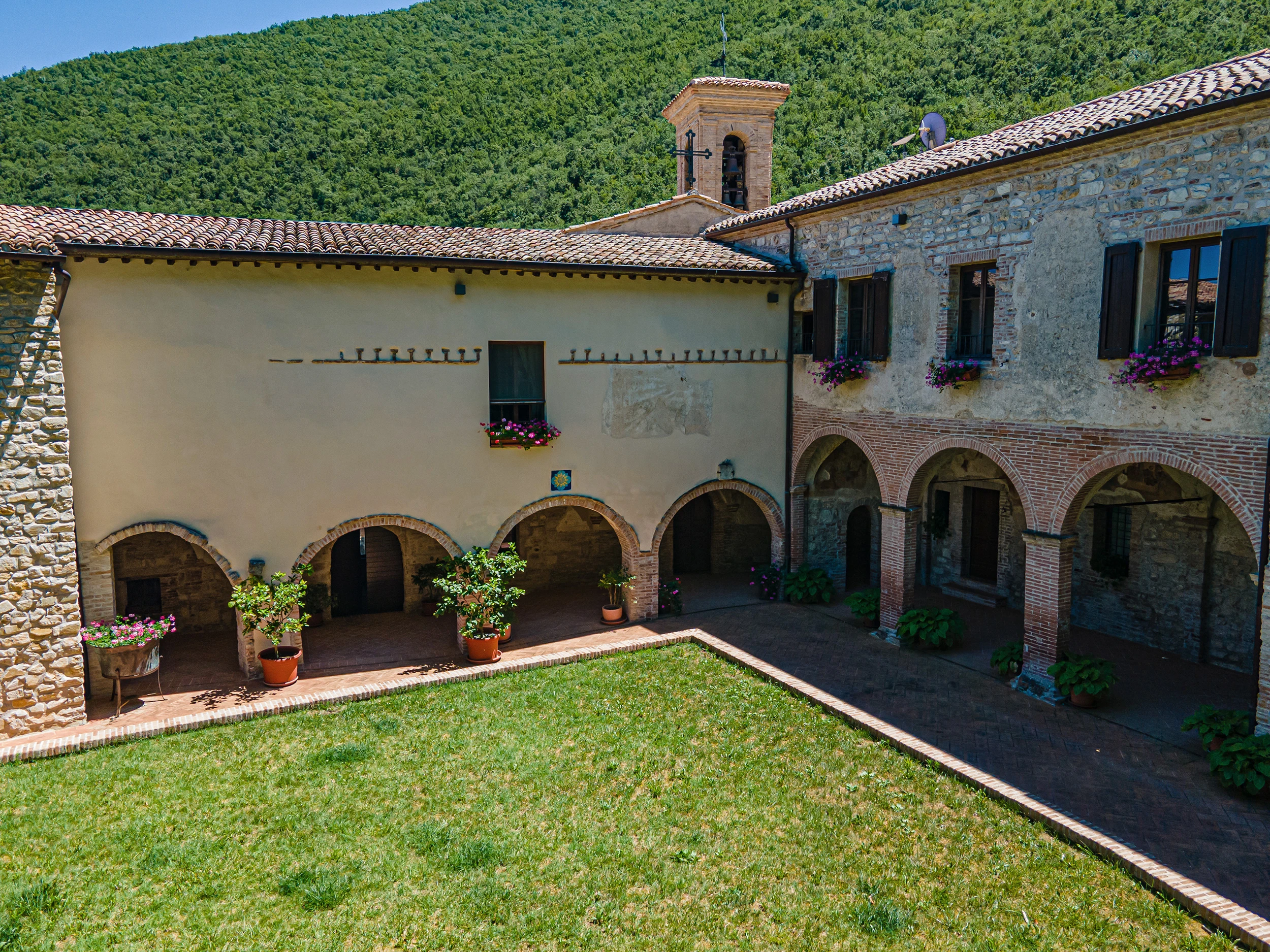
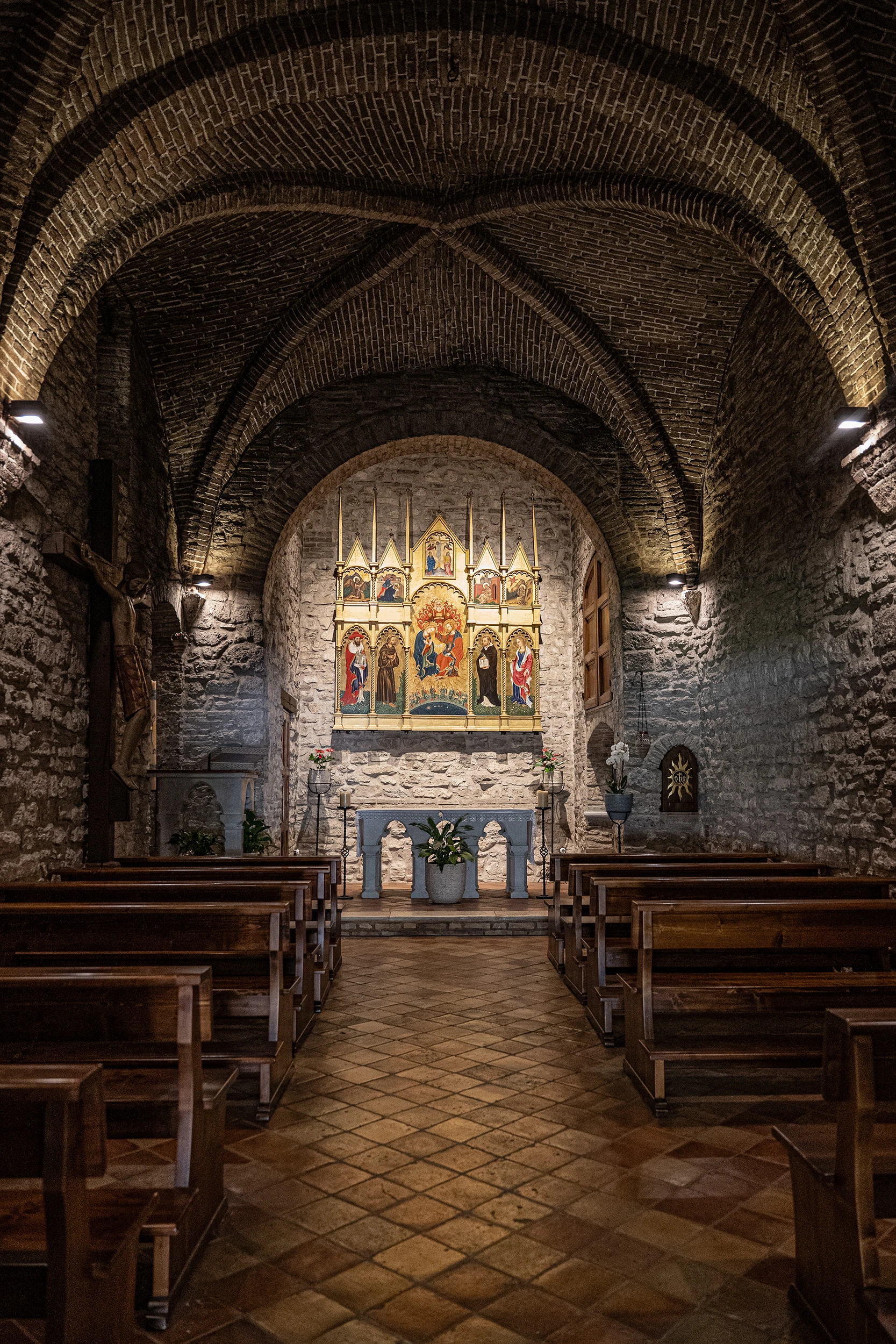
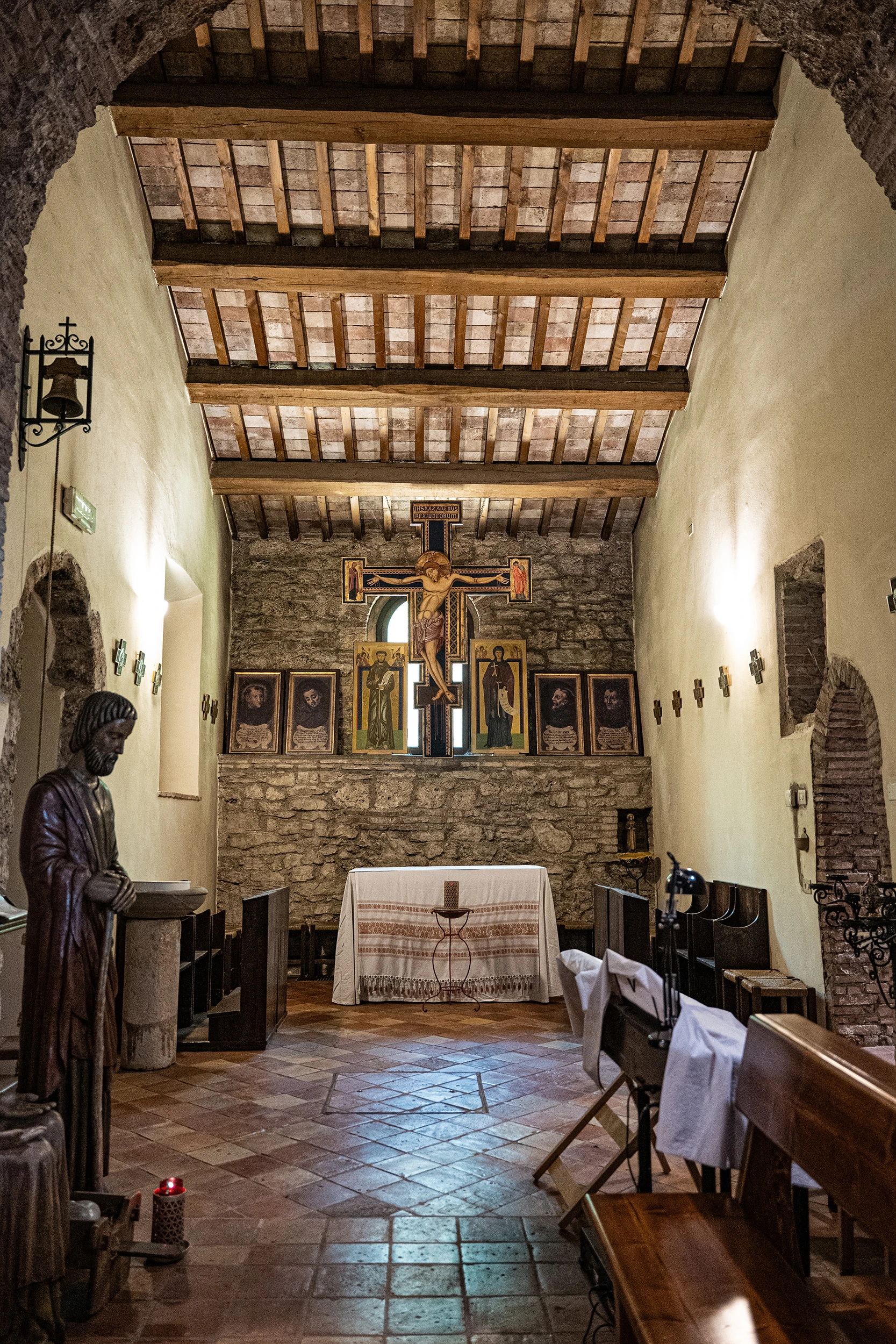
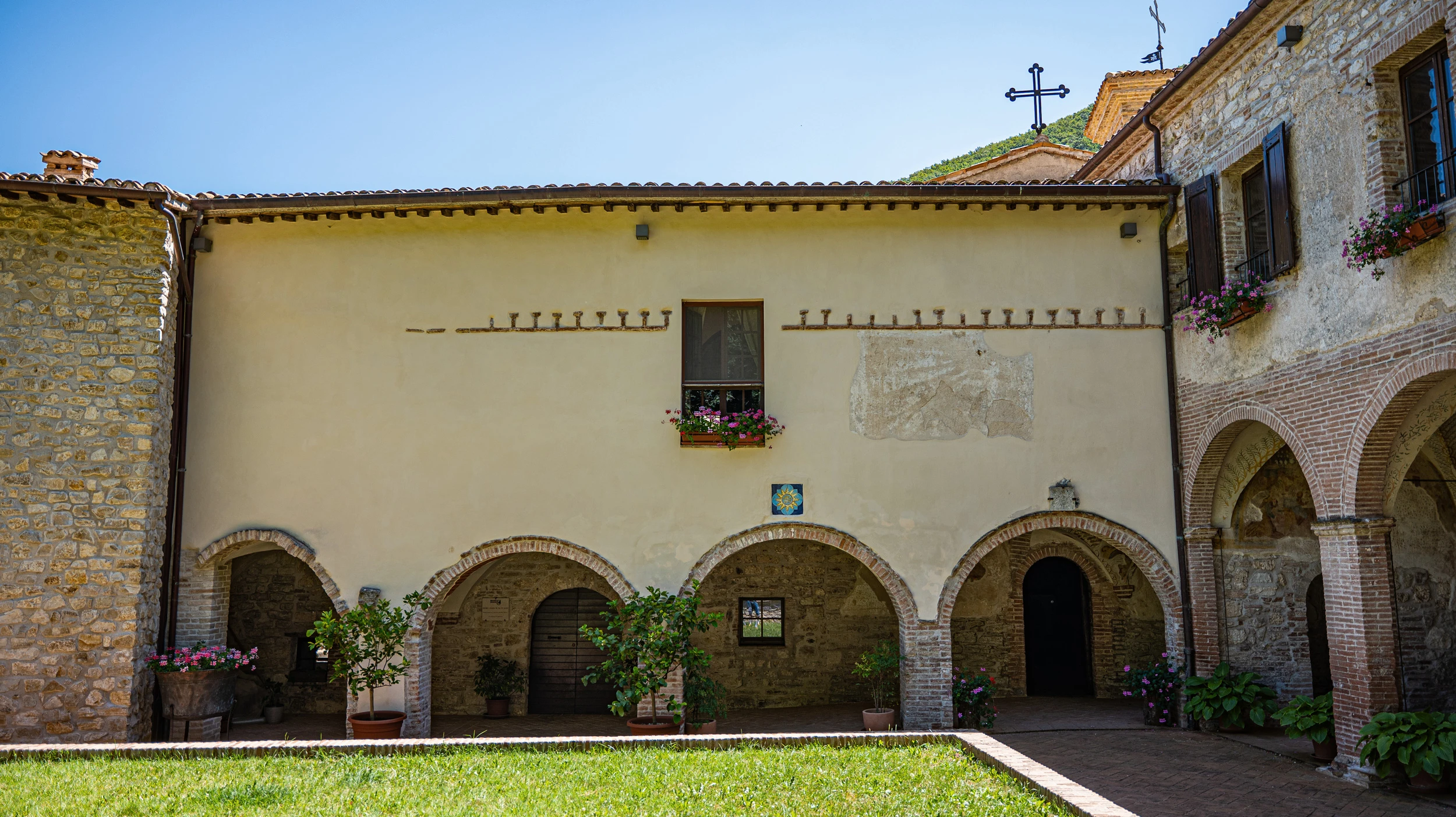
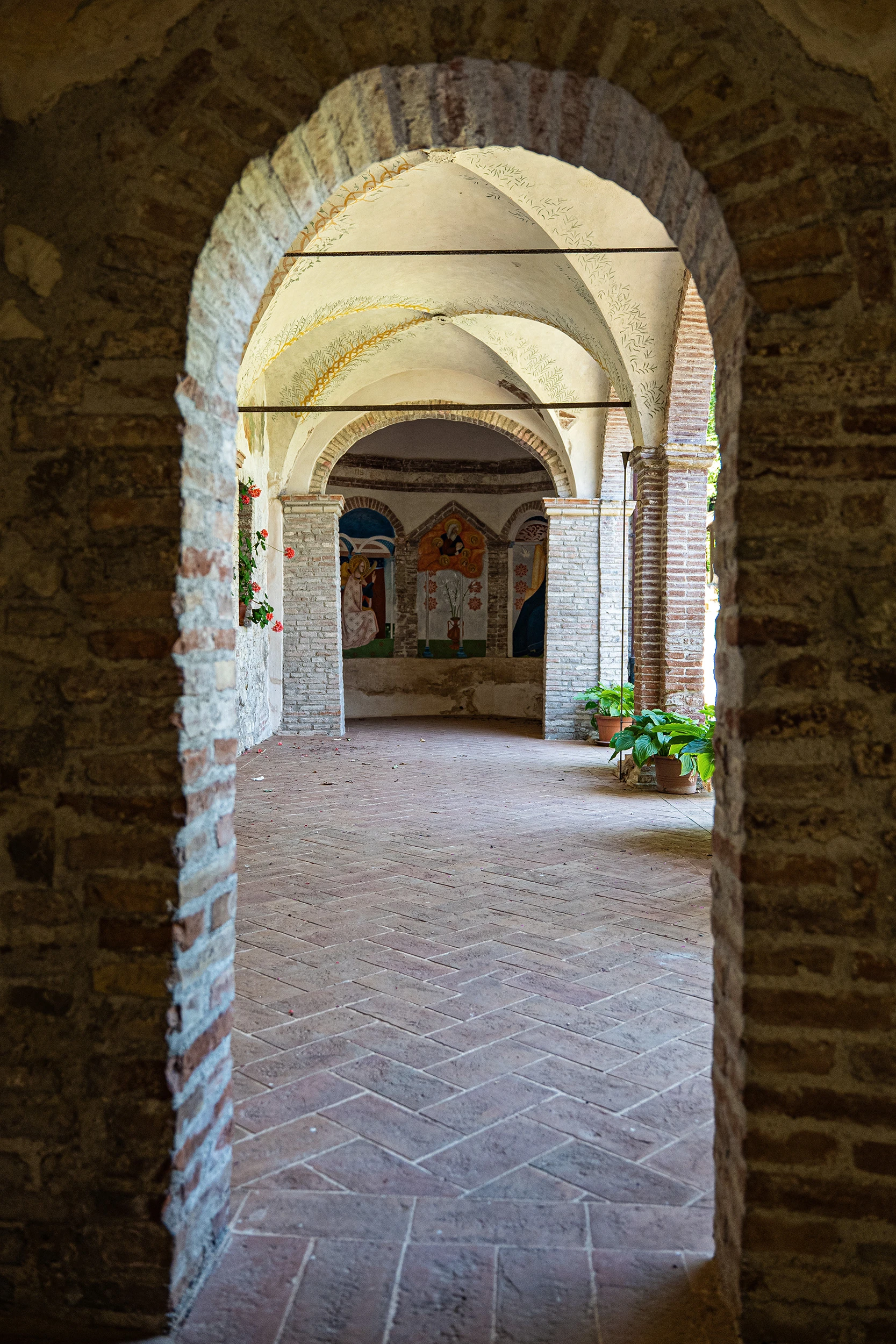
Monumental Complex of the Eremo del Sasso

Monumental Complex of the Eremo del Sasso

Monumental Complex of the Eremo del Sasso

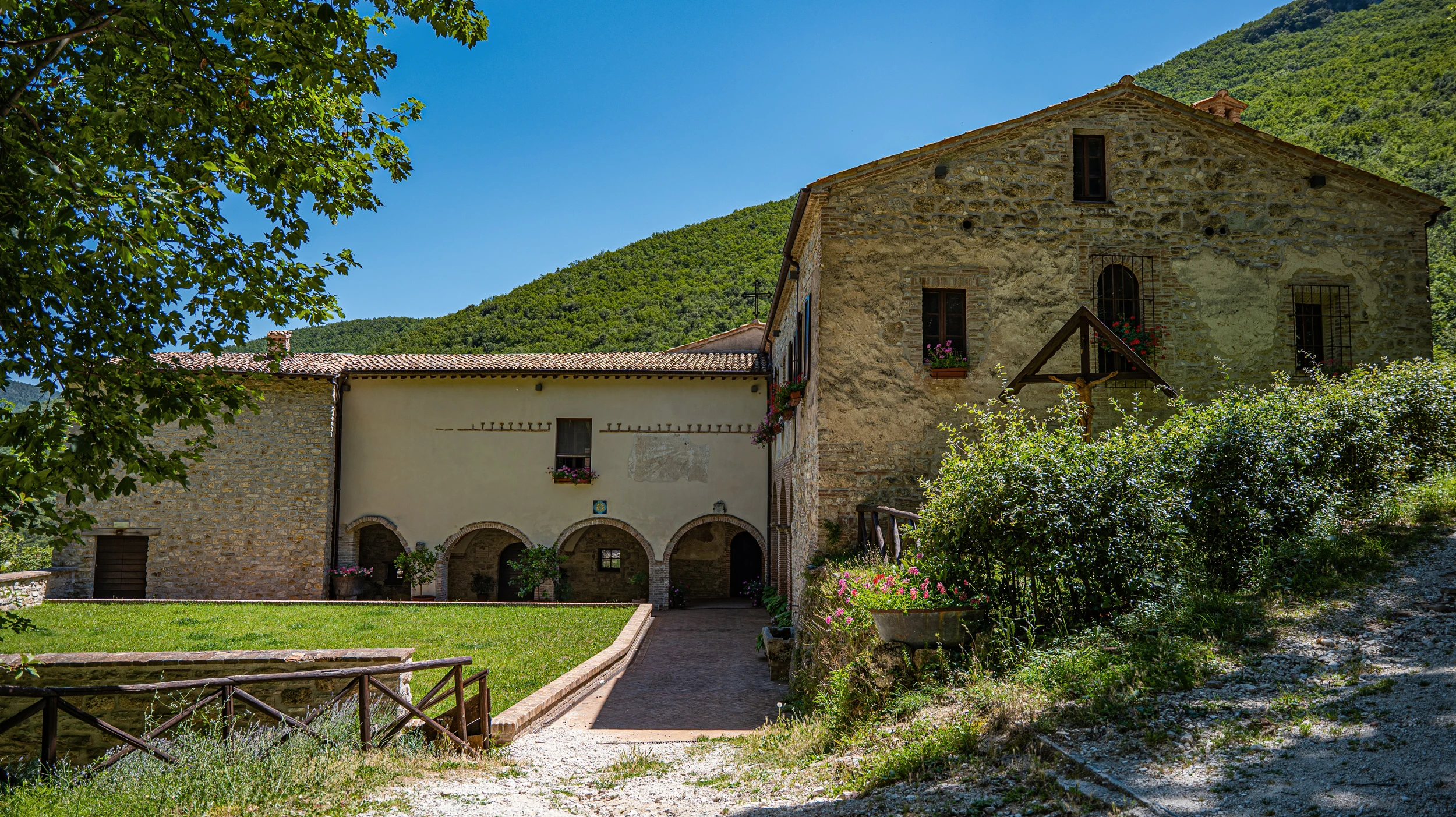
Historical Context and Cultural Significance of the Complex

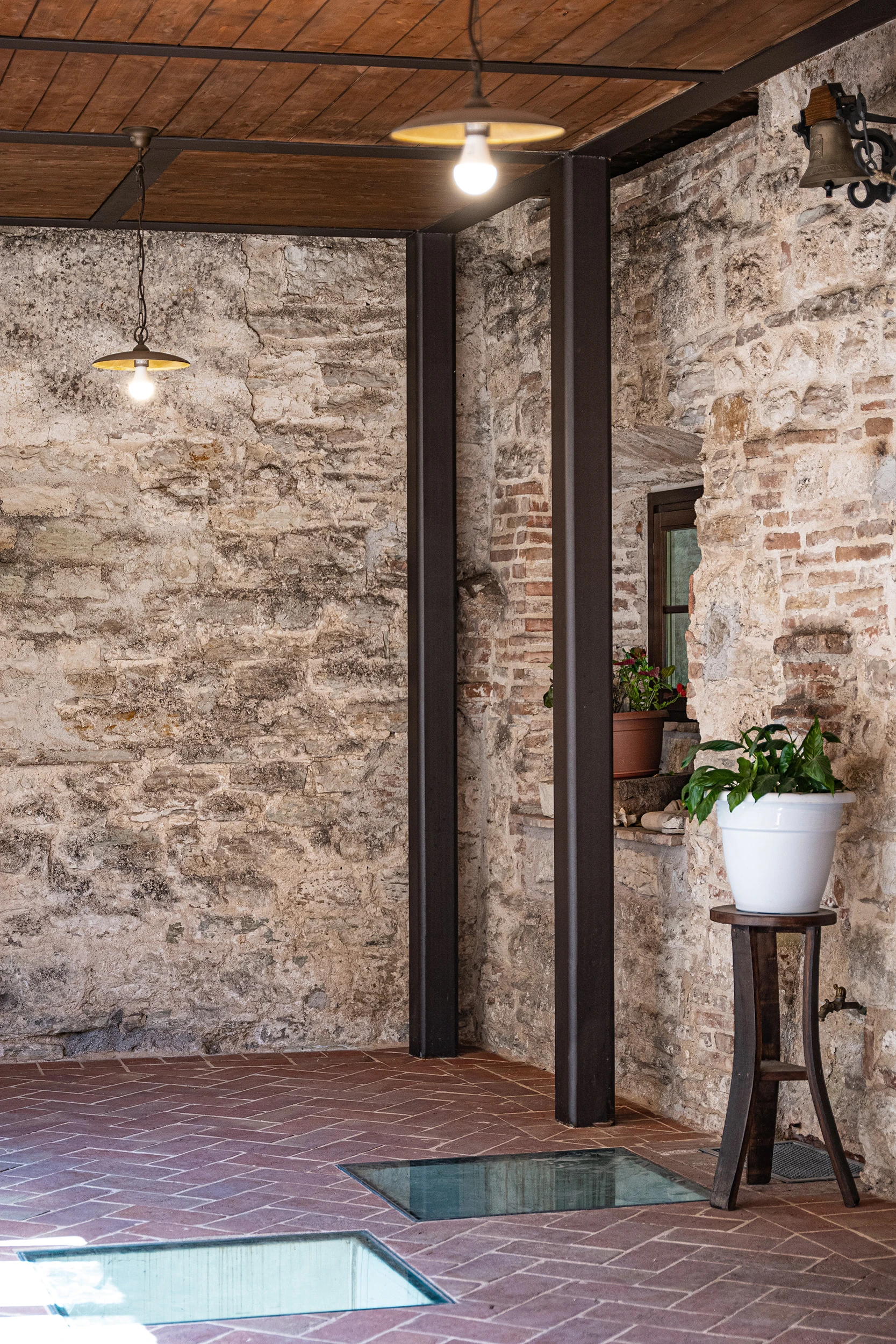
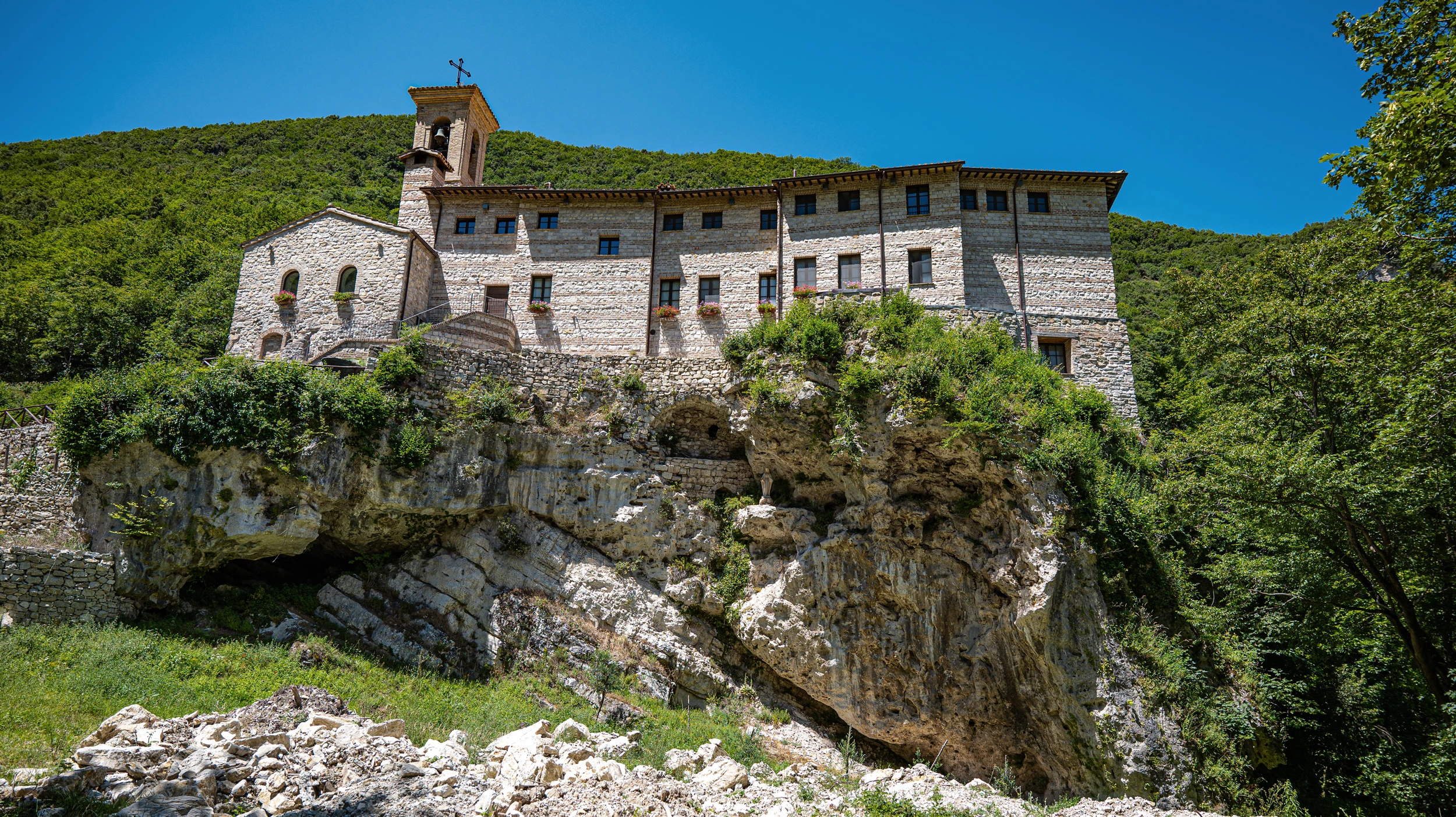
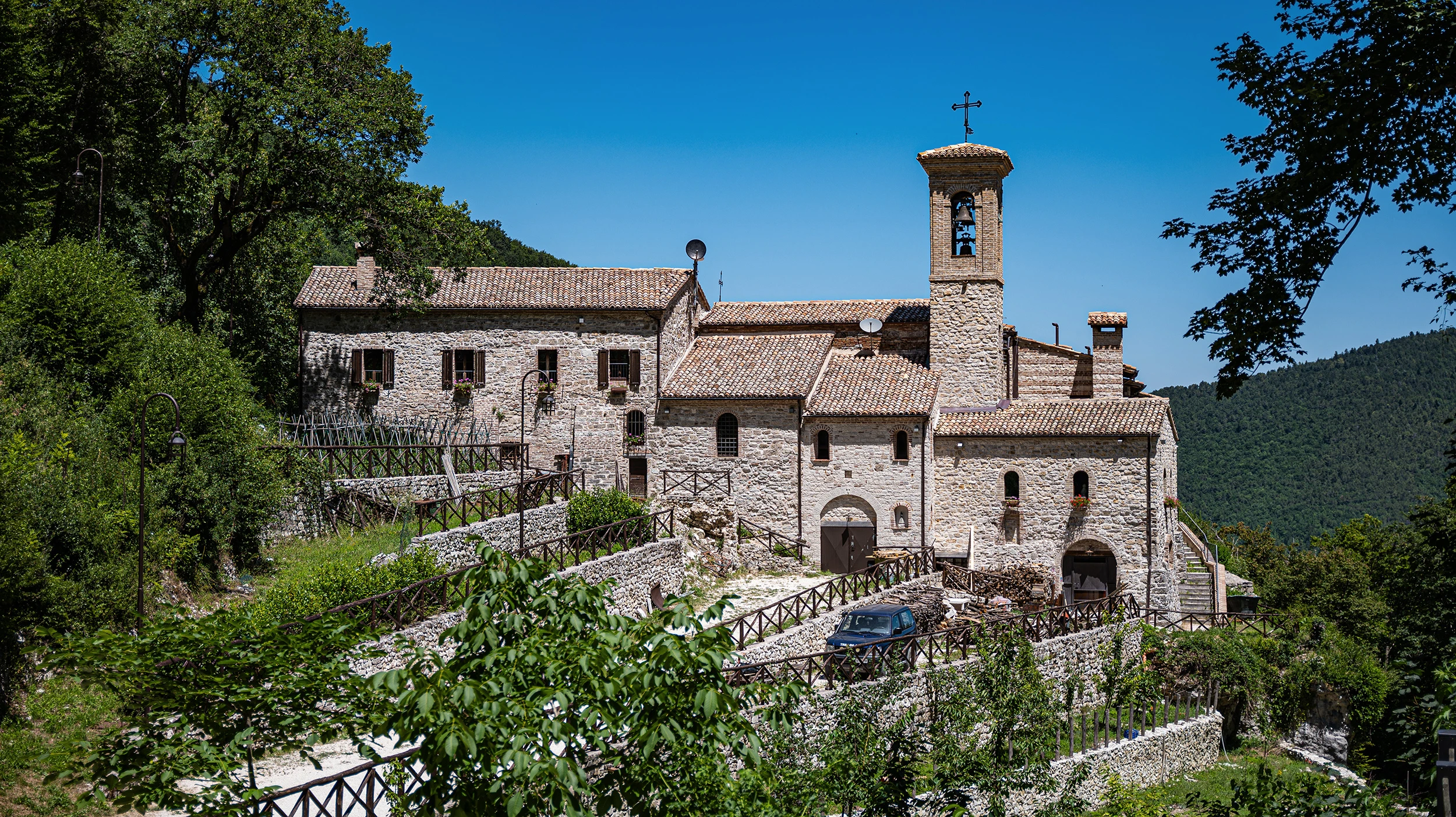
The Monumental Complex of the Eremo del Sasso, located on the border between the Marche and Umbria regions, is a historic architectural landmark dating back to the 10th century. The site holds a central role in Franciscan history, as it was the first convent in the Marche region to host Saint Francis in 1210. Abandoned in 1866 and reoccupied by the friars in 1966, the complex suffered severe damage during the 1997 seismic events.

The Eremo del Sasso between Franciscan History and the Territory

The Eremo’s location within a highly valuable natural landscape between two historically connected regions enhances its symbolic and cultural importance. The presence of Saint Francis and the role played by the complex during the early spread of the Franciscan Order in central Italy make the site a key reference point for the historical and spiritual identity of the area.

Adaptive Reuse and Public Functions of a Cultural Heritage Site

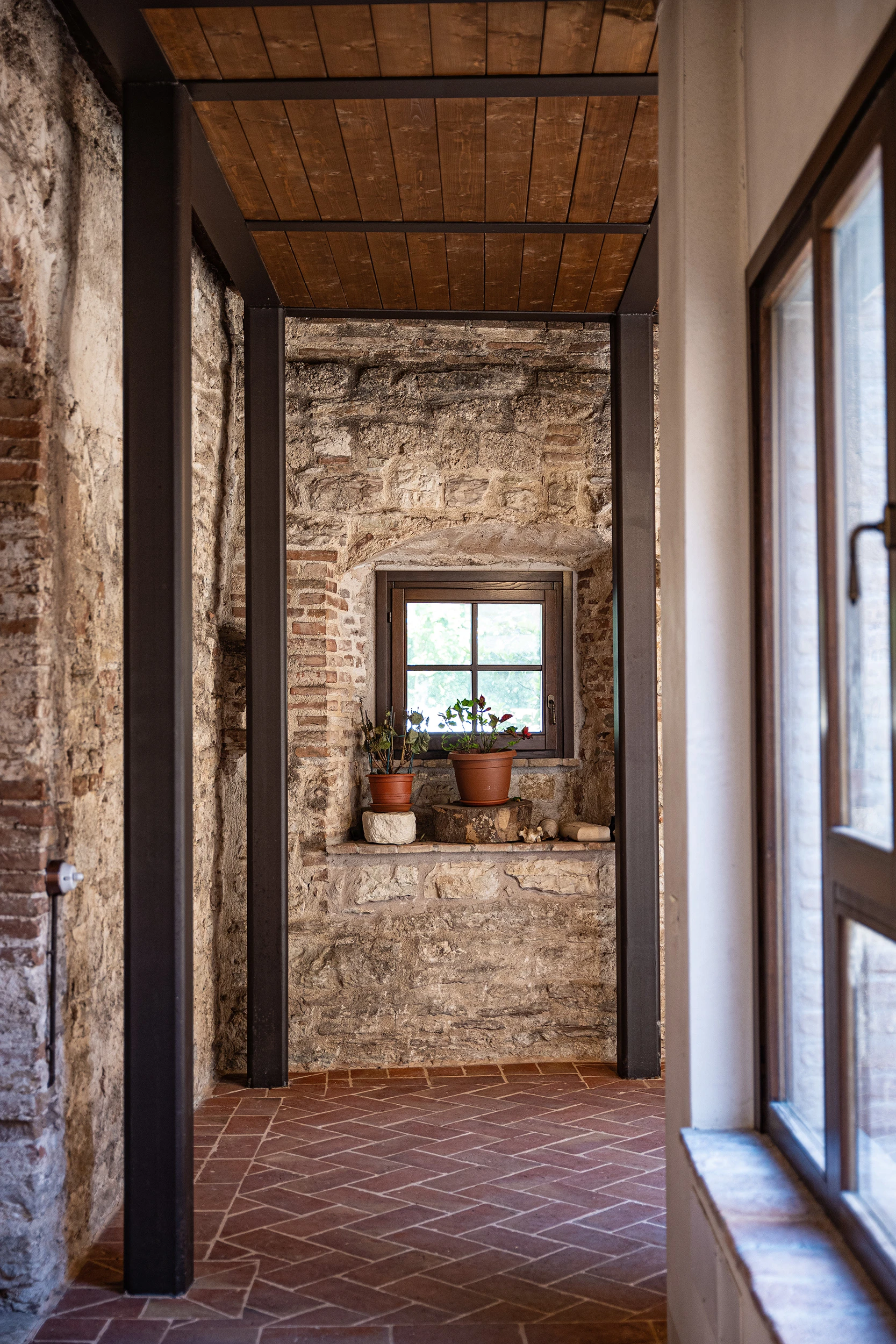
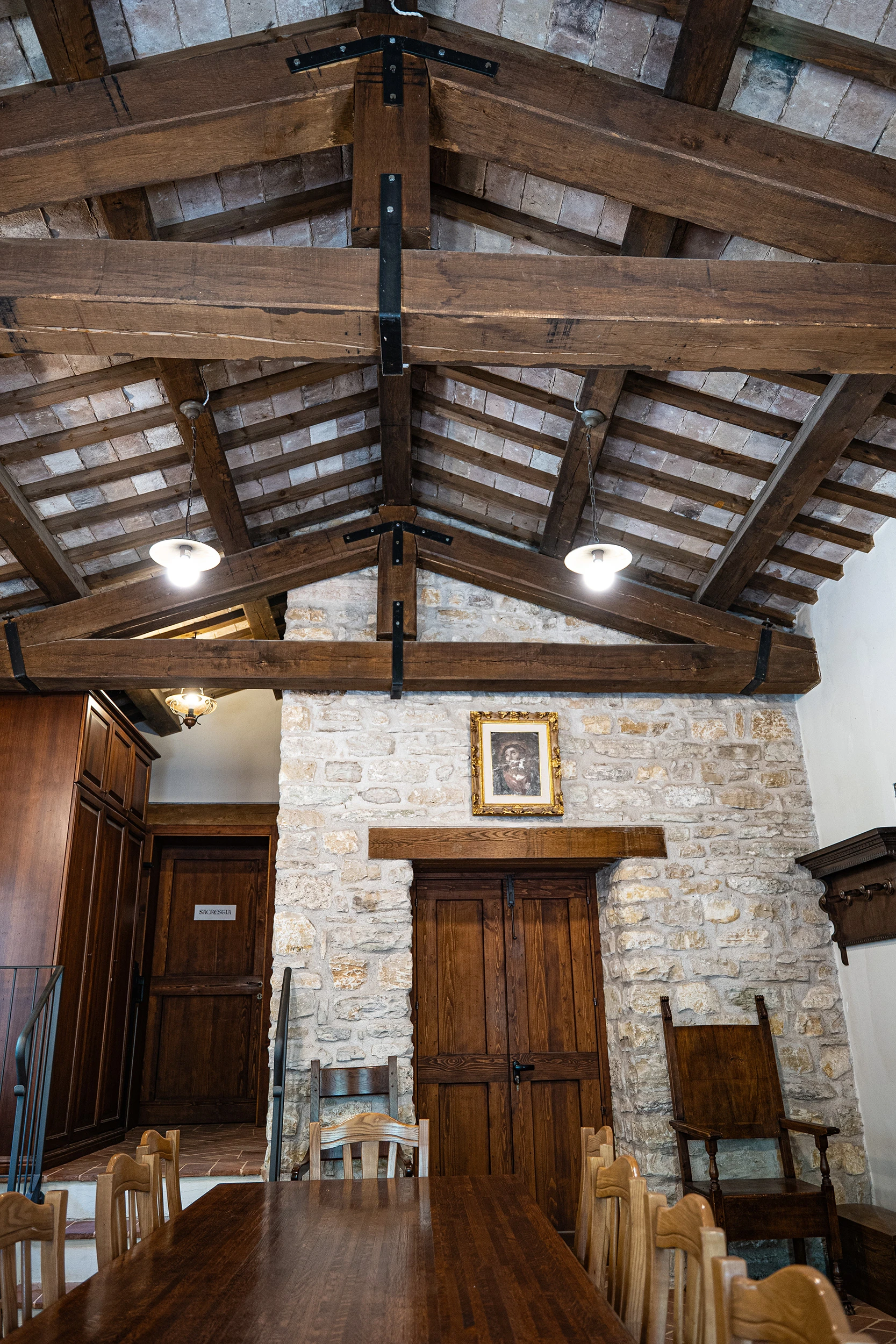
Today, the Eremo del Sasso is recognized as a Cultural Heritage asset of significant historical and architectural value, shaped over time by a process of adaptive reuse aimed at collective and public use. The complex currently includes two guesthouses, office spaces, a restaurant, a historic library, an auditorium, and several multipurpose halls, functioning as a cultural and social hub open to the community.

Architectural Restoration and Structural Consolidation Works

The restoration works addressed multiple technical areas, including extraordinary maintenance and structural consolidation of existing masonry buildings, as well as the restoration of decorative elements. Particular attention was given to the stabilization of the rocky outcrop on which the complex is built, a critical geological and structural component for the long-term safety of the site.

Seismic Retrofitting and Post-Earthquake Reconstruction

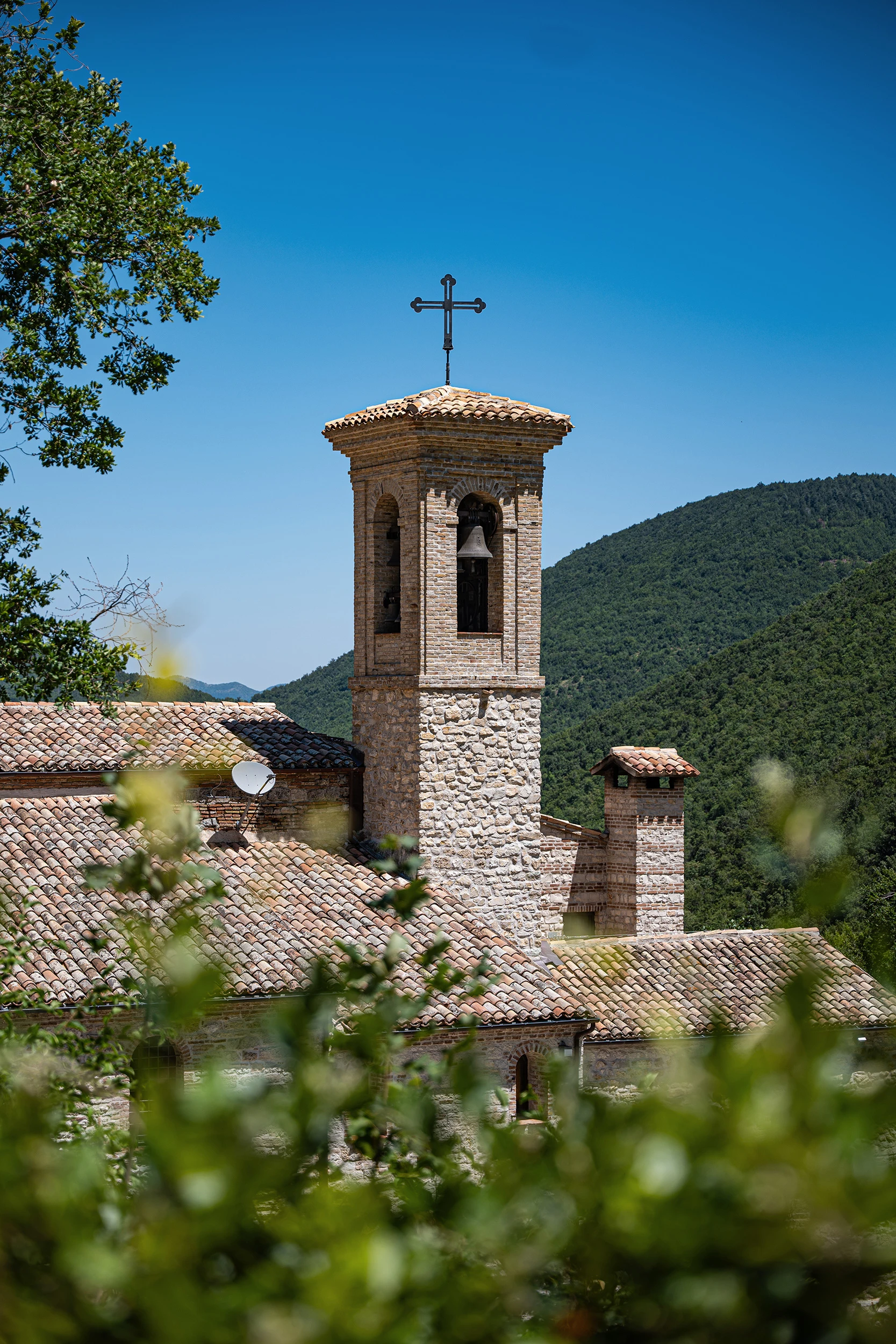
The intervention also included the reconstruction of buildings that collapsed following the 1997 earthquake, along with the resolution of static and seismic interactions between adjacent buildings and between historic structures and newly constructed volumes. The project further involved the vertical extension of the existing refectory and the construction of a new bell tower, ensuring structural compatibility and respect for the architectural character of the complex.

Return to Public Use and Heritage Enhancement

Through this comprehensive program of architectural restoration and seismic upgrading, the Eremo del Sasso has been returned to public use, safeguarding its cultural identity while preserving the historical, architectural, and landscape value that defines the site. The intervention achieves a balanced integration of heritage conservation, structural safety, and renewed public accessibility.

PLACE

Località Valleremita, Fabriano (AN)

CLIENT

Località Valleremita (AN)

WORK PERIOD
ACTIVITY

Architectural Design
Restoration and Consolidation
Structural Design

TYPOLOGY

Restoration of Listed Cultural Heritage

INTENDED USE

Religious

WORK AMOUNT
WORKING GROUP

CPL Concordia Soc. Coop.
Gurrieri Associati Studio di Architettura
Ing. Uguccioni & Associati E.H.E. S.r.l.
Studio Paci Progettazioni
Studio Tecnico Ing. Pietro Paci