What is Benghazi Urban, and why is ENGLOBE participating?
Benghazi Urban is the final stage of GCUPI-B, an initiative promoted by the Fund for Development and Reconstruction of Libya (FDRL) to define an integrated urban Masterplan for Greater Benghazi.
Scheduled for September 6 to 8, 2026, the event is organized over three days and includes conferences and workshops, exhibition and assessment of design proposals, final presentations, and B2B meetings with local institutions and economic stakeholders. The Italian mission, coordinated by the Italian-Libyan Chamber of Commerce, brings together 42 participants representing 34 Italian organizations, including ENGLOBE.
The program is not limited to individual building rehabilitation projects. It also addresses infrastructure, mobility, services, and new investment opportunities for Benghazi and eastern Libya.
Why does Benghazi’s historic city center have such a strong connection with Italian architecture?
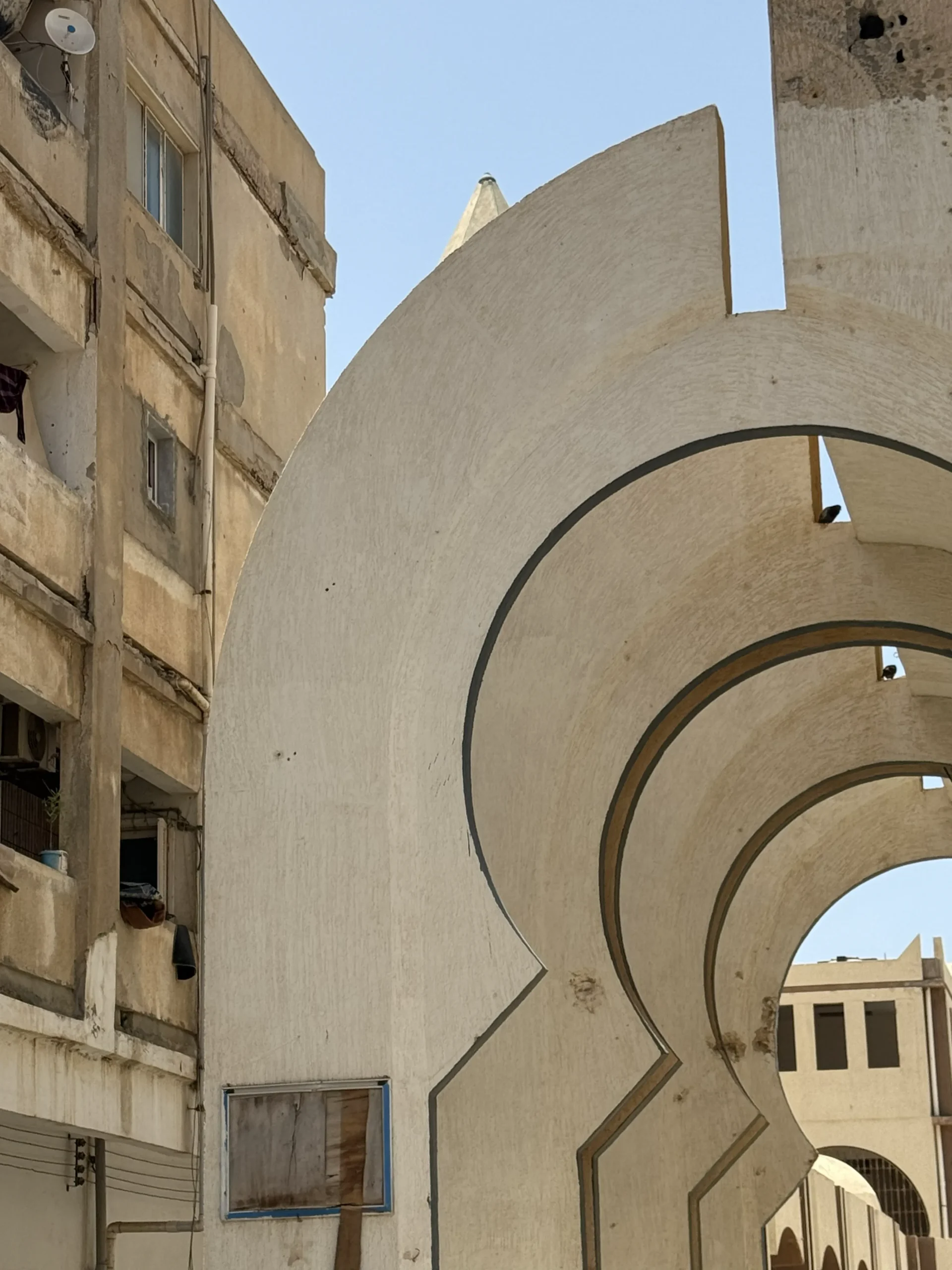
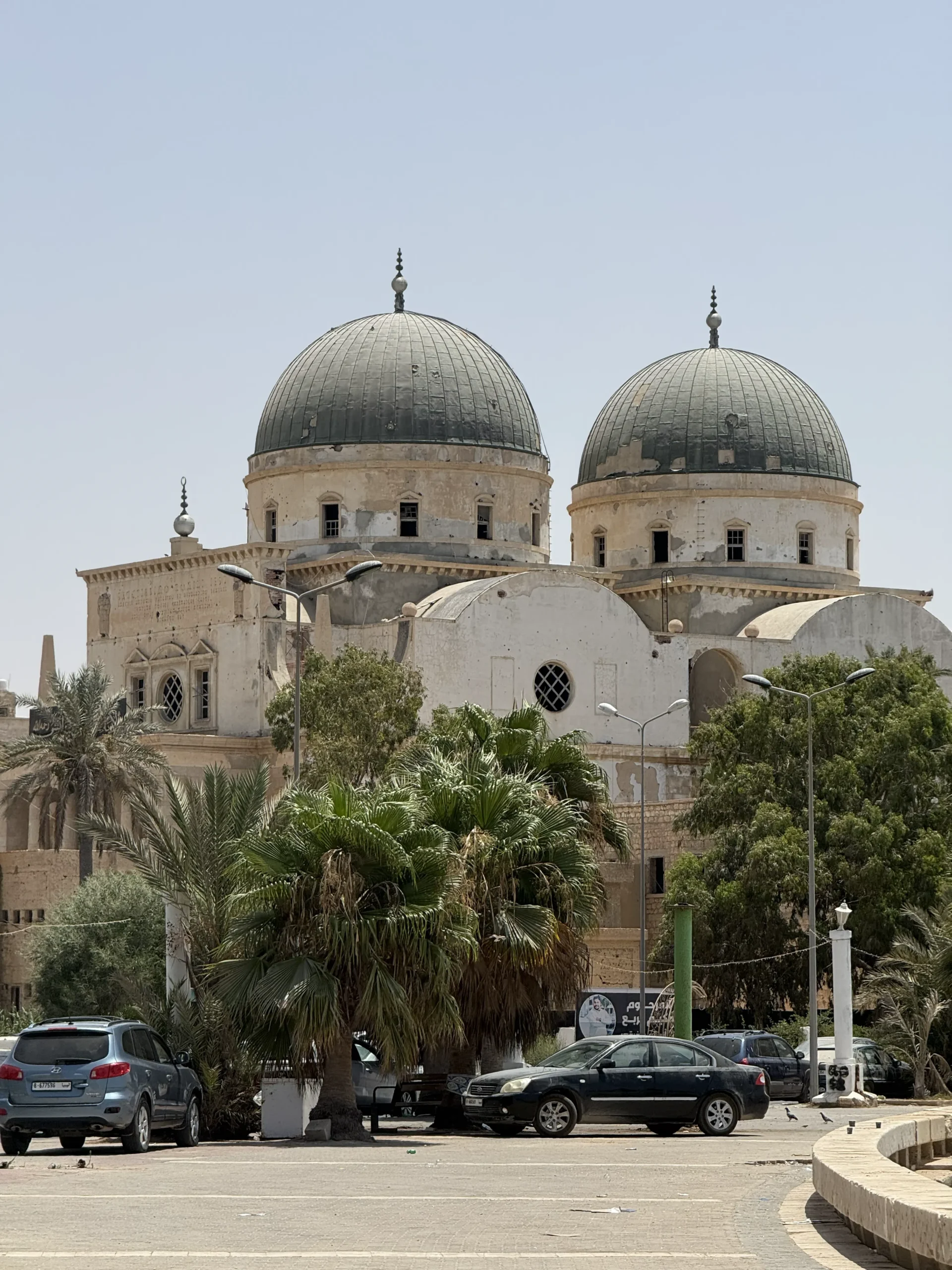
Benghazi’s urban identity is the result of multiple overlapping cultural layers: the Arab-Ottoman urban fabric and the Italian-planned expansion developed primarily during the 1920s and 1930s.
Some of the most significant examples of this layered identity include:
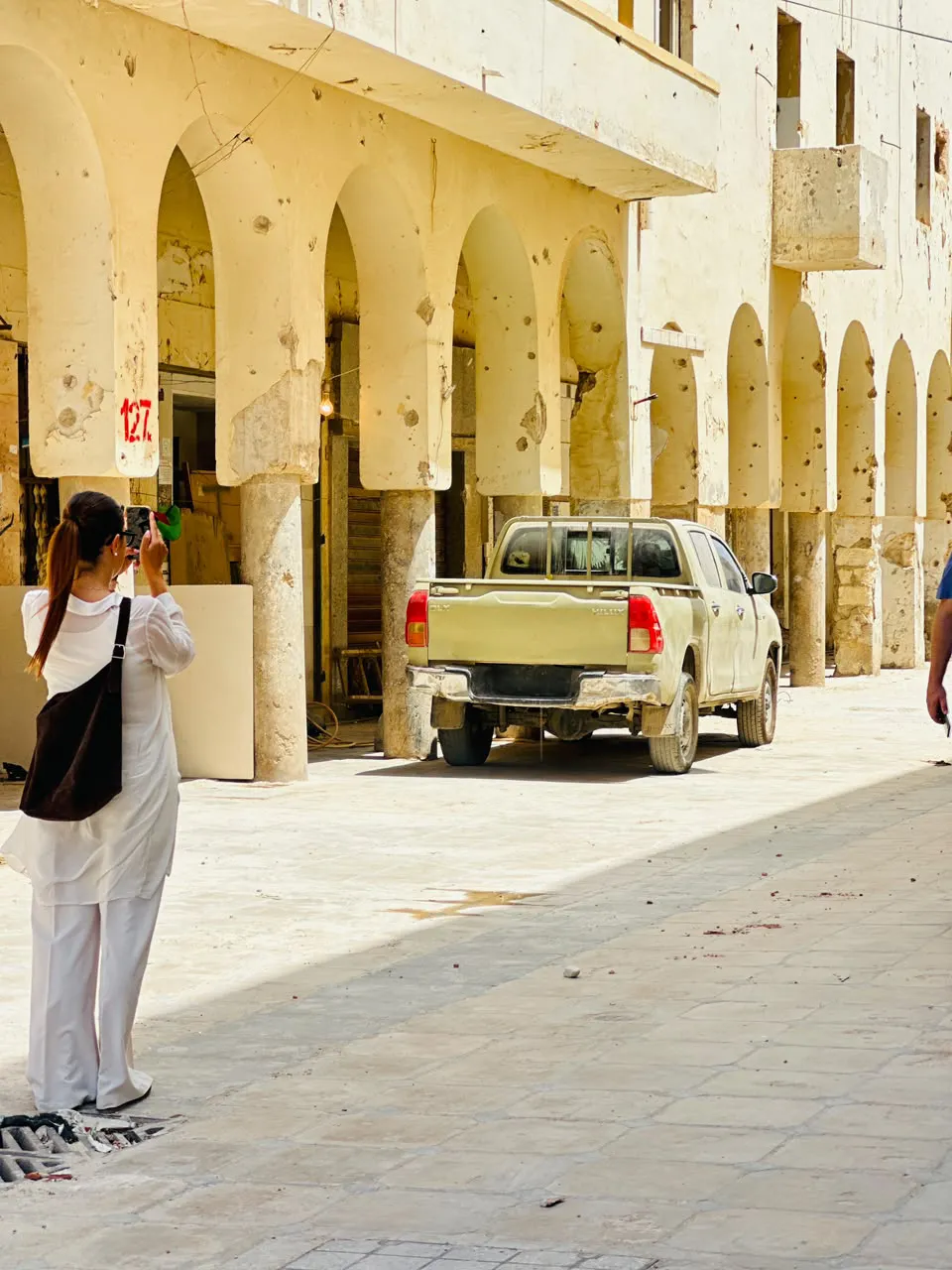
- Omar Al-Mukhtar Street, an arcaded urban axis developed according to the Italian urban layout;
- the city waterfront;
- Benghazi Cathedral;
- Al Manar Palace;
- the Berenice Theater;
- public and banking buildings in the so-called “Italian Quarter.”
Academic studies on Benghazi indicate that the distinctive character of the historic city center derives precisely from the coexistence of Italian architecture, the Arab-Ottoman urban fabric, traditional markets, mosques, and civic spaces.
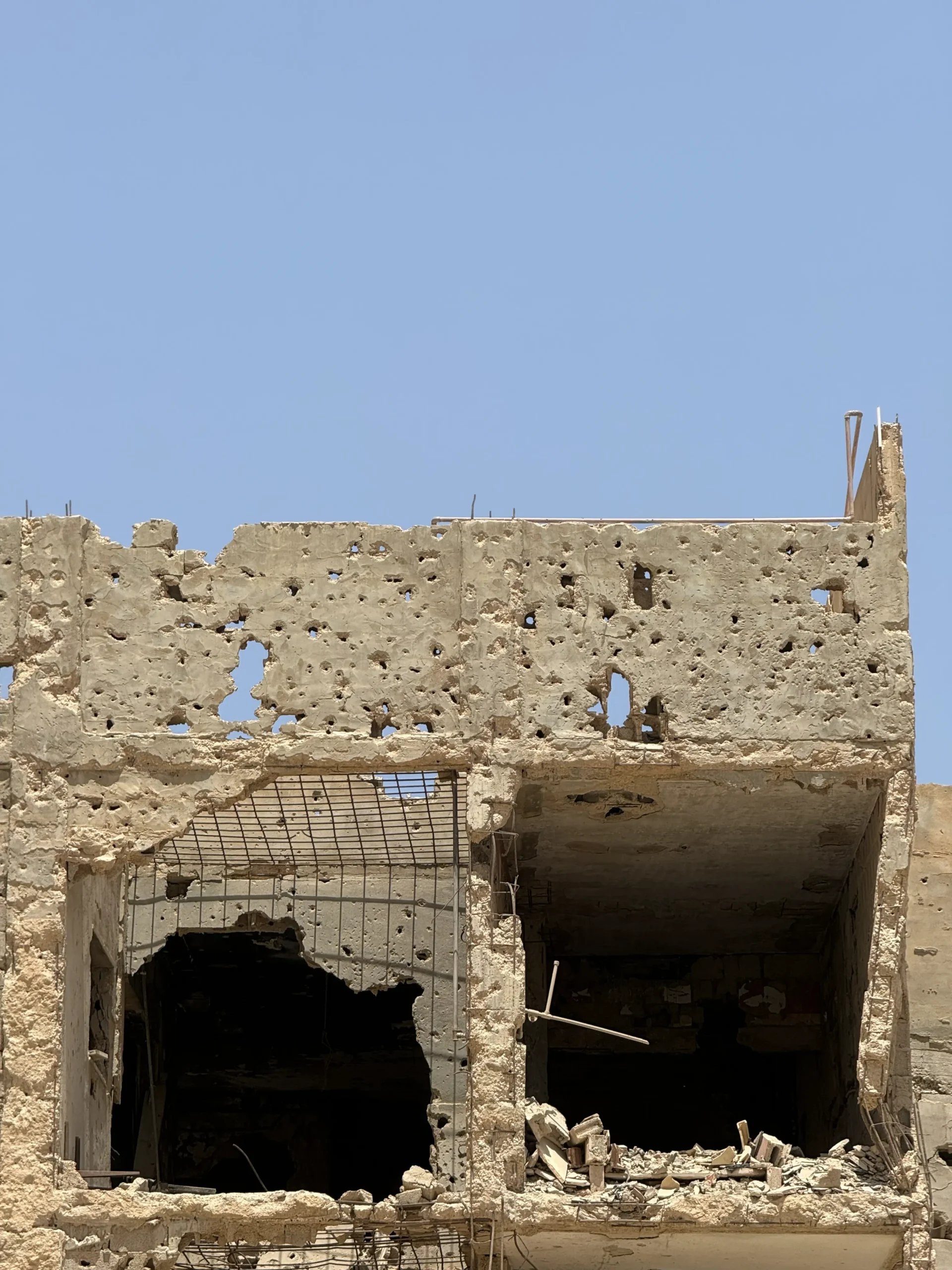
How severely was Benghazi’s urban heritage damaged during the conflict?
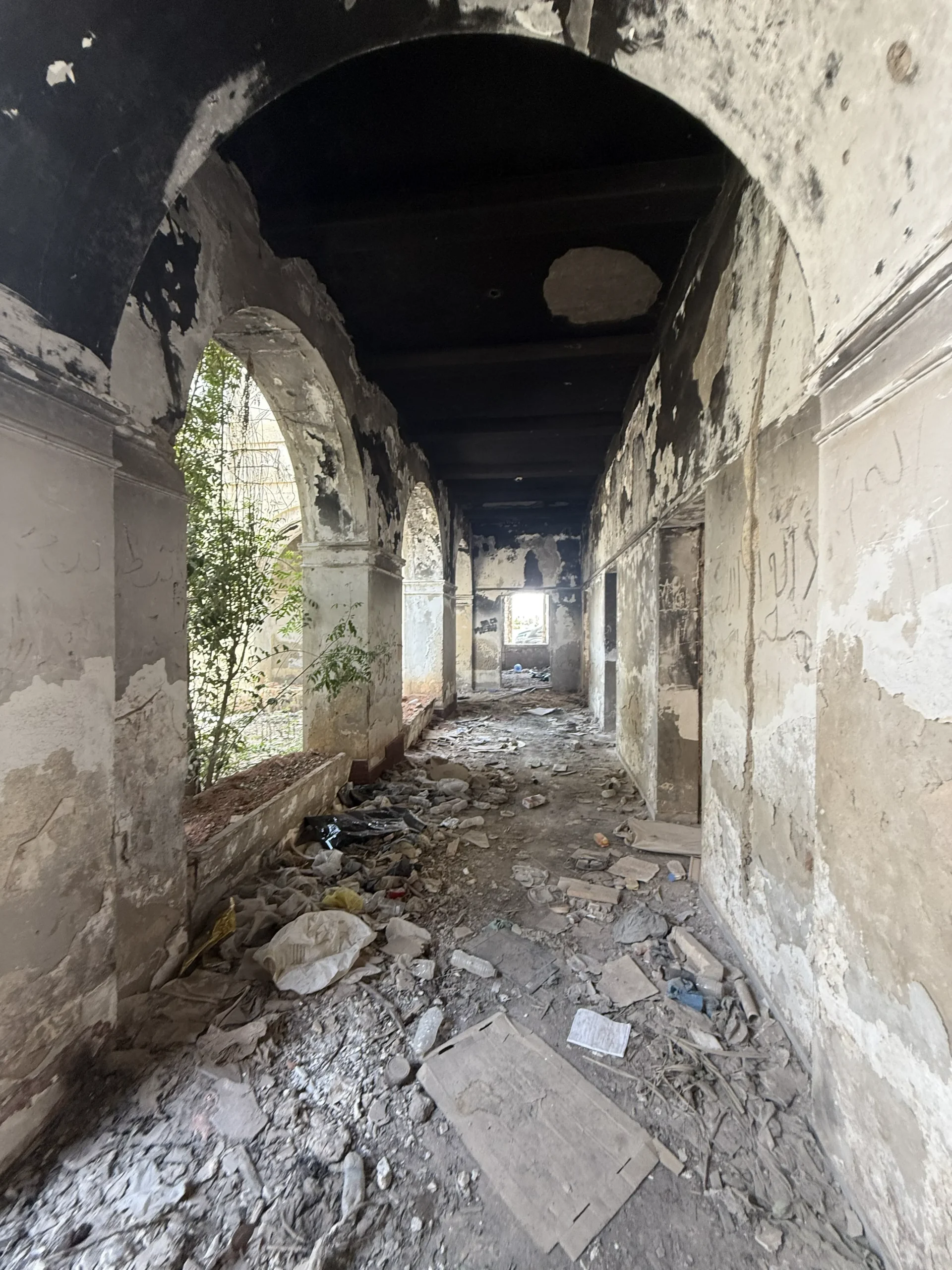
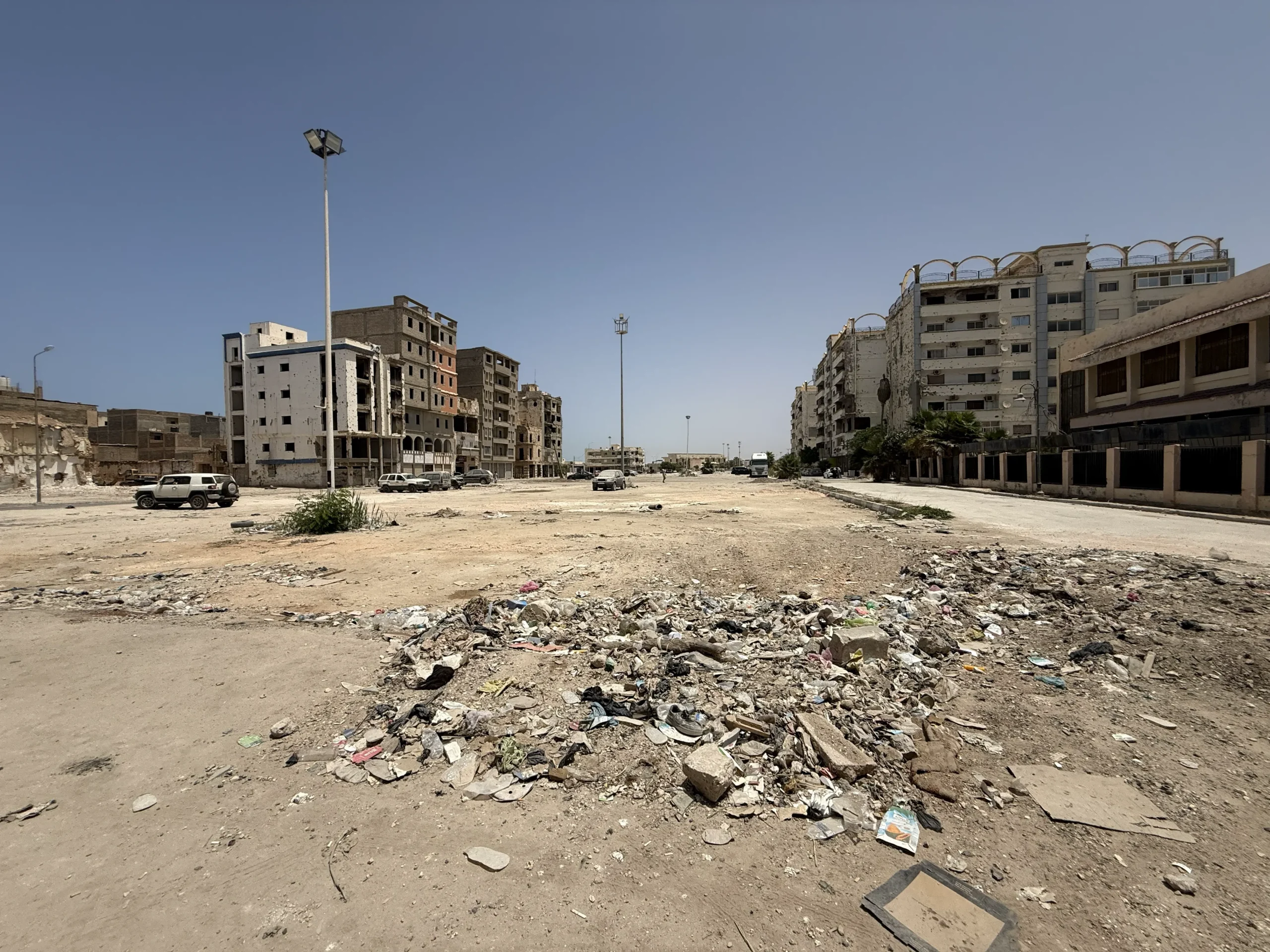
Satellite analyses conducted by ASOR Cultural Heritage Initiatives document a dramatic increase in damage between 2015 and 2017.
Available technical data include:
- November 2015: approximately 0.06 km² of severe damage identified within the Old City area;
- July 2017: nearly 50% of the analyzed Old City area affected by severe damage;
- 2022: the Benghazi Historic City Center included in the World Monuments Watch;
- UNDP-supported interventions already completed on public spaces, including the Corniche, as well as on selected historic buildings.
These figures demonstrate that reconstruction is not only about damaged buildings, but also about ensuring continuity of urban memory and restoring the city’s public and economic functions.
How did ENGLOBE’s relationship with Benghazi begin?
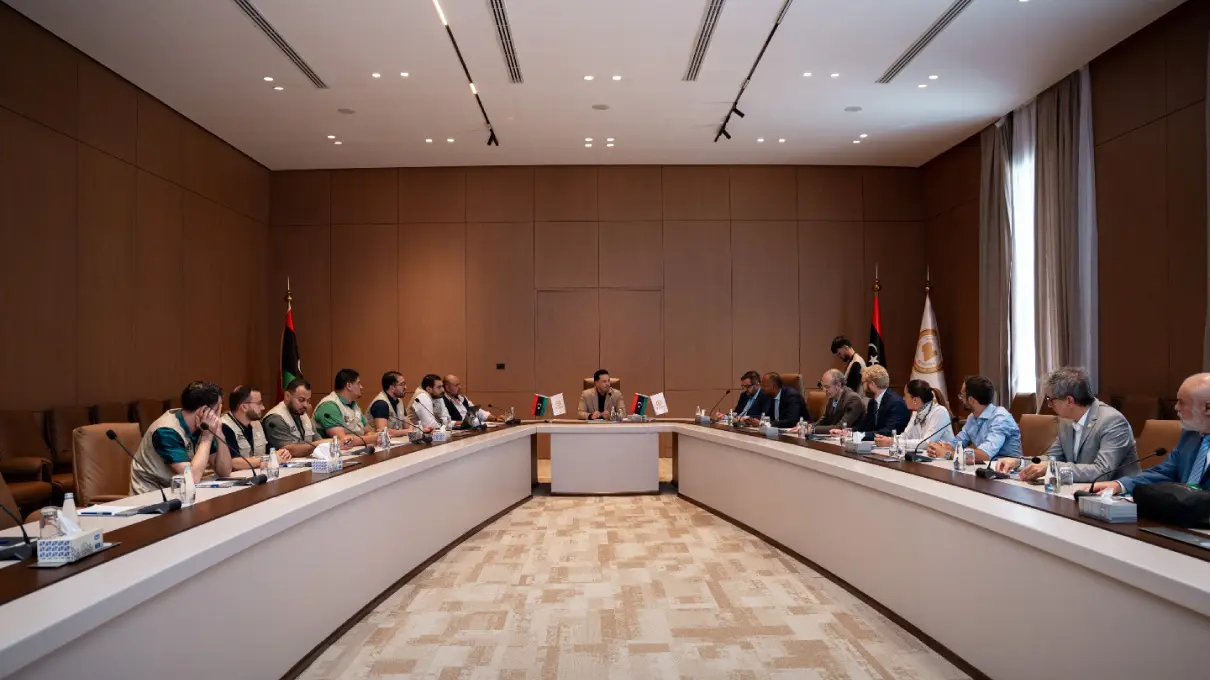
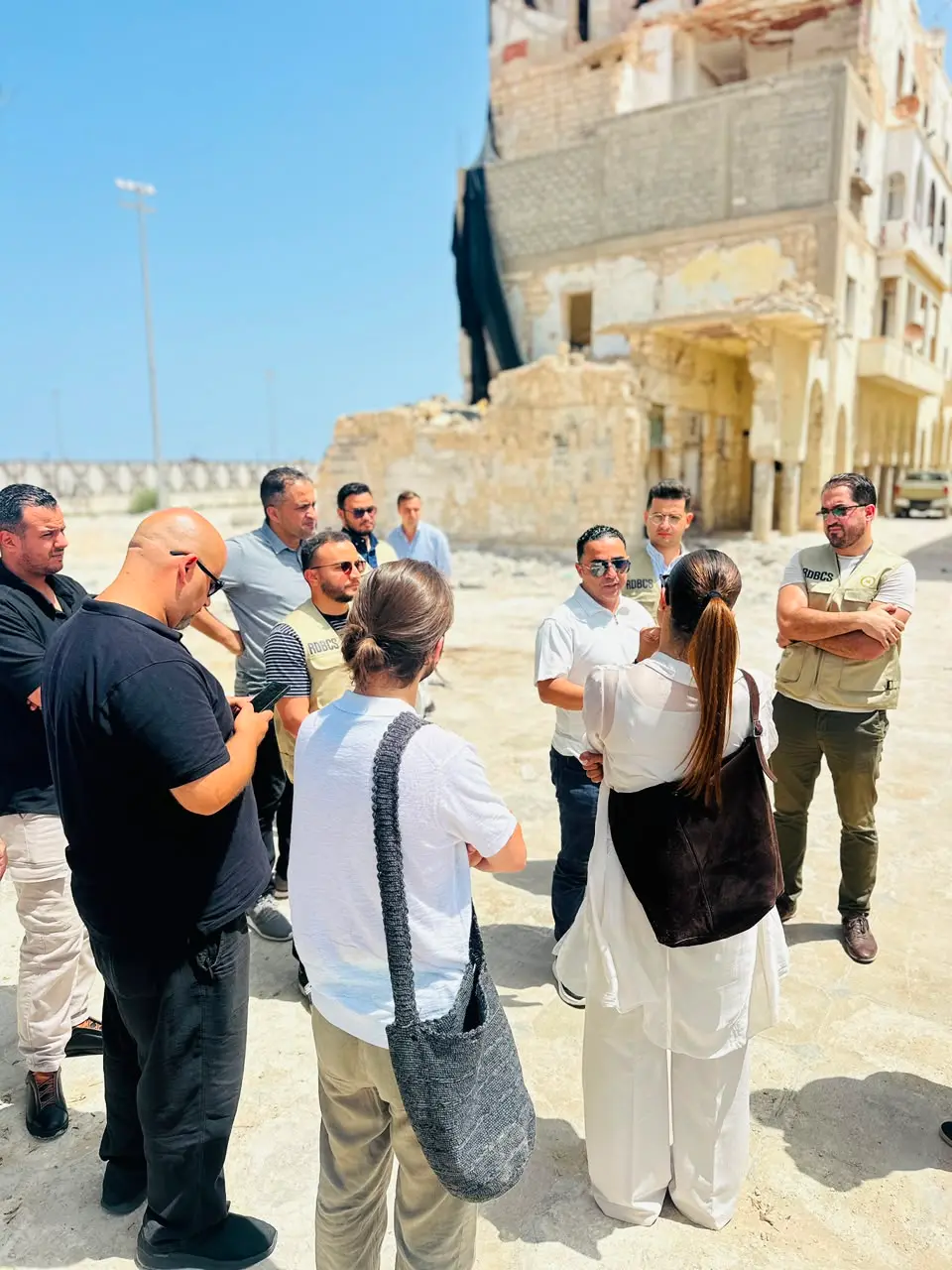
ENGLOBE’s engagement in Benghazi began with a technical field mission carried out from July 27 to 30, 2026, ahead of the September event.
The ENGLOBE team took part in the mission alongside the Italian-Libyan Chamber of Commerce and other Italian organizations. The program included:
- meetings with FDRL representatives;
- discussions with the official responsible for the city’s urban planning;
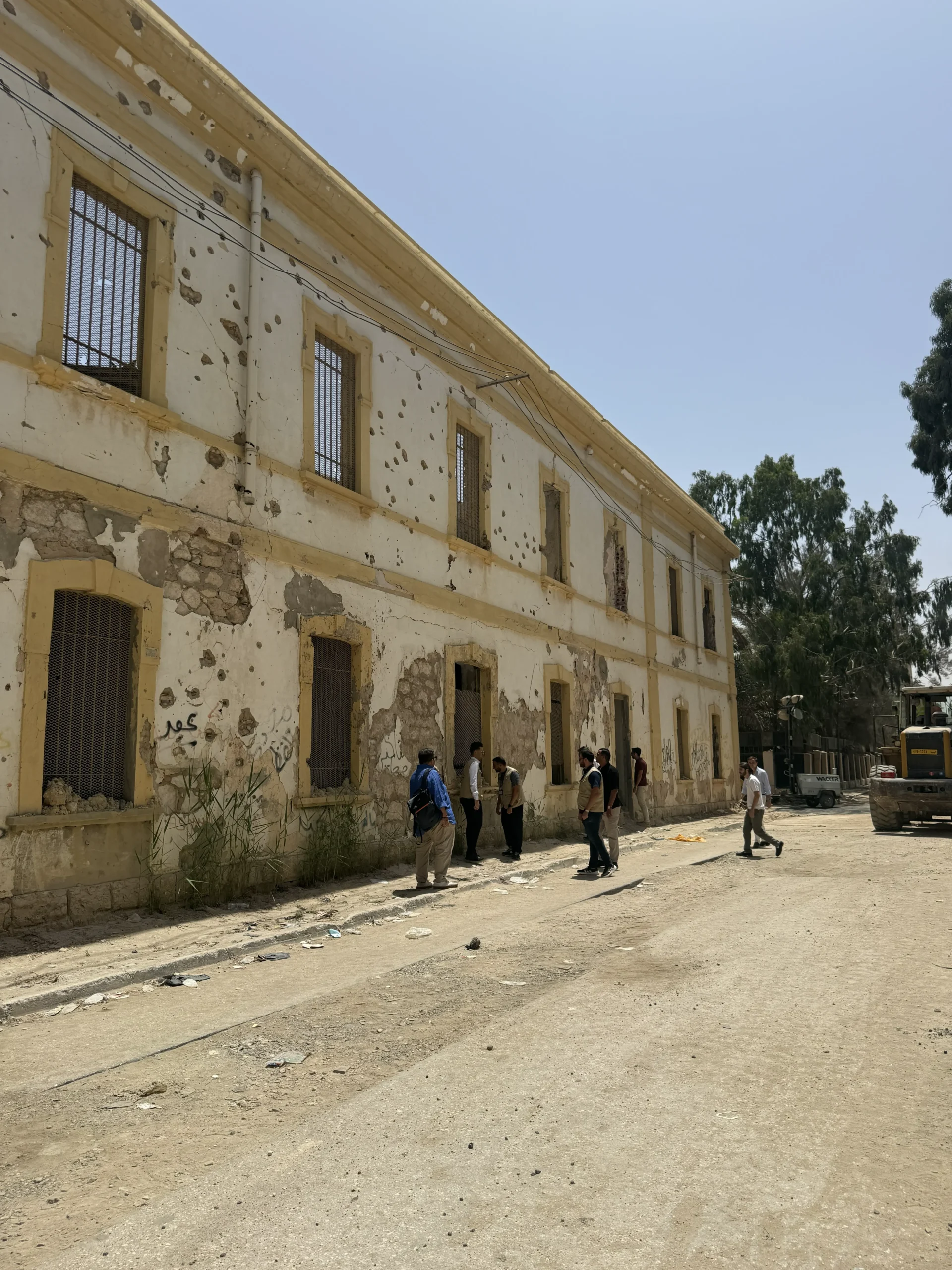
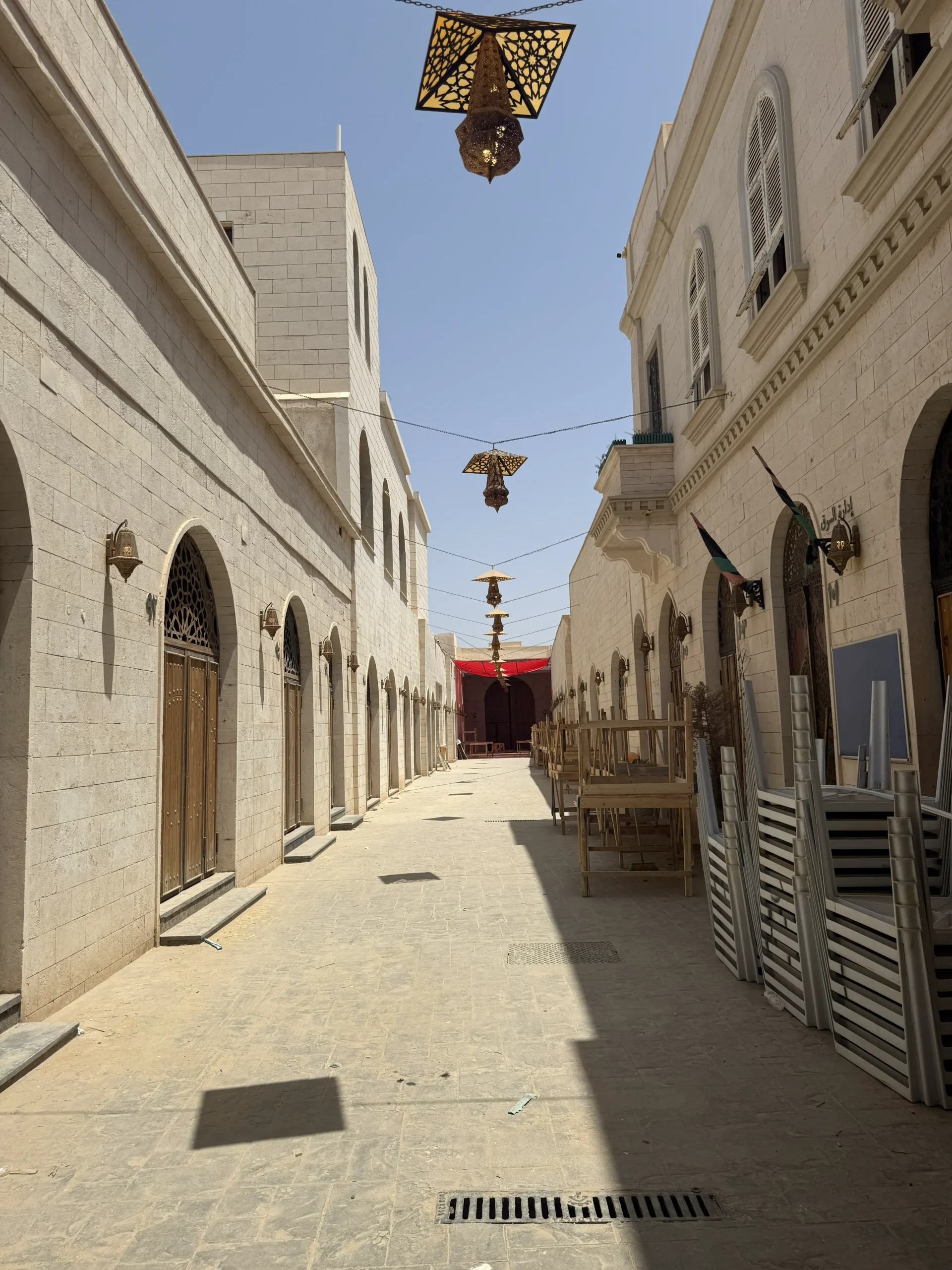
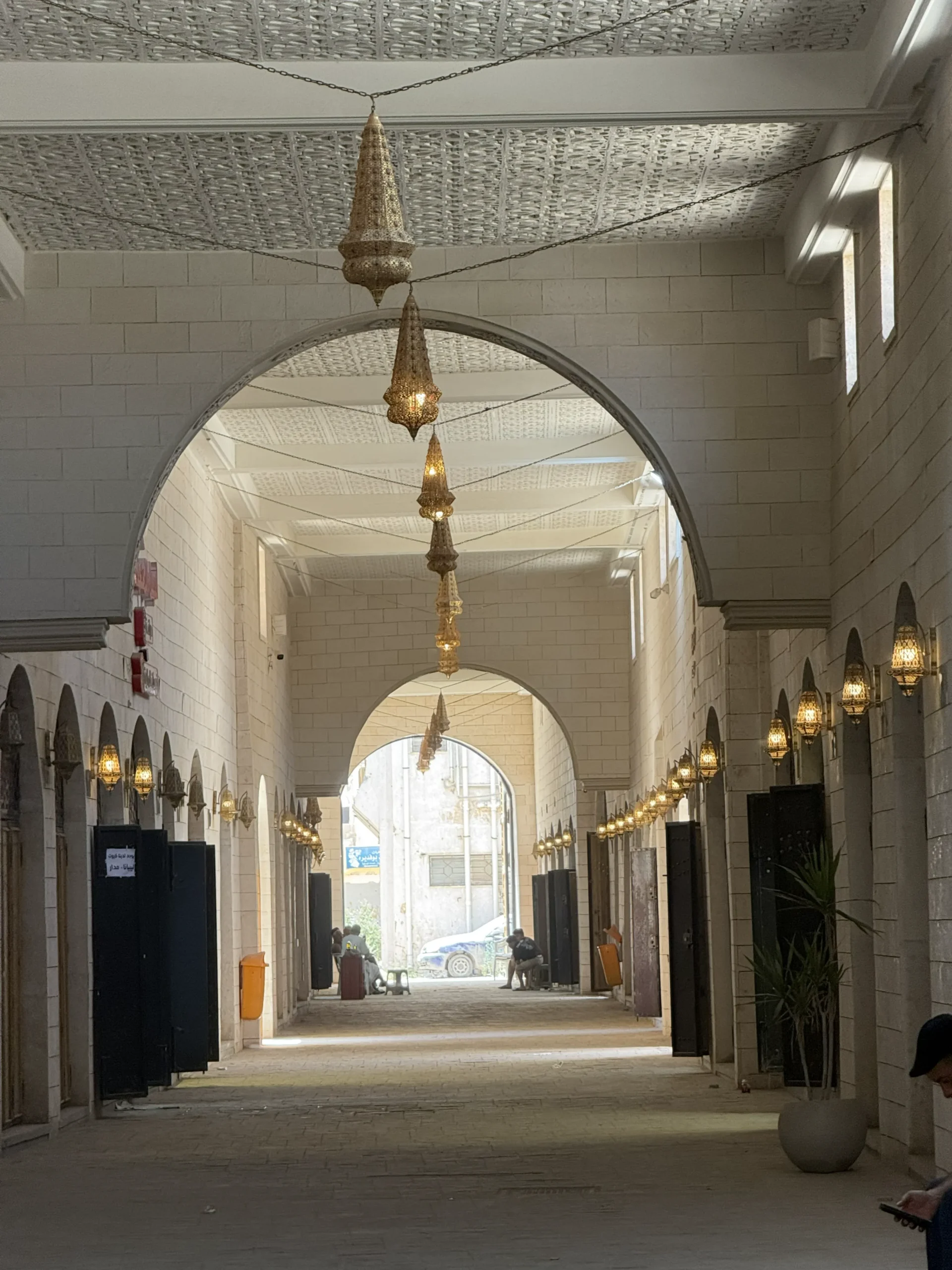
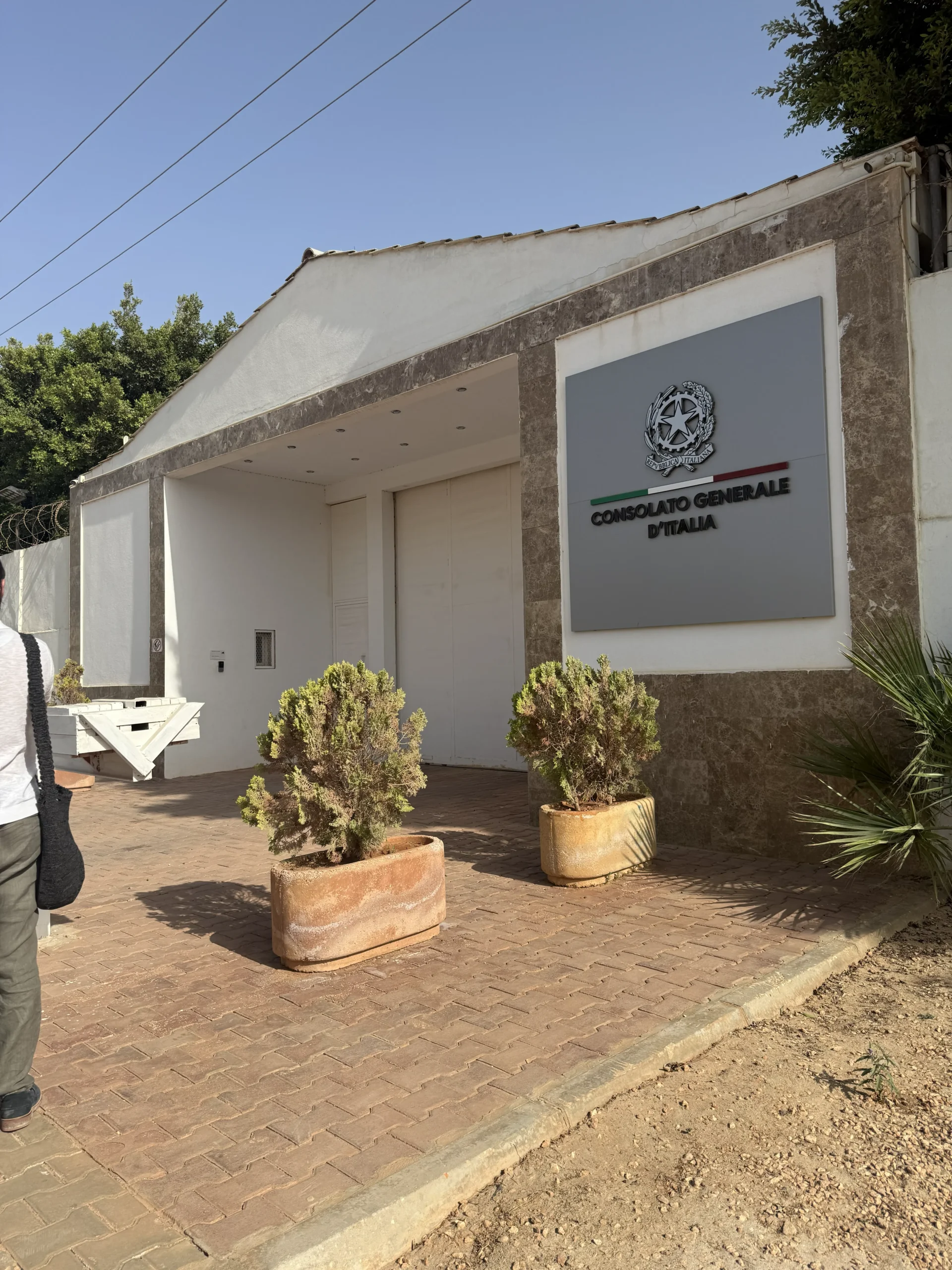
- field inspections along Omar Al-Mukhtar Street, at the former Italian Consulate, Piazza Italiana, and the Historic Market.
According to ENGLOBE’s technical team, Omar Al-Mukhtar Street is one of the clearest expressions of Benghazi’s complex urban stratification, with Italian-planned buildings coexisting alongside Ottoman-influenced architecture, all of which are now marked by severe conflict-related damage.
What strategies have been identified for the regeneration of the historic city center?
The strategies emerging from the technical mission combine the philological conservation of monumental heritage with the contemporary adaptive reuse of the ordinary historic building stock.
The main principles identified include:
- preserving, where compatible, the original functions and identity of monumental buildings;
- philological restoration of historic façades and urban frontages;
- contemporary adaptive reuse of the ordinary historic building stock;
- coordinated enhancement of the Italian, Ottoman, and Arab architectural components;
- revitalization of the historic center’s commercial and tourism potential;
- actions addressing unplanned urban growth, isolated peripheral districts, mobility, and parking.
These priorities are consistent with the GCUPI-B framework, which identifies sustainable development, smart technologies, green urban spaces, infrastructure, and heritage enhancement as key pillars of the new Masterplan.
For ENGLOBE, applying its expertise in historic heritage restoration, urban regeneration, and integrated design to this process would represent a significant professional opportunity, as well as a chance to contribute to the rebirth of a city where Italian and Libyan histories intersect within a heritage that today requires technical knowledge, design responsibility, and a long-term vision.
Quando si svolge Benghazi Urban 2026?
L'evento conclusivo della GCUPI-B si svolge dal 6 all'8 settembre 2026 a Bengasi, con conferenze, workshop, esposizione delle proposte, valutazioni tecniche, presentazioni finali e incontri B2B.
Qual è l'obiettivo della ricostruzione del centro storico di Bengasi?
Non riguarda solo la ricostruzione fisica degli edifici danneggiati, ma il recupero dell'identità urbana e la riattivazione culturale, commerciale e turistica del centro, secondo un modello che integra tutela monumentale e nuove funzioni compatibili.