Why does the Foro Boario reopening matter for Osimo?
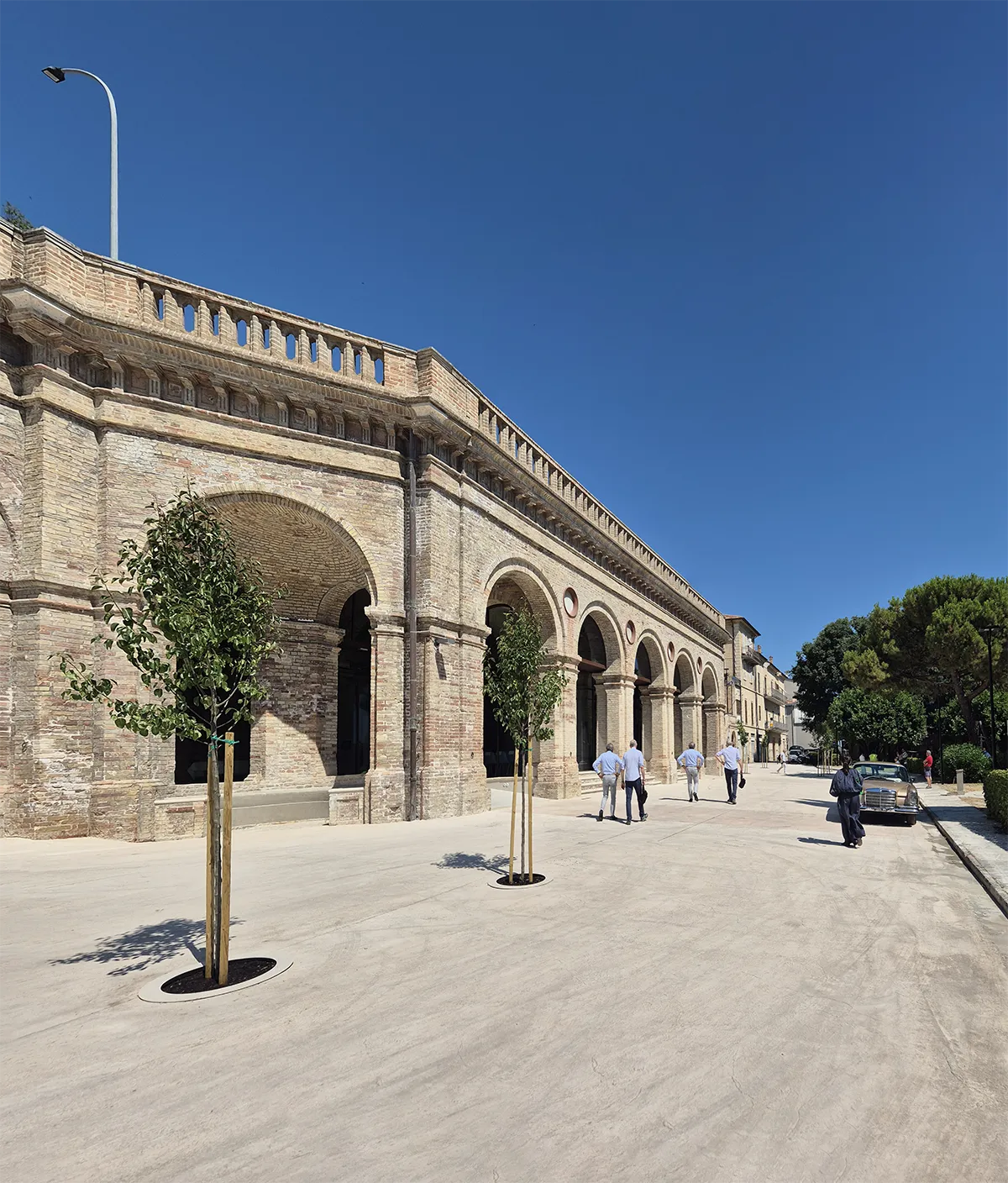
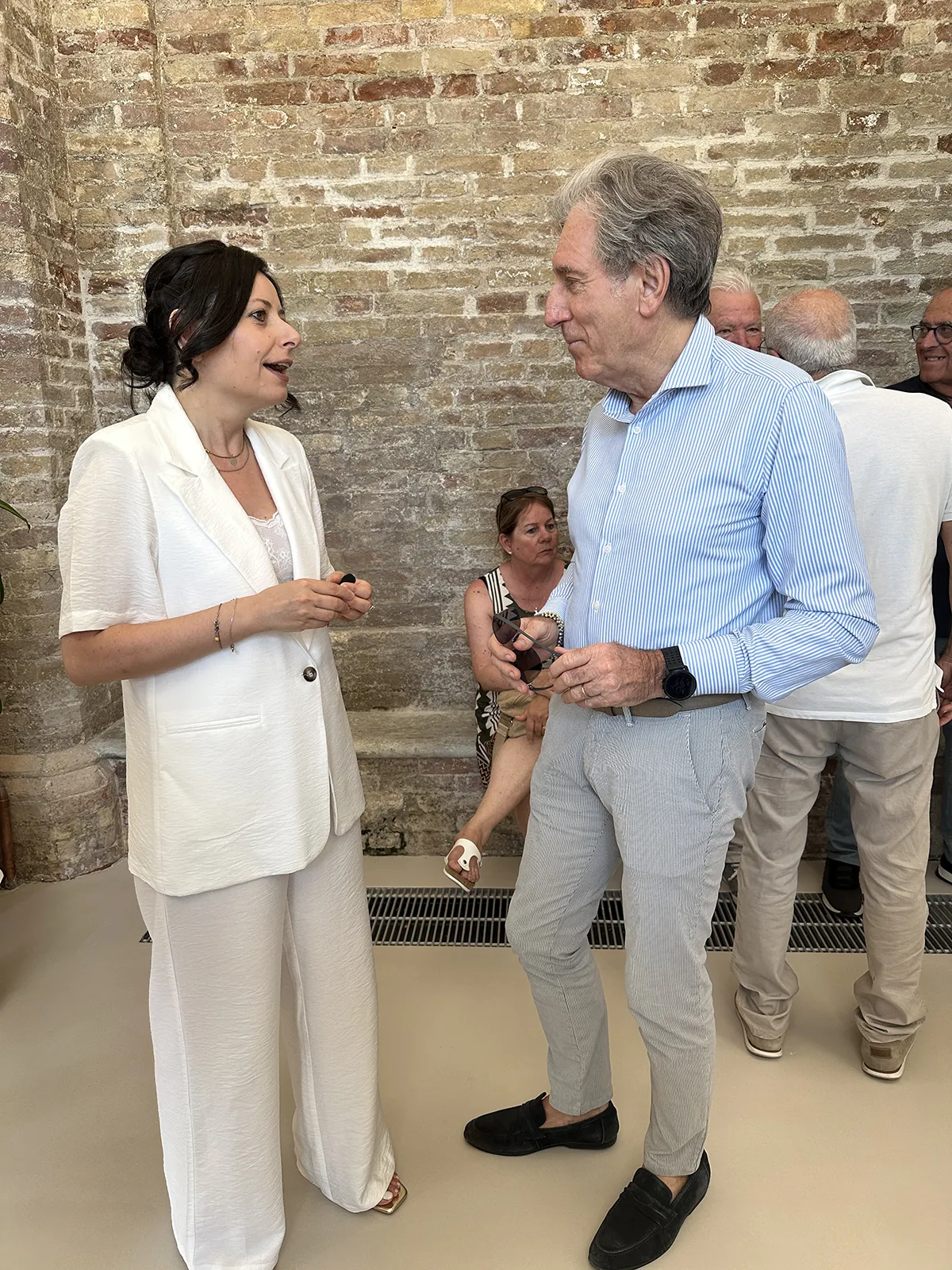
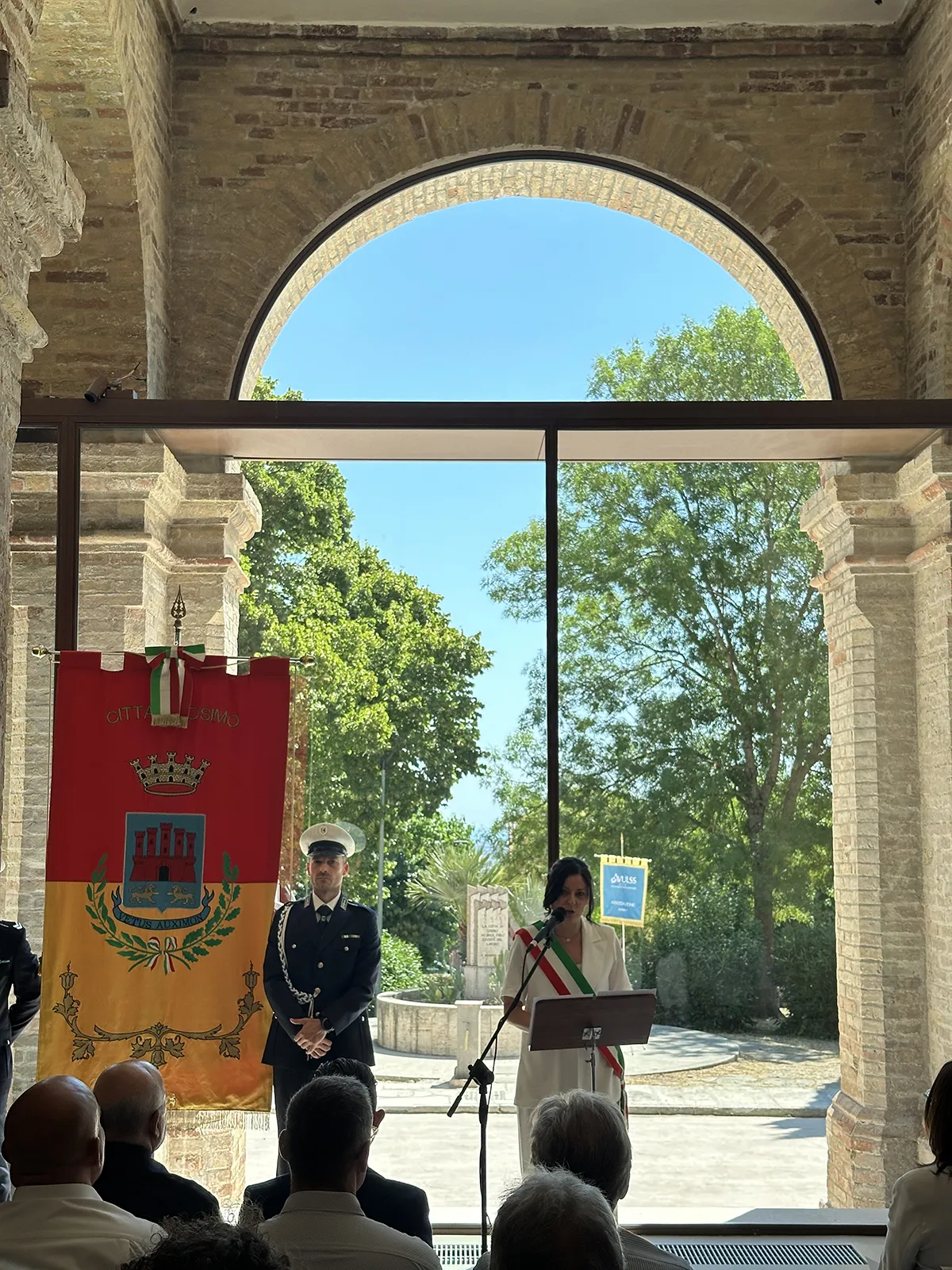
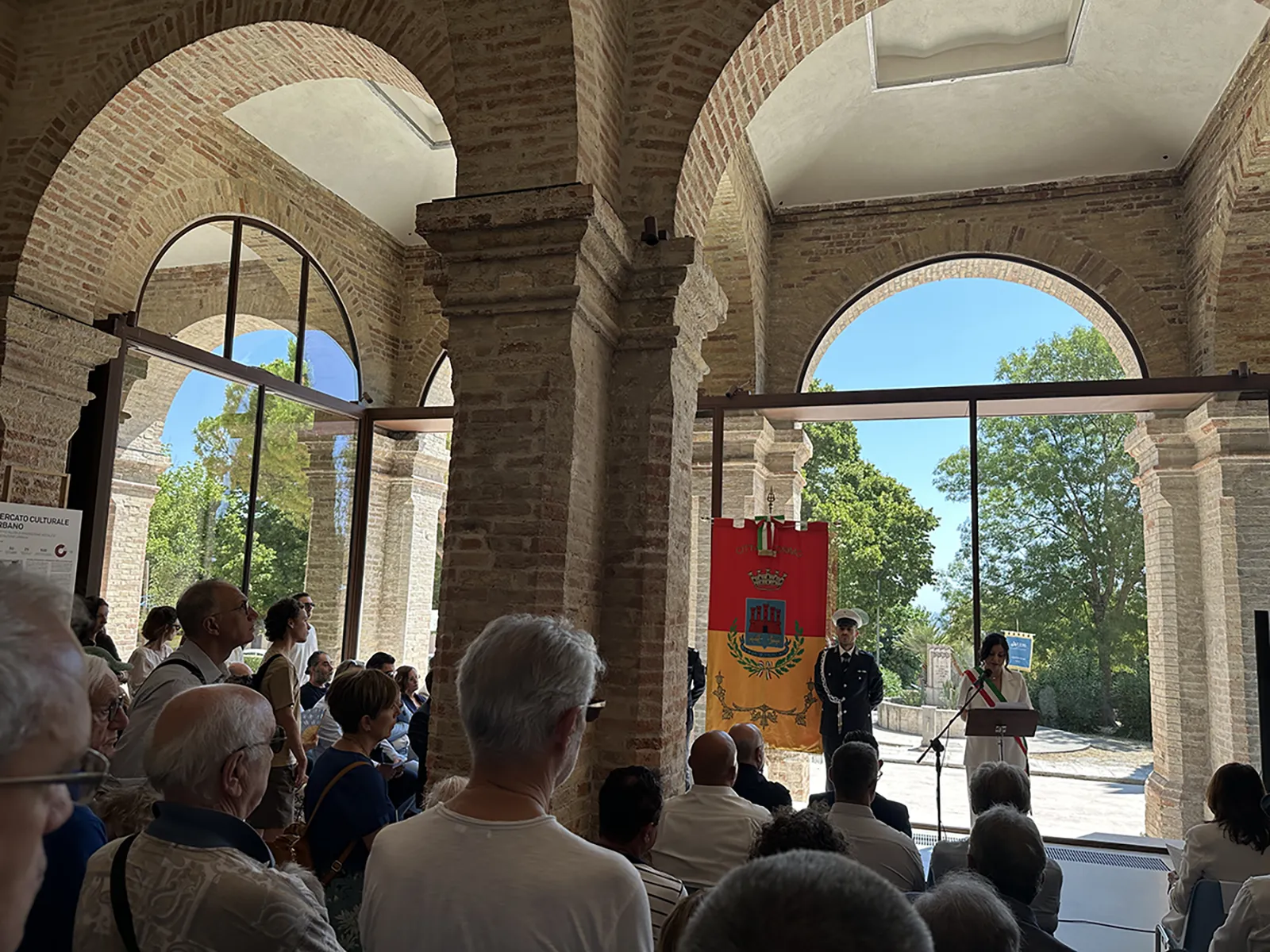
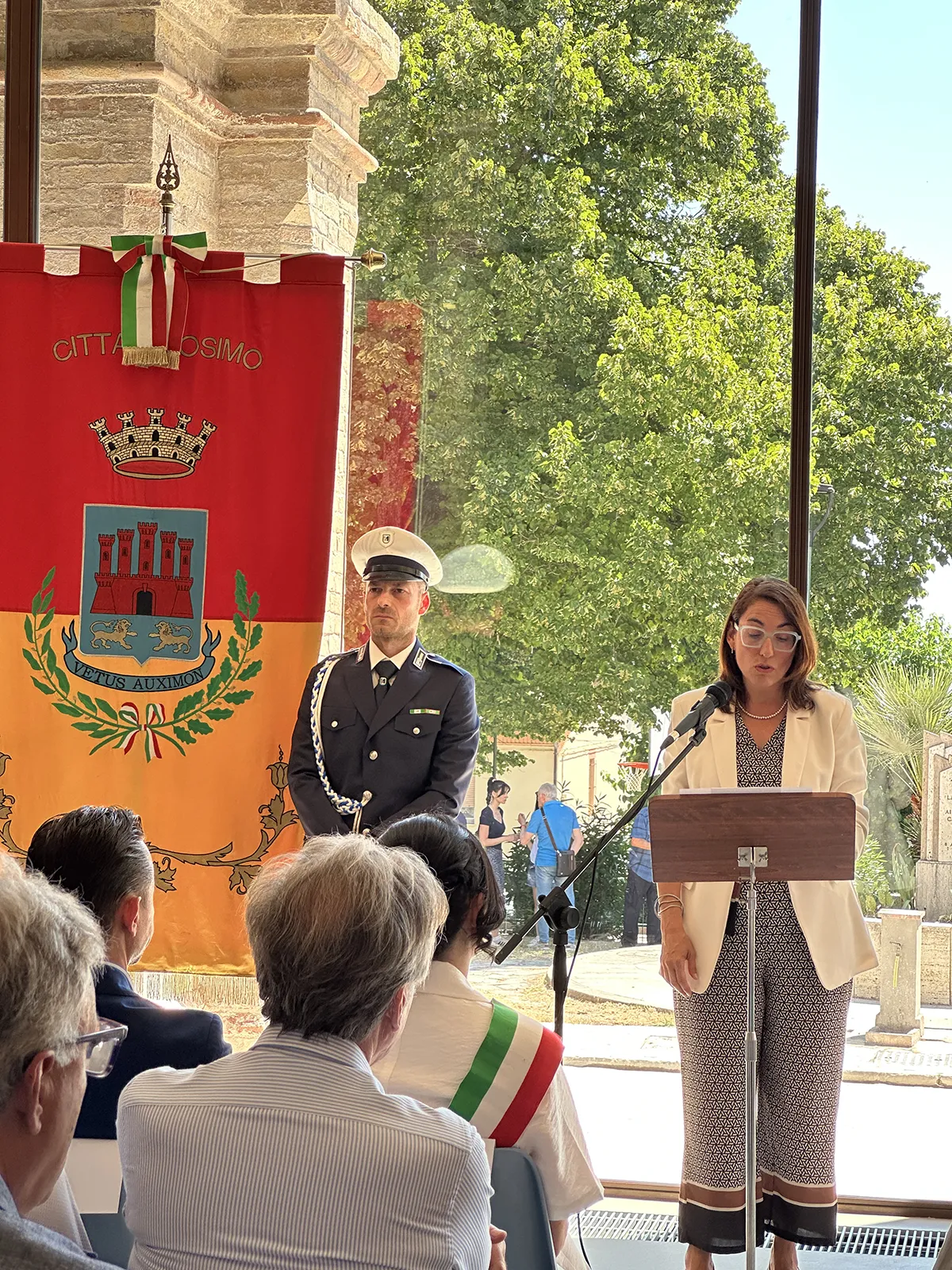
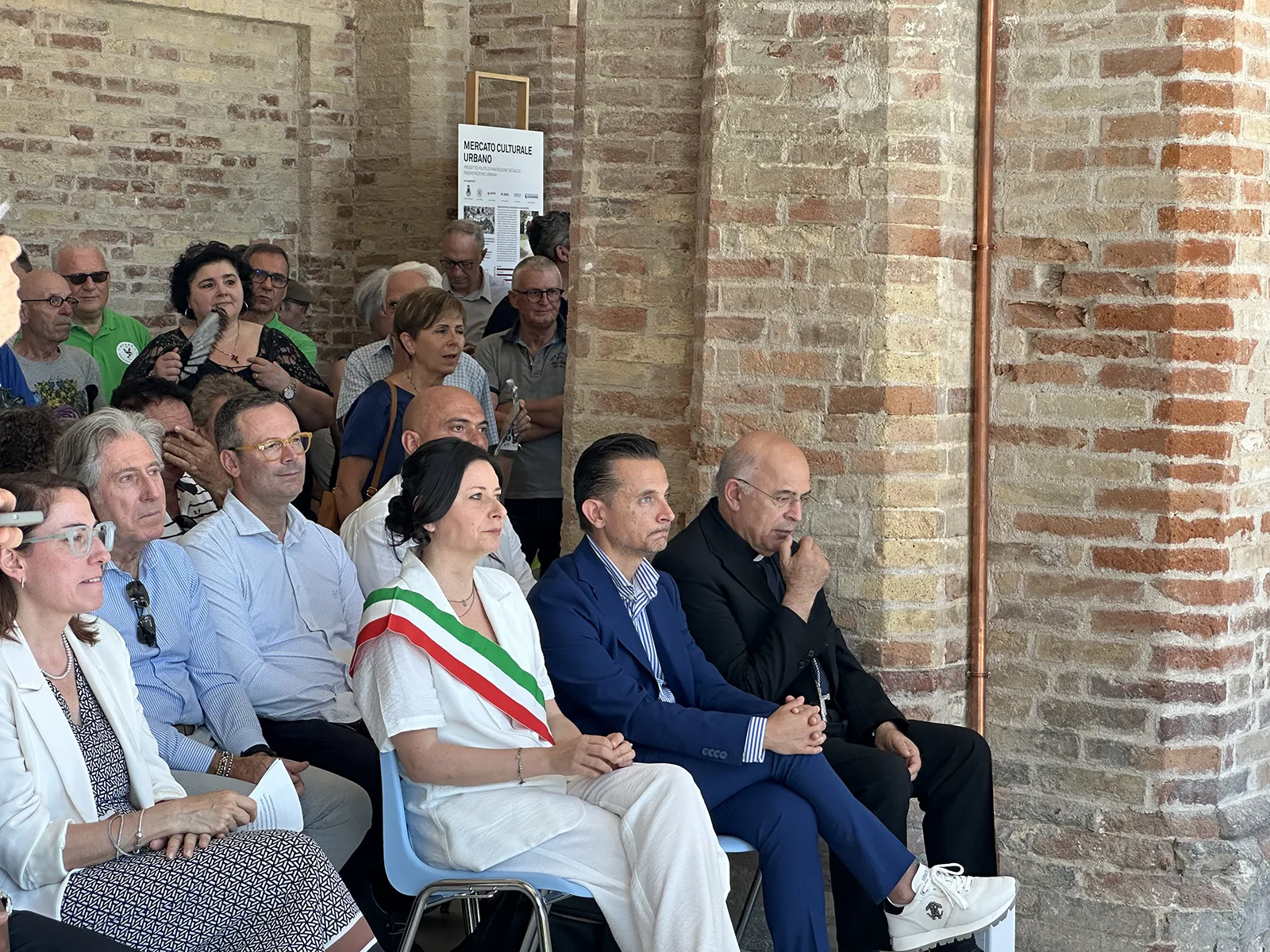
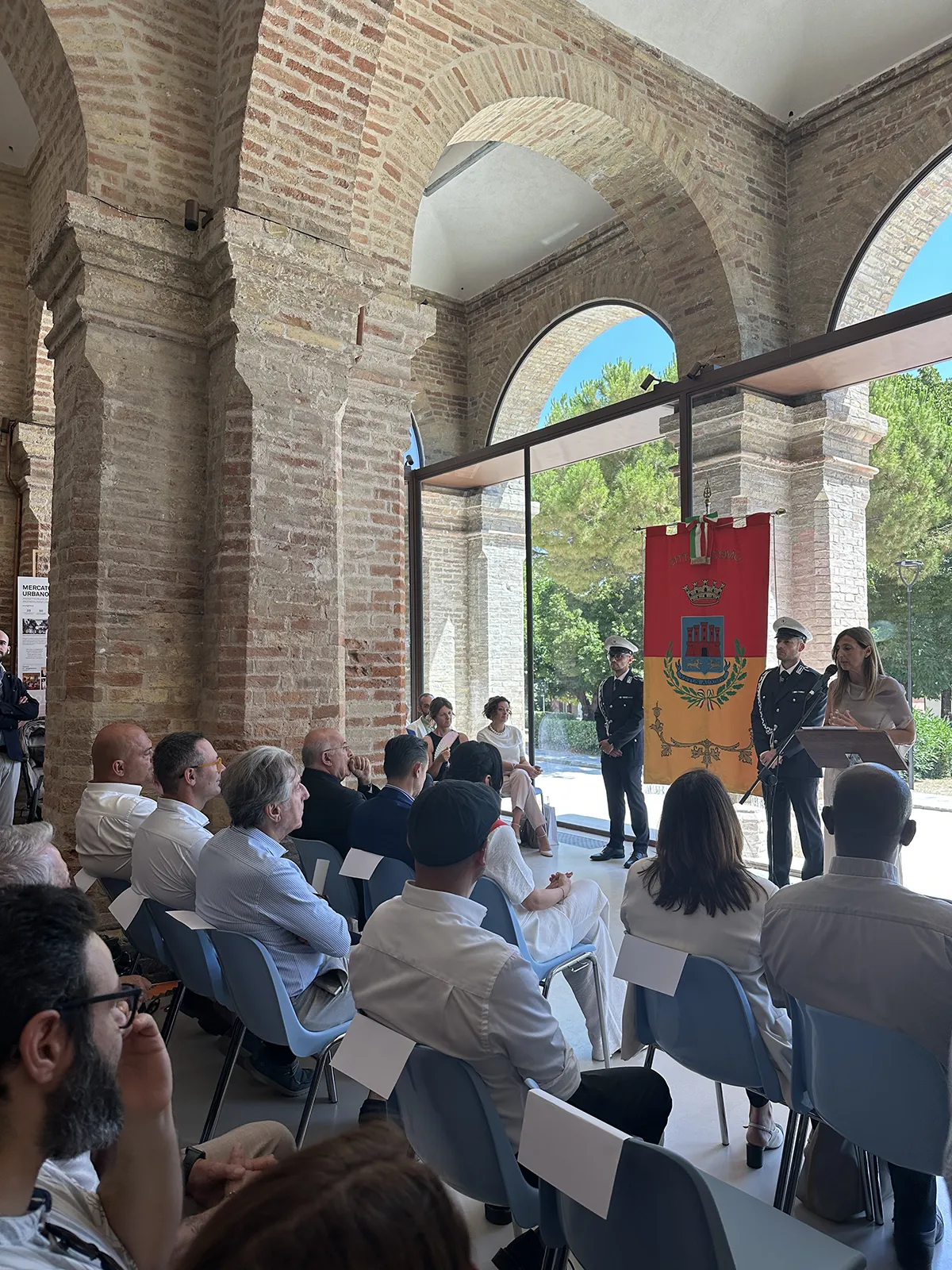
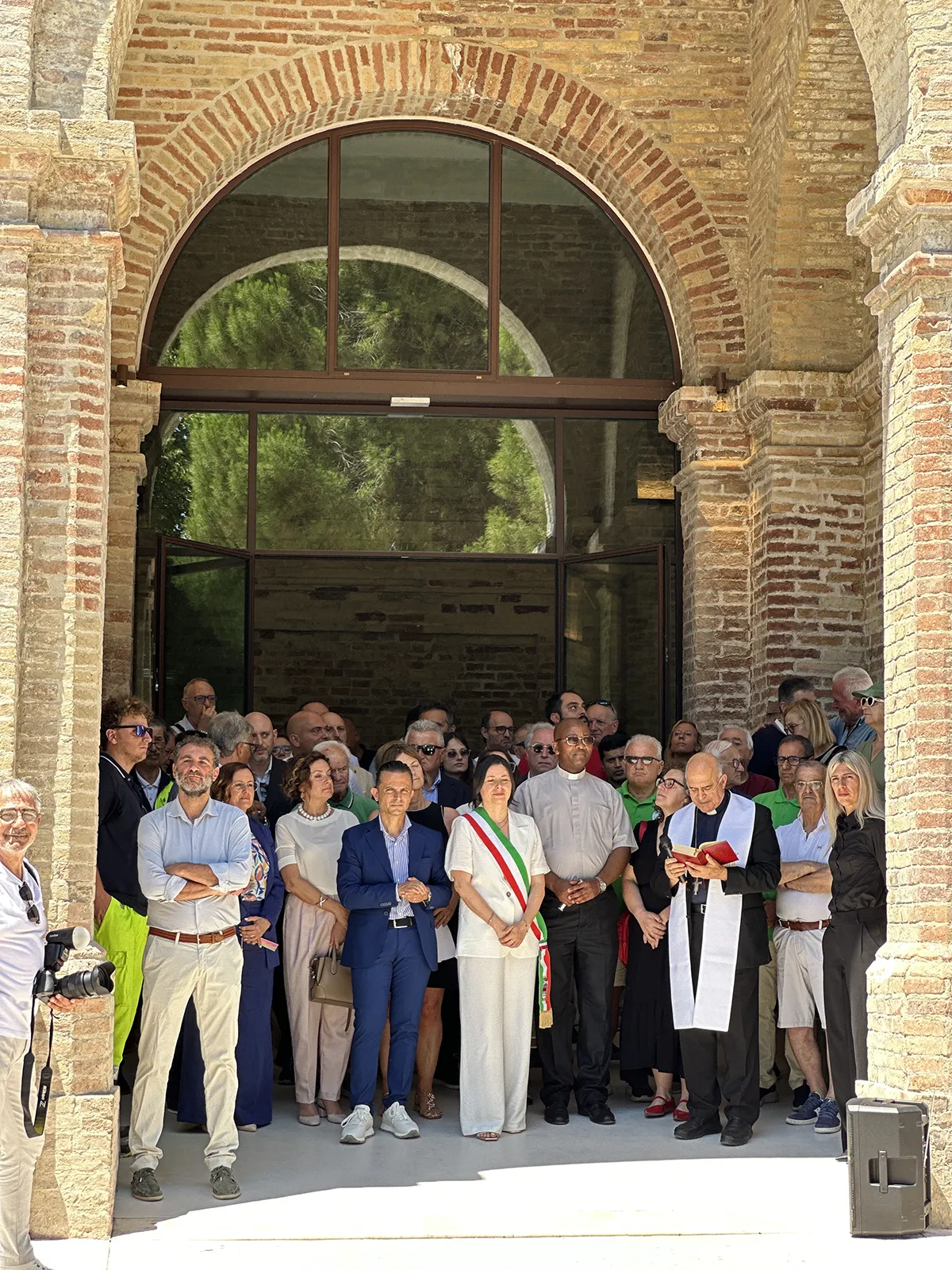
On June 27, 2026, the city of Osimo reopened the Foro Boario, a 19th-century arcaded complex in Piazza Giovanni XXIII, converted through a project funded under Italy’s National Recovery and Resilience Plan (PNRR) within the PINQuA housing-quality program. The ribbon-cutting ceremony, led by Mayor Michela Glorio, included Marche Region Councillor Tiziano Consoli and Prof. Ramona Sartini, Deputy Director of the Department of Civil, Building and Architectural Engineering at Università Politecnica delle Marche. The intervention is not a standalone renovation but an urban regeneration project integrating heritage protection, structural safety, and new public functions.
What regulatory framework shaped the restoration?
The project operated within a layered Italian regulatory context, balancing heritage protection with performance upgrades:
- Legislative Decree 42/2004 — Italian Cultural Heritage and Landscape Code
- NTC 2018 — Technical Standards for Construction, governing seismic performance assessment and improvement
- Ministerial Decree 23 June 2022 (CAM Edilizia) — Minimum Environmental Criteria for materials and sustainability performance
- PNRR / PINQuA — National Innovative Program for Housing Quality
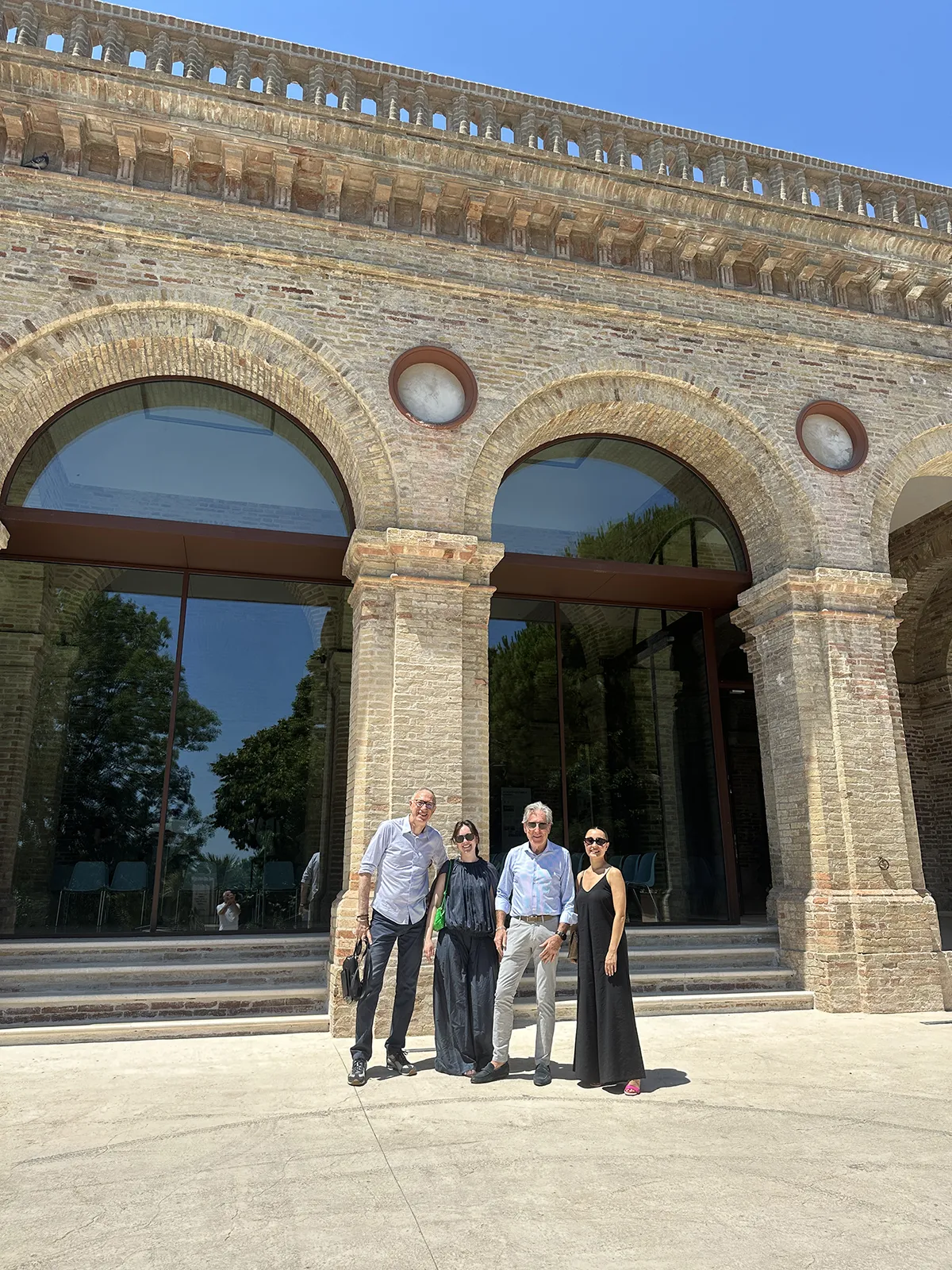
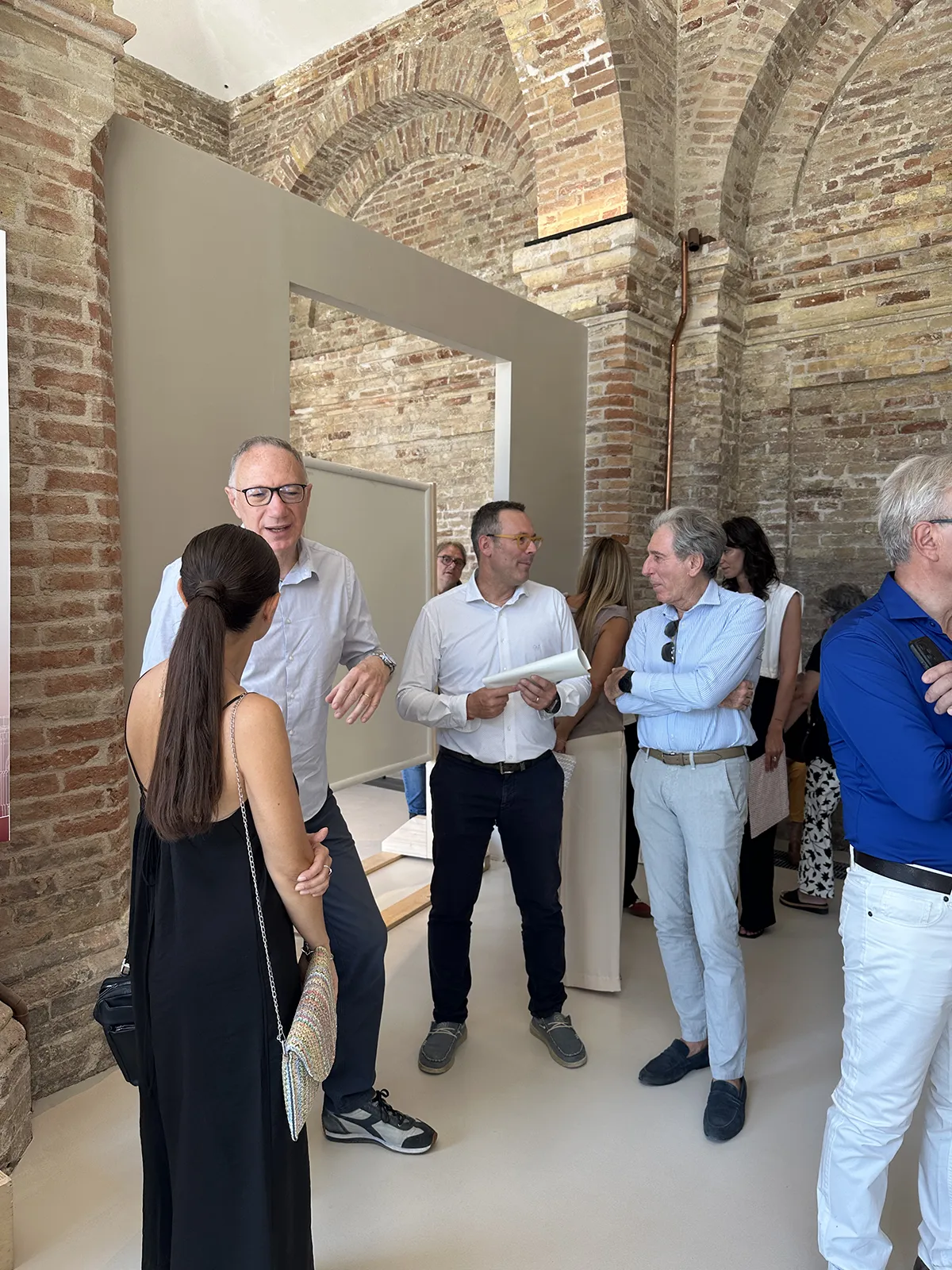
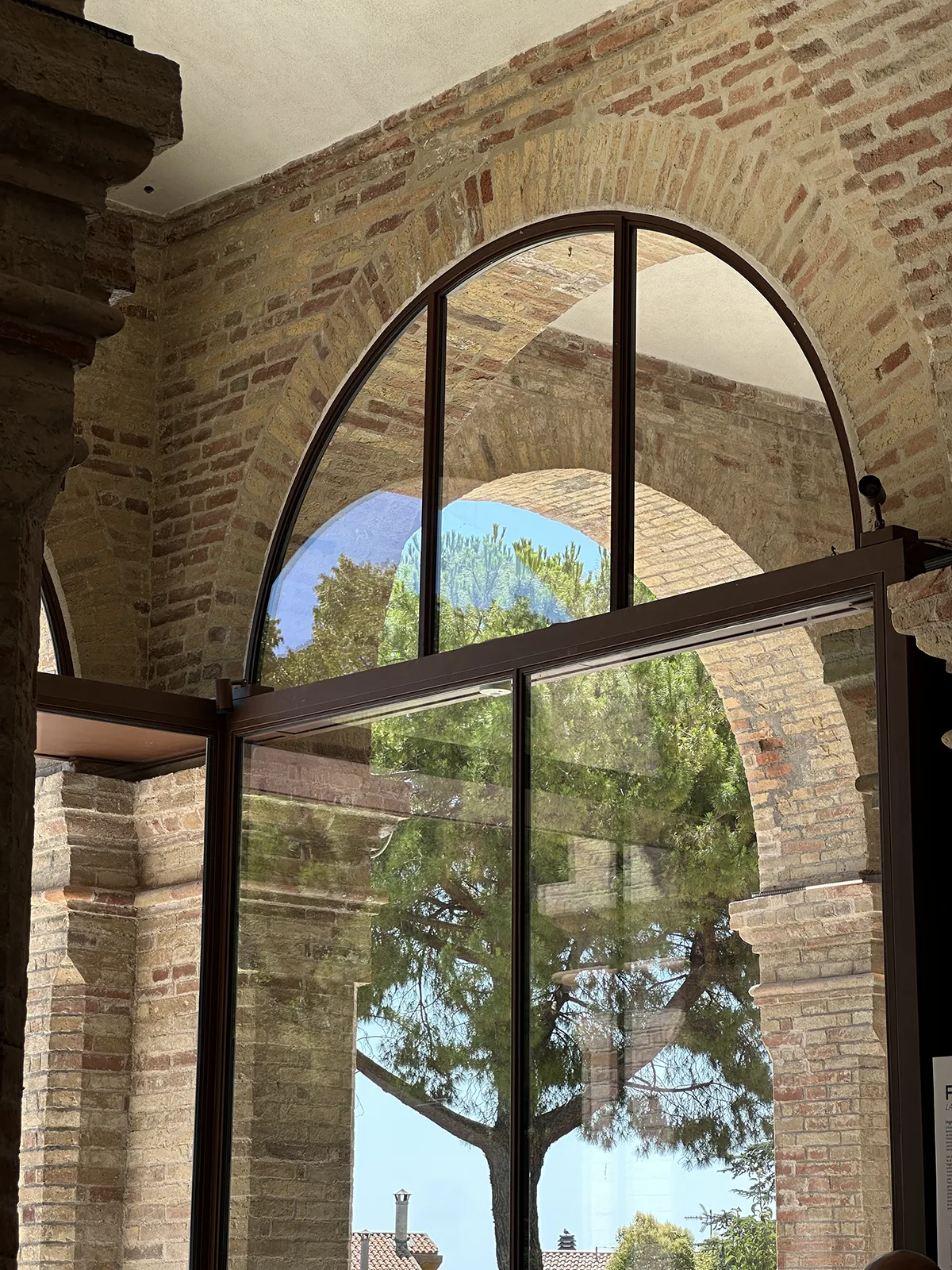
The historic arcades were treated with lightweight, reversible interventions: glazed enclosures, upgraded building systems, new usable surfaces, and universal accessibility solutions, preserving the original architectural fabric.
What technical interventions did the project require?
The work addressed multiple performance layers of the building simultaneously:
- conservation restoration of historic structures
- seismic improvement and structural upgrading per NTC 2018
- mechanical/electrical system renewal and energy efficiency upgrades
- removal of architectural barriers
- functional reconfiguration for events, exhibitions, and conferences
- enhancement of the adjoining open areas of Piazza Giovanni XXIII
What was ENGLOBE's technical role?
ENGLOBE acted as the integrated technical team across design and construction management phases, covering detailed design, executive design, overall coordination of specialist disciplines, construction supervision, and safety coordination during both design and execution. According to ENGLOBE’s technical team, the Foro Boario intervention is an applied case of integrated design on listed heritage assets, where the objective was to translate restoration into measurable usage performance: seismic safety, energy efficiency, accessibility, and public usability.
What does the Foro Boario become for the local community?
From a 19th-century livestock market to a multifunctional social infrastructure: this is the transformation completed with the 2026 reopening. As analyzed by ENGLOBE engineers and architects, the project stands as a replicable urban regeneration model for the Marche region, where PNRR funding was matched by structured technical governance — context analysis, interdisciplinary coordination, execution control, and the conversion of a historic building into contemporary public space.
Who inaugurated the Foro Boario in Osimo, and when?
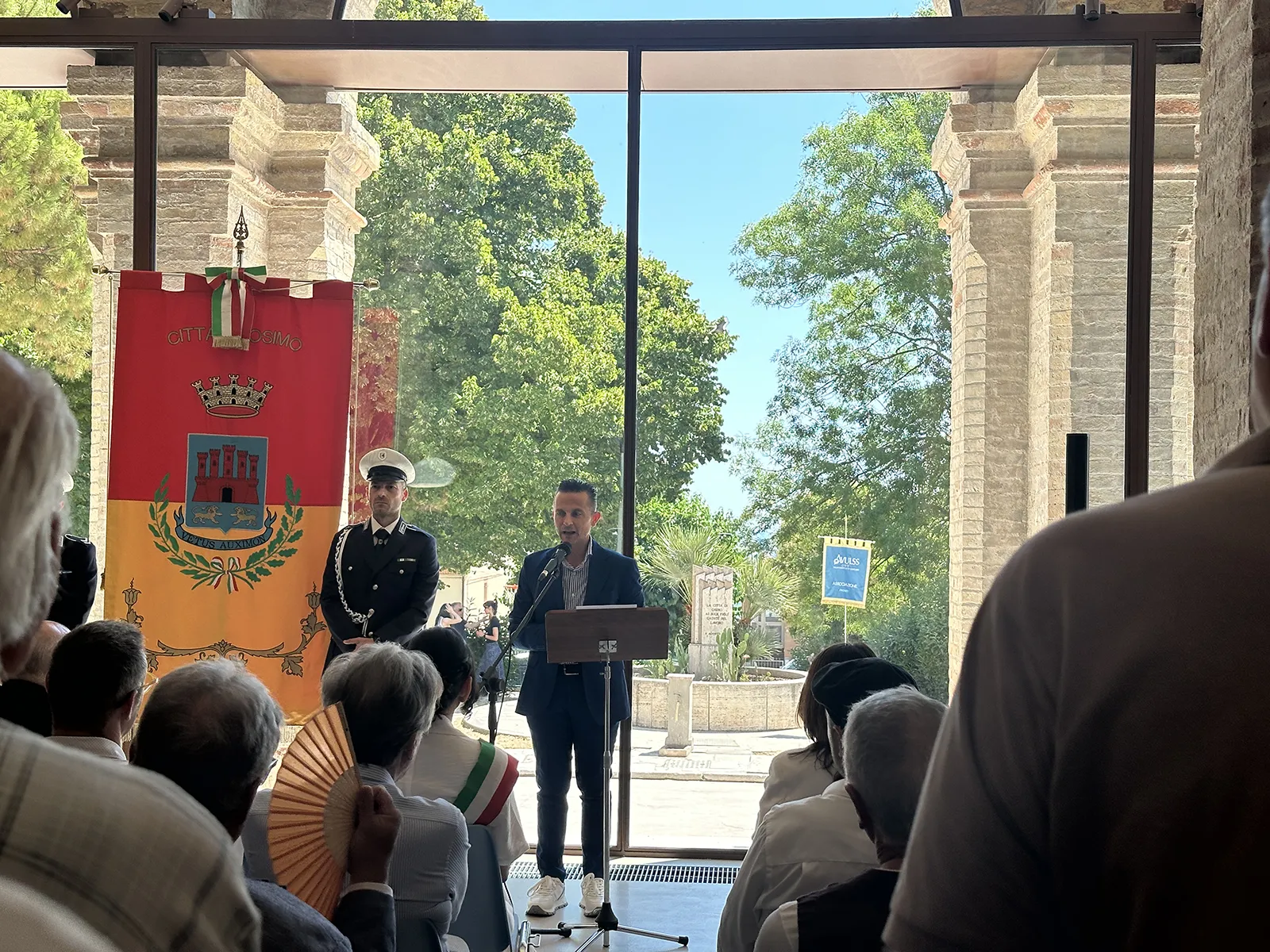
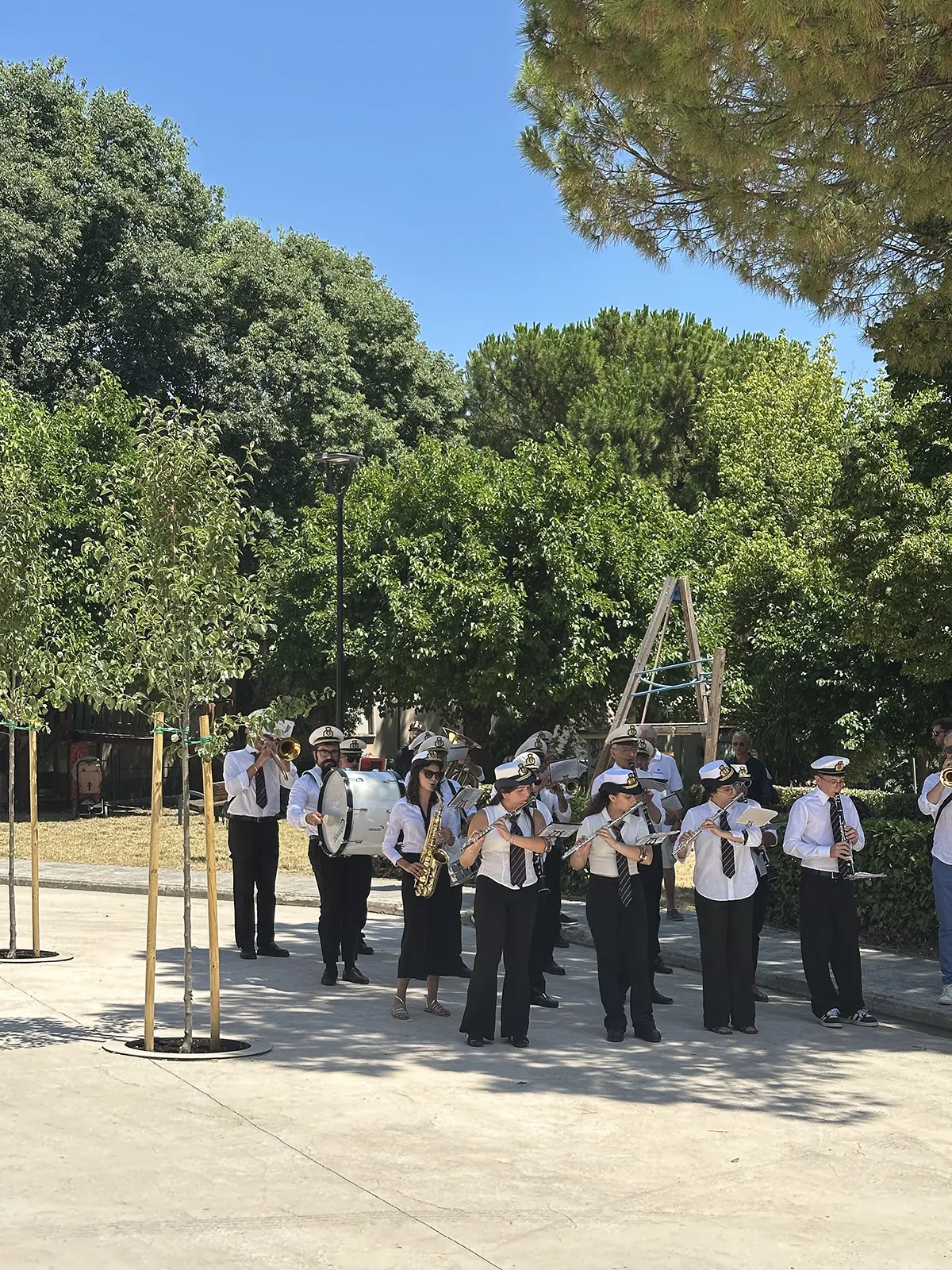
The Foro Boario was inaugurated on June 27, 2026, with a ribbon-cutting ceremony led by Mayor Michela Glorio, attended by regional officials, representatives from Università Politecnica delle Marche, and the technical teams responsible for design and construction supervision.
Why is it called "Foro Boario" and what is the building's historical background?
The name derives from the Latin Forum Boarium, the standard Italian term historically used for livestock-market areas — the same naming pattern appears, for instance, in Forlì's Foro Boario. In Osimo, the building served as the city's livestock market for decades, anchoring the local agricultural economy before its conversion into a cultural and social venue.