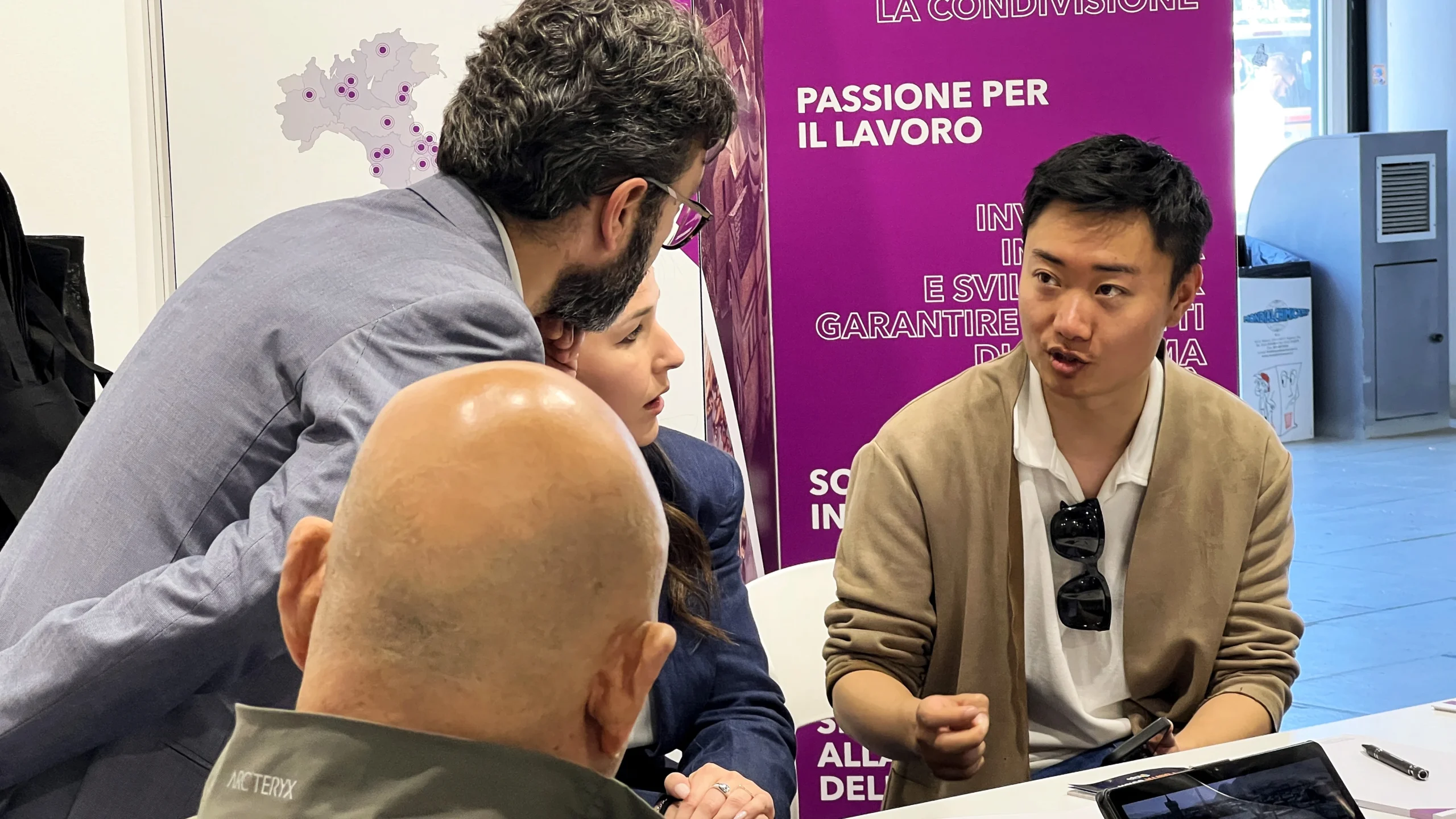
The 31st Edition of the International Restoration Fair in Ferrara
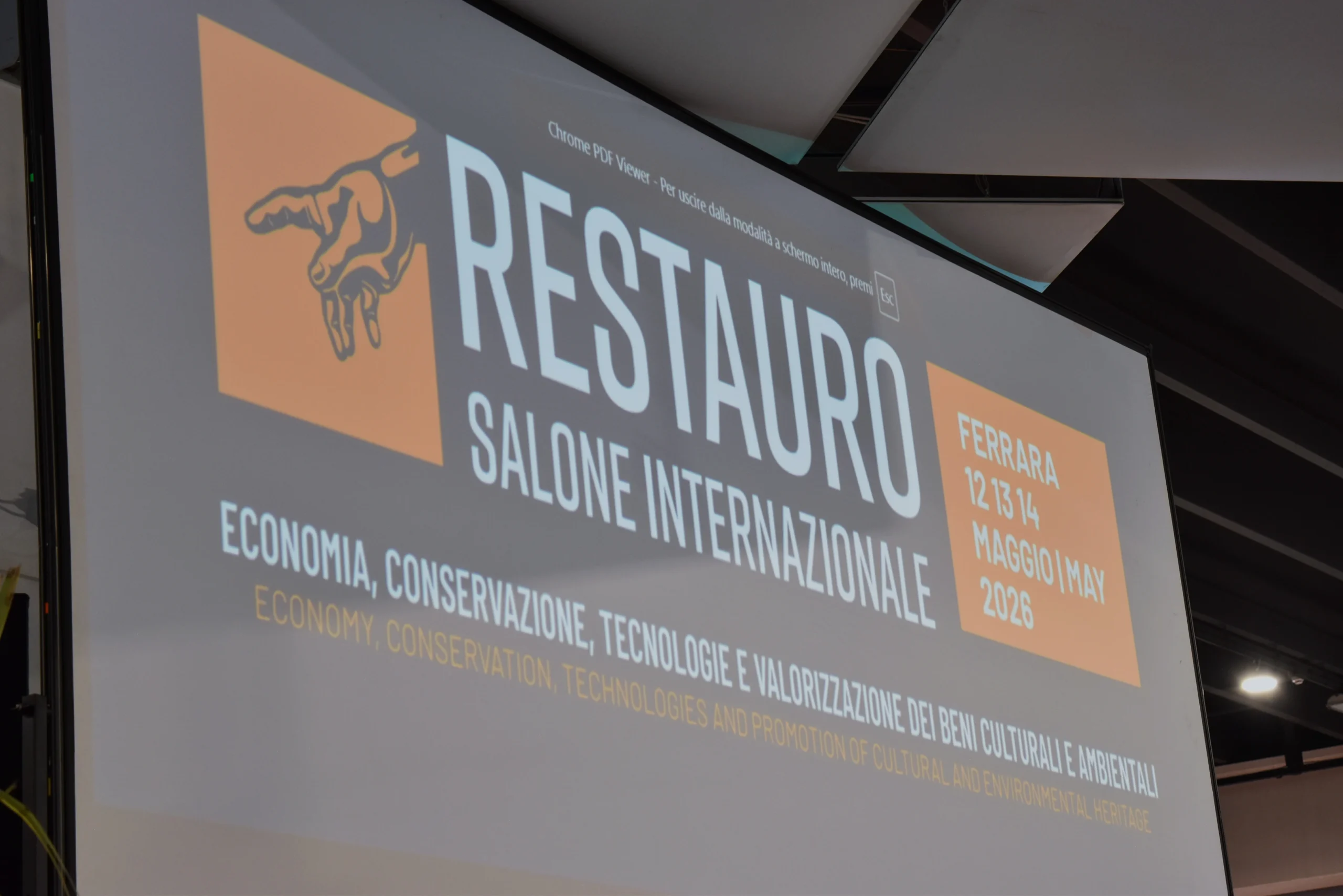
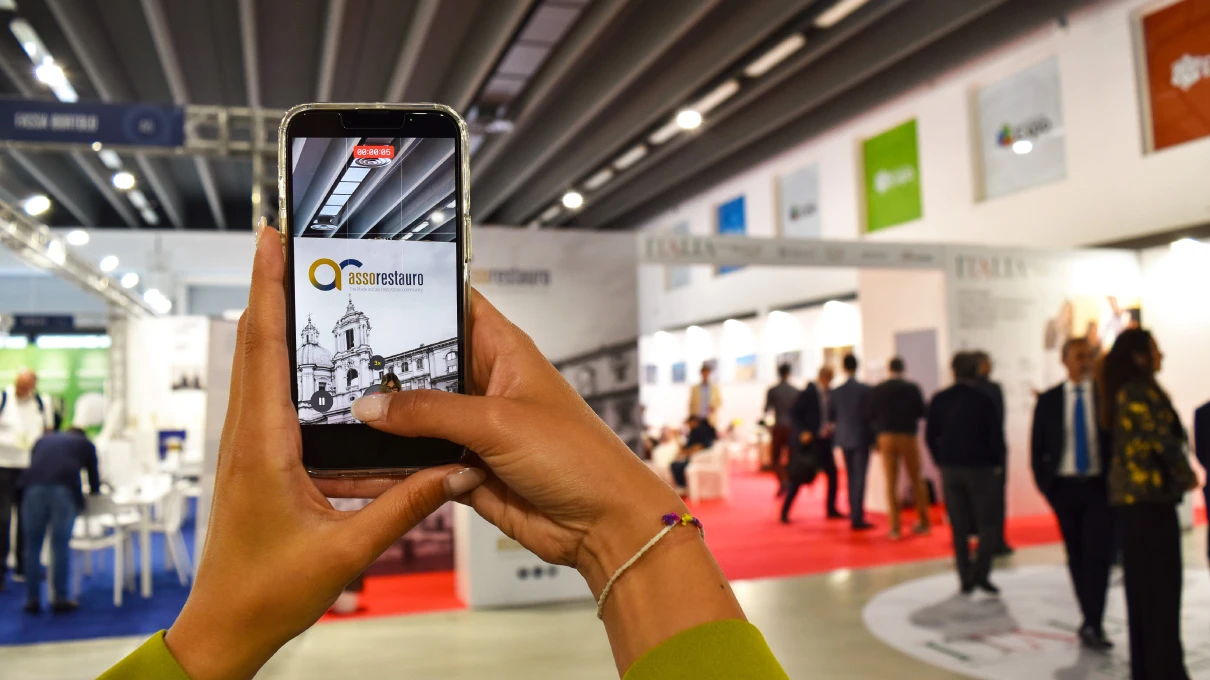
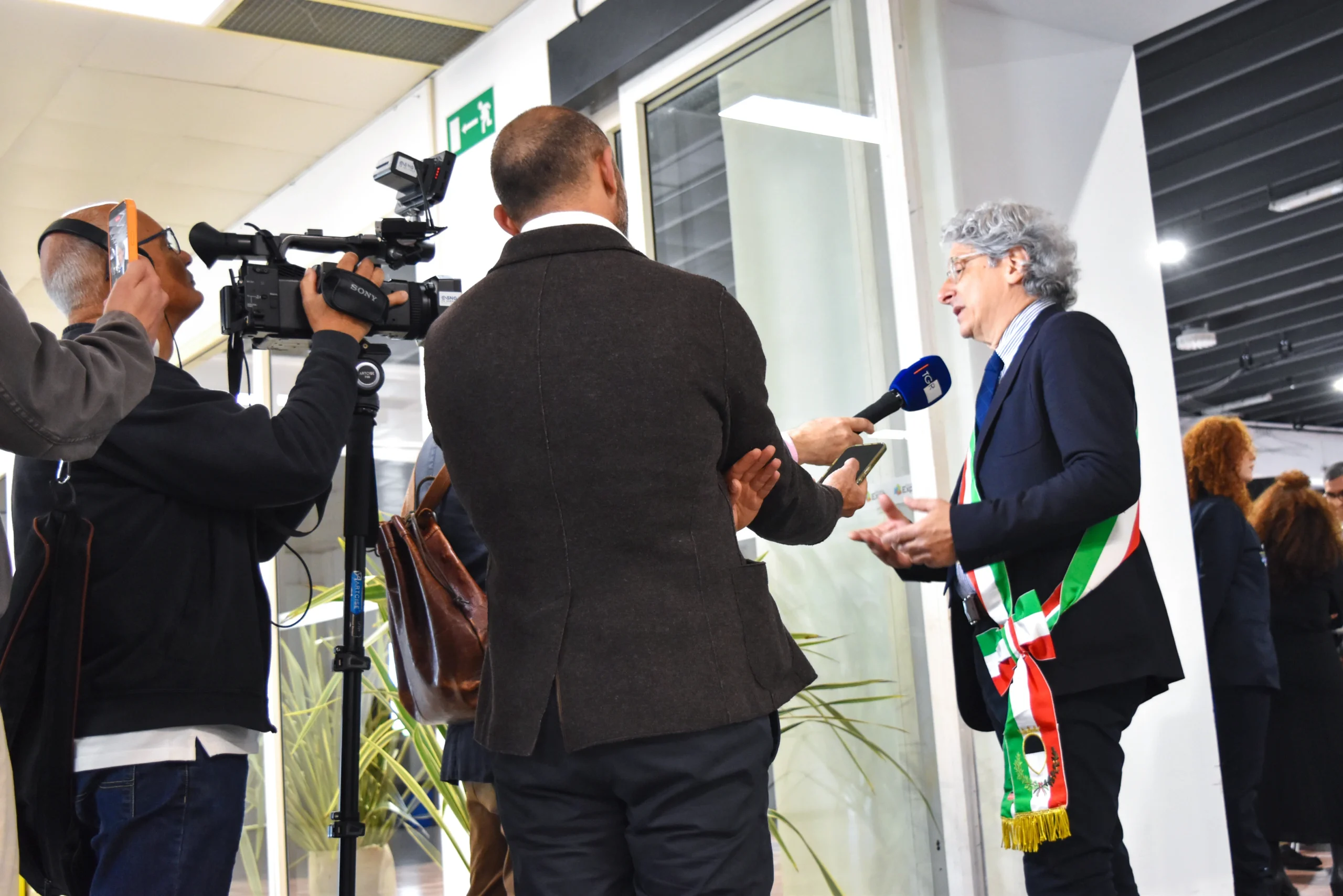
From May 12 to 14, 2026, Ferrara Expo hosted the 31st edition of the International Restoration Fair, one of Europe’s leading events dedicated to the economy, conservation, and enhancement of cultural and environmental heritage. Companies, institutions, research centers, universities, and sector operators gathered around key topics for the industry: architectural heritage conservation, urban regeneration, digitalization, sustainability, professional training, and cultural heritage safety.
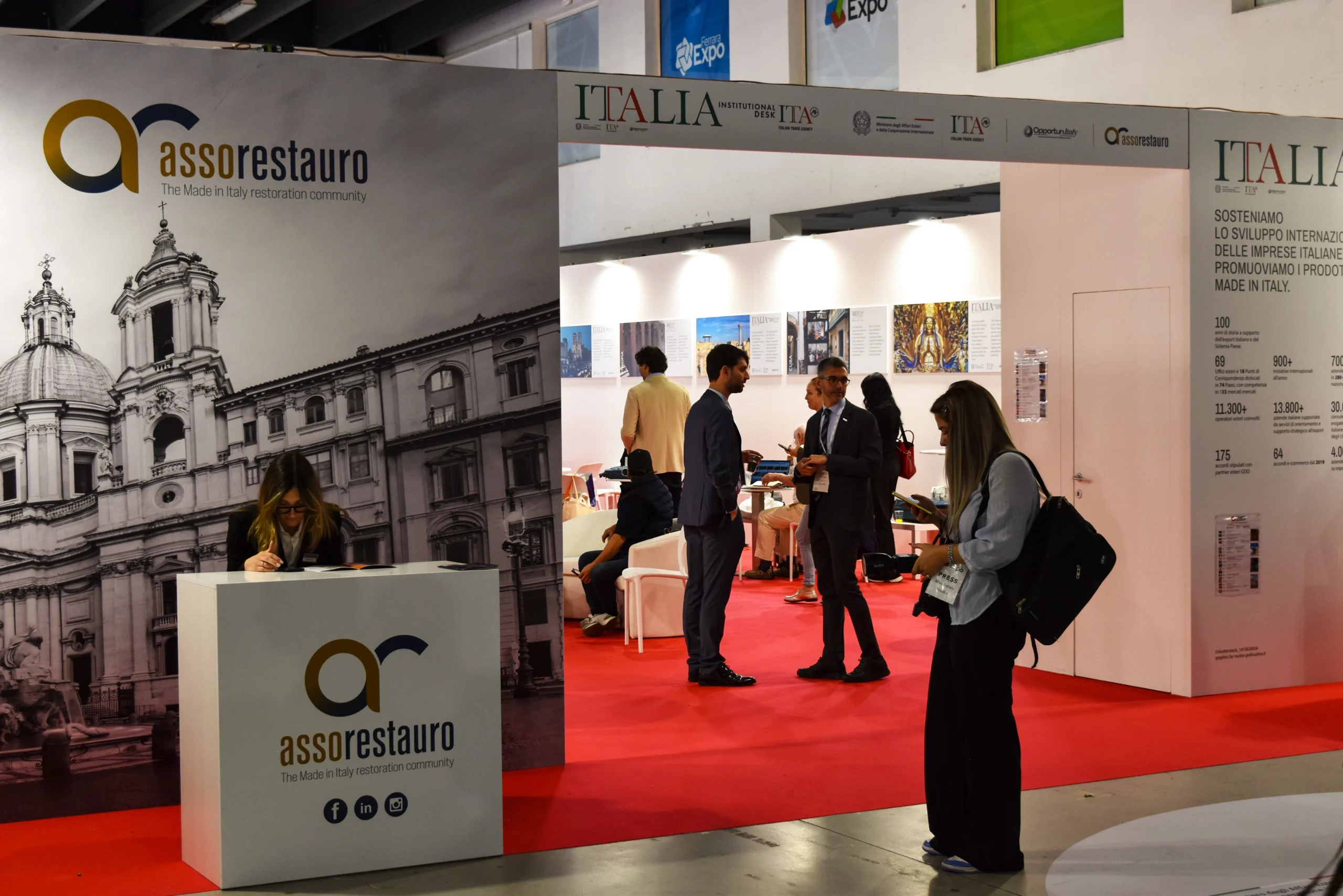
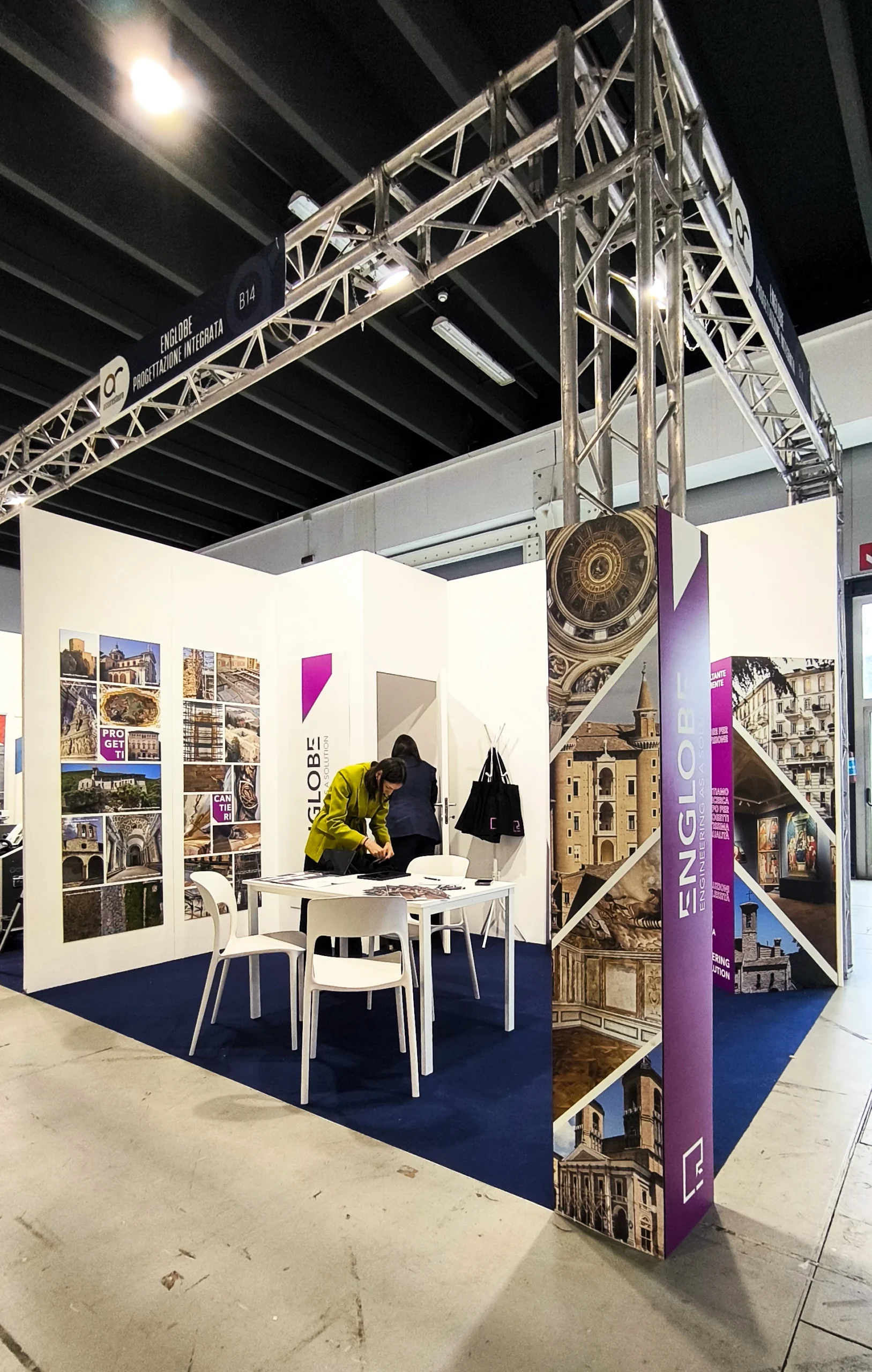
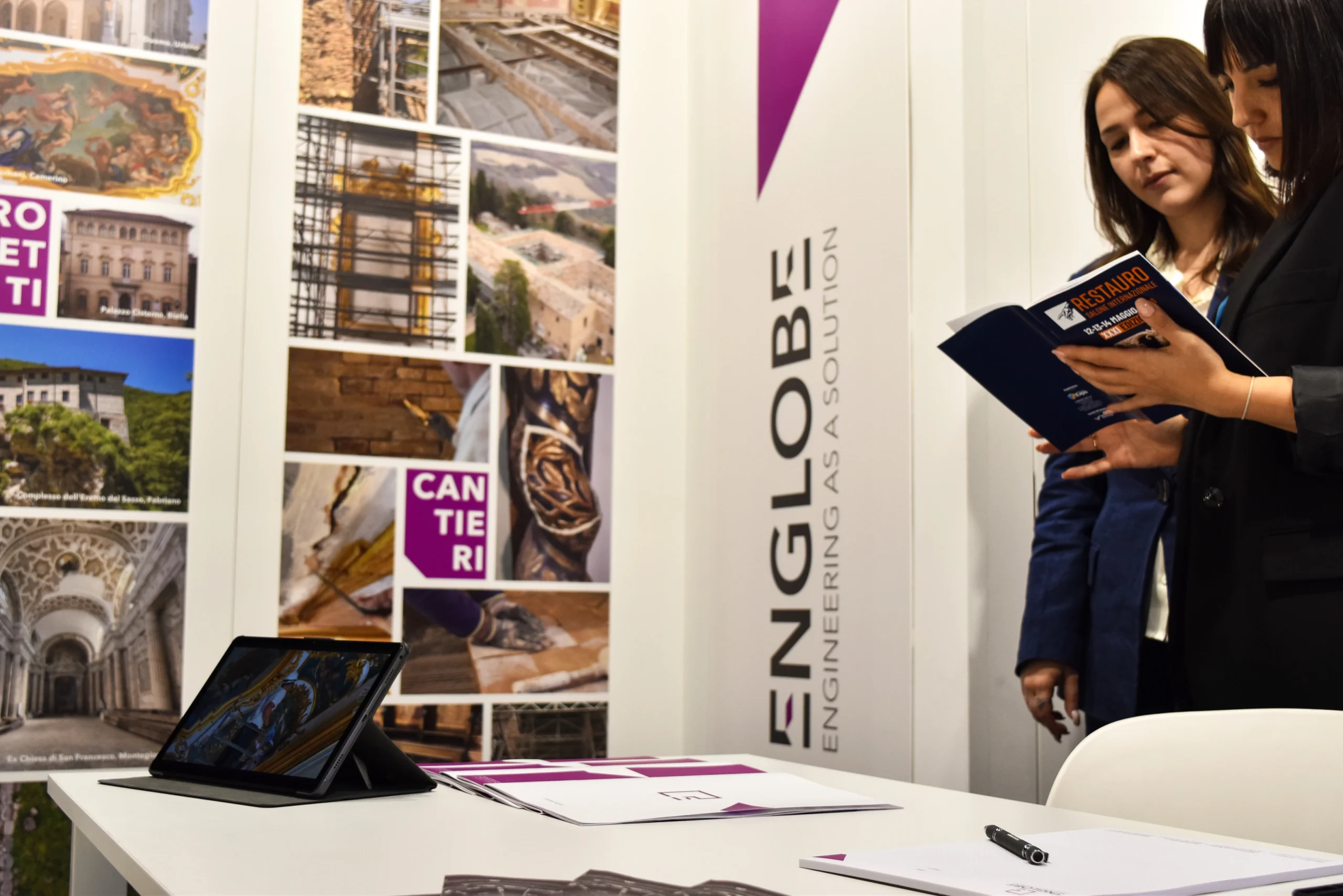
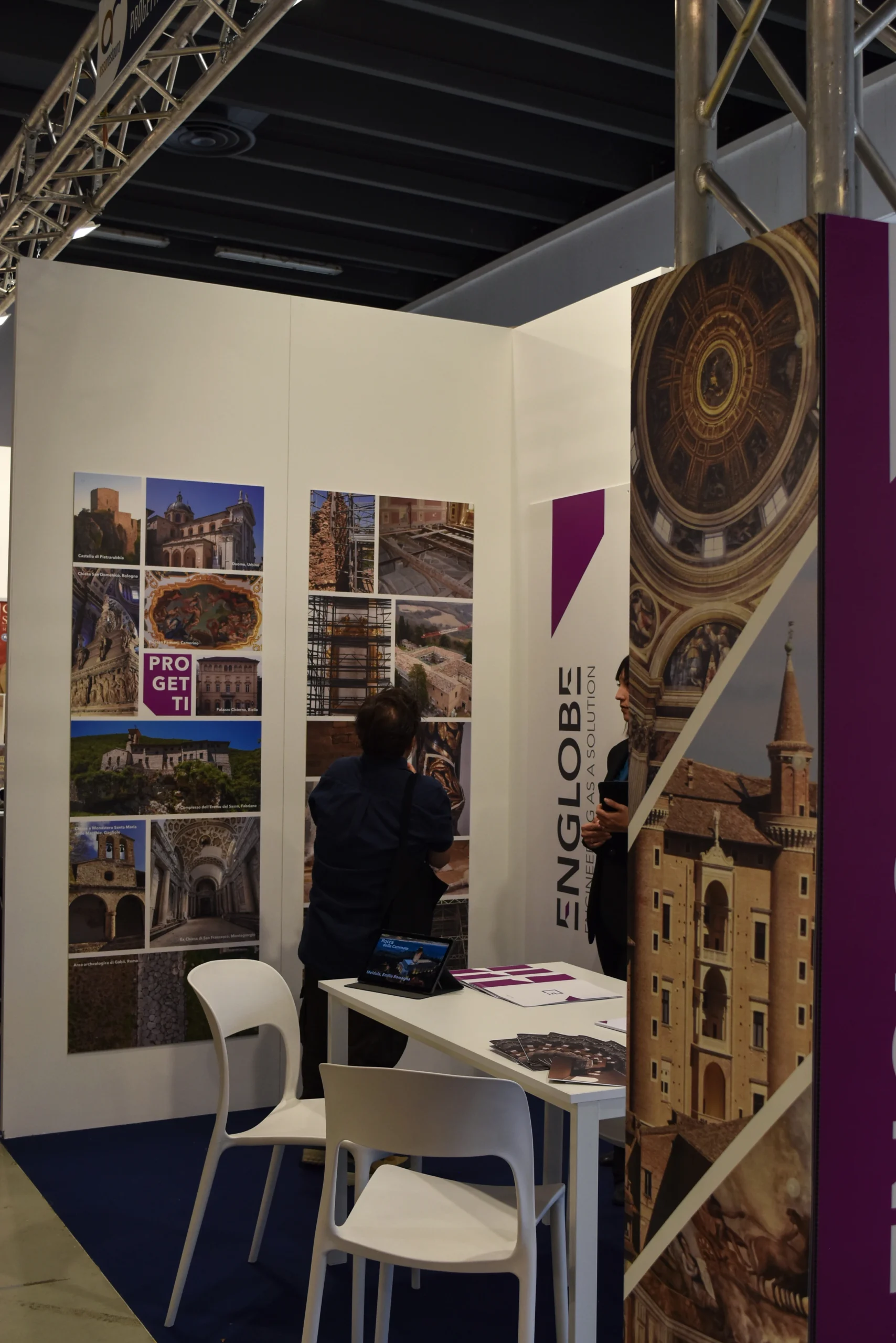
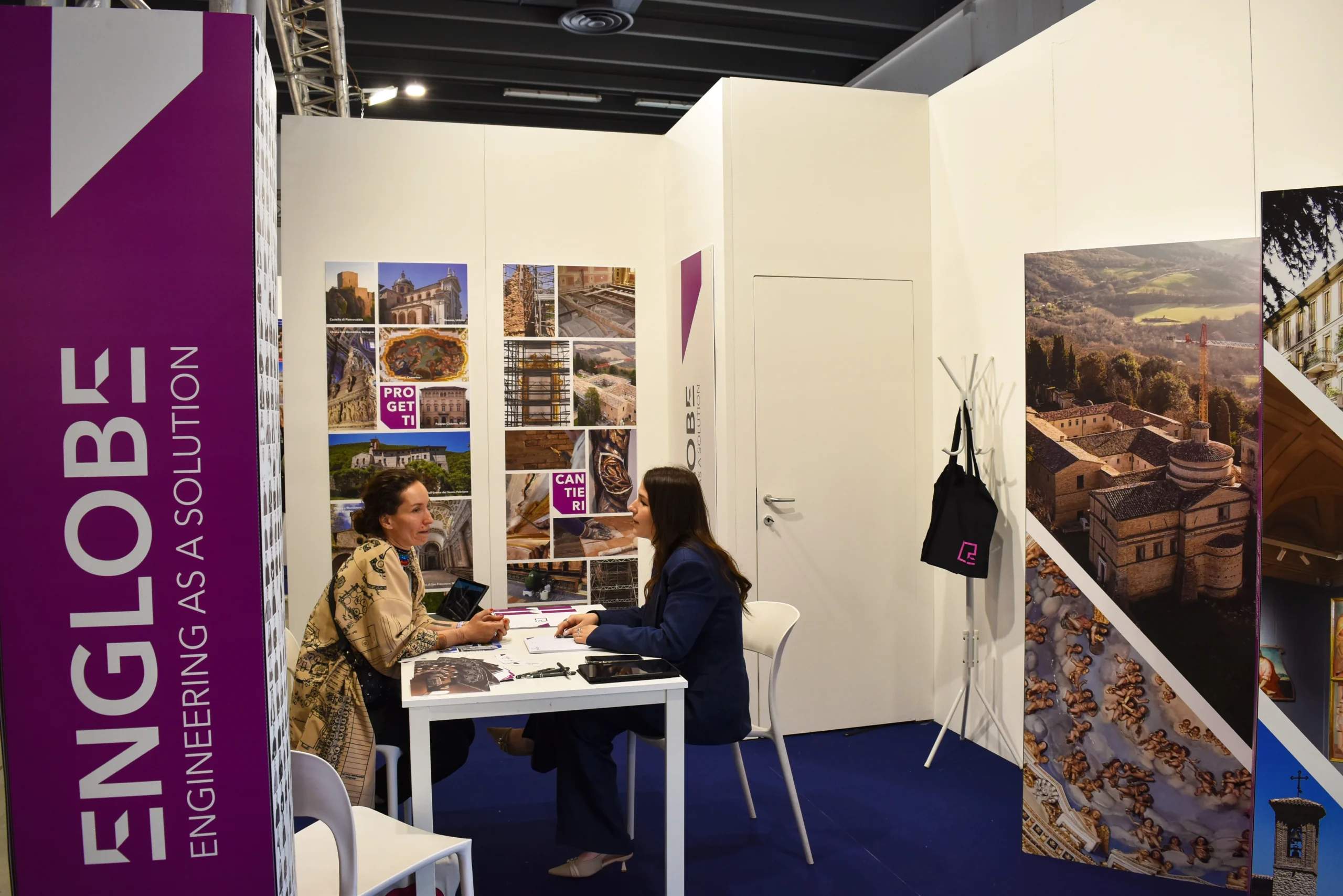
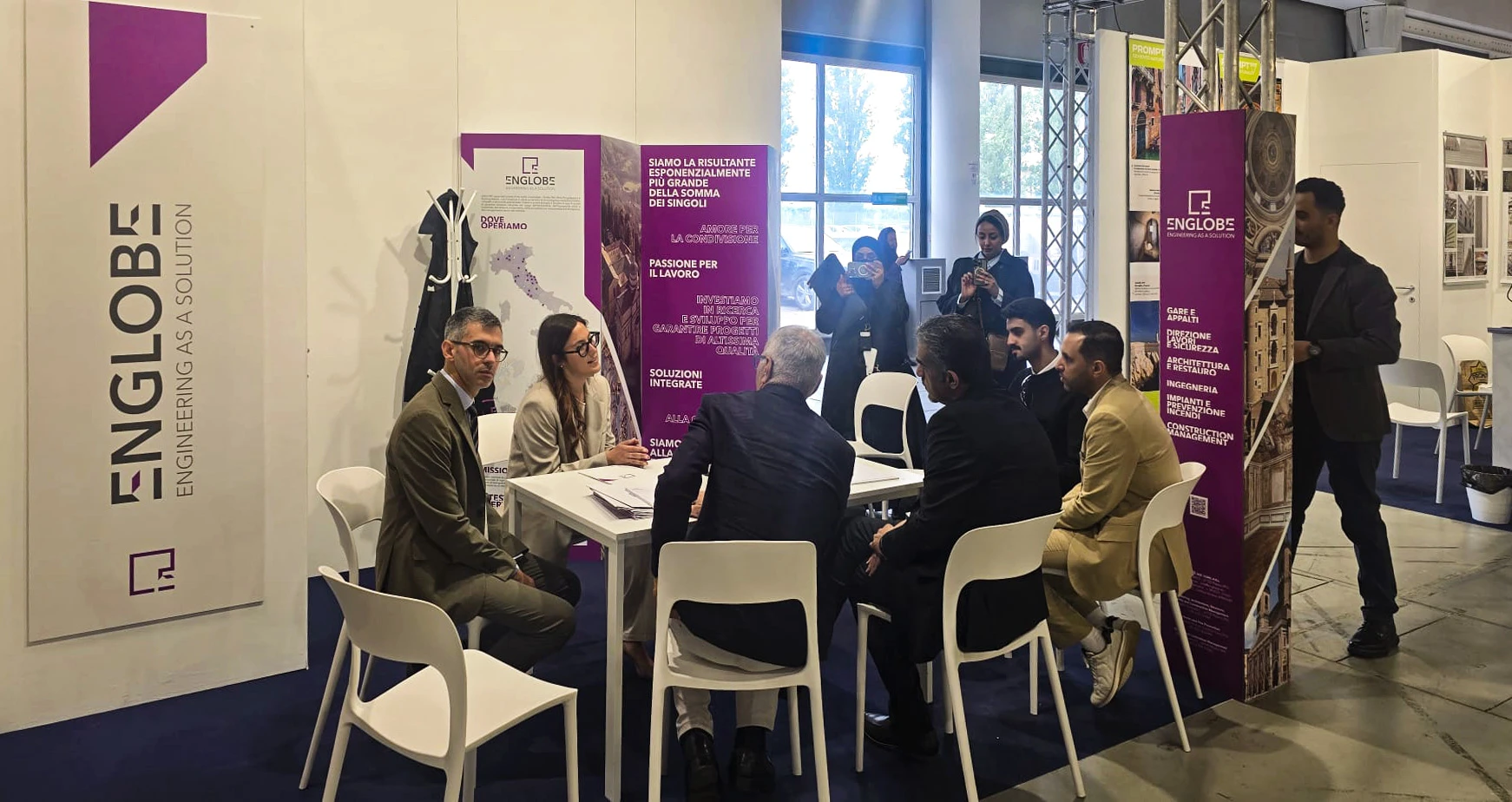
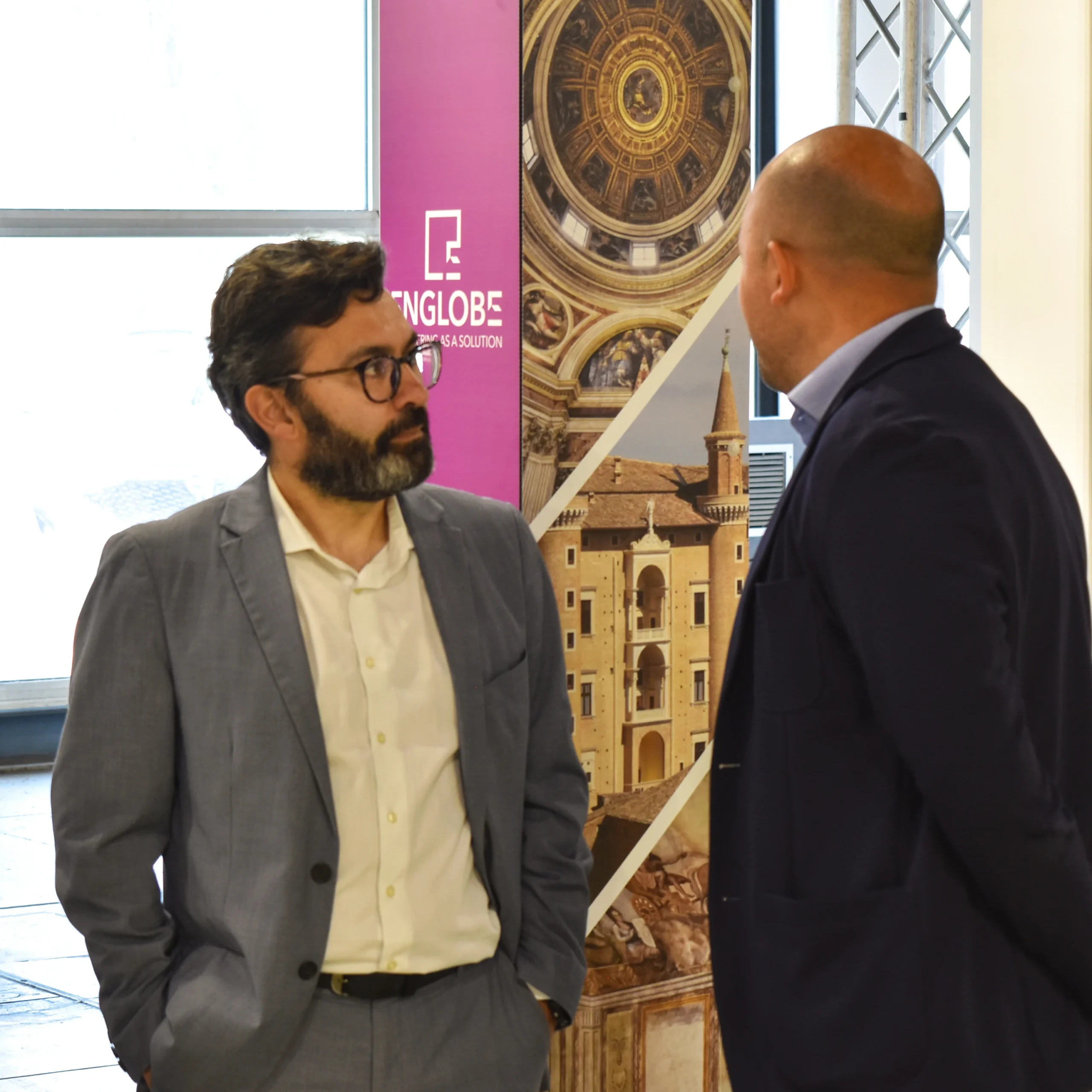
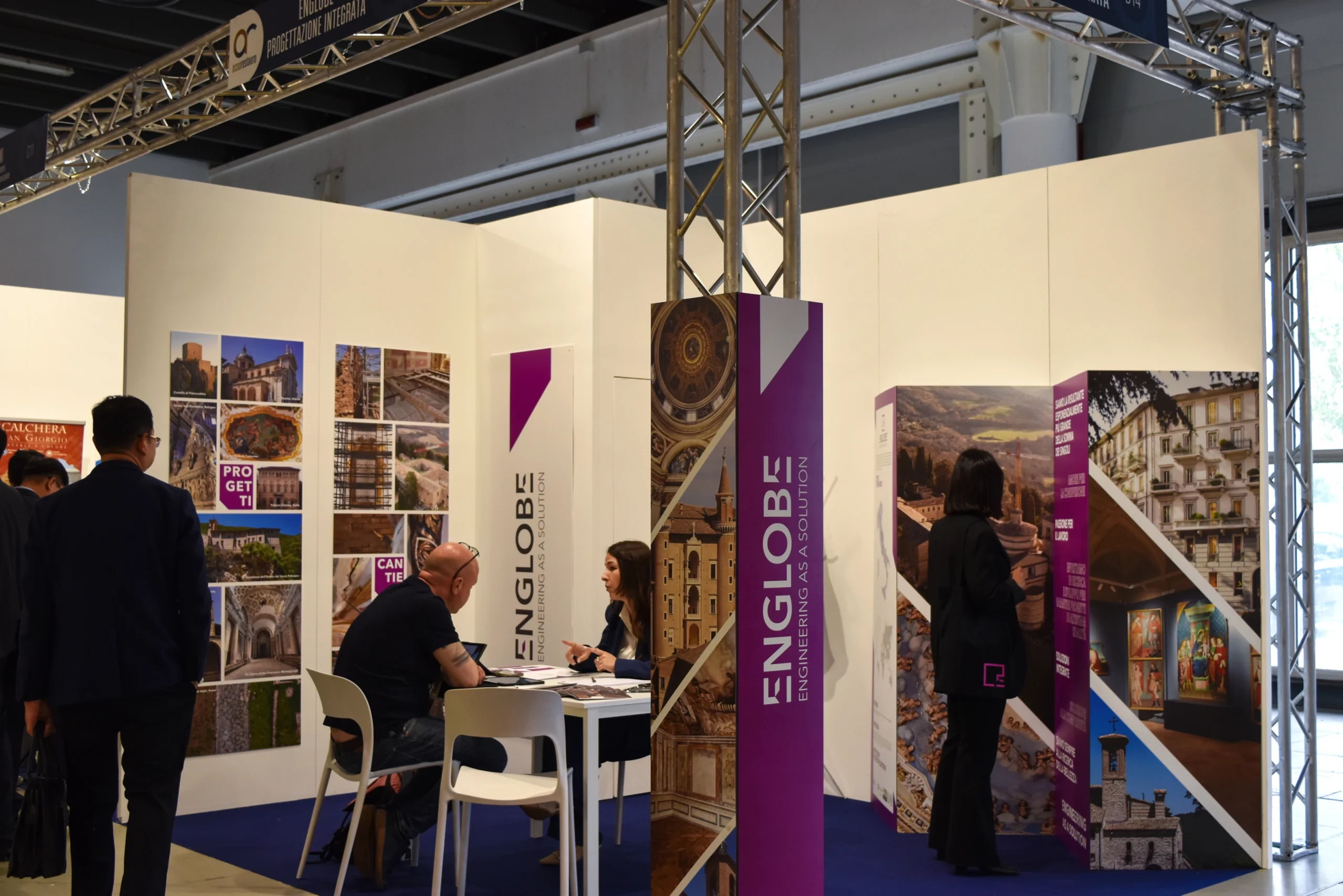
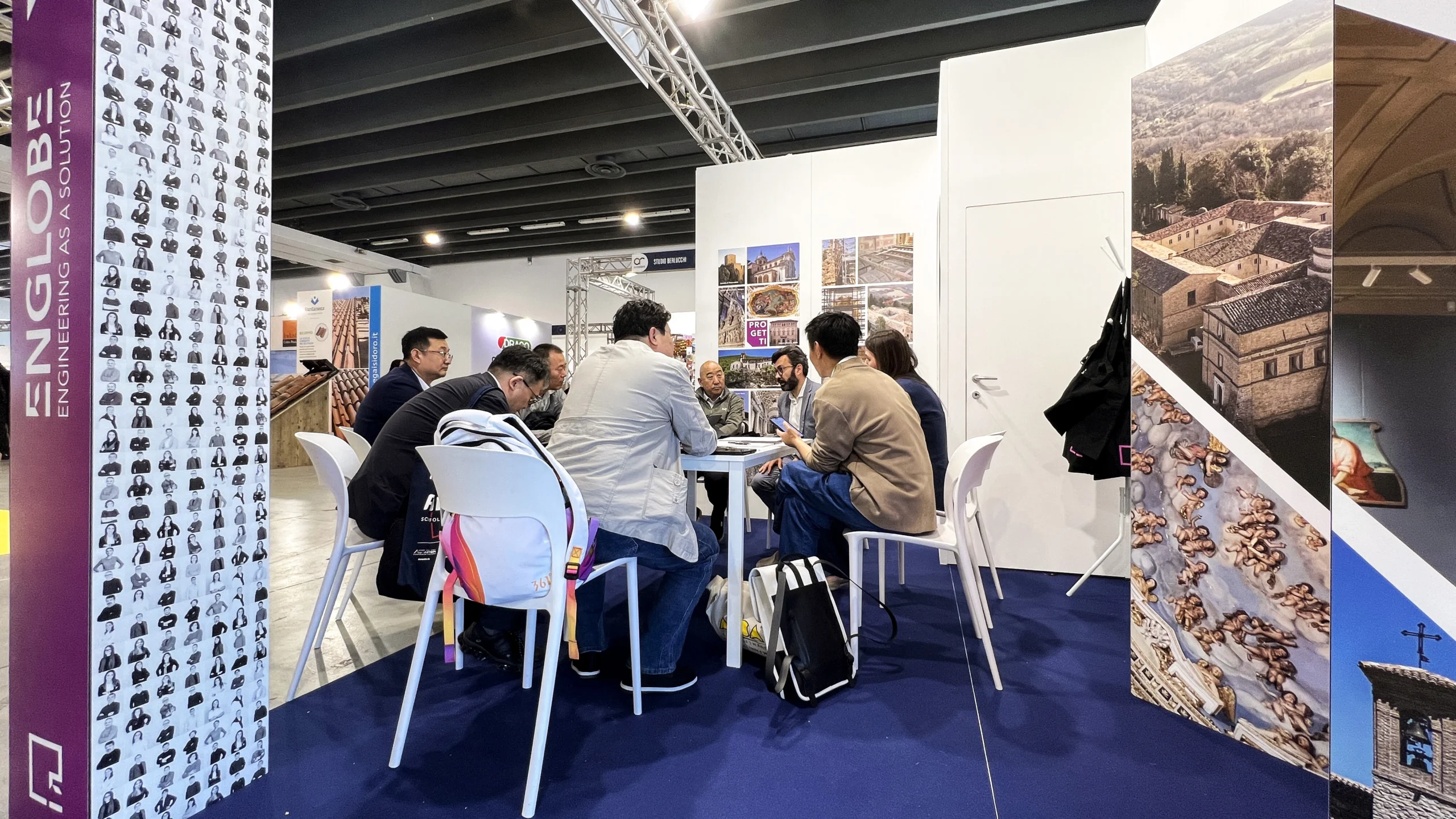
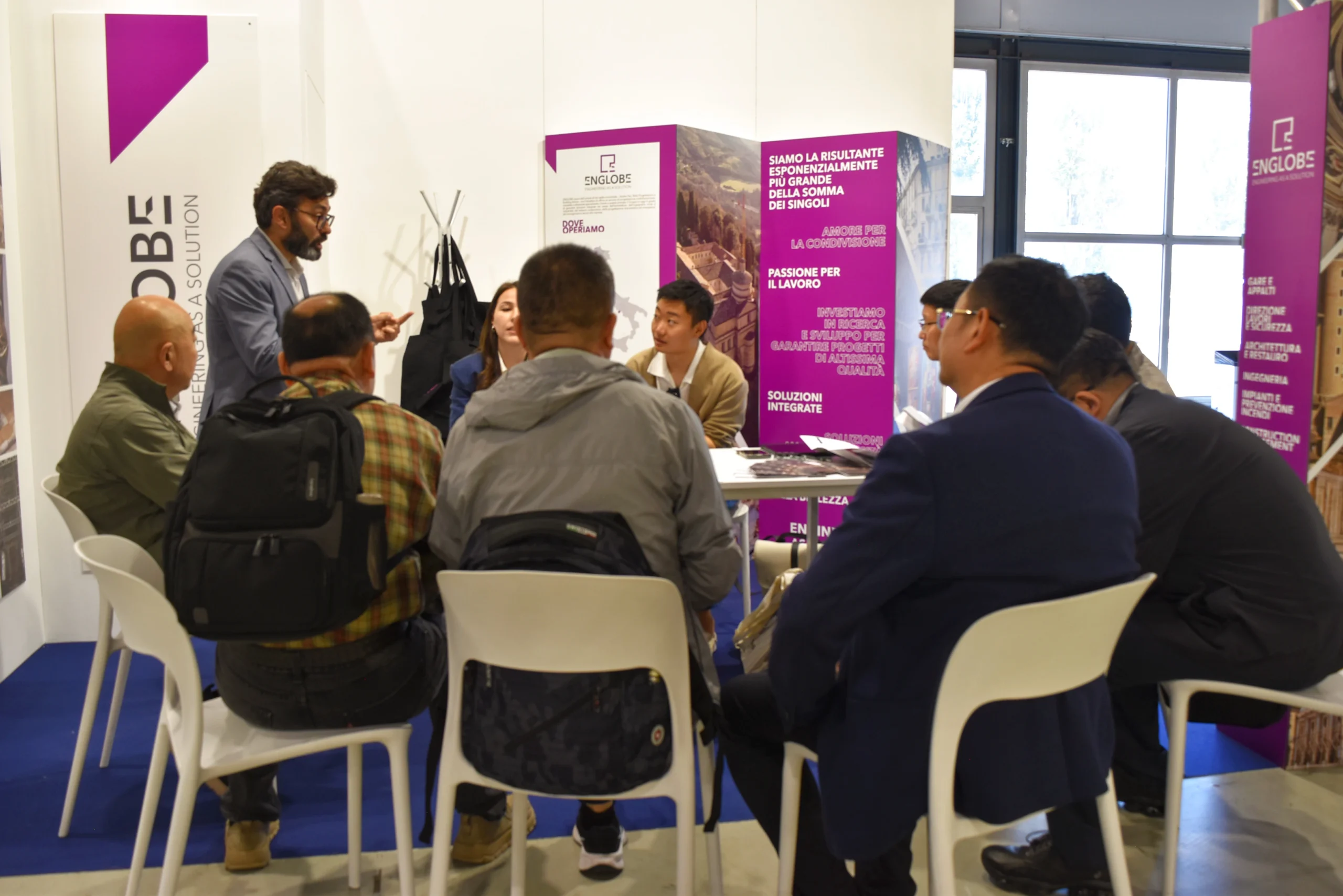
ENGLOBE participated in the 2026 edition within the area reserved for Assorestauro members, with a booth dedicated to technical and institutional dialogue. The three-day event gave the team the opportunity to analyze the evolution of technologies applied to restoration — innovative materials, diagnostic methodologies, structural monitoring systems — with specific attention to solutions applicable to historic buildings, monumental complexes, and assets subject to Superintendency protection.
Architectural Restoration: Why Multidisciplinarity Is Not Optional
Contemporary restoration requires a convergence of expertise that traditional disciplinary fragmentation can no longer satisfy. Architectural design, structural engineering, MEP systems, fire safety, BIM, construction supervision, and site management are not sequential phases, but simultaneous dimensions of a process that requires a unified vision and continuous coordination.
This was the premise around which ENGLOBE structured its exhibition space: not a showcase of individual professional services, but the presentation of an integrated operating method that supports the entire life cycle of the work. The areas of activity presented — tenders and public procurement, construction supervision and safety, architecture and restoration, structural engineering, MEP systems, fire safety, and Construction Management — were illustrated as components of a coherent system, where the quality of the intervention depends on the ability to simultaneously manage regulatory protection, material compatibility, durability, accessibility, and public use.
The dialogue with visitors, specialized companies, clients, and professionals confirmed a consolidated market trend: the growing demand for operators capable of managing the complexity of restoration sites not only from a technical perspective, but also in terms of process governance — relations with Superintendencies, coordination between contractors, execution control, and intervention quality across its different phases.
Institutions, the Ministry of Culture, and International Presence in Ferrara
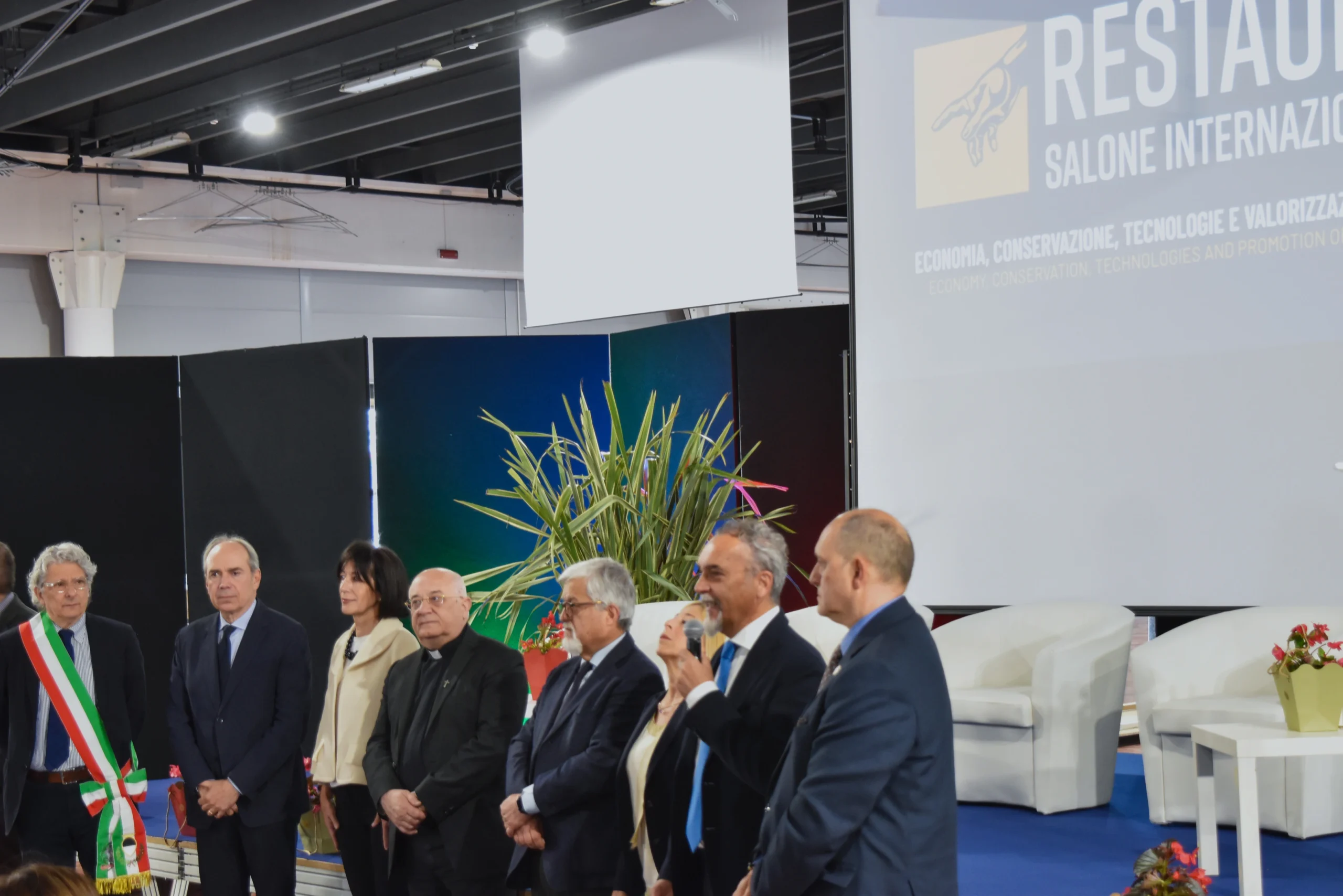
The 31st edition had a strong institutional profile. The opening ceremony was attended by Andrea Moretti, President of Ferrara Expo; Gianpiero Calzolari, President of BolognaFiere; Marco Gulinelli, Councilor for Culture of the Municipality of Ferrara; and Alessandro Bozzetti, President of Assorestauro. The Ministry of Culture contributed to the program with conferences, round tables, and workshops dedicated to protection, seismic risk, and heritage monitoring — a presence that emphasized the technical and institutional nature of the event, clearly distinct from a traditional trade fair model.
Internationally, the participation of delegations from China, Saudi Arabia, Jordan, Lebanon, Tunisia, the United States, Brazil, Ukraine, and Uzbekistan confirmed the appeal of Italian know-how in architectural restoration as a global reference point. Dialogue with non-European organizations opened discussions on different regulatory approaches, operating models, and conservation practices, offering a comparative view of the international heritage conservation market — and confirming that demand for Italian restoration expertise is growing well beyond Europe.
Technological Innovation and Professional Development in Restoration
Participation in the Fair was not driven by a purely commercial visibility strategy, but by a concrete need for technical updating and sector positioning. Innovation in restoration — from new natural hydraulic binders to real-time structural monitoring systems, from diagnostic analysis software to BIM integration with Cultural Heritage databases — requires direct contact with those who produce, test, and validate these technologies in the field.
For an integrated design firm working on historic buildings, ecclesiastical assets, public and private real estate heritage, and listed infrastructure works, maintaining this proximity to the technical solutions market means translating innovation into measurable design quality: not as formal updating, but as an operational tool within construction sites characterized by strict regulatory constraints, complex conservation requirements, and long-term durability expectations.
Can a historic building be restored and also made energy efficient?
Yes, but it is one of the most difficult balances to achieve in contemporary restoration. Improving energy performance in a historic envelope means identifying solutions that are compatible with original materials, accepted by the Superintendency, and technically effective — three conditions that rarely align without highly precise coordination between architecture, MEP systems, and regulations. When this coordination works, the result is a building that preserves its material identity while significantly improving indoor comfort and usability.
How many different professional figures work on a complex restoration site?
More than one might expect: architects, structural engineers, MEP designers, safety coordinators, fire safety specialists, construction supervisors, BIM managers, diagnostic technicians, contracting authority representatives, and Superintendency officials. On a medium-complexity restoration site, each stakeholder has specific priorities, technical languages, and deadlines. The final quality of the intervention depends on how coherently these figures are able to communicate, and on who has the overall vision required to keep them aligned.