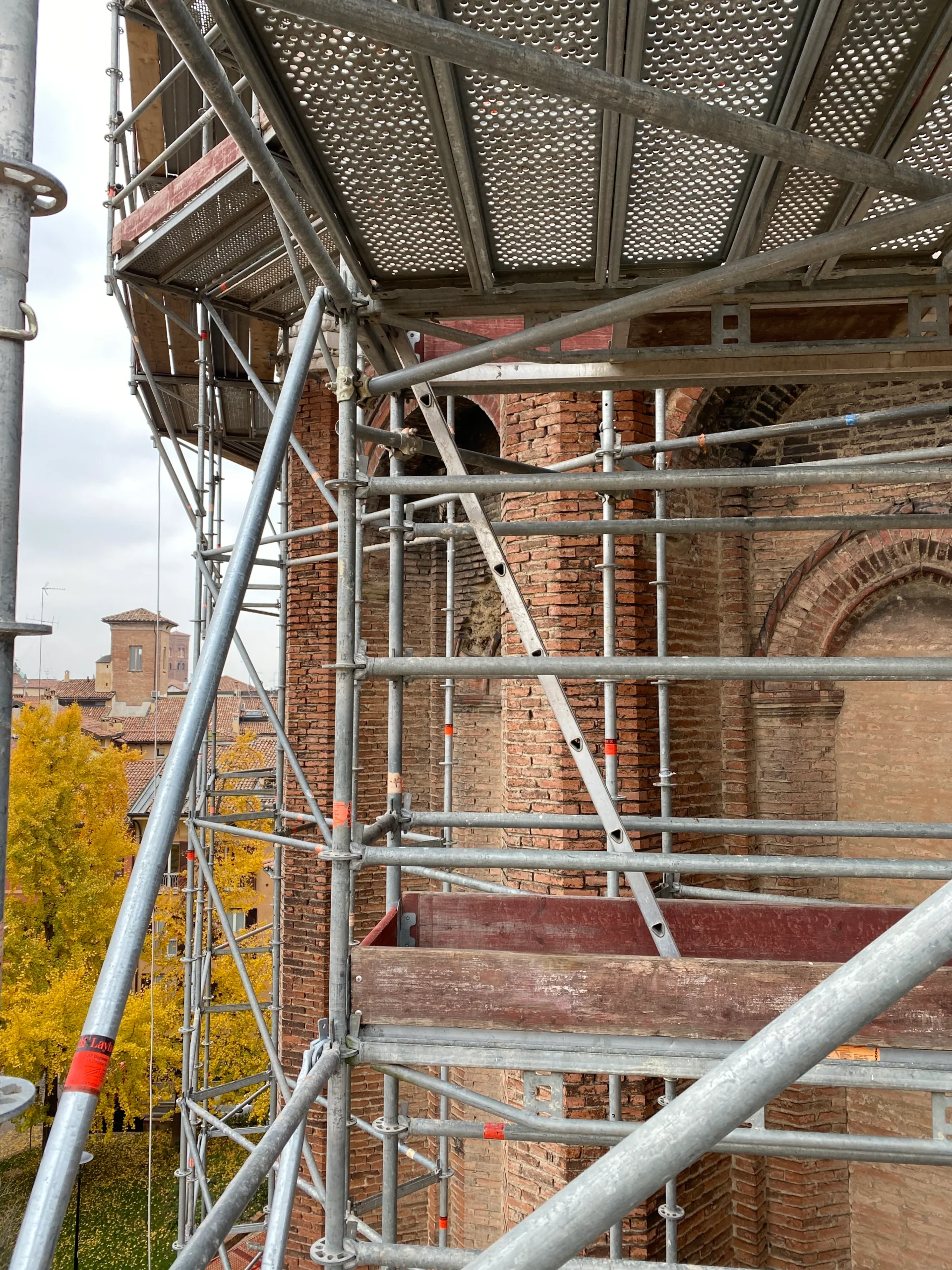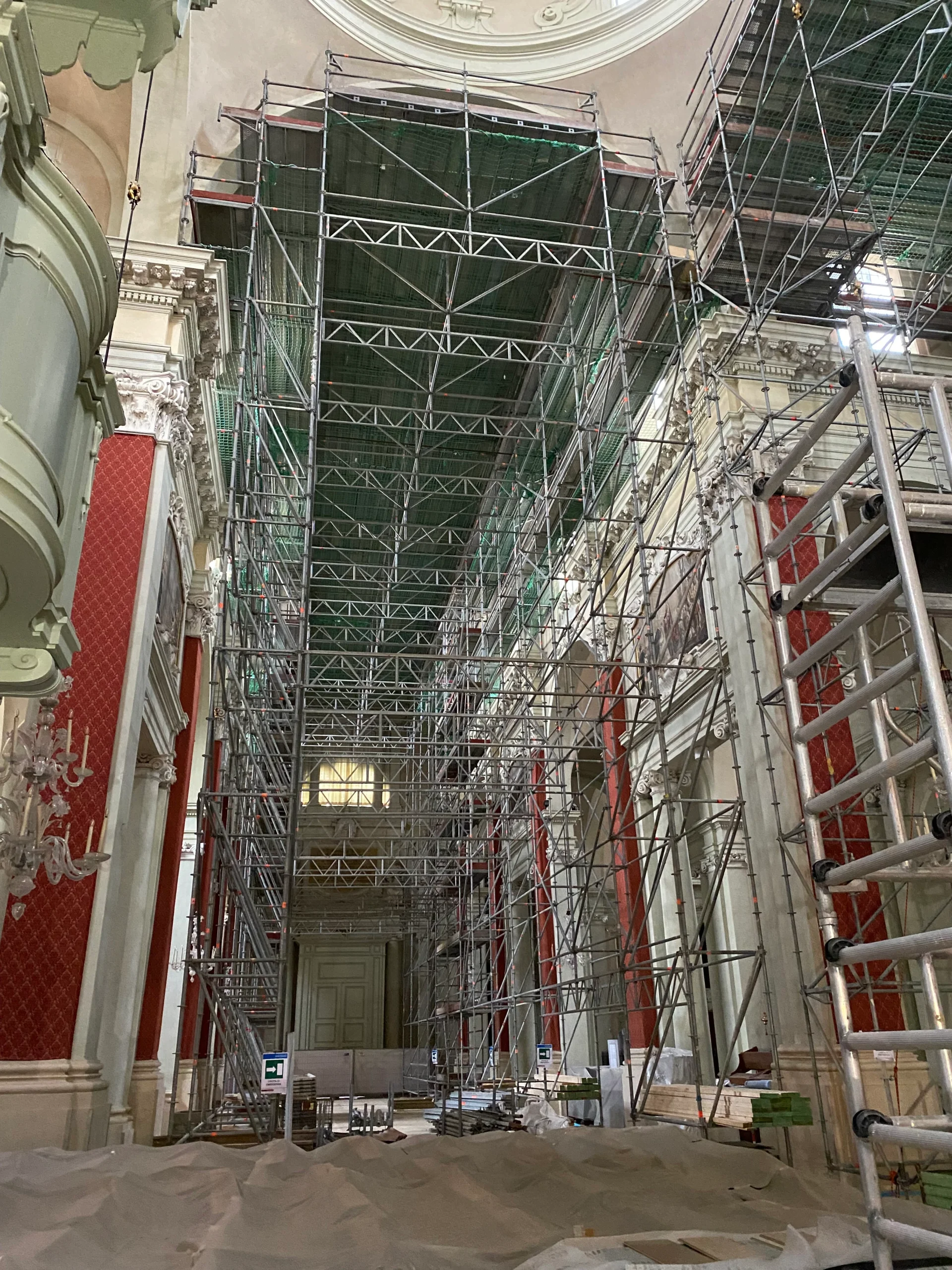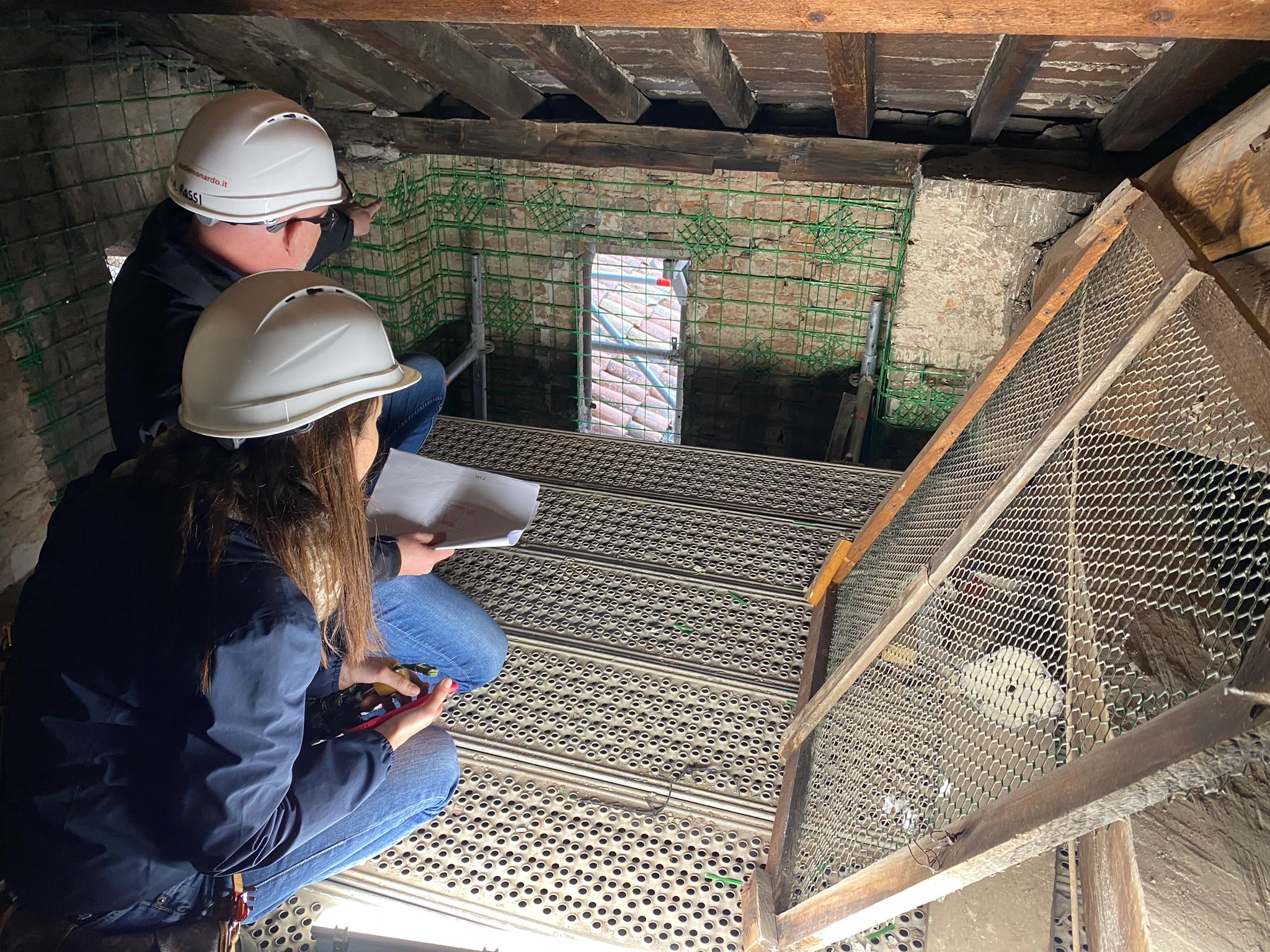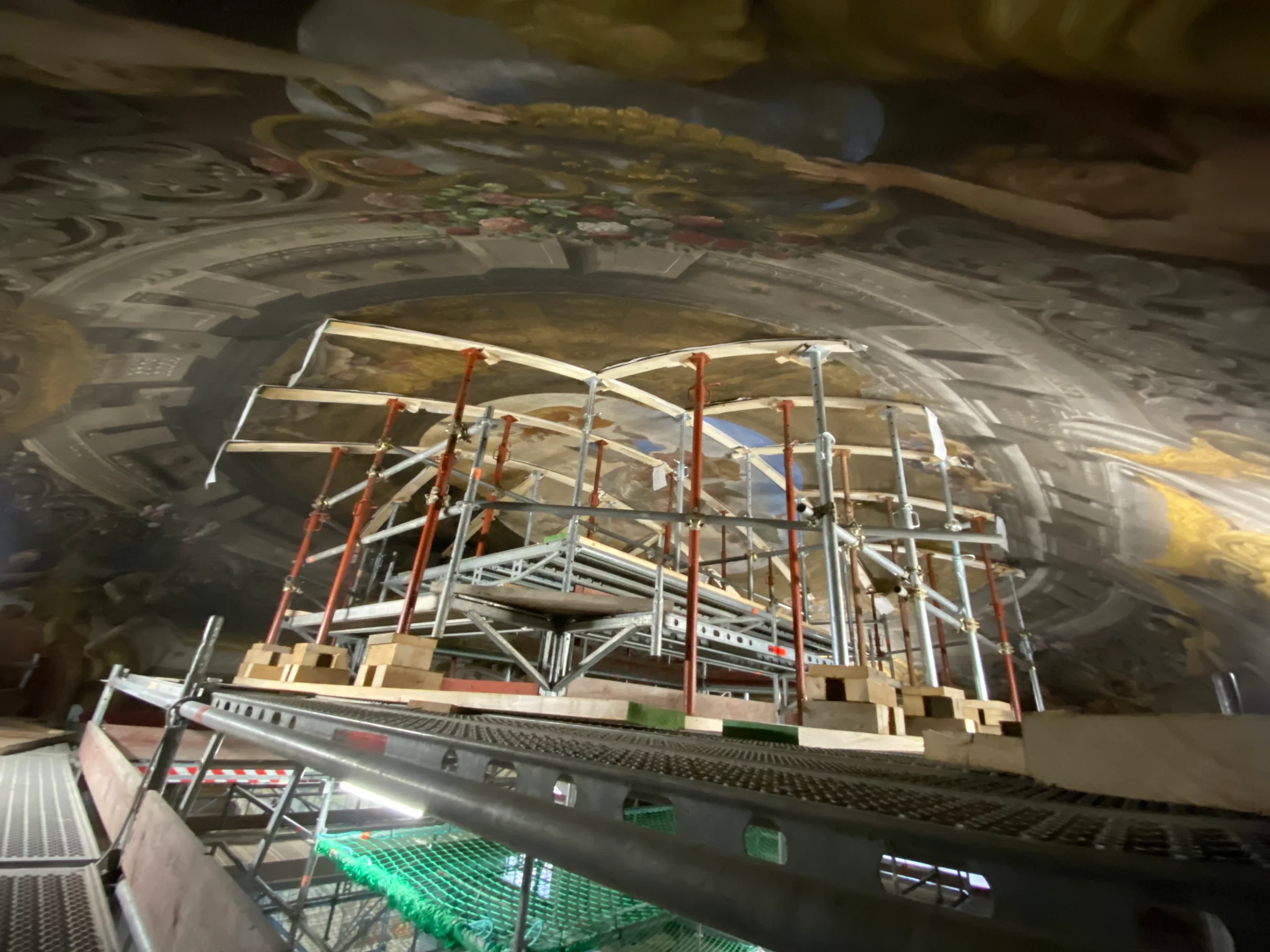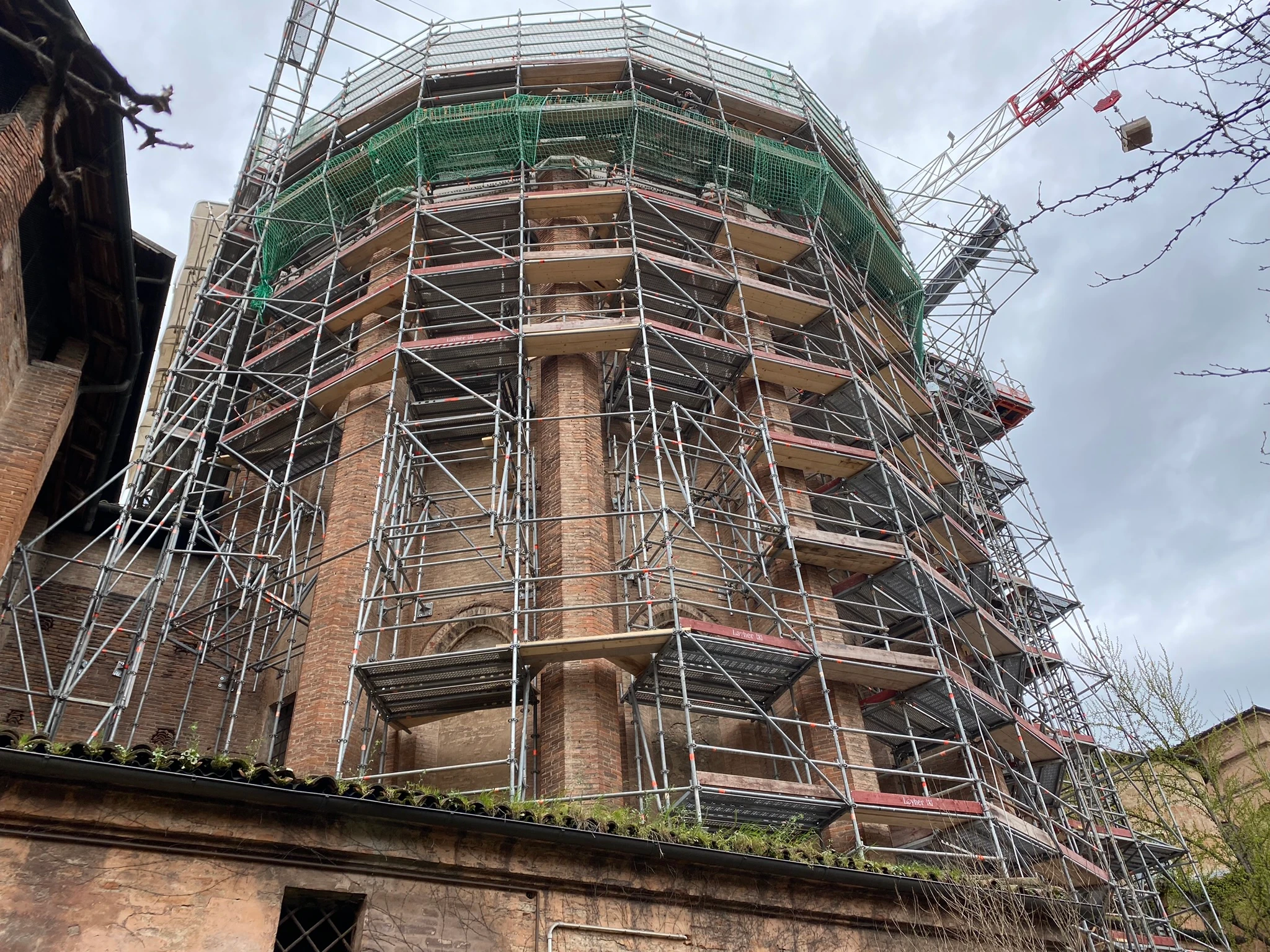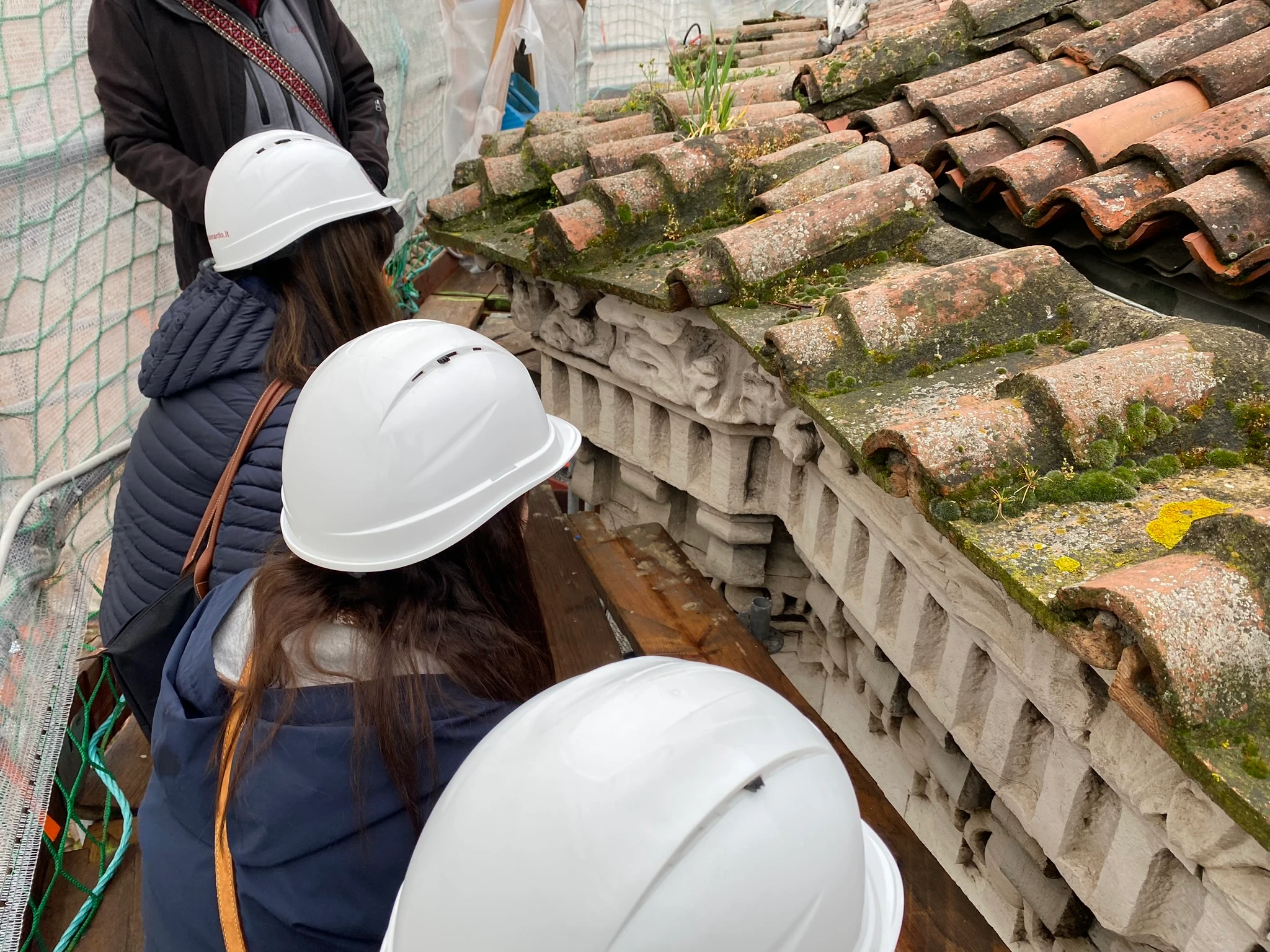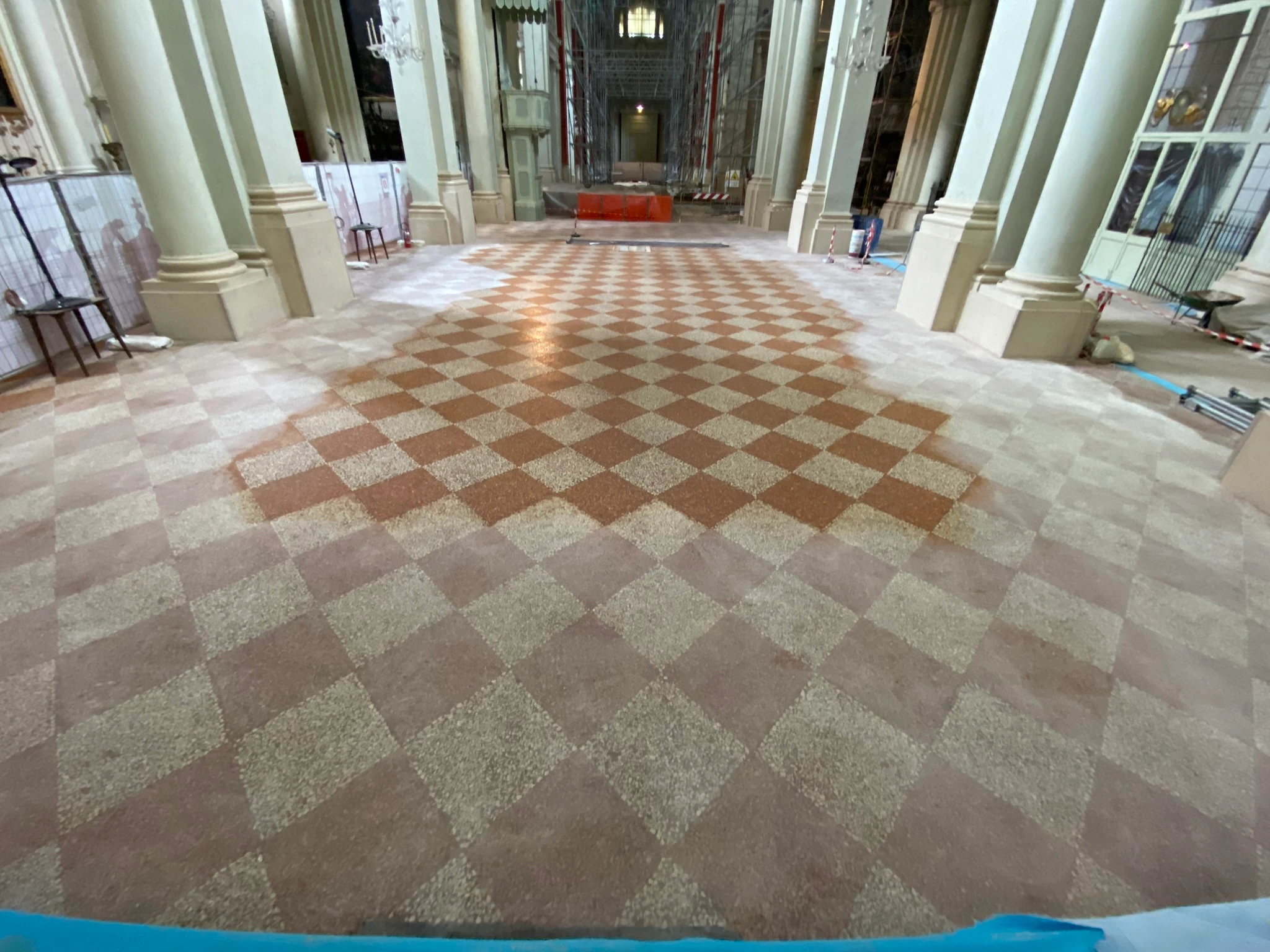
Progetto di restauro e rifunzionalizzazione del Palazzo Cisterna di Biella

Palazzo Cisterna

Palazzo Cisterna

Restoration and adaptive reuse of Palazzo Cisterna in Biella

Restoration, conservation, and functional adaptive reuse

ENGLOBE was responsible for the Technical and Economic Feasibility Project (PFTE) for the restoration and adaptive reuse of Palazzo Cisterna, a listed historic building located in the Piazzo district, within the historic center of Biella.

Promoted by the Piedmont Region, the project is part of a broader strategy for the enhancement of public heritage, with the aim of assigning the building a contemporary use fully compatible with its historical and architectural value.

A new hub for local Public Administrations

The project envisions the transformation of Palazzo Cisterna into an integrated service hub for Public Administrations, accommodating institutional functions, workspaces, public-facing areas, and facilities for educational and cultural activities.

The design strategy combines heritage protection, functional modernization, and accessibility, ensuring public use of the building and its reintegration into the urban fabric of the Piazzo district.

Design approach and intervention strategy

The building is characterized by a complex historical stratification, developed between the 13th and 17th centuries and shaped by subsequent functional transformations.

The project adopts a conservation-oriented approach, aimed at preserving and enhancing existing architectural features, limiting invasive interventions and favoring compatible, reversible, and clearly legible solutions.

All design decisions were developed in compliance with heritage and landscape protection regulations pursuant to Legislative Decree 42/2004 and in coordination with the relevant Heritage Authority.

Architectural design and functional layout

The spatial reorganization of the building is structured around the internal courtyard, which acts as the main distribution and organizational core.

The two historic entrances from Piazza Cisterna and Piazza Cucco have been preserved and enhanced, ensuring equal functional hierarchy and full accessibility.

The project includes:

  • public-facing and reception areas on the ground floor, including reception and café spaces within historic, frescoed rooms;
  • smart working areas and administrative offices for Public Administration staff;
  • conference halls and representative spaces located in the most architecturally significant levels;
  • temporary exhibition areas and storage spaces at basement level;
  • multipurpose classrooms and temporary accommodation for students and visiting faculty on the upper floors.

Special attention has been given to the removal of architectural barriers, with the inclusion of an elevator system developed through two alternative design solutions (internal and external), defined in agreement with the Heritage Authority.

Seismic improvement and structural interventions

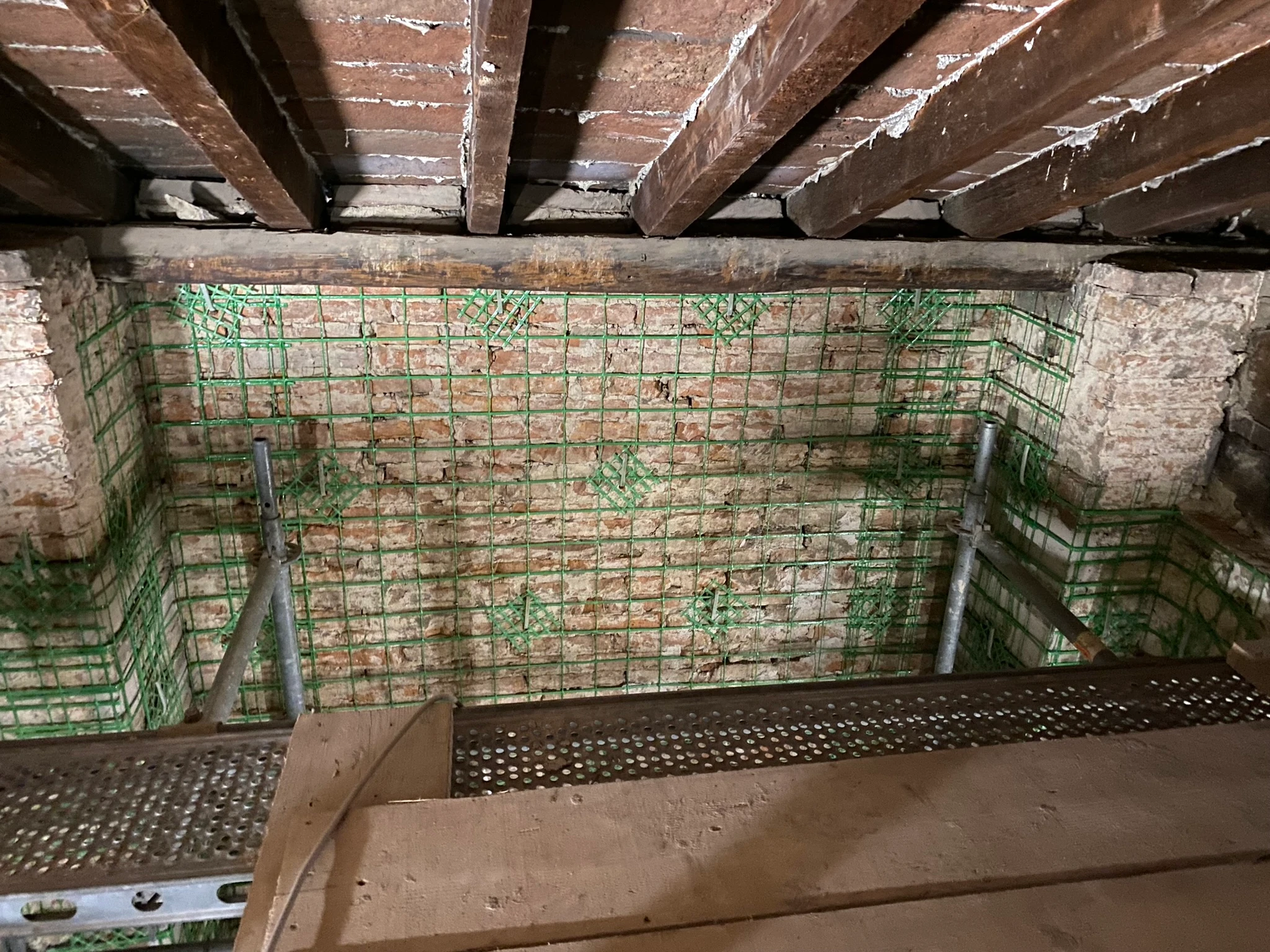
The structural design focuses on the seismic improvement of the building through localized repair and strengthening measures, fully respecting traditional construction techniques.

The adopted solutions prioritize minimal invasiveness, material compatibility, and improved global structural behavior, with targeted interventions on masonry walls and timber floor systems.

Building systems, safety, and fire prevention

The building is equipped with an integrated building services system designed to ensure comfort, efficiency, and safety.

Although the building does not fall under mandatory fire safety certification procedures, the project adopts the Italian Fire Prevention Code as a reference framework, with specific attention to listed buildings open to the public.
The design also includes access control systems, video surveillance, and differentiated user flow management in response to the multiple functions hosted within the building.

Restoration and enhancement of decorative elements

The restoration project is based on a detailed stratigraphic analysis of interior surfaces.

Interventions include the conservation of existing decorative layers, the recovery of historic wall paintings, mitigation of moisture-related deterioration, and the enhancement of valuable architectural elements, all developed in close coordination with the Construction Management team and the Heritage Authority.

PLACE

Biella (BI)

CLIENT

Regione Piemonte

WORK PERIOD
ACTIVITY

Design phase Safety coordination
Executive design
Safety coordination for executive phase
Technical and Economic Feasibility Study
Works Supervision

TYPOLOGY

Conservative Rehabilitation
Restoration of Listed Cultural Heritage

INTENDED USE

Cultural
Exhibition
Institutional
Museum
Residential

WORK AMOUNT
WORKING GROUP

Englobe
Geol. Manuela Pallozzi
Phigroup s.r.l.
Rest. Riccardo Moselli

Nuova Caserma dei Carabinieri di Fiuminata (MC)

Carabinieri Station

Carabinieri Station

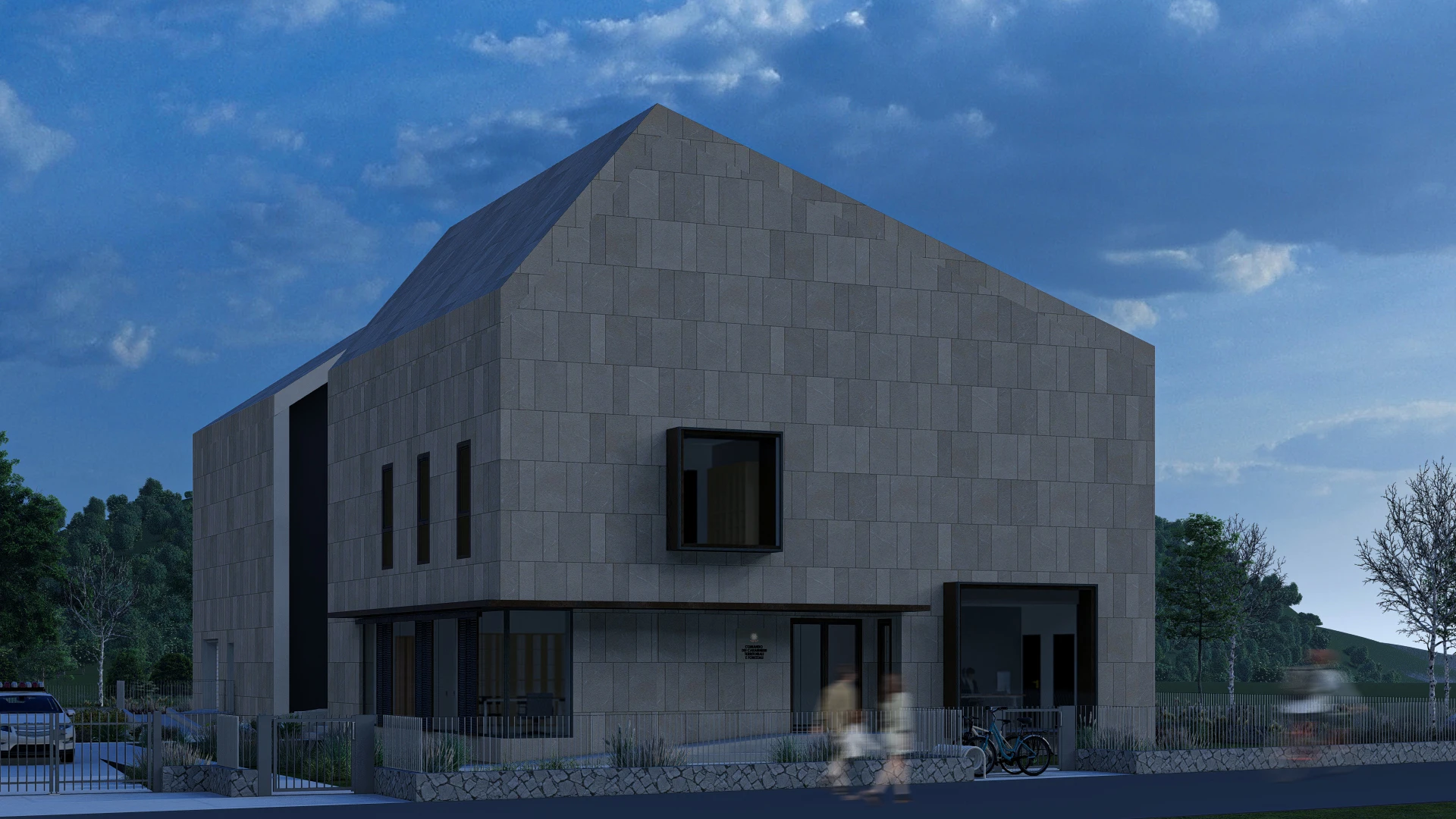
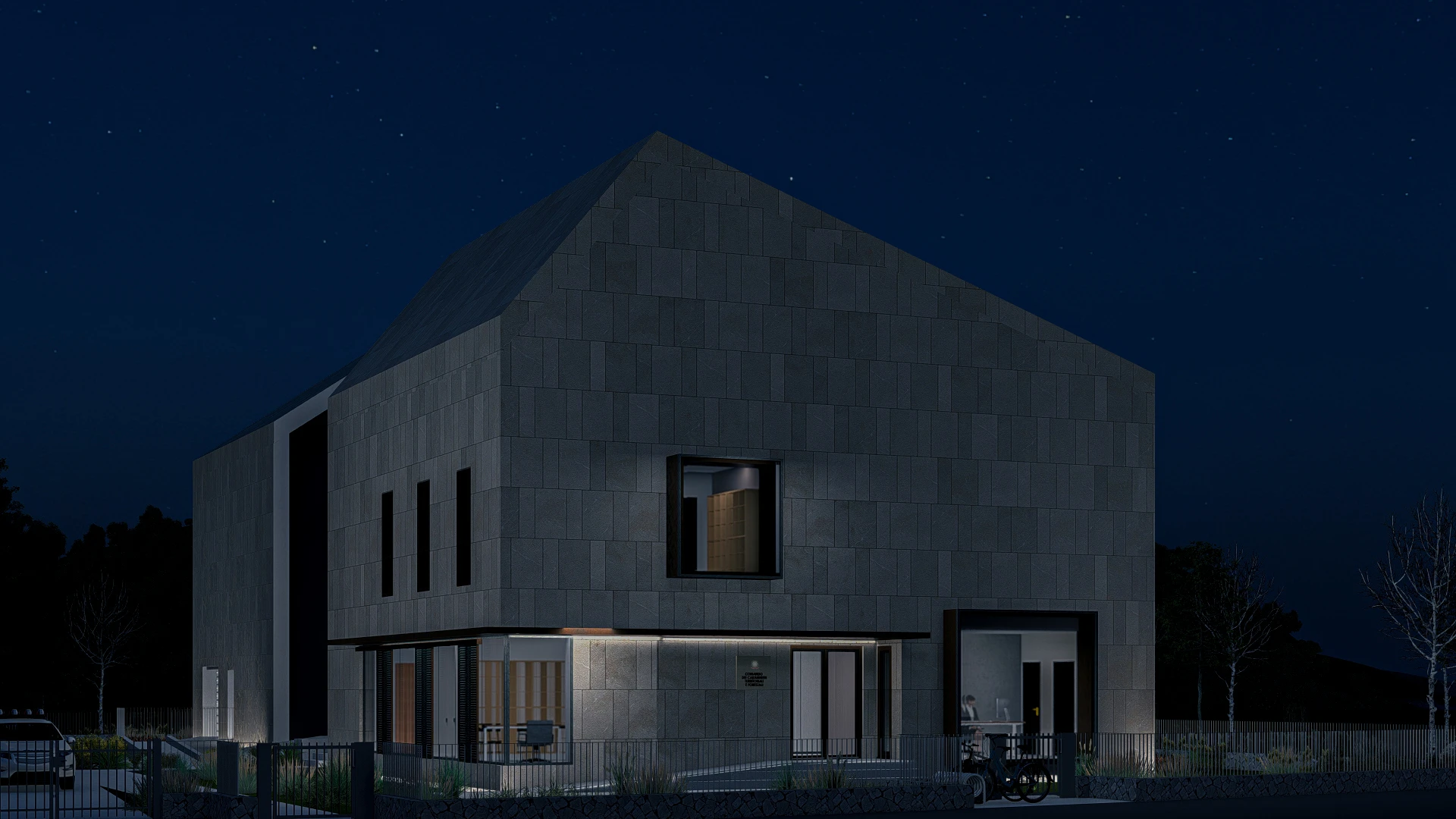
New Carabinieri Station in Fiuminata. Reconstruction and consolidation project following the 2016 earthquake.

Reconstruction, Integration and Sustainable Redevelopment

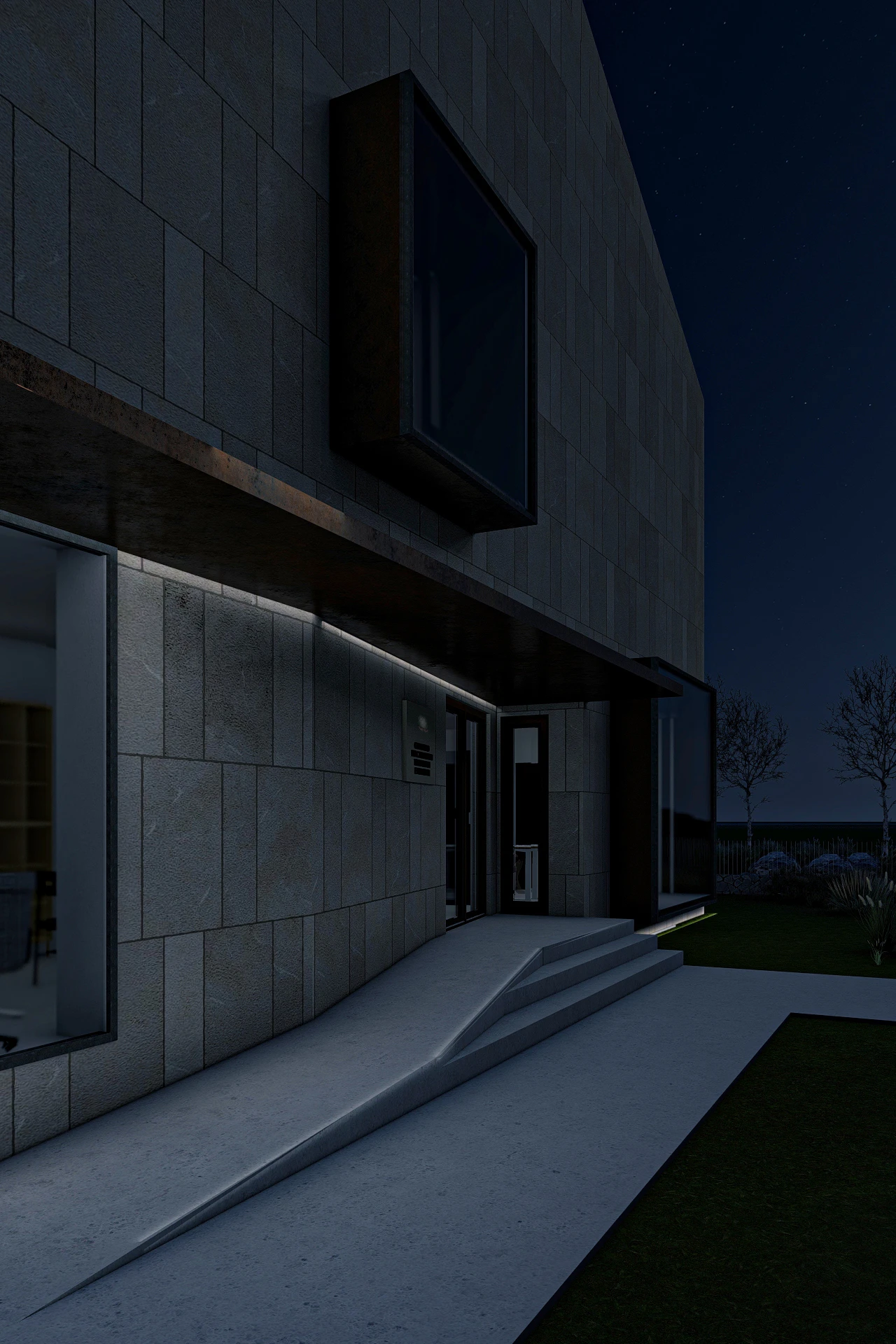
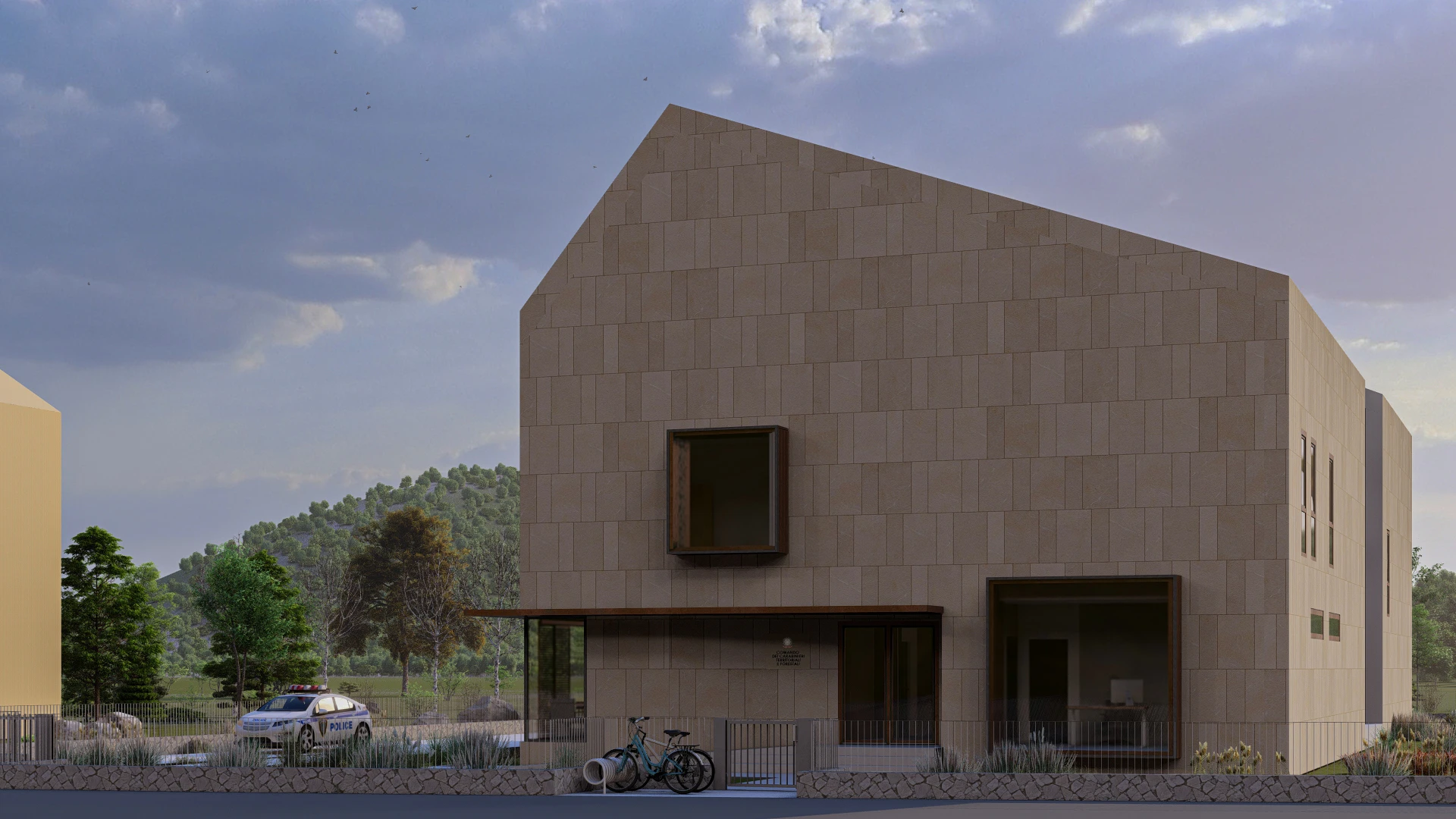
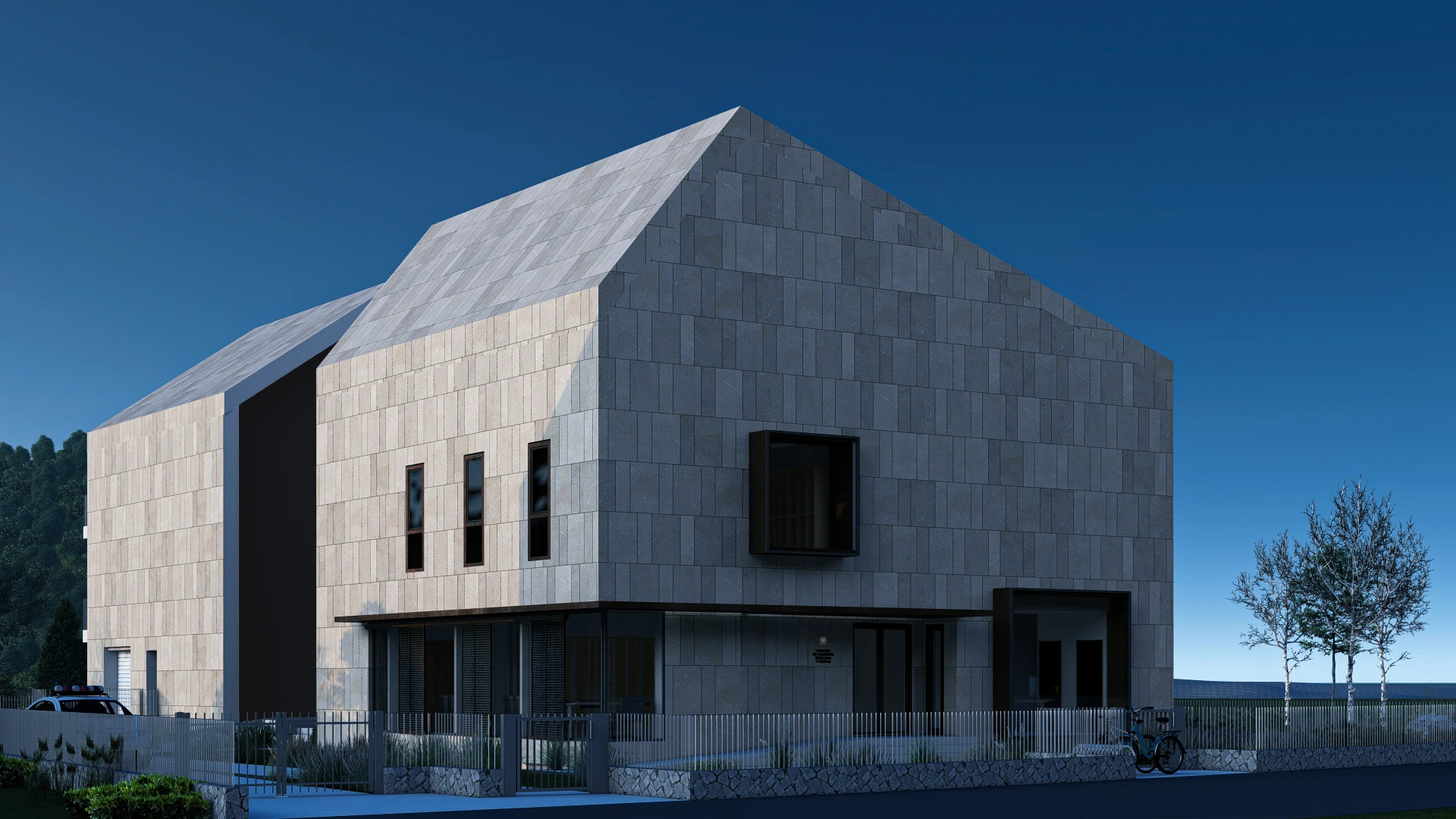
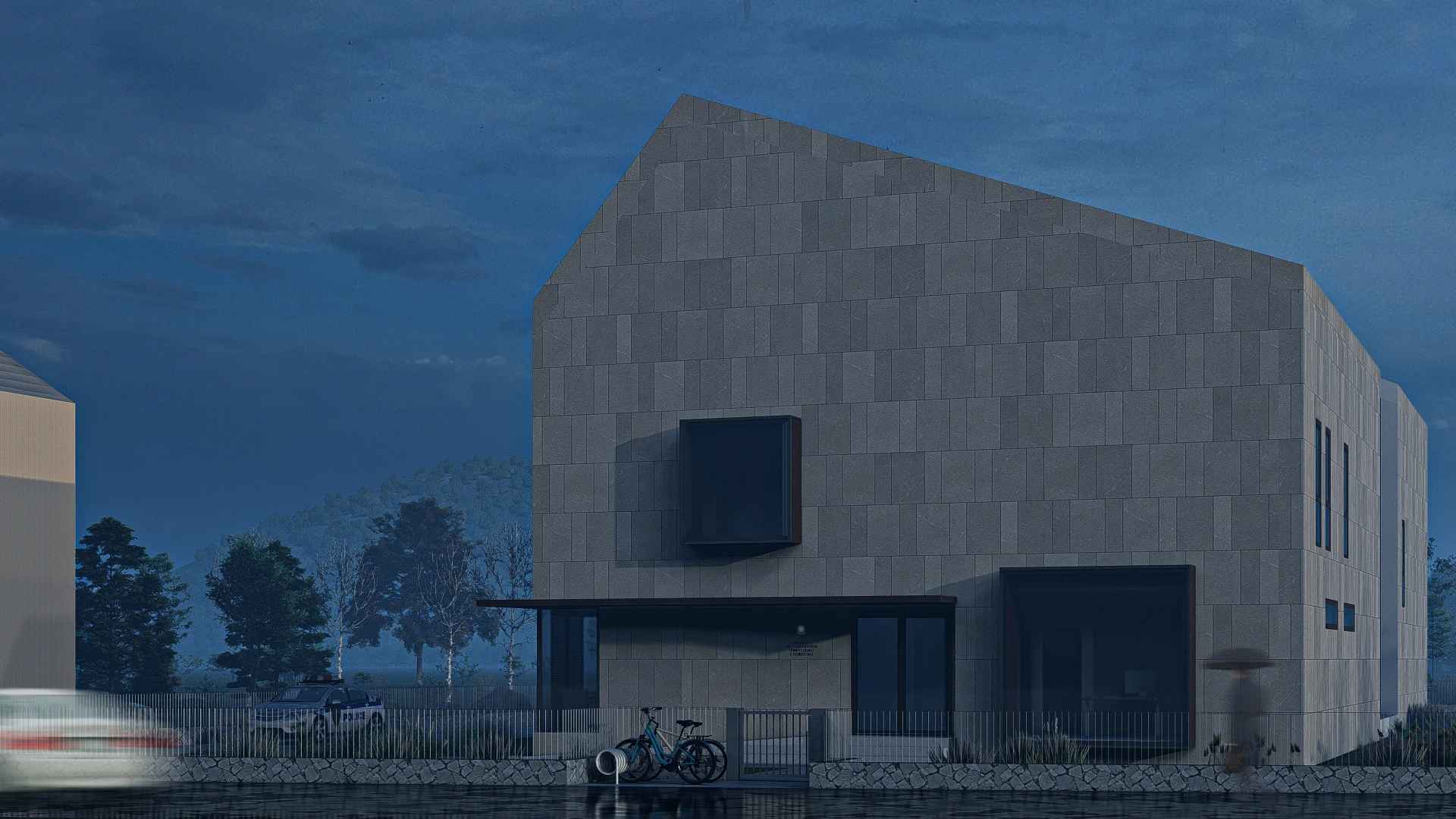
The new Carabinieri Station in Fiuminata was conceived to merge the Territorial and Forestry Units into a single, efficient complex, replacing the buildings damaged by the 2016 earthquake.

Designed by ENGLOBE for the General Command of the Carabinieri, the project represents a model of integrated and sustainable reconstruction, combining structural safety, energy efficiency, and architectural coherence with the surrounding mountain landscape.

Architectural concept and design approach

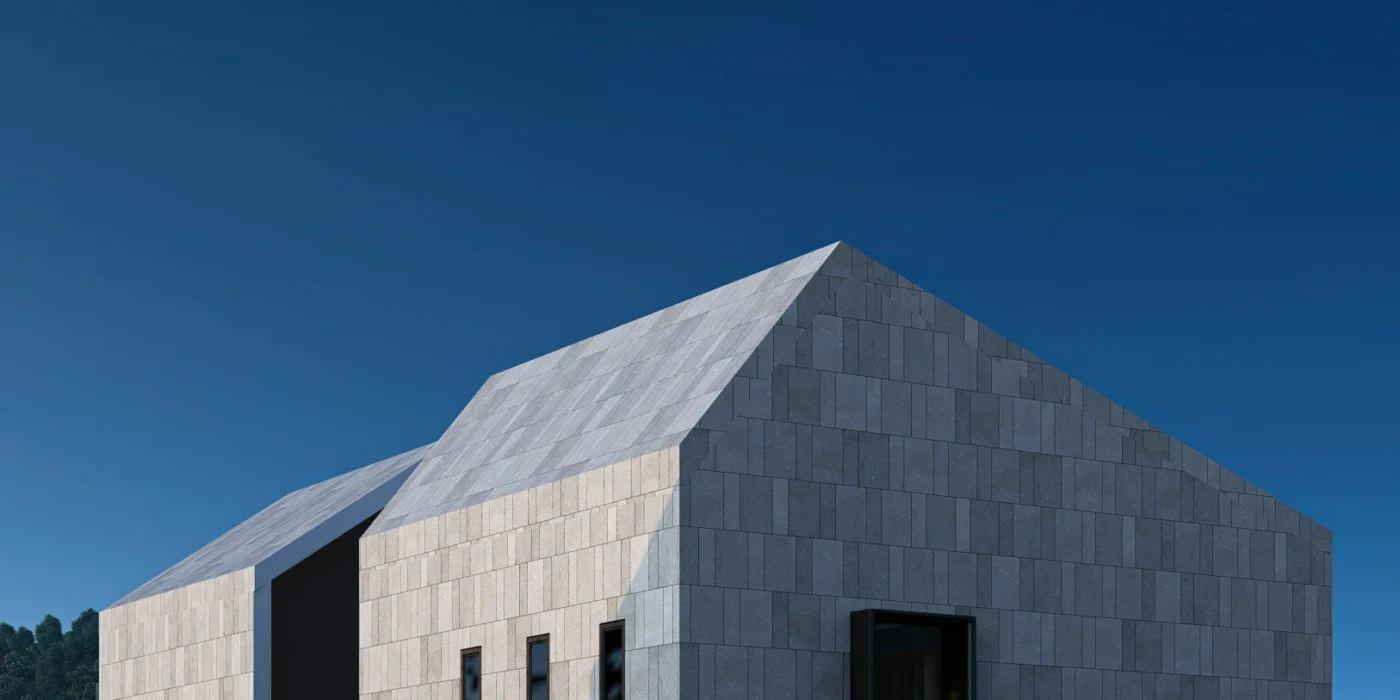
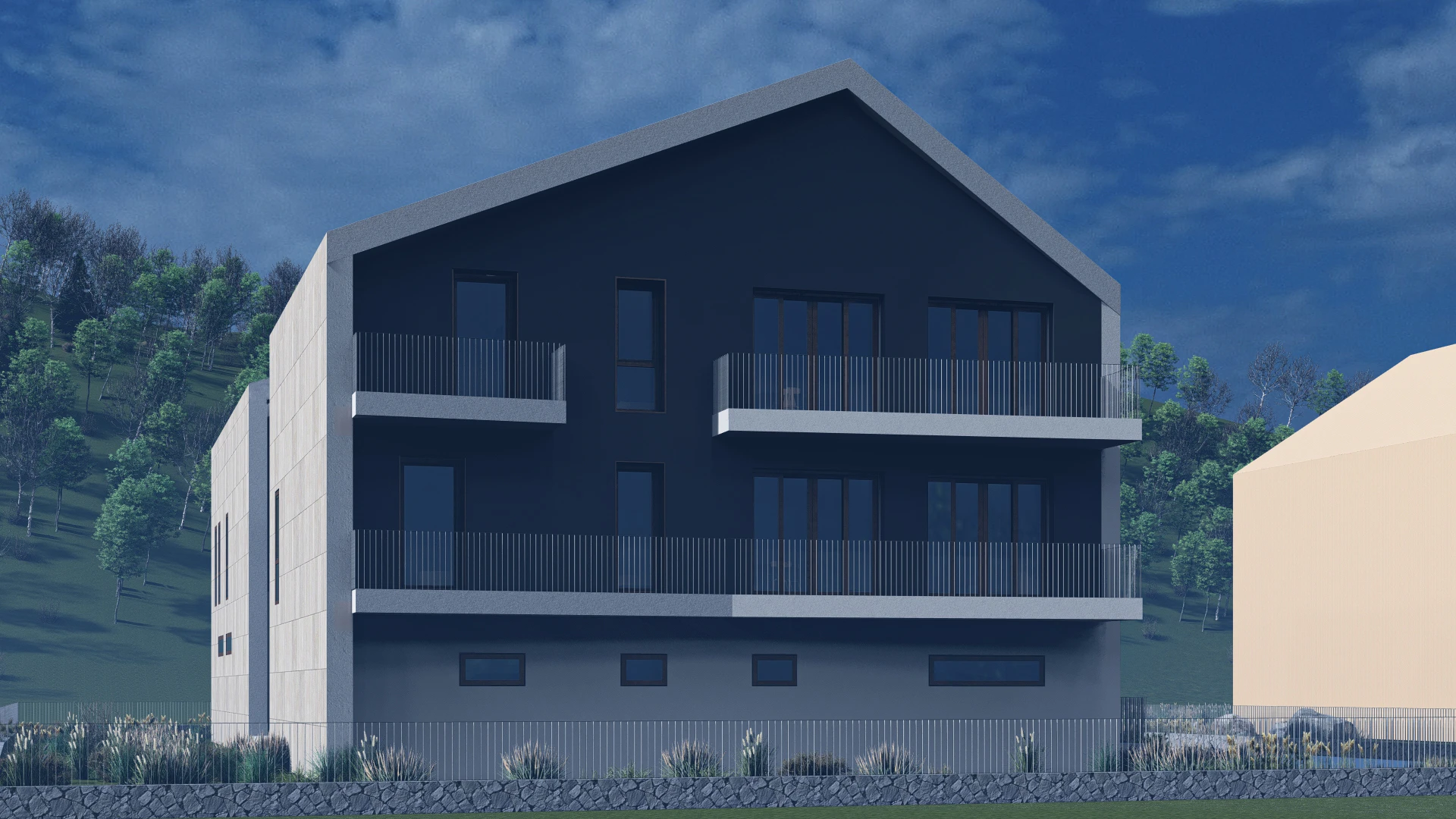
The new facility is composed of two volumes – the Command Building and the Residential Block – linked by a central patio that separates functions while maintaining visual continuity with the valley.

Its architectural language reinterprets local materials and forms in a contemporary way: stone cladding, continuous pitched roofs, and controlled openings define a structure that blends tradition and modern efficiency.

Closed façades facing the main road and open terraces overlooking the valley emphasize the balance between institutional identity and environmental harmony.

Structure, energy and environmental quality

The structural system in reinforced concrete ensures full seismic resistance, while thermal brick infill and sustainable materials enhance comfort and durability.

The project features high-efficiency MEP systems, solar panels, rainwater harvesting, and compliance with Italy’s Minimum Environmental Criteria (CAM).

Through a coordinated and multidisciplinary design, ENGLOBE delivers a public building that stands as both a functional infrastructure and a symbol of post-earthquake renewal for the Fiuminata community.

PLACE

Fiuminata (MC)

CLIENT

General Headquarters of the Carabinieri

WORK PERIOD
ACTIVITY

Technical and Economic Feasibility Study

TYPOLOGY

New Construction

INTENDED USE

Institutional
Residential

WORK AMOUNT
WORKING GROUP

Arch. Maurizio Sabatino Pirocchi
Dott. Geol. Alberto Antinori
Englobe

Restauro e riqualificazione di Palazzo Vallemani ad Assisi ENGLOBE Progettazione Integrata

Palazzo Vallemani

Palazzo Vallemani

Restoration and Redevelopment of Palazzo Vallemani

A cultural landmark in the heart of Assisi

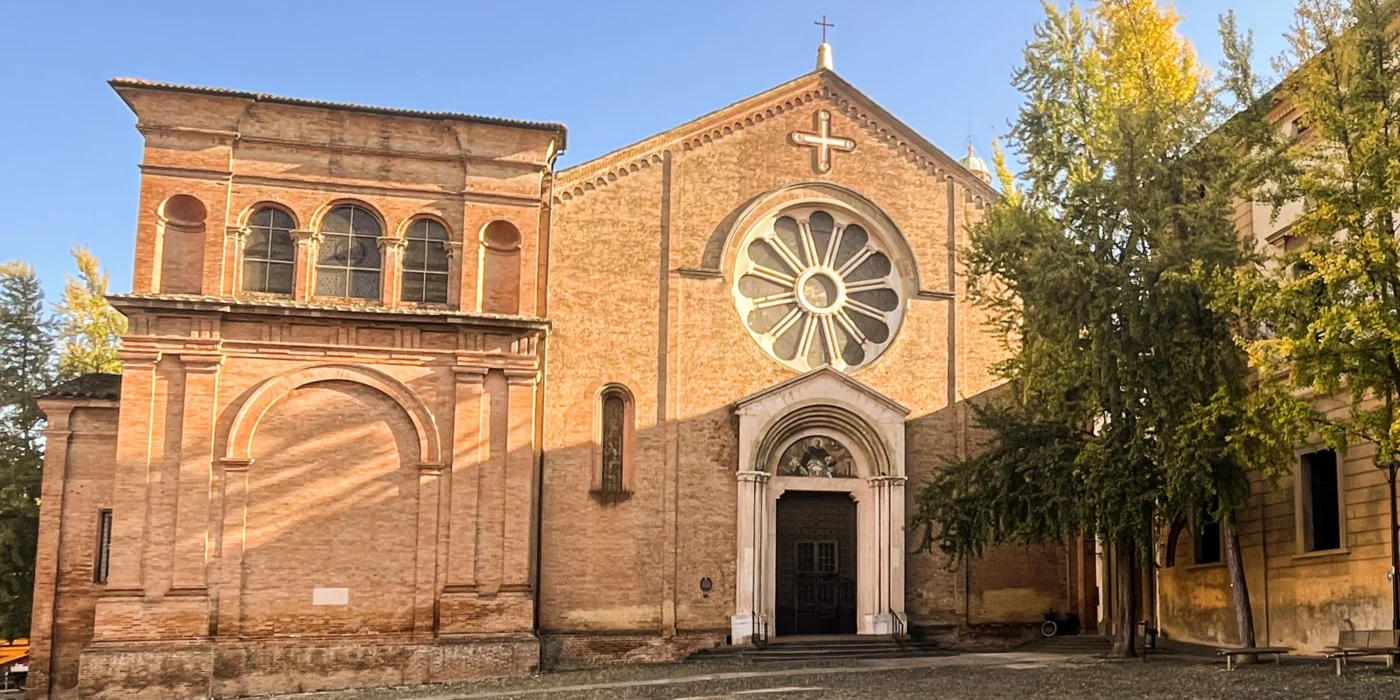
The restoration and redevelopment of Palazzo Vallemani in Assisi represent a key intervention to preserve and enhance one of the city’s most significant historic buildings. Located in the heart of the old town, just a few steps from the Basilica of Saint Francis, the Palazzo stands as a symbol of Assisi’s architectural heritage and a vital meeting place for the local community.

Regeneration supported by the PNRR

Funded by Italy’s National Recovery and Resilience Plan (PNRR), the project aims to restore the Palazzo’s full functionality while integrating new uses that strengthen its civic and cultural role. The intervention includes:

  • the recovery of areas assigned to local cultural associations,

  • the redevelopment of outdoor spaces and adjacent urban pathways,

  • the improvement of accessibility through new vertical connection systems.

Balancing heritage and innovation

The design approach combines respect for historical and artistic value with the adoption of innovative technologies to enhance sustainability, safety, and comfort. The restoration focuses on preserving the Palazzo’s original architectural features while ensuring inclusive and accessible spaces for all users.

A renewed center for culture and community

Through this project, Palazzo Vallemani is set to become once again a vibrant hub of culture, social life, and identity for the city of Assisi — a place where historical memory and contemporary design coexist in perfect balance.

PLACE

Assisi (PG)

CLIENT

Centrale Unica di Committenza Assisi - Bastia Umbra - Cannara

WORK PERIOD
ACTIVITY

Design phase Safety coordination
Executive design
Final design
Safety coordination for executive phase
Technical and Economic Feasibility Study
Works Supervision

TYPOLOGY

Restoration of Listed Cultural Heritage

INTENDED USE

Cultural
Multifunctional

WORK AMOUNT
WORKING GROUP

Arch. Maurizio Sabatino Pirocchi
Energi S.r.l.
Englobe
Geol. Alberto Antinori