Ristrutturazione Terme San Siro Milano ENGLOBE Progettazione Integrata

Terme San Siro

Terme San Siro

Renovation of Terme San Siro

From the De Montel Stables to the new thermal park

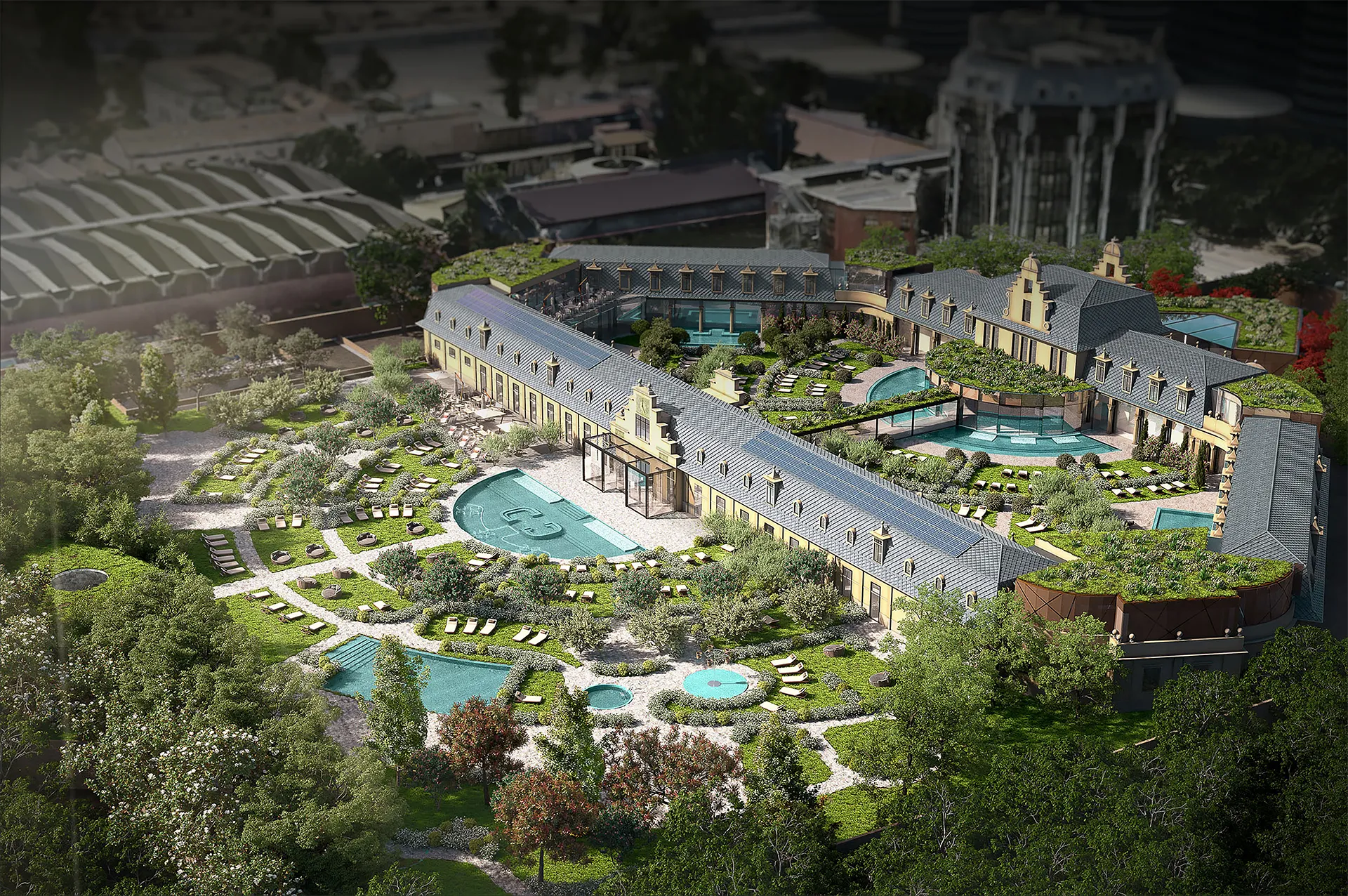
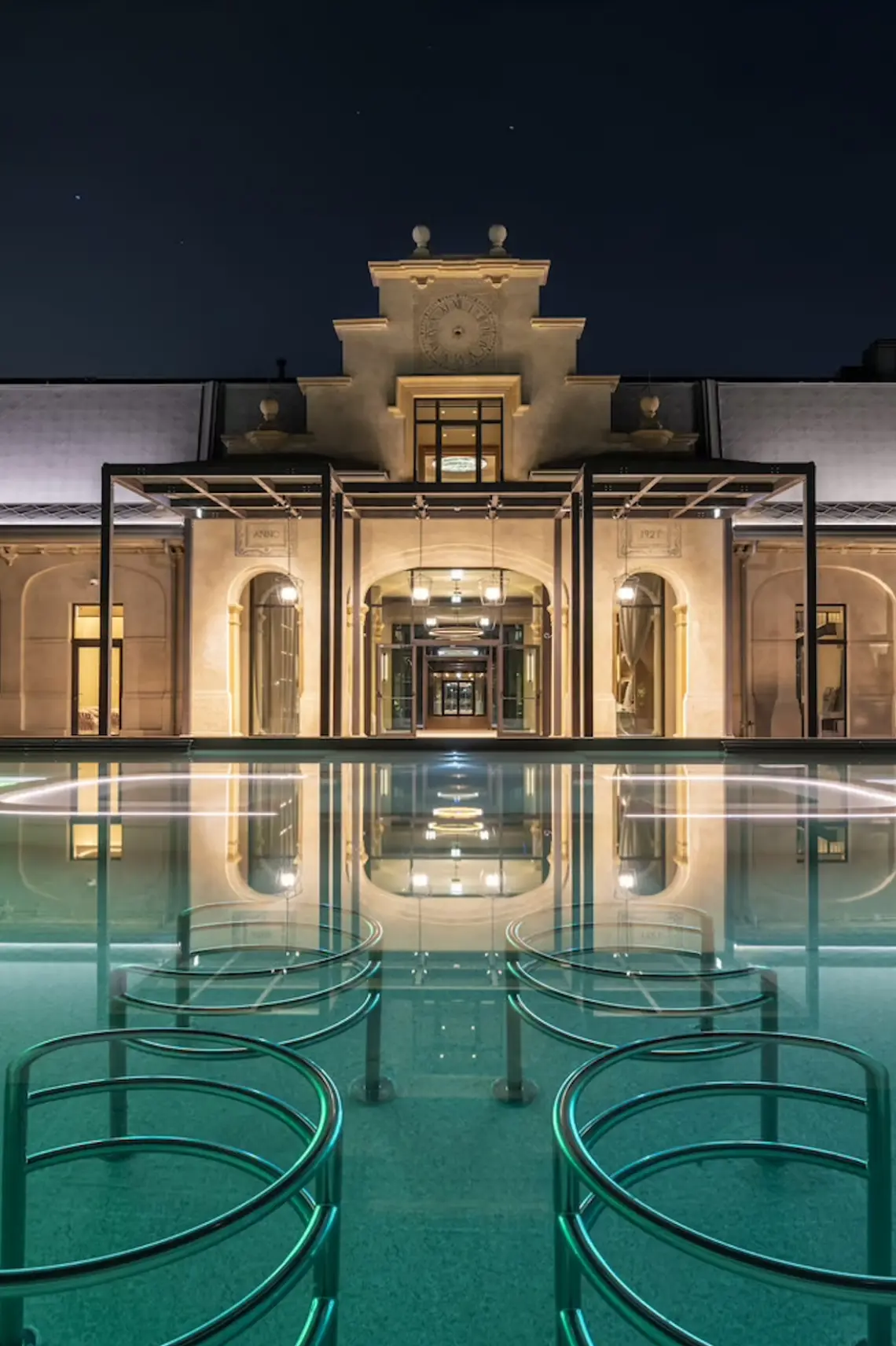
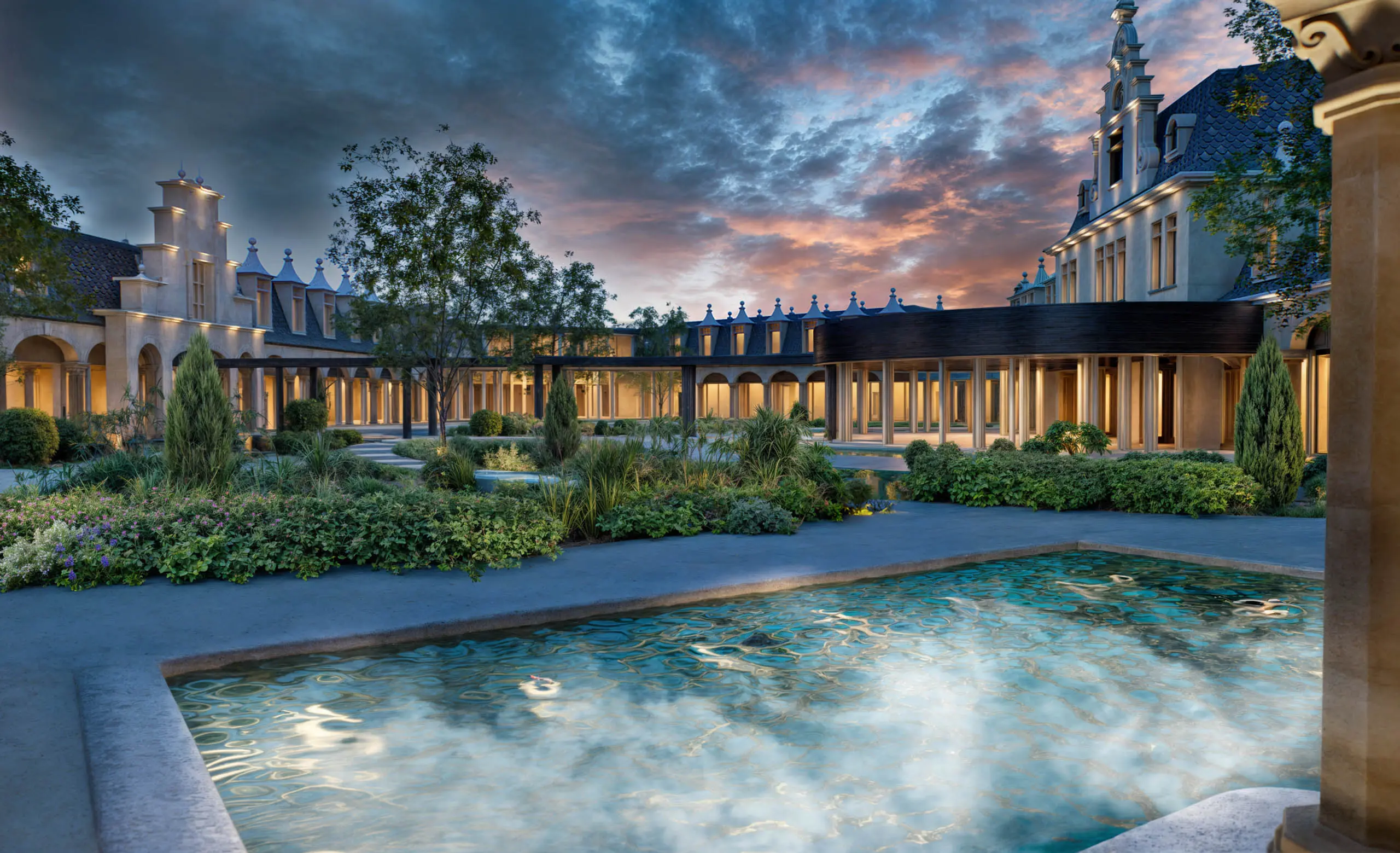
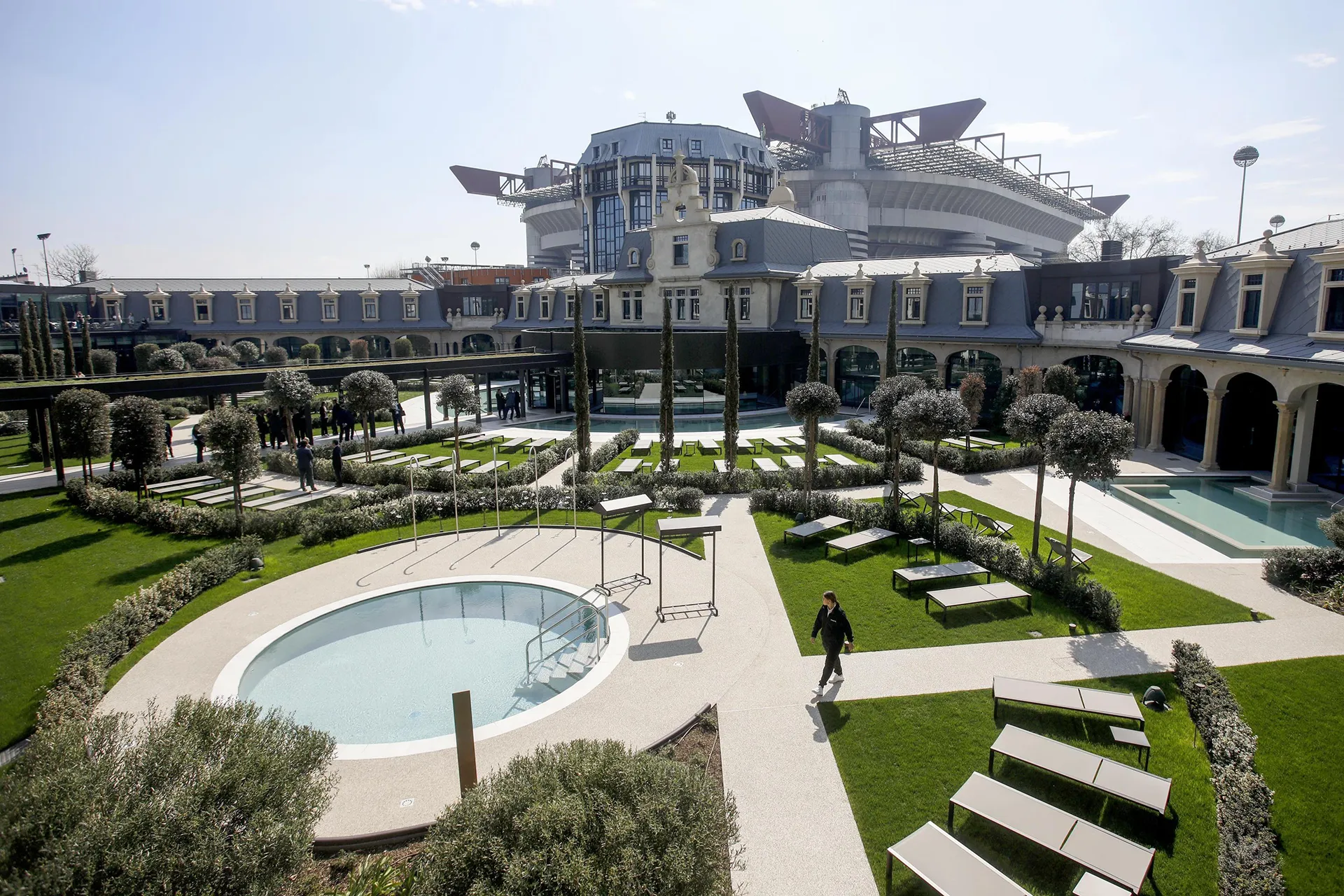
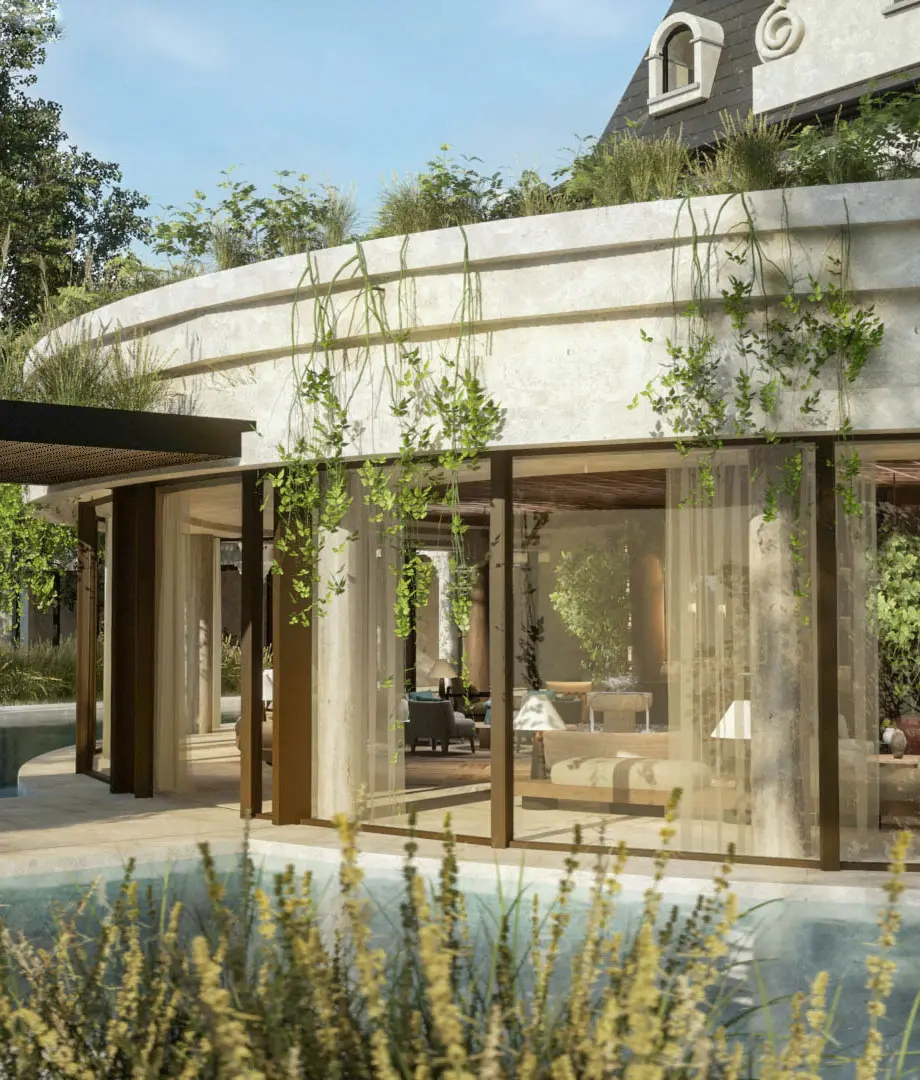
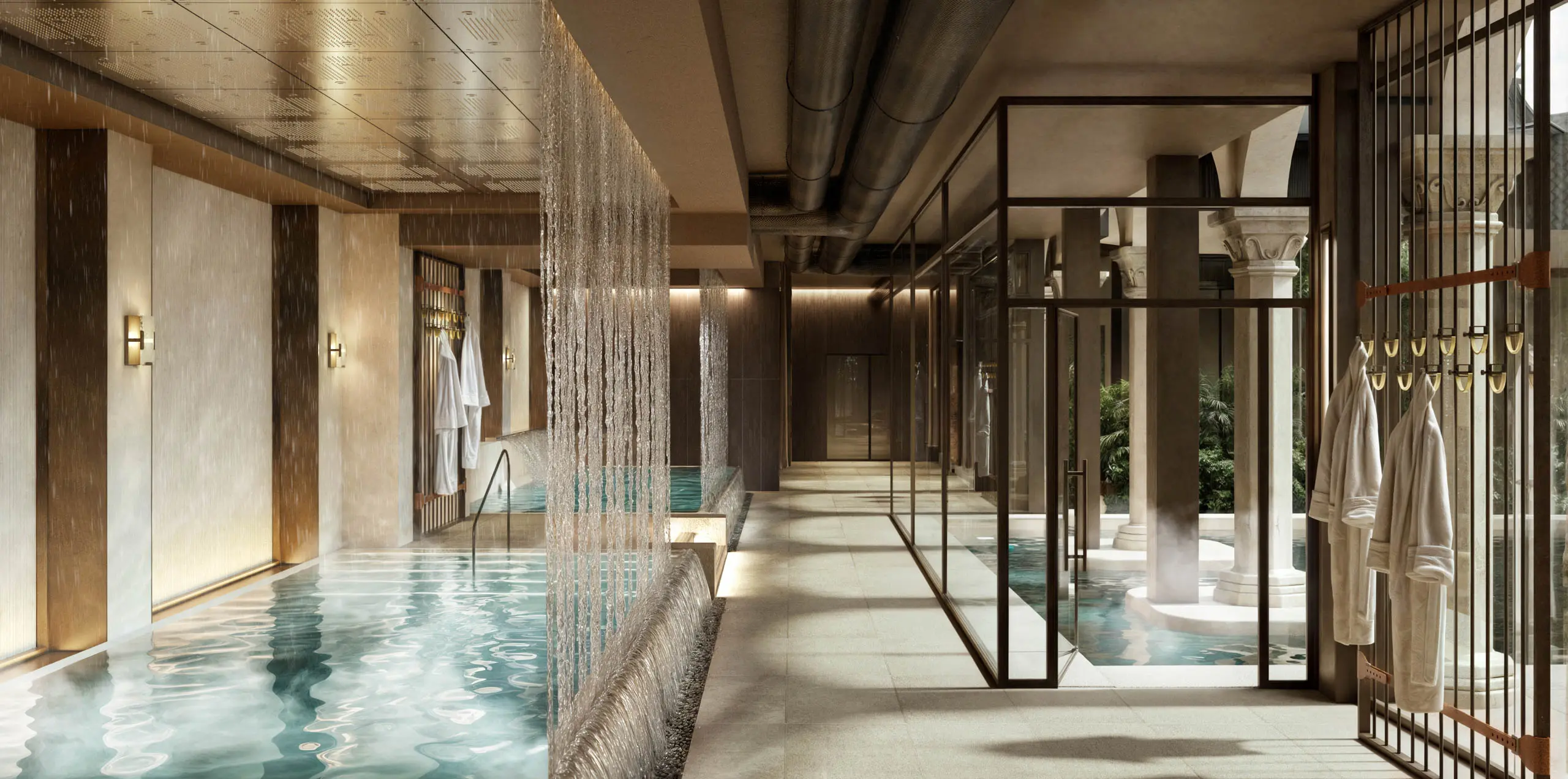
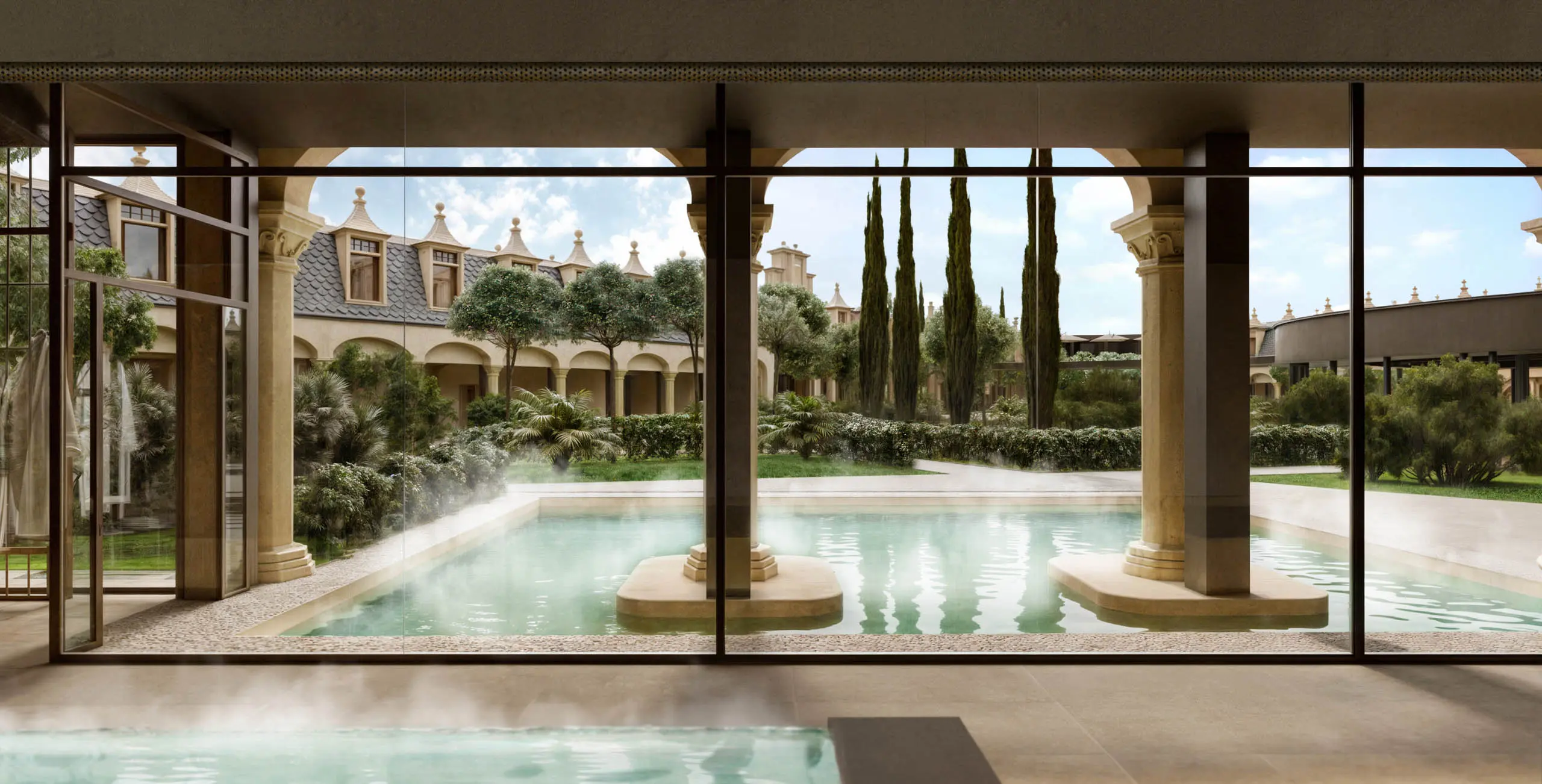
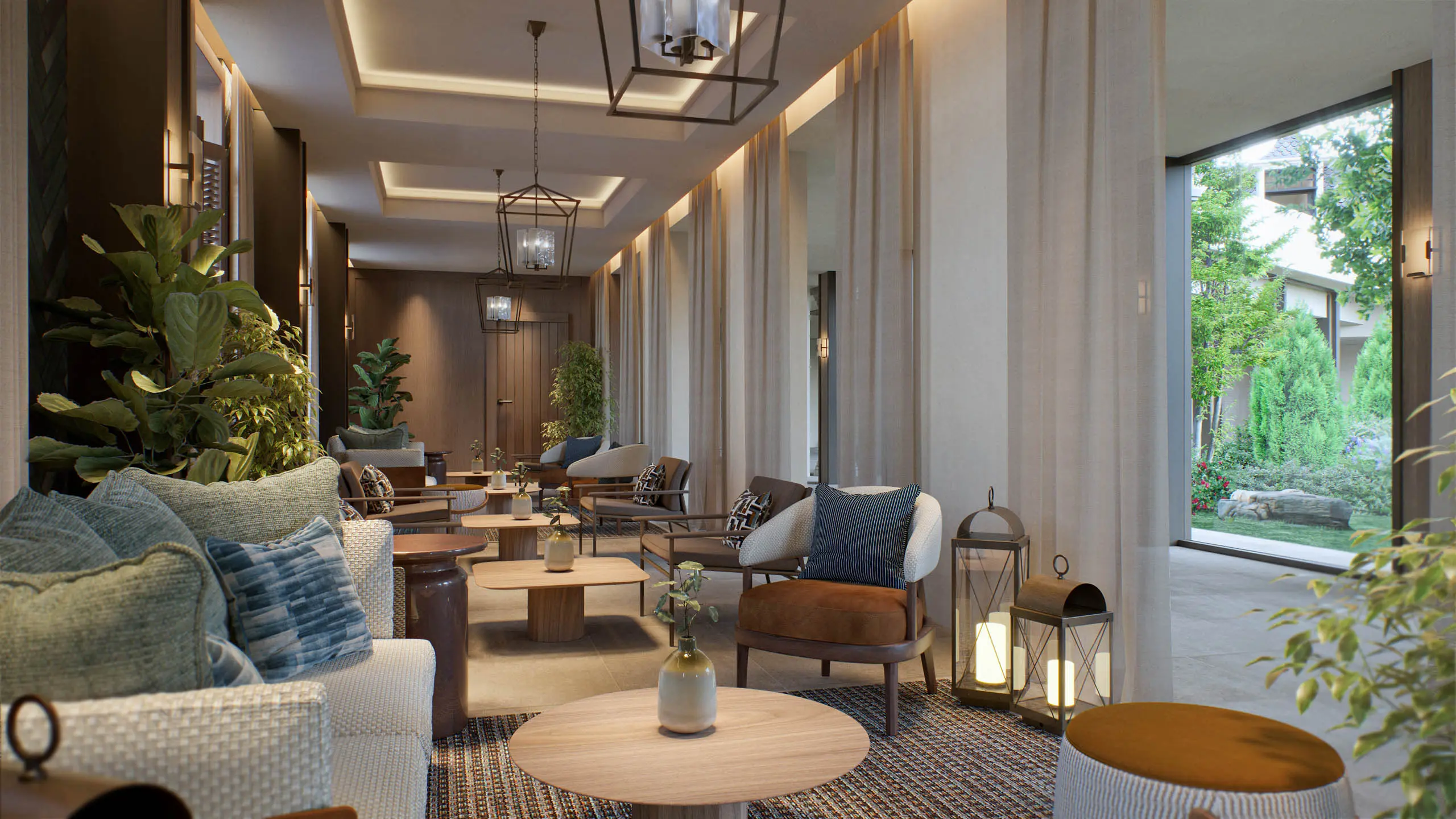
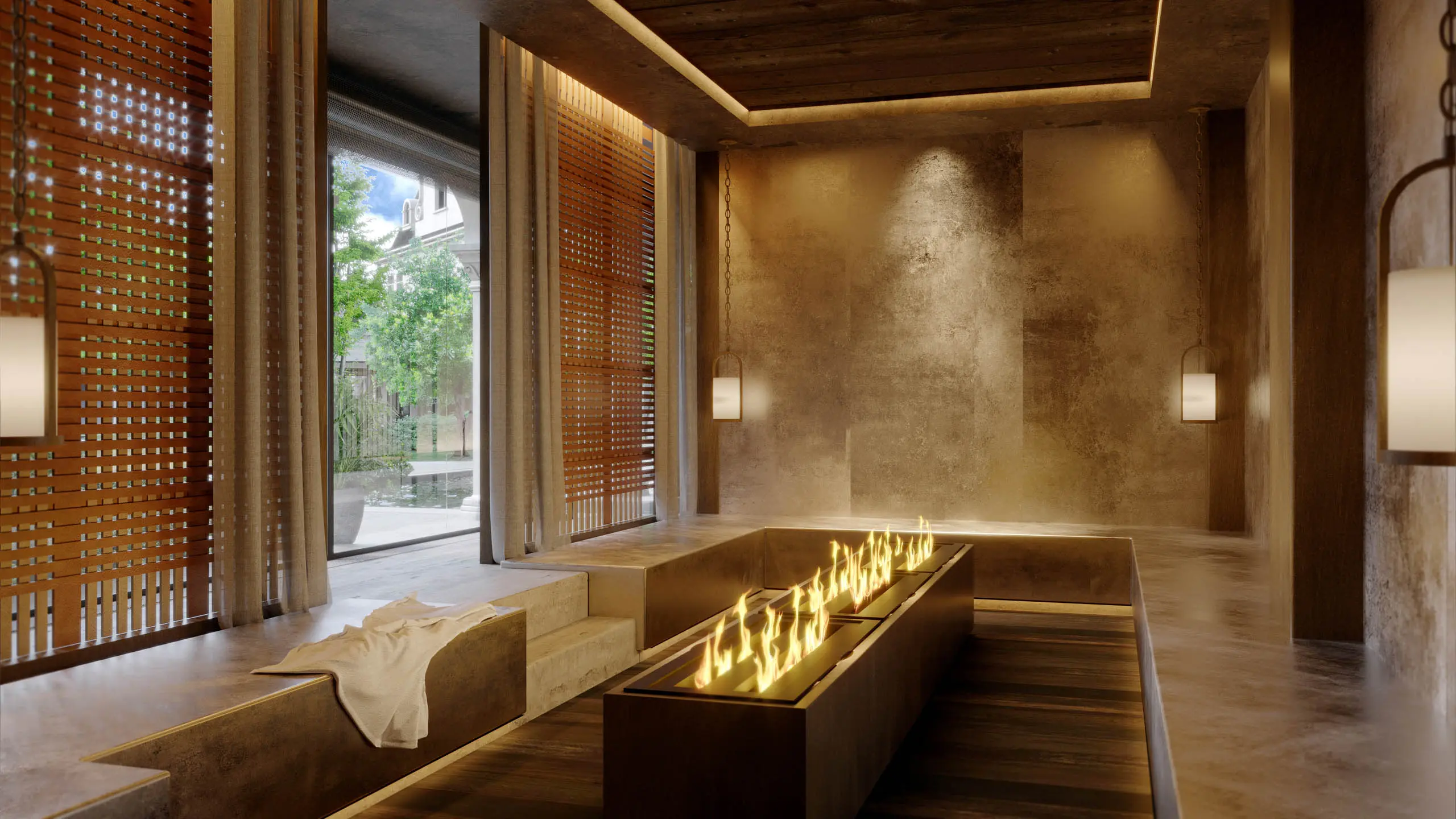
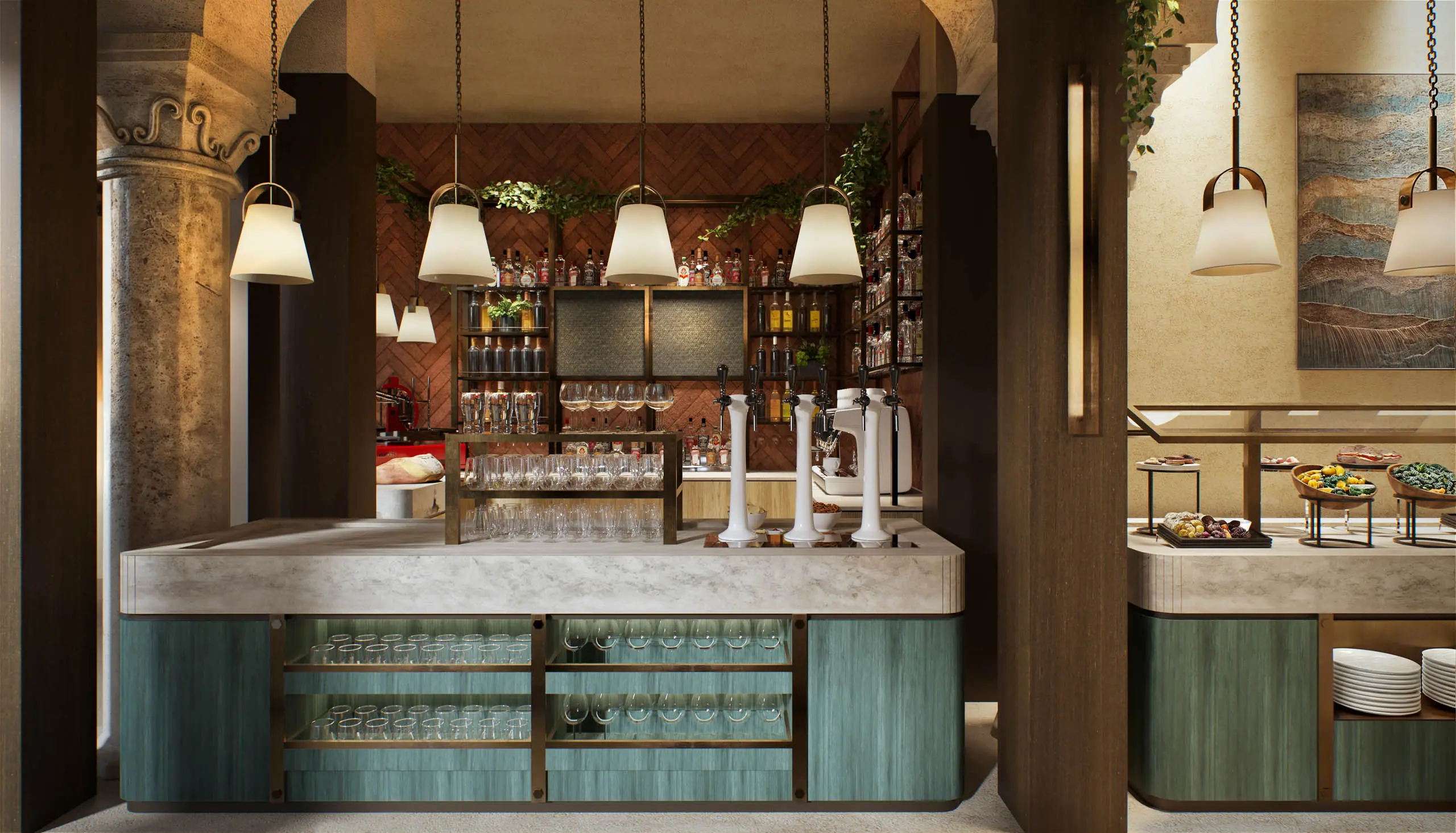
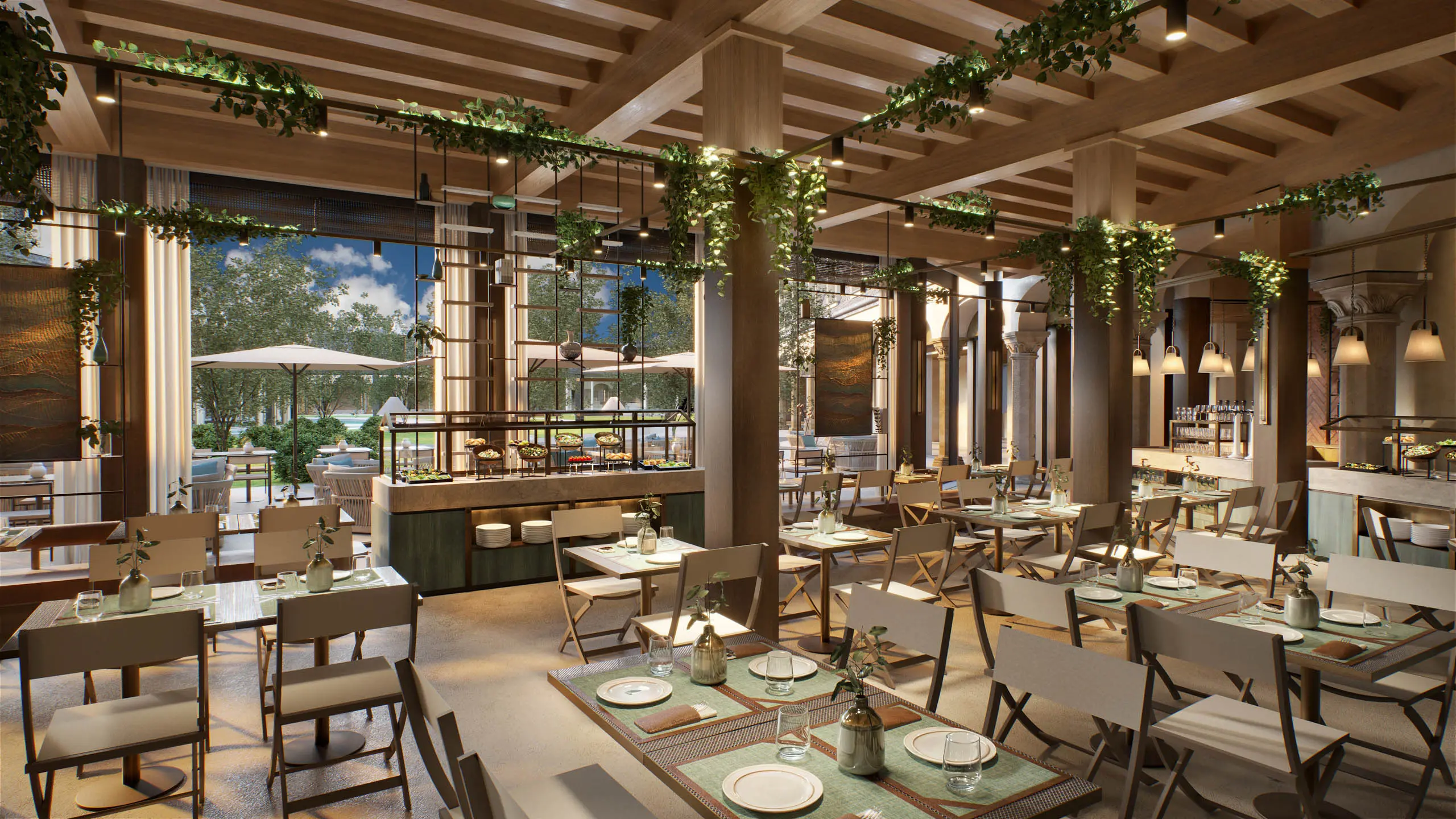
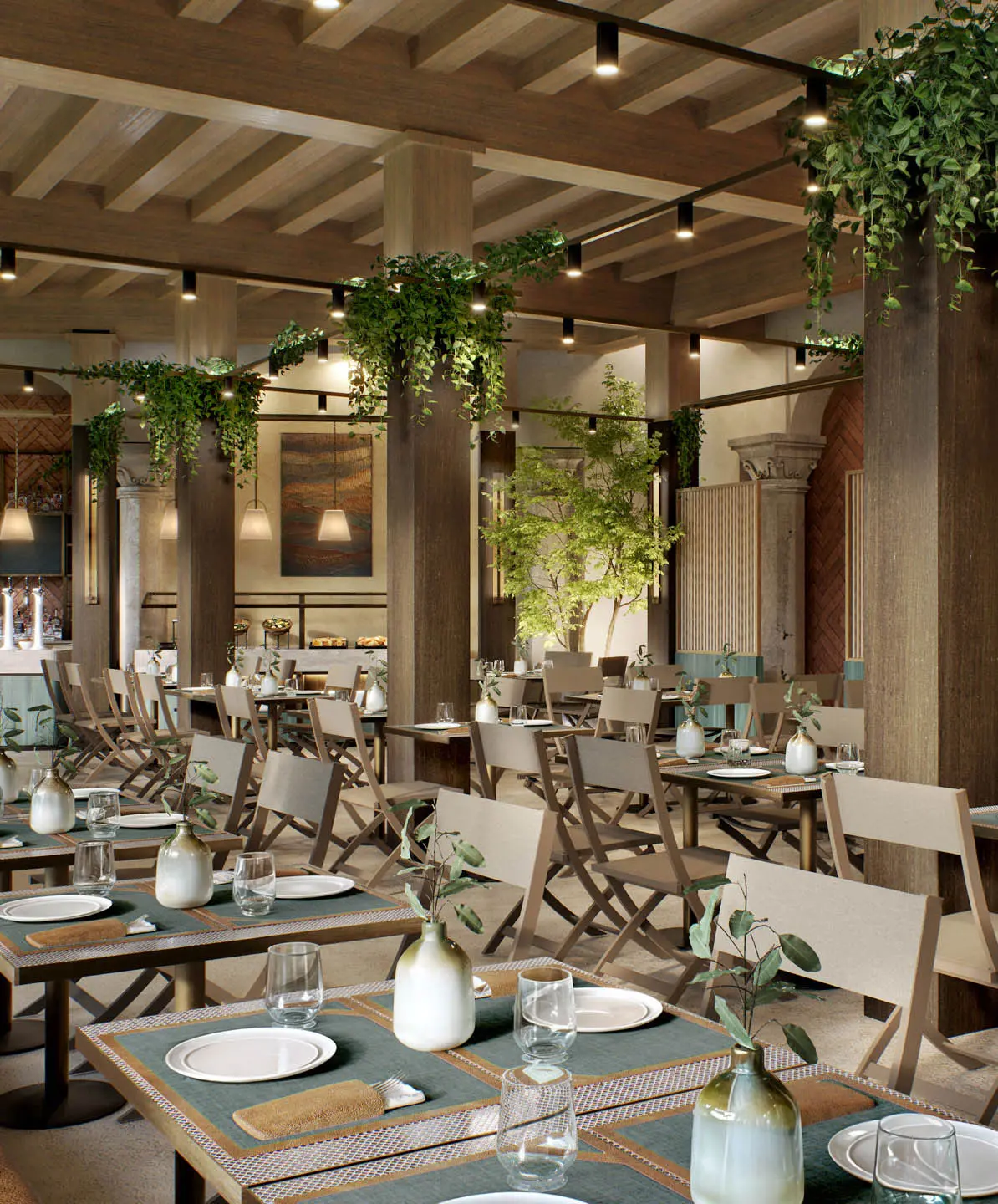
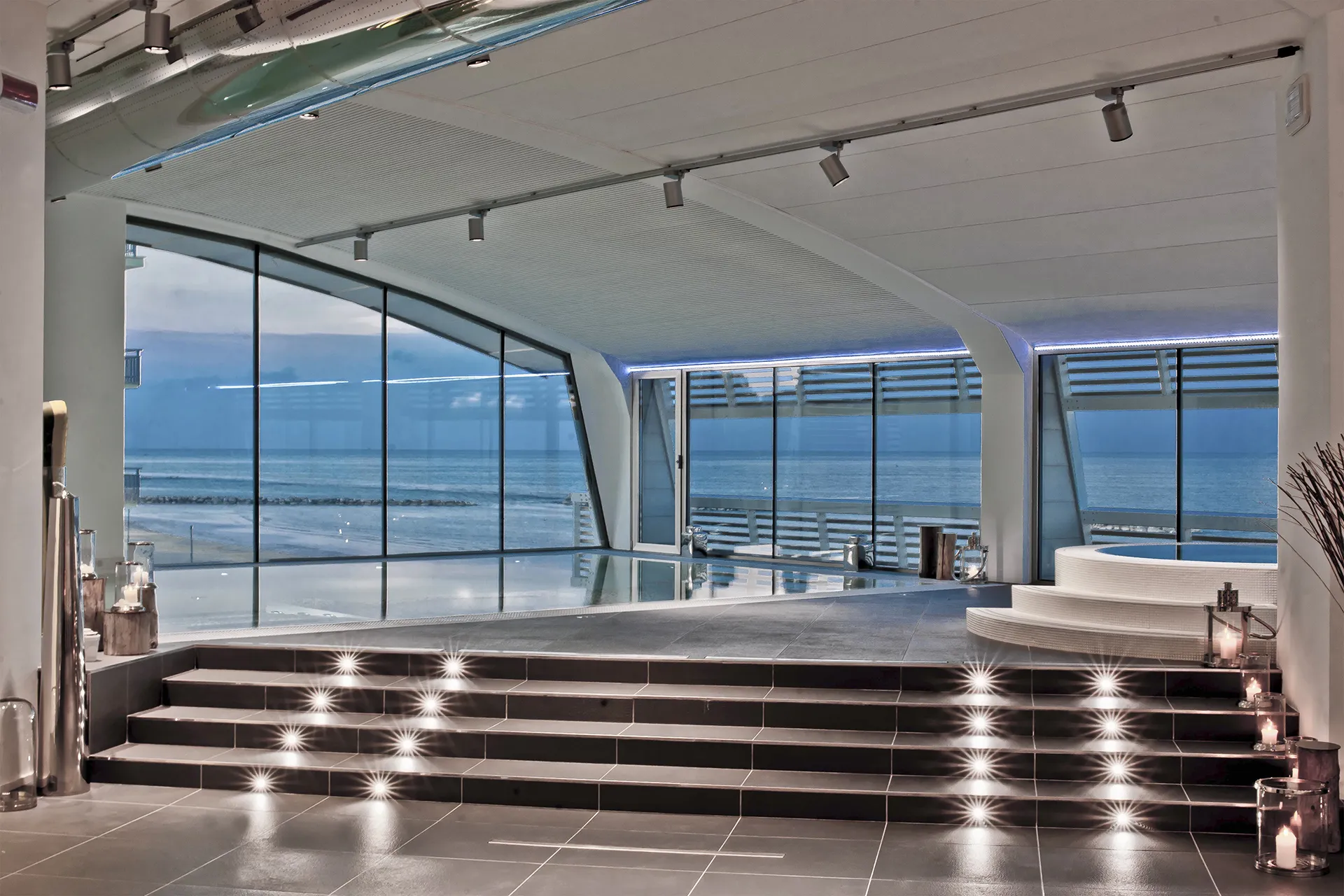
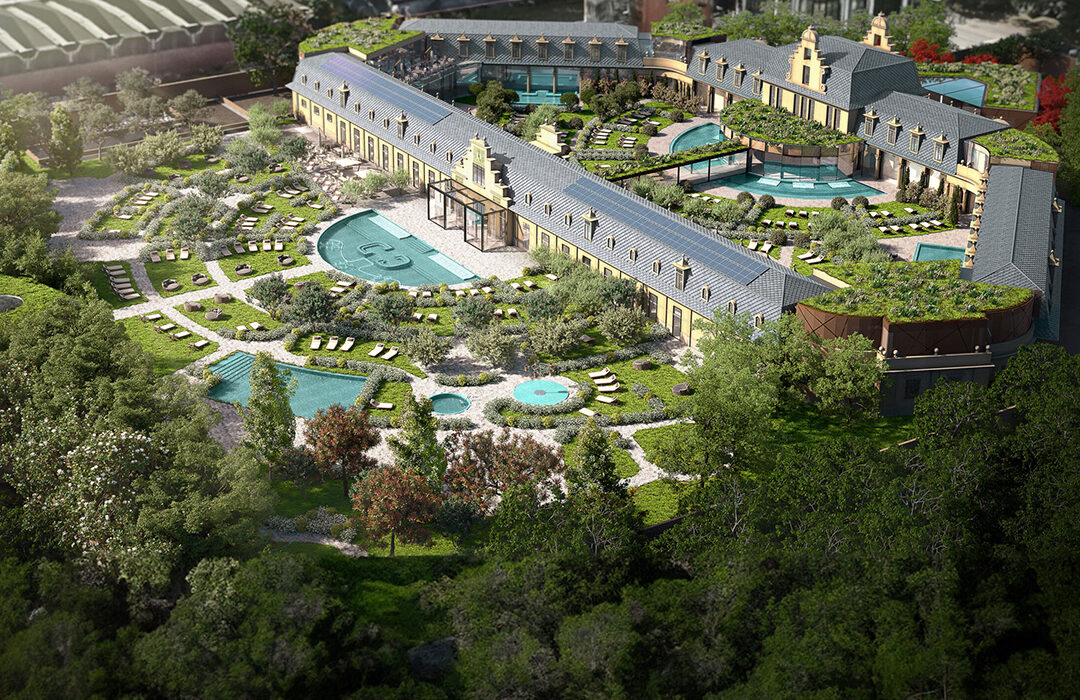
The former De Montel Stables, a remarkable example of Liberty architecture from early 20th-century Milan, have been brought back to life as Italy’s largest metropolitan thermal park. After decades of inactivity, the intervention has returned a unique complex to the city, where historic charm is intertwined with new functions dedicated to wellness. At the heart of the project are the thermal waters emerging from more than 396 meters underground, a natural resource that made the site’s rebirth possible.

A listed heritage asset and its restoration

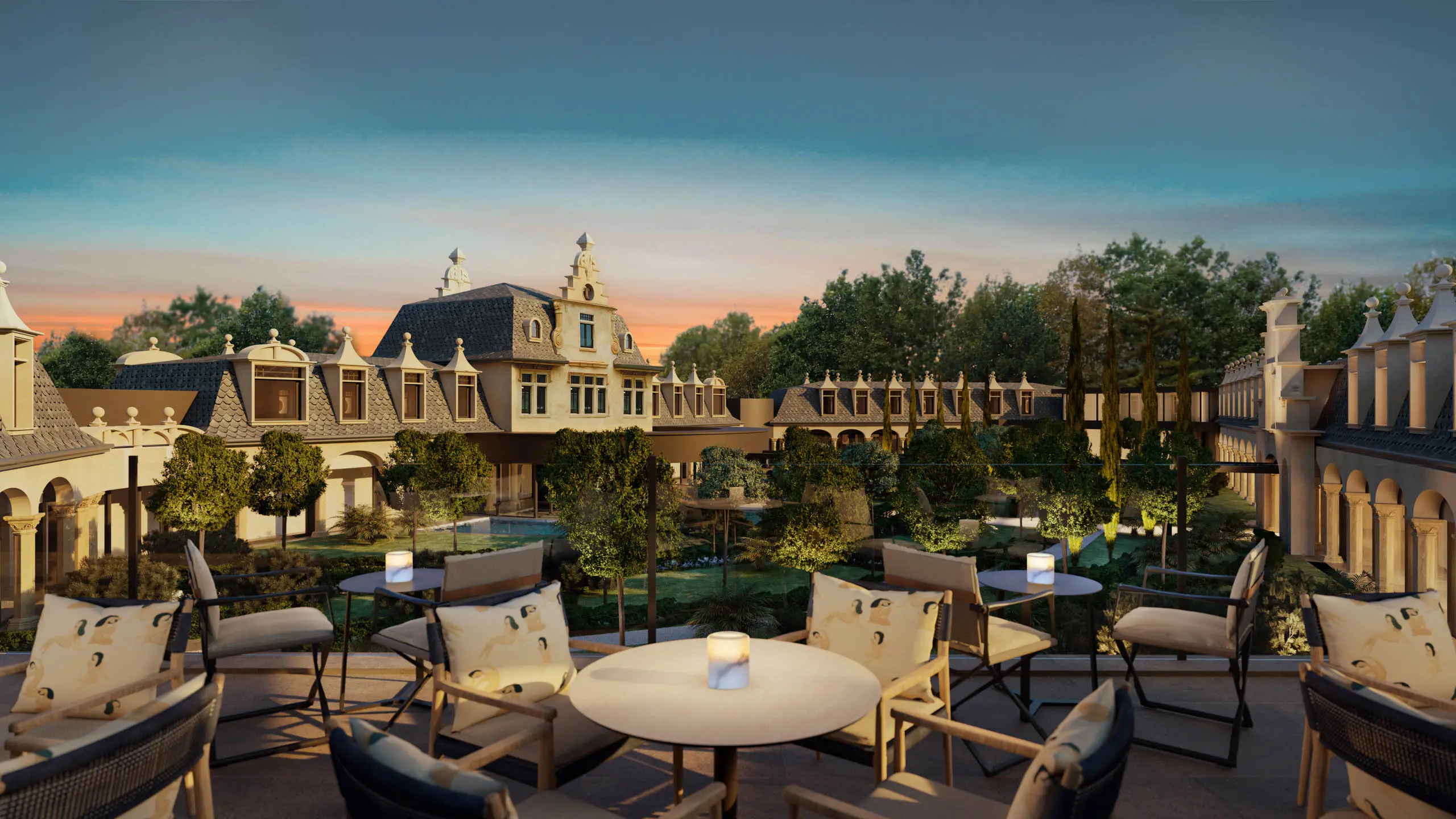
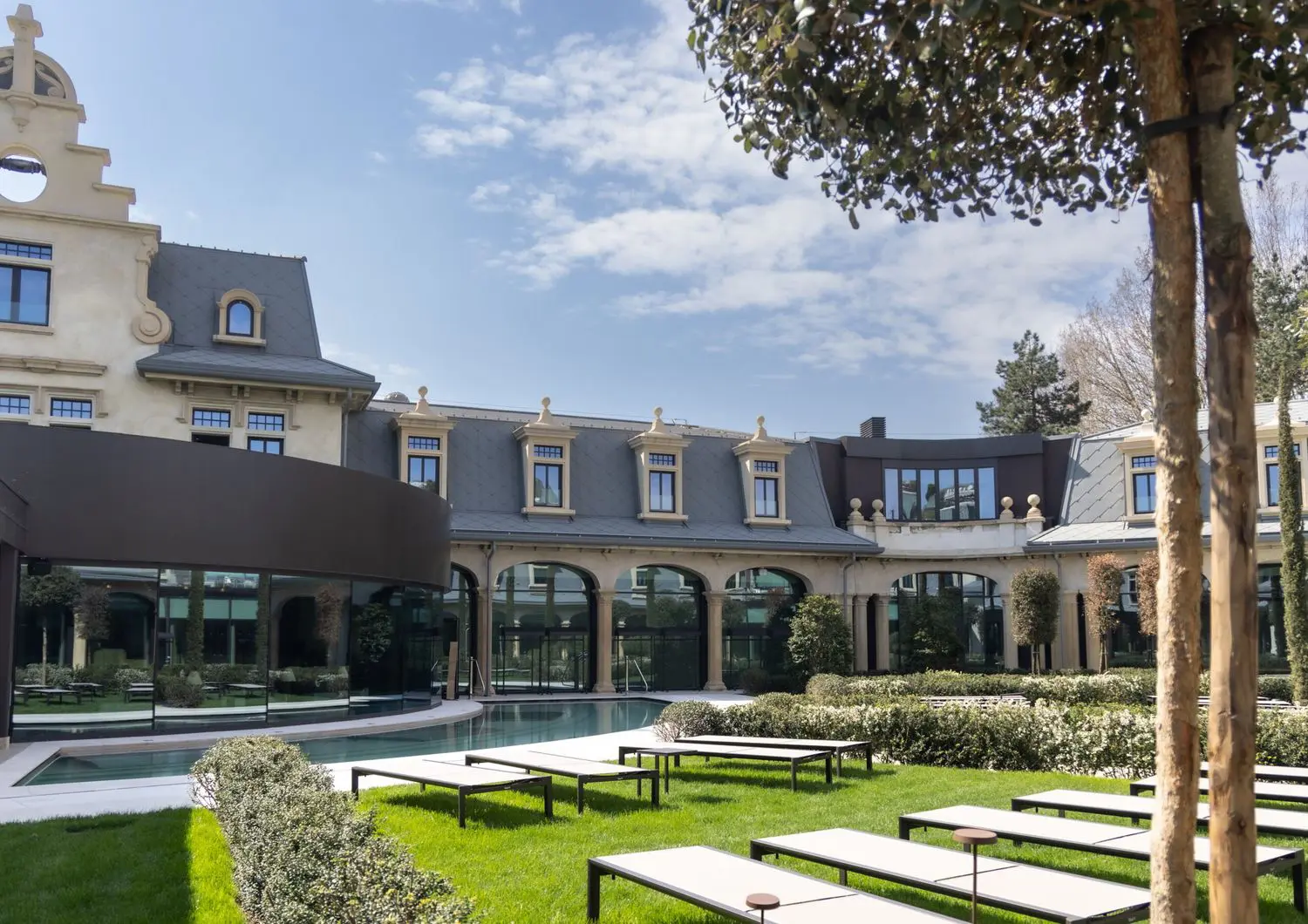
The complex is protected by the Superintendency for Archaeology, Fine Arts and Landscape and preserves the original features that make it a unique landmark within the Milanese context. The external courtyard, with its scenographic proportions, now hosts thermal pools and balneotherapy basins, creating a harmonious dialogue between historic architecture and new uses.

ENGLOBE’s role in construction procurement

ENGLOBE managed the construction procurement activities, ensuring supplier selection and supporting the management of supplies required for the realization of the complex. This work demanded rigorous control over materials and technological components, balancing conservation requirements with innovative building systems. Procurement translated into execution quality, traceability, and continuous coordination—essential elements in such a complex, listed project.

Energy efficiency and sustainability

Another cornerstone of the intervention was its strong focus on sustainability. The entire complex is now energy self-sufficient, thanks to an integrated system that includes photovoltaic installations, solar thermal panels, and connection to the district heating network. This approach has reduced energy consumption and environmental impact, turning the thermal park into a model of responsible redevelopment.

A new landmark for Milan

The reopening of the San Siro Thermal Baths returns to the city a place capable of attracting residents and visitors alike, combining history, wellness, and innovation. Through its expertise in construction procurement, ENGLOBE contributed to delivering a project that now stands as a benchmark for urban regeneration and the enhancement of historic heritage.

PLACE

Milano (MI)

CLIENT

Impre.Do Spa

WORK PERIOD
ACTIVITY

Construction site procurement

TYPOLOGY

Restoration

INTENDED USE

Commercial

WORK AMOUNT
WORKING GROUP

Dott.sa Claudia Marinoni
Ing. Francesca Montagna
Ing. Marco Montagna
Ing. Marco Montesi

San Bortolo Hospital

San Bortolo Hospital

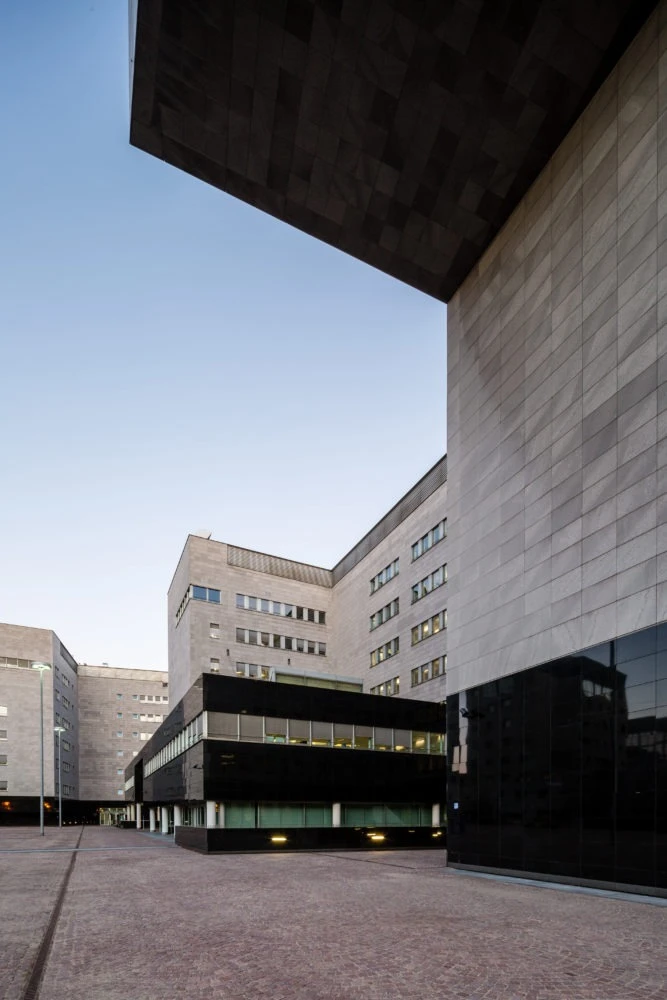
Construction of the new health centre

Renovation of San Bortolo Hospital

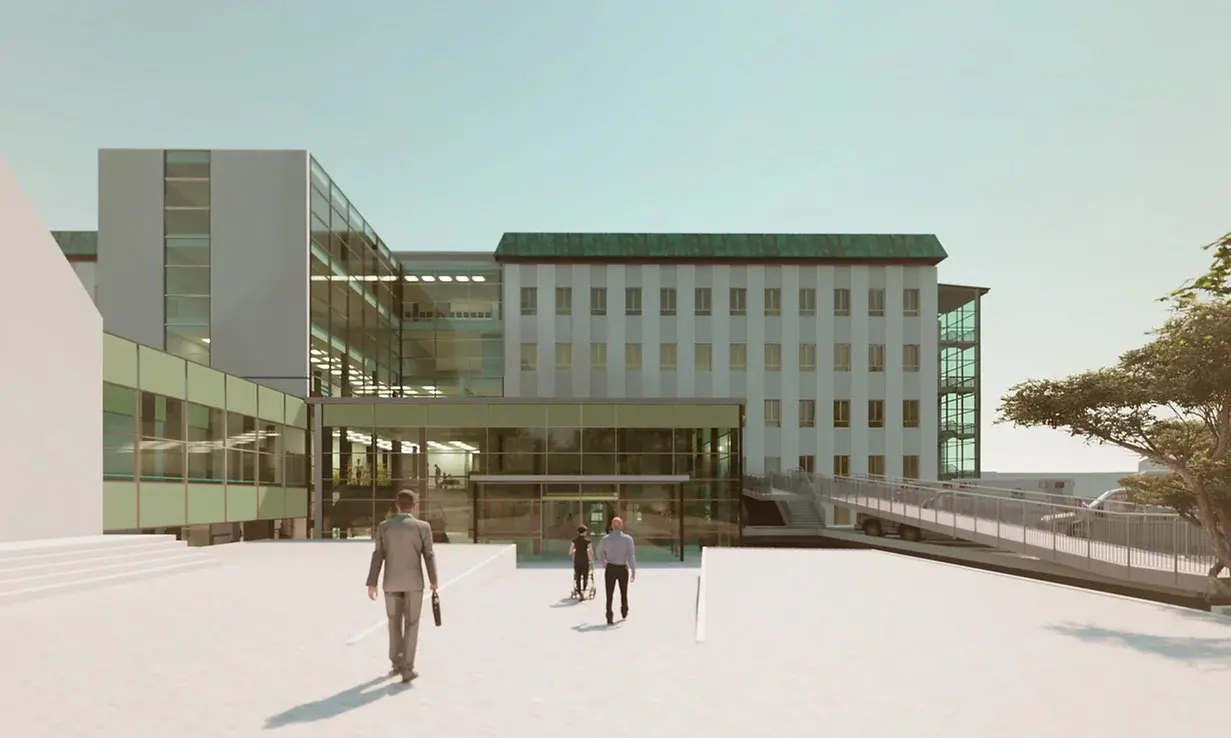
The renovation project at San Bortolo Hospital focuses on the upgrading and redevelopment of one of the main healthcare facilities in the area, with the aim of improving the functionality of hospital spaces, safety standards, and the overall quality of care environments.

The project is developed within a highly complex context, where continuous hospital operation must be ensured throughout all phases of construction.

Healthcare framework and operational context

San Bortolo Hospital is a strategic healthcare facility at the territorial level. The renovation project addresses a fully operational building, requiring design solutions compatible with ward organization, patient and staff circulation, and the advanced building systems typical of hospital facilities.

Objectives of hospital renovation

The intervention aims to enhance the functional and performance standards of healthcare spaces, adapting them to current regulations and contemporary hospital design requirements. Particular attention is given to safety, efficient circulation, and the quality of care environments.

Design criteria and space organization

Design choices are based on principles of functional rationalization, flexibility, and operational compatibility, minimizing interference with ongoing healthcare activities. Spatial organization is designed to optimize internal flows and improve overall building efficiency.

Renovation as a tool for healthcare infrastructure enhancement

The renovation of San Bortolo Hospital represents a strategic action for upgrading existing healthcare infrastructure, improving working conditions for medical staff and the quality of patient care. The intervention highlights renovation as a key tool in the modernization and strengthening of hospital facilities.

PLACE

Vicenza (VI)

CLIENT

Eris s.r.l.

WORK PERIOD
ACTIVITY

Construction site procurement

TYPOLOGY

Restoration

INTENDED USE

Sanitary

WORK AMOUNT
WORKING GROUP

Arch. Tatiana Levitskaya
Dott.sa Claudia Marinoni
Ing. Francesca Montagna
Ing. Marco Montagna
Ing. Marco Montesi

Delfico District

Delfico District

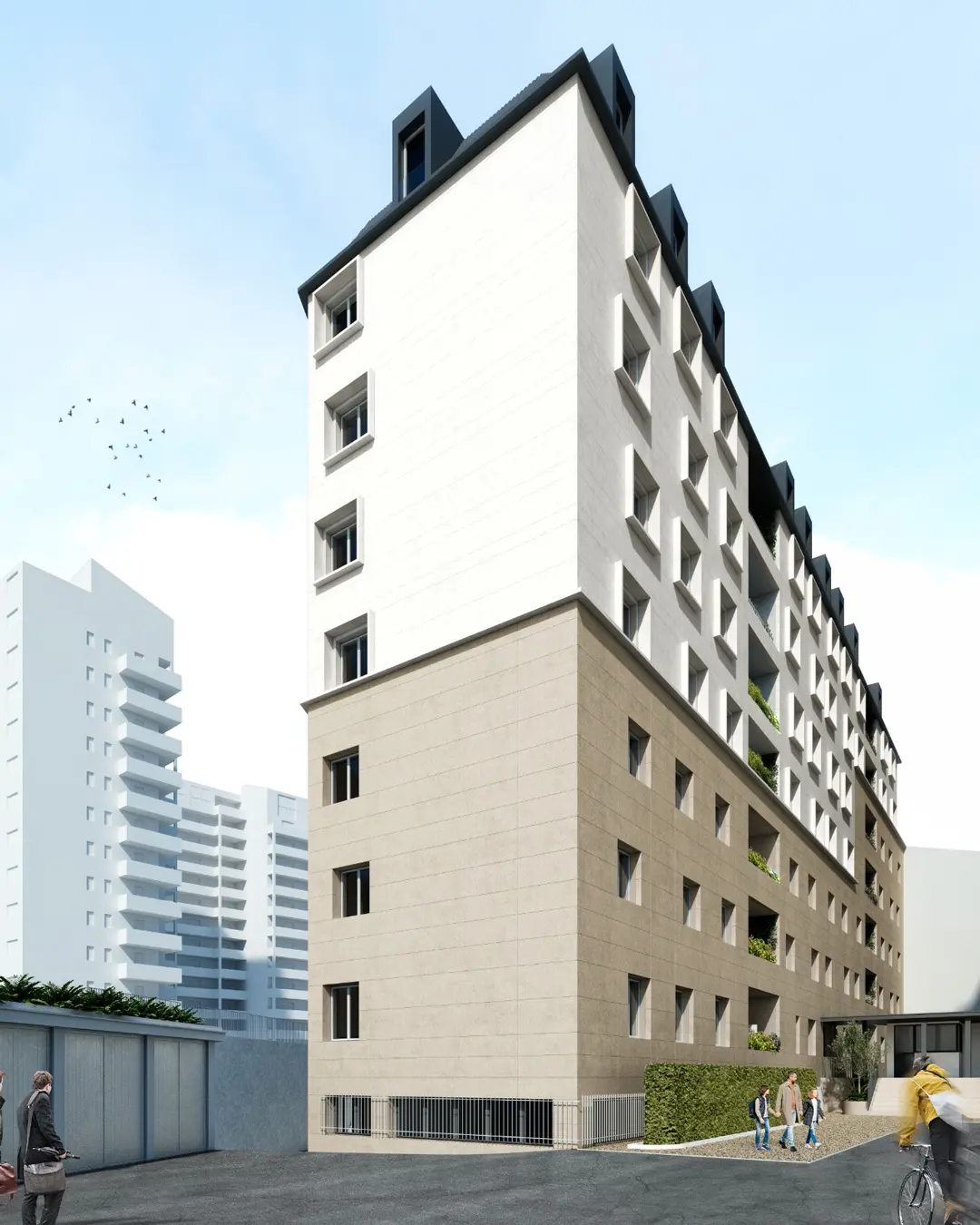
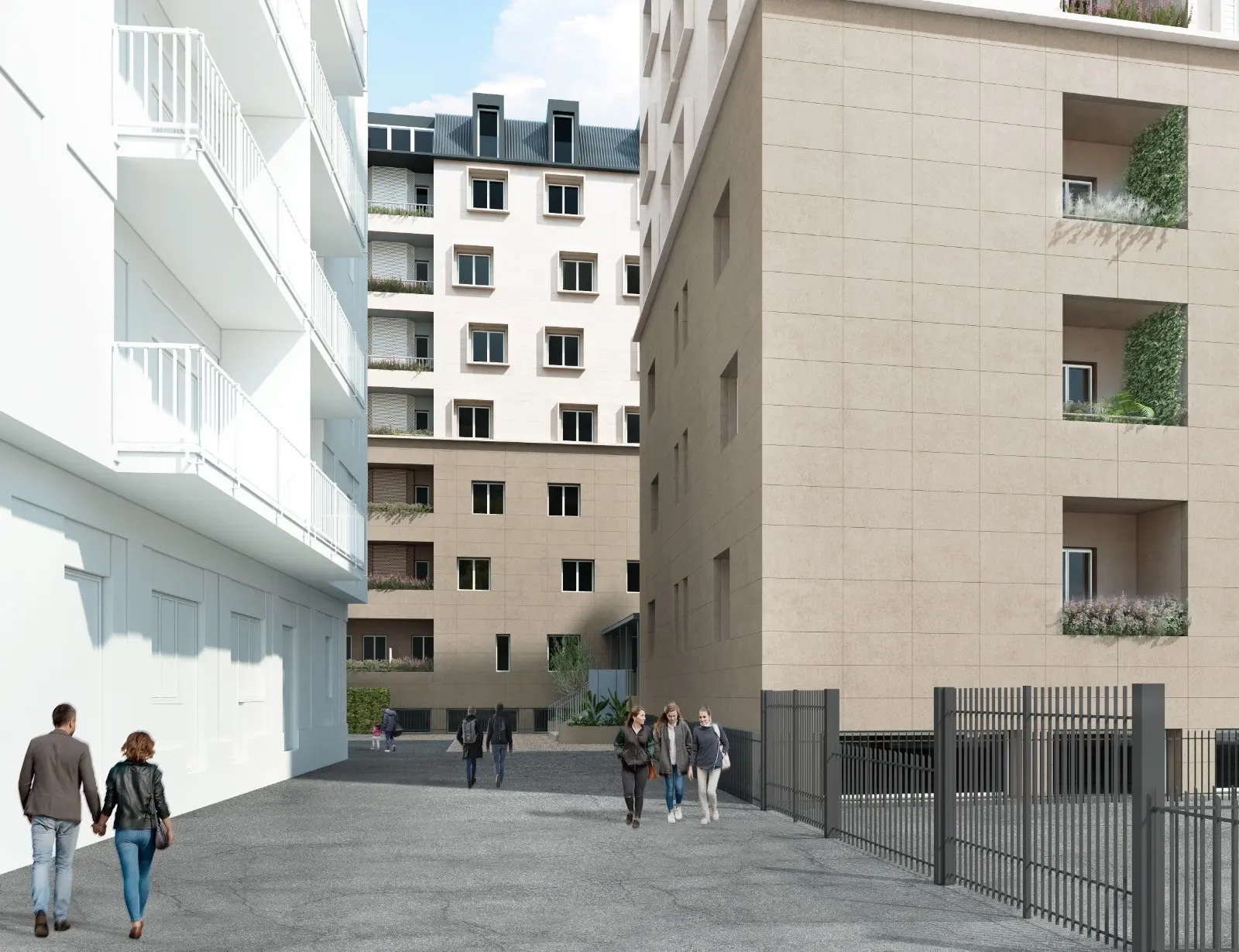
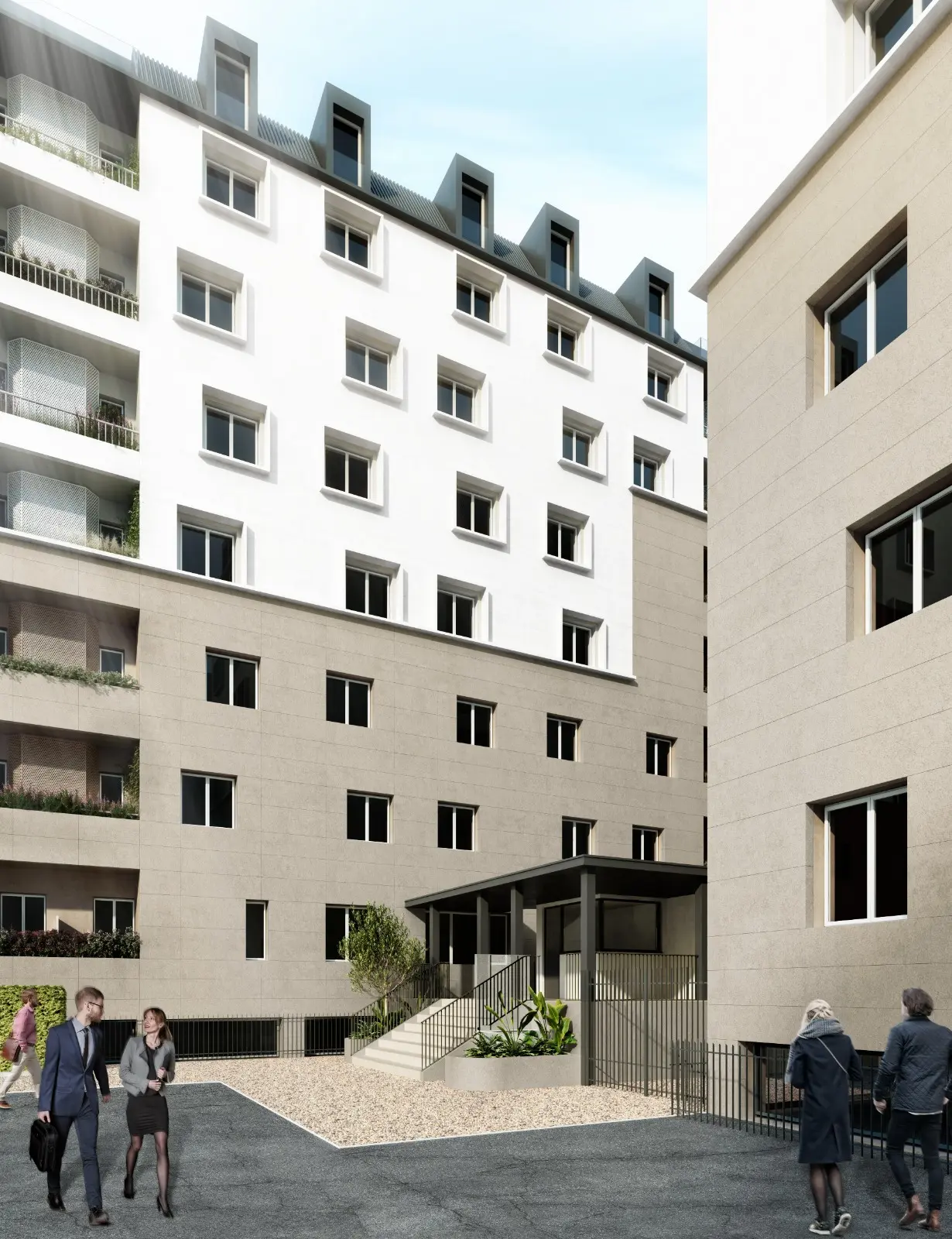
Residential condominium building renovation

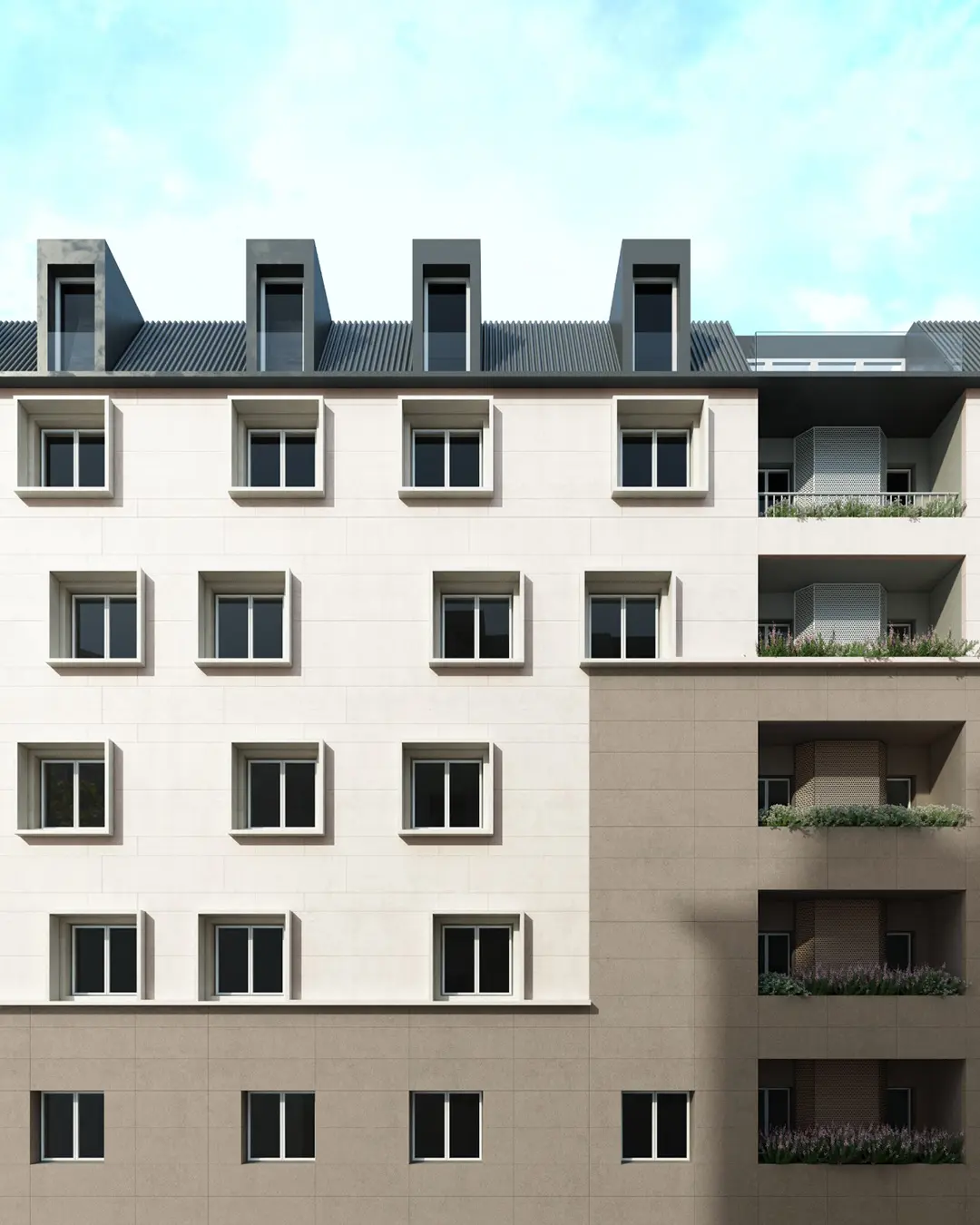
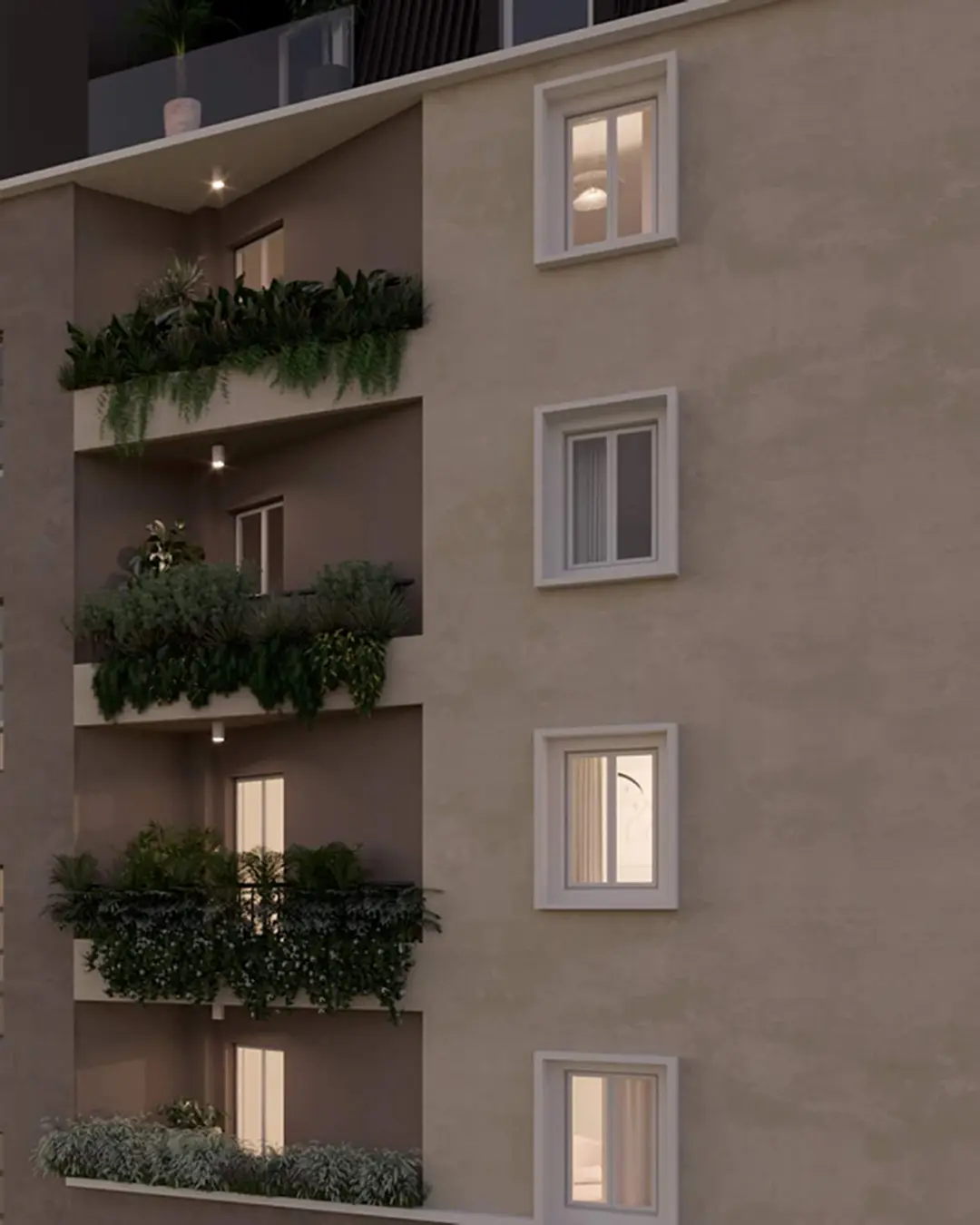
Renovation Project in the Porta Nuova District – Milan

The renovation project in the Porta Nuova District of Milan concerns a building located within one of the city’s most significant urban transformation areas. The project addresses a high-density, highly symbolic context, focusing on architectural quality, functional upgrading, and integration with the surrounding urban system.

Urban framework and reference context

The Porta Nuova District is one of the key hubs of contemporary Milan, characterized by office functions, services, and high-quality public spaces. The renovation project is integrated into this consolidated context, contributing to the continuity and coherence of the urban fabric.

Objectives of the renovation project

The intervention aims to enhance the functional and spatial performance of the building, through the reorganization of interior spaces and the upgrading of quality standards. The project responds to contemporary needs for usability, flexibility, and comfort, consistent with the surrounding office and mixed-use environment.

Design criteria and architectural quality

Design choices are guided by principles of spatial clarity, efficiency, and architectural quality, with solutions calibrated to engage with the urban language of the district. The adopted approach enhances the existing building, improving both its image and functionality while maintaining its role within the urban context.

Renovation as a tool for urban enhancement

The intervention in the Porta Nuova District represents an action aimed at enhancing the existing building, contributing to the overall quality of the urban area. Renovation becomes a strategic tool to adapt the built environment to current needs while maintaining continuity with the city’s ongoing transformation process.

PLACE

Milano (MI)

CLIENT

Clivma Srl

WORK PERIOD
ACTIVITY

Construction site procurement

TYPOLOGY

Restoration

INTENDED USE

Residential

WORK AMOUNT
WORKING GROUP

Dott.sa Claudia Marinoni
Ing. Francesca Montagna
Ing. Marco Montagna
Ing. Marco Montesi

Casa di Confine

Casa di Confine

Construction of a private residence

Casa di Confine – Ancona

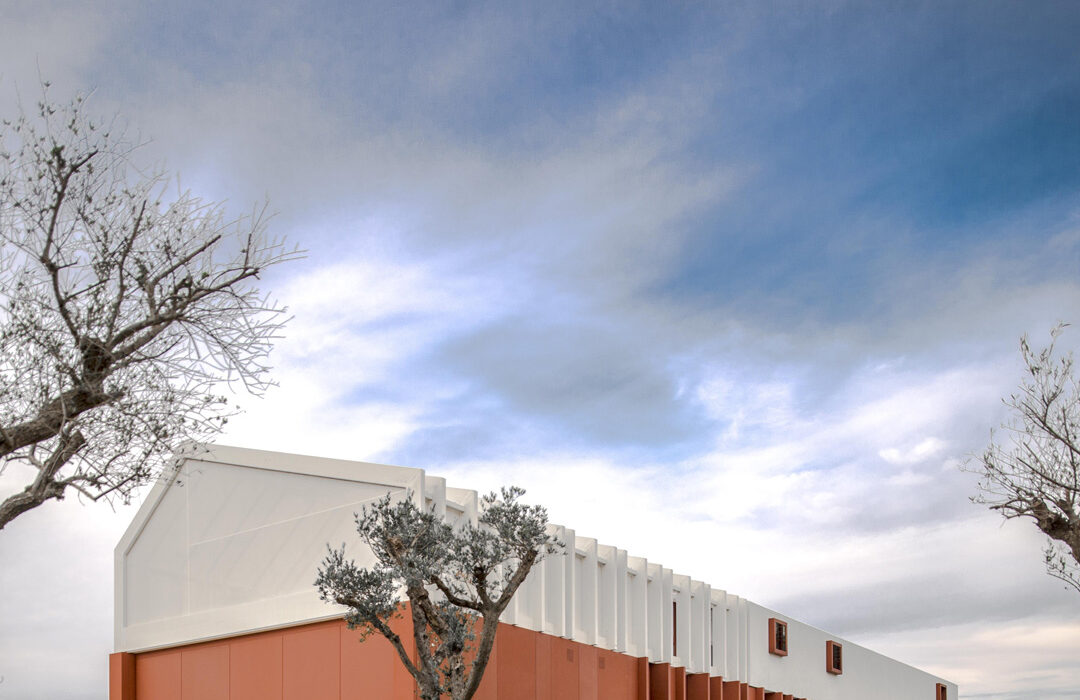
The Casa di Confine project in Ancona is a residential intervention that explores the relationship between architecture, boundaries, and landscape, interpreting the home as a space of mediation between interior and exterior. The project is set within an urban context characterized by strong visual and spatial connections with the surrounding environment.

Context framework and relationship with the site

The intervention is based on a careful reading of the physical and morphological context, enhancing the building’s position and its role as a threshold between different spatial conditions. The house is conceived as an element capable of engaging with the landscape, balancing protection, openness, and spatial continuity.

Architectural concept and the idea of the boundary

The project develops the concept of the boundary as a central design theme, not as a rigid separation but as a dynamic and inhabitable space. Architectural solutions establish a gradual relationship between indoor and outdoor spaces through openings, filters, and volumetric variations.

Organization of living spaces

The internal layout is designed to ensure functionality, spatial fluidity, and residential comfort, with spaces that directly engage with the outdoor environment. The organization of the interiors follows principles of clarity and livability, enhancing natural light and visual connections.

Residential architecture and quality of living

Casa di Confine represents an example of residential architecture focused on the relationship between the built environment and its context, where design choices define a contemporary dwelling capable of addressing functional needs, spatial quality, and integration with the site.

PLACE

Polverigi (AN)

CLIENT

Private

WORK PERIOD
ACTIVITY

Construction Management
Construction site procurement

TYPOLOGY

New Construction

INTENDED USE

Residential

WORK AMOUNT
WORKING GROUP

Ing. Marco Montagna
Ing. Marco Montesi
Simone Subissati Architects

“La Soglia Magica” Malpensa Airport

“La Soglia Magica” Malpensa Airport

Construction of "La Soglia Magica" – Milan Malpensa Airport

Magic Threshold at Milan Malpensa Airport

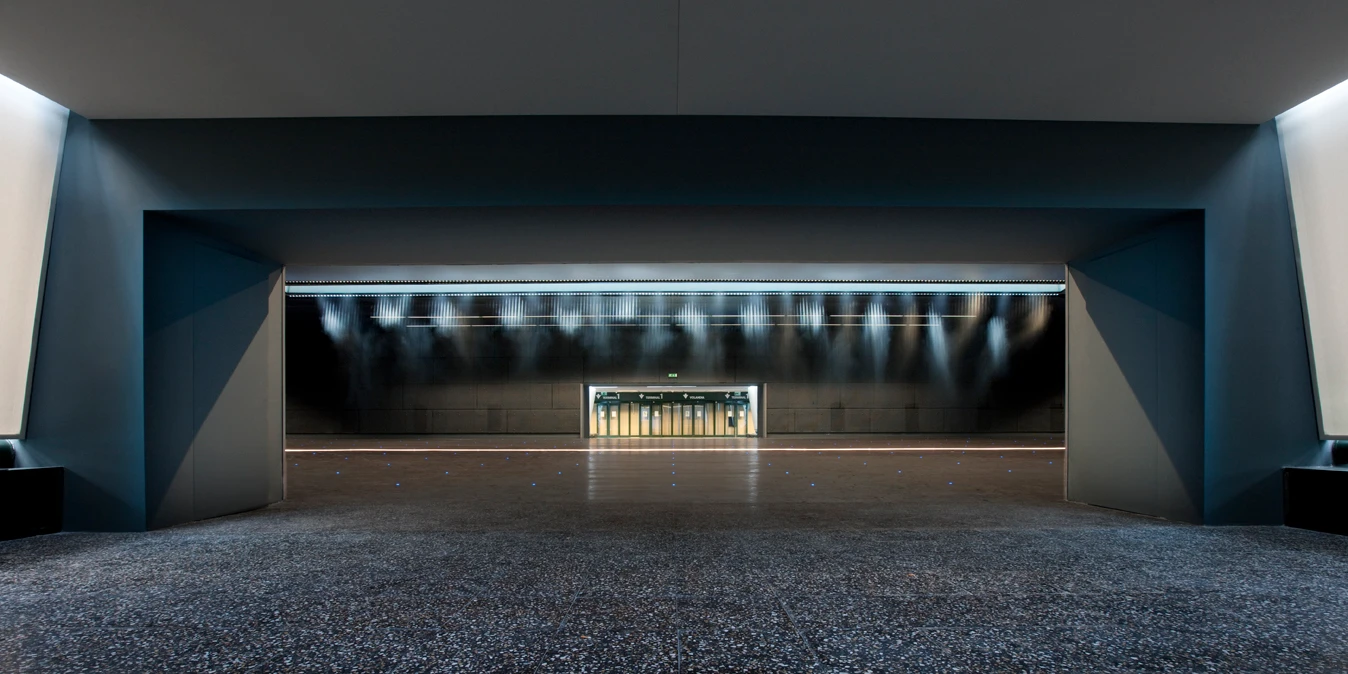
The Magic Threshold project is located within Milan Malpensa Airport as an architectural and installation-based intervention designed to enhance a high-traffic transitional space. The project interprets the concept of the threshold as both a symbolic and functional element, guiding passenger movement and reinforcing the identity of the airport environment.

Functional framework and infrastructure context

The intervention is set within a complex infrastructure context, characterized by high safety standards, operational continuity, and intense passenger flows. The design process carefully addressed the specific requirements of the airport environment, integrating the installation into the existing system without disrupting daily operations.

Design concept and symbolic value

The Magic Threshold is conceived as an architectural device capable of creating a distinctive perceptual experience, enhancing the moment of transition. The project interprets the threshold not only as a physical element, but as a narrative space, establishing a relationship between architecture, movement, and perception.

Architectural solutions and spatial integration

The adopted solutions aim to ensure formal and functional integration with the airport setting, through a controlled and essential architectural language. Materials, geometries, and lighting are carefully calibrated to interact with the context while ensuring durability, safety, and ease of management.

A special project for high-traffic public spaces

The project represents an example of a special intervention in a high-traffic public space, where architecture and installation design enhance spatial quality and user experience. The Magic Threshold acts as an identity-defining element, enriching the infrastructure and strengthening its perceptual value.

PLACE

Milano (MI)

CLIENT

Sea Spa

WORK PERIOD
ACTIVITY

Construction Management
Construction site procurement

TYPOLOGY

New Construction

INTENDED USE

Commercial

WORK AMOUNT
WORKING GROUP

Arch. Giuliana Di Gregorio
Arch. Giuseppe Marinoni
Arch. Pierluigi Nicolini
Artista Alberto Garutti
Ing. Francesca Montagna
Ing. Marco Montagna
Ing. Marco Montesi

NH Hotel

NH Hotel

Site management and site procurement

Construction of the NH Hotel – Venice

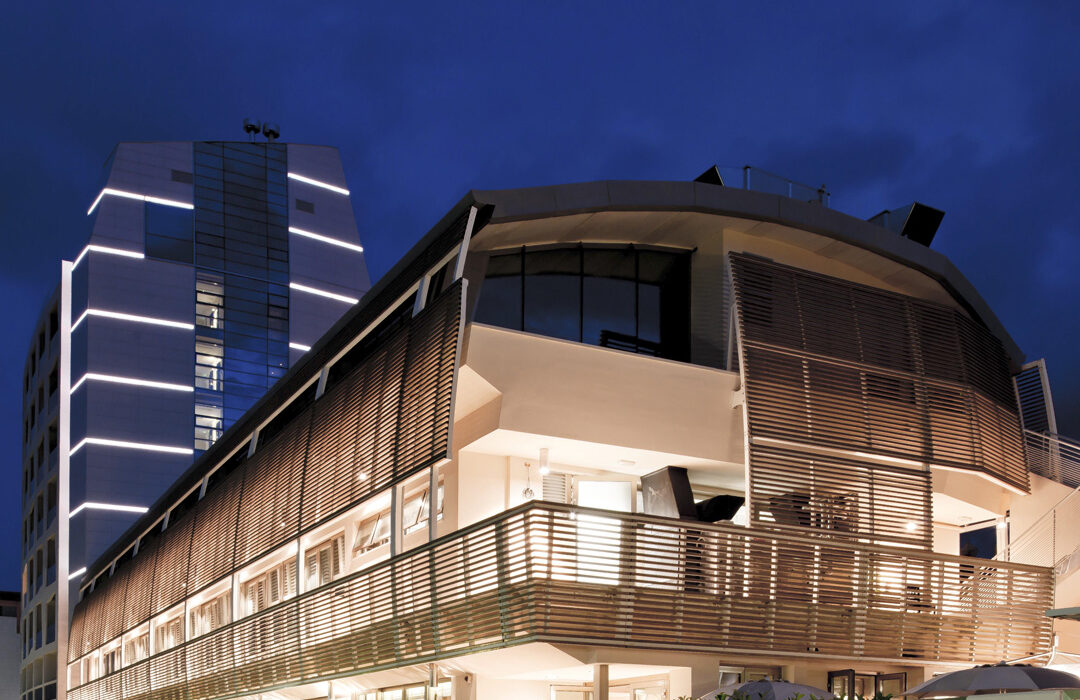
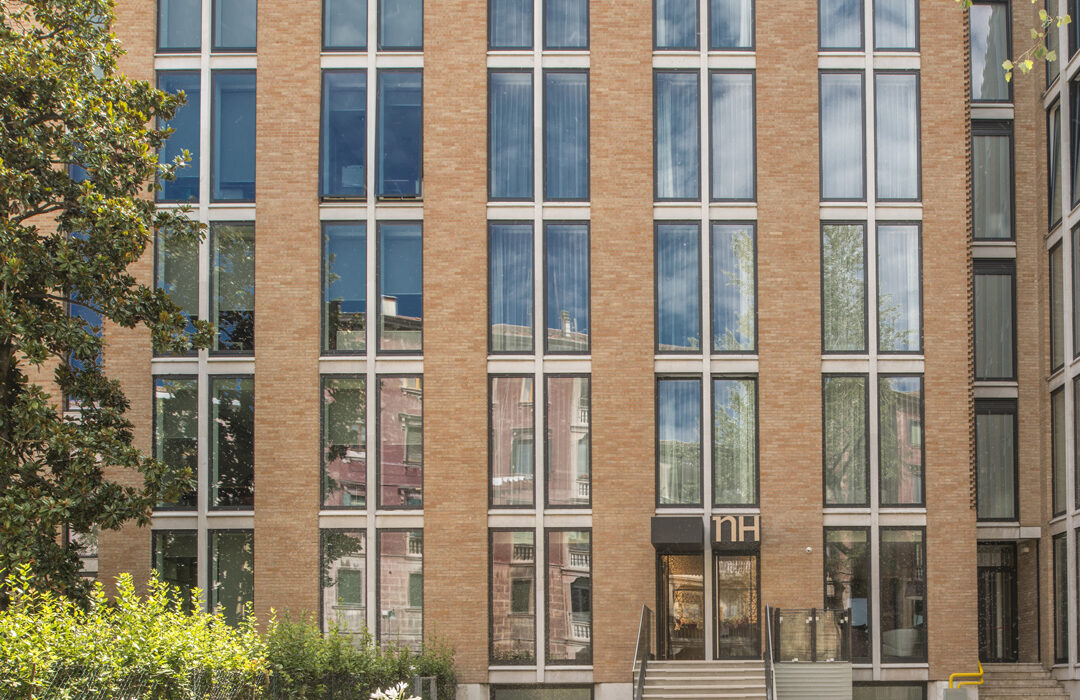
The construction of the NH Hotel in Venice is part of hospitality development projects carried out within a historic urban context, aiming to combine functional requirements, architectural quality, and integration with the existing built environment. The project was developed with careful consideration of Venice’s unique architectural and cultural setting, addressing the relationship between the new hotel function and the historic fabric.

Urban framework and historic context

The intervention is located within an area of high historical and cultural value, characterized by architectural and landscape constraints. The design addresses the challenge of integrating a hospitality facility into the consolidated urban fabric of Venice, ensuring formal coherence and contextual compatibility.

Design principles and architectural quality

Design choices are focused on achieving a balance between innovation and respect for the historic context, through architectural solutions that enhance the building without compromising its identity. The project aims to deliver functional and recognizable spaces aligned with the quality standards of the NH hotel brand.

Space organization and hospitality function

The internal layout of the hotel is designed to ensure operational efficiency and guest comfort, with a clear organization of reception areas, guestrooms, and shared services. The adopted solutions support smooth circulation and enhance the overall hospitality experience.

Building performance and long-term management

The project integrates technical solutions focused on reliability, durability, and efficient building systems, consistent with the operational requirements of contemporary hotel facilities. The design approach aims to ensure adequate performance and sustainable long-term management of the building.

PLACE

Venezia (VE)

CLIENT

Itafem s.r.l.

WORK PERIOD
ACTIVITY

Construction Management
Construction site procurement

TYPOLOGY

Construction management

INTENDED USE

Receptive

WORK AMOUNT
WORKING GROUP

Ing. Marco Montagna
Ing. Marco Montesi
Itafem s.r.l.

Deutsche Bank

Deutsche Bank

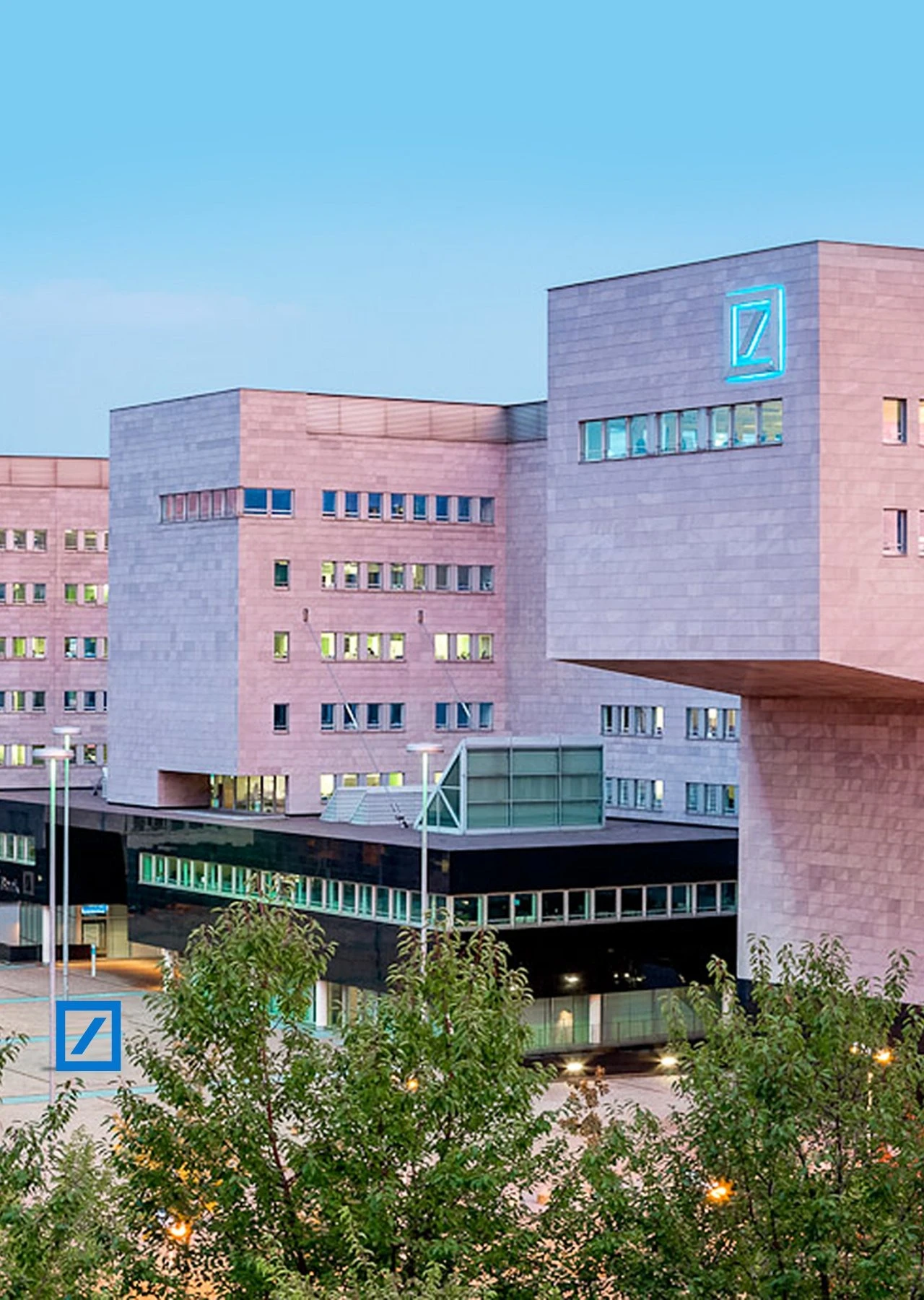
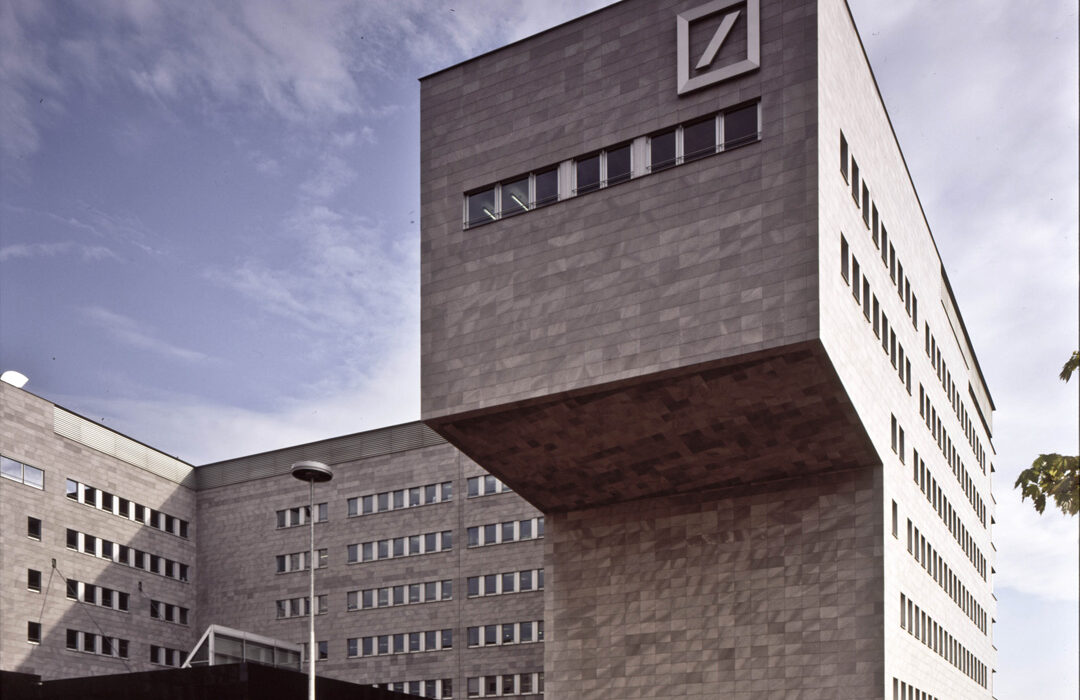
Construction of the new Deutsche Bank headquarters

New Deutsche Bank Headquarters

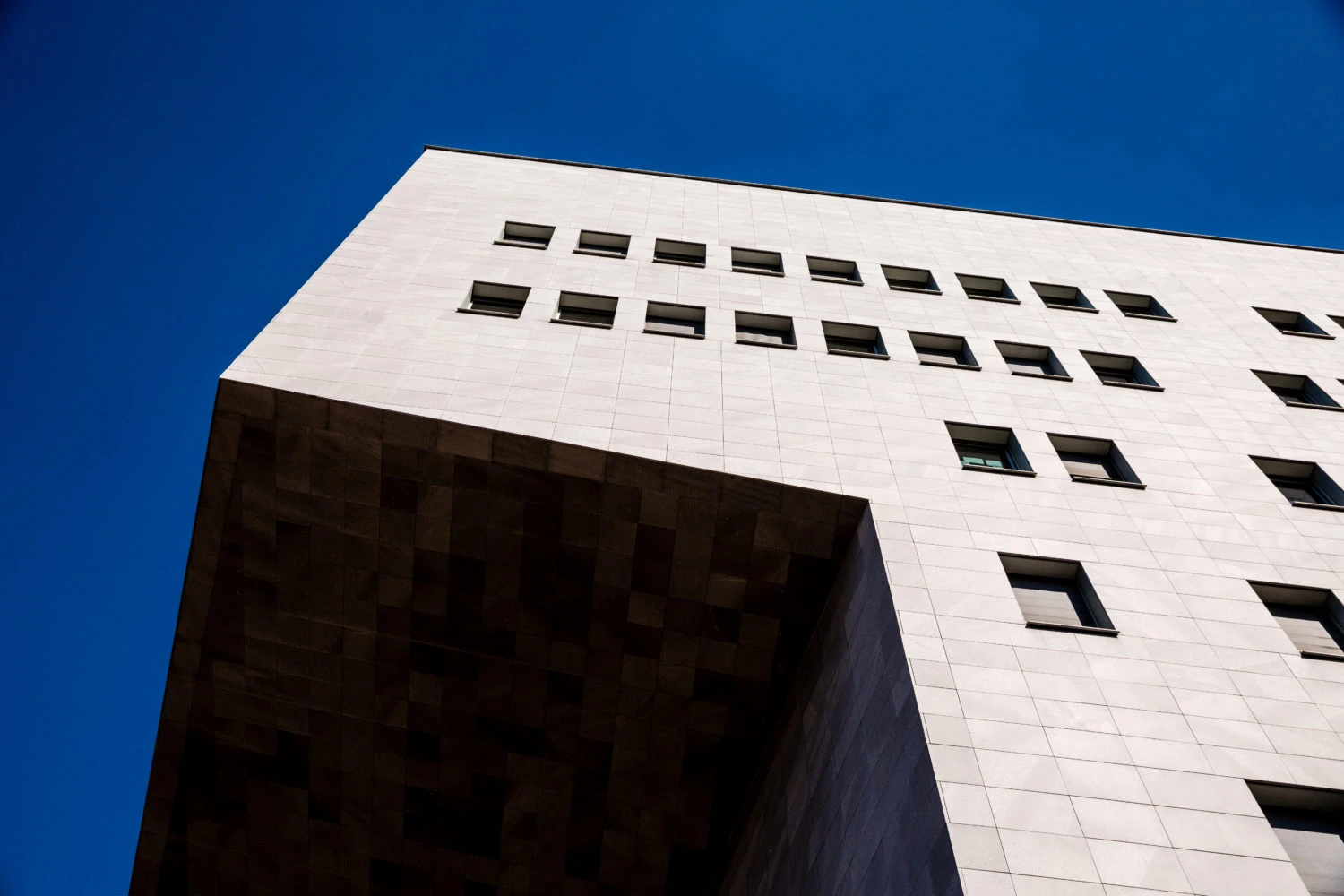
The project for the new Deutsche Bank headquarters is part of a broader framework of redevelopment and upgrading of office buildings, aimed at meeting the functional, organizational, and representational needs of an international banking institution. The intervention focuses on creating efficient, flexible workspaces aligned with contemporary standards for the corporate and financial sector.

Project framework and office function

The new headquarters is designed as a work environment that integrates operational efficiency, architectural quality, and corporate identity. The project addresses the organization of office spaces with particular attention to flow optimization, clear spatial layout, and indoor comfort.

Design principles and space organization

Design choices are based on principles of functional efficiency and flexibility, allowing spaces to adapt to the bank’s operational requirements. The internal layout supports effective workflow management and enhances interaction between offices, service areas, and representative spaces.

Architectural quality and corporate image

The project aims to achieve a high level of architectural quality, reflecting the identity and values of the banking institution. The adopted solutions contribute to a coherent and recognizable image, reinforcing the role of the headquarters as both a functional workplace and a representative corporate space.

Building performance and workplace comfort

Special attention was given to workplace comfort, through design solutions focused on user well-being and efficient building management. The intervention reflects a contemporary vision of office environments, where spatial quality and technical performance enhance the overall value of the building.

PLACE

Milano (MI)

CLIENT

Pirelli Real Estate

WORK PERIOD
ACTIVITY

Construction Management
Construction site procurement

TYPOLOGY

New Construction

INTENDED USE

Commercial

WORK AMOUNT
WORKING GROUP

Ing. Marco Montagna
Ing. Marco Montesi
Hotel Excelsior

Hotel Excelsior

Construction site management and site procurement

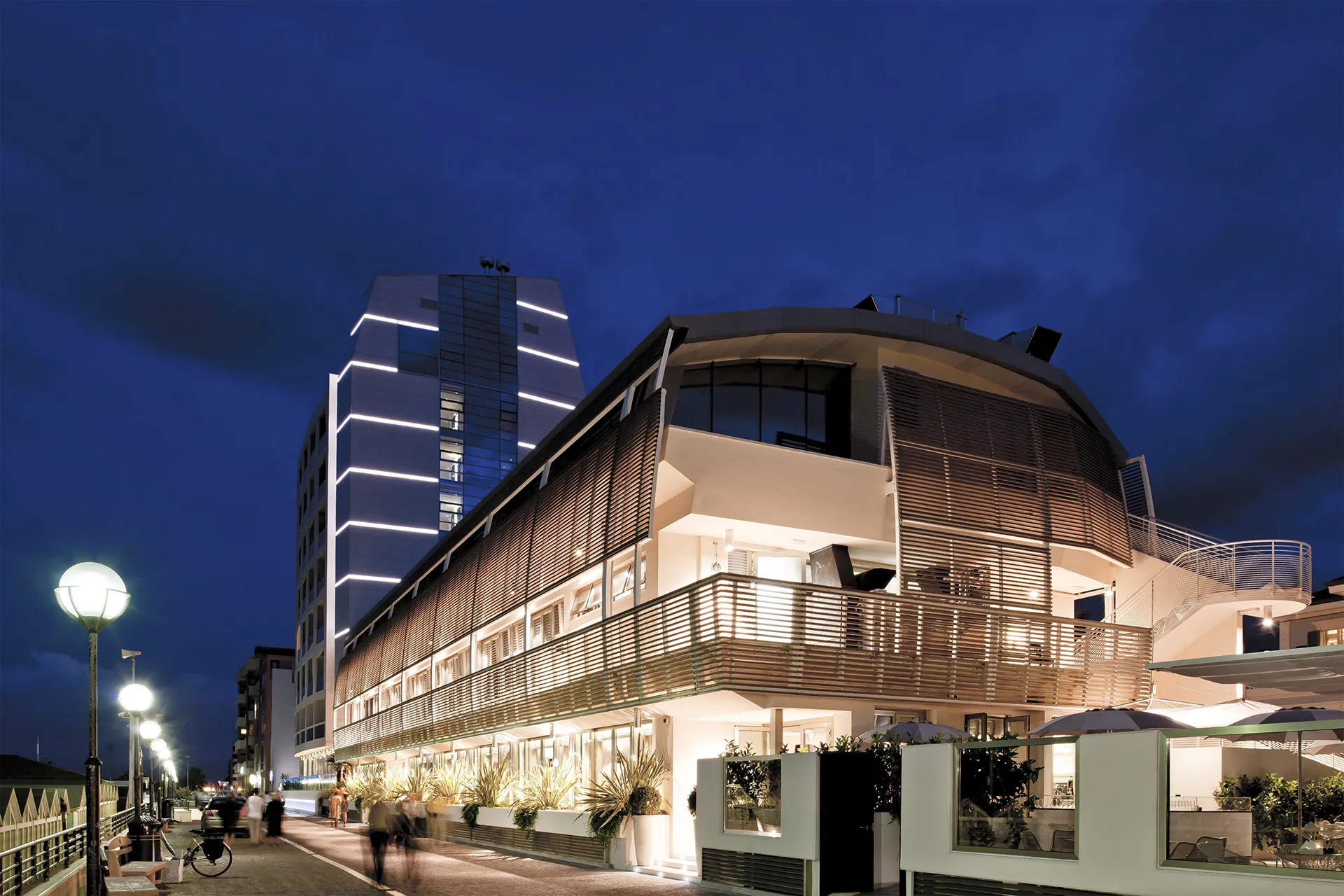
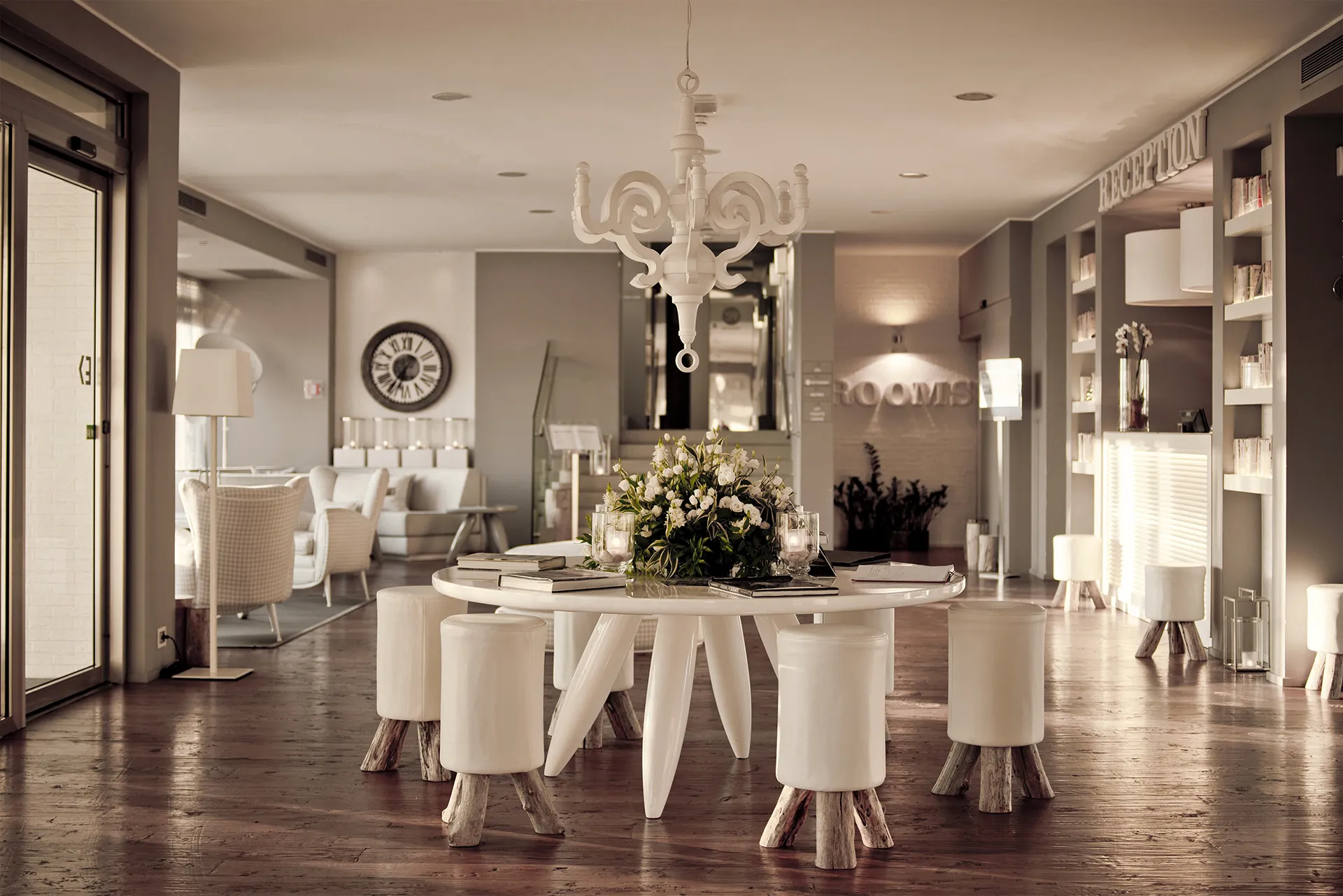
Construction of the Hotel Excelsior – Pesaro

The construction of the Hotel Excelsior in Pesaro is part of high-quality hospitality development projects, aiming to combine architectural quality, functional efficiency, and guest comfort. The project was developed in close relation to the urban context and the city’s strong tourism vocation.

Urban context and hospitality function

The intervention is located in a strategic area of Pesaro’s urban fabric, contributing to the enhancement of the city’s hospitality offer. The new hotel is conceived as an integrated element within the existing context, engaging with the urban frontage and the local tourism system.

Design principles and architectural quality

The architectural design focuses on functional efficiency, clear spatial organization, and a strong architectural identity. Compositional and material choices define an image consistent with the representative role of the hotel, balancing operational requirements with spatial quality.

Space organization and guest comfort

The internal layout of the hotel is designed to ensure a high quality hospitality experience, with spaces dedicated to reception, guest rooms, and shared services. The functional distribution supports efficient flow management, improving guest comfort and operational performance.

Building systems and performance

The project integrates building systems designed for reliability, energy efficiency, and long-term durability, in line with contemporary hospitality standards. Technical solutions aim to optimize building performance and ensure sustainable management over time.

PLACE

Pesaro (PU)

CLIENT

Marcus s.r.l.

WORK PERIOD
ACTIVITY

Construction Management
Construction site procurement

TYPOLOGY

Construction management
Restoration

INTENDED USE

Commercial

WORK AMOUNT
WORKING GROUP

Gaudenzi Ferretti Partners
Ing. Marco Montagna
Ing. Marco Montesi