Palazzo Parisani Camerino | Restauro e miglioramento sismico post sisma 2016

Palazzo Parisani

Palazzo Parisani

Restoration and seismic improvement of Palazzo Parisani in Camerino

A Noble Palace in the Heart of Camerino

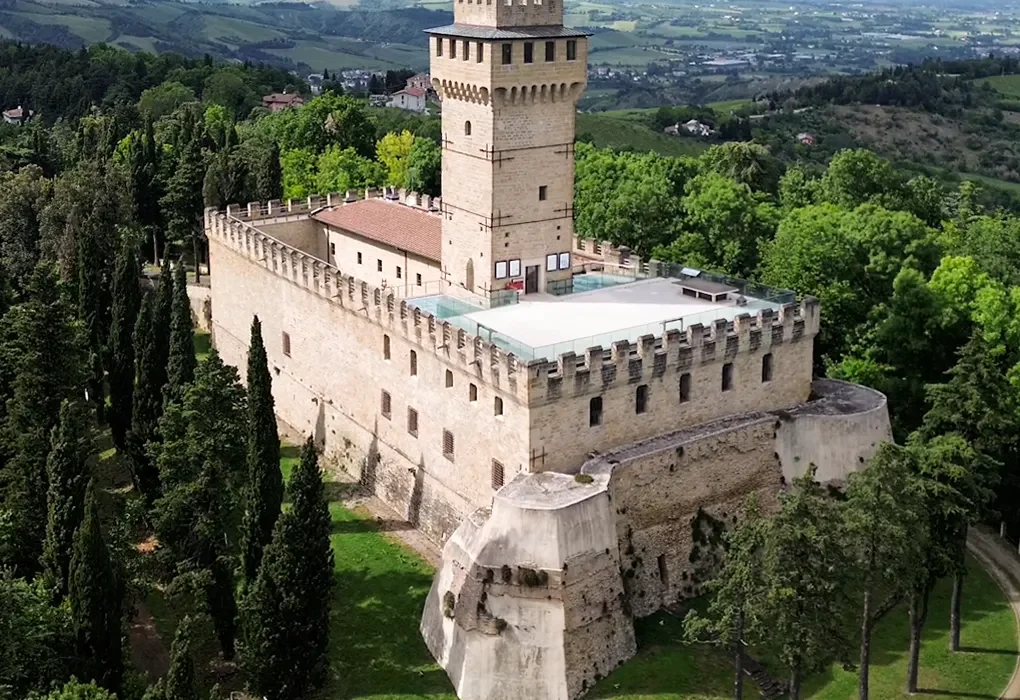
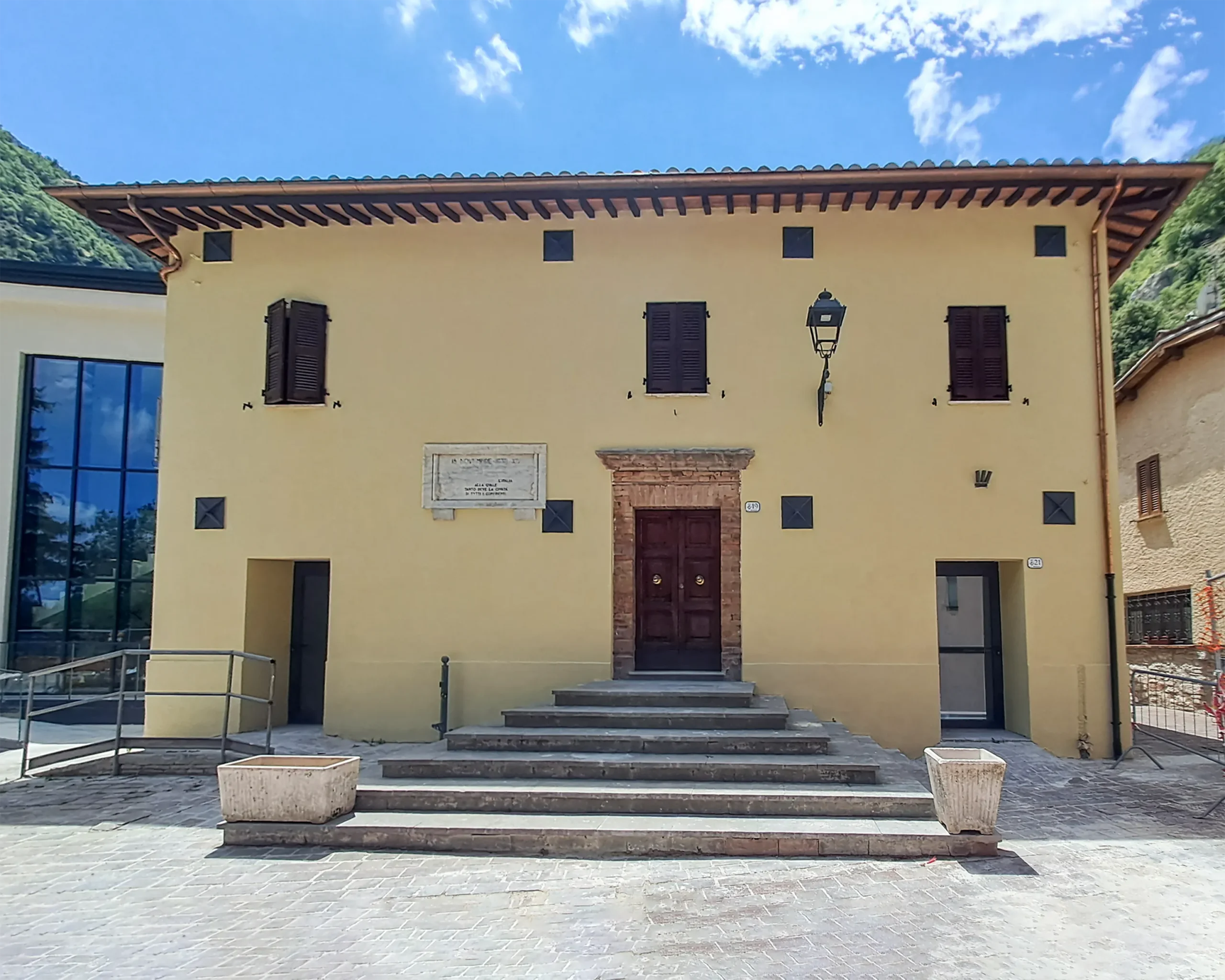
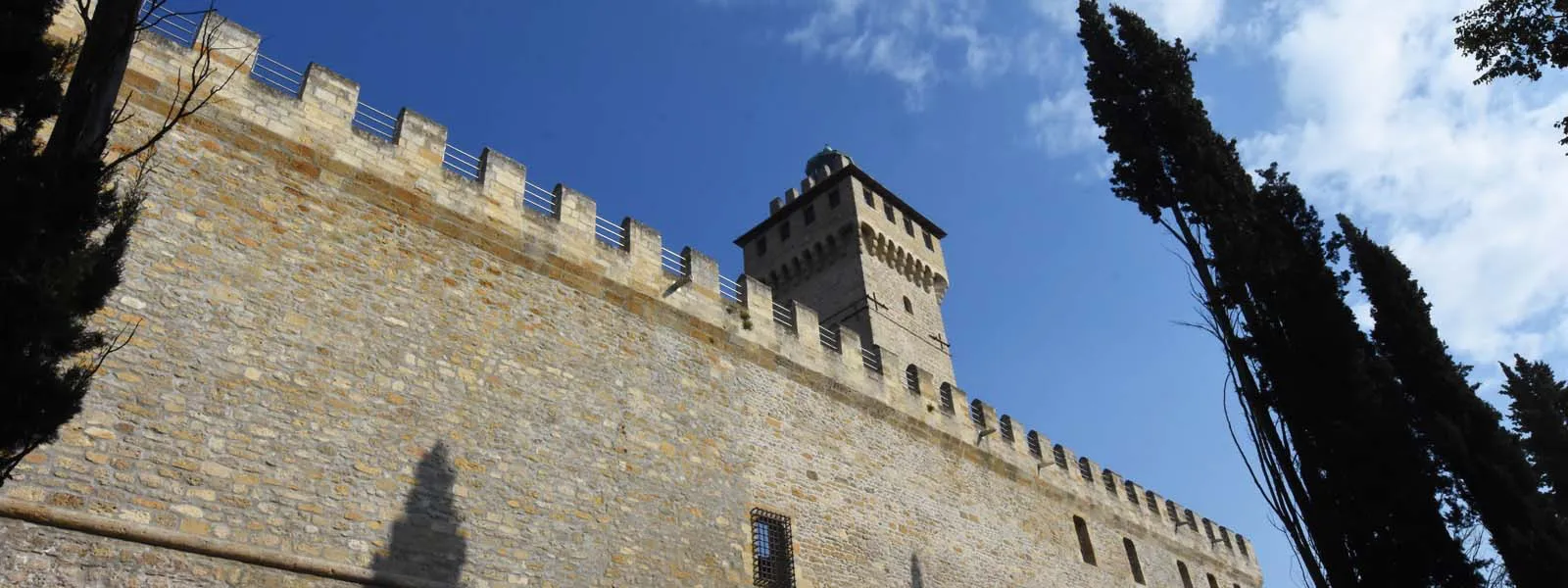
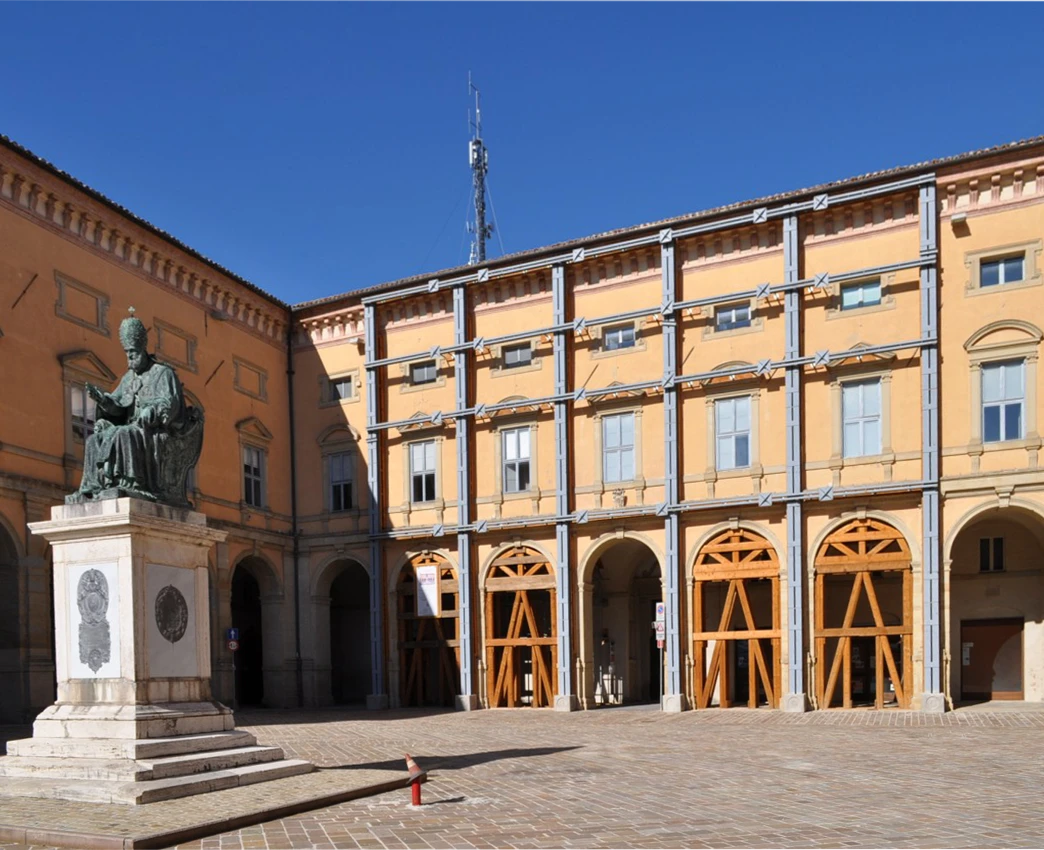
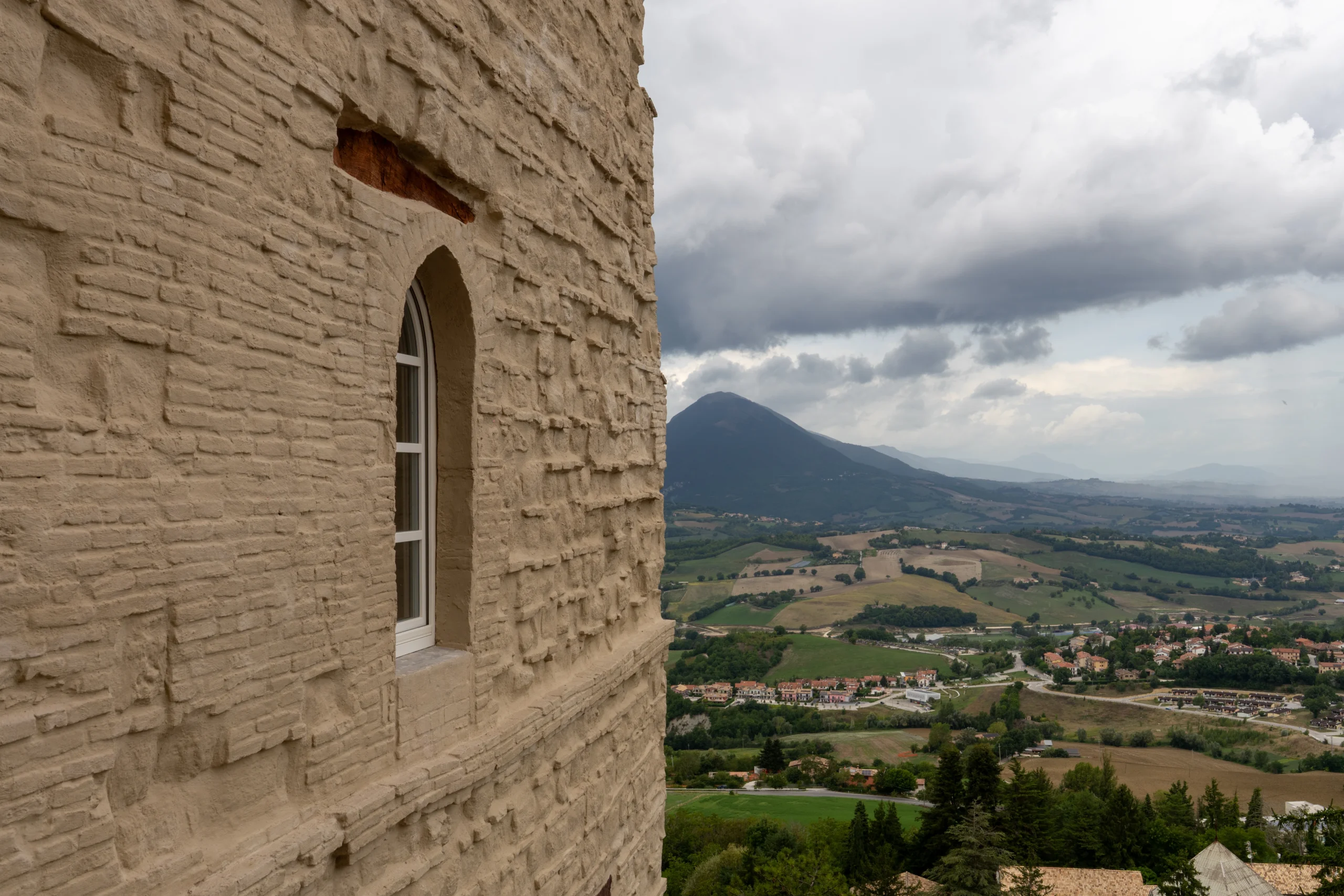
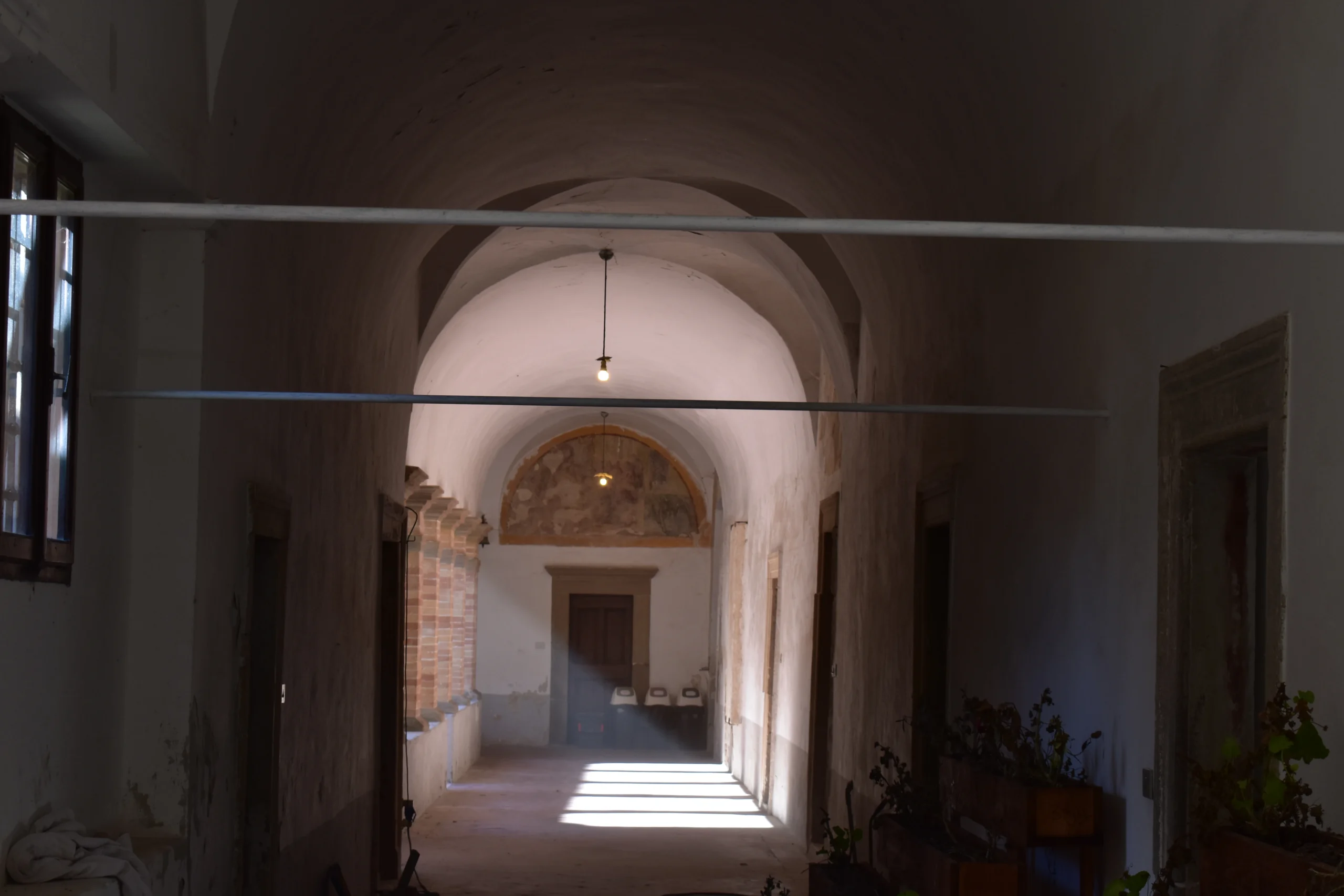
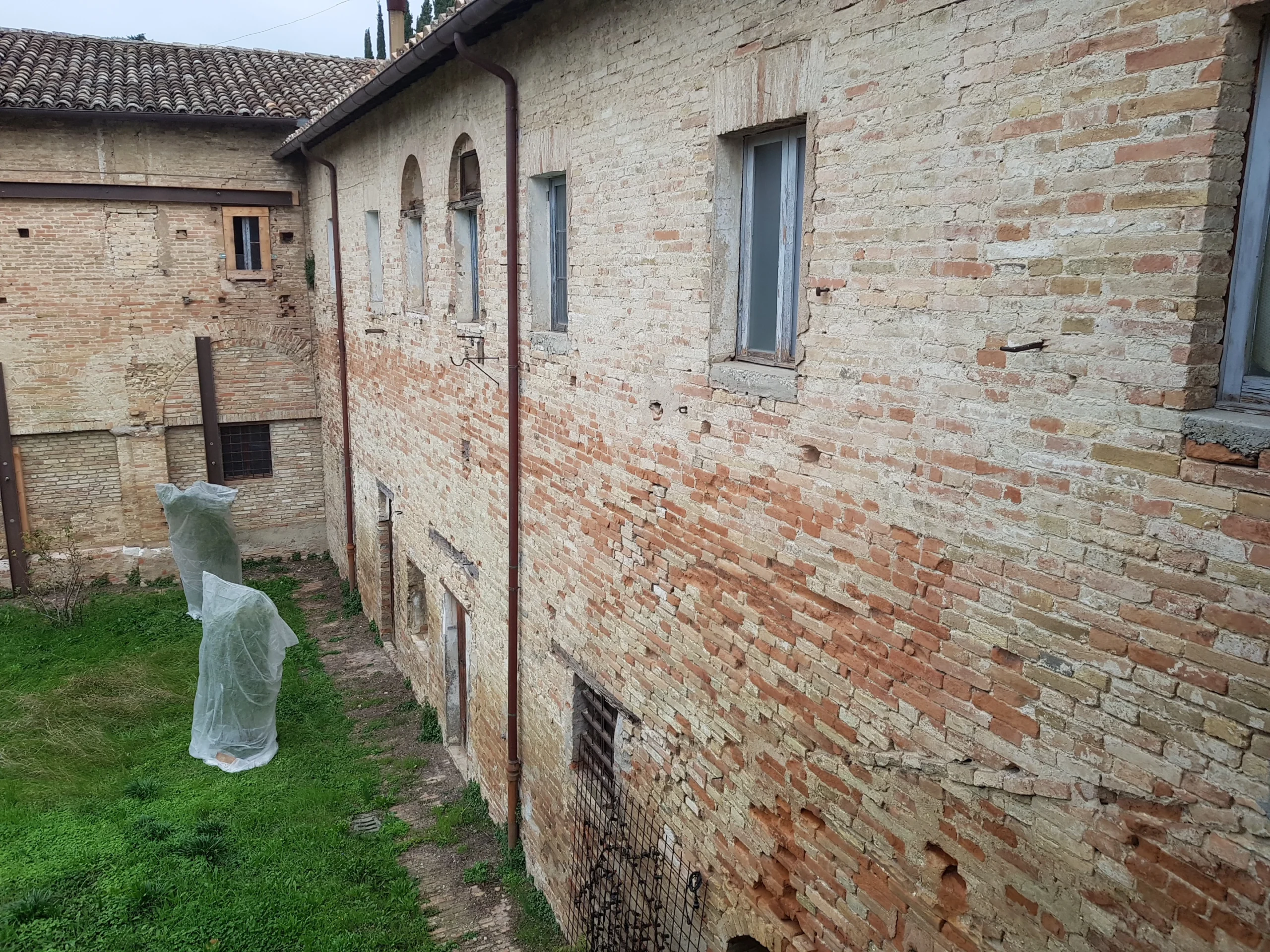
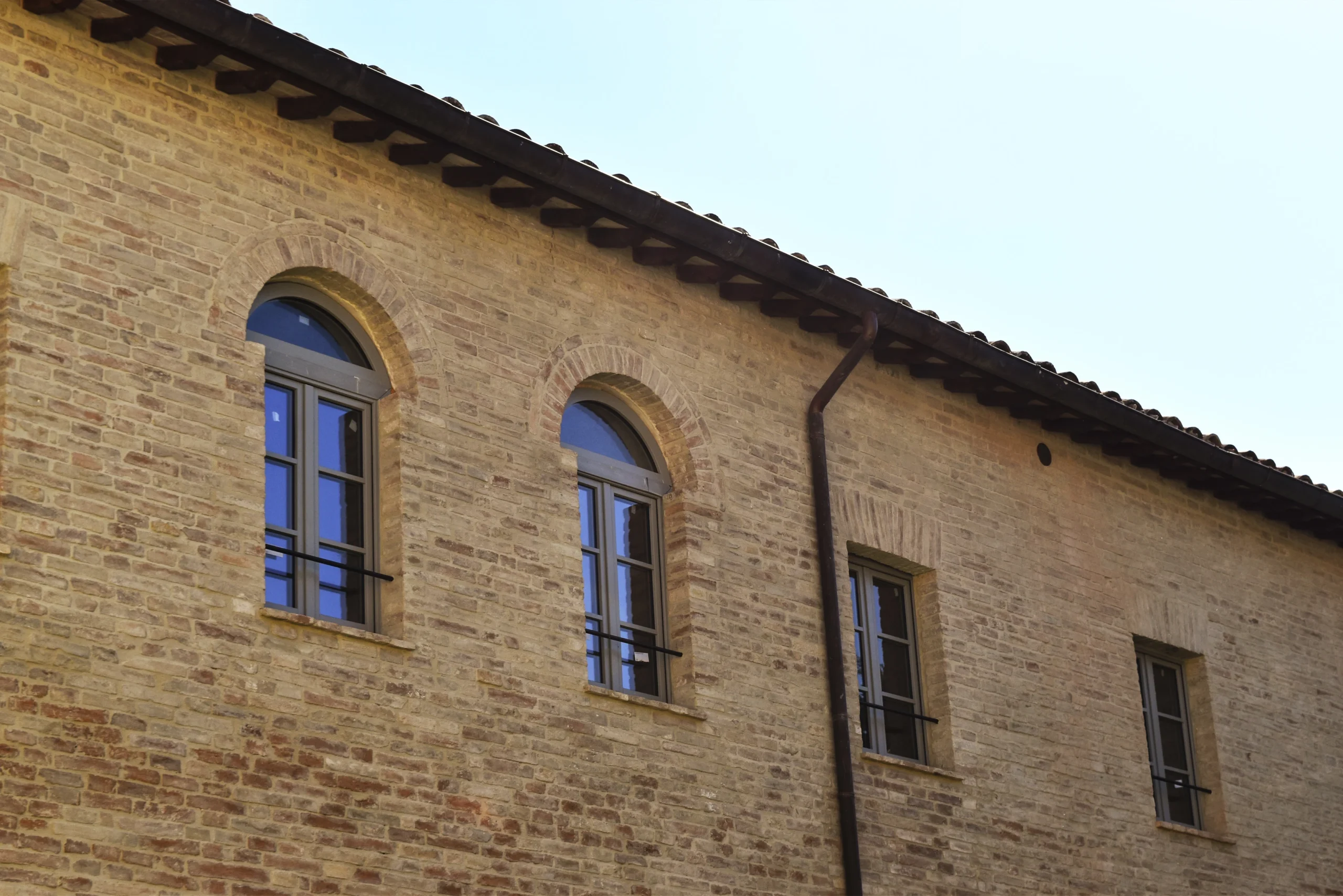
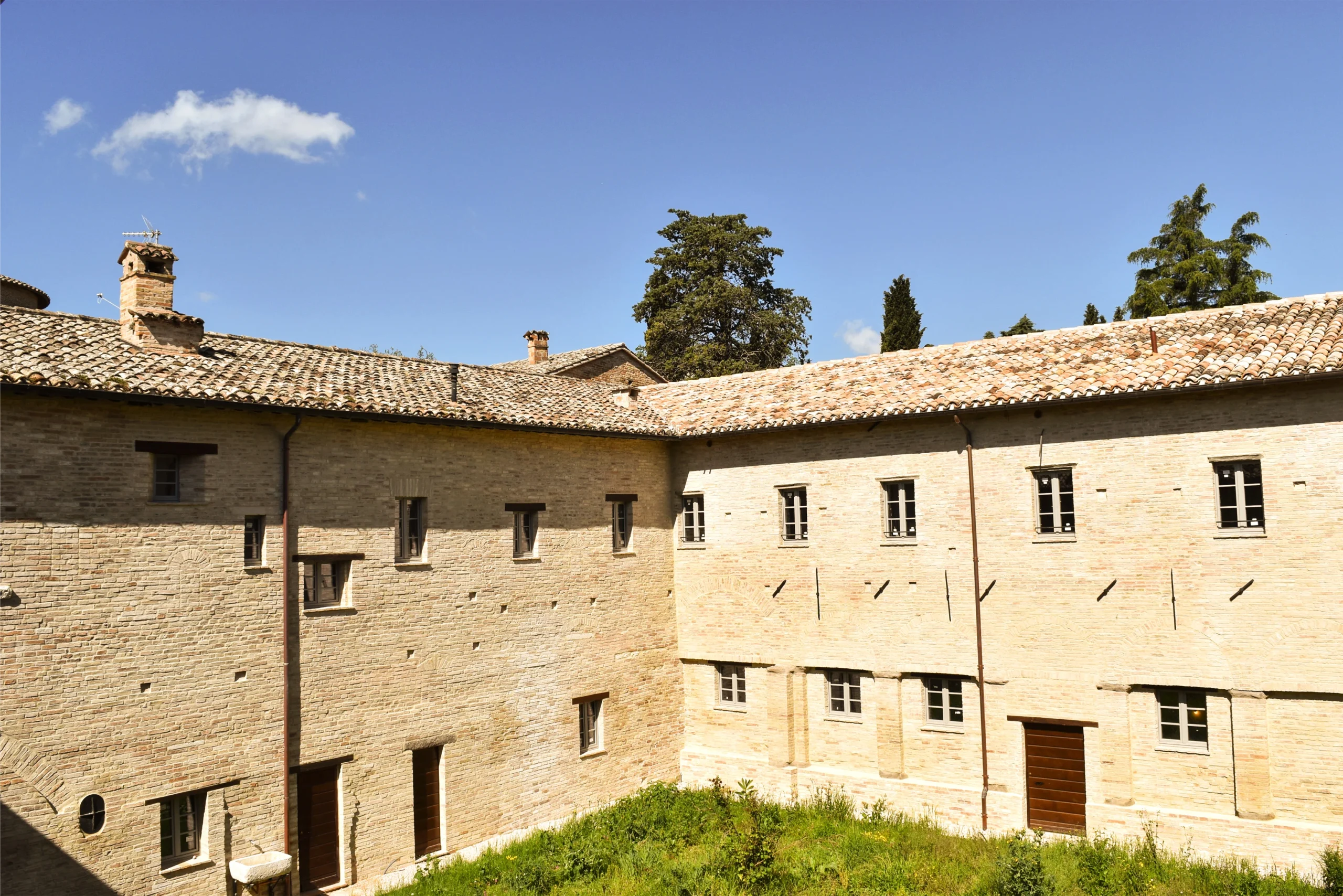
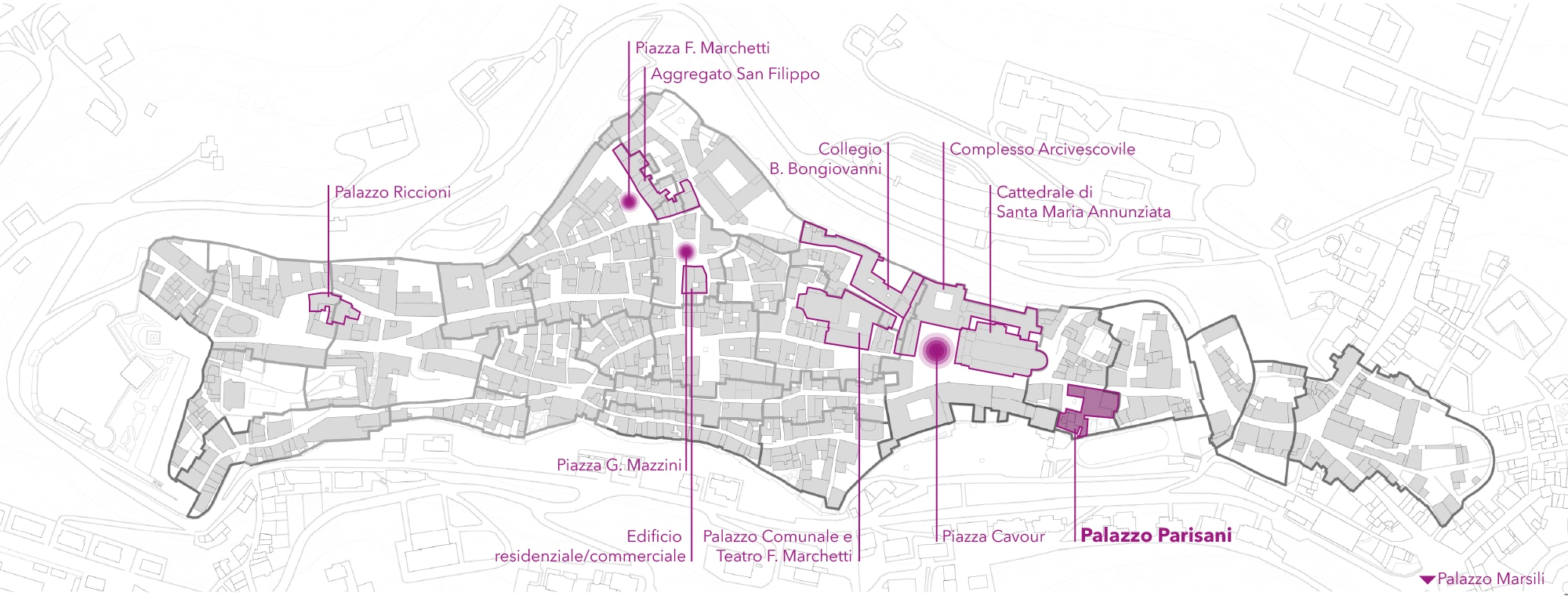
Palazzo Parisani stands between Via Roma and Largo della Pietà, in one of the most dense and layered urban settings of Camerino’s historic center. On one side it faces the city’s main street; on the other, it opens toward the ancient city walls and the historic landscape of Camerino, within the district once known as the Terziere di Sossanta.

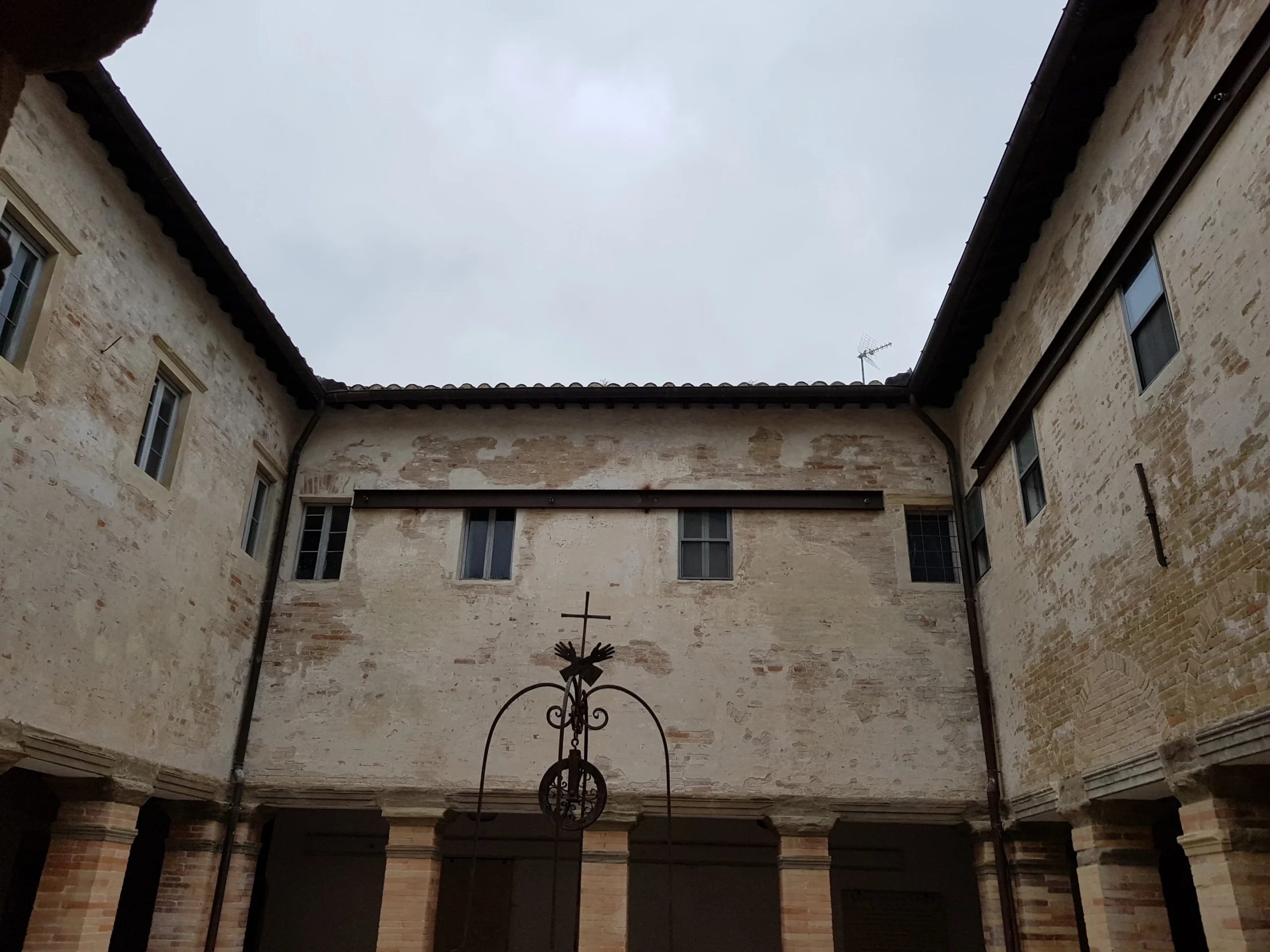
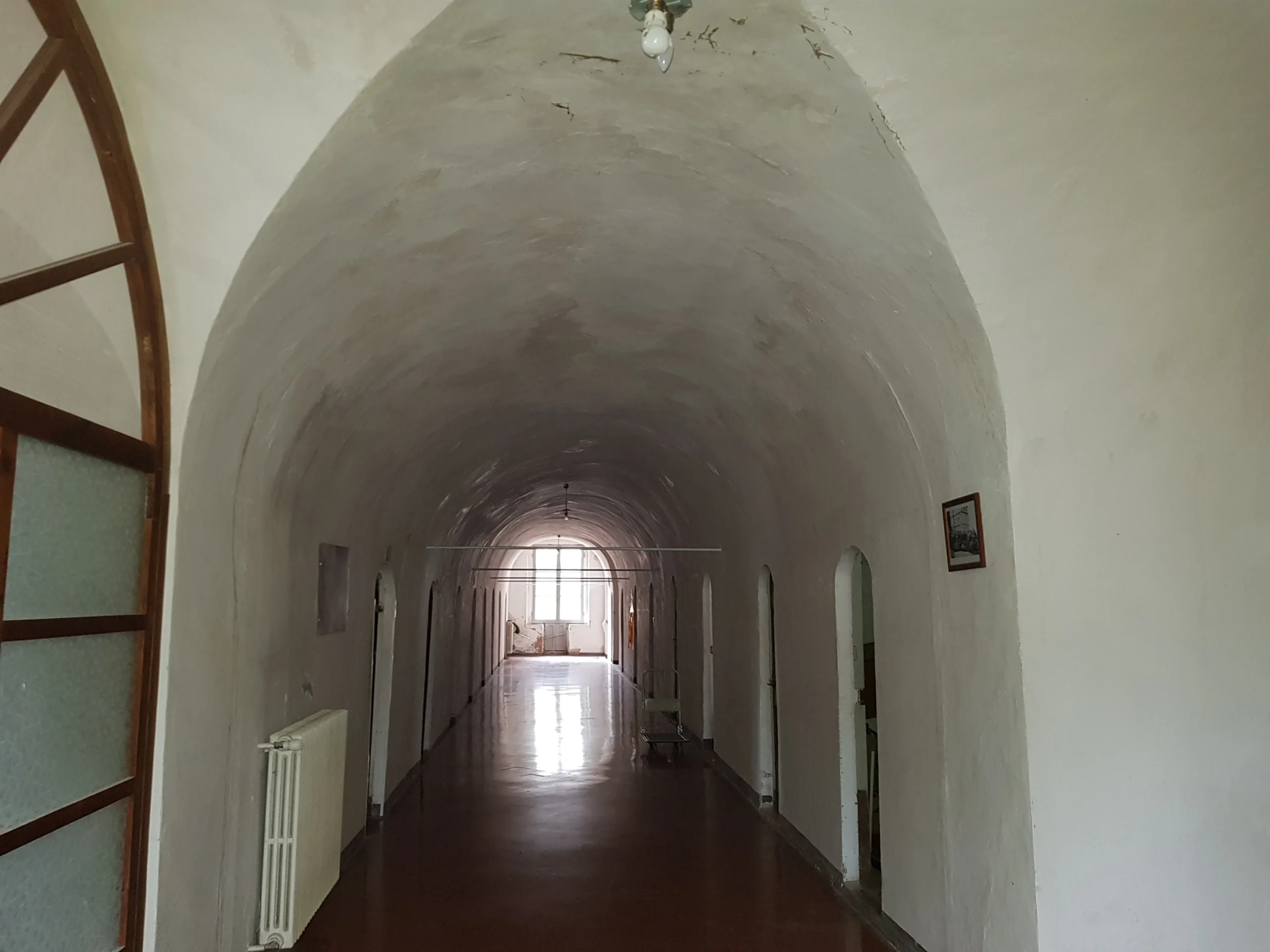
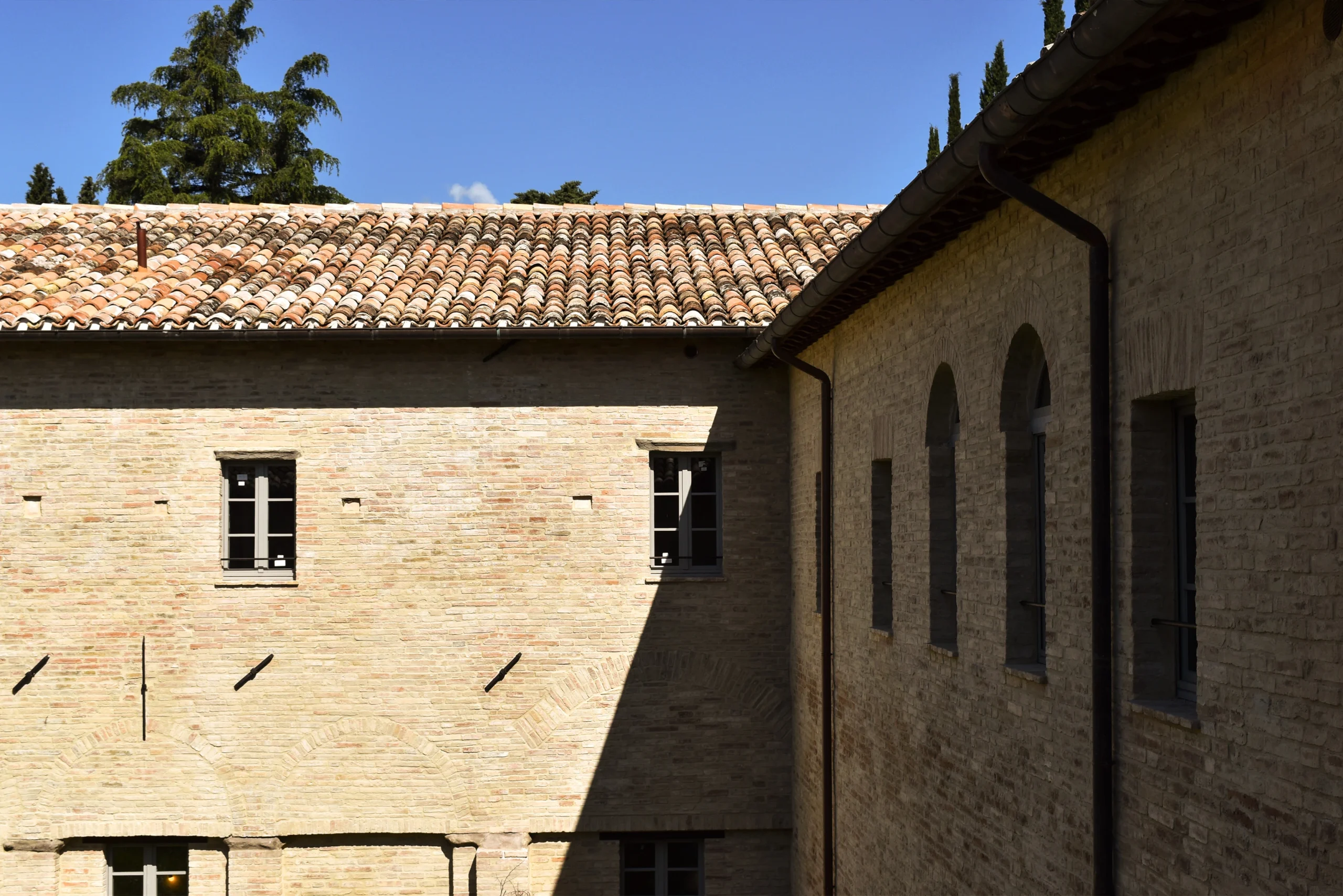
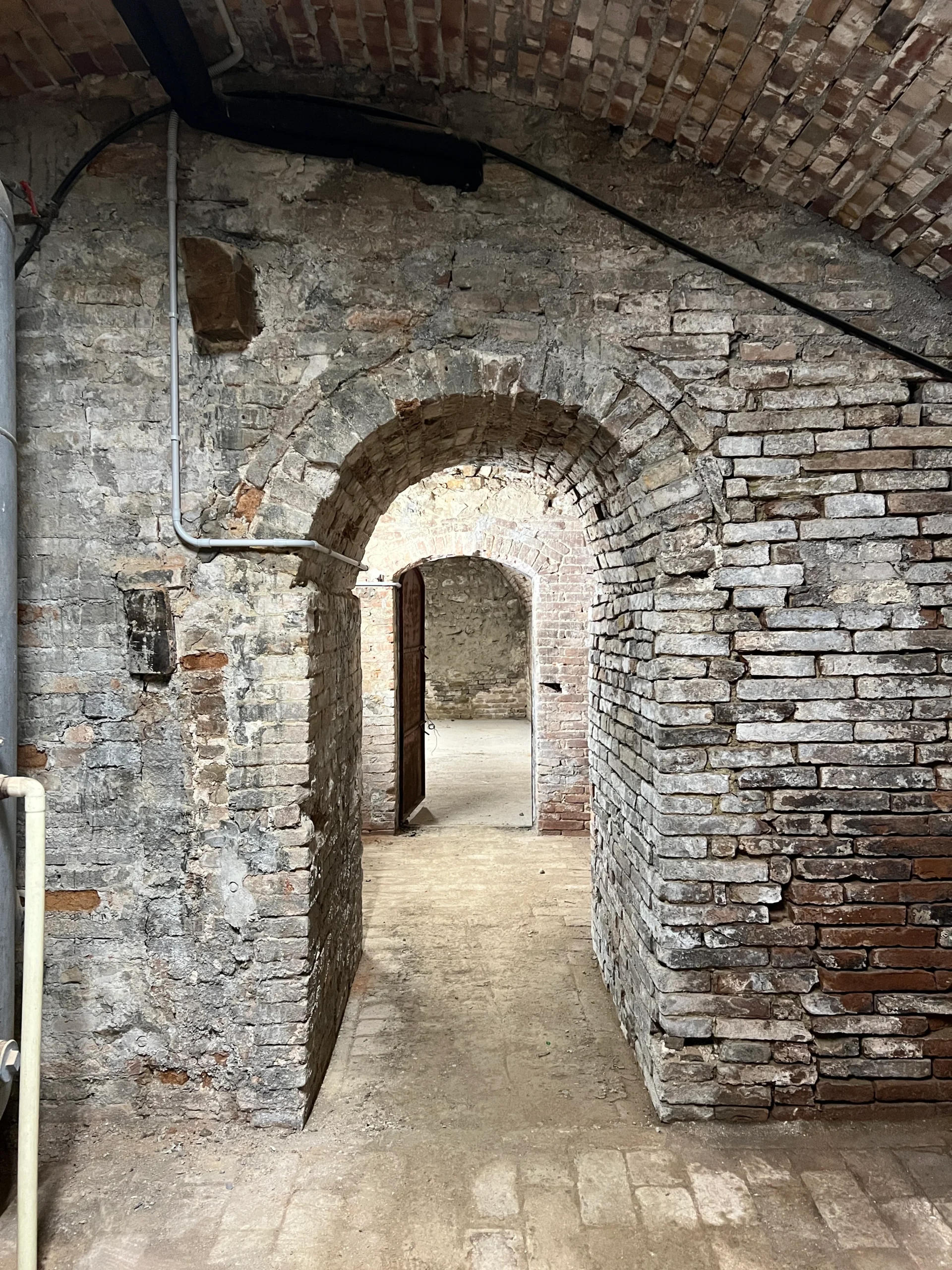
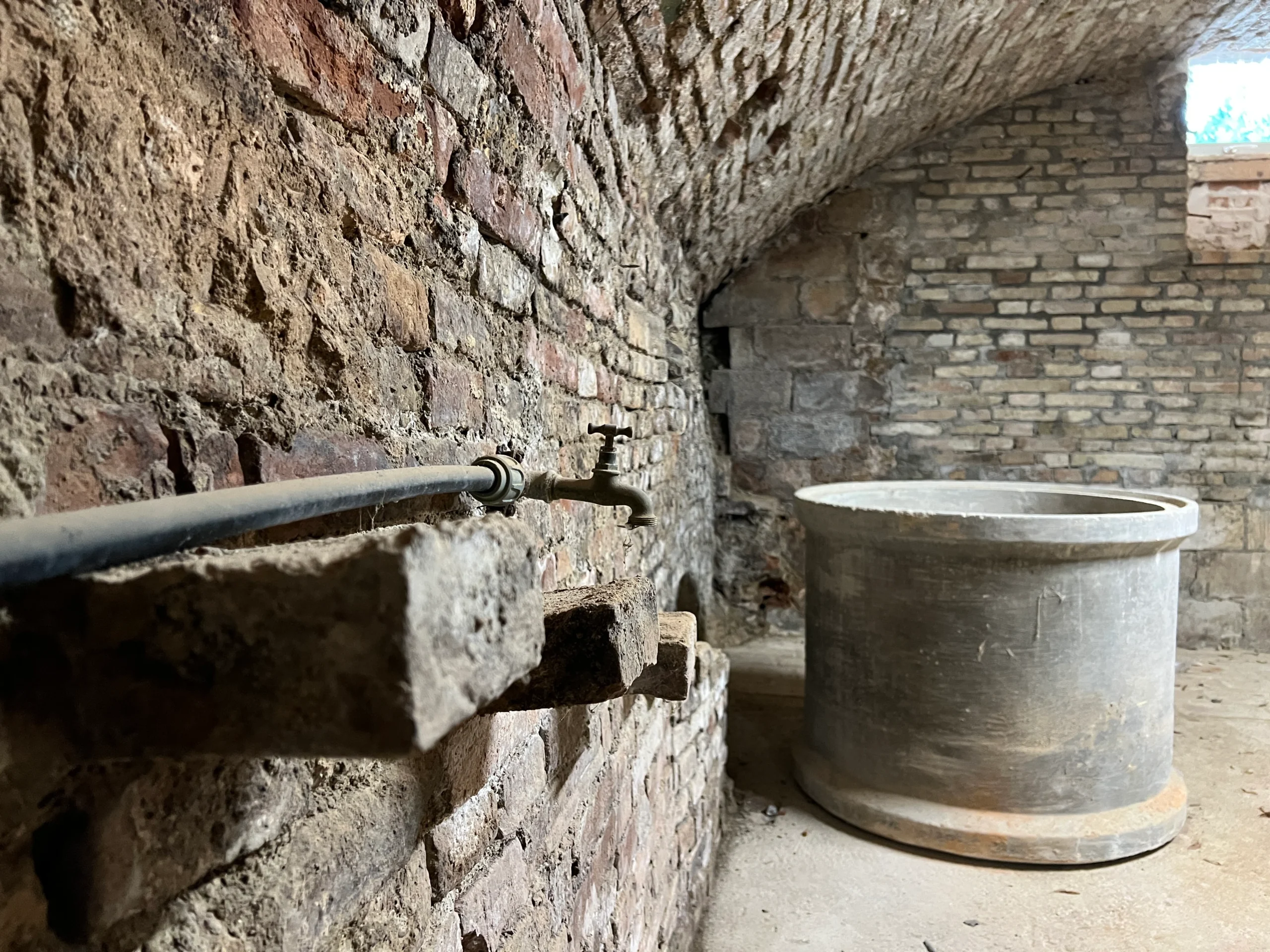
It is a complex architectural organism, shaped over the centuries through additions, adaptations, and transformations: not an isolated building, but a readable fragment of Camerino’s urban history. The complex is divided into eight structural units arranged over seven levels, three of which are underground, reaching a maximum height of approximately fifteen meters above ground.

History: From the Strada and Zucconi Families to the Parisani Family

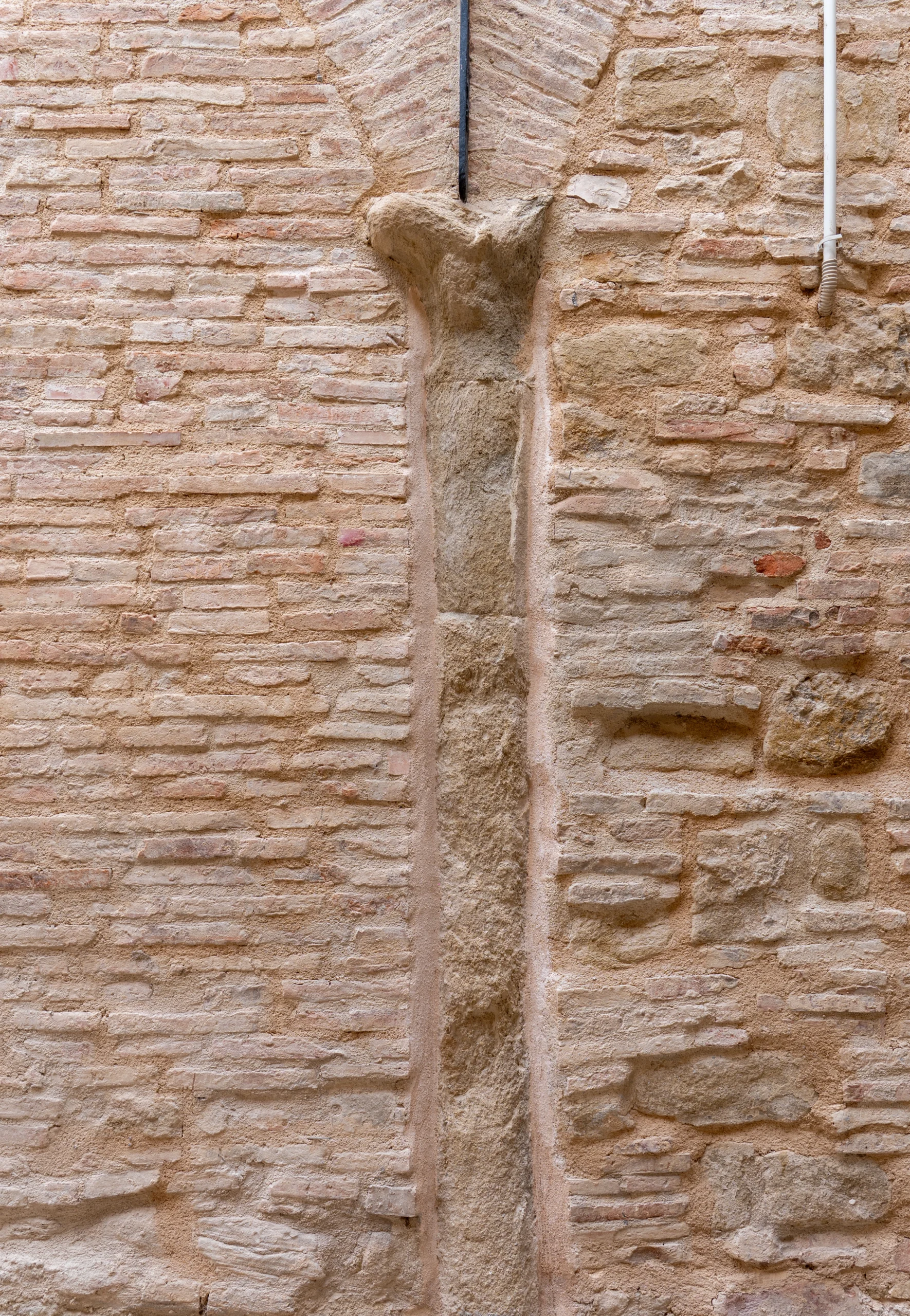
Palazzo Parisani is a seventeenth-century noble palace that belonged, over time, to the Strada, Zucconi, and Parisani families. Like many Italian historic buildings, it was created through the reuse of pre-existing structures, where each construction phase leaves a visible trace without completely erasing the previous one.

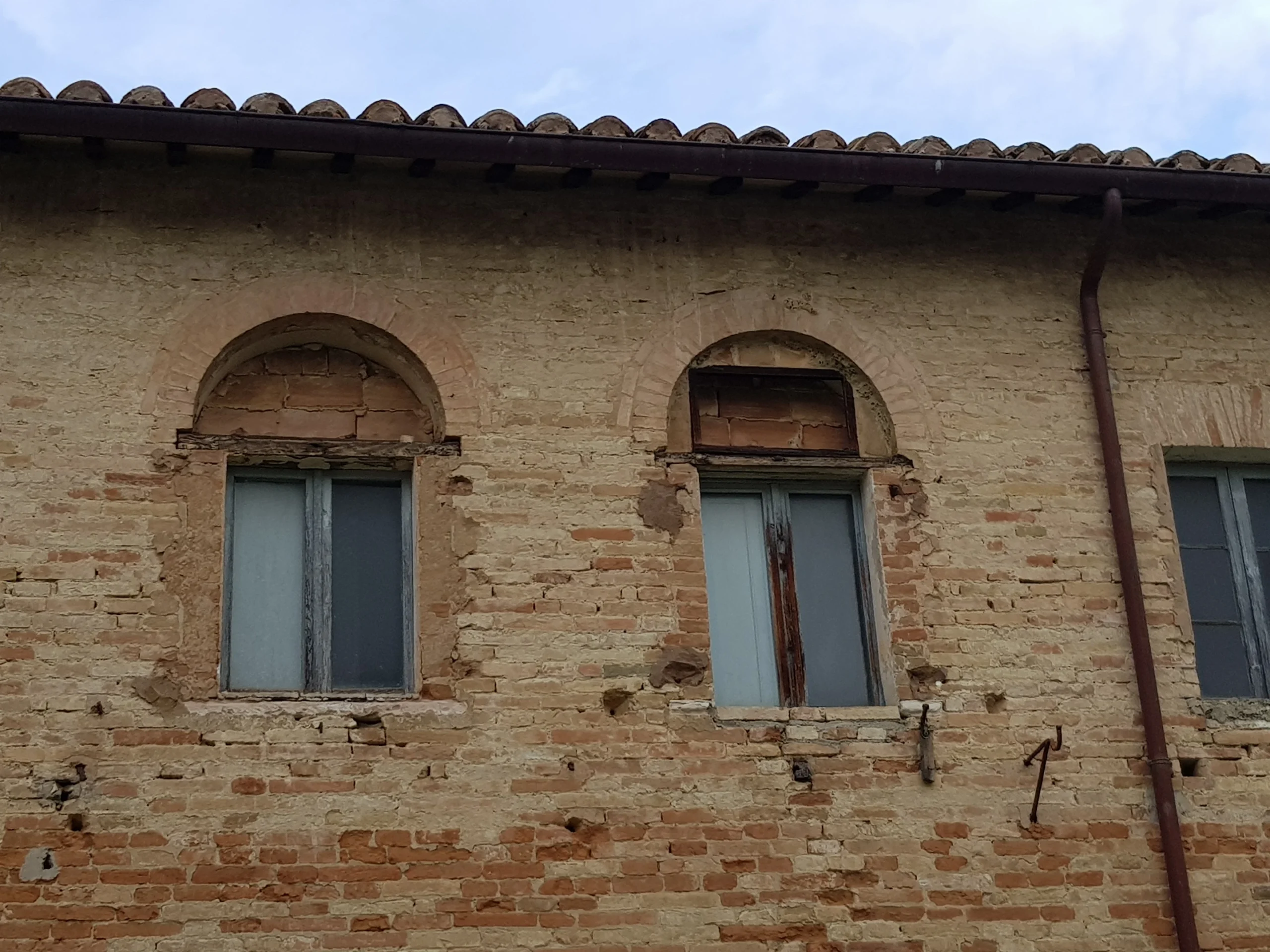
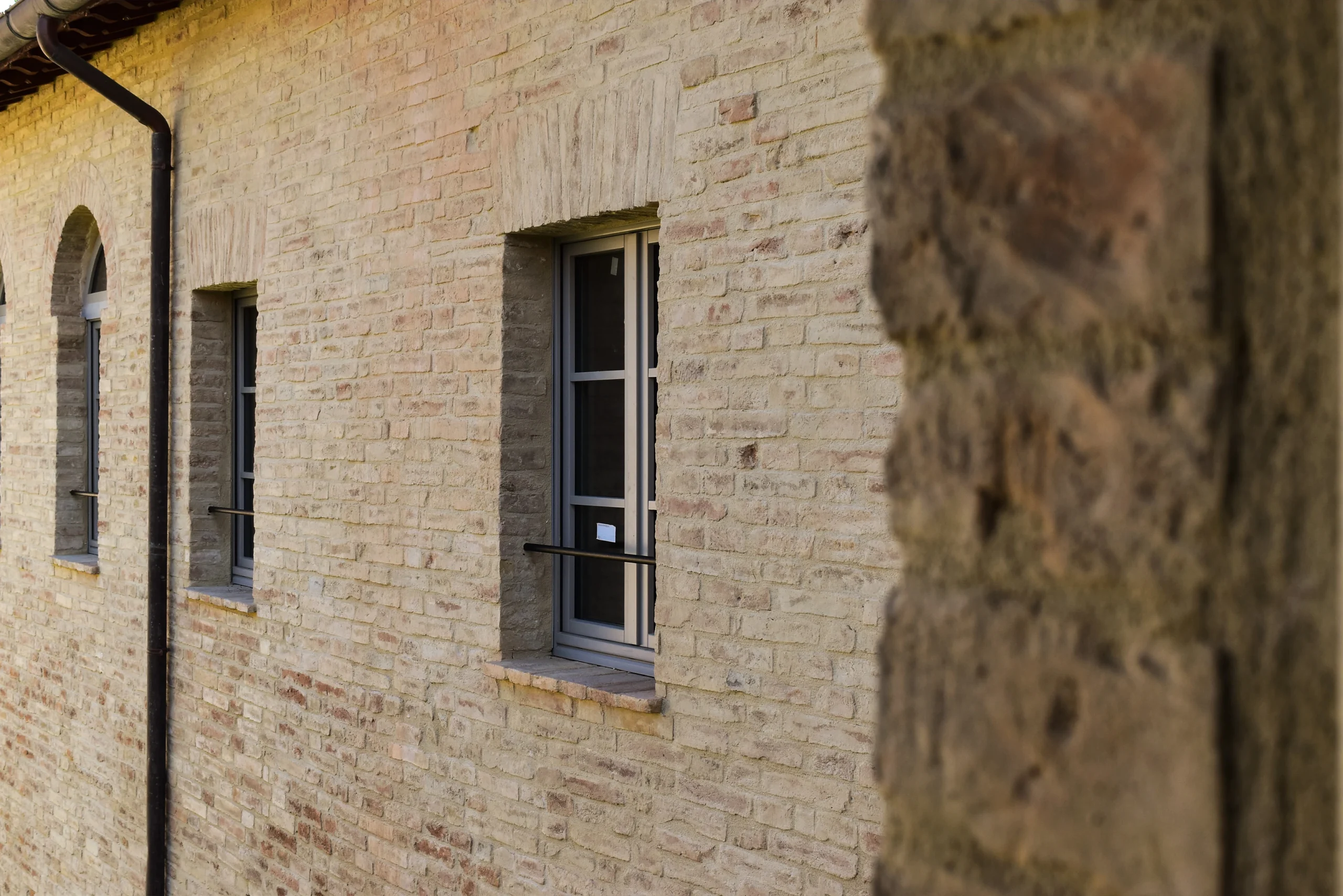
Next to the main body of the palace, the memory of the Casa di Varino Favorino can still be recognized. Favorino was a renowned humanist and philologist from Camerino who lived between the fifteenth and sixteenth centuries. The inscription on the lintel of a first-floor window, “AVR. PHA. ETTOS. NUCERINO,” turns an architectural detail into a historical document, testifying to Favorino’s acquisition of the building in the early sixteenth century. It is one of the elements that make Palazzo Parisani not only a building to be restored, but also a concrete testimony to Camerino’s cultural identity.

The 2016 Earthquake: Cracks, Vulnerabilities, and the Need for Intervention

The 2016 seismic events disrupted the structural balance of the building. The entire property was classified with an E-level usability rating, the highest level of post-earthquake unusability, with municipal ordinances issued between June 2017 and February 2018.
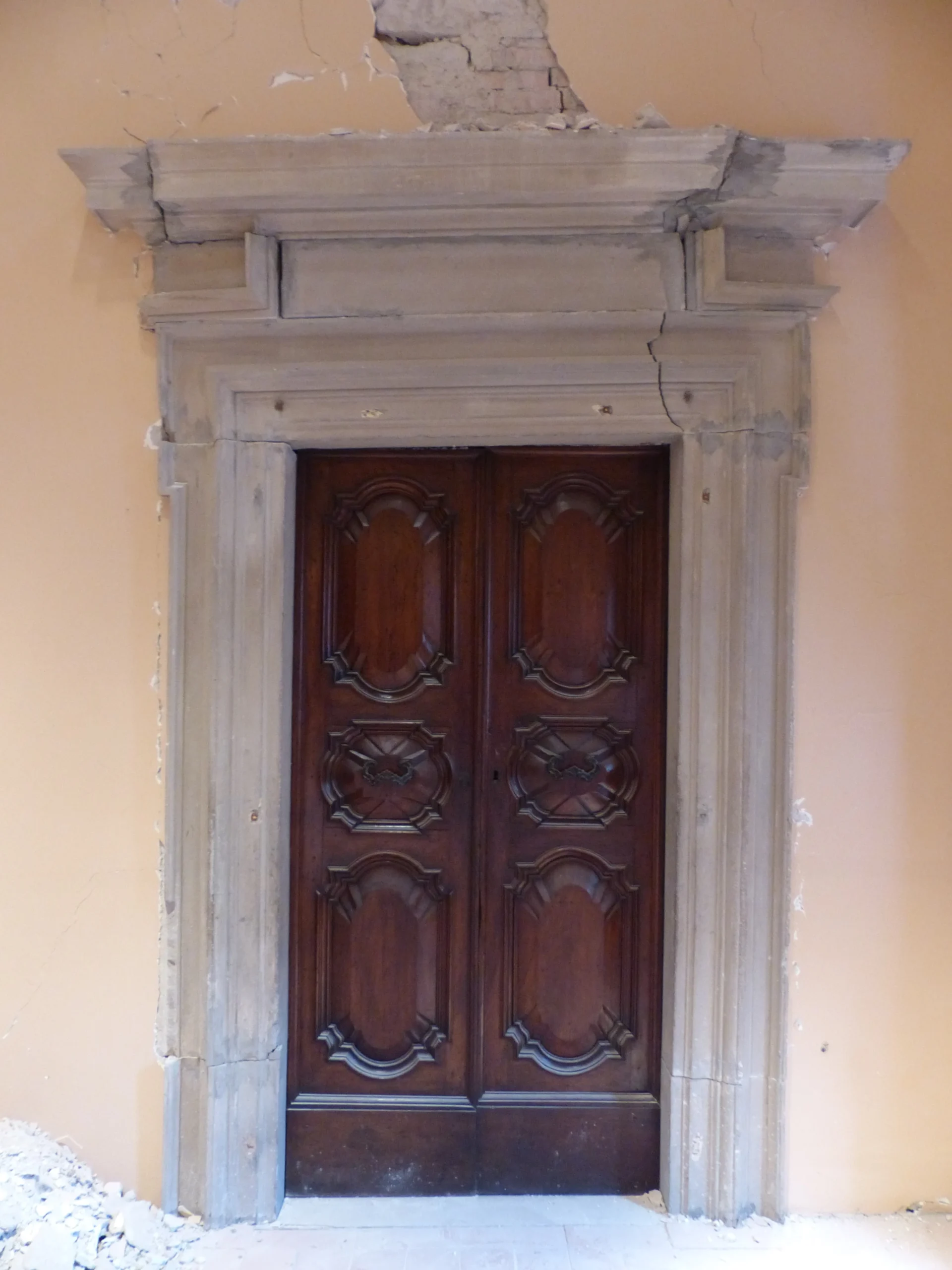
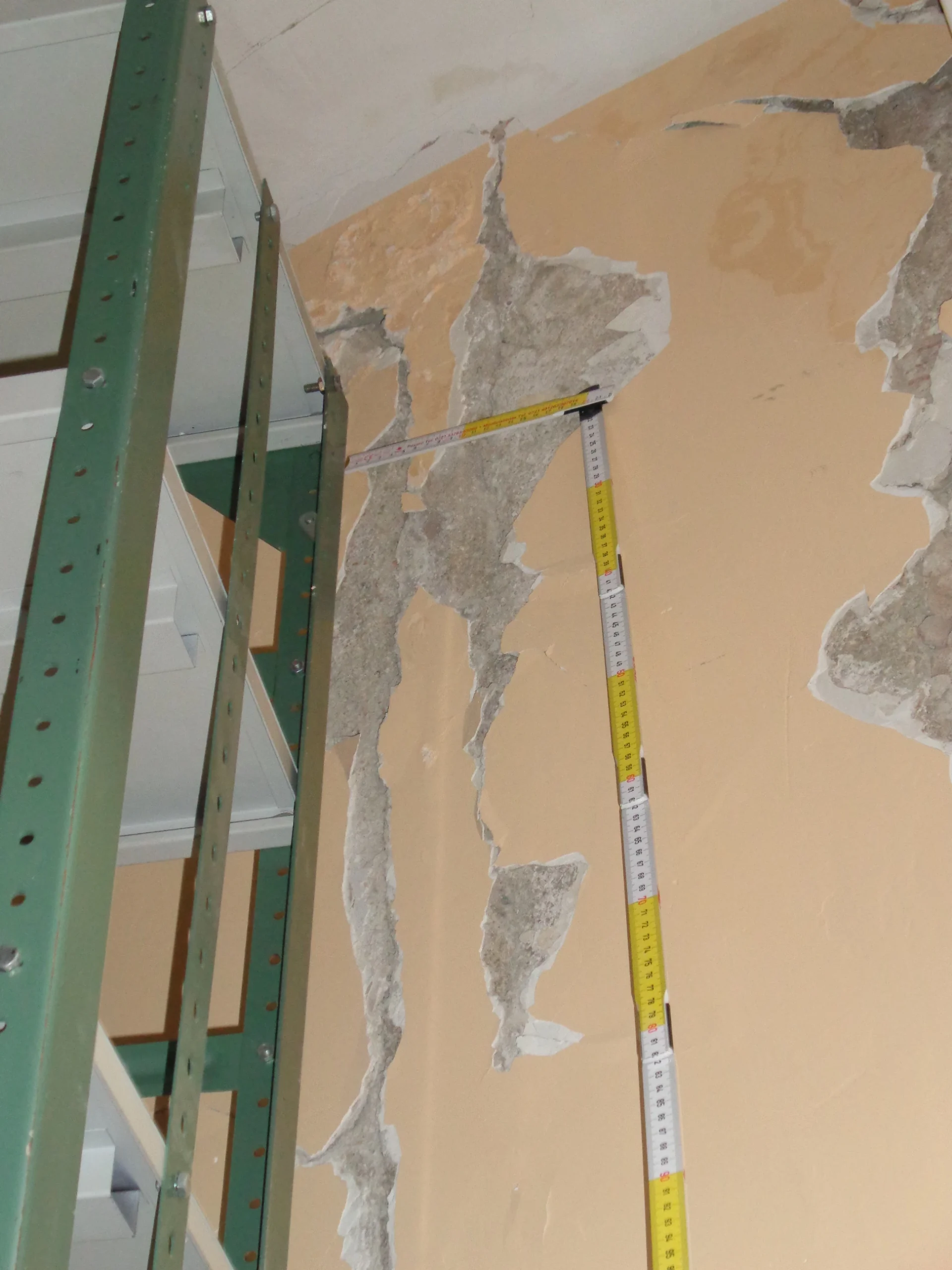
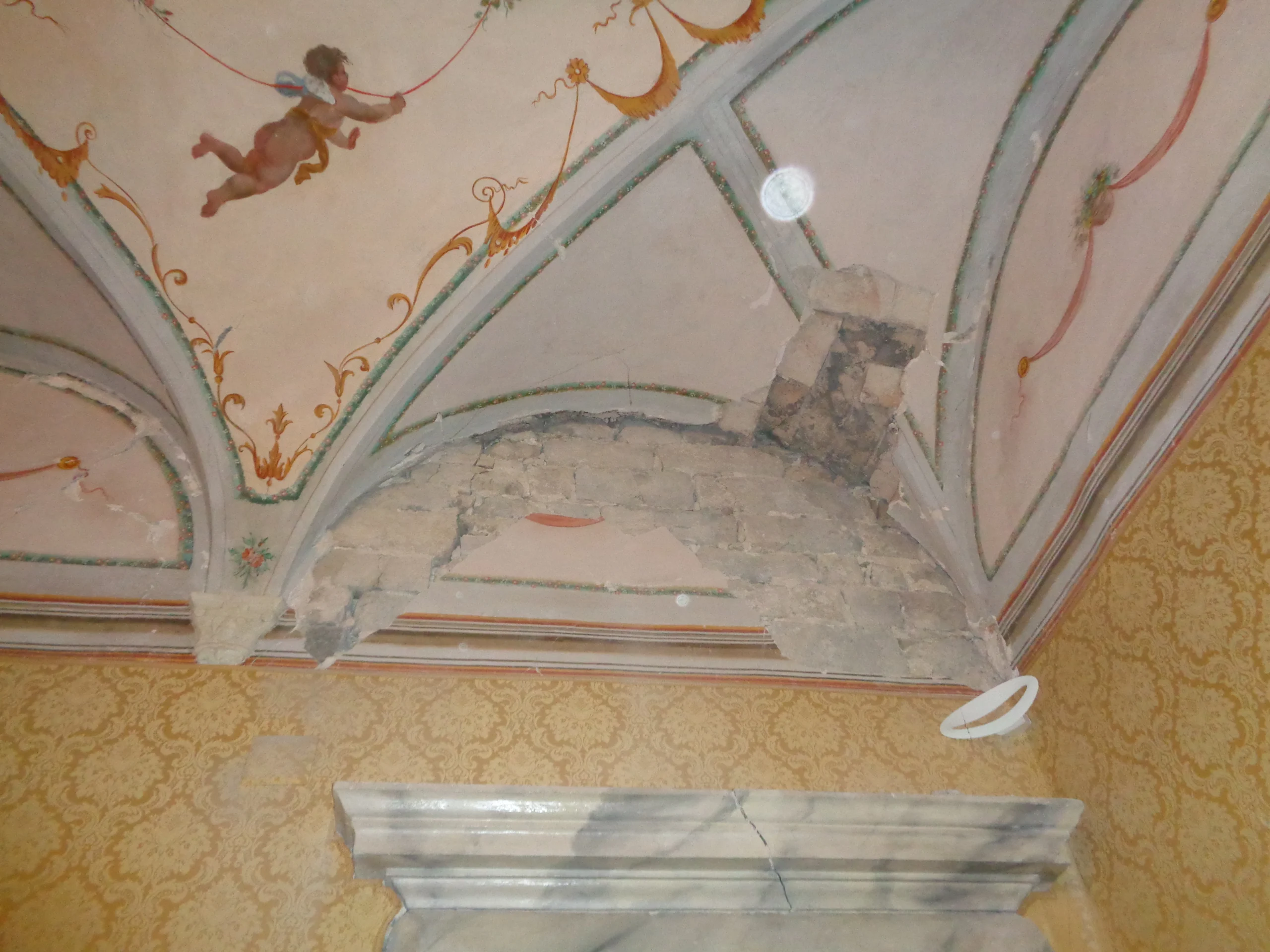
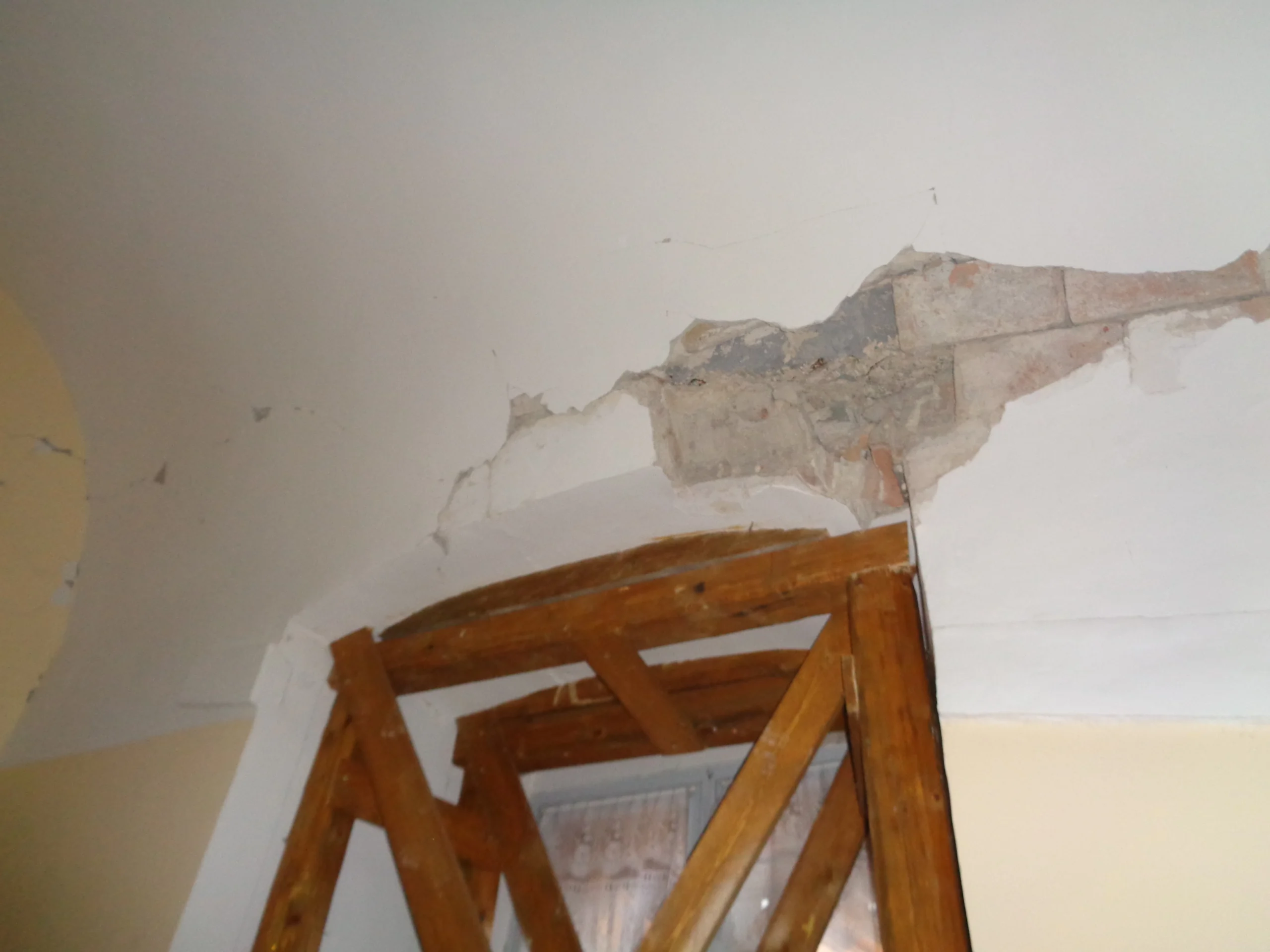
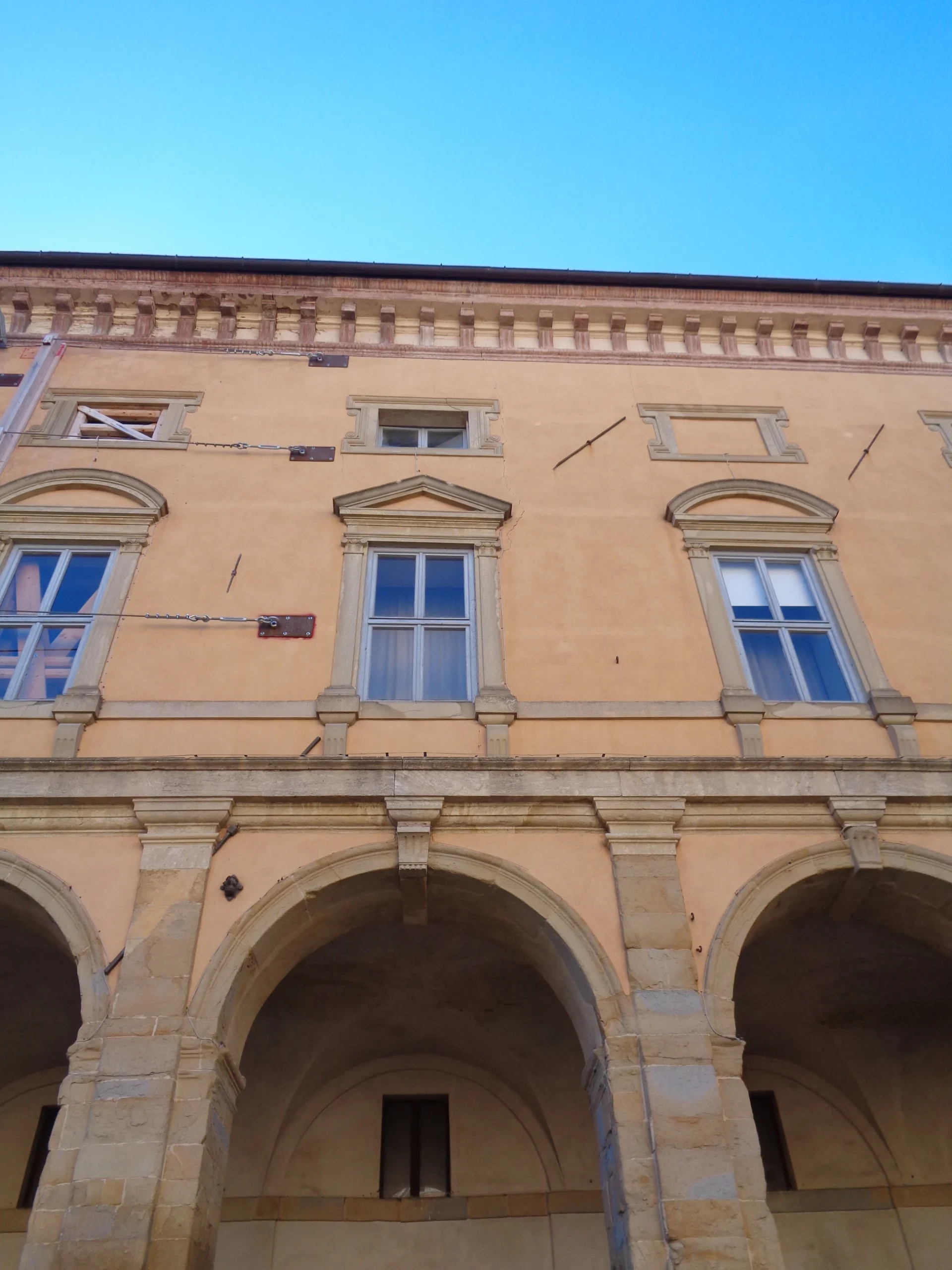
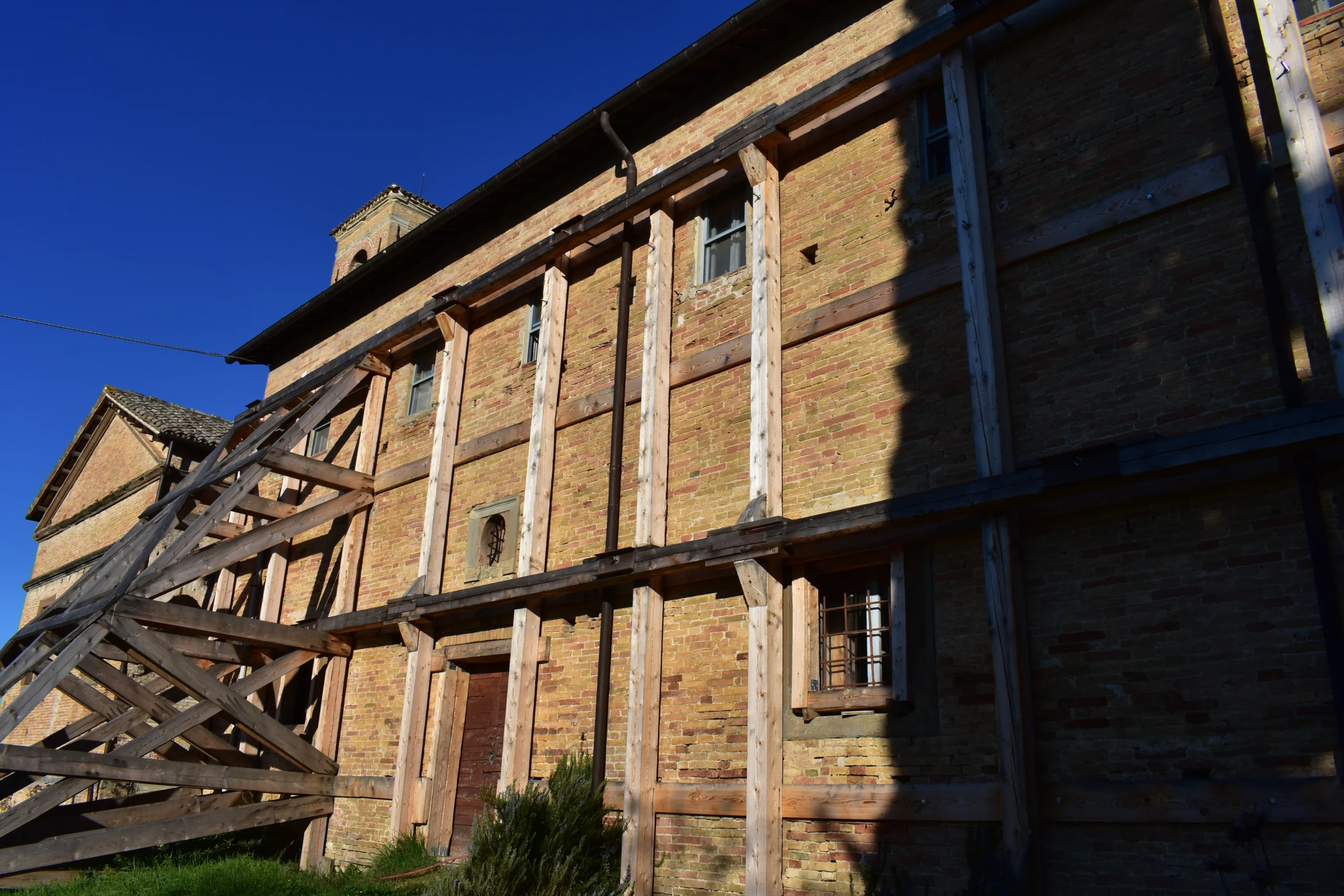
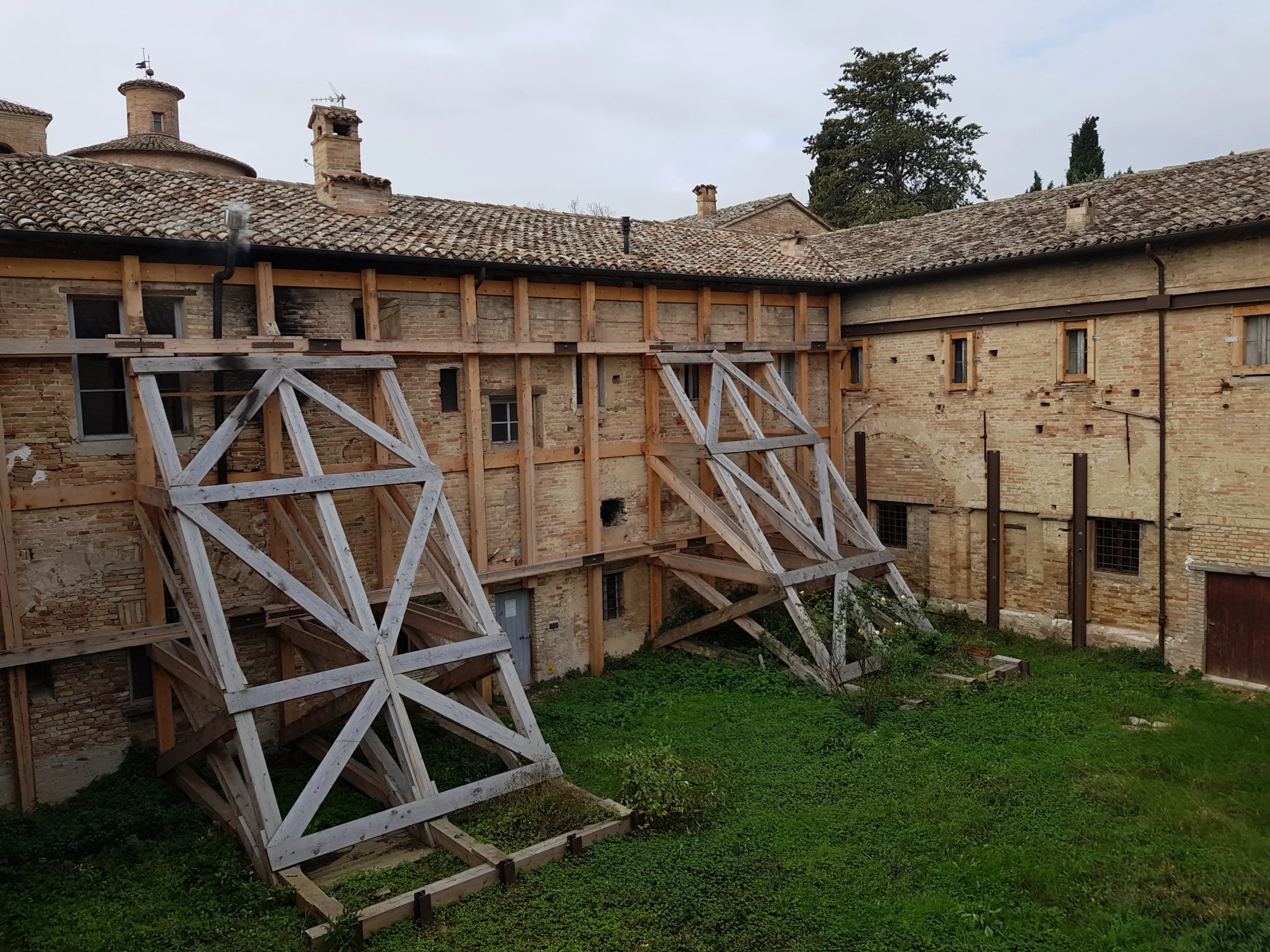
Cracks, structural damage, and vulnerabilities affected both the load-bearing structure and the decorative features, making a unified design approach necessary. The crack pattern revealed, in particular, the risk of façade overturning, already partially activated at the side walls, as well as shear damage in the masonry walls most exposed to in-plane seismic action. The complex had already undergone post-earthquake works after the 1997 earthquake, including grout injections in the masonry, replacement of deteriorated beams, and partial roof reconstruction.
The Intervention: Architectural Restoration and Structural Safety

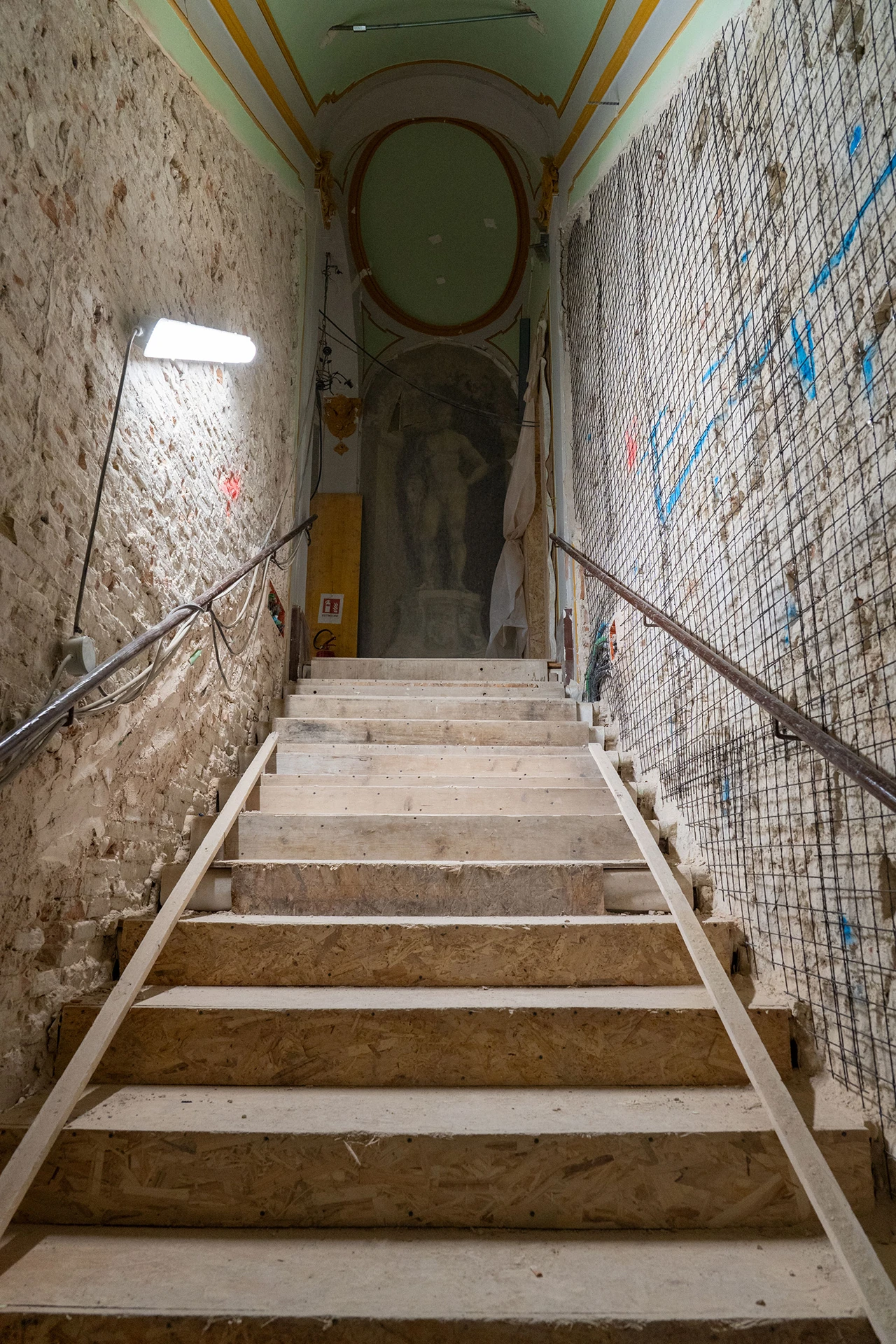
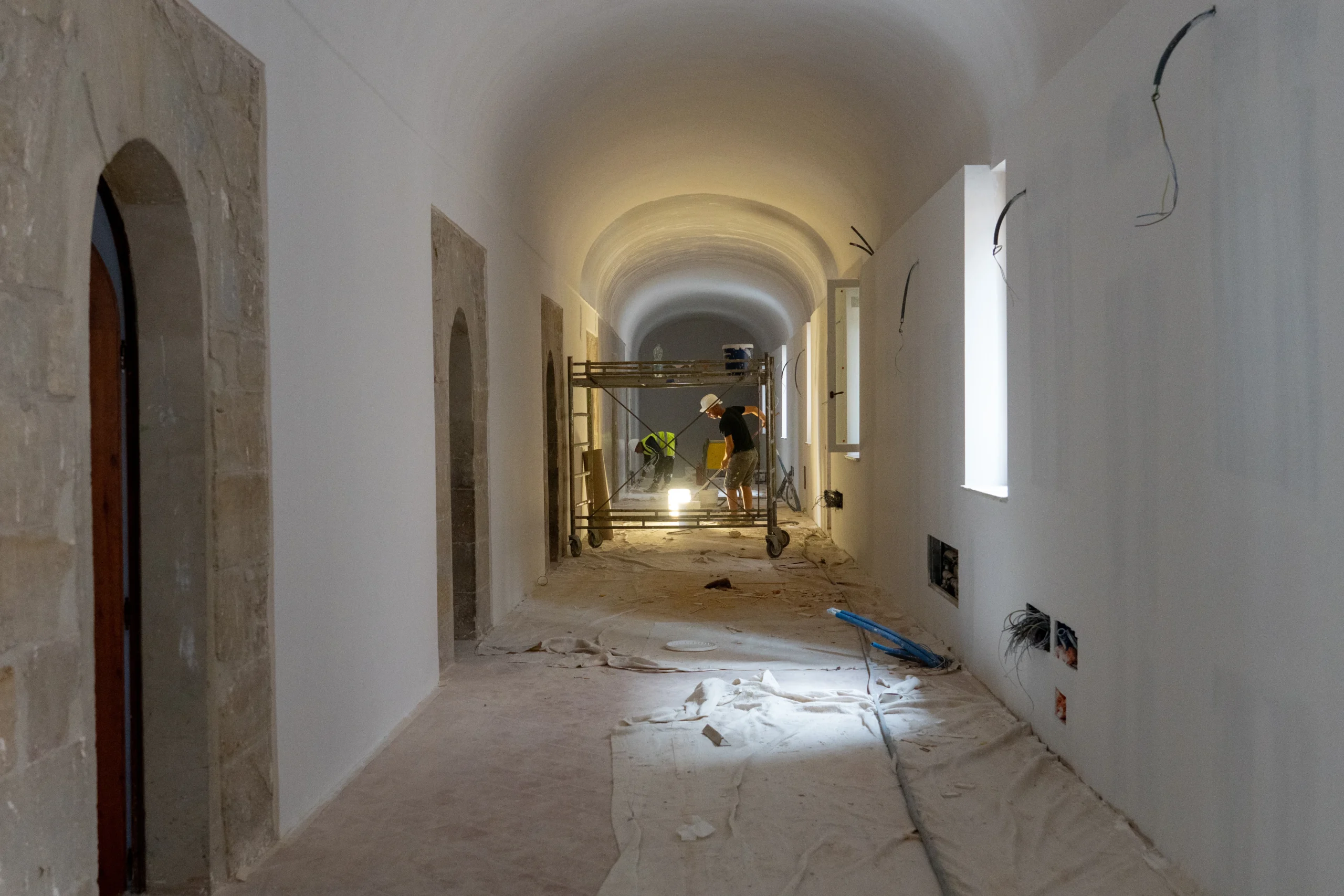
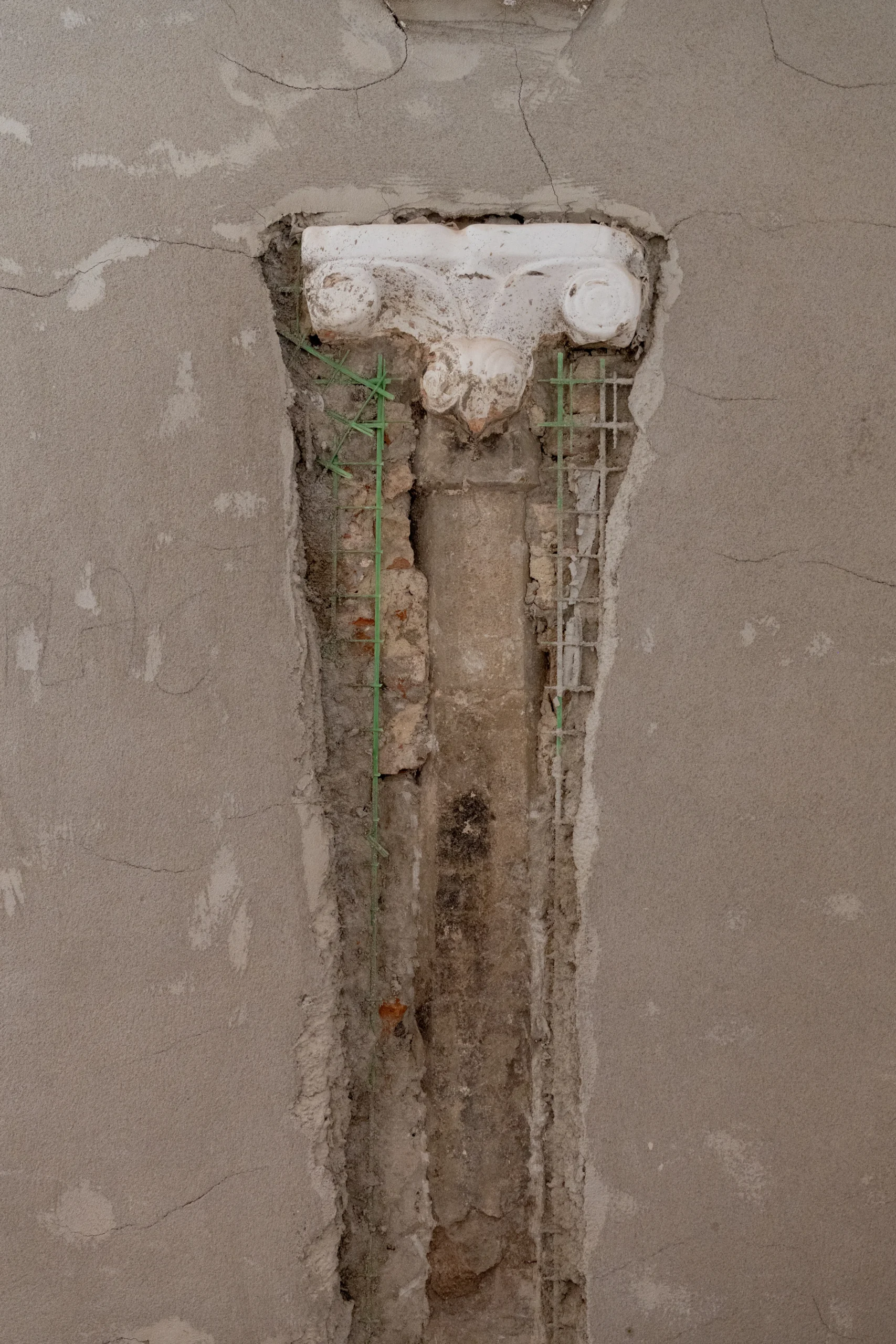
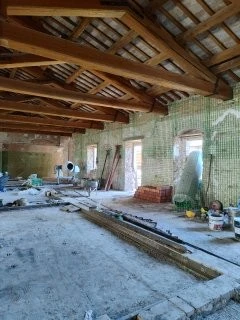
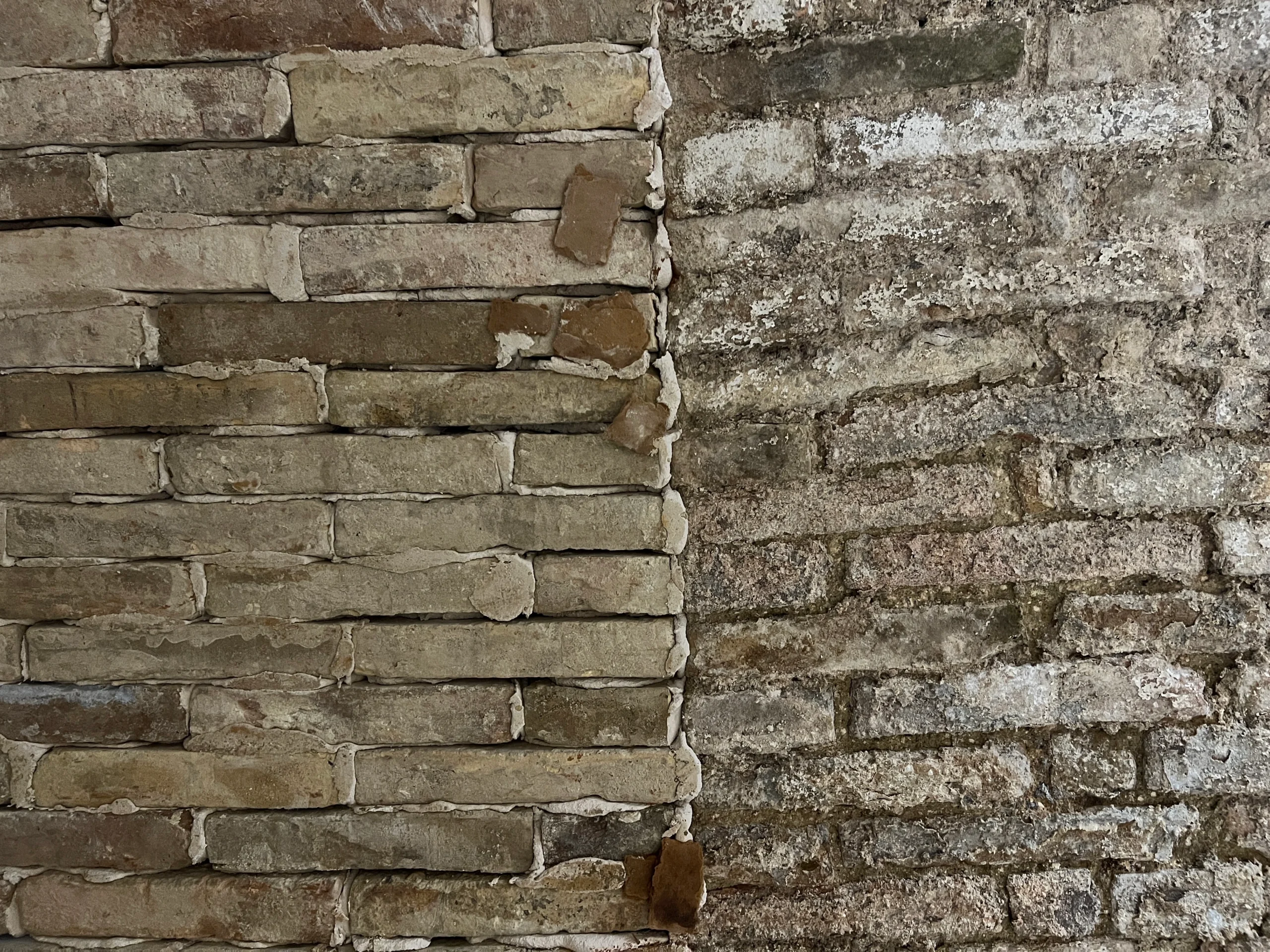
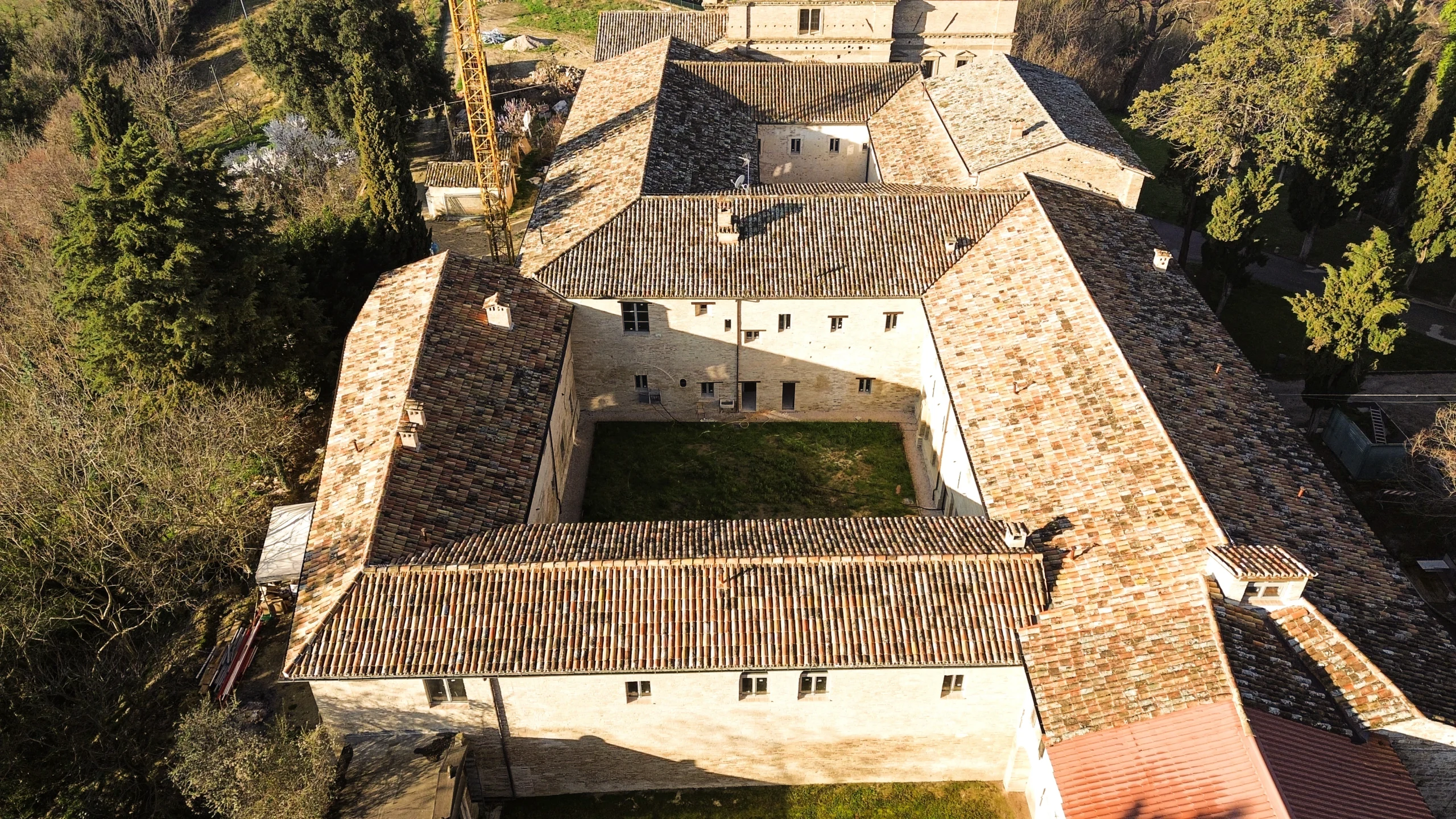
The restoration and seismic improvement project for Palazzo Parisani was developed across several coordinated fronts. The consolidation of the stone masonry walls involved masonry stitching, repointing of mortar joints, injections of natural hydraulic lime-based binders, and the application of fiber-reinforced meshes with lime-based finishing plaster. The façades, severely damaged by the earthquake, also benefited from the Fibrenet Reticola system in the exposed masonry area overlooking Largo della Pietà.

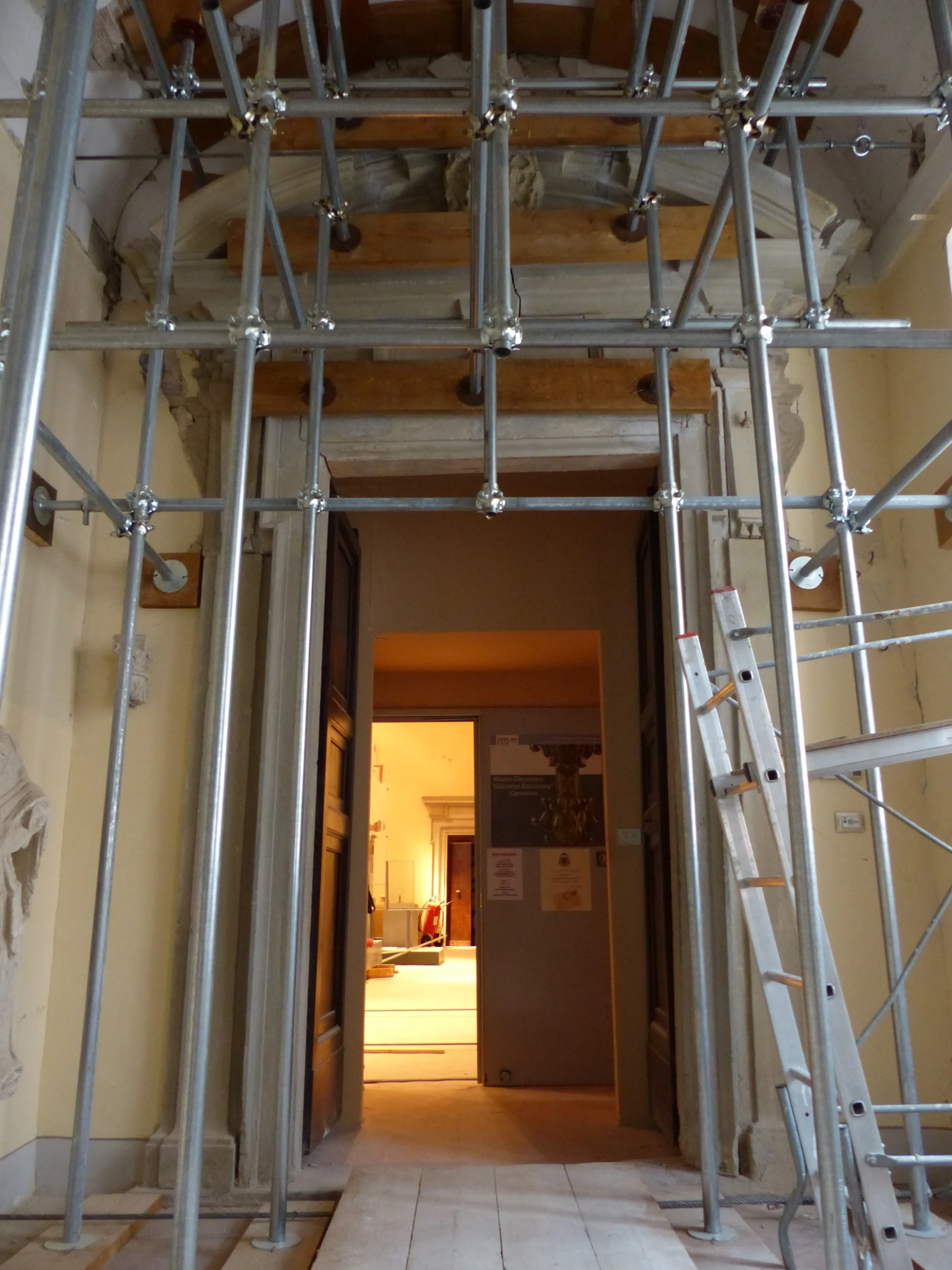
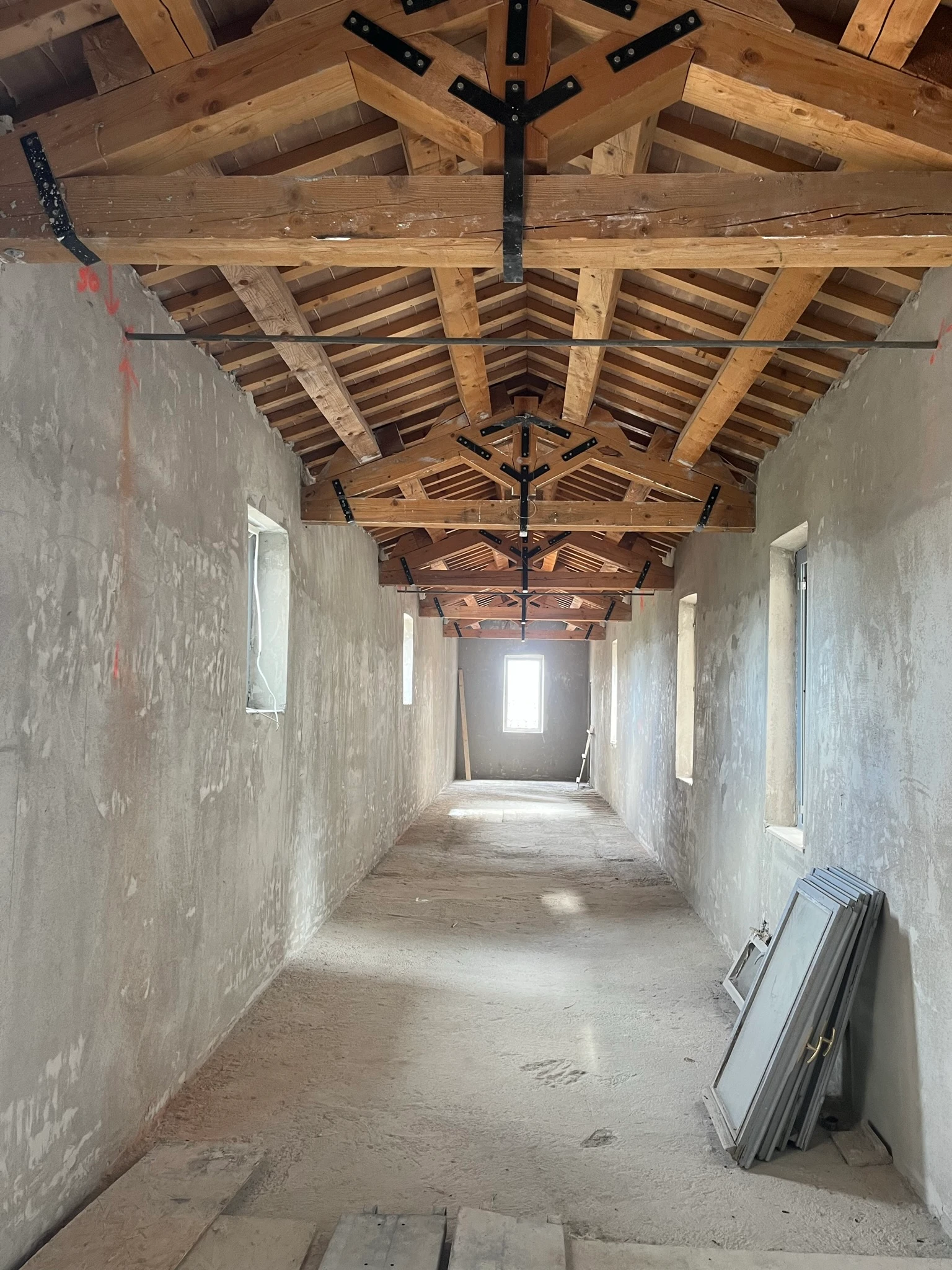
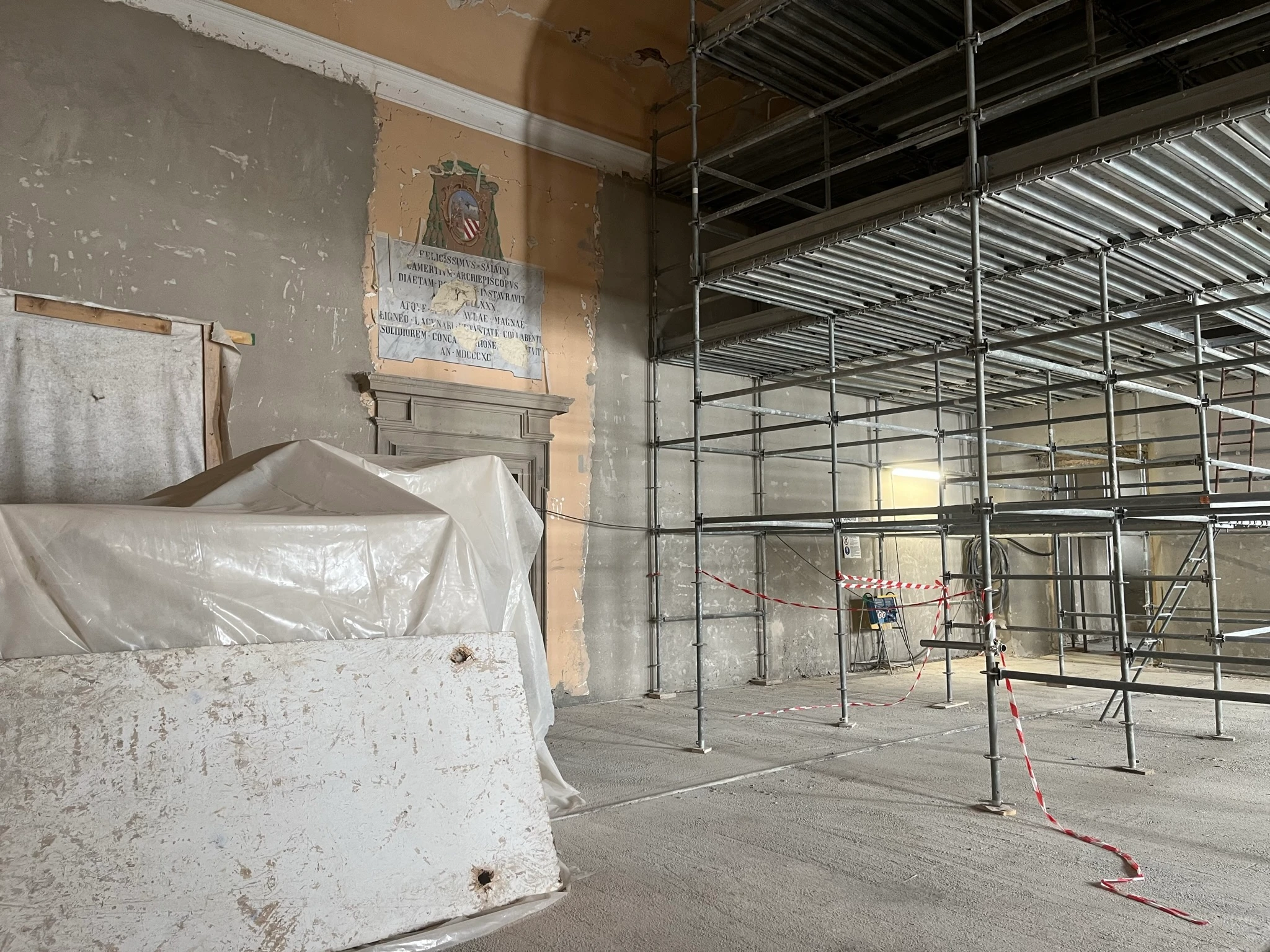
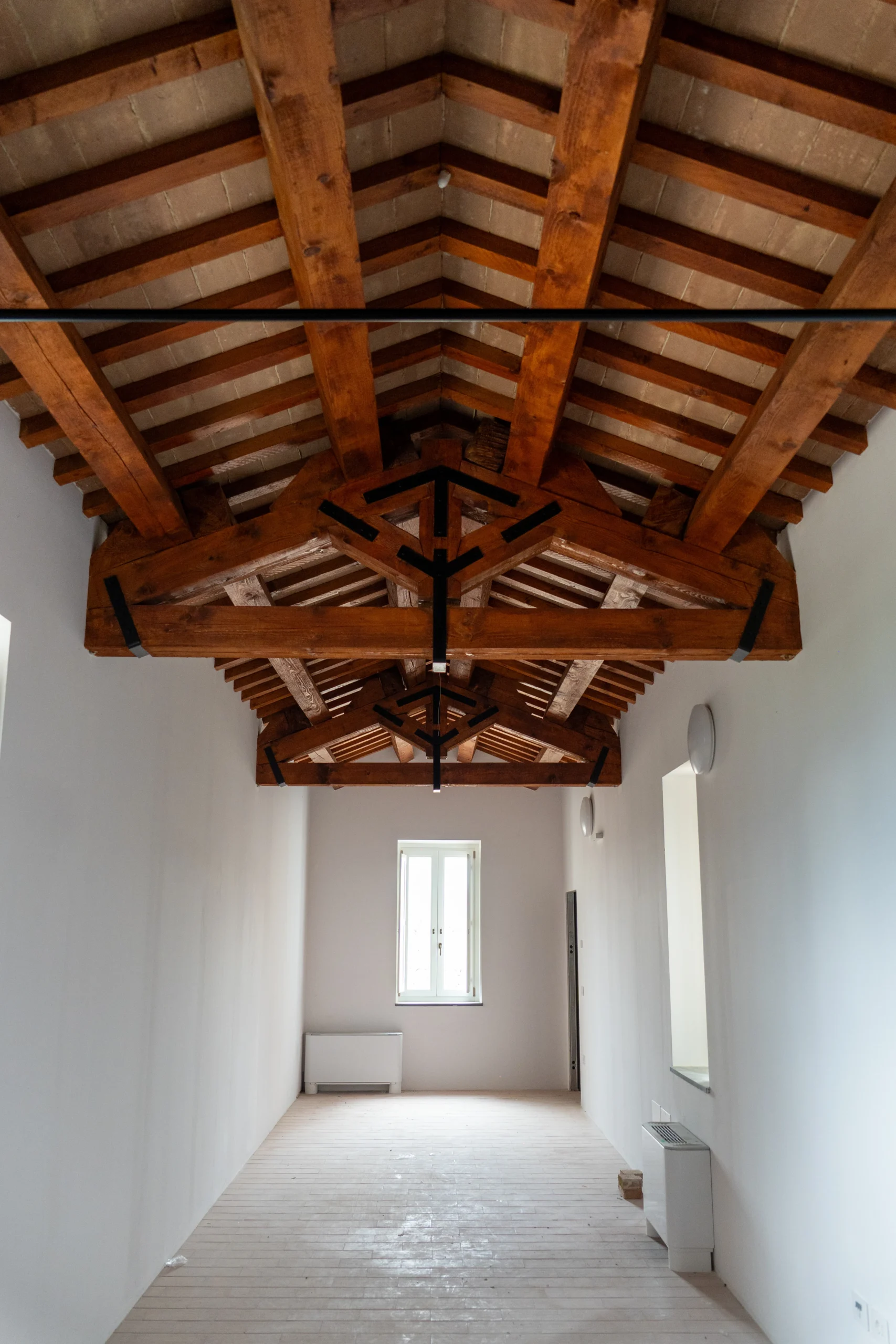
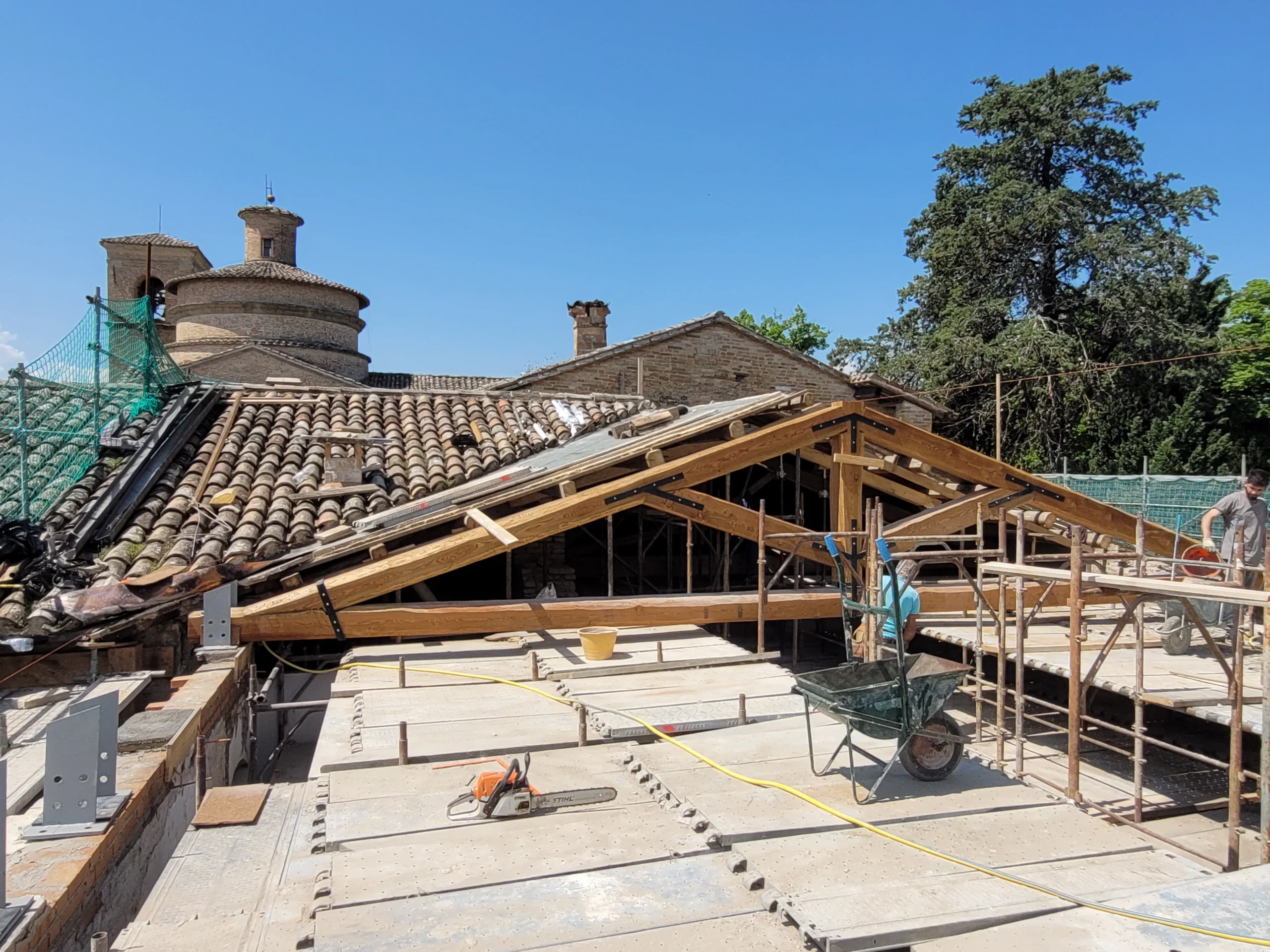
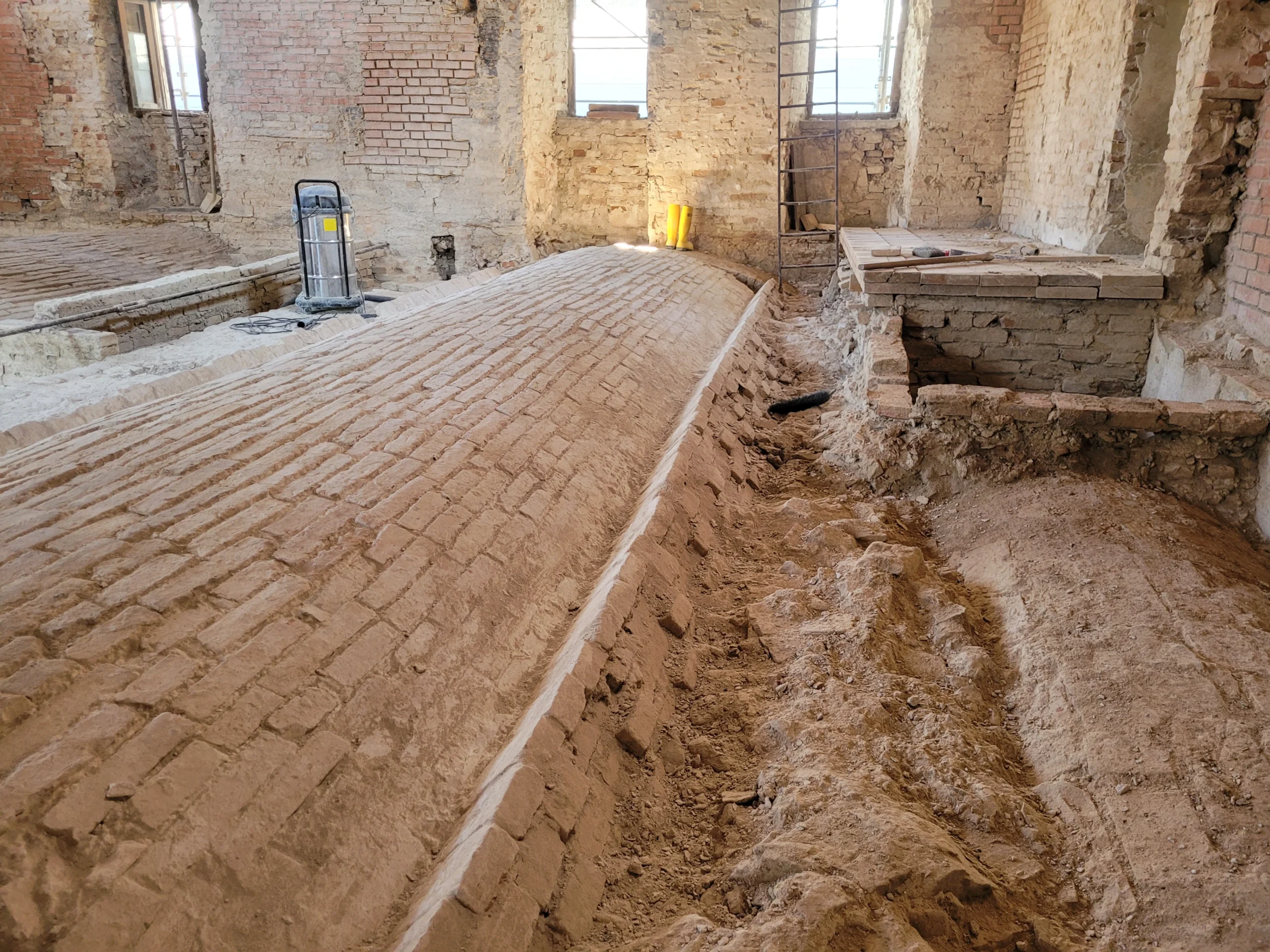
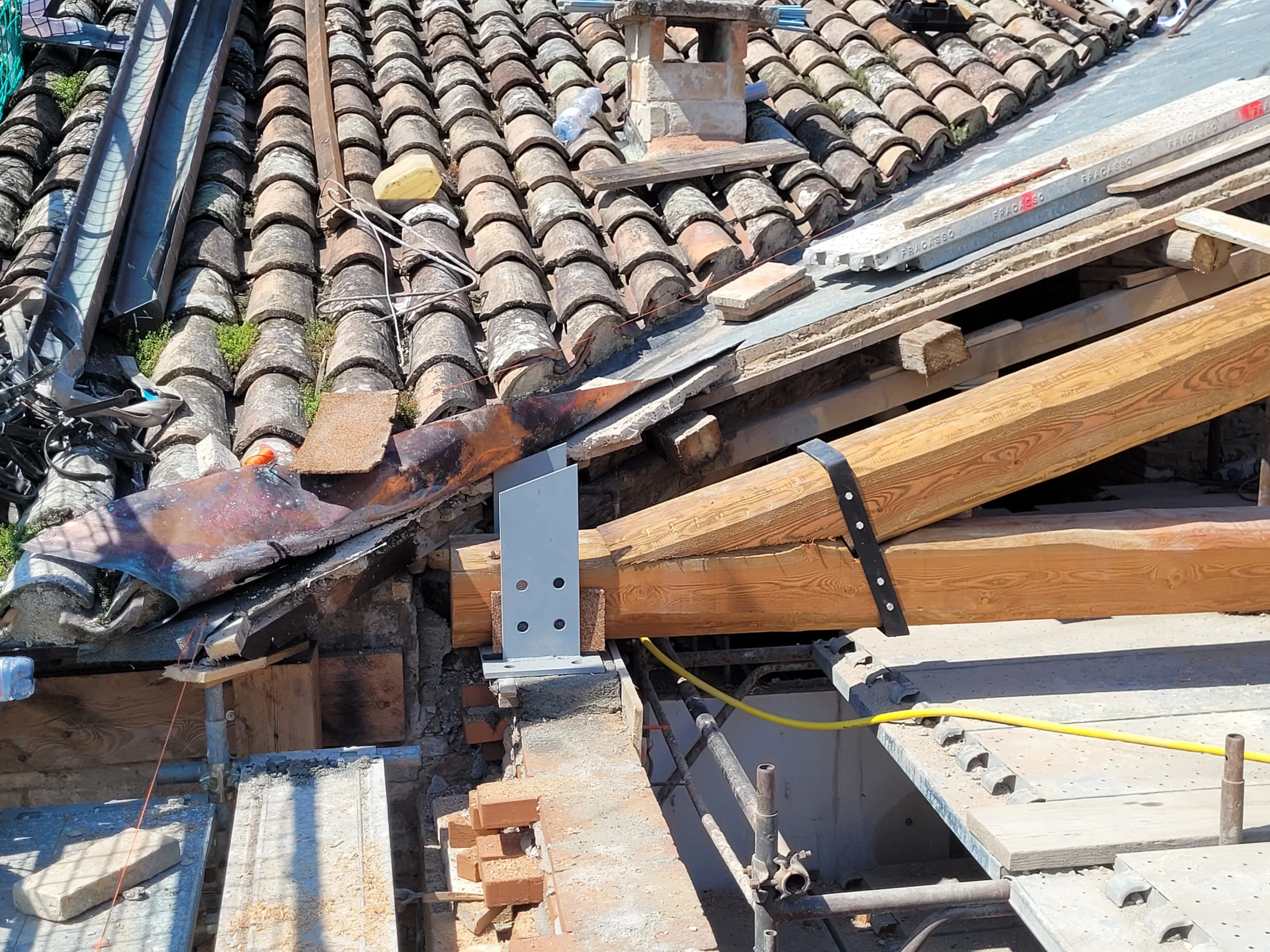
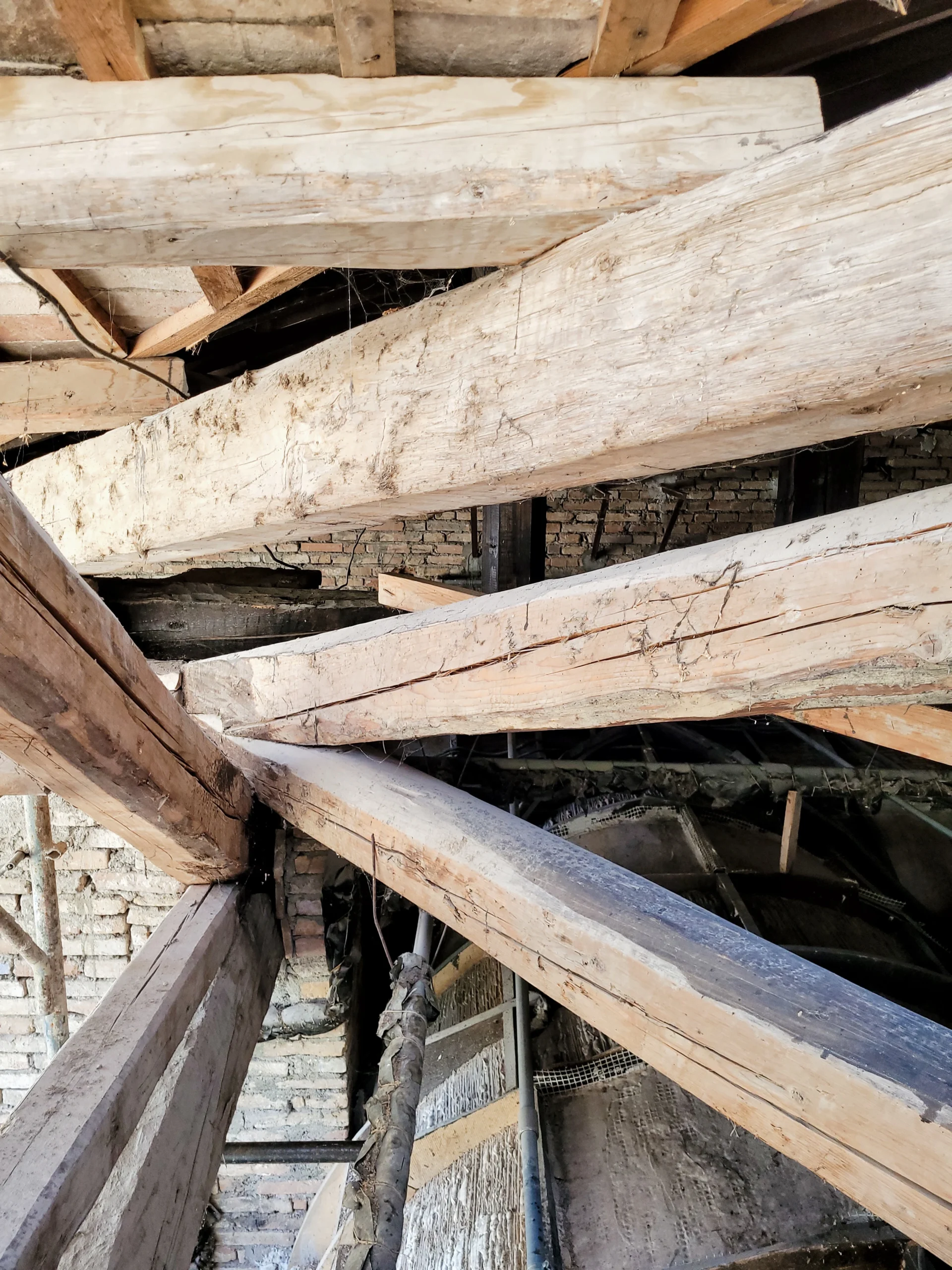
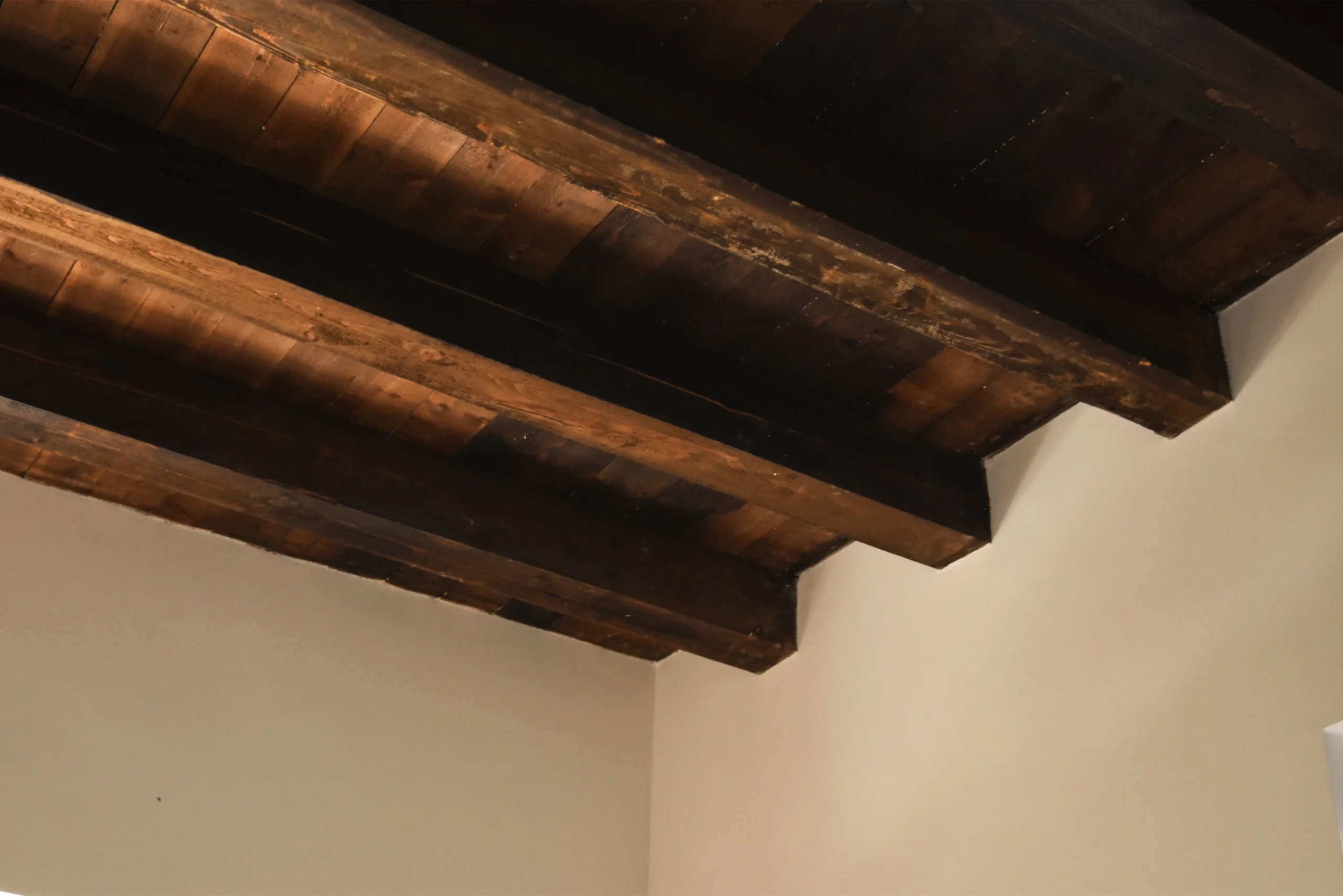
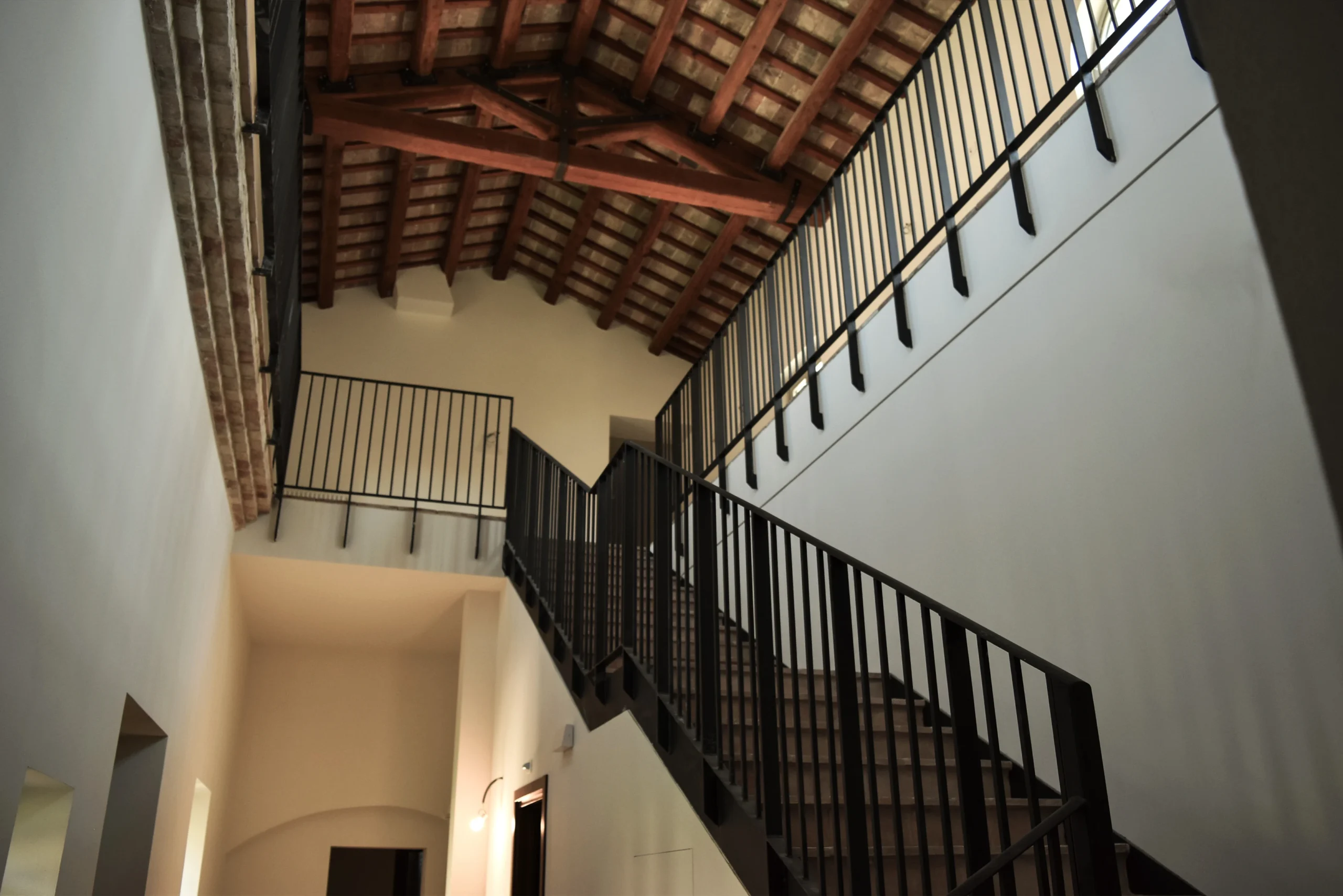
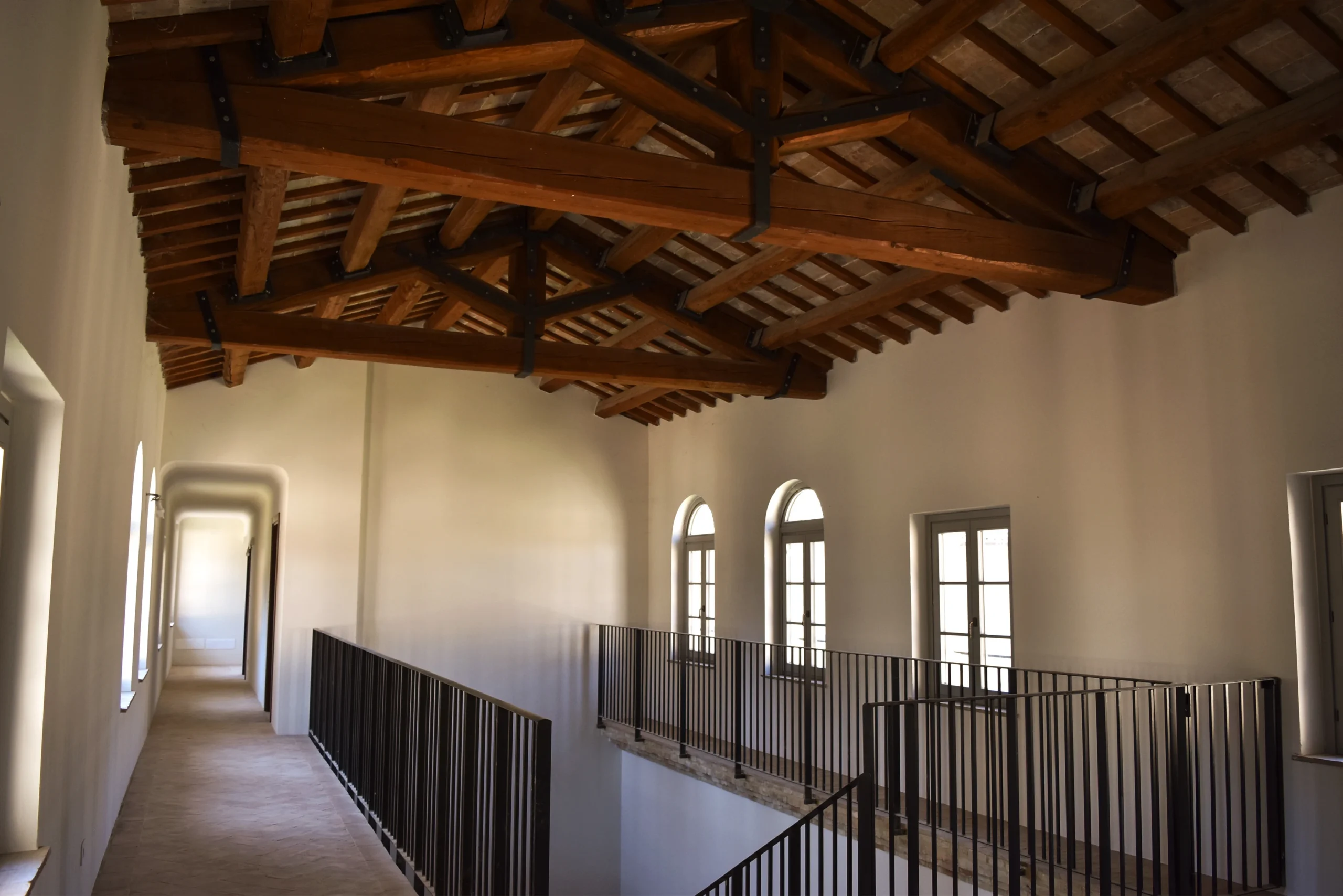
The recovery and strengthening of the timber floors included dismantling, cataloging, and selective replacement of deteriorated beams, together with metal edge reinforcement and bracing plates. The structural masonry vaults were emptied, stiffened with galvanized steel-fiber strips, and connected to the masonry walls through steel angles. Roof restoration involved dismantling the entire clay tile covering, applying anti-woodworm treatment to the existing timber trusses, replacing unrecoverable elements with new chestnut timber, and installing a metal truss ring beam to connect the roof structure to the load-bearing masonry. Steel tie rods, inserted in both directions with visible anchor plates, complete the anti-overturning system for the perimeter walls.

The objective was to restore structural safety without altering the architectural identity of the palace, working on the existing fabric through a strategy of active conservation.

The Decorative Features: The Building’s Fragile Memory

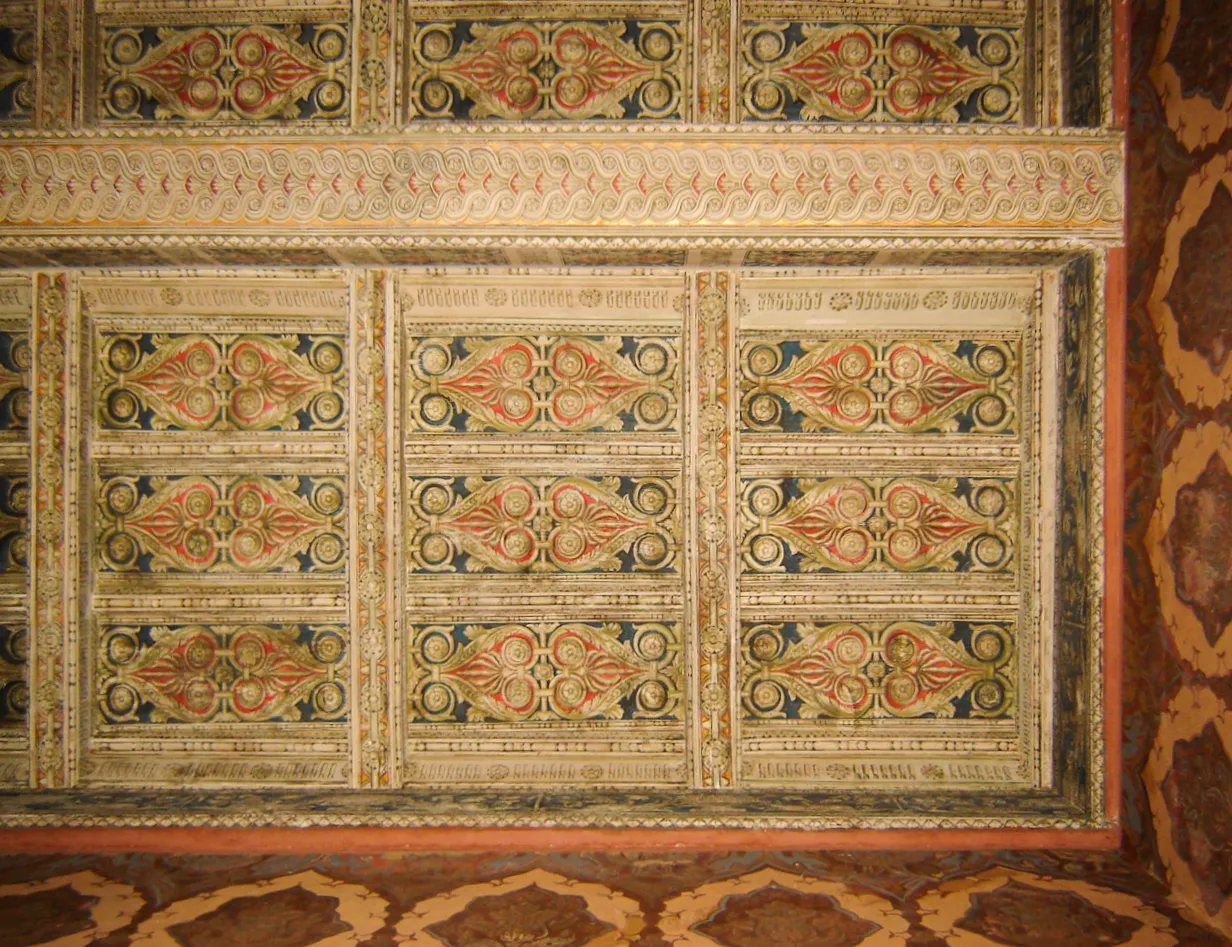
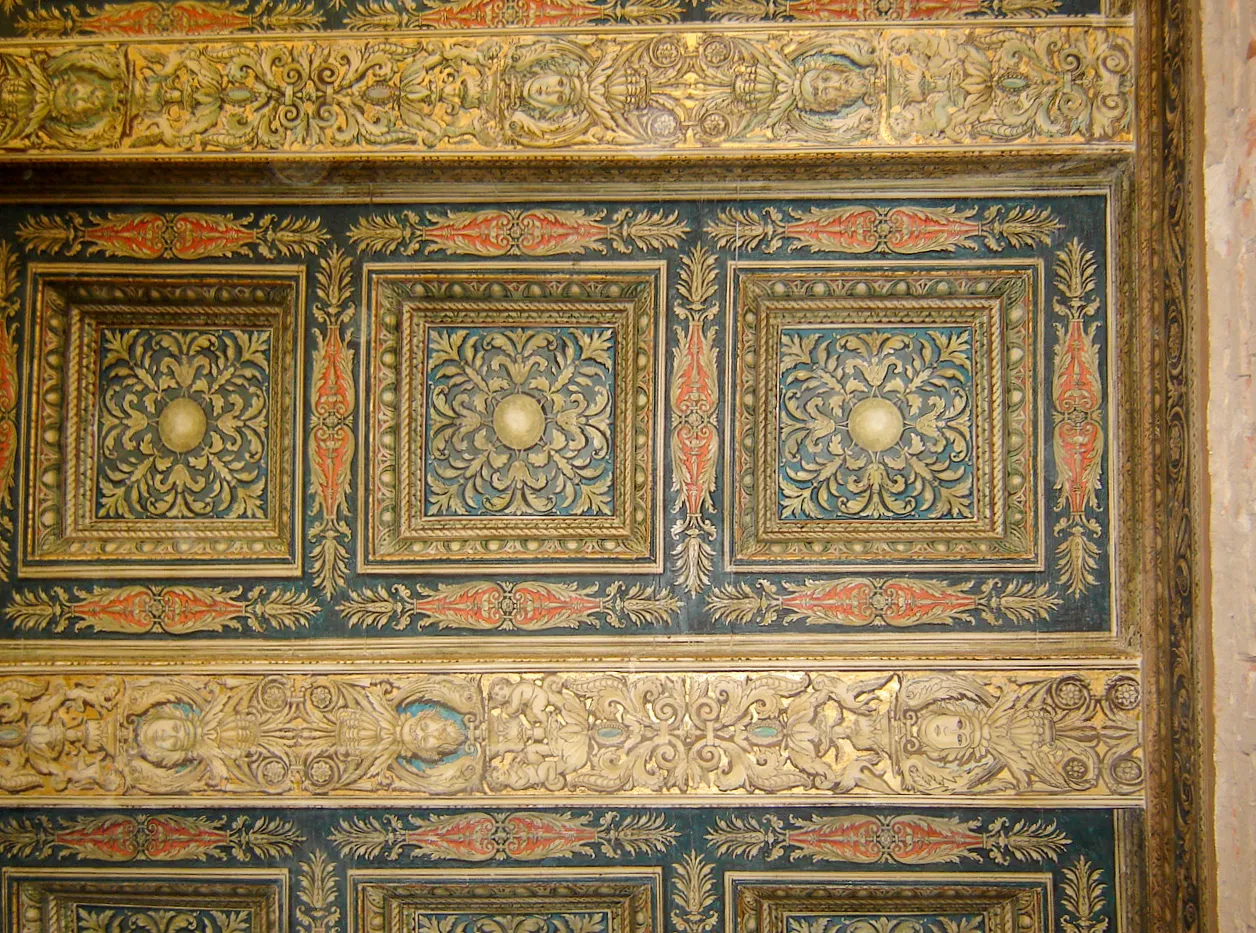
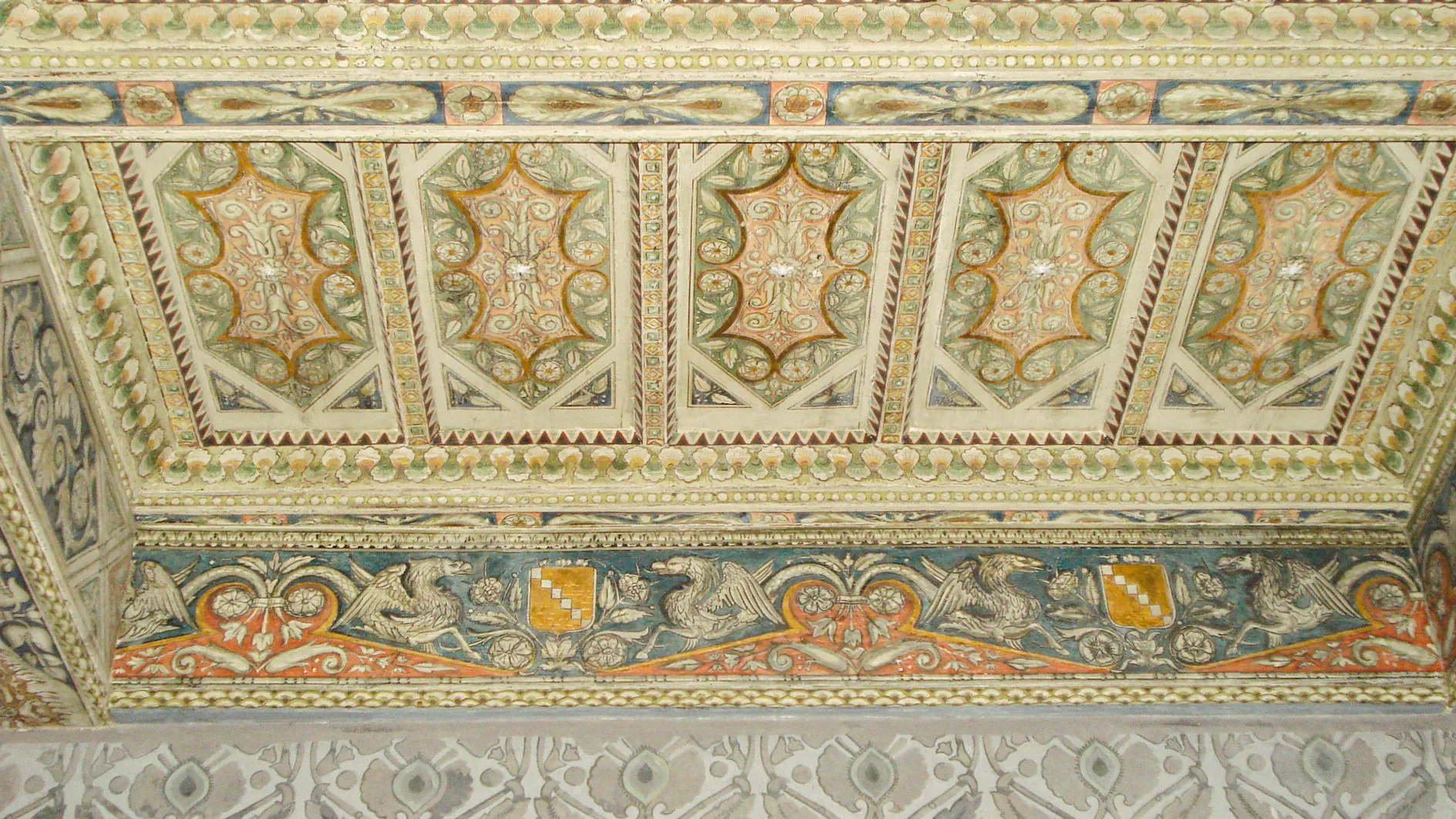
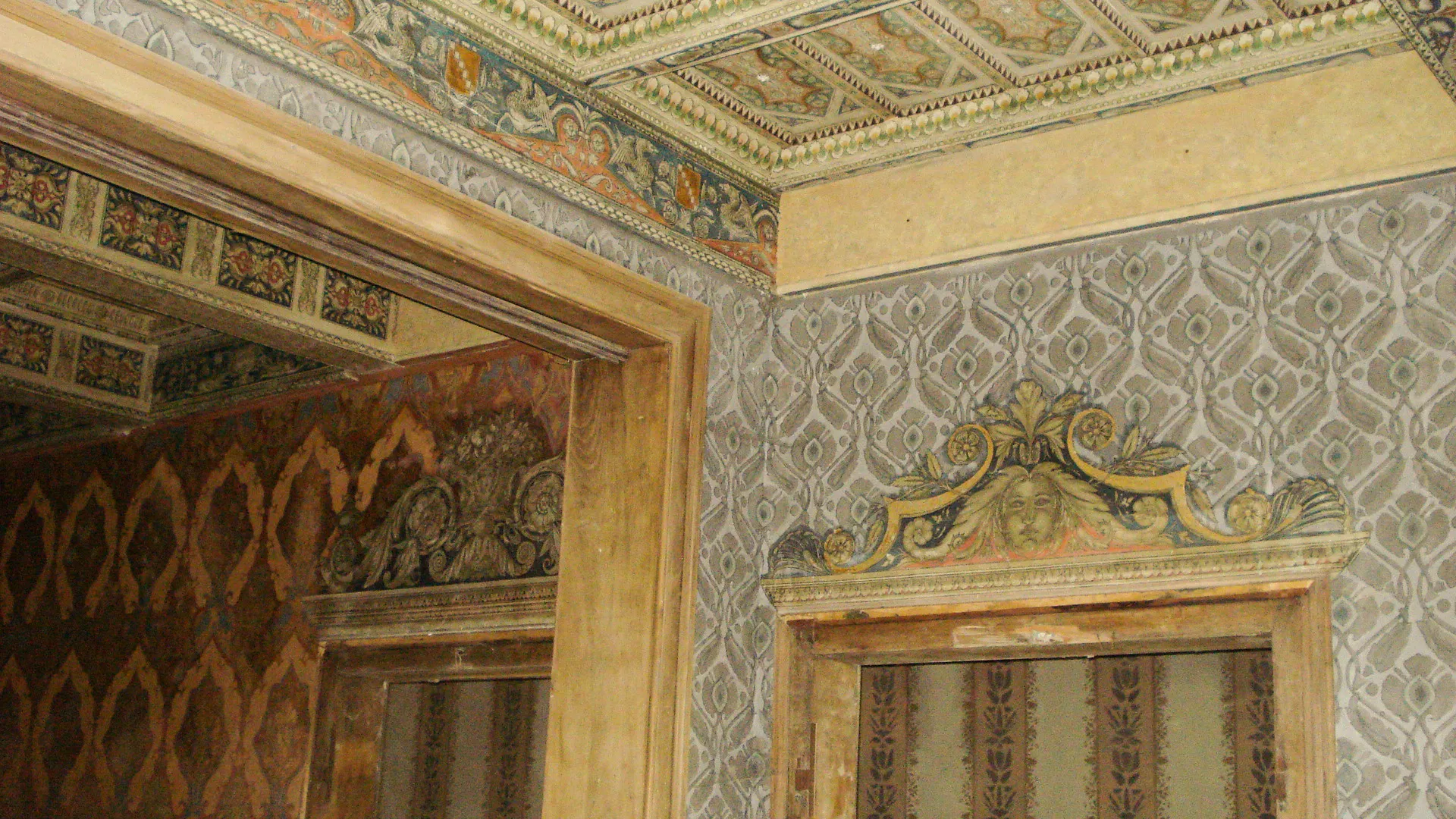
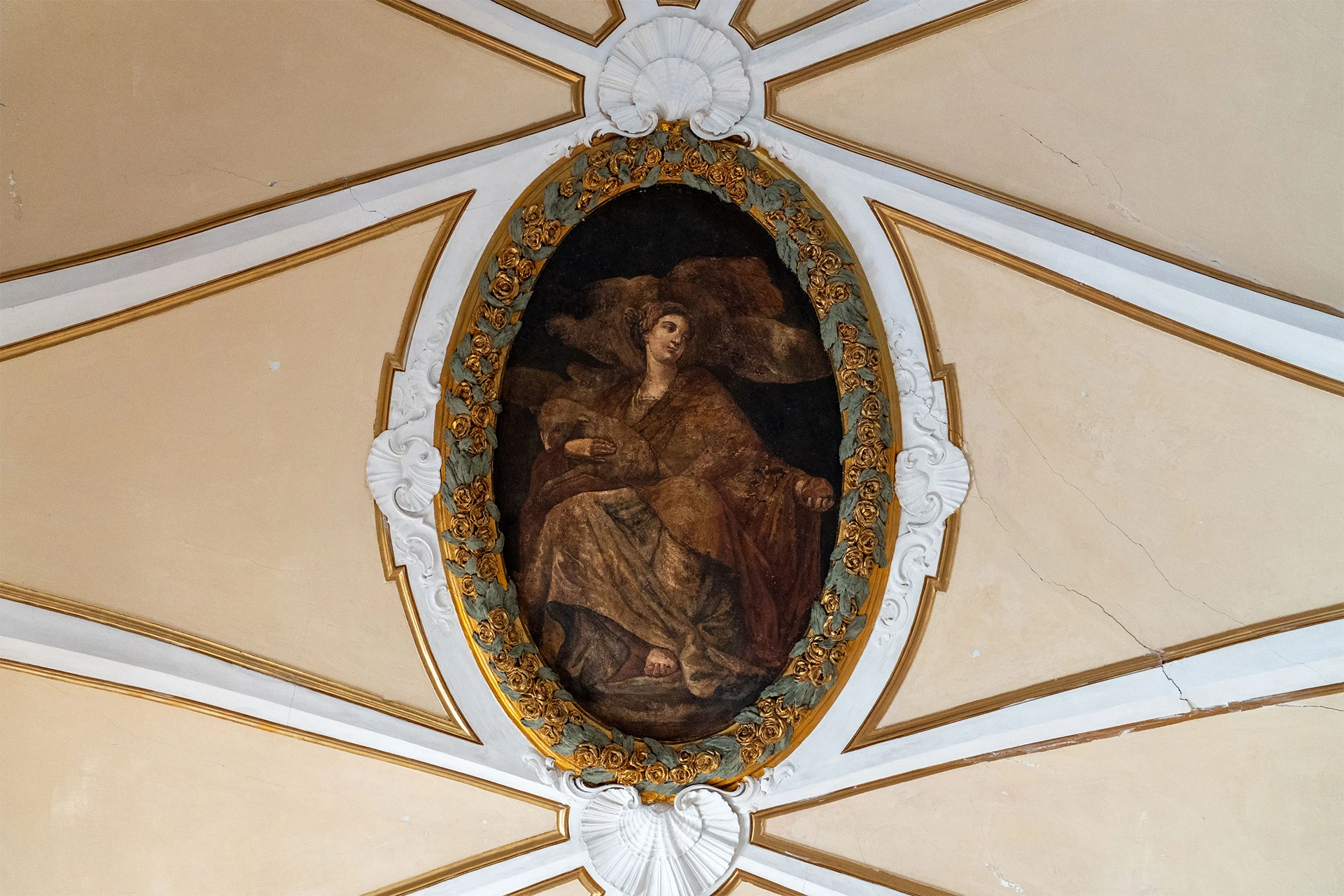
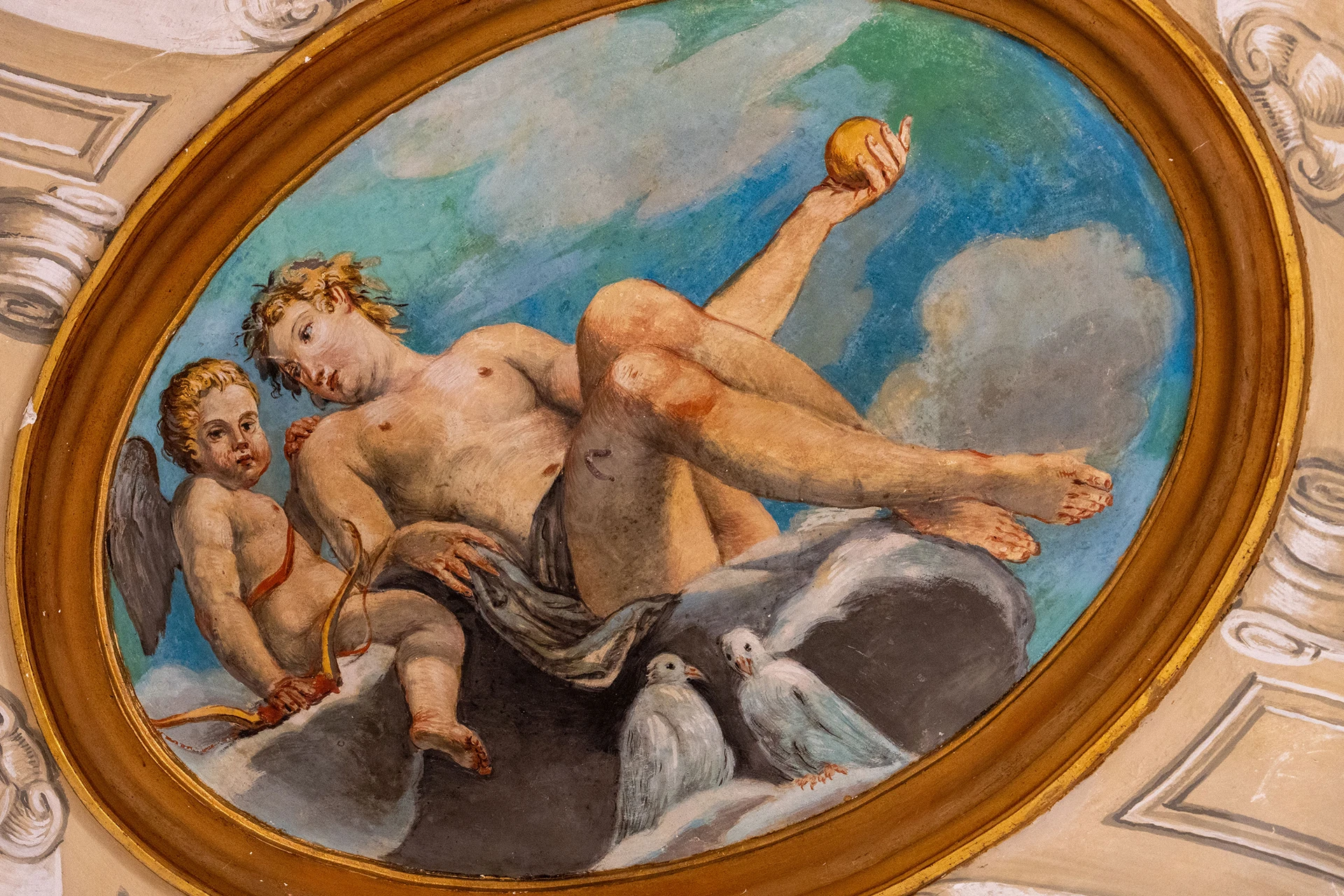
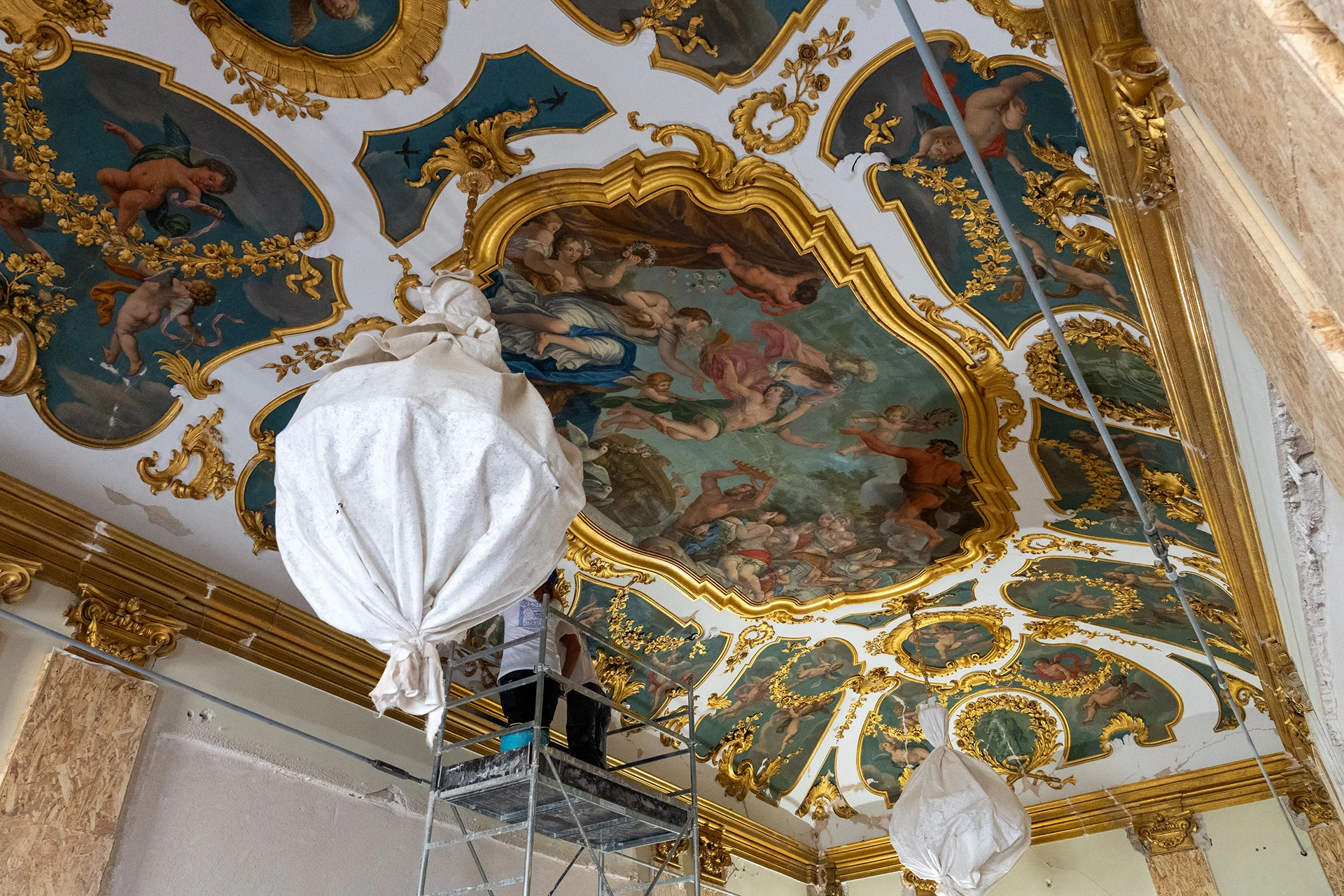
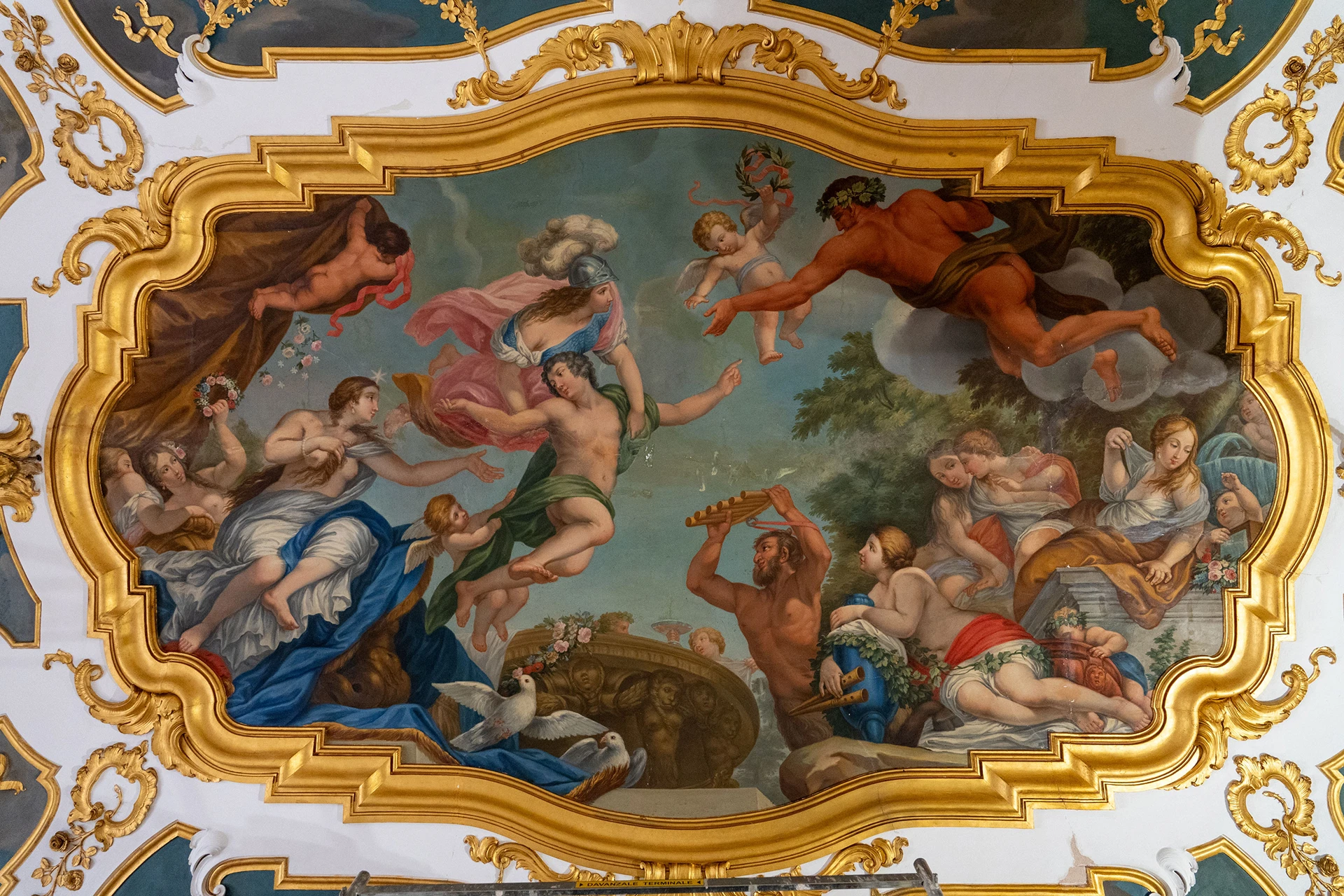
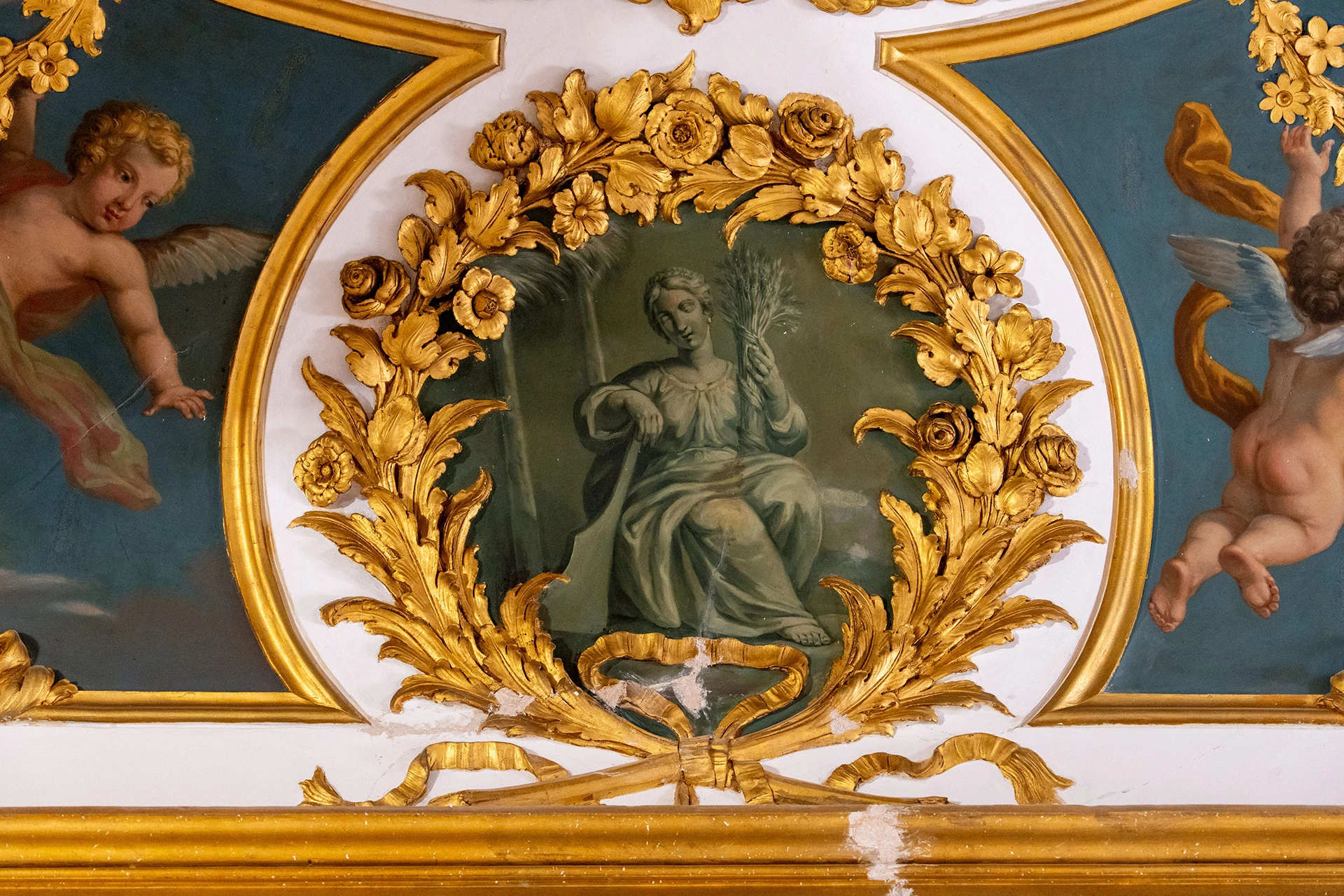
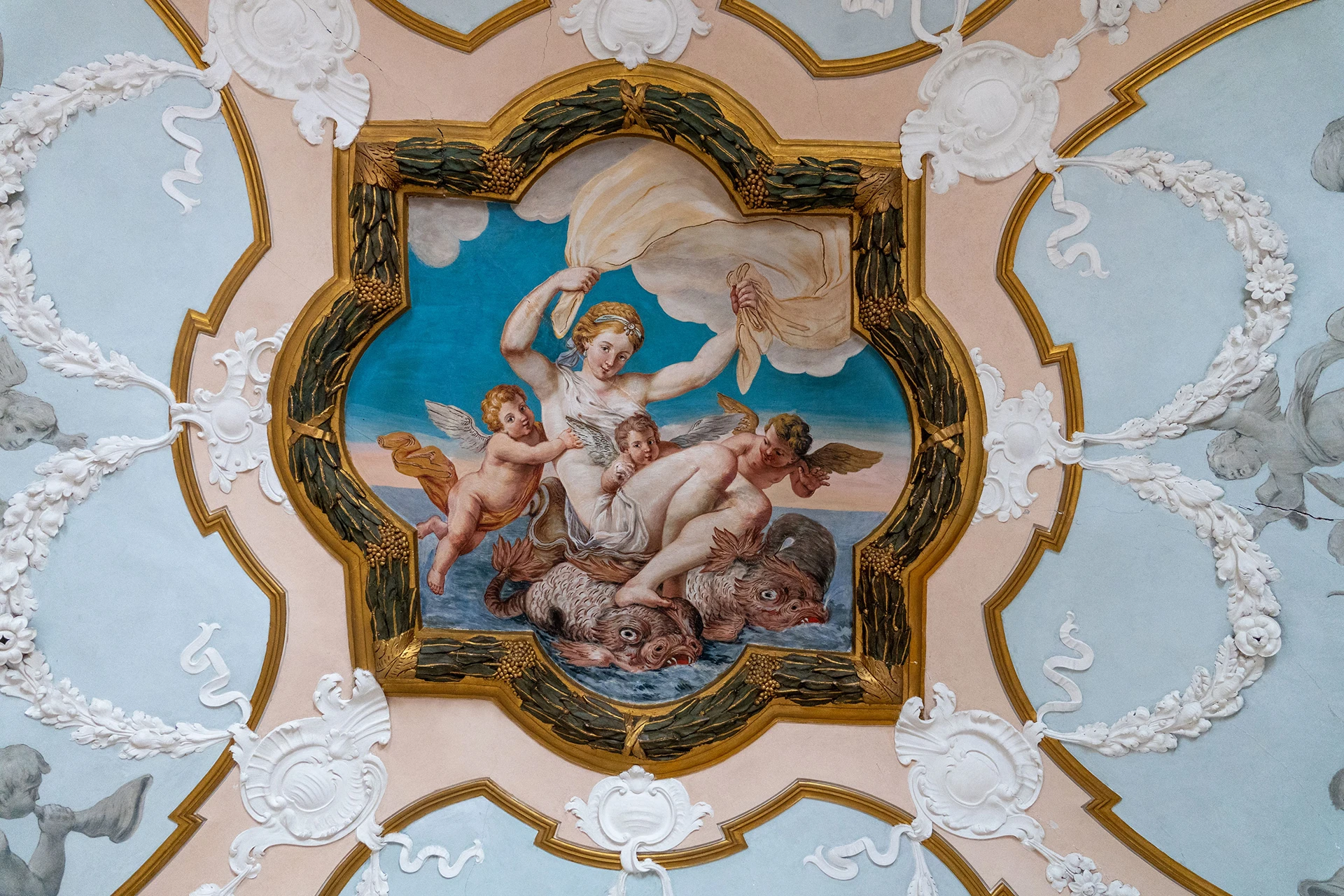
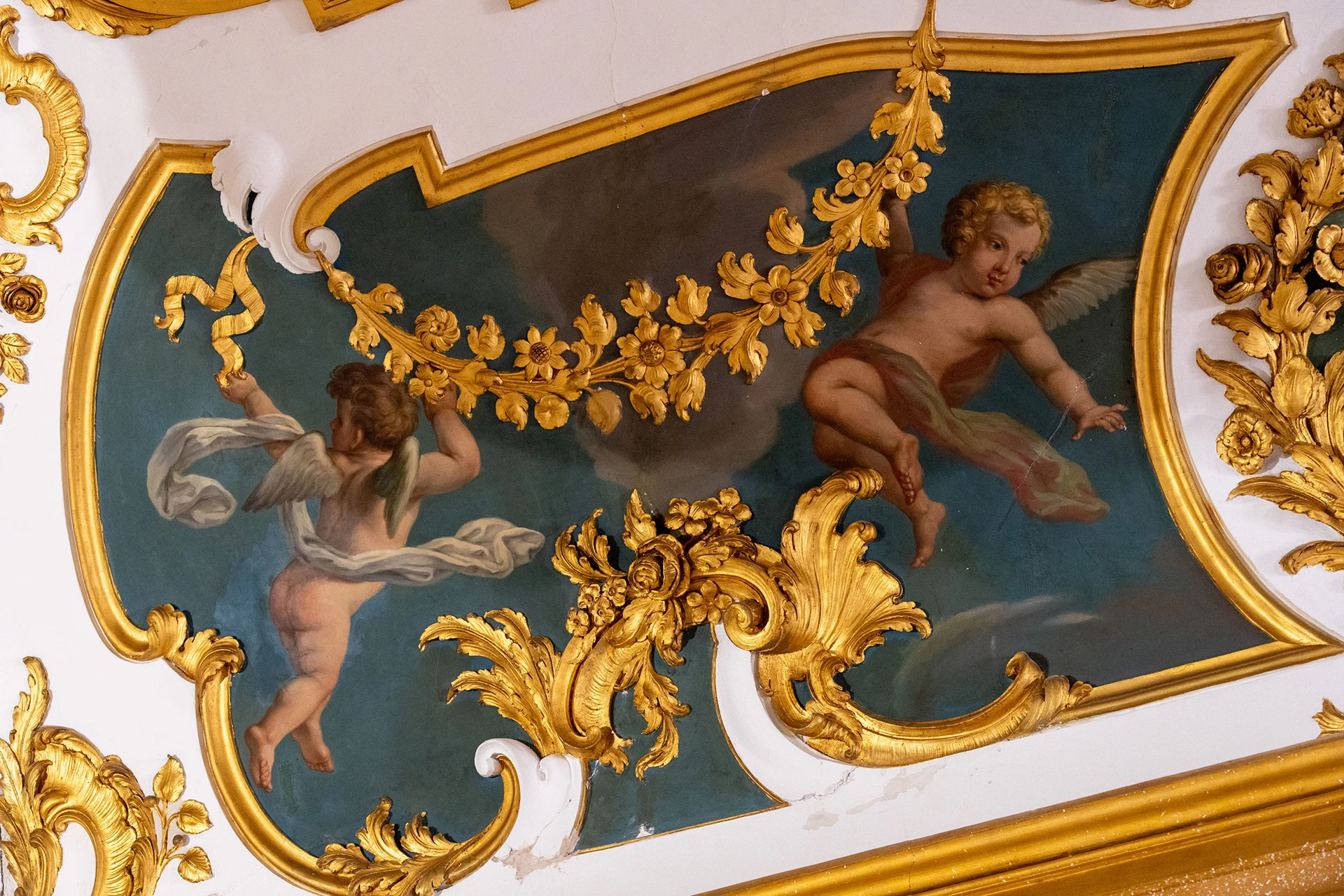
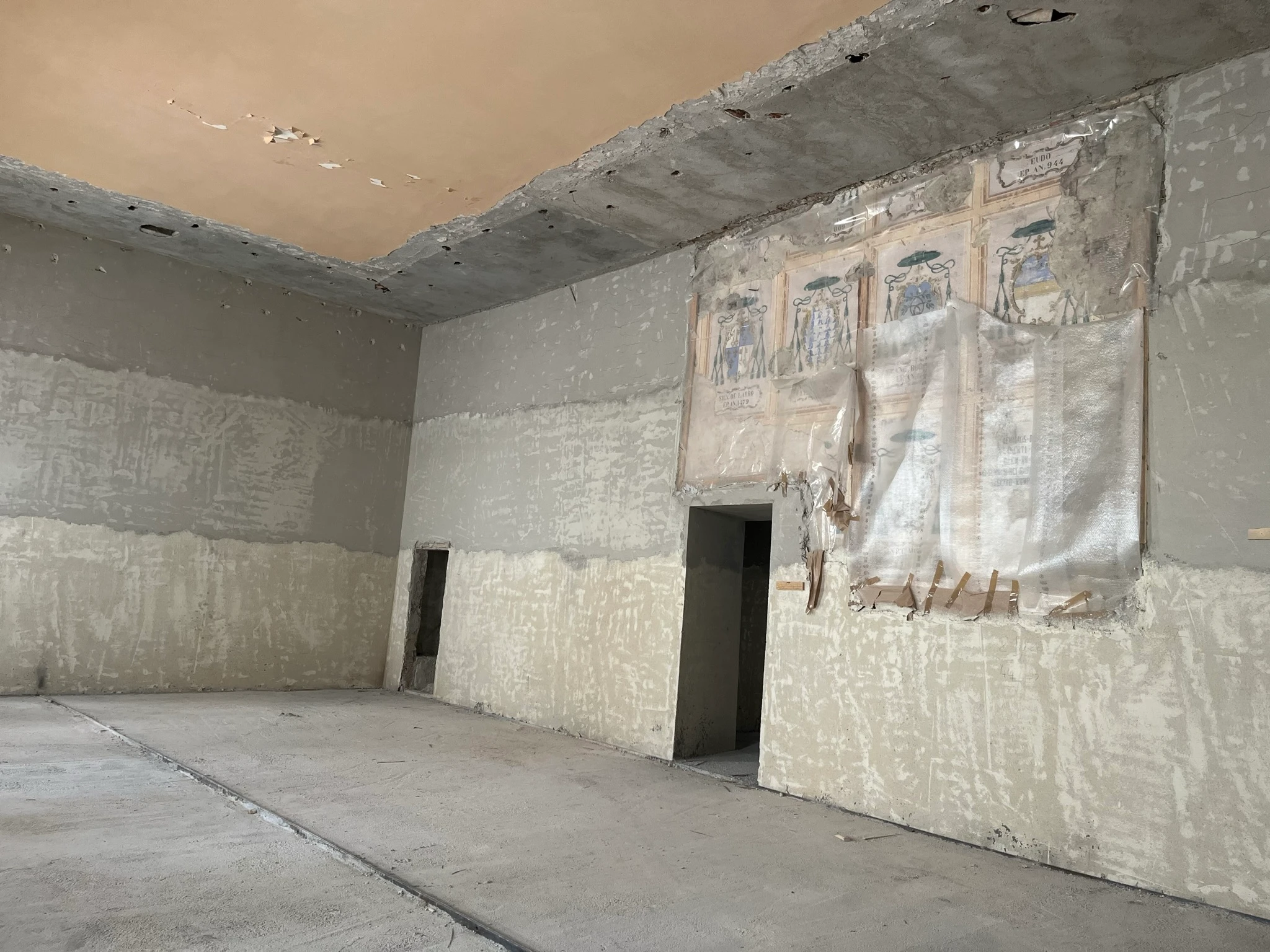
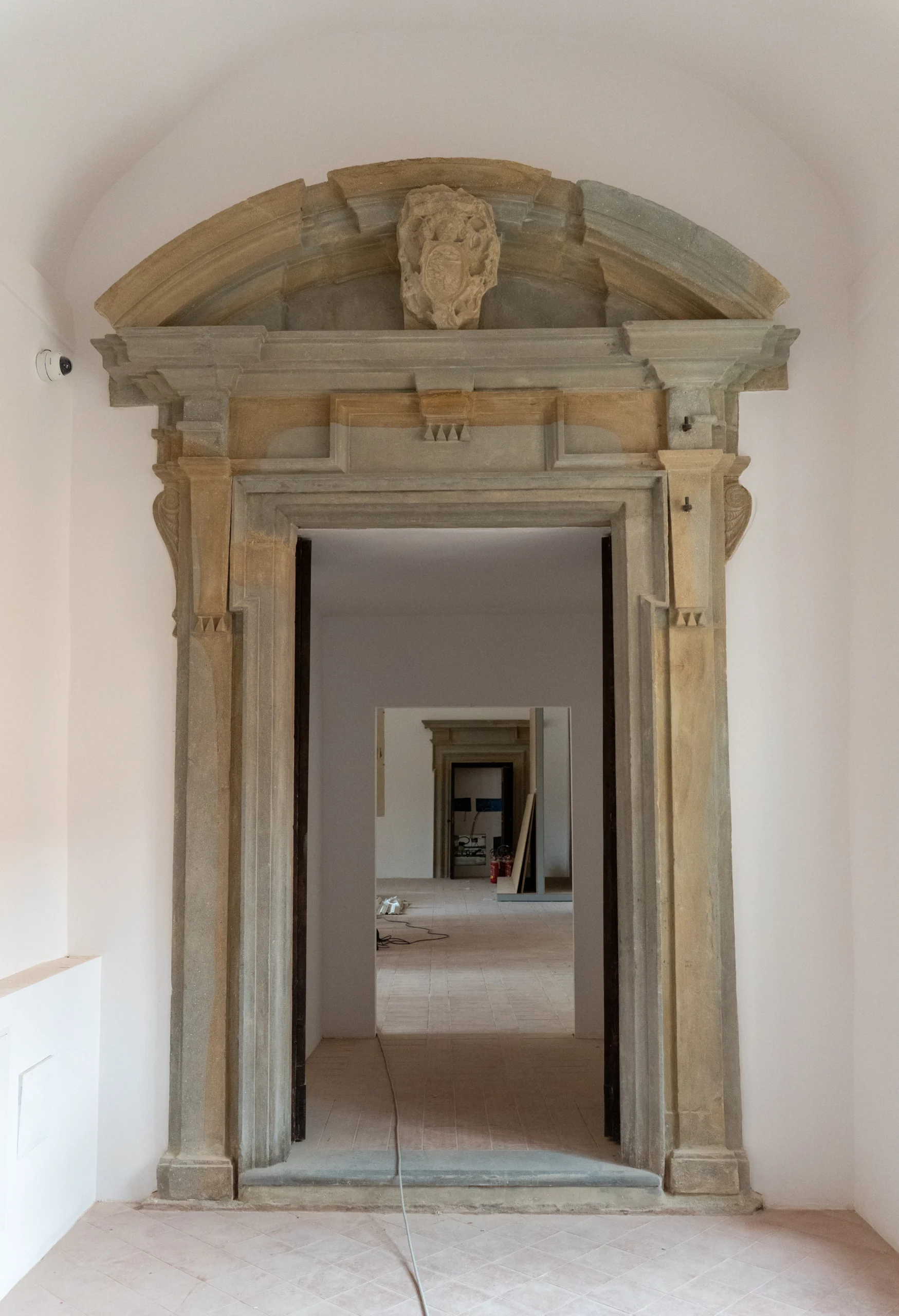
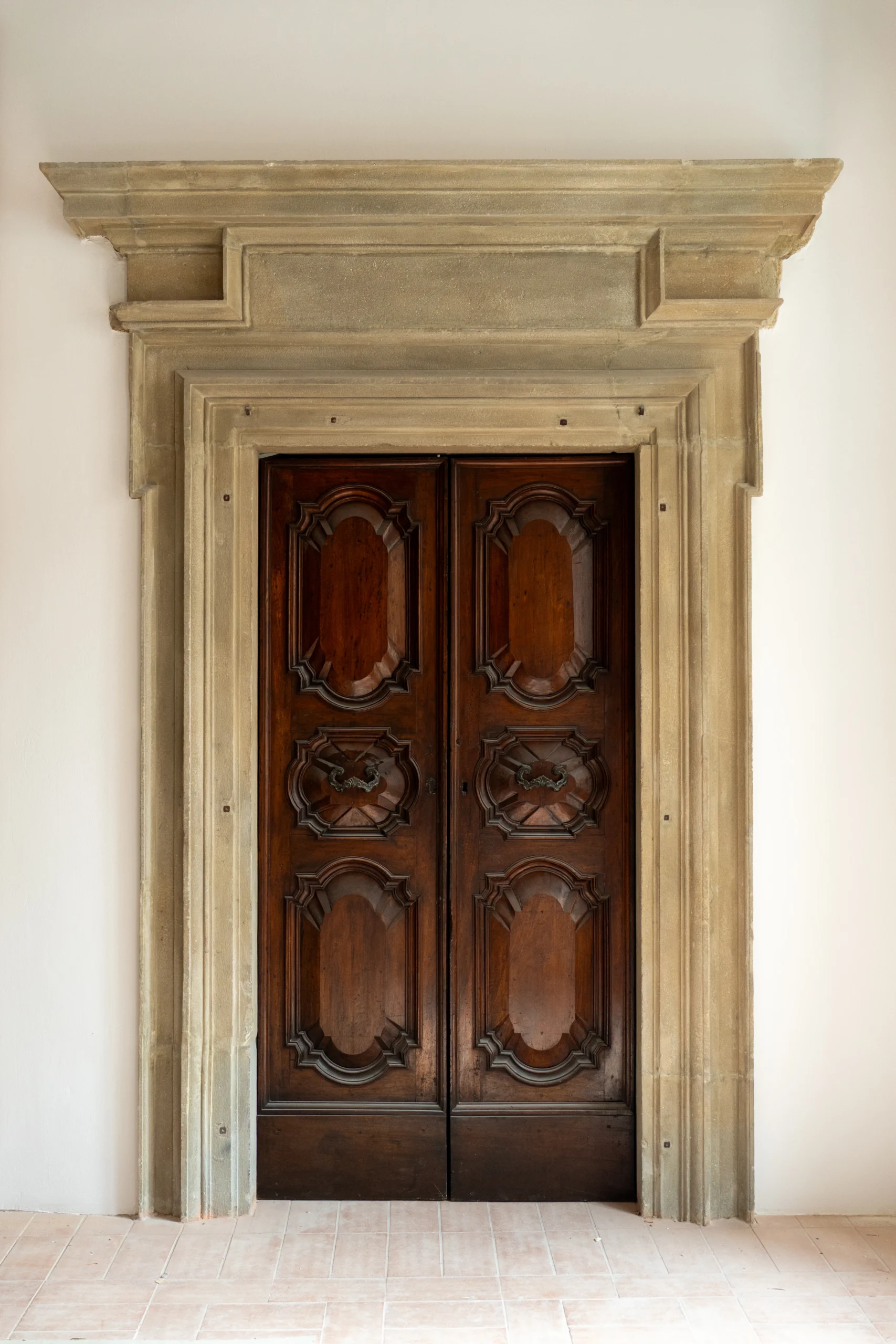
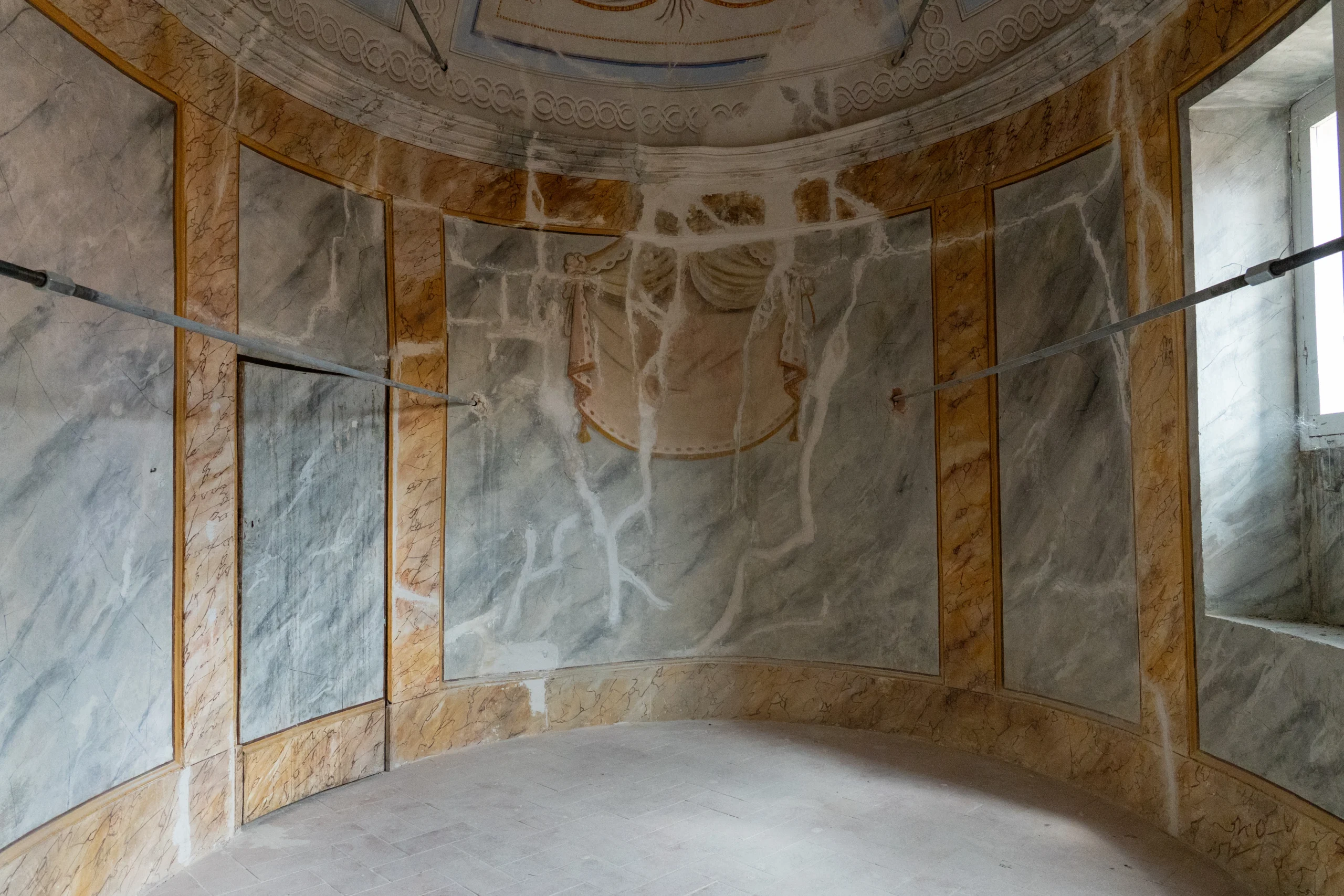
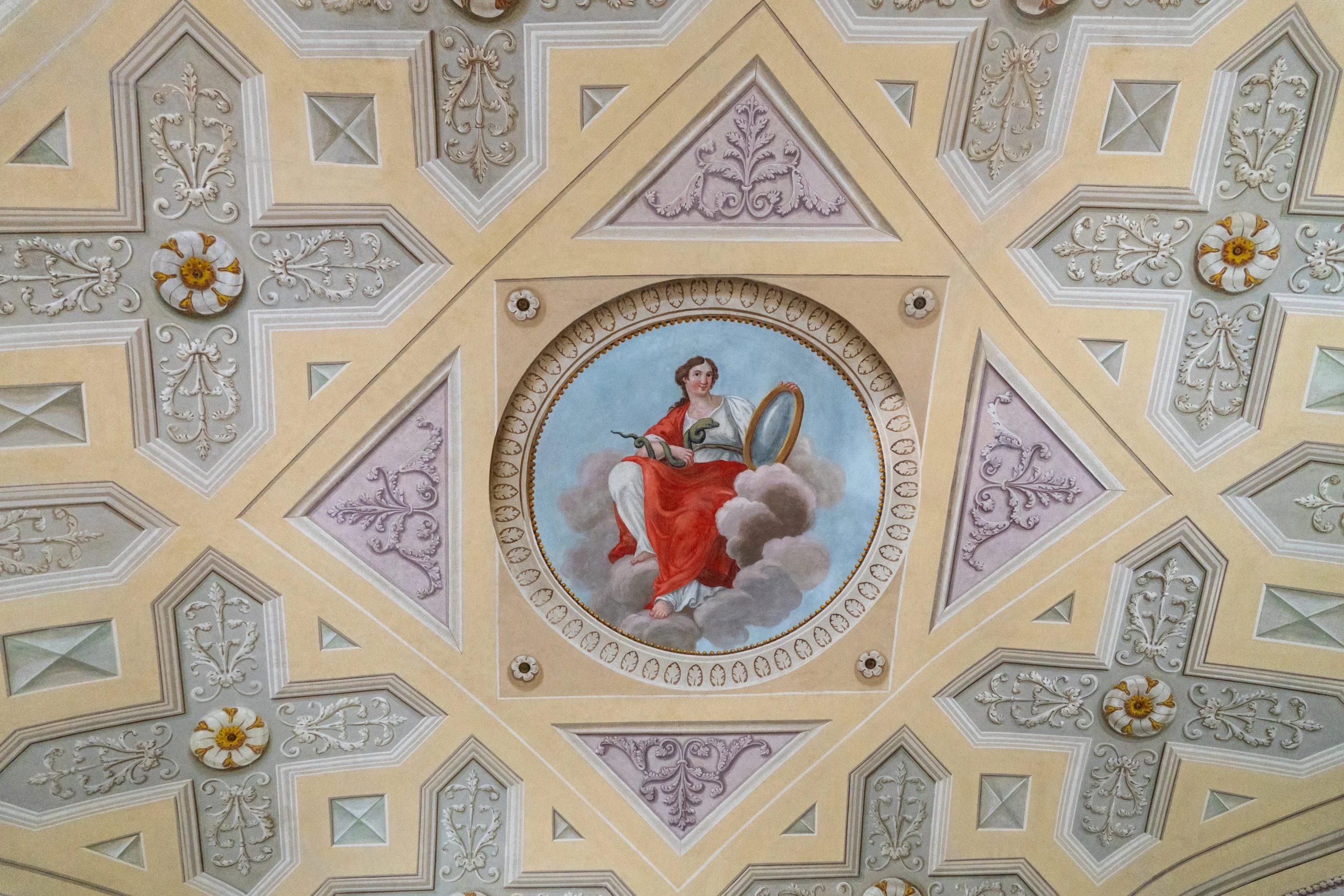
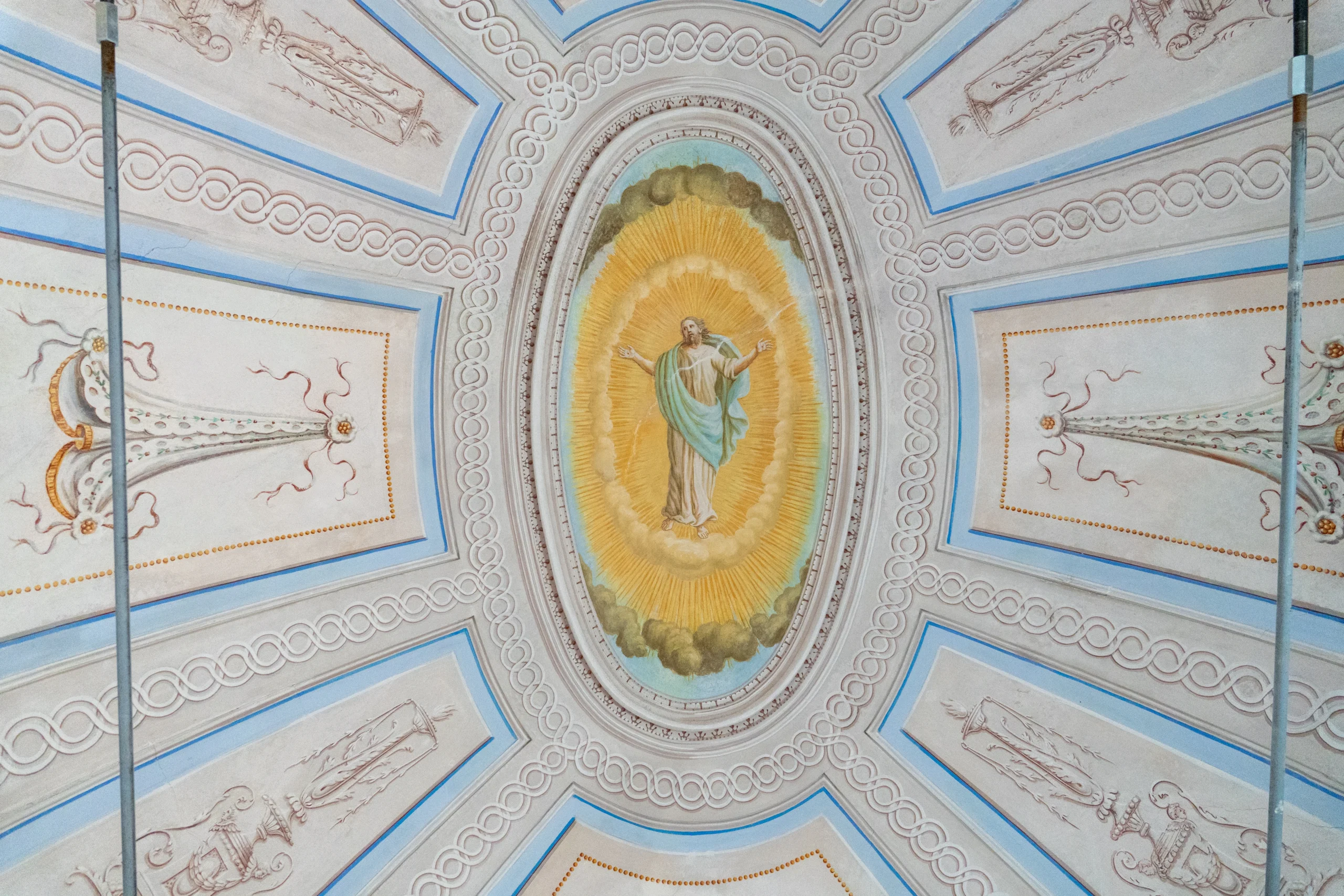
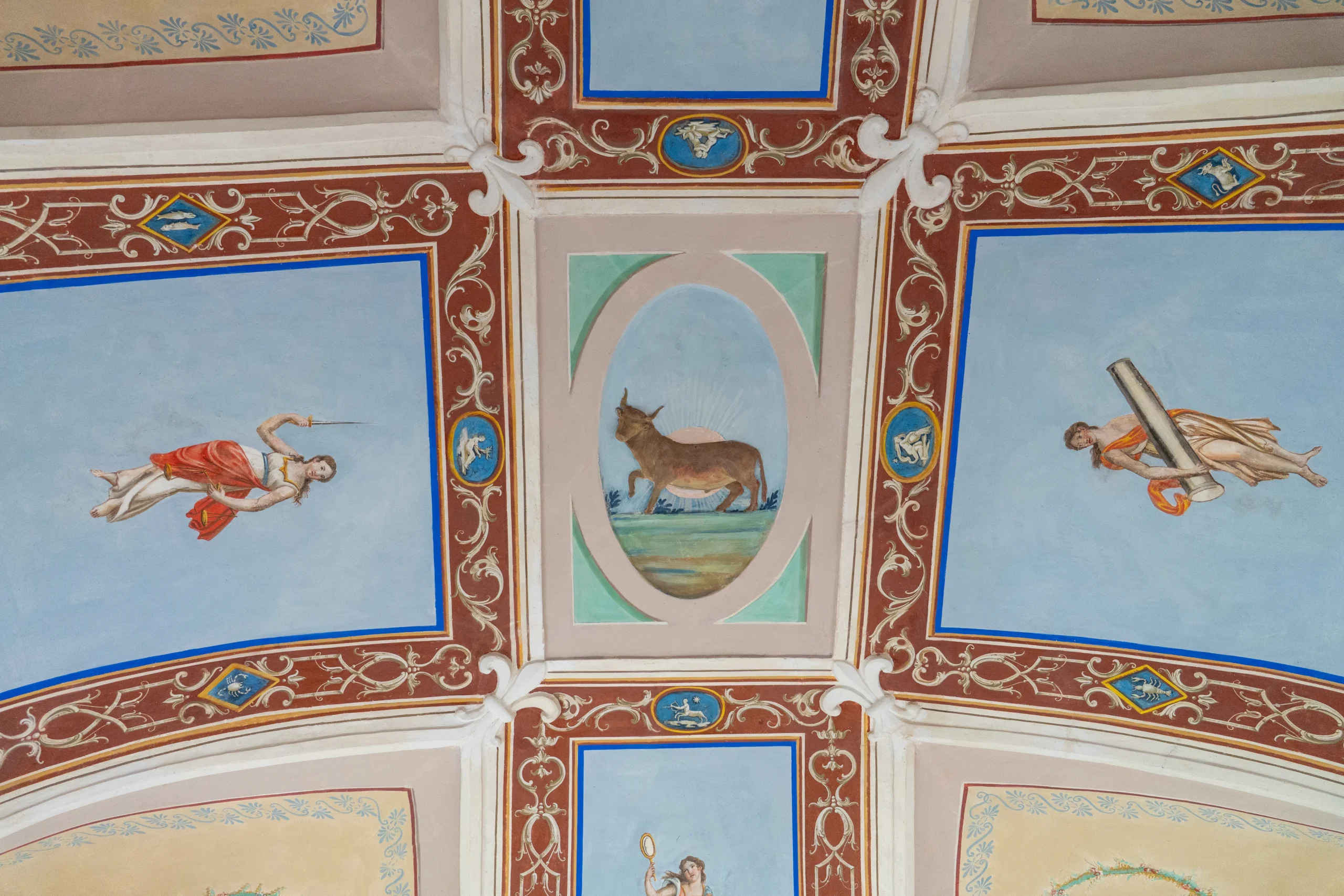
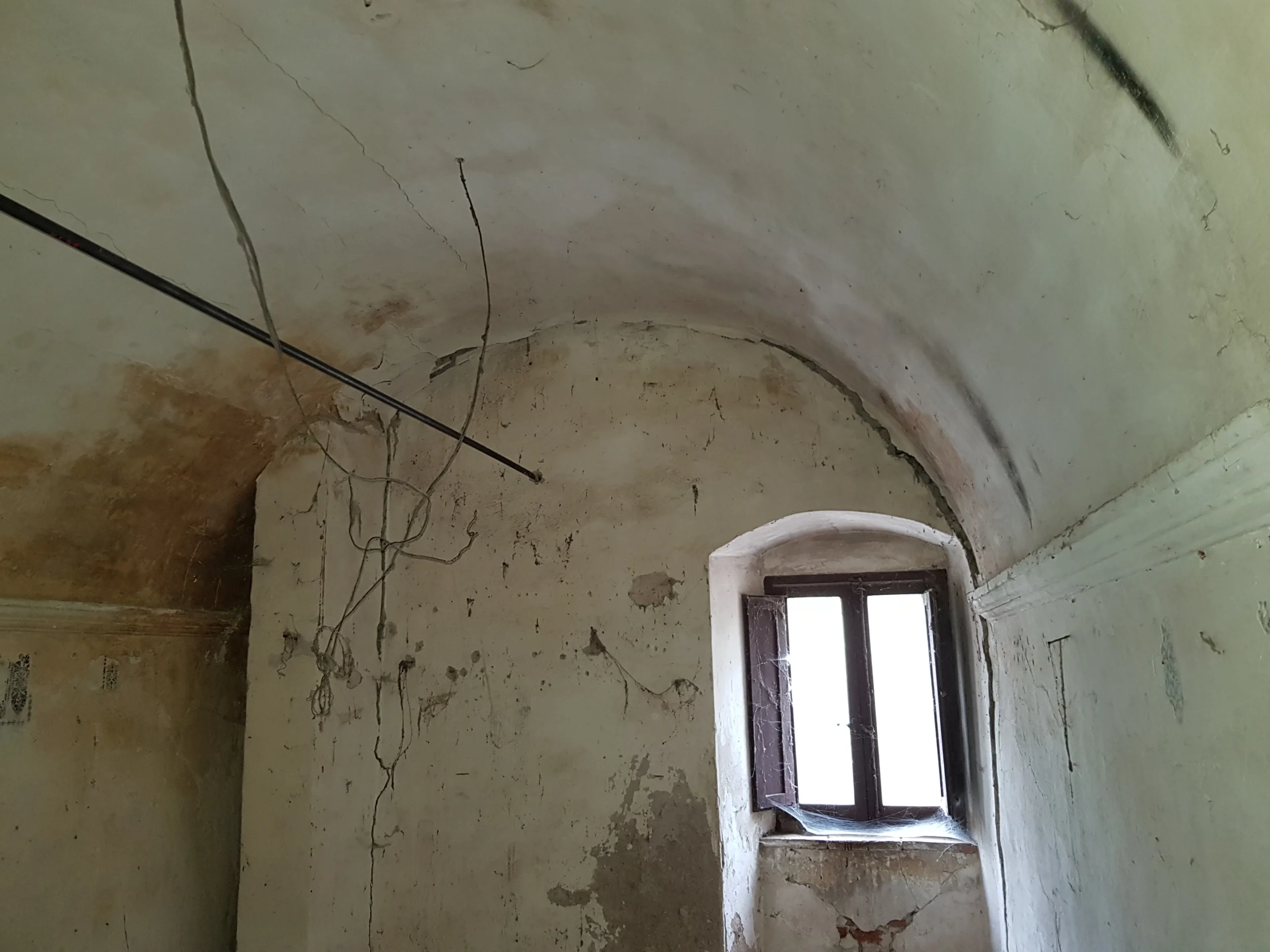
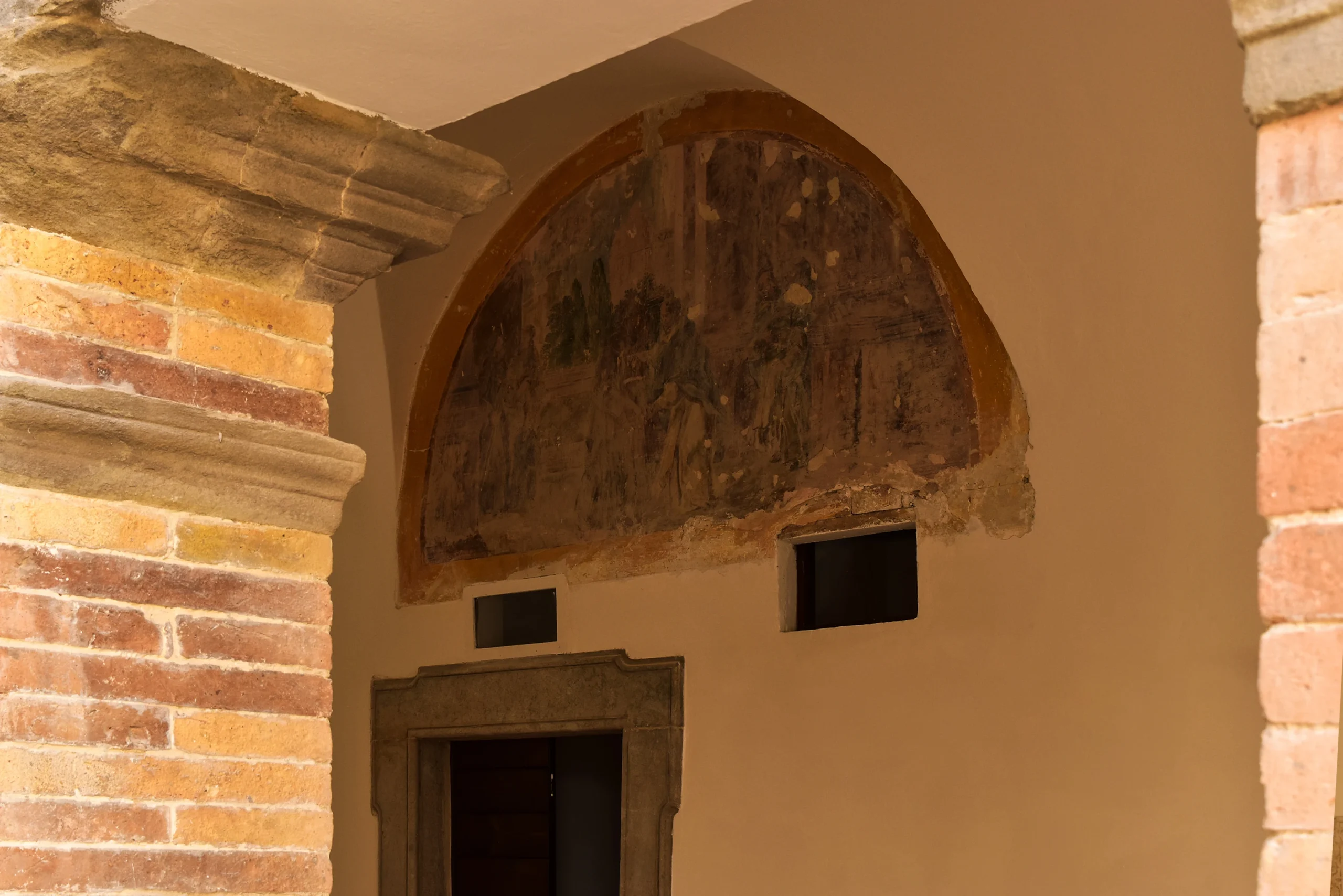
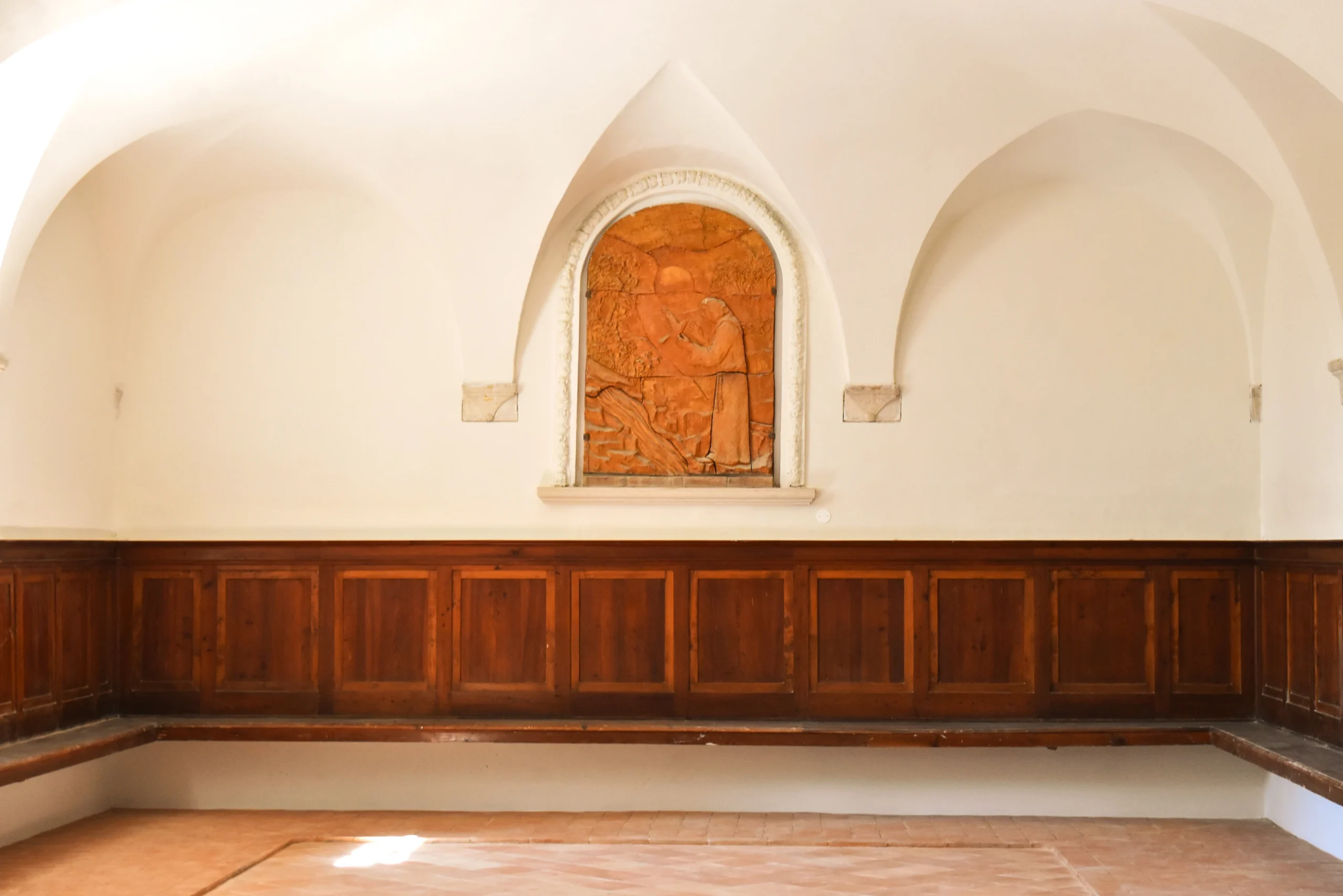
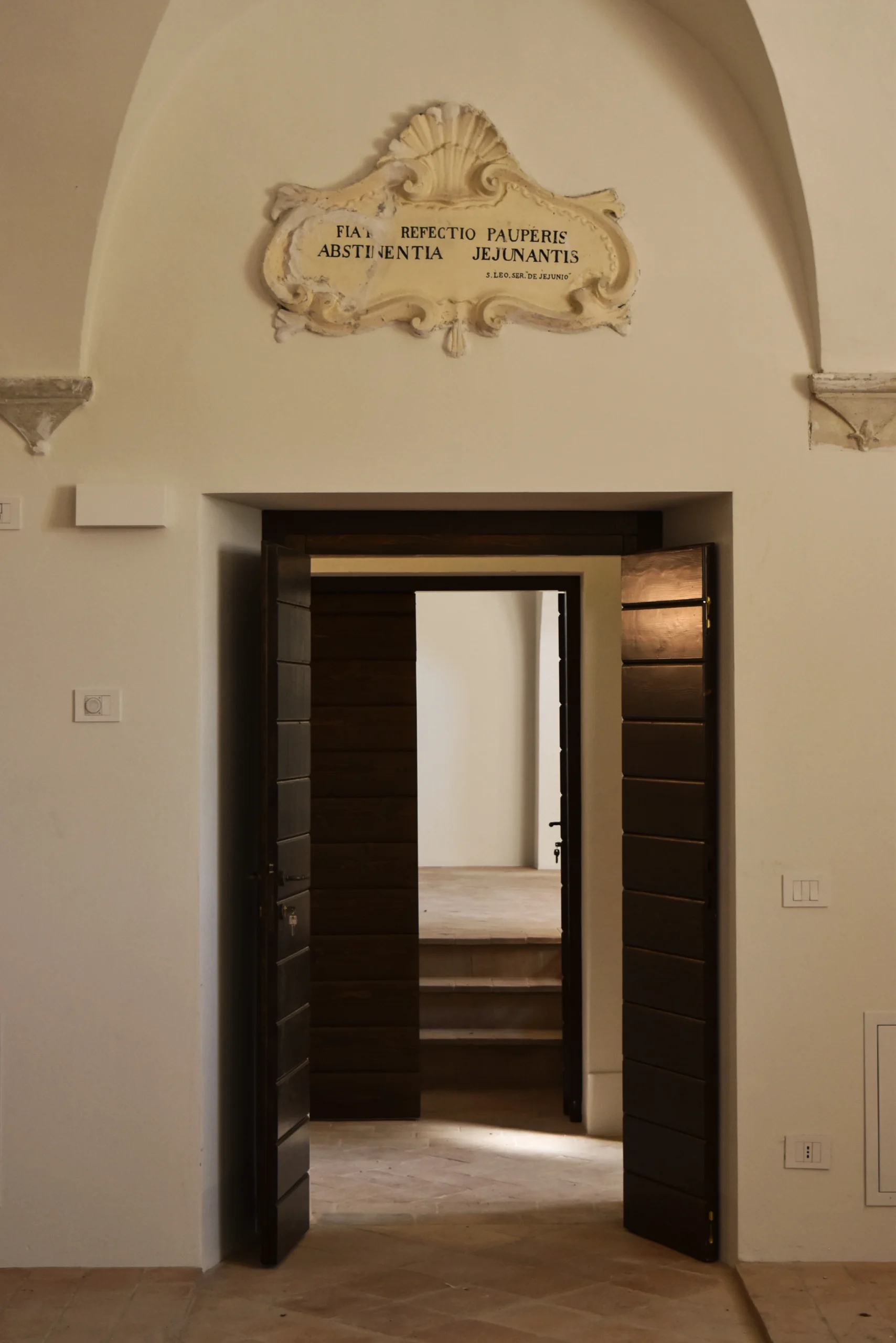
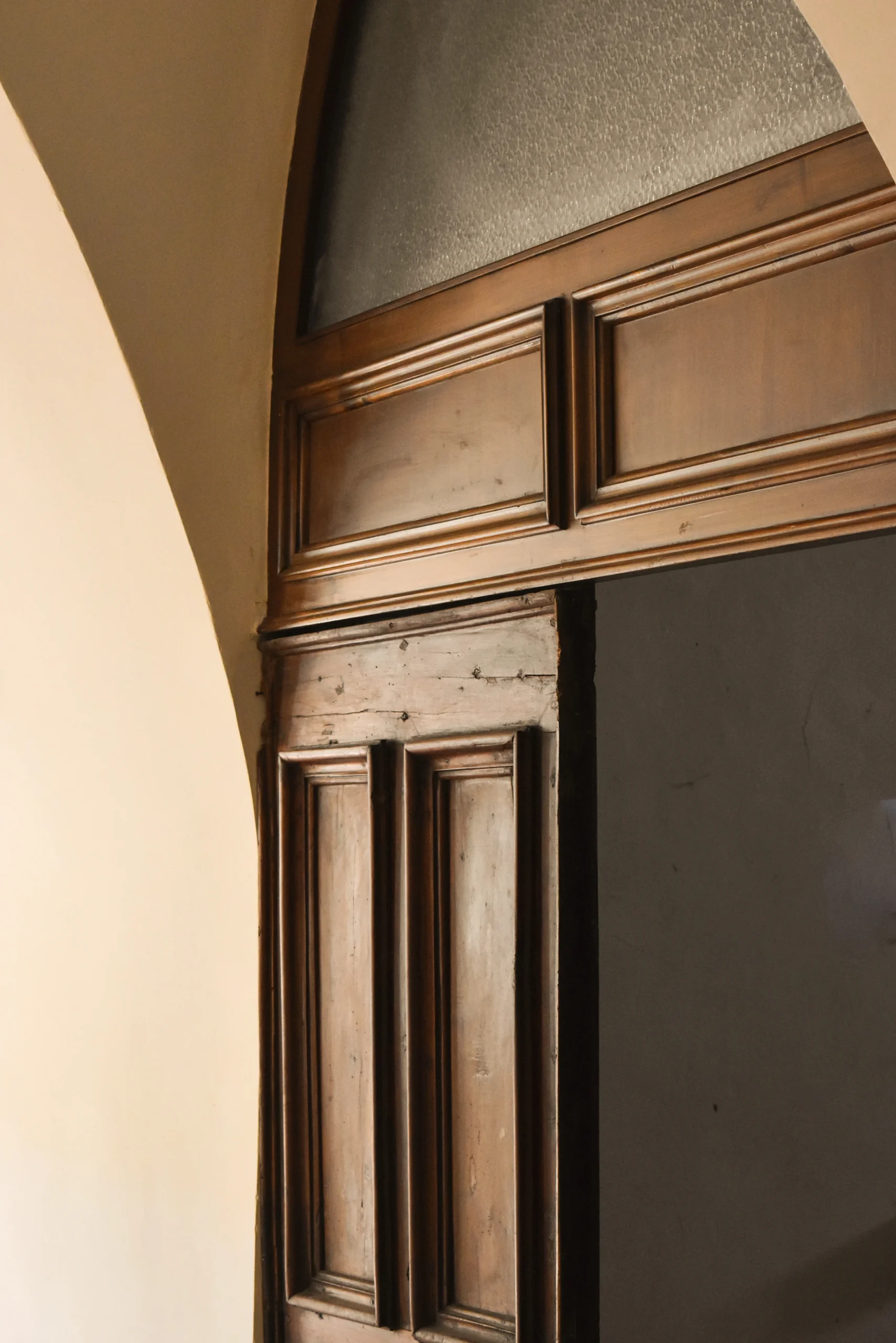
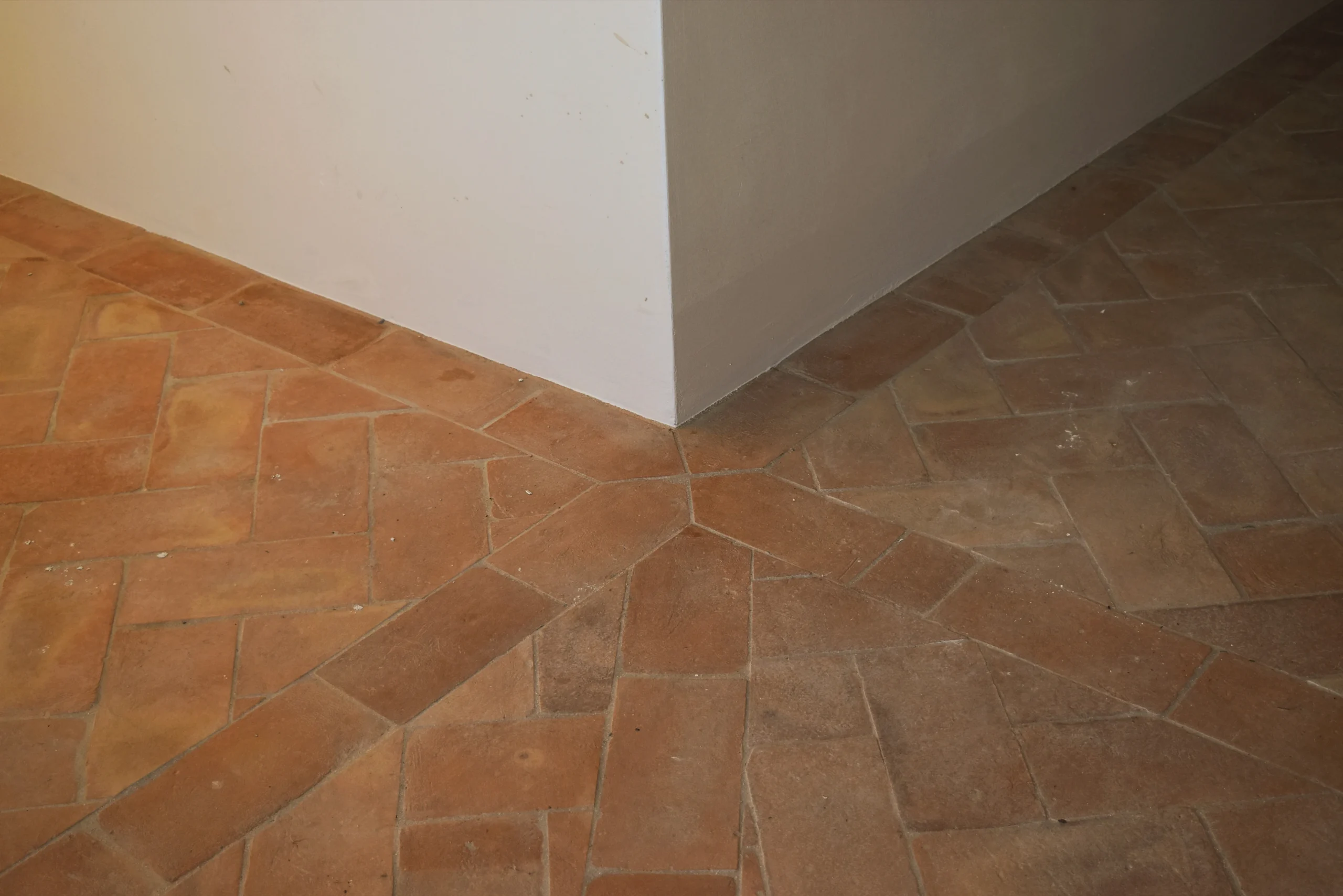
One of the most delicate aspects of the intervention concerns the interior decorative features. Vaults decorated with tempera paintings on plaster depicting mythological subjects, stuccoes with molded floral and geometric elements, sandstone portals with rustication and mascarons, solid wood doors of notable Baroque value, gilded cornices, and terracotta flooring: after the earthquake, each of these surfaces represented an active front of deterioration.

The earthquake caused cracks, detachments, losses, and localized failures, especially around the corner supports of the camorcanna vaults, a construction system made of interwoven reed mats, typical of noble interiors in Central Italy. The project required continuous coordination between qualified restorers and structural designers, beginning with a first stabilization phase before any construction work could take place: protective bandaging, localized micro-injections of natural hydraulic lime, and stratigraphic tests to identify valuable surfaces concealed beneath more recent layers. Only in a second phase, after structural consolidation had been completed, was it possible to proceed with the final restoration, including pictorial reintegration, filling of losses, and surface protection with low-concentration acrylic resins.

This step expresses one of the fundamental principles of the ENGLOBE method: the safety of the building and the conservation of its beauty are not separate objectives, but parts of the same project.

Palazzo Parisani within the Post-Earthquake Reconstruction of Camerino

The restoration is part of the broader post-earthquake reconstruction process affecting the historic center of Camerino. Each recovered building does not simply restore usable spaces: it reactivates a piece of the city, a sequence of façades, and a collective memory.

In the case of Palazzo Parisani, the value of the intervention lies in its ability to combine technical precision with architectural storytelling. Masonry consolidation, roof recovery, protection of decorative features, and historical interpretation of the building aggregate become tools for bringing life back to a building made fragile by the earthquake. Palazzo Parisani returns not only as a restored heritage asset, but as a concrete example of how reconstruction can become knowledge, care, and the recovery of architectural identity.

Who was Varino Favorino, and why is his name carved on a window on Via Roma?

Varino Favorino was a humanist from Camerino who trained in Florence under Poliziano and later served as tutor to the sons of Lorenzo de’ Medici, including the future Pope Leo X. In the early sixteenth century, he purchased the house now incorporated into the Palazzo Parisani complex, and the inscription “AVR. PHA. ETTOS. NUCERINO” on the lintel of a first-floor window still bears witness to his presence—an ancient text carved in stone that every restorer had to protect with the same care reserved for the painted vaults.

What connects the Parisani family to Napoleon Bonaparte?

The painter Napoleone Parisani, the last distinguished descendant of the family, was born in Camerino in 1854 to Princess Emilia Gabrielli di Prossedi, whose grandmother was Charlotte Bonaparte Gabrielli, the eldest daughter of Lucien Bonaparte, Napoleon’s brother. Imperial blood ran through the veins of the family that gave the palace its name, and because of his mother’s opposition, the painter himself was never able to bring his lifelong companion, Adelaide Lucaferri, there. It is a palace with Bonapartist roots that today, thanks to post-earthquake restoration, can once again tell this story.

PLACE

Camerino (MC)

CLIENT

Private

WORK PERIOD
ACTIVITY

Construction Design
CSP
Detailed Design

PROJECT TYPE

Conservative Rehabilitation
Restoration of Listed Cultural Heritage

INTENDED USE

Residential

WORK AMOUNT
WORKING GROUP

Englobe
Geol. Marco Caporaletti
Ing. Carlo Morosi

Lavoro di restauro con miglioramento sismico del palazzo Arcivescovile di Camerino

Archbishop Palace

Archbishop Palace

Restoration and seismic retrofit of Camerino’s Archbishop Palace: heritage preservation, structural upgrading, and energy efficiency.

The Archbishop’s Palace in Camerino as a Stratified Historic Building

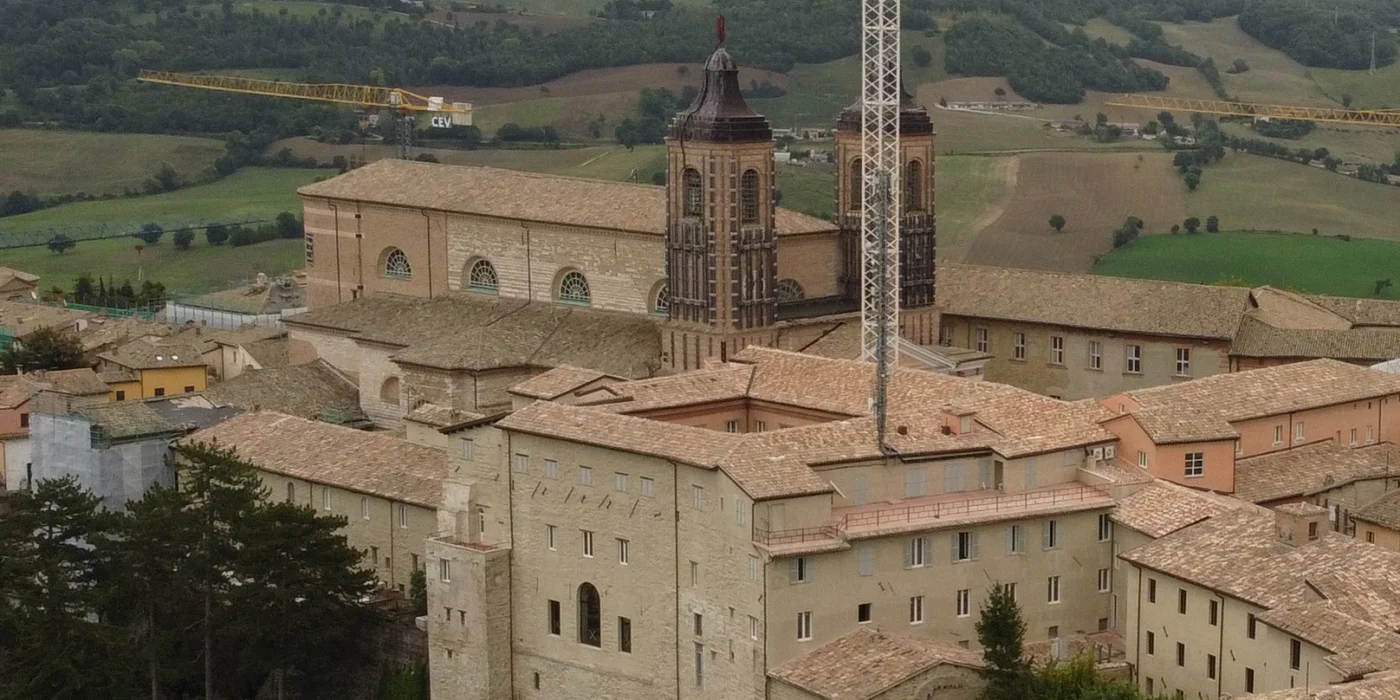
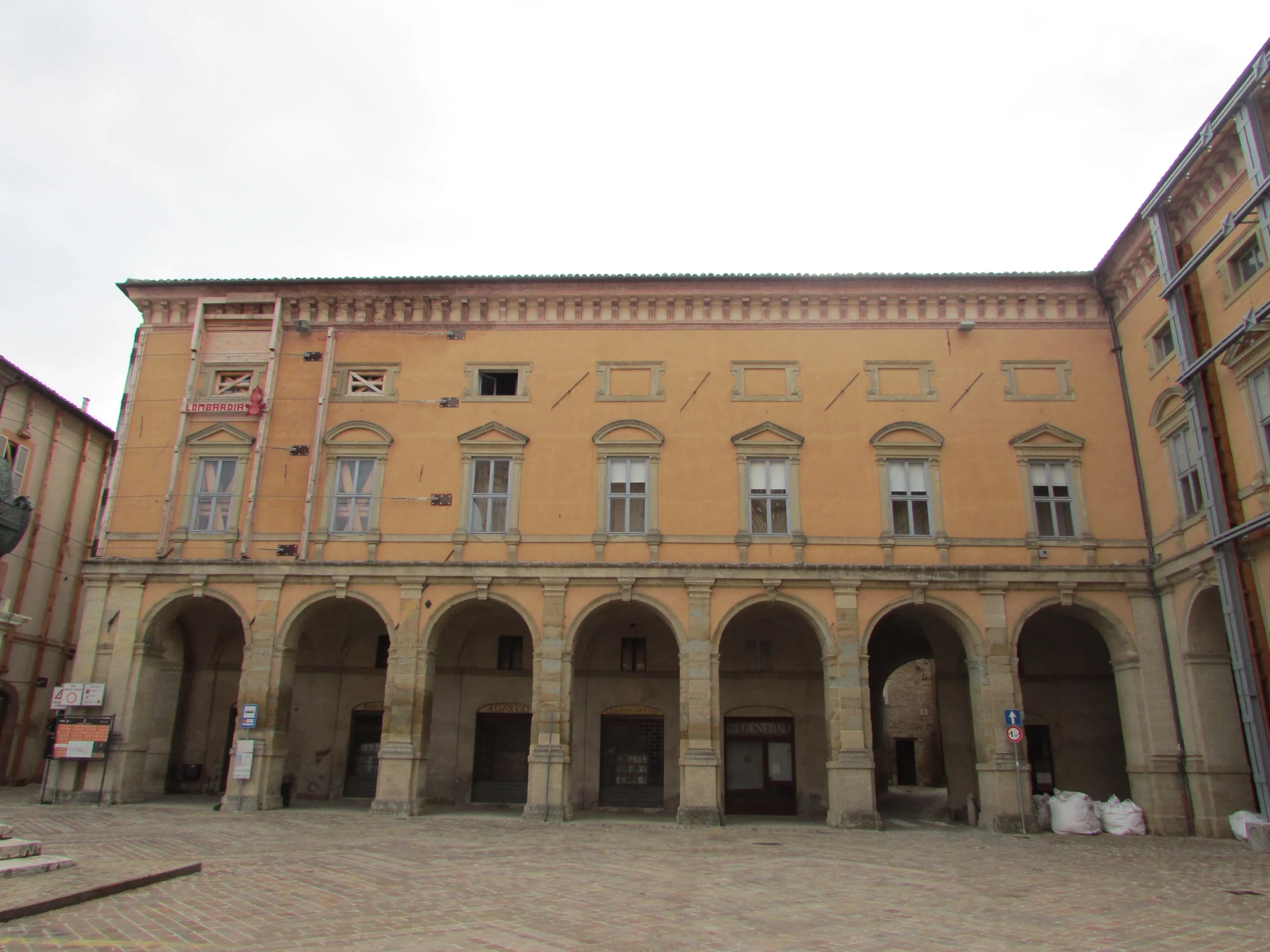
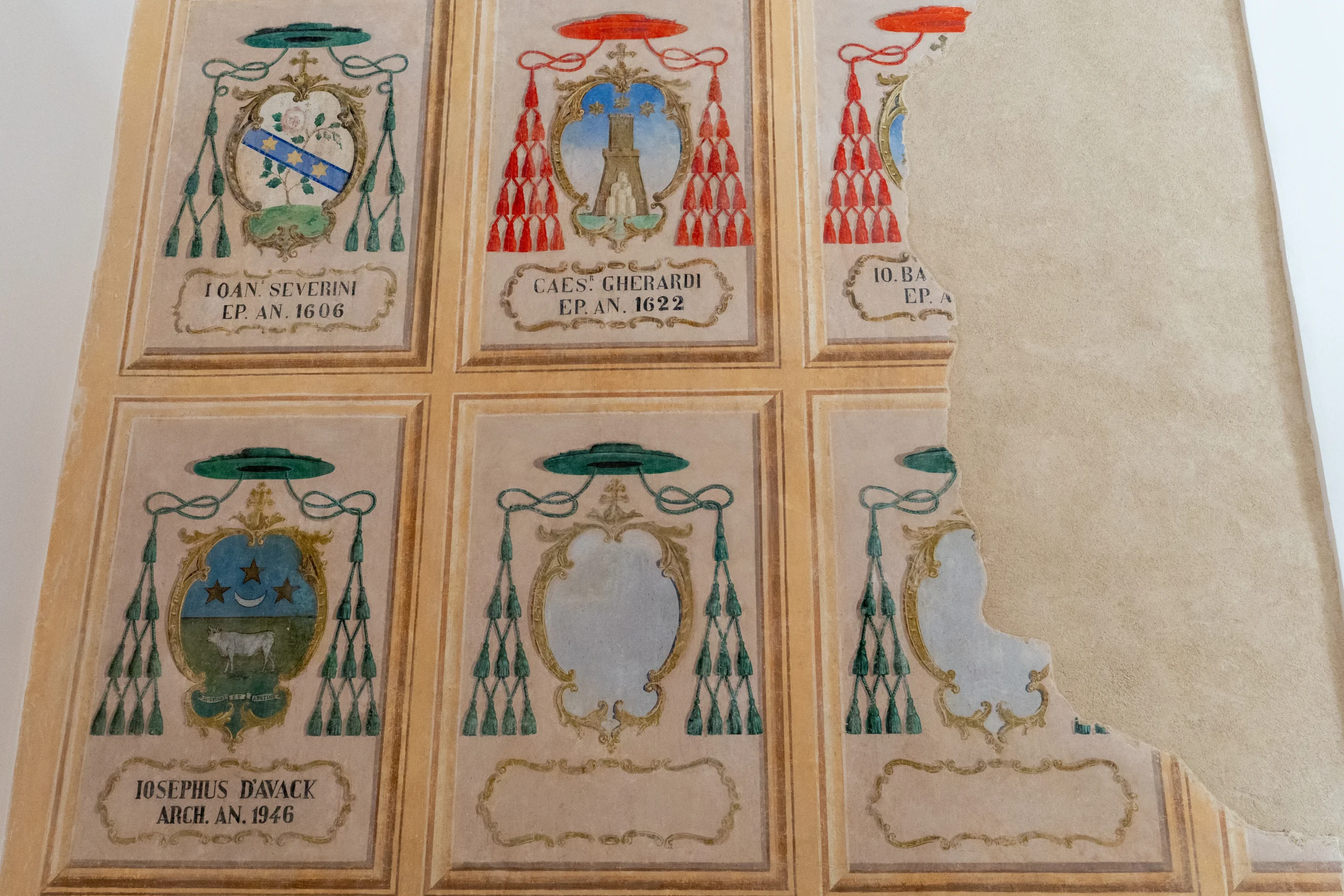
The restoration of the Archbishop’s Palace in Camerino requires a unified interpretation of the building as an architectural organism, not a sum of separate interventions. Overlooking Piazza Cavour and adjoining the ancient city walls, the palace is one of the most complex architectural aggregates in Camerino’s historic center. Its current configuration is the result of a long process of construction layering, where medieval structures, Renaissance reworkings, and 19th-century transformations coexist.

The intervention developed by ENGLOBE falls within the framework of post-earthquake reconstruction in Central Italy, governed by Law Decree 189/2016 and the related Special Commissioner’s Orders. The main technical challenge is to restore the usability and operational capacity of a protected building, in compliance with Legislative Decree 42/2004, without compromising the documentary value of its historical layers.

According to ENGLOBE’s technical team, the Archbishop’s Palace was not treated as a simple container to be consolidated, but as a complex historic system in which structure, material fabric, internal layout, and functions must be managed through a single coordinated design strategy.

Architectural Restoration and Conservation of Historic Materials

The historic material fabric becomes the primary parameter of the project. The façades in sandstone, brick, and limestone were restored through interventions compatible with the original characteristics of the building, aimed at recovering the readability of the surfaces without introducing incongruous formal or material alterations.

The project clearly distinguishes between elements to be preserved, incompatible additions to be removed, and components to be integrated. The internal layout is preserved in its general configuration, maintaining the spatial relationships between ecclesiastical, museum, residential, and administrative areas.

Seismic Improvement Compatible with Heritage Constraints

The seismic improvement strategy was conceived as a compatible, selective intervention coordinated with architectural conservation. In compliance with NTC 2018 – Ministerial Decree of January 17, 2018 and Circular No. 7/2019, the project addresses the vulnerabilities of the architectural aggregate through masonry consolidation, reinforcement of the most fragile elements, and improvement of the connections between the different building volumes.

The objective is not to erase the historic complexity of the building, but to increase structural safety while maintaining reversibility, material compatibility, and the recognizability of the original layout.

Reversible Energy Upgrading on a Protected Historic Envelope

Energy performance is improved from the inside, without intervening on the historic exterior surfaces. The solution includes dry-installed insulated internal linings with STIFERITE panels, designed to improve the hygrothermal comfort of the rooms and reduce energy consumption while maintaining reversibility and compatibility with the heritage constraint.

This strategy makes it possible to reconcile monument protection with performance upgrading, avoiding invasive interventions on the exterior envelope.

Integrated Restoration as a Design Method for Complex Historic Buildings

The value of the project lies in its ability to bring together conservation, safety, and efficiency within a single technical strategy. As analyzed by ENGLOBE engineers, the recovery of the Archbishop’s Palace demonstrates that earthquake-damaged historic buildings can be returned to the city only through a multidisciplinary process based on knowledge, coordination, and the compatibility of interventions.

The result is not only the physical recovery of a monumental building, but the reactivation of a cultural and civic landmark in the heart of Camerino: an architectural work restored to its public function, its construction memory, and the continuity of urban life.

Why can the Archbishop’s Palace in Camerino be described as “architecture built over other architecture”?

The Archbishop’s Palace stands above a section of the ancient city walls and on pre-existing medieval buildings, still visible in the basement level. Its origins date back to 1571, when Bishop Berardo Bongiovanni began construction after exchanging the former bishop’s palace for two buildings on the square: Palazzo del Bargello and Palazzo dei Priori. Each layer tells a different chapter in the city’s history, making the palace not simply a historic building, but a built fragment of Camerino’s collective memory.

What cultural treasure does the Archbishop’s Palace preserve today?

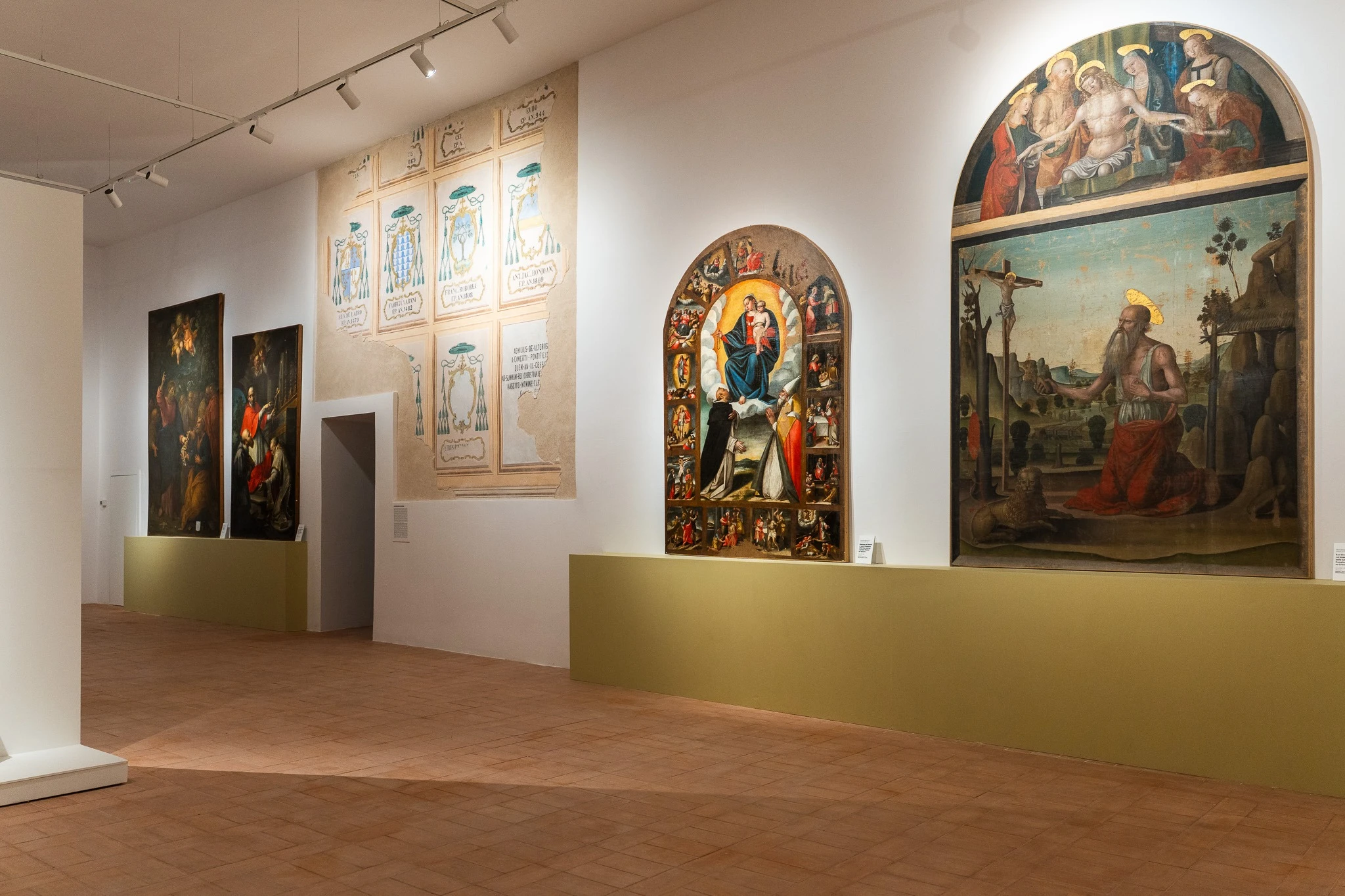
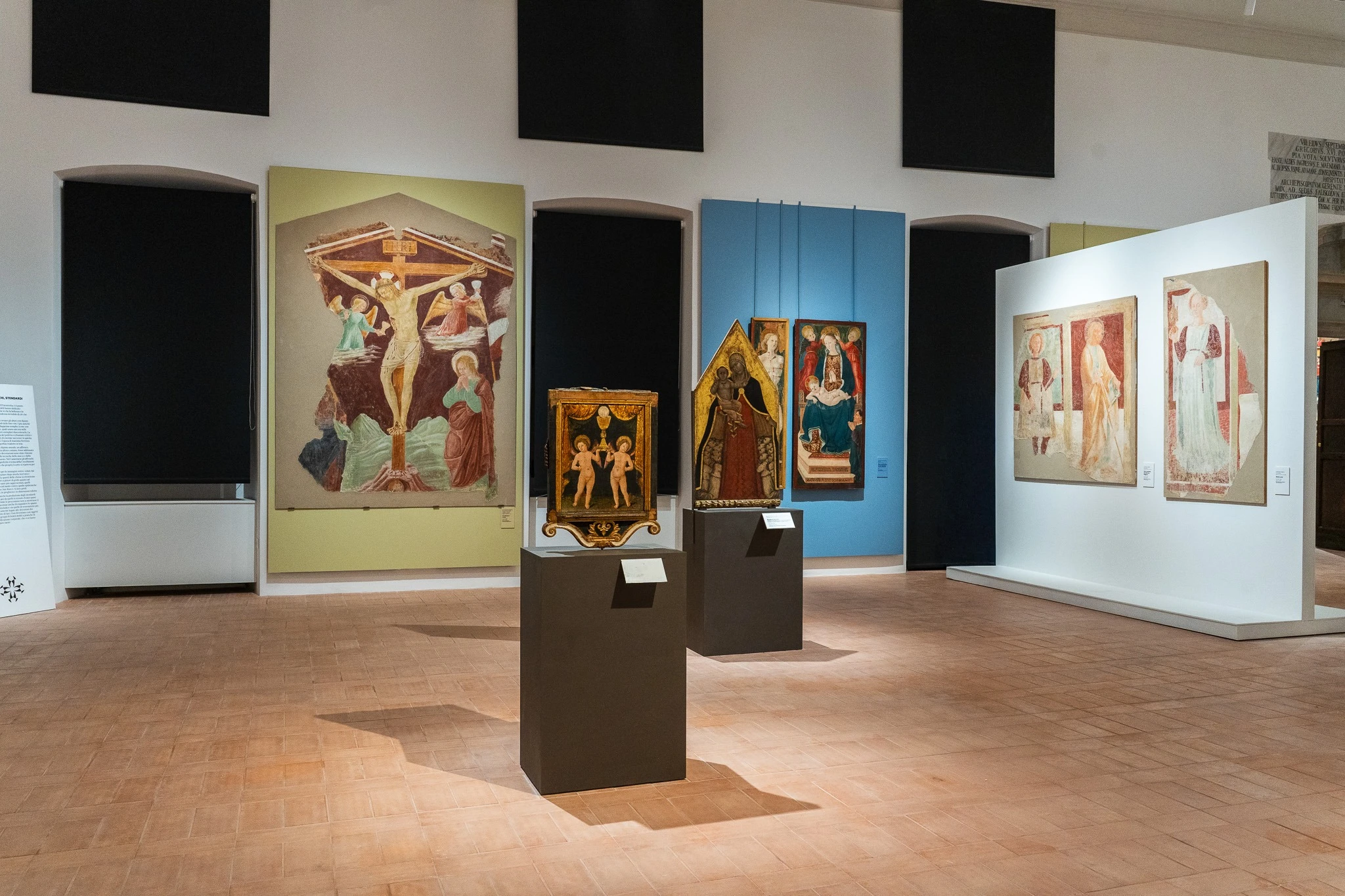
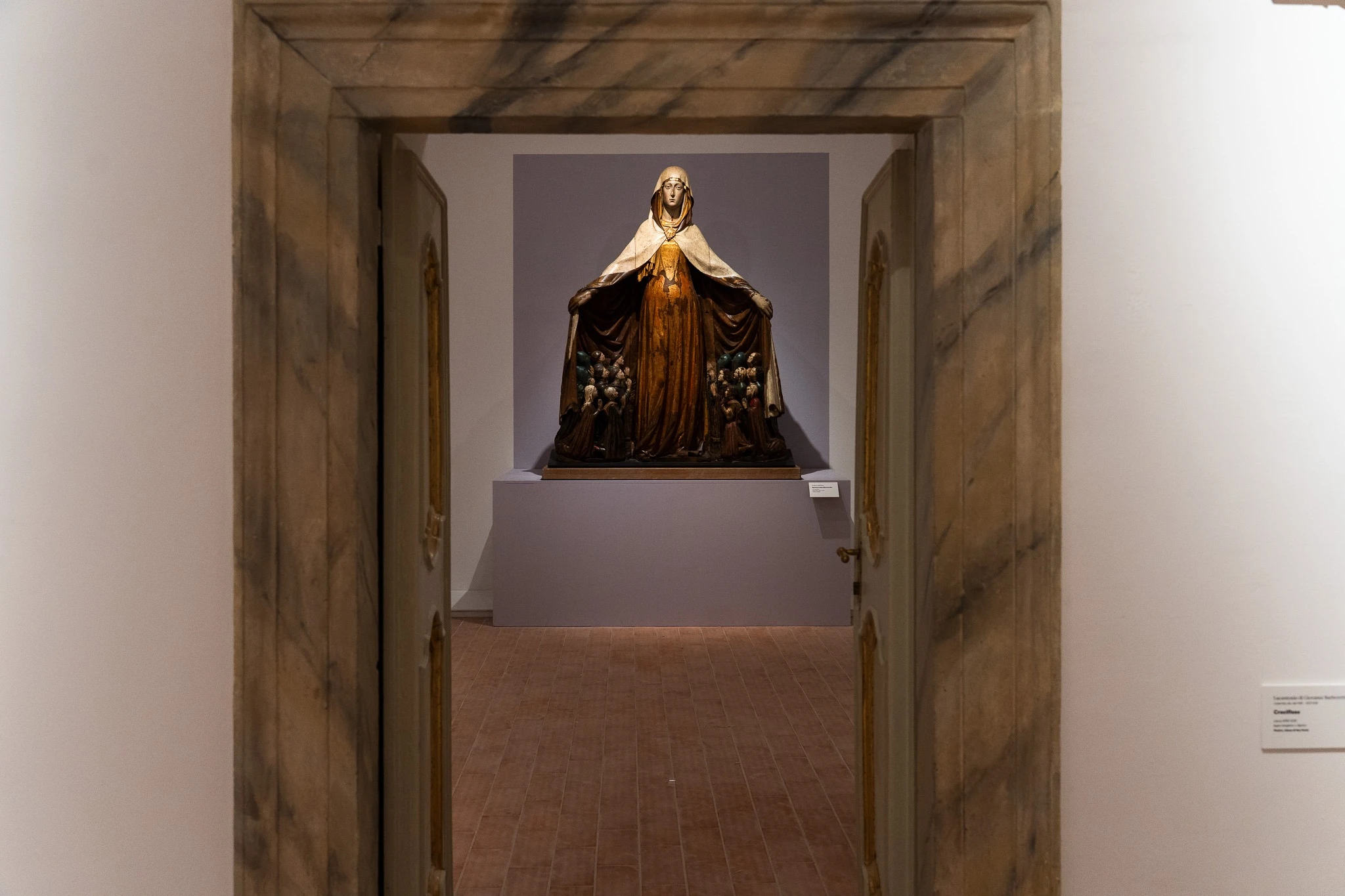
The palace houses the Bishop’s residence, the Curia offices, the diocesan archive, and the “Giacomo Boccanera” Diocesan Museum, whose collections include paintings, sculptures, goldsmith works, and sacred furnishings from the churches of the diocese. After the 2016 earthquake, the museum reopened with a new exhibition layout featuring works by Giovan Battista Tiepolo, Baciccio, and Valentin de Boulogne, restoring one of the historic center’s main cultural landmarks.

PLACE

Camerino (MC)

CLIENT

Arcidiocesi di Camerino - San Severino Marche

WORK PERIOD
ACTIVITY

Construction Design
Detailed Design

TYPOLOGY

Conservative Rehabilitation
Preparation
Restoration of Listed Cultural Heritage

INTENDED USE

Cultural
Multifunctional
Museum
Religious
Residential

WORK AMOUNT
WORKING GROUP

Englobe
Ing. Carlo Morosi
Ing. Tommaso Ortolani

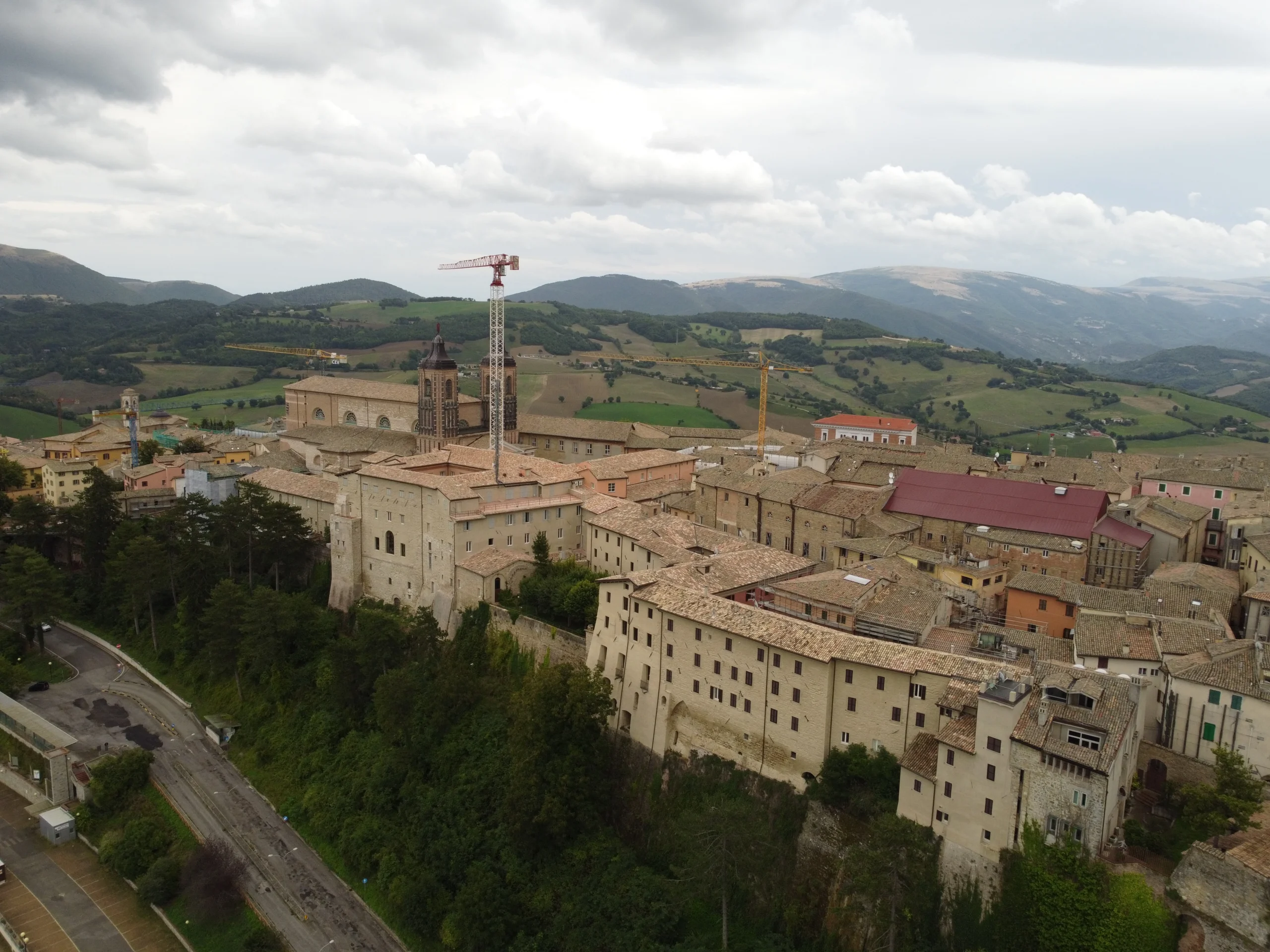
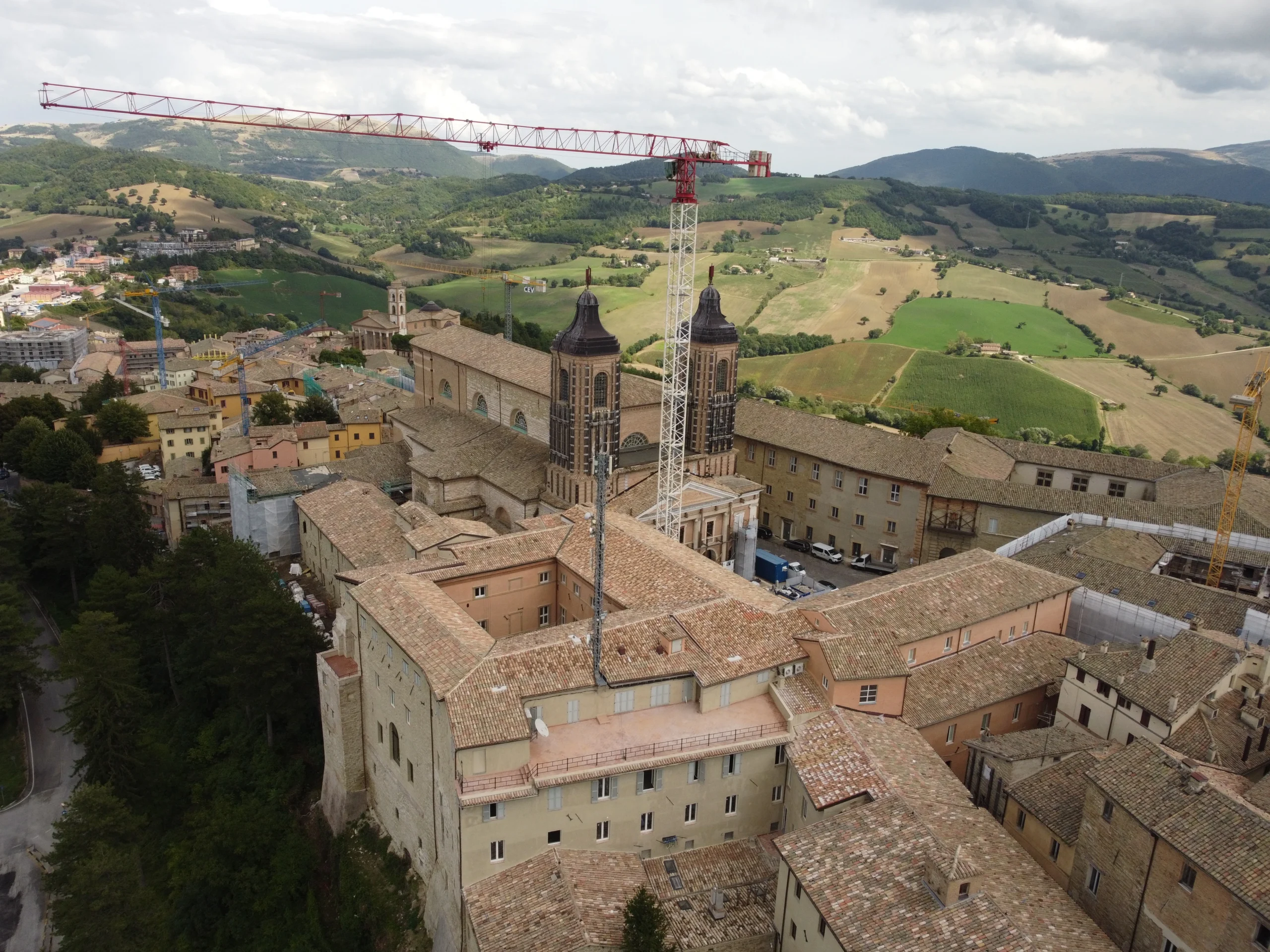
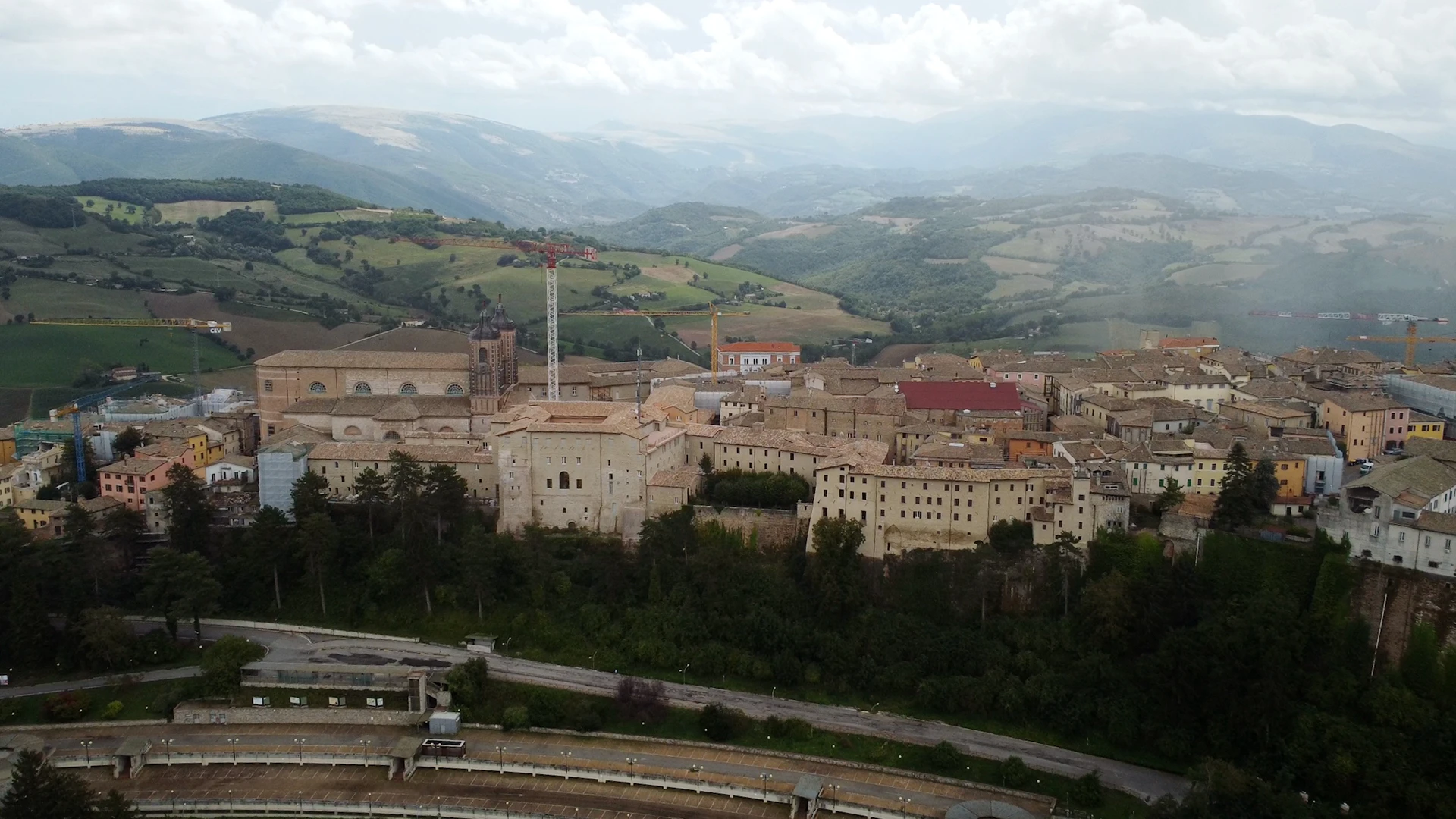
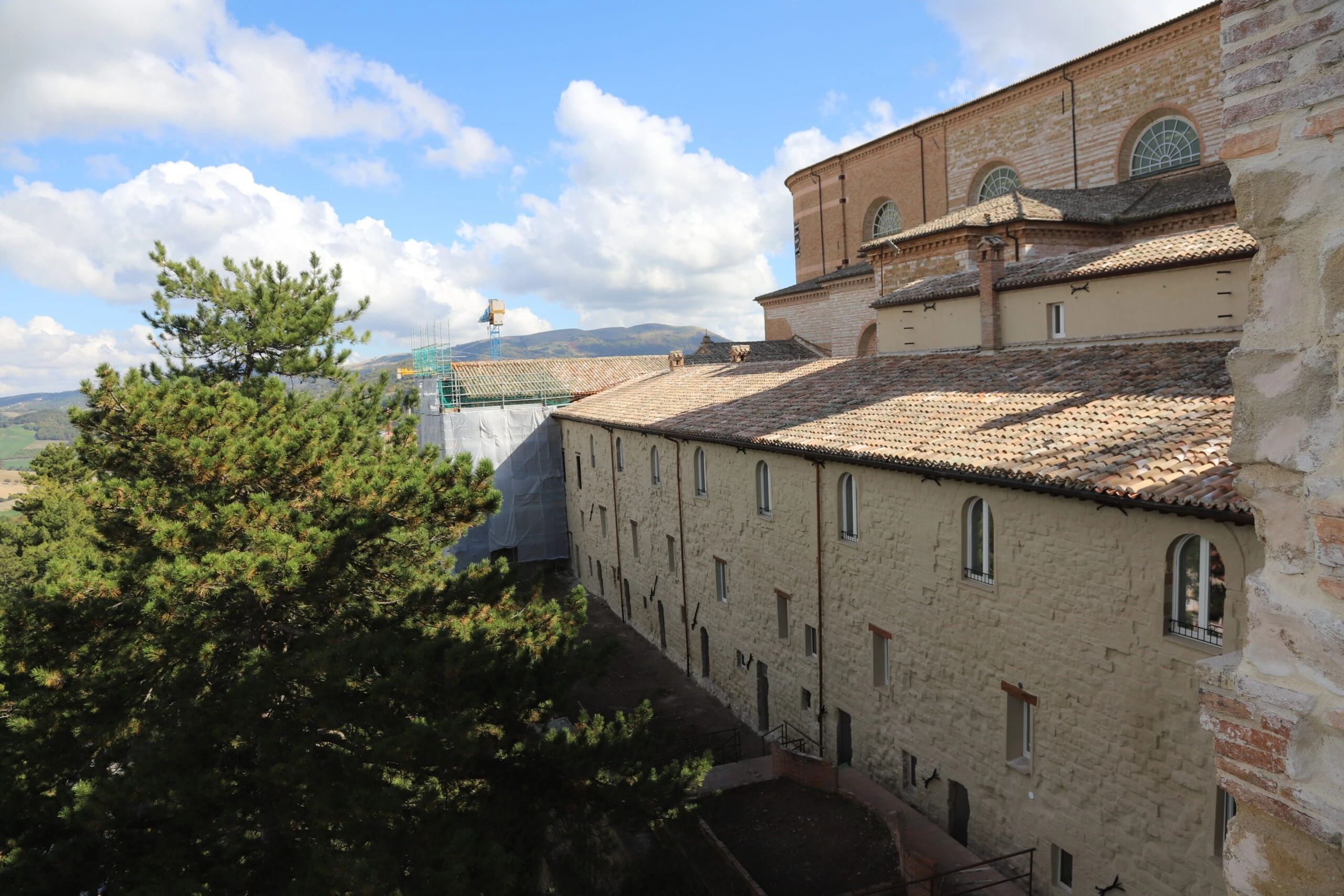
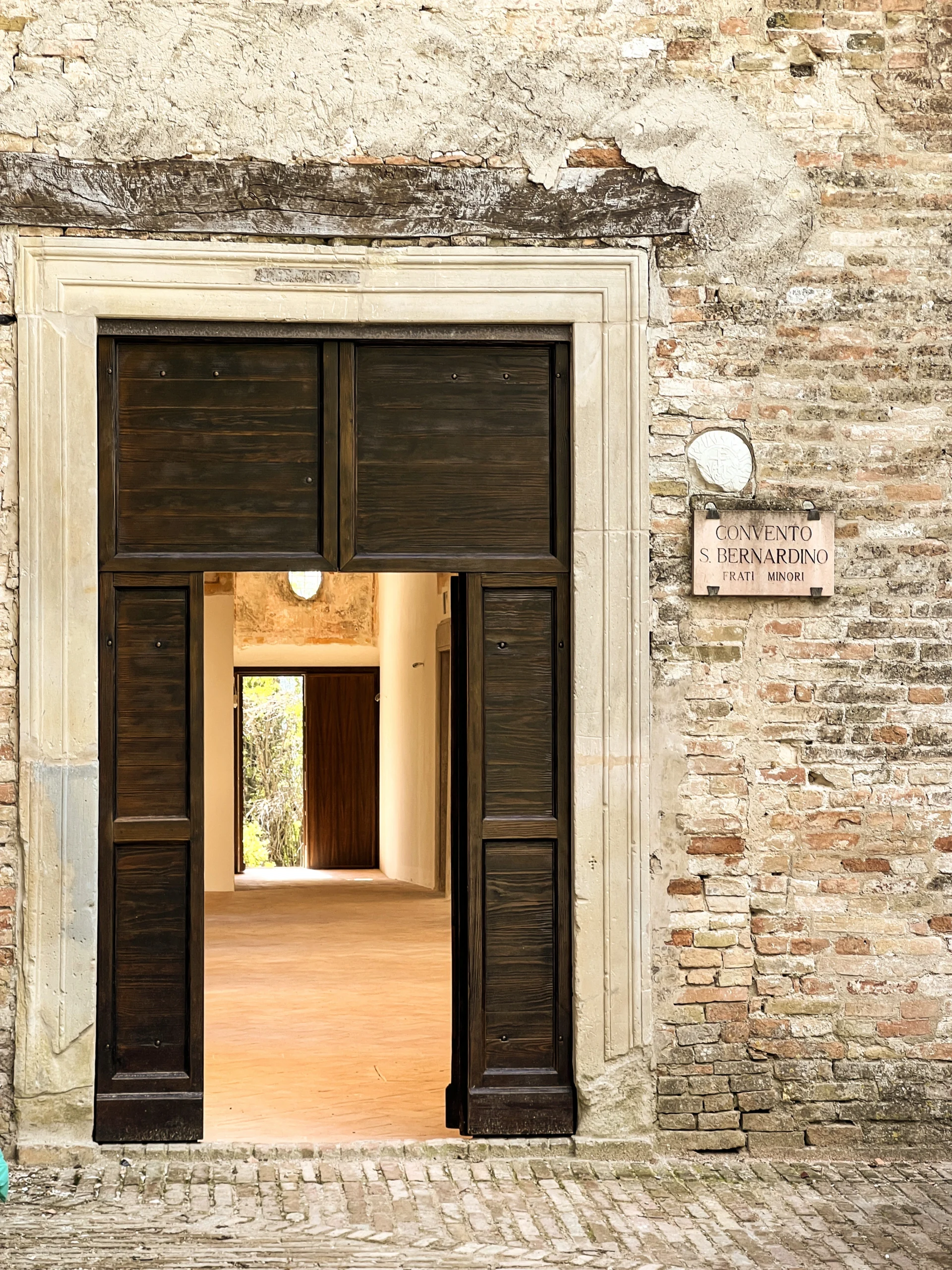
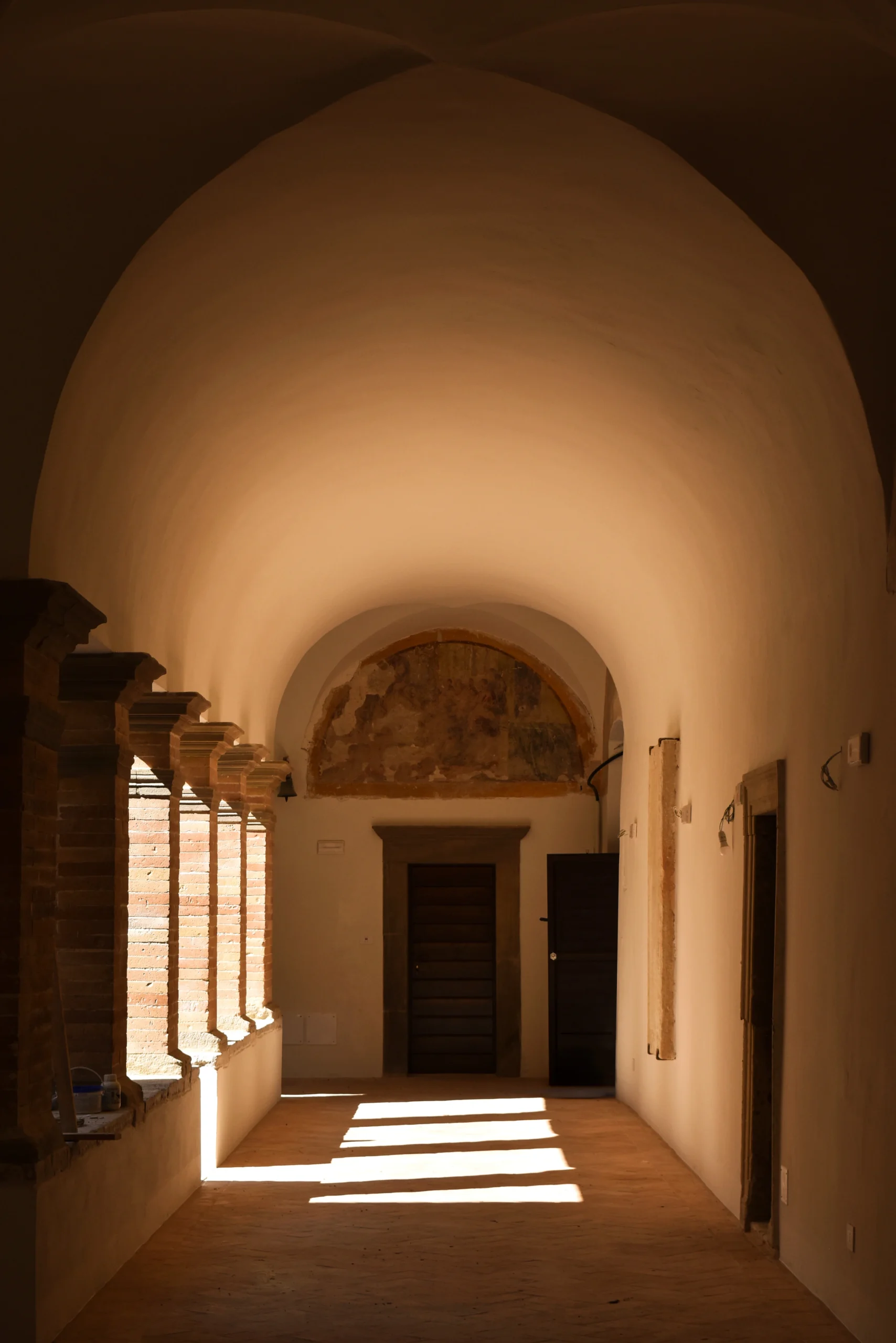
Restauro e miglioramento sismico Convento San Bernardino Urbino

The Monumental Complex of San Bernardino

The Monumental Complex of San Bernardino

San Bernardino Convent Restoration and Seismic Upgrade in Urbino

A Renaissance Complex That Tells Centuries of Layering and Transformation

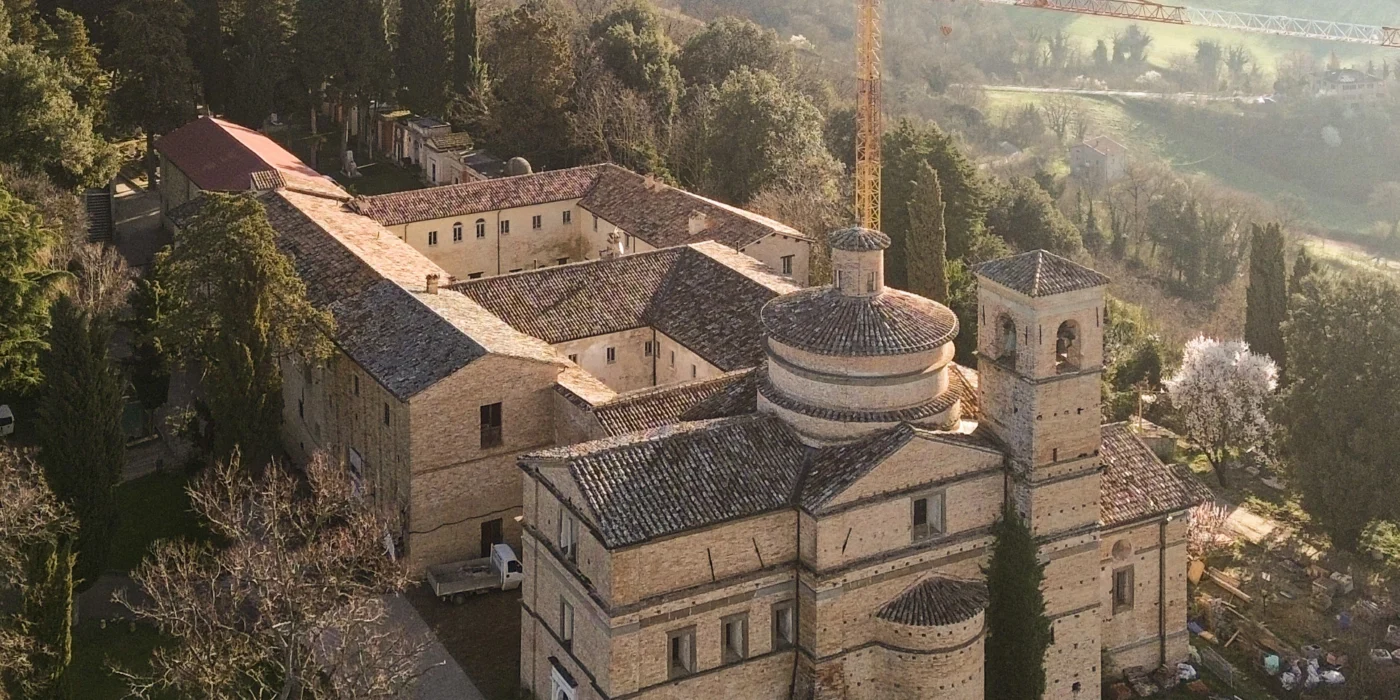
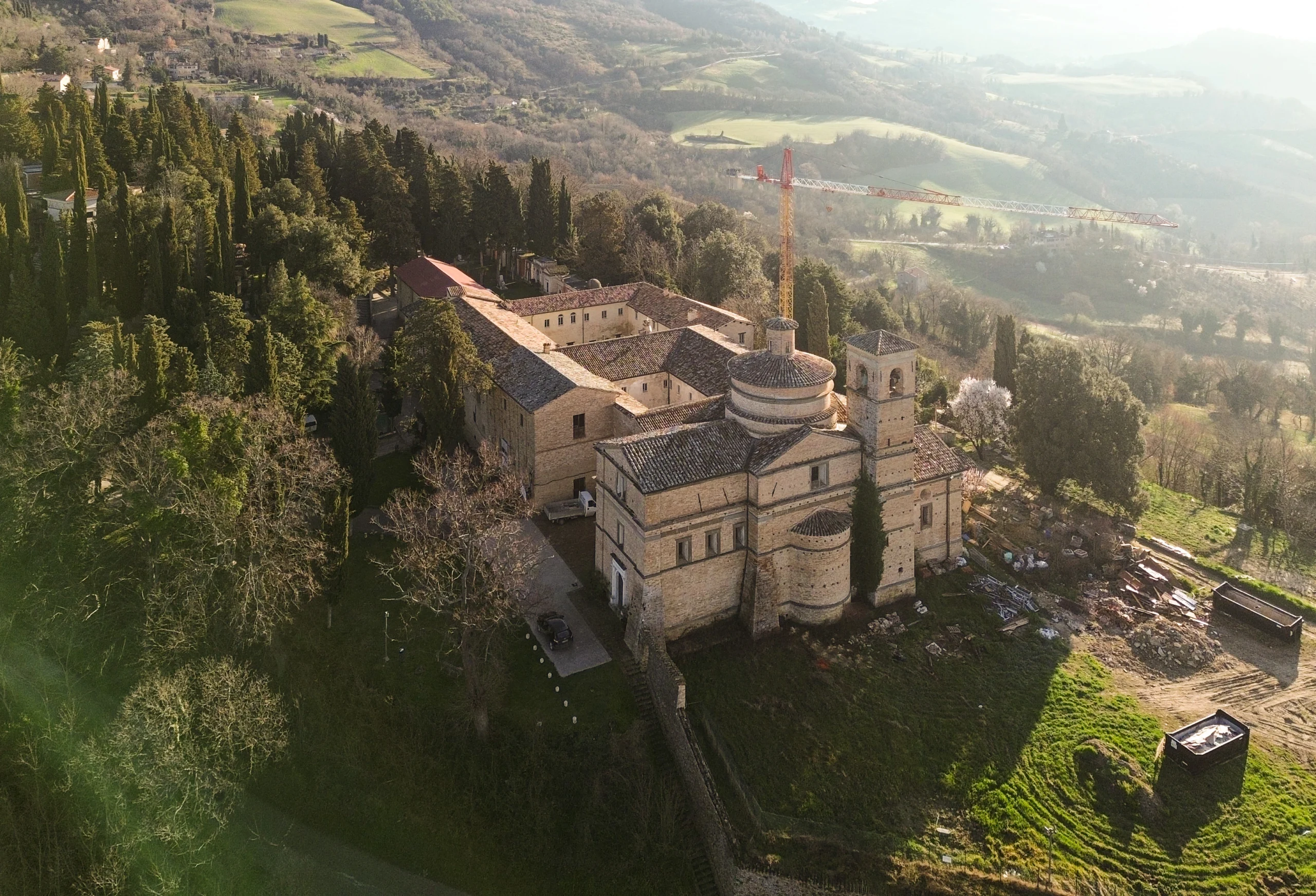
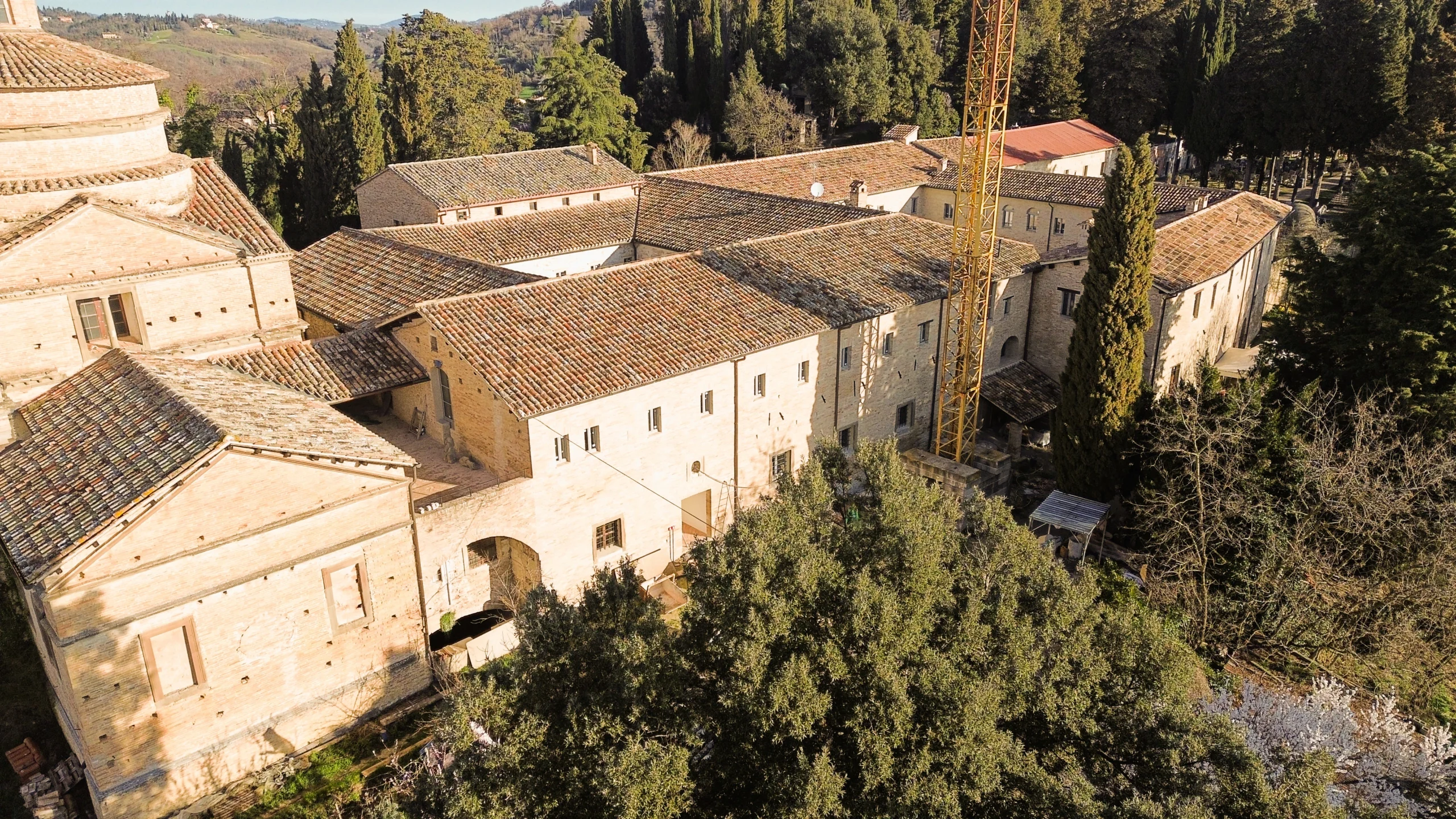
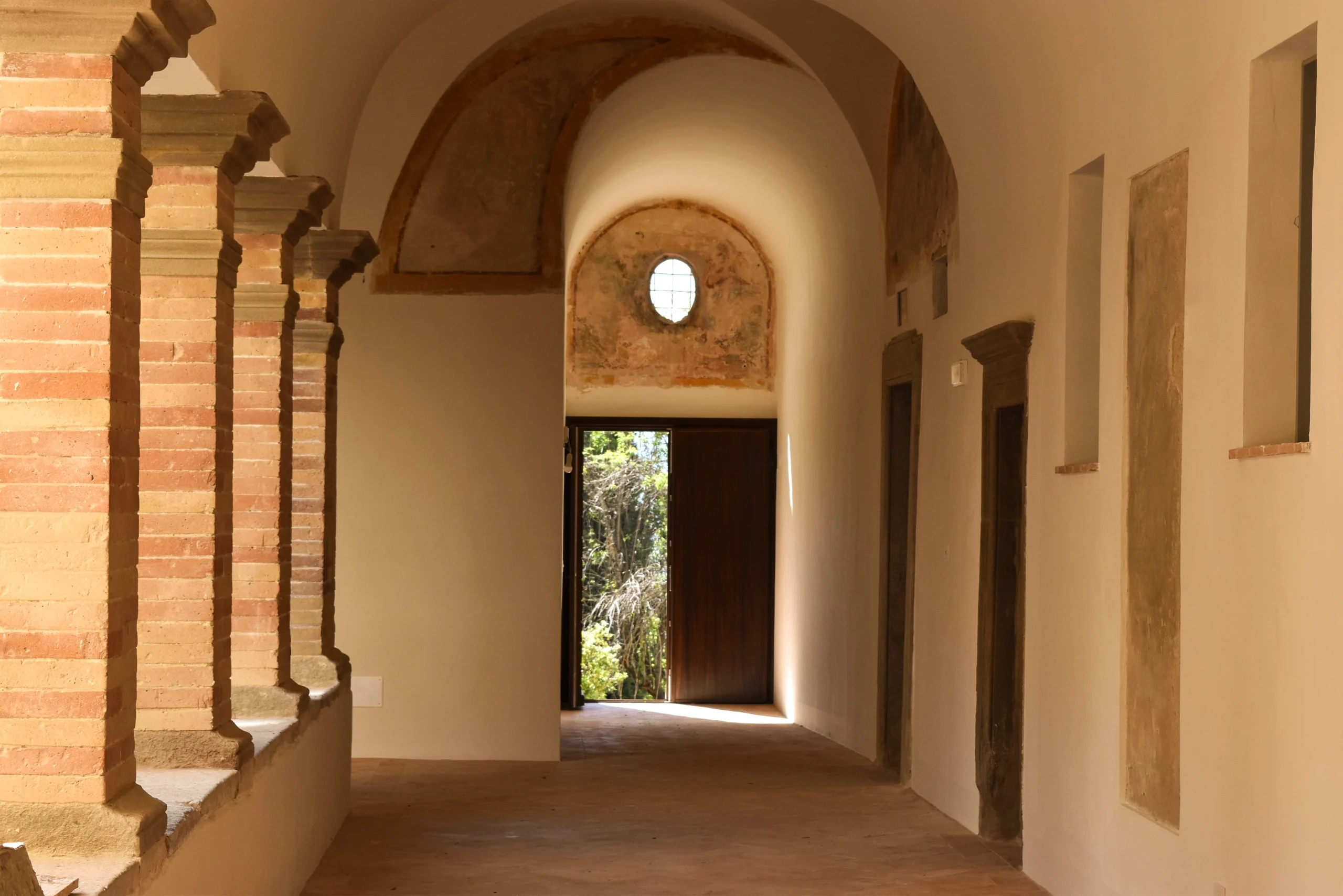
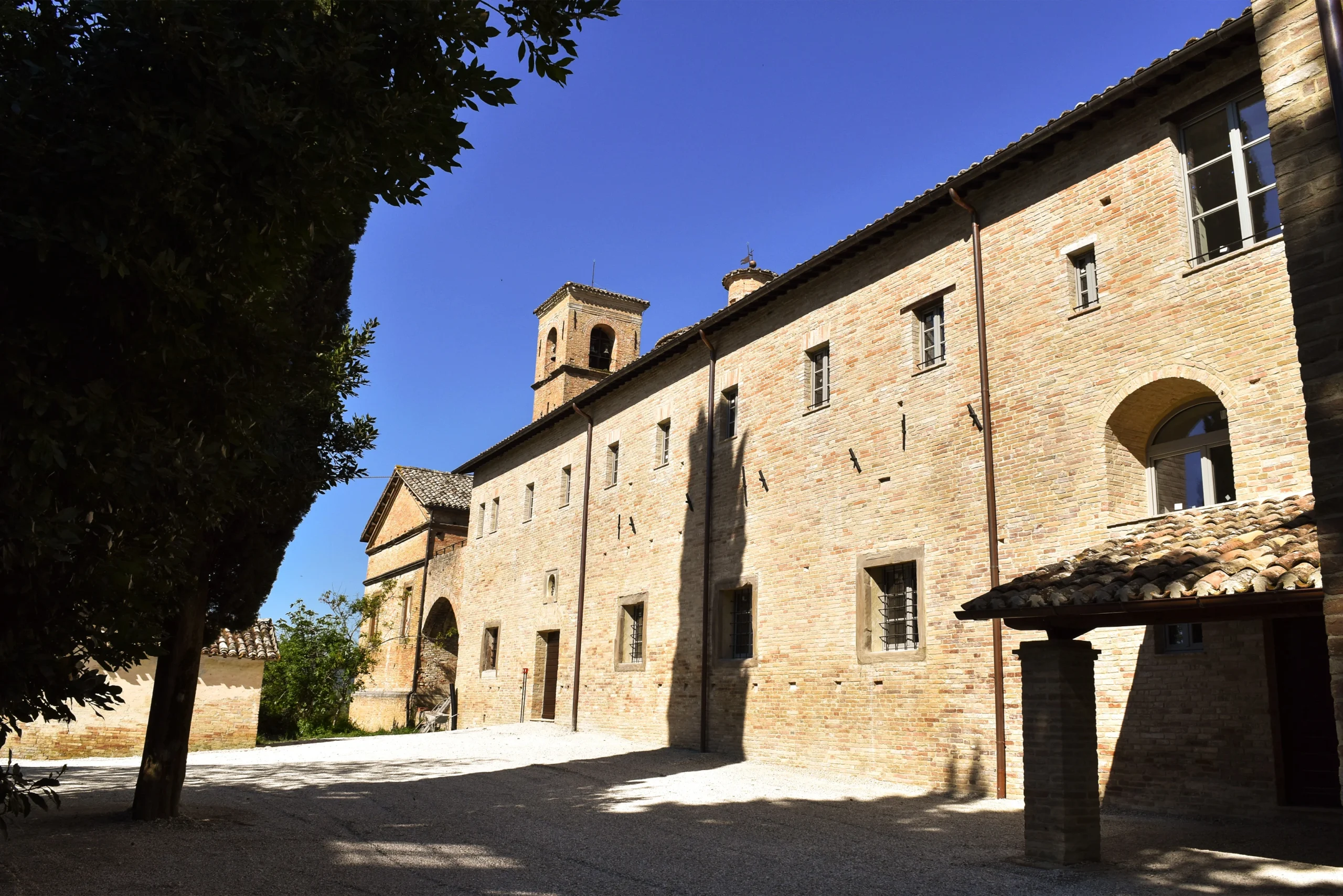
The Convent of San Bernardino is one of the most significant monastic architectural complexes in the Marche region: a multifaceted system that embodies centuries of construction history, seismic events, and changing uses.

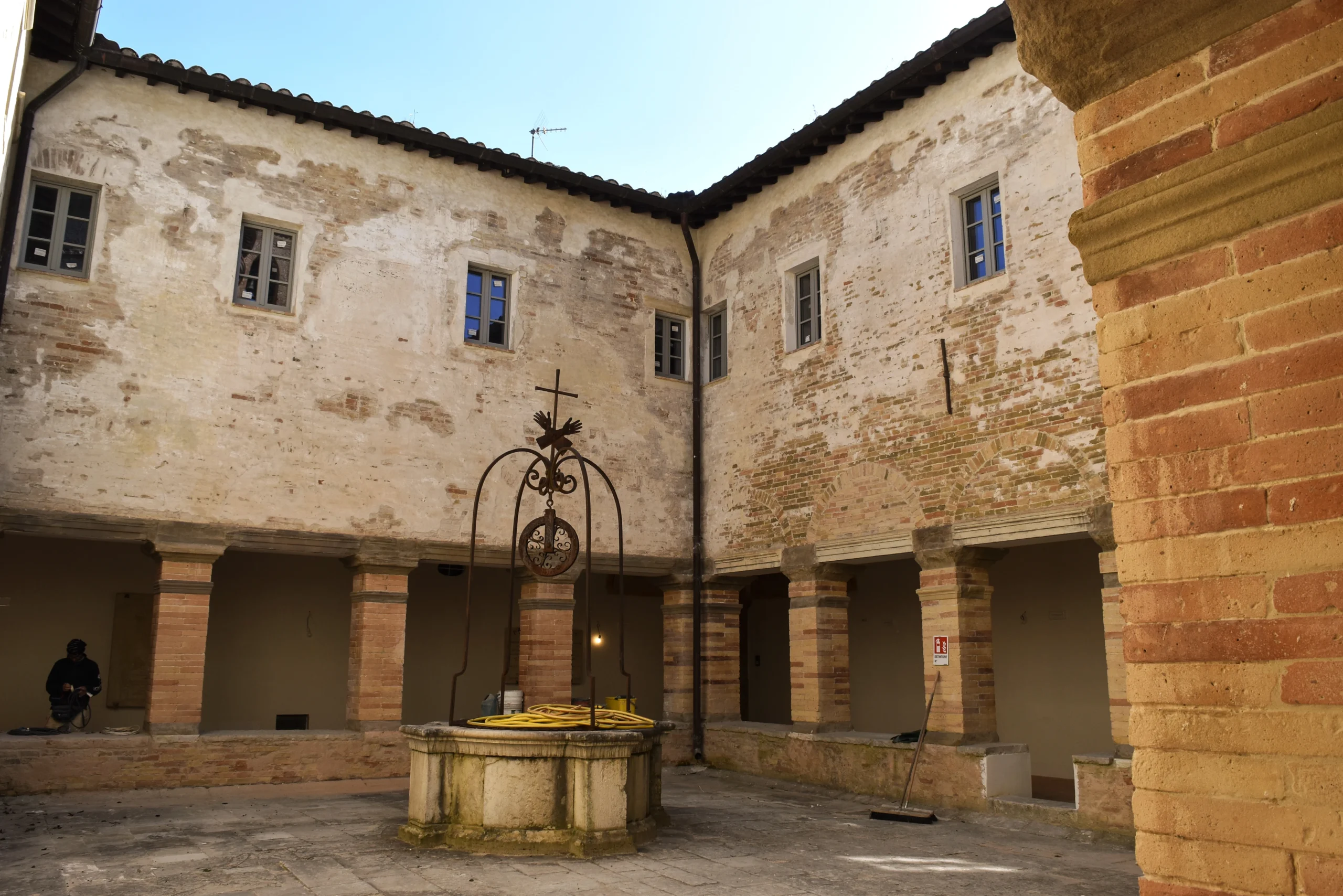
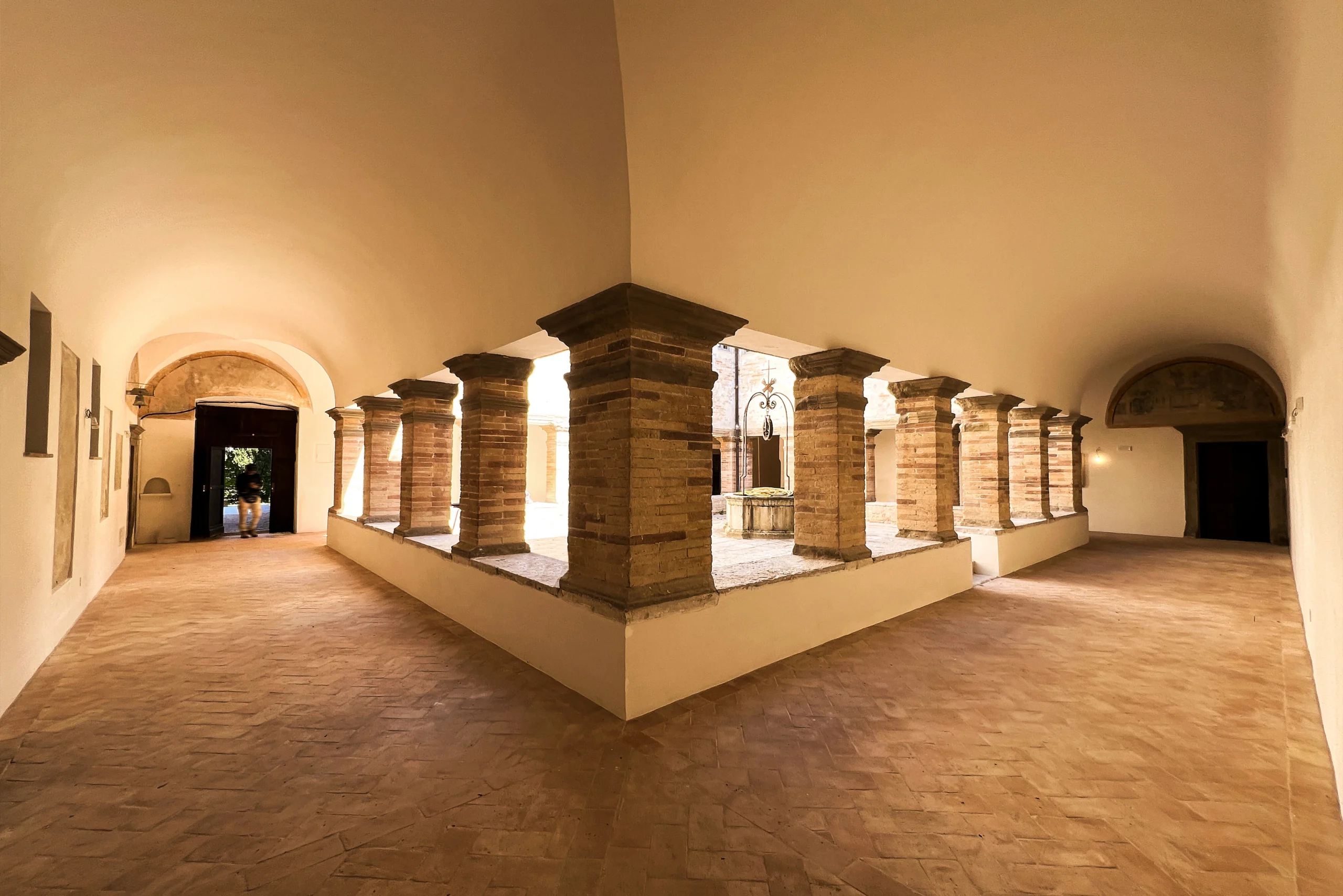
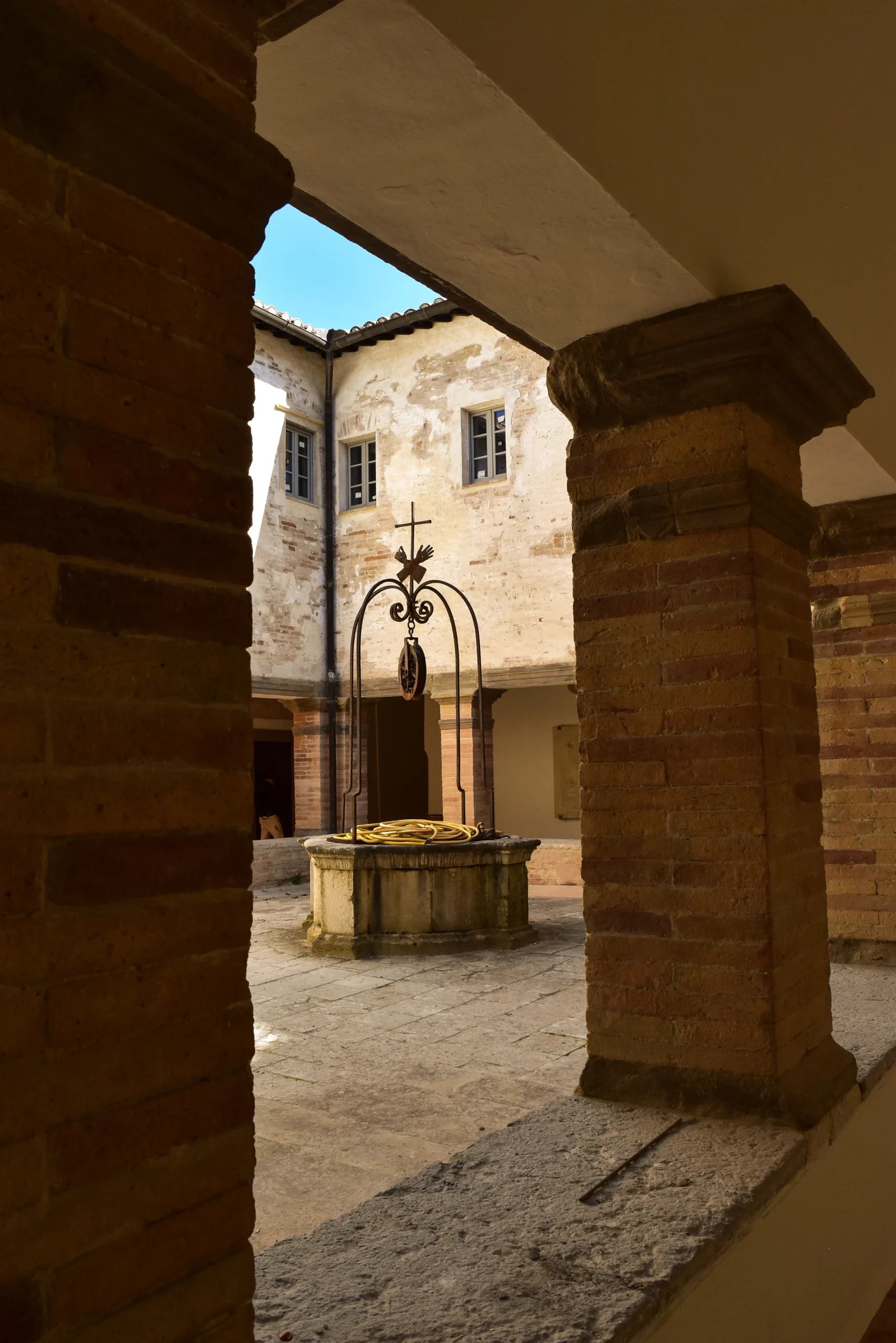
Set within the hilly landscape surrounding Urbino, the complex stands as a deeply rooted architectural presence, attributed to Francesco di Giorgio Martini and linked to the patronage of Federico da Montefeltro. The spatial organization revolves around two defining elements — the Martinian cloister and the garden courtyard — structuring the sequence of spaces through a rigorous balance between built form and landscape, monastic enclosure and openness to the surrounding territory.

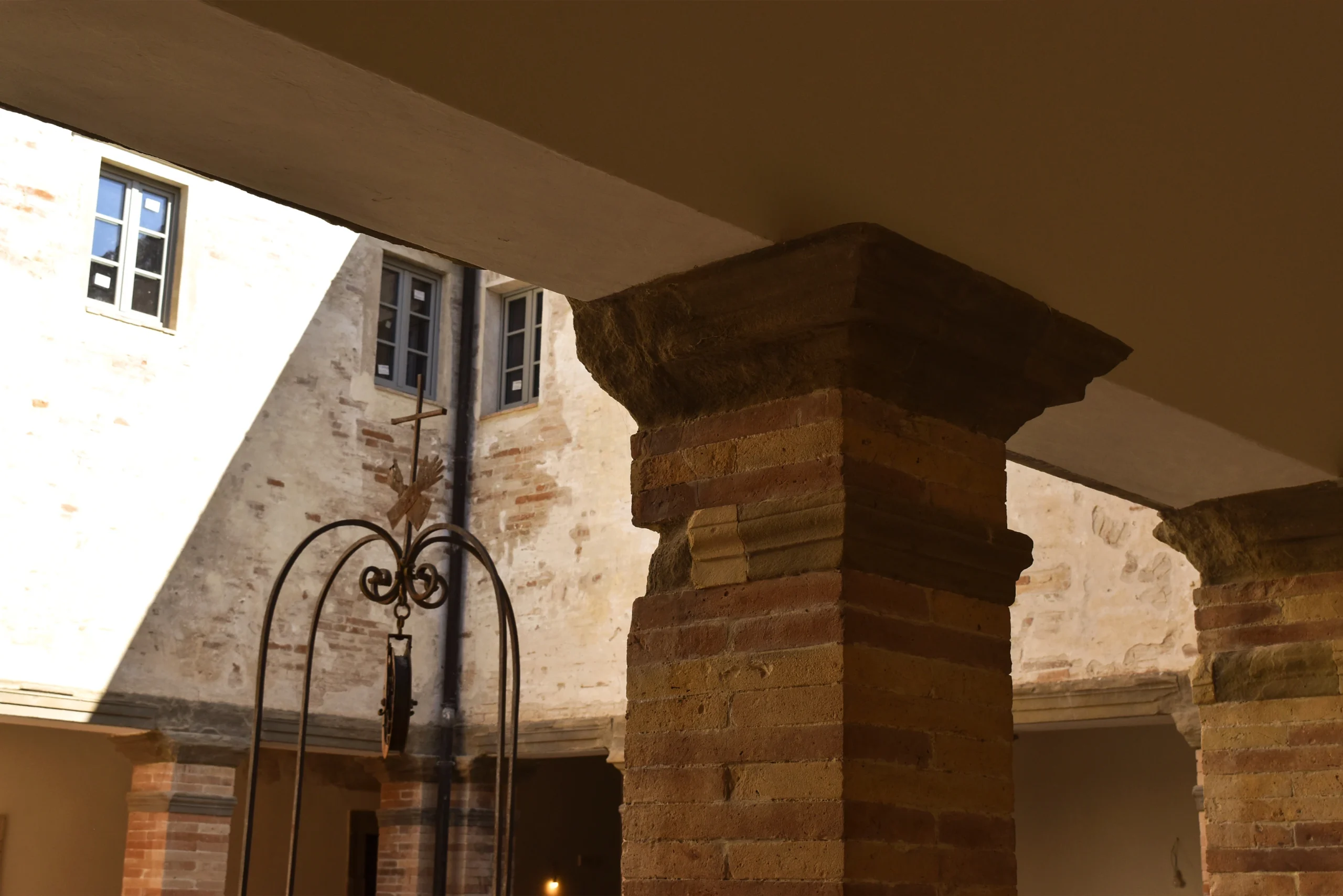
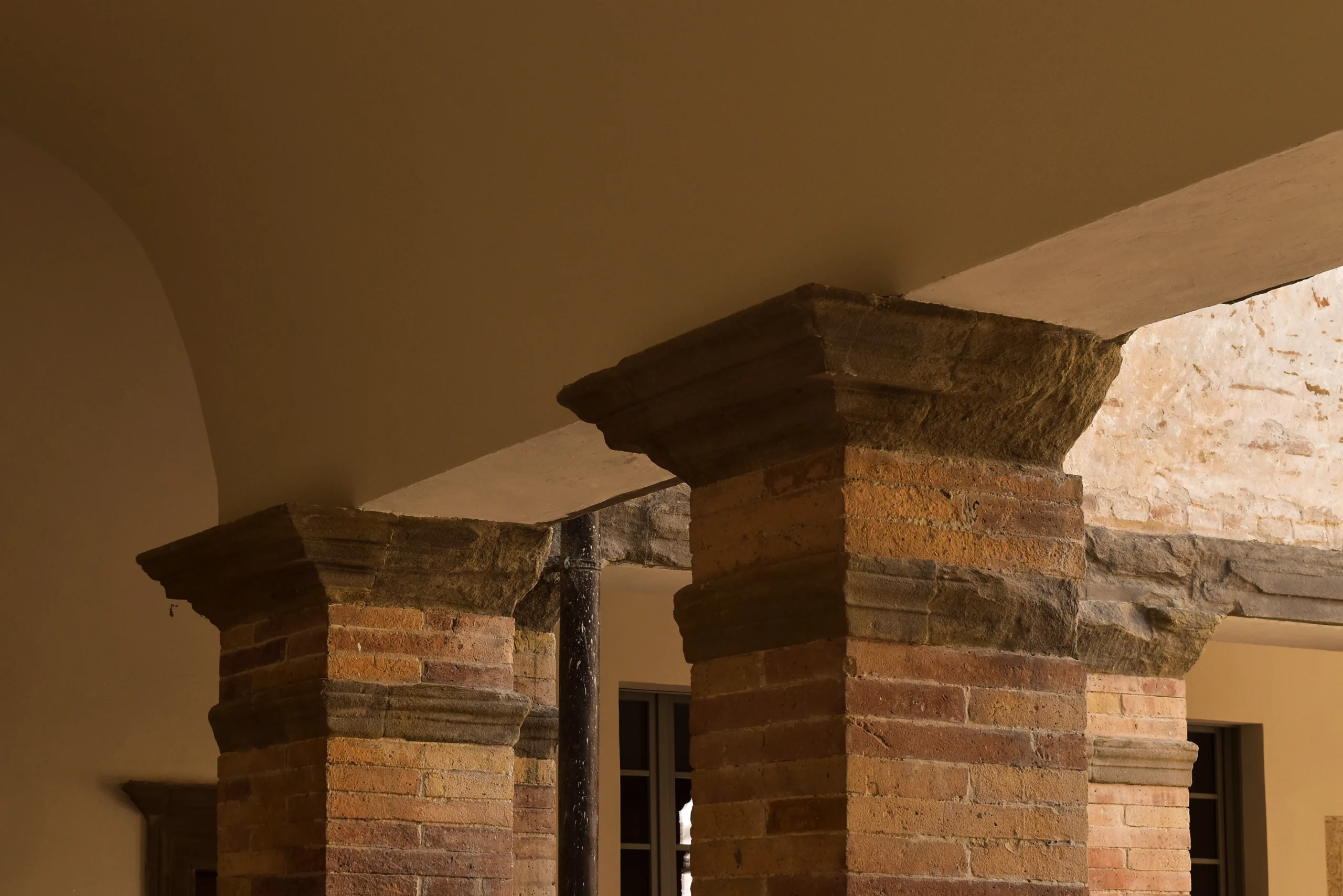
The architectural quality of the complex lies not in an isolated formal landmark, but in the coherence of an integrated system where masonry walls, arcades, roofing systems, and paving work together to define a precise identity deeply embedded in its context.

The 2016 Earthquake as a Revealer of Structural Vulnerabilities Accumulated Over Time

The seismic events exposed latent vulnerabilities, resulting in a damage classification of Level 3 out of 4 and requiring a systemic intervention across the entire building complex.

Preliminary investigations carried out before design development revealed widespread cracking in the load-bearing masonry, severe deterioration of timber roof elements, and water infiltration affecting interior quality and the conservation of finish layers. The heterogeneous nature of the structure — brick and stone masonry with often inadequate connections — contributed to amplifying the overall vulnerability of the building.

Understanding the structural behavior of the complex, even before intervening, became the methodological foundation of the entire design process.

Knowledge as the Basis for Intervention: Diagnostics as the Foundation of the Project

For Englobe’s technical team, the investigative phase is not a preliminary step but the core infrastructure upon which every operational decision is built.

The process relied on an integrated system of documentary research, advanced surveying, and targeted diagnostic investigations designed to provide a reliable understanding of structural performance without compromising the integrity of the historic asset. The methodology prioritized representative, non-invasive and minimally invasive testing capable of revealing masonry stratigraphy, construction techniques, and material conservation conditions.

An Integrated Strategy: Conservation, Seismic Upgrading, and Renewed Habitability

The strategy developed by Englobe approaches conservation, seismic upgrading, and functional adaptation as inseparable components of a single process.

The guiding principle is to restore vitality and full usability to the complex without freezing its character into a museum-like condition. Philological conservation of significant architectural elements, strengthening of global seismic performance, and spatial refunctionalization are developed in synergy, with architecture, structural engineering, and building systems operating as a continuous and coordinated framework.

From a functional standpoint, the project restores the convent’s original spatial logic: the refectory and common rooms return to collective use, monastic cells are reorganized to accommodate new patterns of occupancy, and the garden courtyard regains its role as a central relational and open space. Universal accessibility systems and new vertical circulation connections ensure full usability of the complex through solutions carefully integrated into the historic structure.

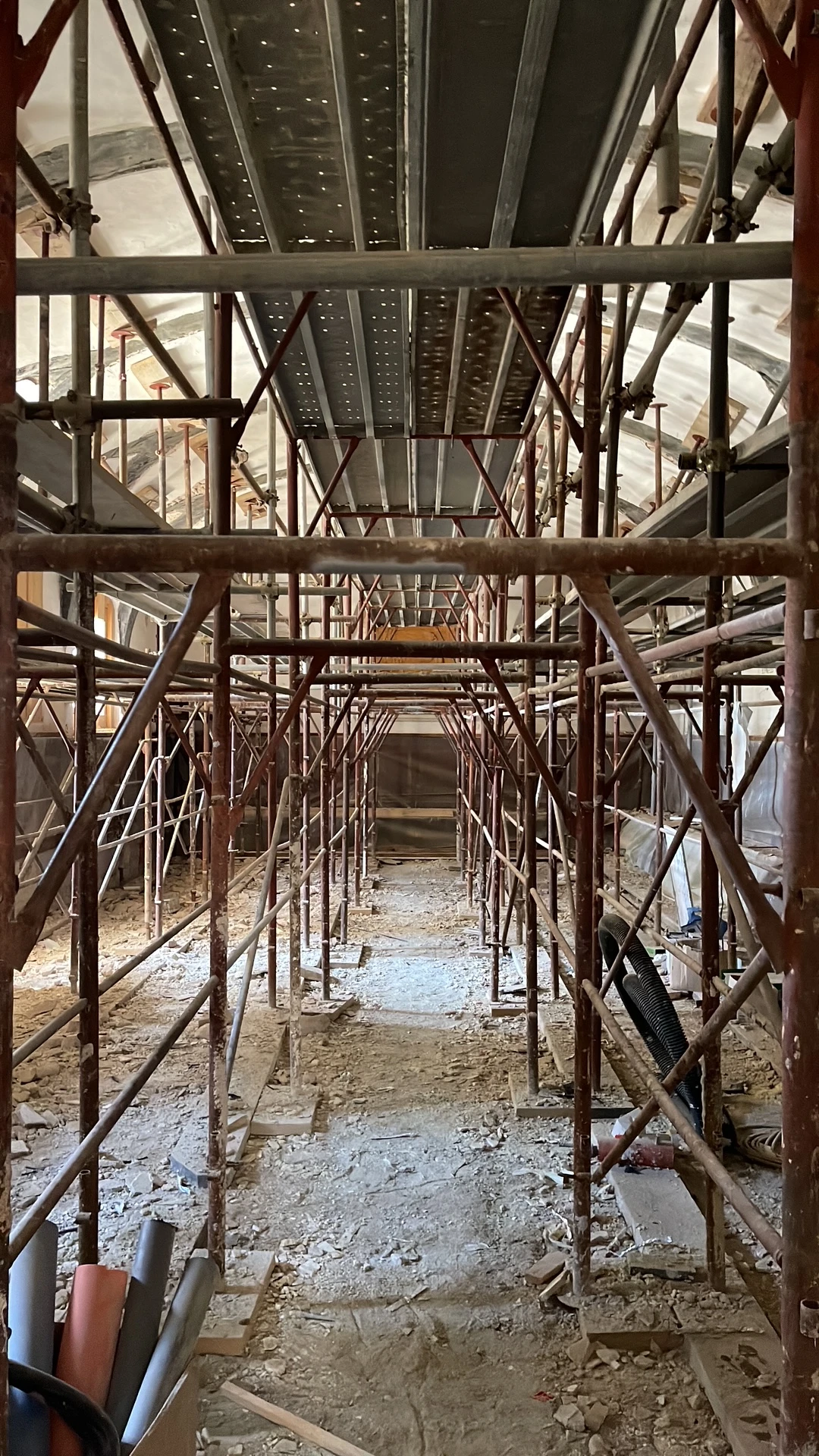
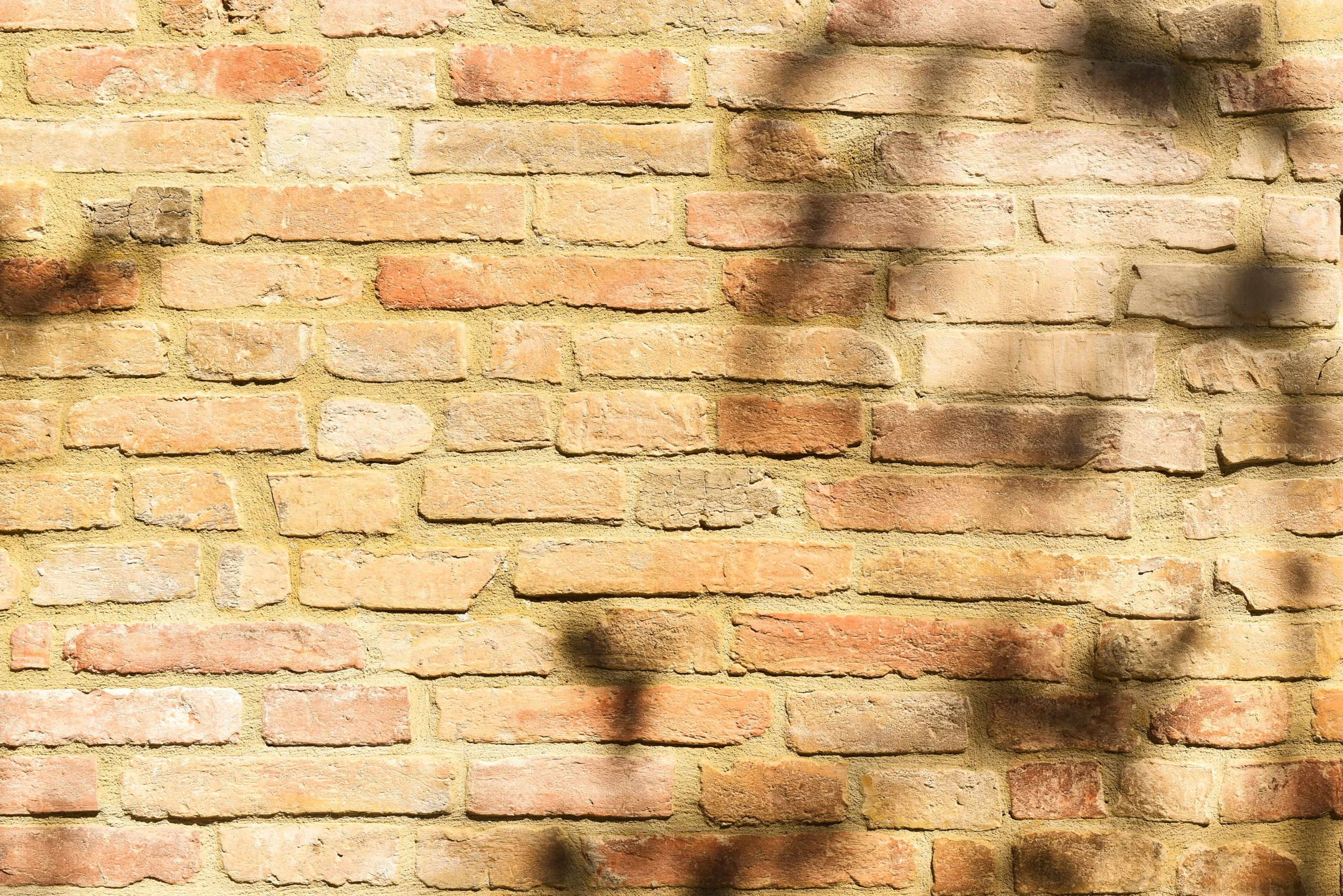
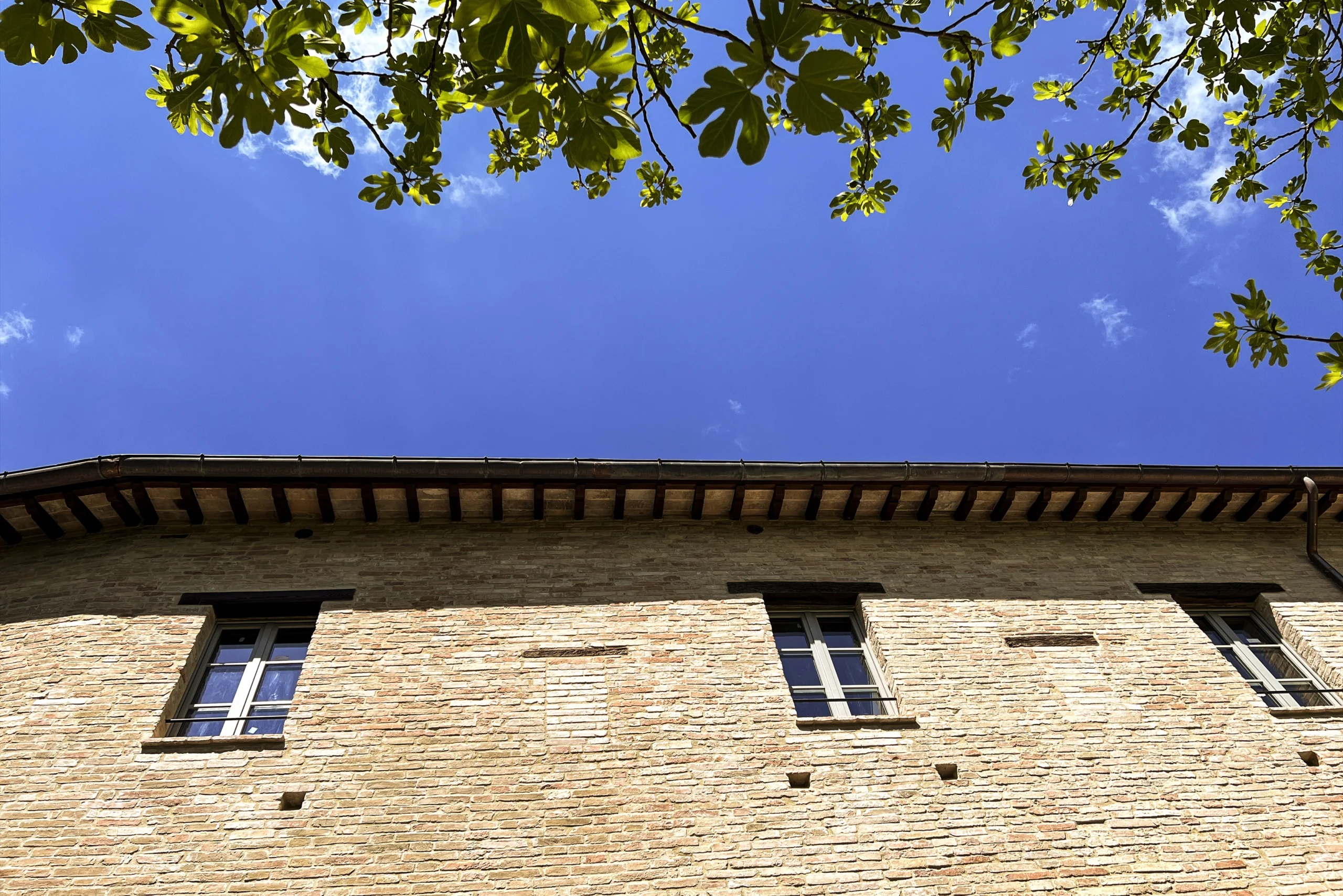
Material conservation represents the most delicate and revealing operation of the intervention. Terracotta flooring is dismantled, individually catalogued, and reinstalled in its original position, combining documentary rigor with perceptual continuity. Masonry surfaces are treated using compatible natural materials to recover chromatic depth consistent with original stratigraphy. Damaged vaults and cracked masonry are consolidated through the cuci-scuci technique — selective stitching and reconstruction using brick and hydraulic mortars — restoring structural continuity without compromising the readability of the historic fabric. Roofing systems are fully dismantled and rebuilt through a selective recovery and reuse process of original timber elements, while seismic upgrading takes the form of a coordinated system of distributed interventions designed to improve overall building performance without altering its material or volumetric perception.

Performance enhancement is completed through discreet building systems integration. High-performance thermal windows, low-temperature radiant systems, hybrid HVAC solutions, and natural insulation materials significantly improve energy performance without altering opening proportions or the visual character of surfaces. Technology does not impose itself on heritage: it supports it, almost invisibly.

Beyond Restoration: Returning a Living Architectural Organism

The Convent of San Bernardino demonstrates how it is possible to intervene in a complex heritage asset through an integrated approach in which technology and culture interact throughout every phase of the process.

The result is neither the replication of a frozen past nor an uncritical superimposition of the present, but a calibrated balance in which architectural memory is restored not as an immobile document, but as a place to inhabit and experience. According to Englobe, this project confirms that restoration can be a contemporary act — capable of connecting knowledge, technology, and culture within a unified vision of the built heritage.

Perché San Bernardino è conosciuto anche come Mausoleo dei Duchi?

La denominazione riflette la volontà esplicita di Federico da Montefeltro, che concepì la chiesa come luogo di sepoltura dinastica per sé e per i propri successori. Costruita tra il 1482 e il 1491 fuori dalle mura di Urbino e attribuita a Francesco di Giorgio Martini, San Bernardino non è semplicemente un'architettura conventuale: è un dispositivo rappresentativo del potere signorile, in cui dimensione religiosa e commemorativa si fondono in un linguaggio formale di straordinaria misura.

Quale rapporto lega il complesso alla stagione artistica dei Montefeltro?

Secondo alcune ricostruzioni storiche, la chiesa ospitava originariamente la Pala Montefeltro di Piero della Francesca, oggi alla Pinacoteca di Brera, stabilendo un dialogo diretto tra spazio architettonico, committenza ducale e pittura rinascimentale. Un'opera pensata per un luogo specifico, all'interno di un progetto culturale in cui architettura e arti figurative si misuravano sullo stesso piano di ambizione. Leggere San Bernardino significa, anche per questo, attraversare l'intero sistema di relazioni che Federico costruì attorno alla propria corte.

PLACE

Urbino (PU)

CLIENT

Provincia Picena di S. Giacomo della Marca dei Frati Minori

WORK PERIOD
ACTIVITY

Construction Design
Design phase Safety coordination
Detailed Design
Preliminary design
Safety coordination for executive phase

TYPOLOGY

Conservative Rehabilitation
Restoration of Listed Cultural Heritage

INTENDED USE

Cultural
Multifunctional
Religious
Residential

WORK AMOUNT
WORKING GROUP

Dott. Geol. Alberto Antinori
Dott.ssa Elisa Saracino
Englobe