Town Hall
Seismic improvement/upgrading and demolition and reconstruction of the Monte Cavallo municipal building
How do you reconstruct an earthquake-damaged town hall without losing its identity?
The strategy sharply separates conservation of the historic building from contemporary reconstruction of the 20th-century wing.
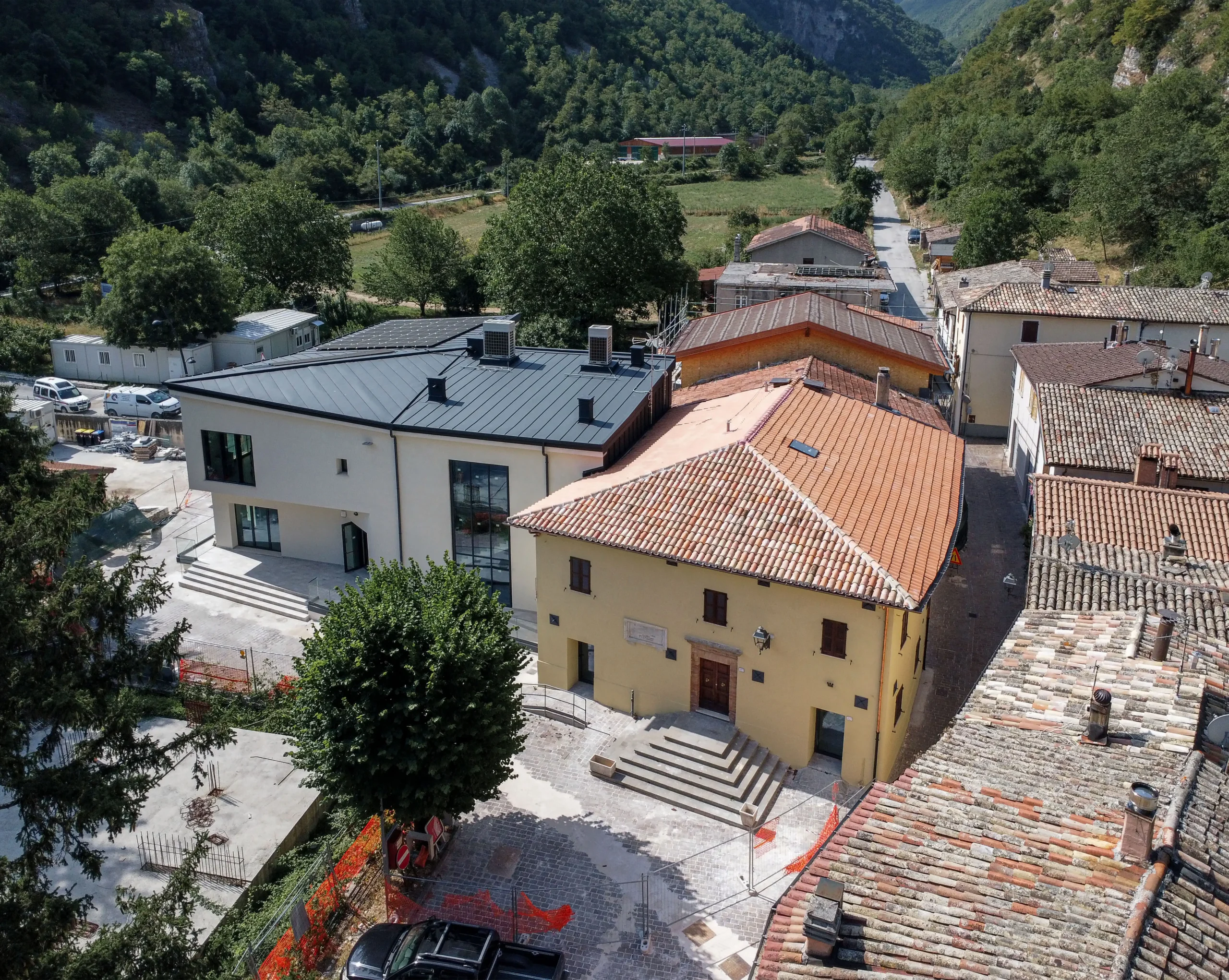
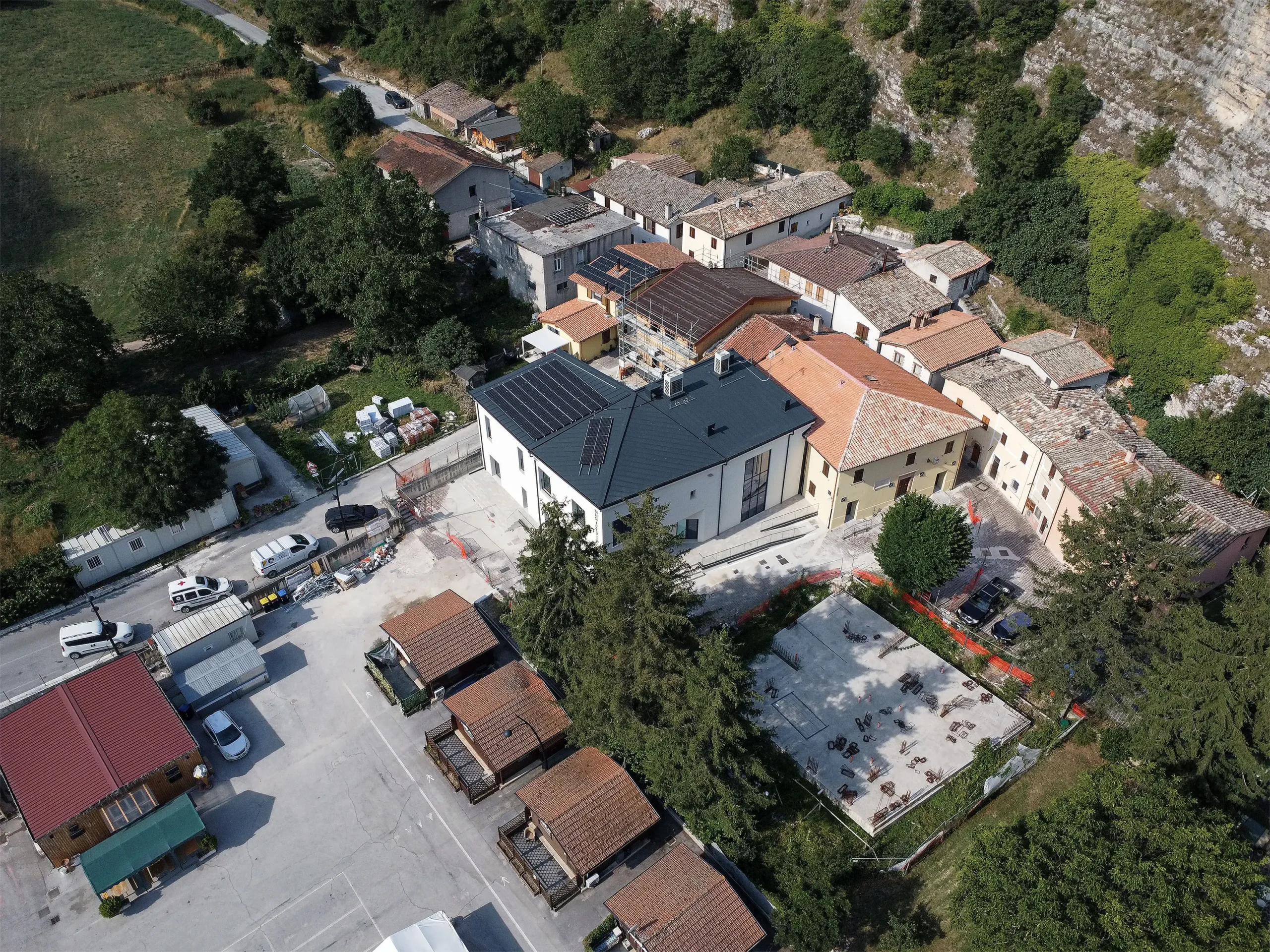
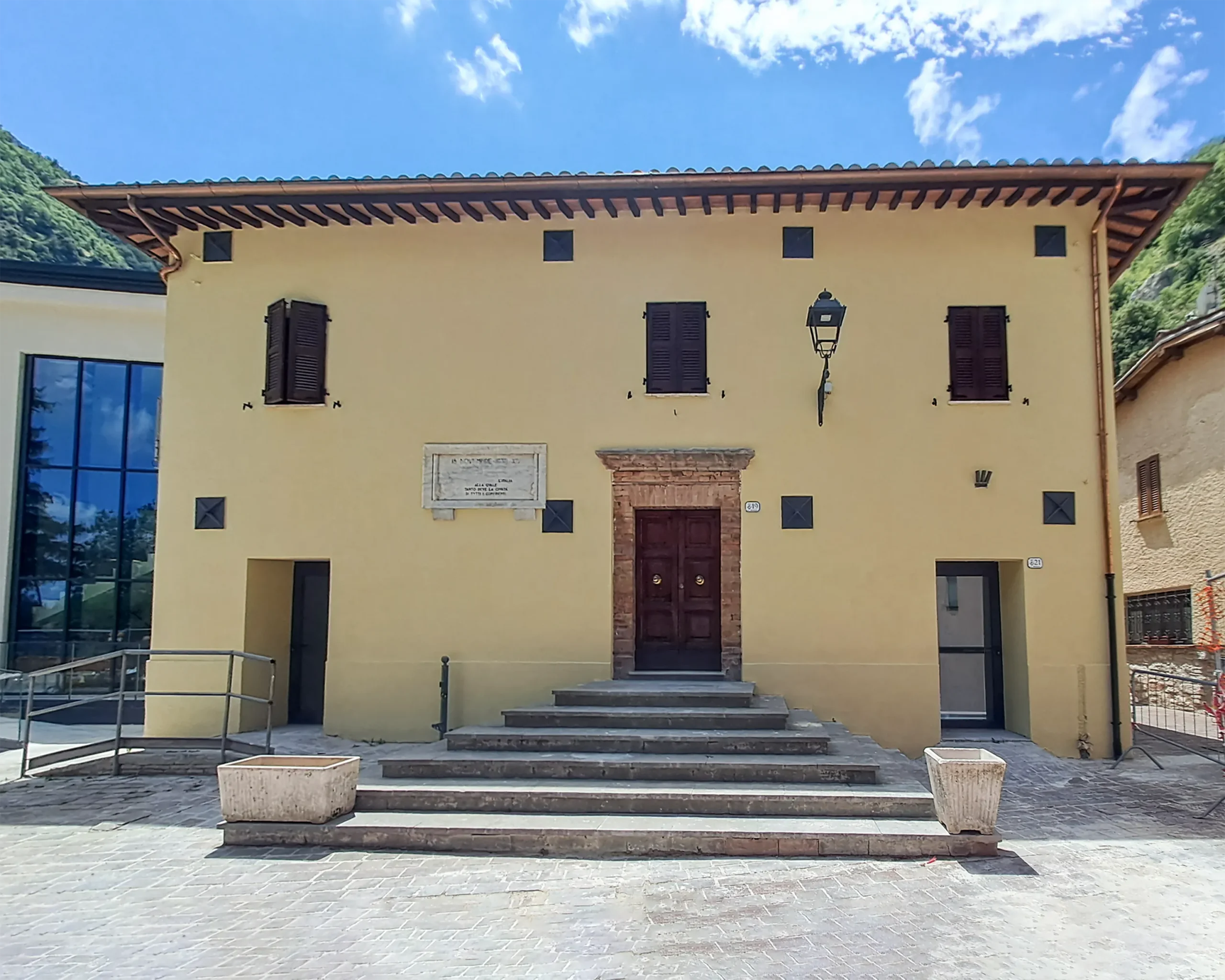
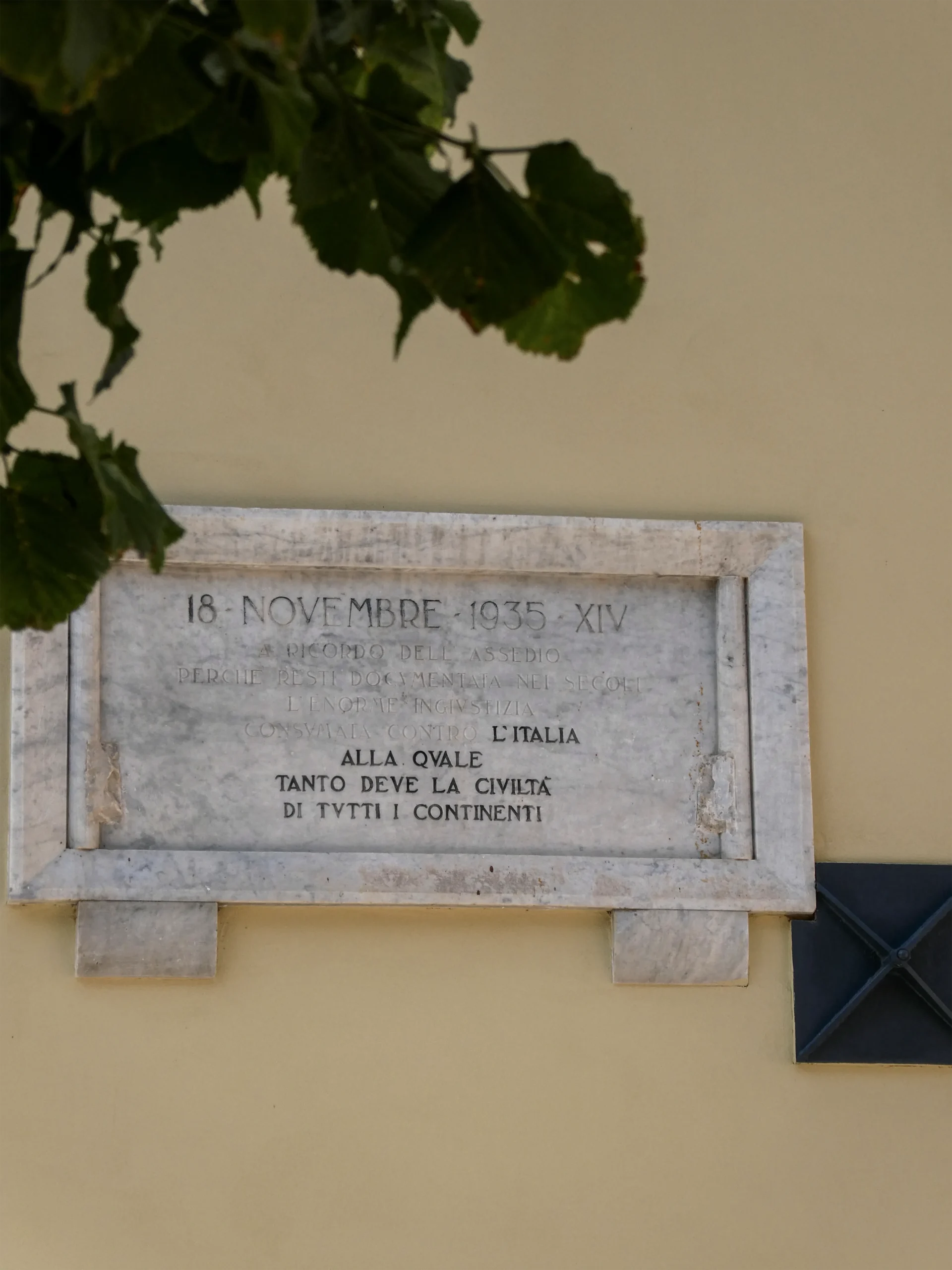
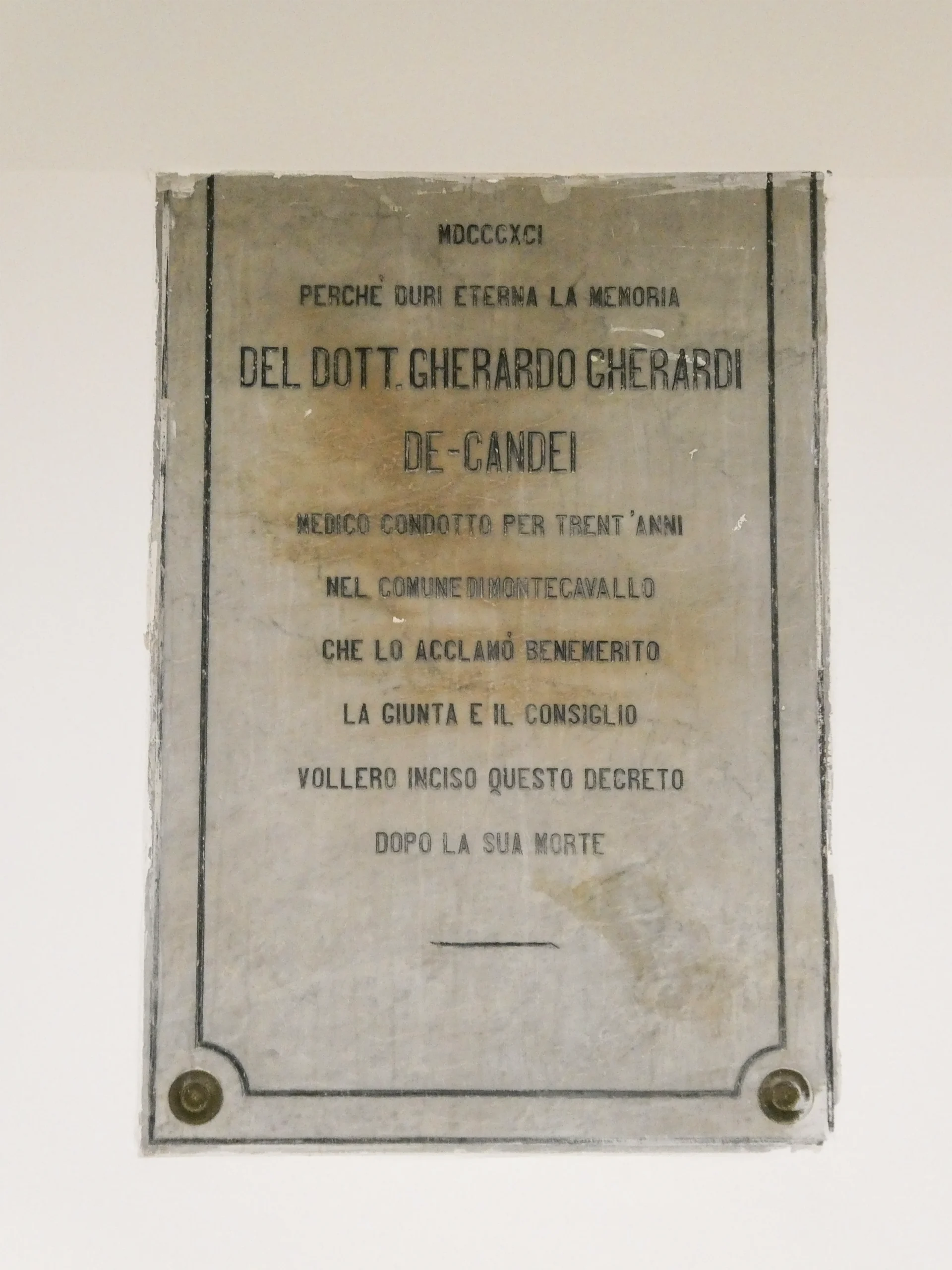
The Monte Cavallo municipal seat combines two structures from different eras. Block A, dating to the second half of the 19th century (the date 1883 is inscribed above one of the entrances), is protected under Legislative Decree 42/2004. Block B, built around the 1970s, was demolished and rebuilt.
Interventions on the historic block include:
- seismic improvement of existing structures
- floor slab consolidation
- “scuci-cuci” masonry repair on cracked walls
- restoration of wall interlocking (ammorsamenti)
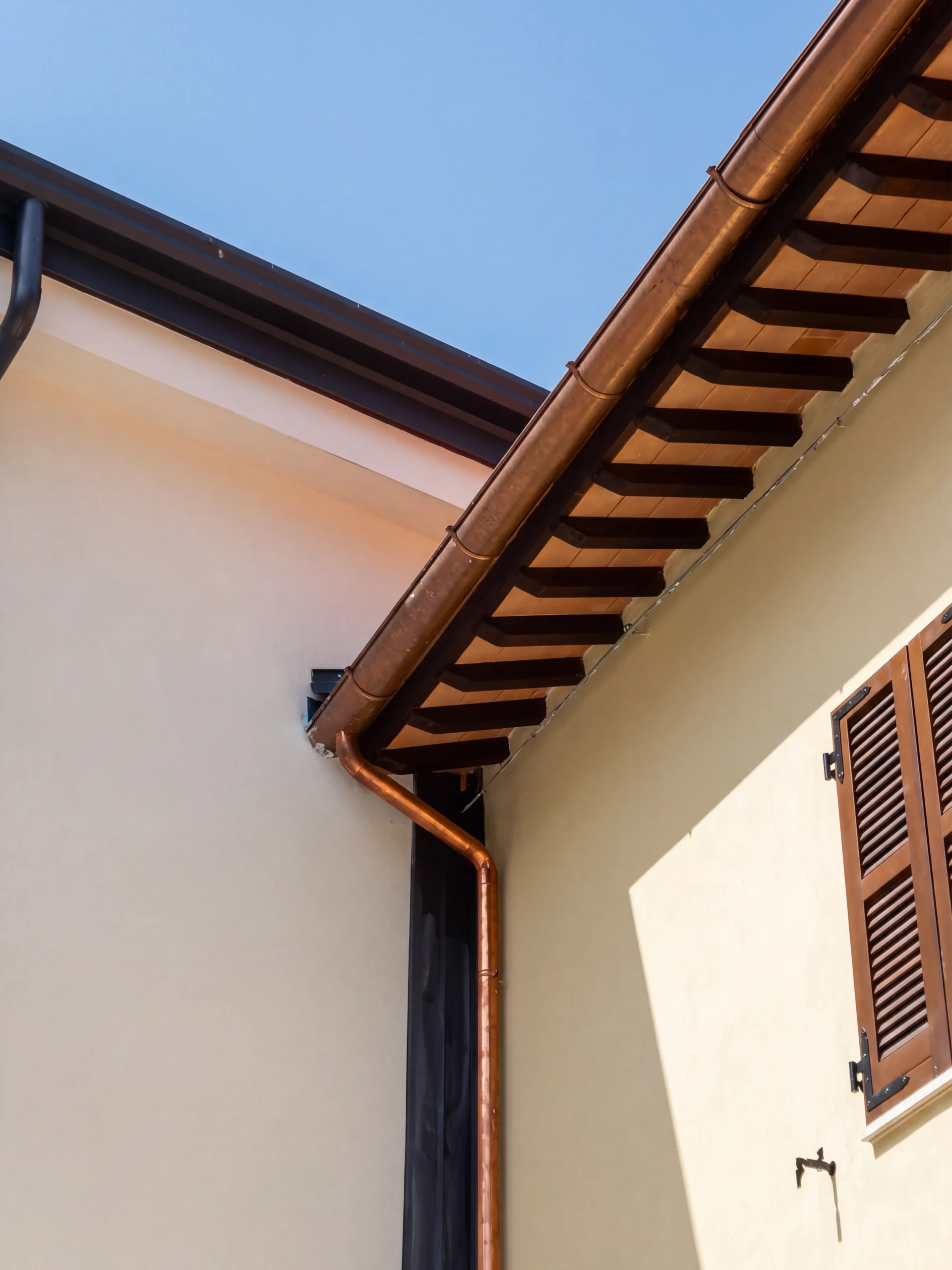
- replacement of the heavy roof with a lightweight steel-and-timber solution
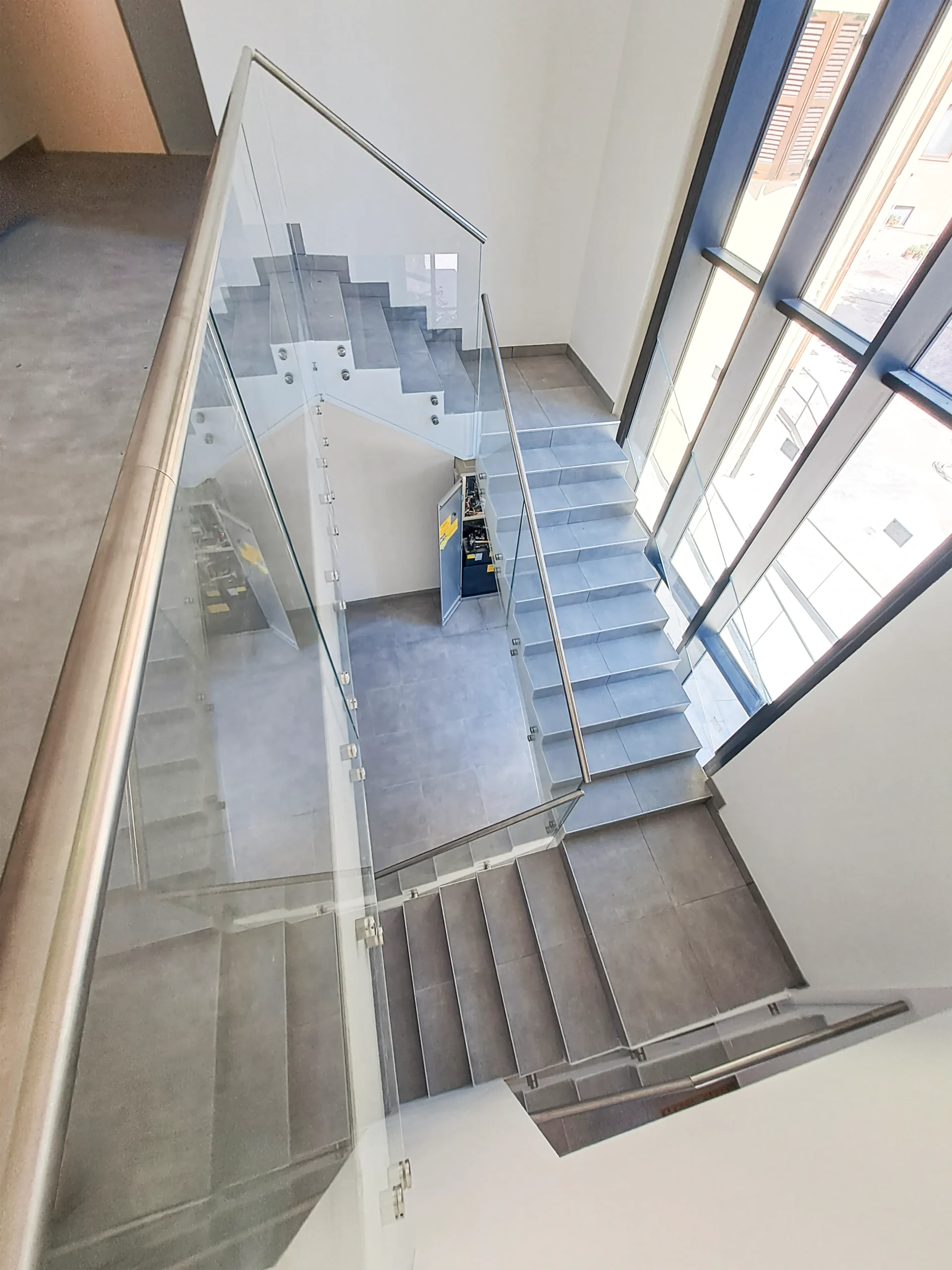
The new wing is built in reinforced concrete, structurally independent from the historic block via a 10 cm seismic joint, sized to prevent pounding between the two structures.
Why is the Monte Cavallo Town Hall also an emergency response hub?
The Town Hall concentrates administrative, healthcare, social, and Civil Protection functions, giving its reconstruction significance beyond that of a single public building.
Before the 2016 earthquake, the complex housed municipal offices, a post office, a medical clinic, archives, Civil Protection, and a multipurpose hall. The hall served as a population gathering and shelter point during disasters, since the municipality had no gymnasiums or sports facilities suited to that role.
The project treats structural safety, service continuity, and collective function as parts of a single design strategy.
How does the new building relate to the historic core?
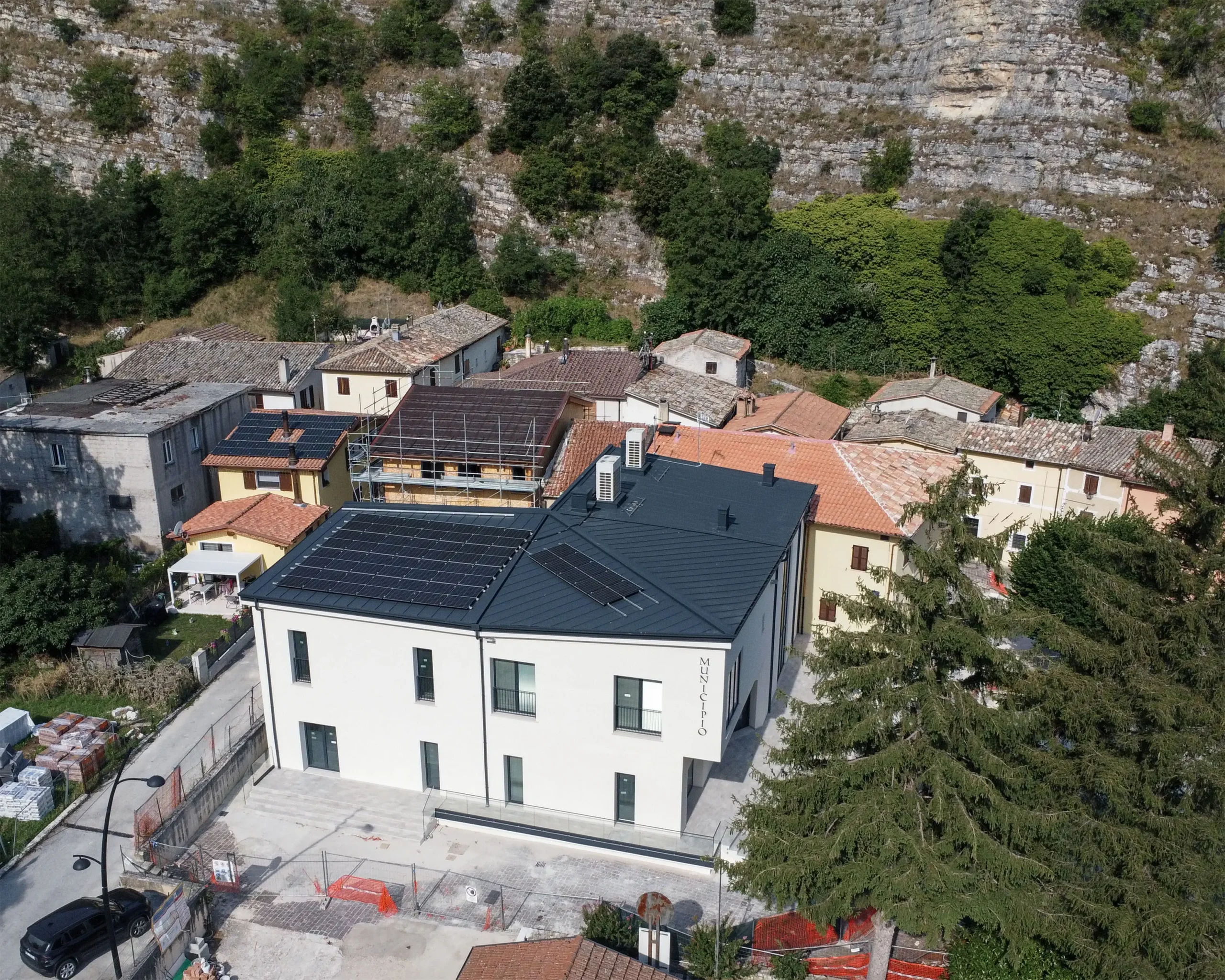
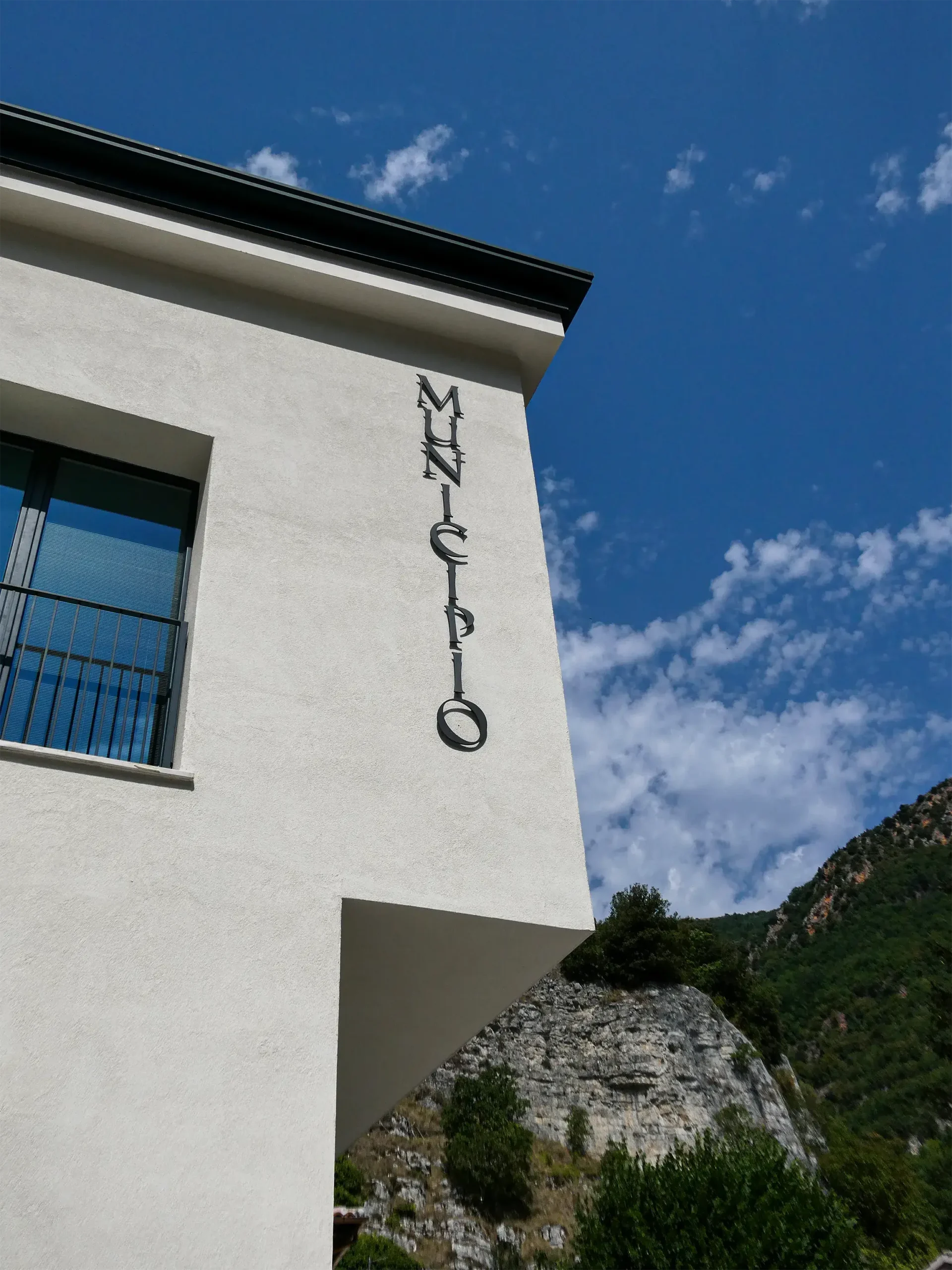
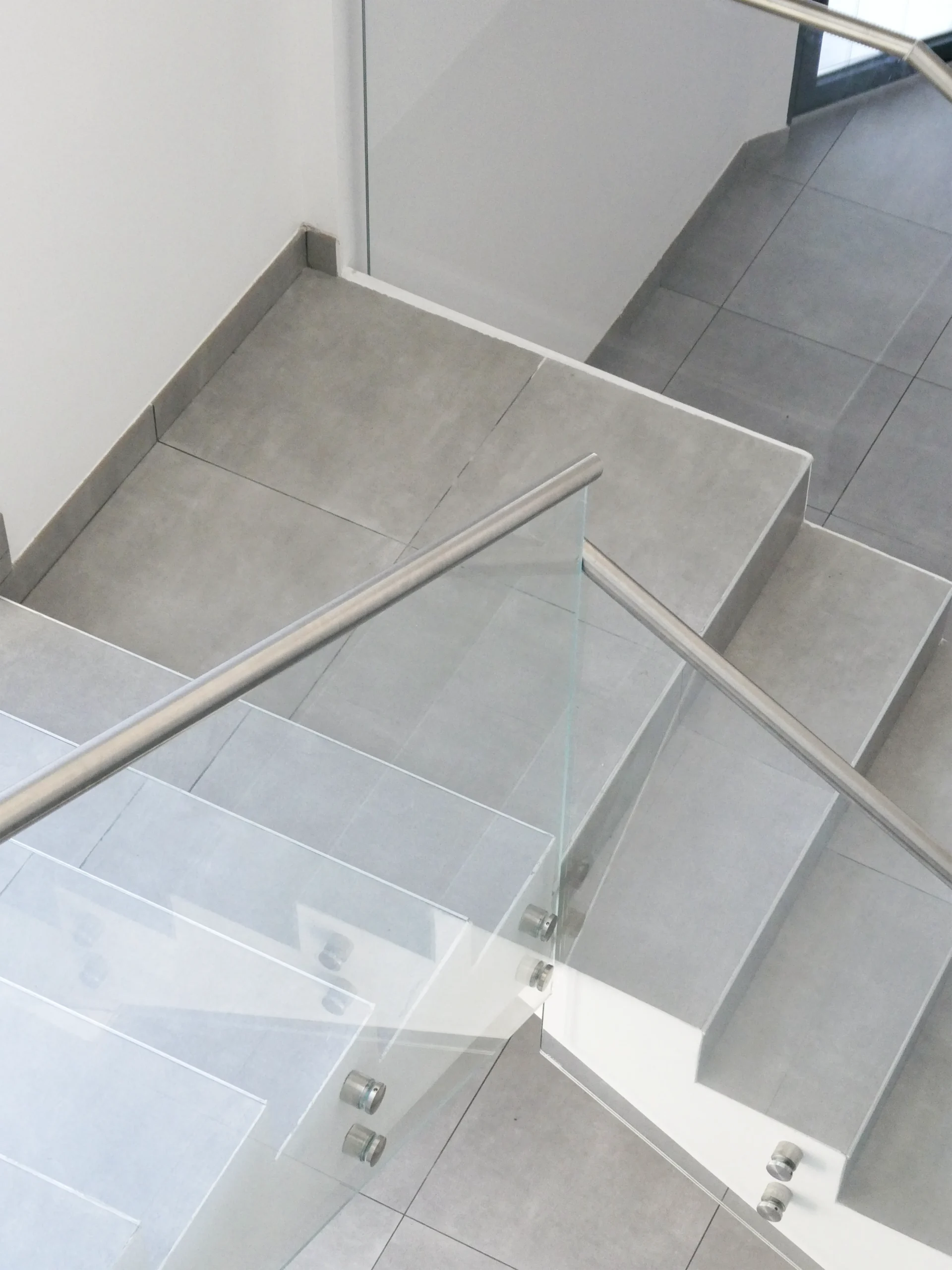
The new volume adopts a contemporary architectural language, without stylistic imitation, while maintaining proportions, color palette, and materials consistent with the context.
The reconstructed Block B is set back approximately 3.50 meters from the previous street line and developed over two levels, with a pitched roof, plastered surfaces, and beige and pink tones consistent with the built fabric of Piè del Sasso.
How much does the energy retrofit improve building performance?
The energy audit estimates a reduction in non-renewable primary energy demand (EPgl,nren) of nearly 90%, moving the building from class F to A4.
- EPgl,nren, existing state: 236.66 kWh/m² per year
- EPgl,nren, design state: 23.99 kWh/m² per year
- EPgl,nren reduction: 89.9%
- Energy class: from F to A4
- Estimated annual energy cost: from €13,923.65 to €2,127.22
- Estimated annual savings: approximately €11,796
- Energy cost reduction: approximately 84.7%
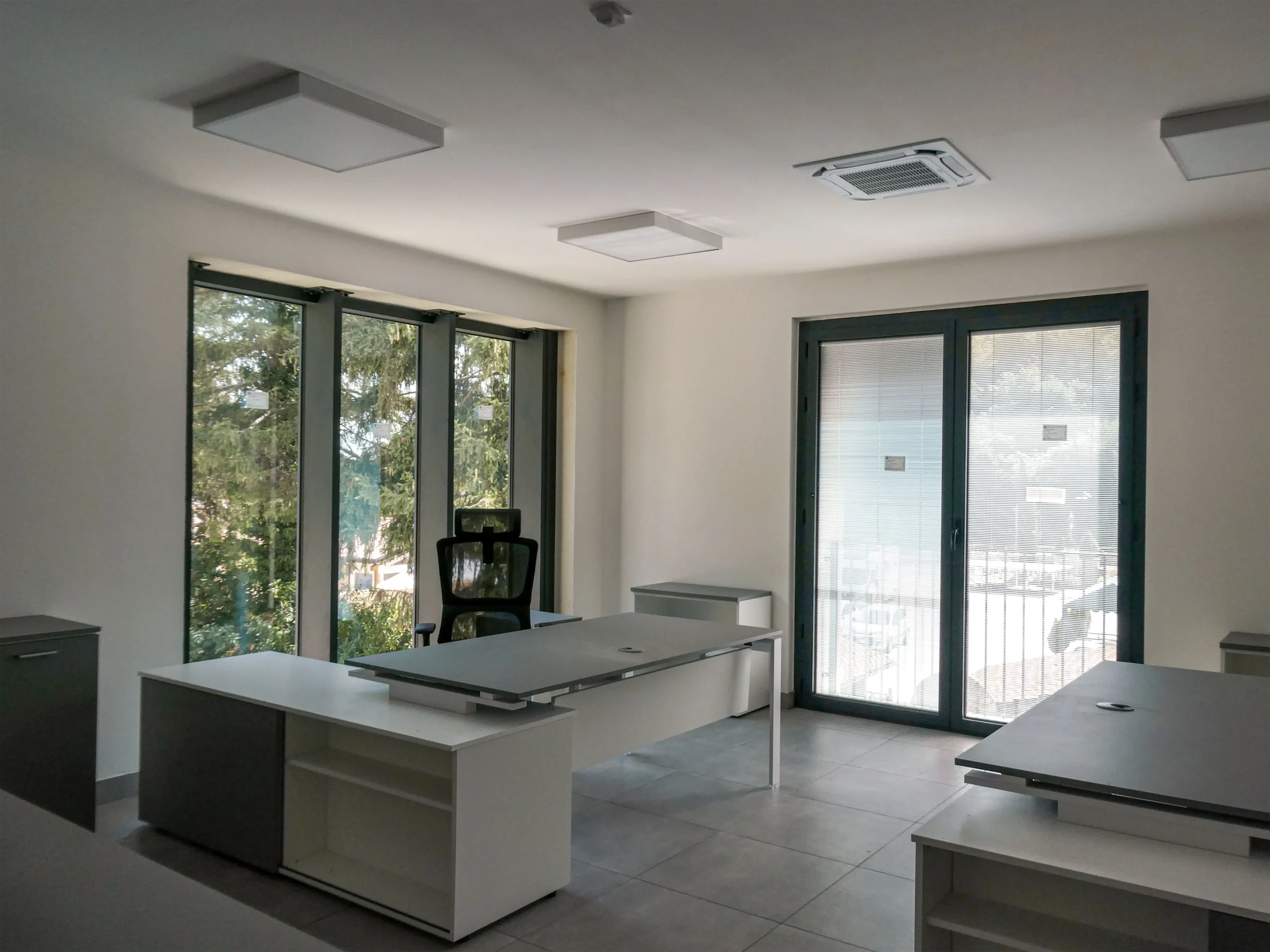
The project integrates heat pumps, room-by-room temperature control, LED lighting, and a 15.8 kWp photovoltaic system.
Perché la sala polivalente del Municipio di Monte Cavallo è strategica in caso di terremoto?
Perché la sala polivalente può svolgere anche la funzione di punto di raccolta e ricovero temporaneo della popolazione. Prima del sisma del 2016 rappresentava uno spazio particolarmente importante perché nel territorio comunale non erano disponibili palestre, palazzetti o altri grandi edifici pubblici utilizzabili in caso di emergenza.
Quanto consuma in meno il Municipio dopo la riqualificazione energetica?
La diagnosi energetica stima una riduzione dell'EPgl,nren dell'89,9%. L'indice passa da 236,66 a 23,99 kWh/m² anno e la classe energetica migliora da F ad A4. La spesa energetica annua stimata si riduce da circa 13.924 a 2.127 euro.
PLACE
Monte Cavallo (MC)
CLIENT
Municipality of Monte Cavallo
WORK PERIOD
2023 / 2026
SERVICES
Construction Design
Design phase Safety coordination
Detailed Design
Safety coordination for executive phase
Technical and Economic Feasibility Study
Works Supervision
TYPOLOGY
Conservative Rehabilitation
New Construction
Restoration of Listed Cultural Heritage
INTENDED USE
Cultural
Institutional
WORK AMOUNT
€ 1.110.000,00
WORKING GROUP
Englobe
Settanta7