Techniques and Investigations in the Restoration of Historic Buildings
Through extensive experience working on protected historic buildings, we have found that many design decisions originate from technical details that are often little known, yet crucial to the quality and technical correctness of the intervention.
What is sagramatura?
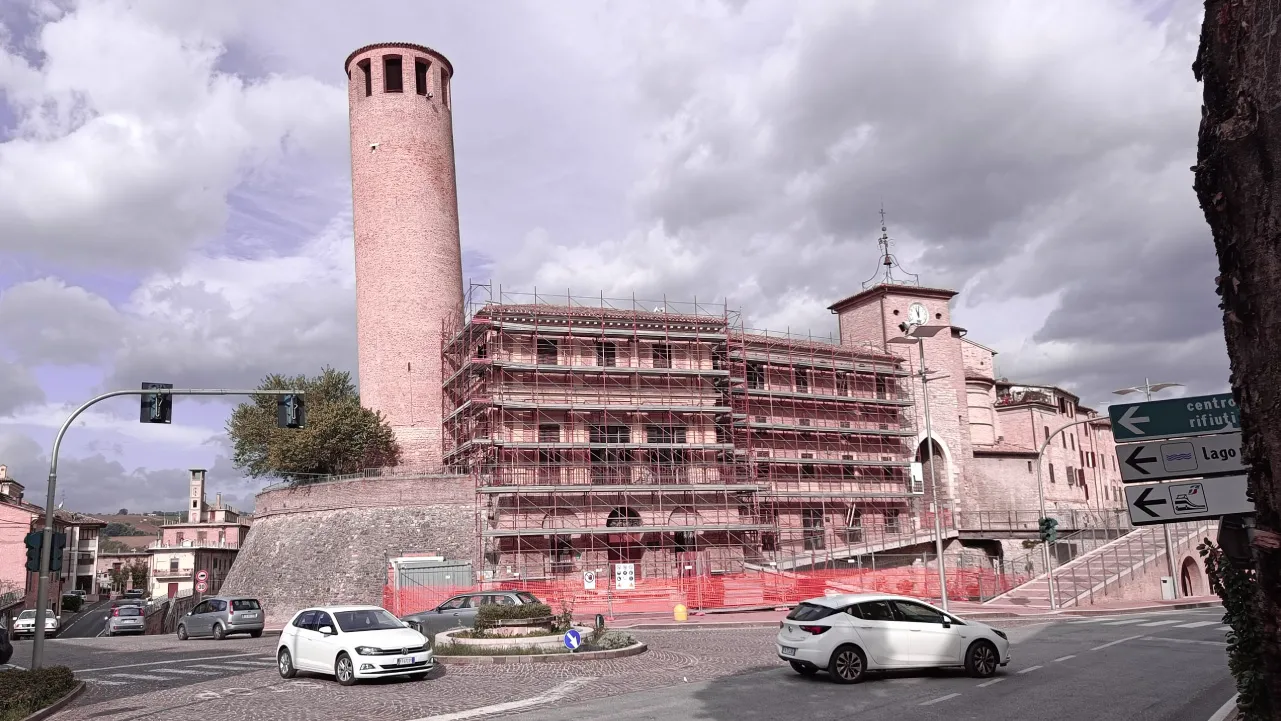
Sagramatura is a specific traditional finishing technique observed on the construction site of the Convent of Matelica. It involves the abrasion of brick surfaces; the resulting powder is then mixed with water and lime putty to create a highly fluid, homogeneous mortar, which is applied to the masonry surface.
How to choose the appropriate intervention: structural strengthening or replacement of timber elements?
Within the scope of restoration and enhancement works on existing buildings, when assessing timber roof elements, visual inspection alone is sometimes insufficient. More extensive and targeted investigations are required, including resistograph testing, moisture measurements, and analyses to identify the wood species. The resulting data are then used for structural calculations to determine whether timber elements such as purlins or truss members should be replaced or structurally strengthened.
What types of ground investigations are most suitable for protected historic buildings?
In the context of a historic building construction site, preliminary investigations are required prior to the start of any intervention. Ground-penetrating radar (GPR) surveys are generally carried out to identify potential voids or cavities beneath the walking surface. In addition, penetrometric tests may be performed to further investigate the mechanical properties of the soil before installing the crane.