Nursery school

Nursery school

Construction of a new nursery school

An Integrated School Campus in Corinaldo

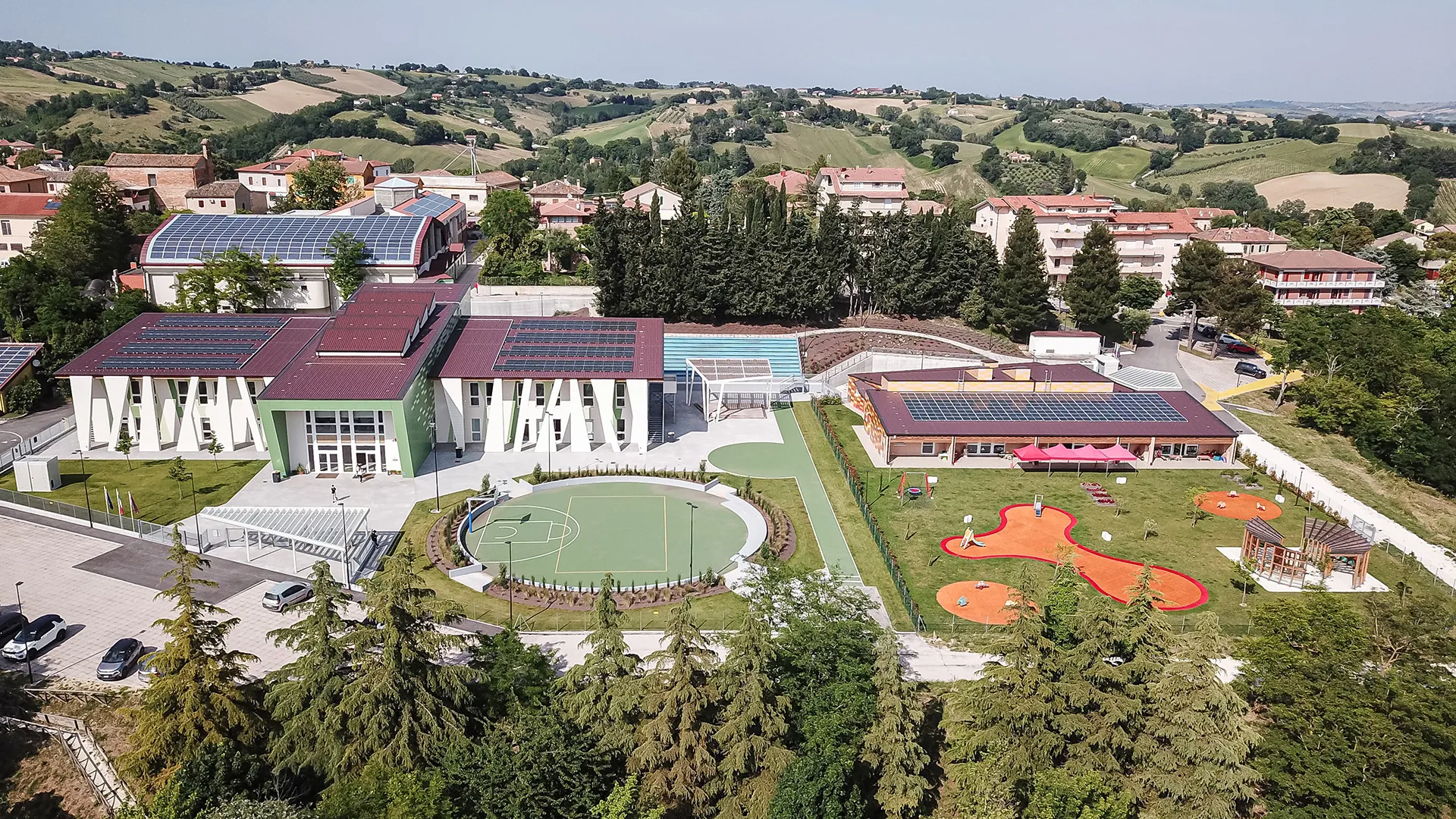
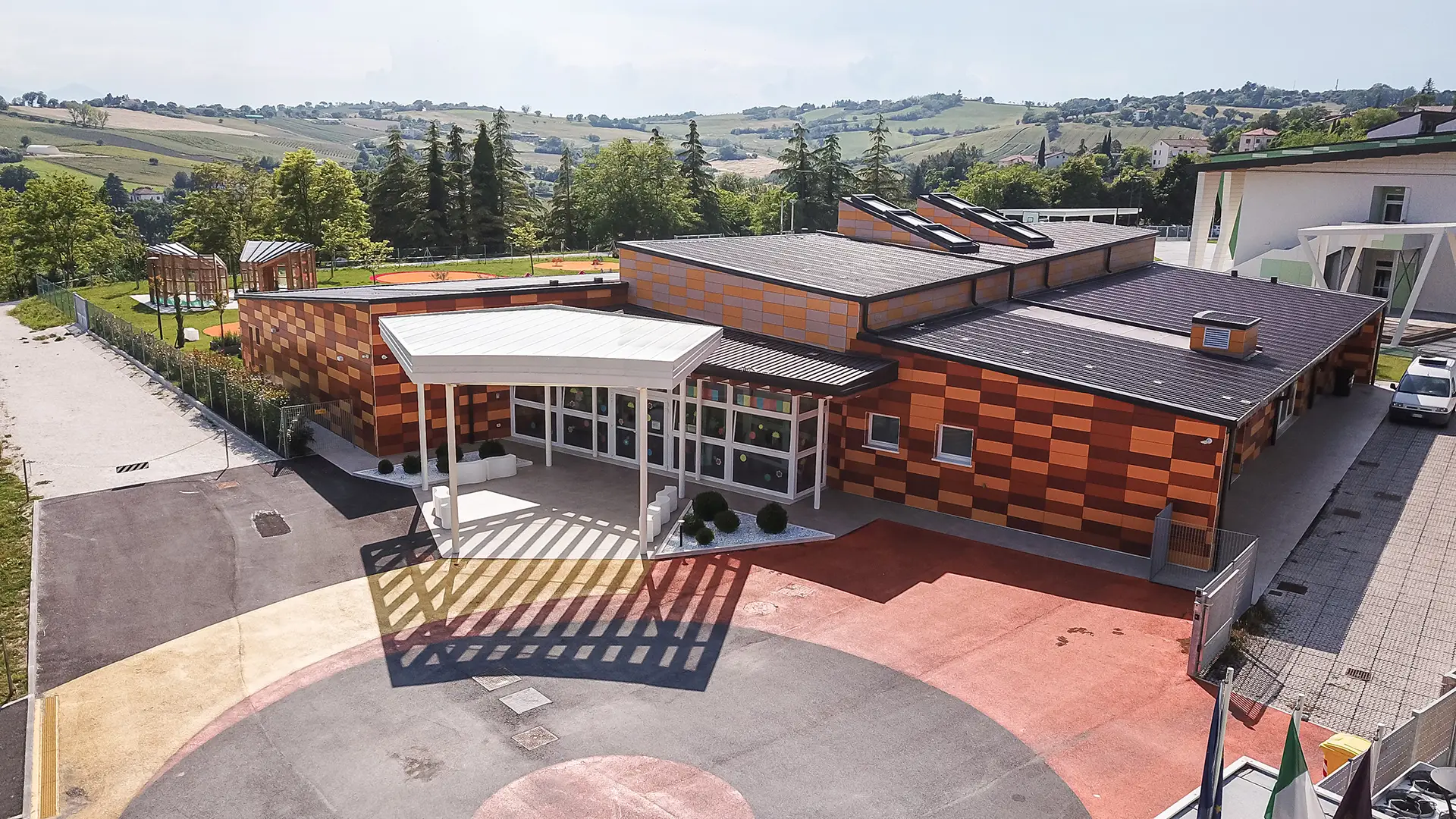
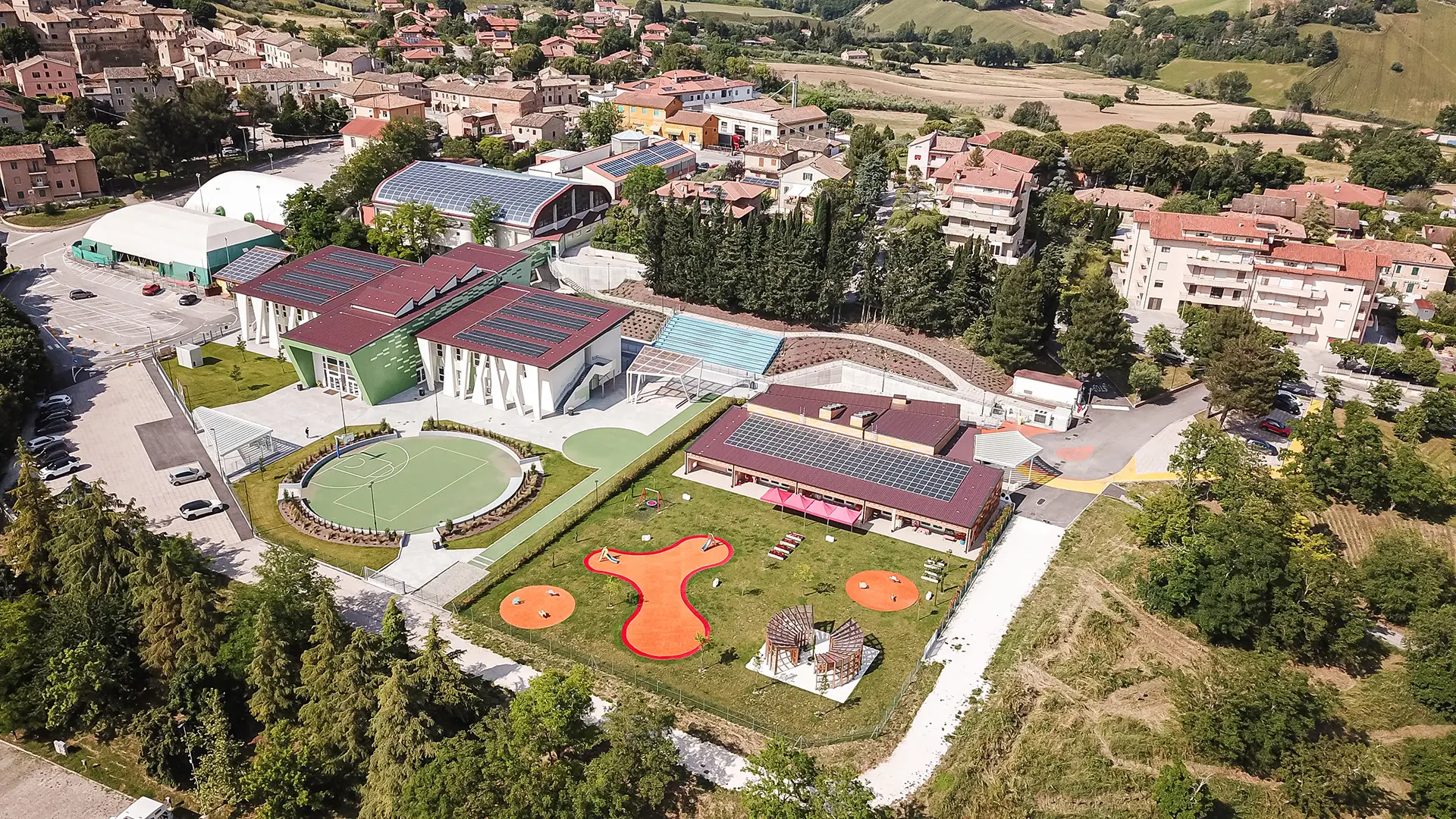
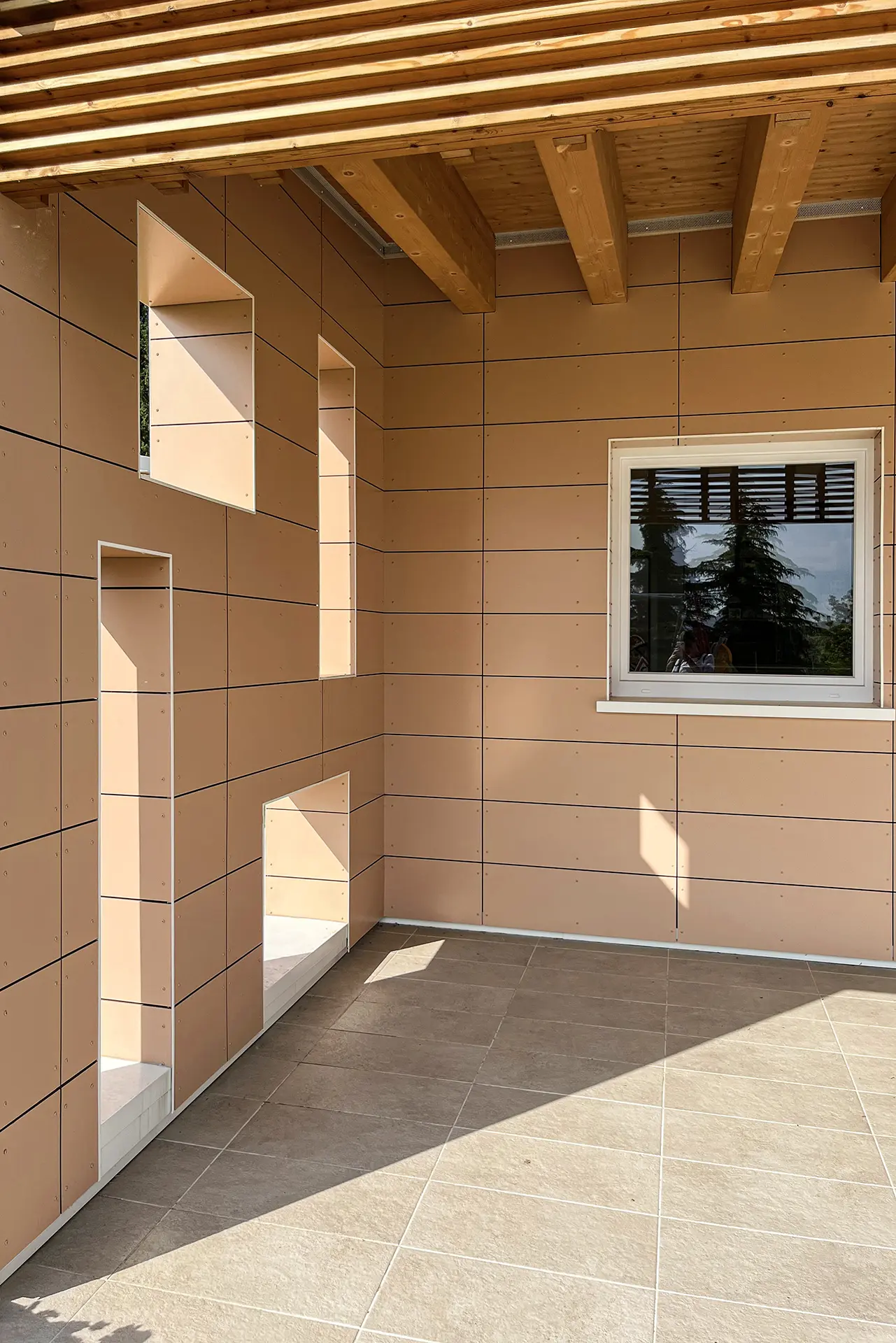
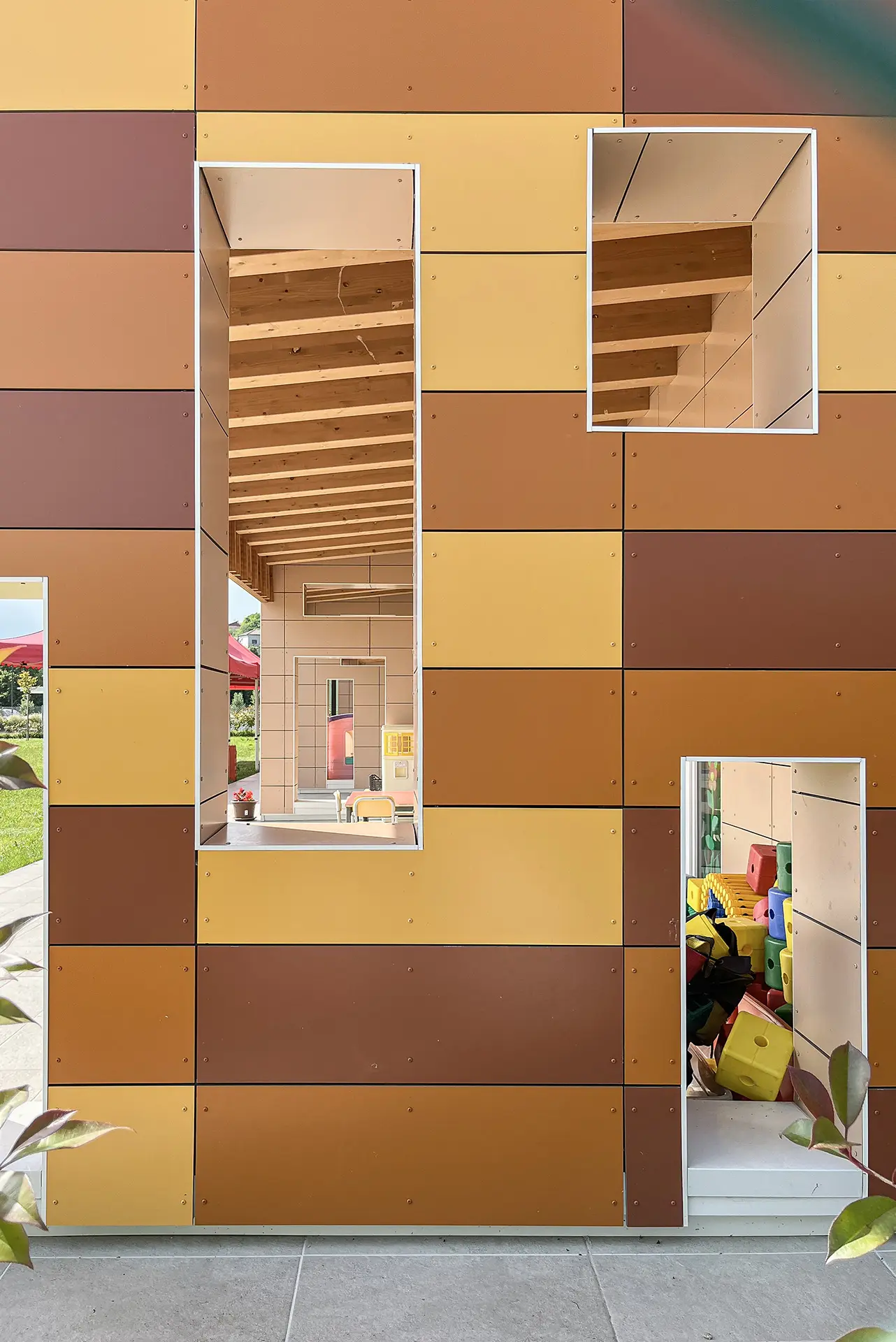
The new Nursery School of Corinaldo (AN) was designed to provide an innovative and sustainable educational environment, aimed at supporting children’s learning and overall well-being. Located immediately downhill from the S. M. Goretti primary school, the building is part of an integrated school campus, enhancing educational continuity and reinforcing the social role of the area.

Timber Architecture and Sustainable Building Design

The project is based on the principles of green building and sustainable architecture, combining the use of natural materials with advanced energy-efficient technologies. The choice of timber construction ensures a reduced environmental impact, excellent thermal and acoustic insulation, and long-term durability. This environmentally conscious approach positions the school as a model of low-energy, eco-friendly architecture.

Flexible and Functional Educational Spaces

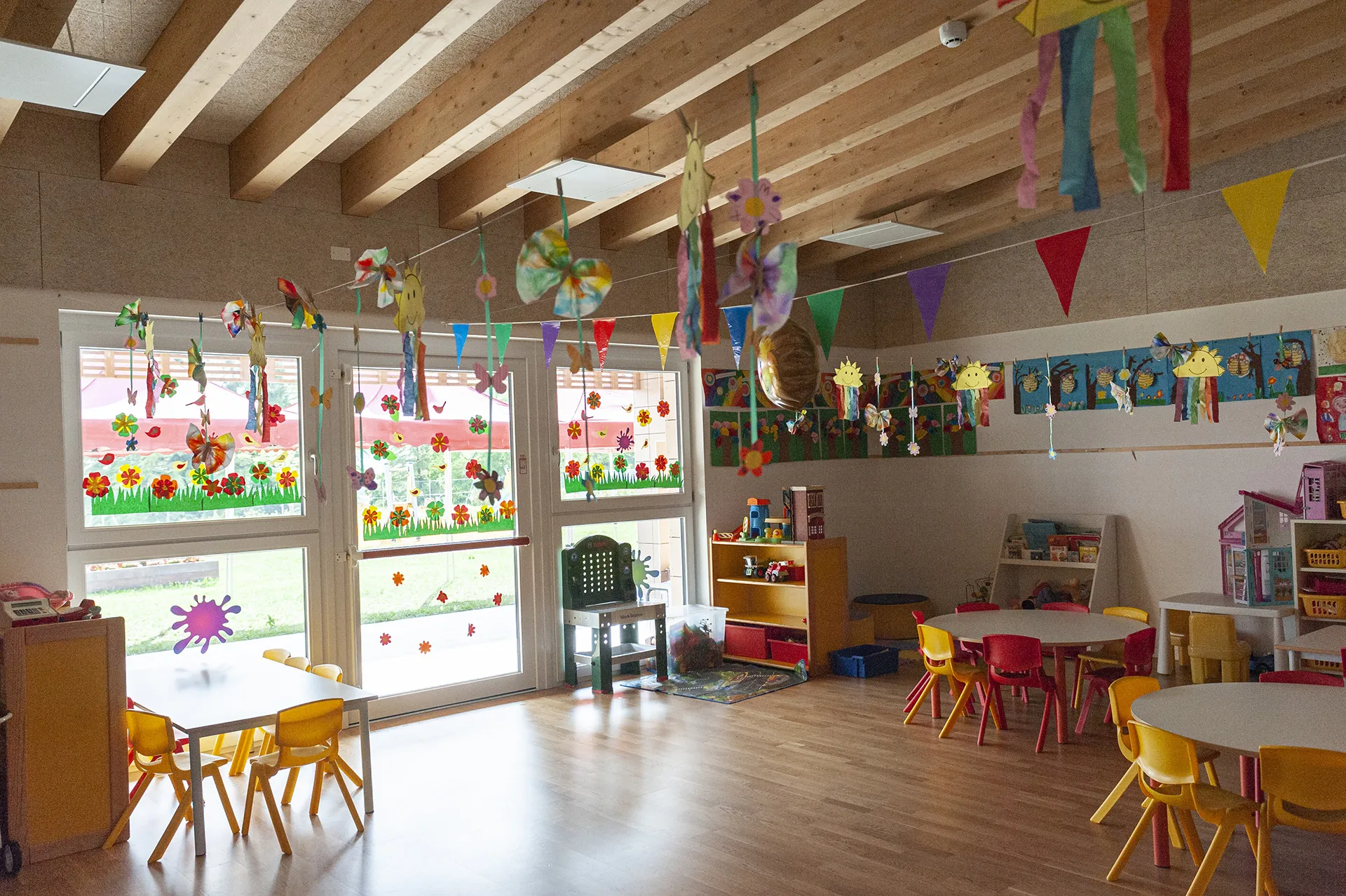
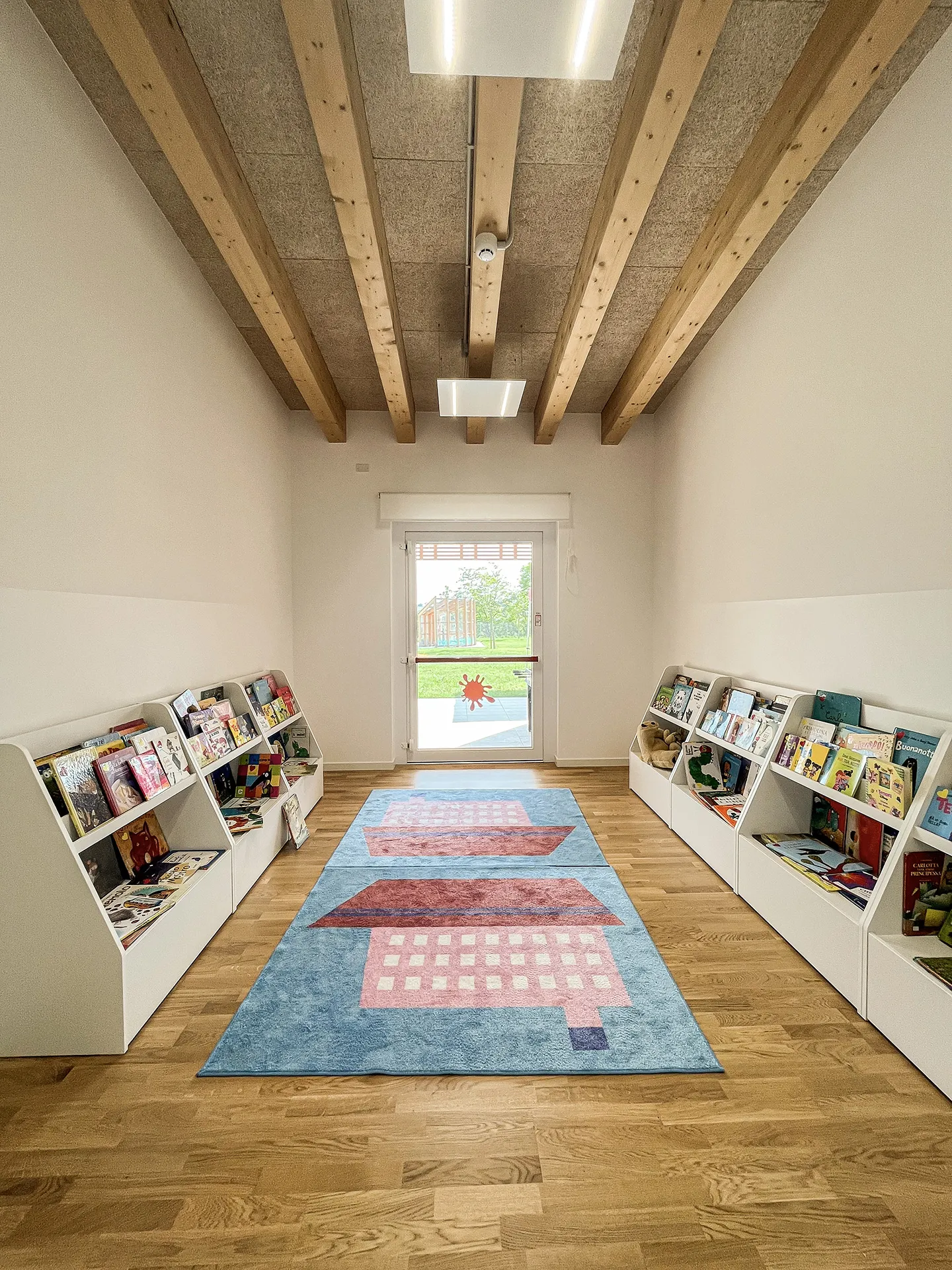
Interior spaces are designed to be flexible and adaptable, responding to the evolving needs of contemporary education. The heart of the building is a central multipurpose hall, which acts as the core of school life and around which classrooms, administrative offices, and service areas are organized. The layout maximizes solar orientation, improving energy efficiency and visual comfort throughout the learning environments.

A Forward-Looking Model for School Architecture

The new Nursery School of Corinaldo represents an example of excellence in educational architecture, successfully combining aesthetic quality, functionality, and sustainability. The building responds to today’s educational requirements while providing a safe, inclusive, and stimulating environment for future generations.

PLACE

Corinaldo (AN)

CLIENT

Unione dei comuni Misano-Nevola

WORK PERIOD
ACTIVITY

Design phase Safety coordination
Executive design
Final design
General coordination and integration of specialist disciplines

TYPOLOGY

New Construction

INTENDED USE

Education

WORK AMOUNT
WORKING GROUP

Arch. Silvia Lupini
Englobe
Ing. Alberto Romagnoli
Vitre Studio S.r.l.

Centocelle Archaeological Park

Centocelle Archaeological Park

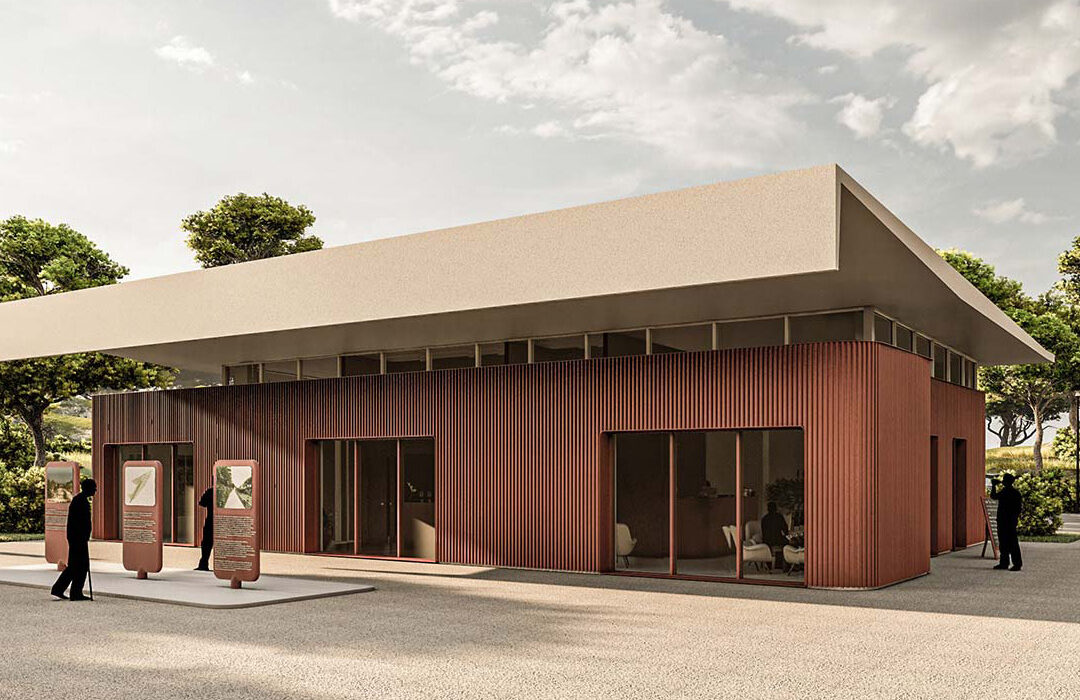
Recovery of the former service station

Urban Regeneration in Centocelle – Rome

The urban regeneration project in the Centocelle district of Rome is part of a broader process aimed at the redevelopment of the existing urban fabric, with the goal of improving the quality of the built environment and strengthening the relationship between architecture, functions, and the local community. The intervention addresses urban transformation through an integrated and sustainability-oriented approach.

Urban context and territorial framework

The project area is located within a consolidated urban context, characterized by a strong neighborhood identity and high building density. The intervention addresses typical challenges of mature urban fabrics, focusing on spatial continuity, public space quality, and the relationship between buildings and the surrounding urban system.

Objectives of urban regeneration

The intervention aims at the functional reactivation of spaces and the improvement of livability conditions through design solutions capable of responding to the contemporary needs of the district. Urban regeneration is conceived as a tool to enhance existing assets, reduce land consumption, and promote sustainable transformation.

Design strategies and integrated approach

The adopted strategies are based on a multidisciplinary approach, integrating architectural, functional, and urban aspects. The project seeks to improve spatial organization, the usability of shared areas, and the integration of new functions into the existing context, while maintaining a balance between transformation and place identity.

Regeneration as a tool for urban enhancement

The urban regeneration project in Centocelle represents an intervention focused on urban quality and social cohesion, contributing to neighborhood revitalization and strengthening local identity. The project plays a strategic role in the city’s renewal process, promoting a sustainable and inclusive vision of urban development.

PLACE

Roma

CLIENT

Comune di Roma

WORK PERIOD
ACTIVITY

Executive design
Final design
Preliminary design
Works Supervision

TYPOLOGY

Urban Regeneration

INTENDED USE

Multifunctional

WORK AMOUNT
WORKING GROUP

Englobe

Monastero della Santa Croce di Fonte Avellana

Monastero della Santa Croce di Fonte Avellana

Restoration and consolidation after the earthquake

Restoration of the Consoli at the Monastery of Fonte Avellana

The restoration of the Consoli is part of the monumental complex of the Monastery of Fonte Avellana, one of the most significant historic and architectural landmarks in the Marche Apennines. The project focuses on the conservation and enhancement of historic built heritage, respecting the original materials, construction techniques, and architectural features of the building.

The intervention falls within the framework of works on listed cultural heritage, adopting an approach aimed at preserving historical identity and ensuring compatibility of the proposed solutions.

Historical and architectural context

The restoration concerns spaces of high documentary and historical value, integral to the architectural system of the monastery. The project was preceded by a detailed assessment of the state of conservation, aimed at identifying existing critical issues and defining intervention strategies consistent with the historic nature of the building.

Conservation and restoration criteria

Design choices are based on the principles of conservative restoration, favoring targeted, reversible, and material-compatible interventions. Particular attention was paid to the stratigraphic reading of surfaces, the preservation of original architectural elements, and the mitigation of deterioration processes, in compliance with regulations and heritage authority requirements.

Architectural works and technical approach

The intervention included structural consolidation and recovery, restoration of historic surfaces, and safety improvements, using techniques and materials compatible with the monumental context. All operations were carefully calibrated to minimize impact on the building while safeguarding its authenticity and cultural value.

Restoration as a tool for heritage enhancement

The restoration project of the Consoli represents a long-term strategy for the preservation and transmission of the asset over time, aiming to protect its historical and architectural significance and ensure informed and sustainable use. The intervention contributes to the overall enhancement of the Fonte Avellana complex, reinforcing its cultural and territorial identity.

PLACE

Serra Sant’Abbondio (PU)

CLIENT

Congregazione Monaci Camaldolesi

WORK PERIOD
ACTIVITY

Design phase Safety coordination
Executive design
Final design
Preliminary design
Restoration and Consolidation
Safety coordination for executive phase
Structural Works Management

TYPOLOGY

Restoration of Listed Cultural Heritage

INTENDED USE

Religious

WORK AMOUNT
WORKING GROUP

Studio Paci Srl