Multi-storey car park

Multi-storey car park

New multi-storey building and commercial buildings

Multi-Storey Parking Facility in Pesaro

The multi-storey parking facility in Pesaro is part of a broader strategy aimed at enhancing urban infrastructure and improving accessibility within the city. The project addresses the need to rationalize vehicle parking, reducing traffic pressure in central areas and improving the overall organization of urban flows.

Urban context and infrastructure role

The parking structure is designed as a functional component of the city’s mobility system, supporting the needs of residents, commuters, and visitors. Its location and configuration help decongest traffic and improve the usability of surrounding public spaces.

Design criteria and architectural solutions

The project was developed according to principles of functional efficiency, durability, and integration with the urban context. The adopted architectural solutions ensure proper natural ventilation, adequate internal lighting, and clear readability of vehicular and pedestrian routes.

Functional layout and safety

The internal layout of the multi-storey parking facility is designed to optimize access and exit flows, enhancing safety and usability. Particular attention was paid to route separation, signage, and visibility, ensuring clear and intuitive conditions of use.

Parking as a tool for urban regeneration

The intervention contributes to the regeneration of the urban environment, introducing a strategic infrastructure capable of addressing contemporary mobility needs. The multi-storey parking facility thus supports urban development by promoting a more sustainable management of public space and vehicular traffic.

PLACE

Pesaro (PU)

CLIENT

Private

WORK PERIOD
ACTIVITY

Architectural Design
Design phase Safety coordination

TYPOLOGY

New Construction

INTENDED USE

Commercial

WORK AMOUNT
WORKING GROUP

Arch. Alberto Iaccarino
Ing. Pietro Paci

Museo Diocesano San Severino

Museo Diocesano San Severino

Design of the exhibition itinerary and museum lighting

Diocesan Museum of San Severino

The intervention on the Diocesan Museum of San Severino is part of a broader process aimed at the enhancement of historic and artistic heritage, through the adaptive reuse of existing spaces dedicated to the conservation and public display of artworks. The project was developed with full respect for the architectural and urban context, strengthening the museum’s cultural role within the city.

Historical context and museum function

The Diocesan Museum is housed within a historic building that forms an integral part of the city’s architectural system. The project carefully considered the historical stratification of the structure and its representative function, ensuring compatibility between new museographic requirements and the preservation of the existing fabric.

Intervention criteria for the historic building

Design decisions were based on an approach combining restoration and functional upgrading, aimed at preserving the original architectural features while ensuring suitable conditions for artwork conservation and visitor access. The interventions were designed to be reversible and compatible, in compliance with heritage regulations and conservation constraints.

Exhibition layout and visitor experience

Special attention was given to the organization of exhibition spaces, improving the clarity of museum routes and the overall quality of the visitor experience. The adopted solutions balance conservation needs, functional requirements, and interpretative aspects, ensuring a harmonious relationship between the architectural container and the displayed collections.

The museum as a cultural landmark

The Diocesan Museum of San Severino project represents a strategic intervention for strengthening local cultural identity, enhancing ecclesiastical and artistic heritage and making it accessible to the wider community. The project reinforces the museum’s role as a place for knowledge, conservation, and dissemination of the territory’s historic and artistic heritage.

PLACE

San Severino Marche (MC)

CLIENT

Arcidiocesi di Camerino
San Severino Marche

WORK PERIOD
ACTIVITY

Architectural Design
Design phase Safety coordination
Safety coordination for executive phase
Works Supervision

TYPOLOGY

Preparation

INTENDED USE

Cultural

WORK AMOUNT
WORKING GROUP

Ing. Stefano Pacifico Tallei
Studio Paci Srl
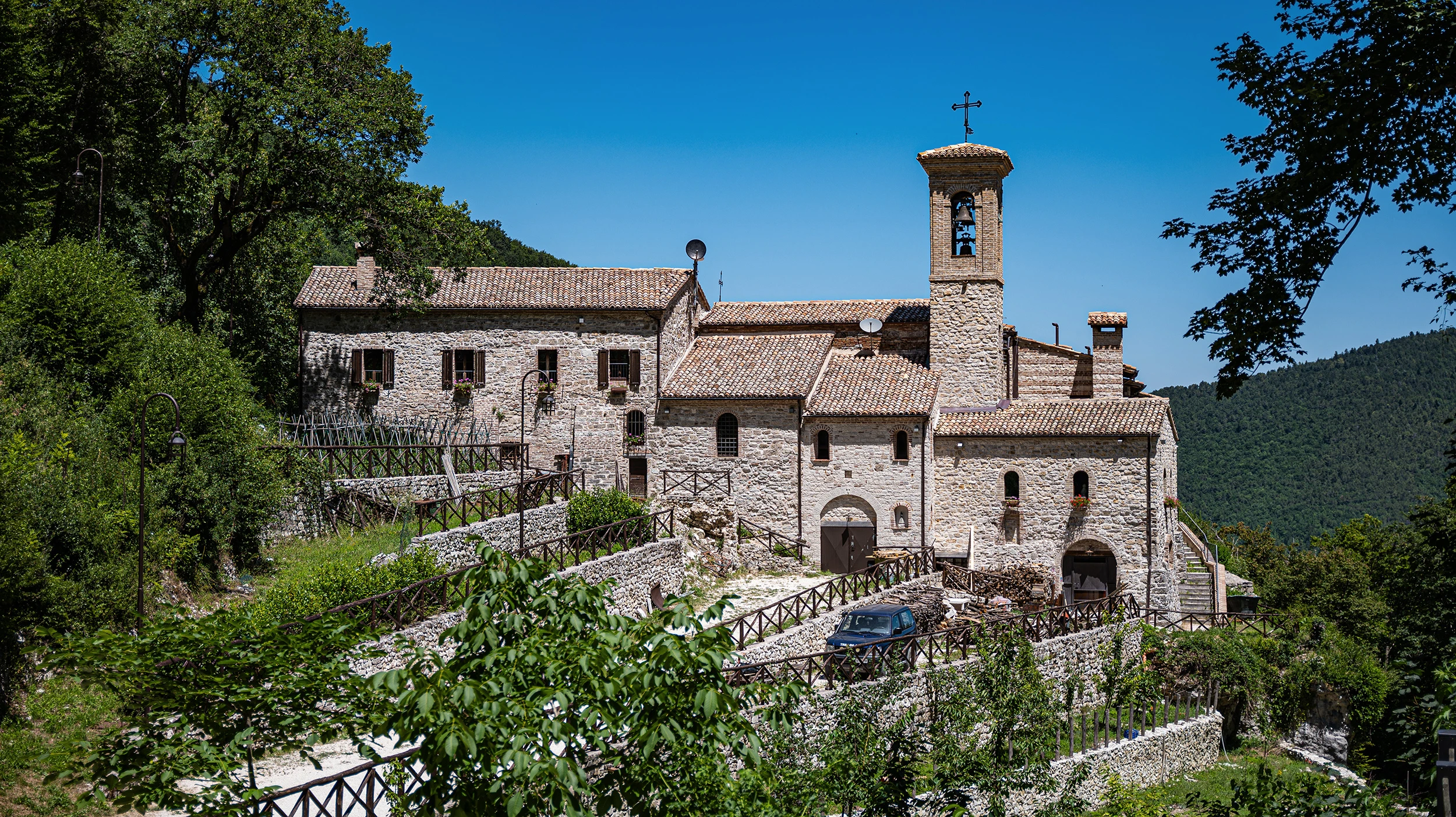
Monumental Complex of the Eremo del Sasso

Monumental Complex of the Eremo del Sasso

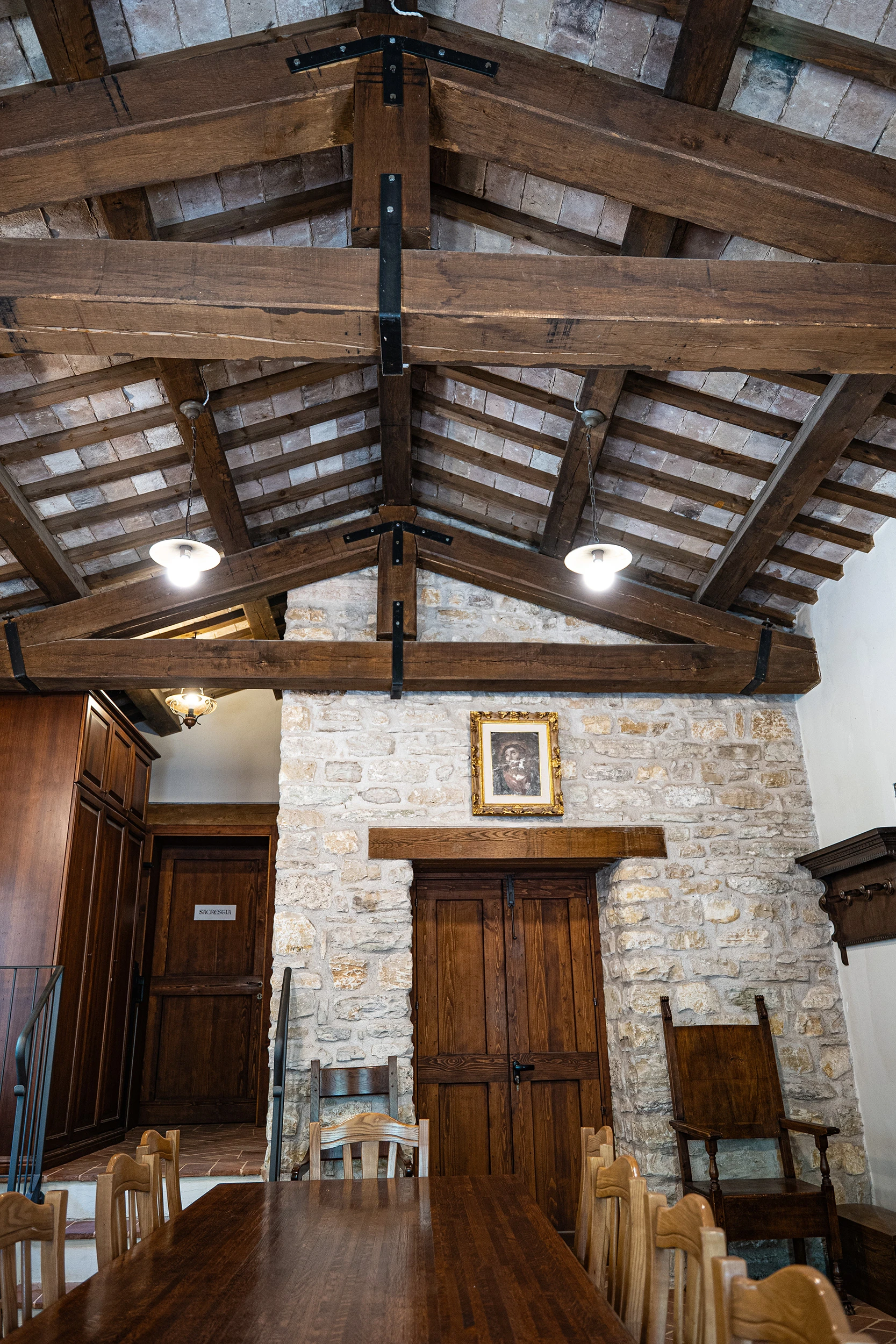
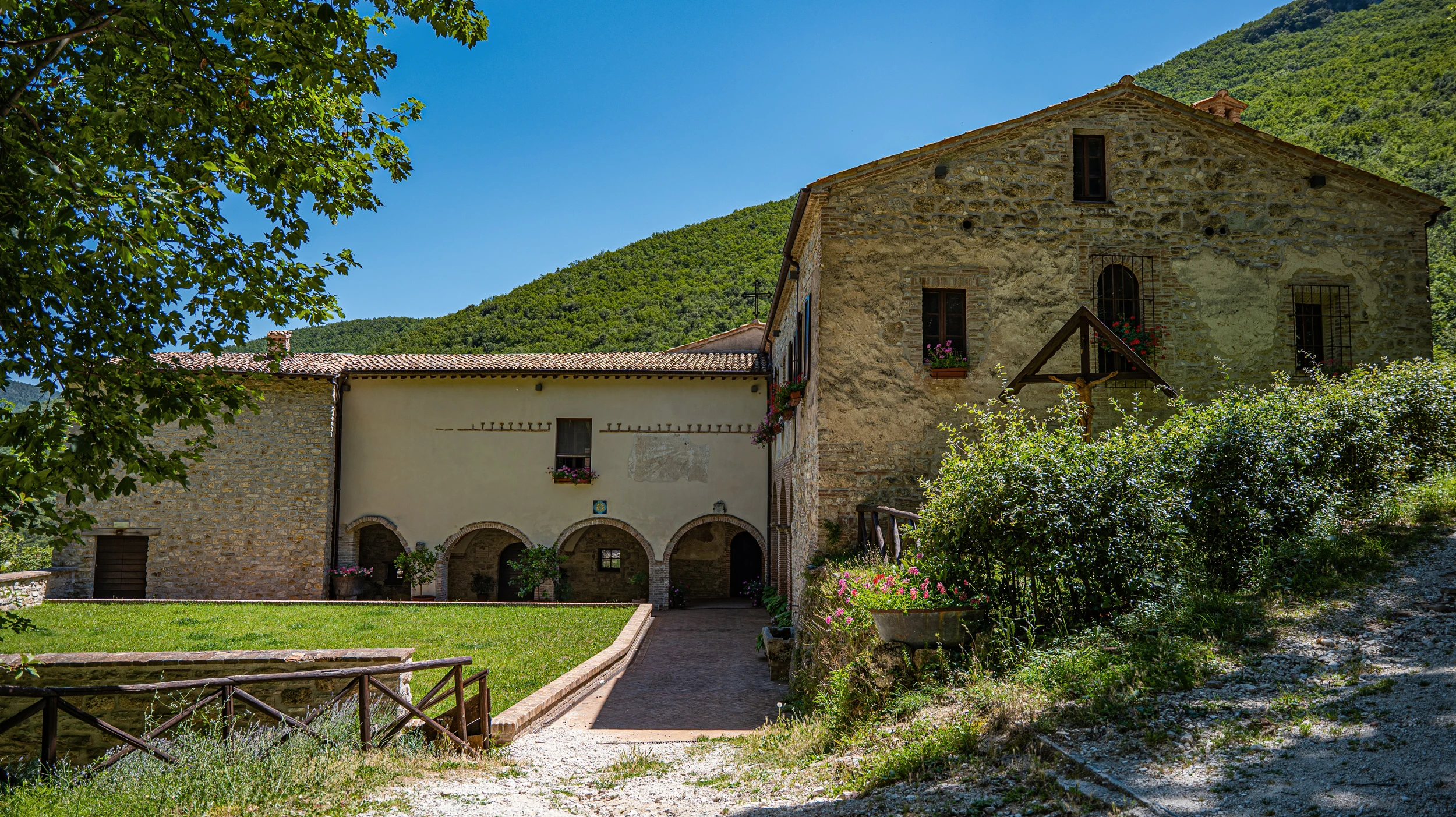
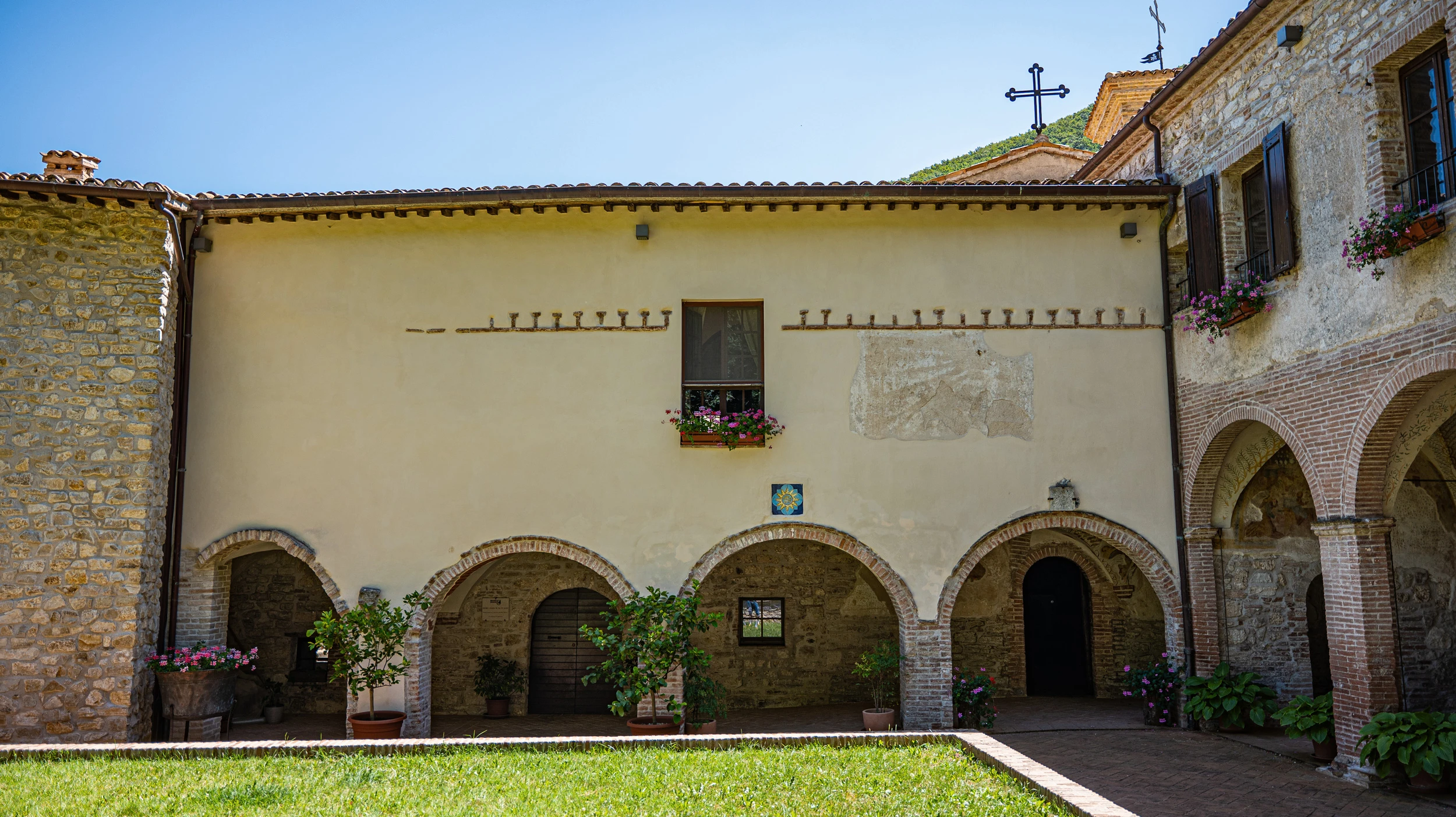
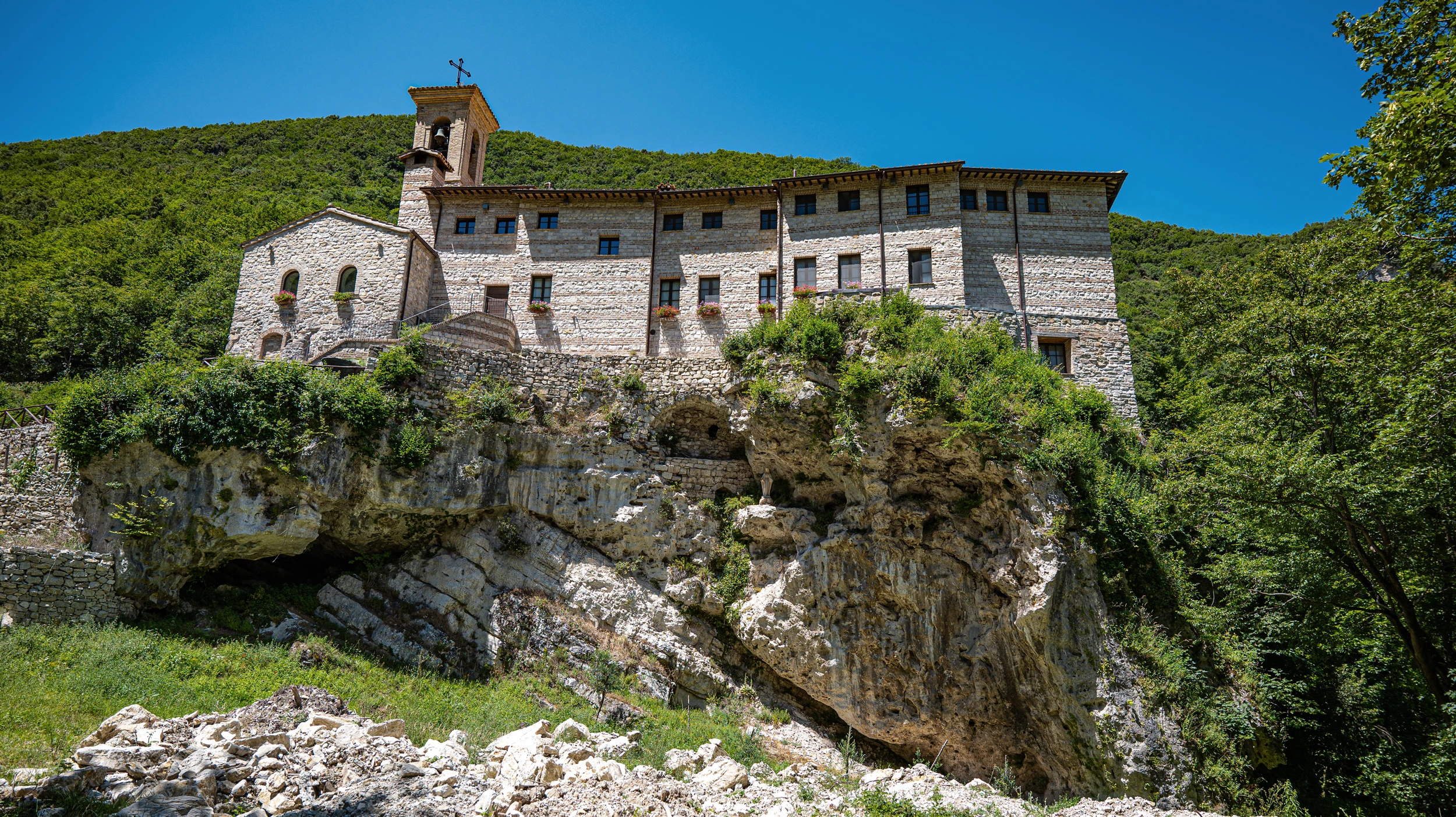
Monumental Complex of the Eremo del Sasso

Historical Context and Cultural Significance of the Complex

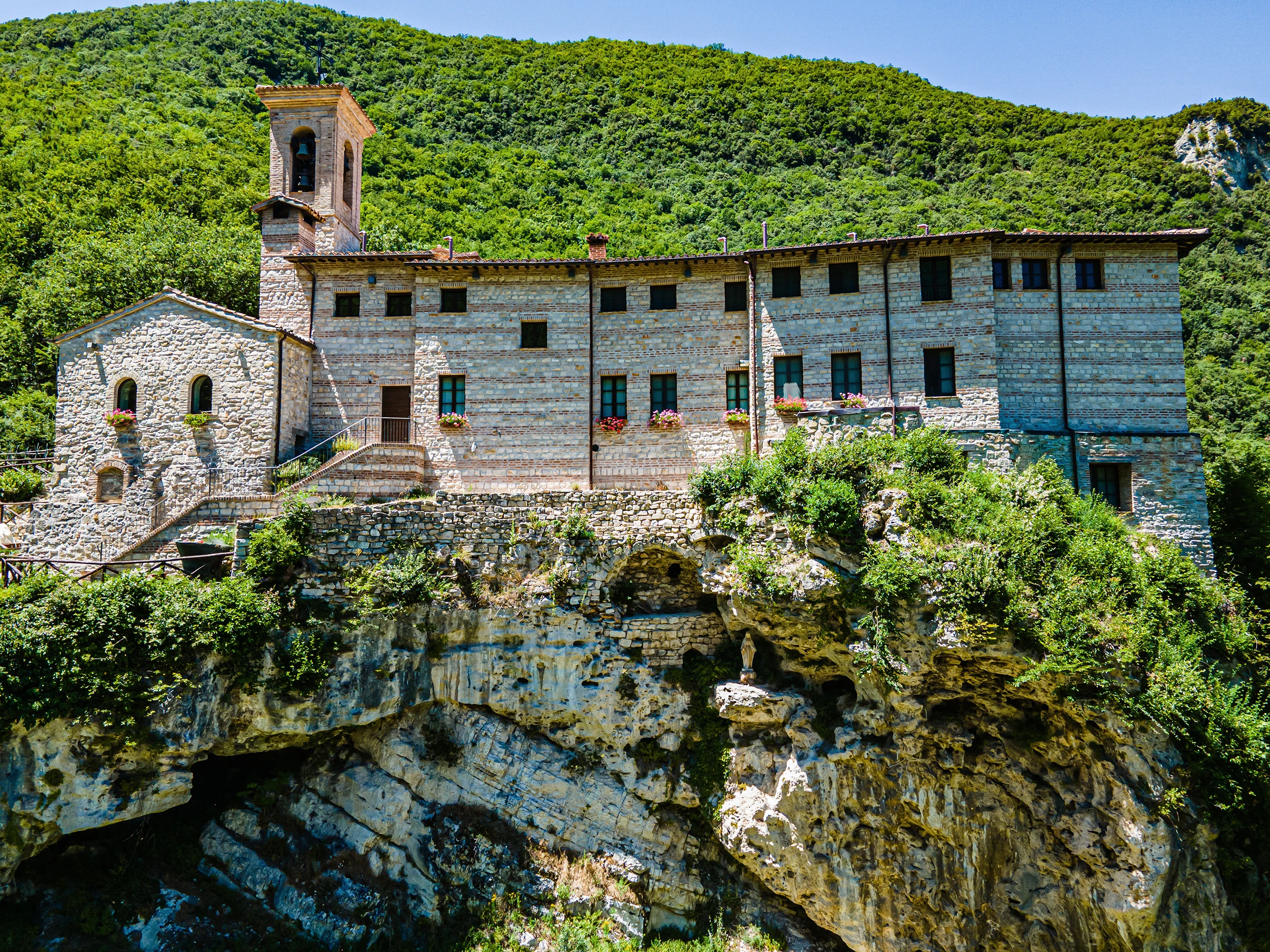
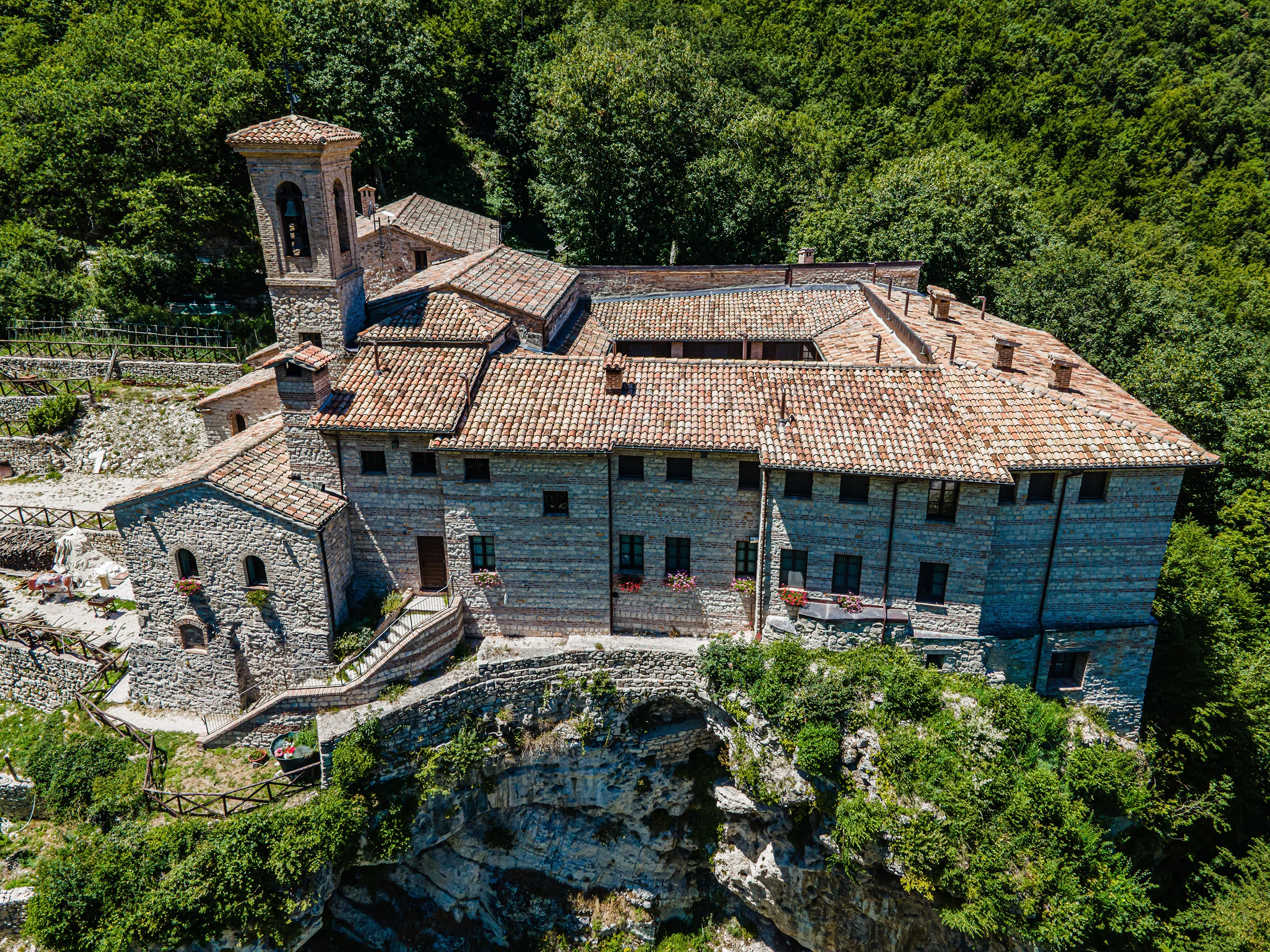
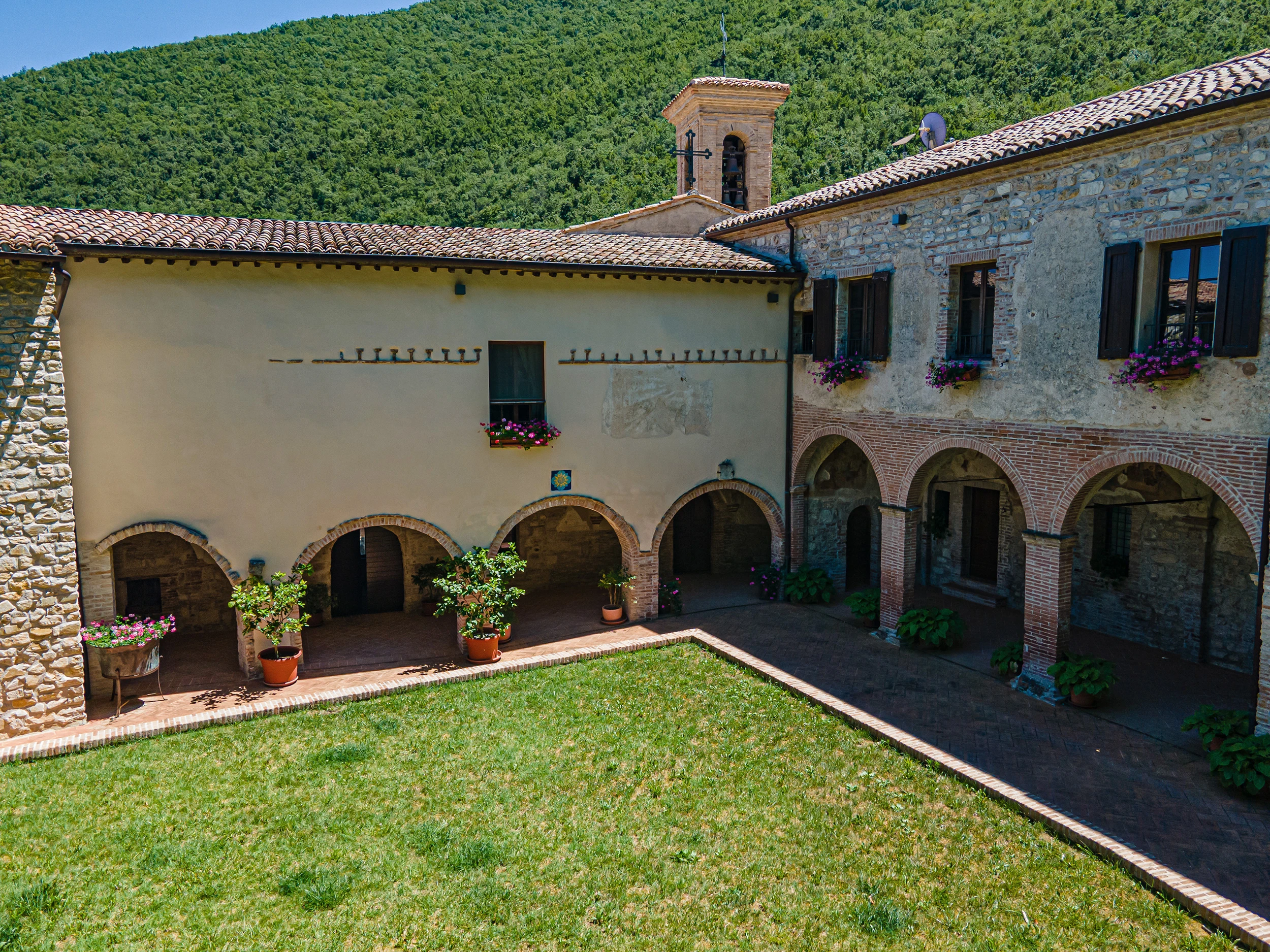
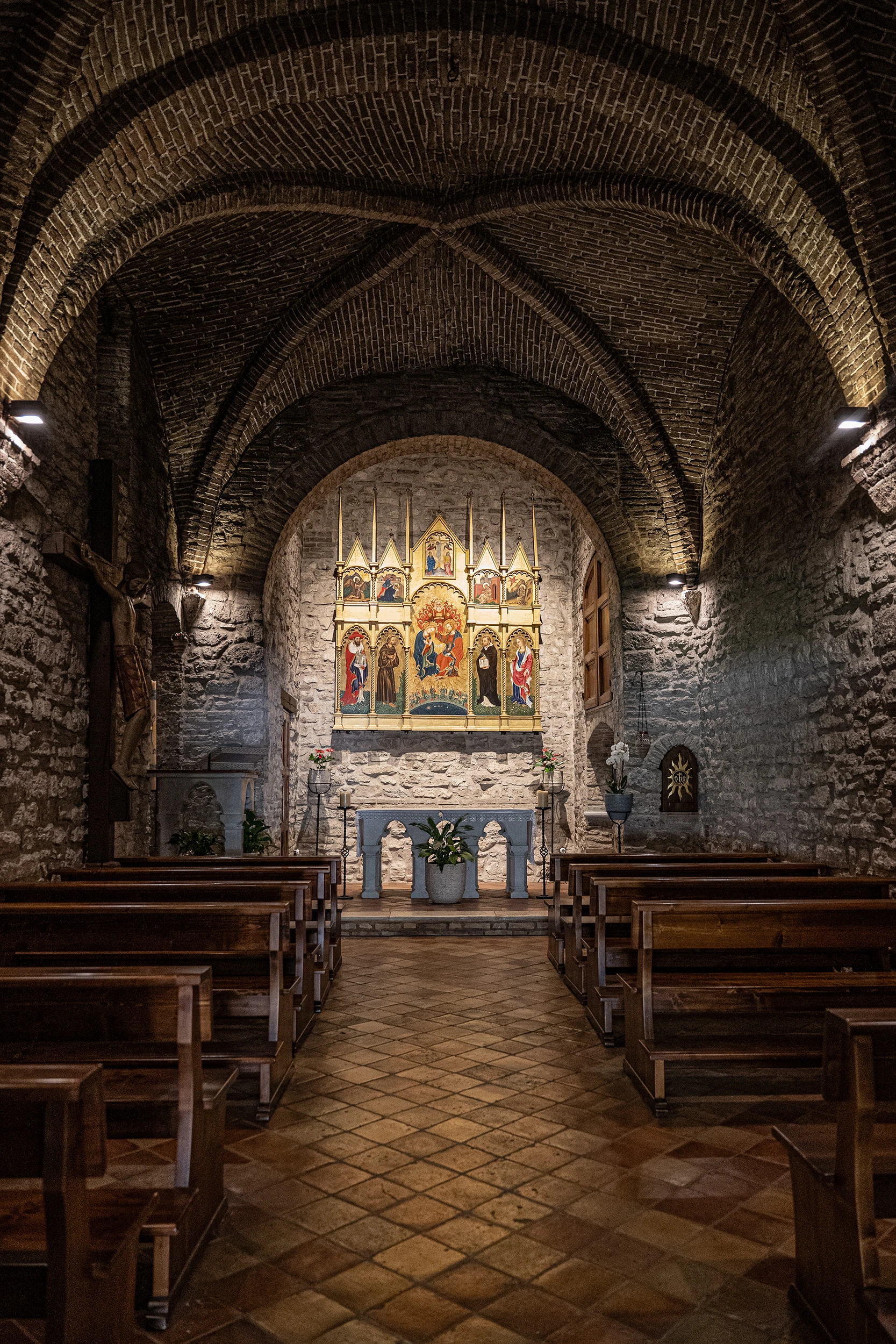
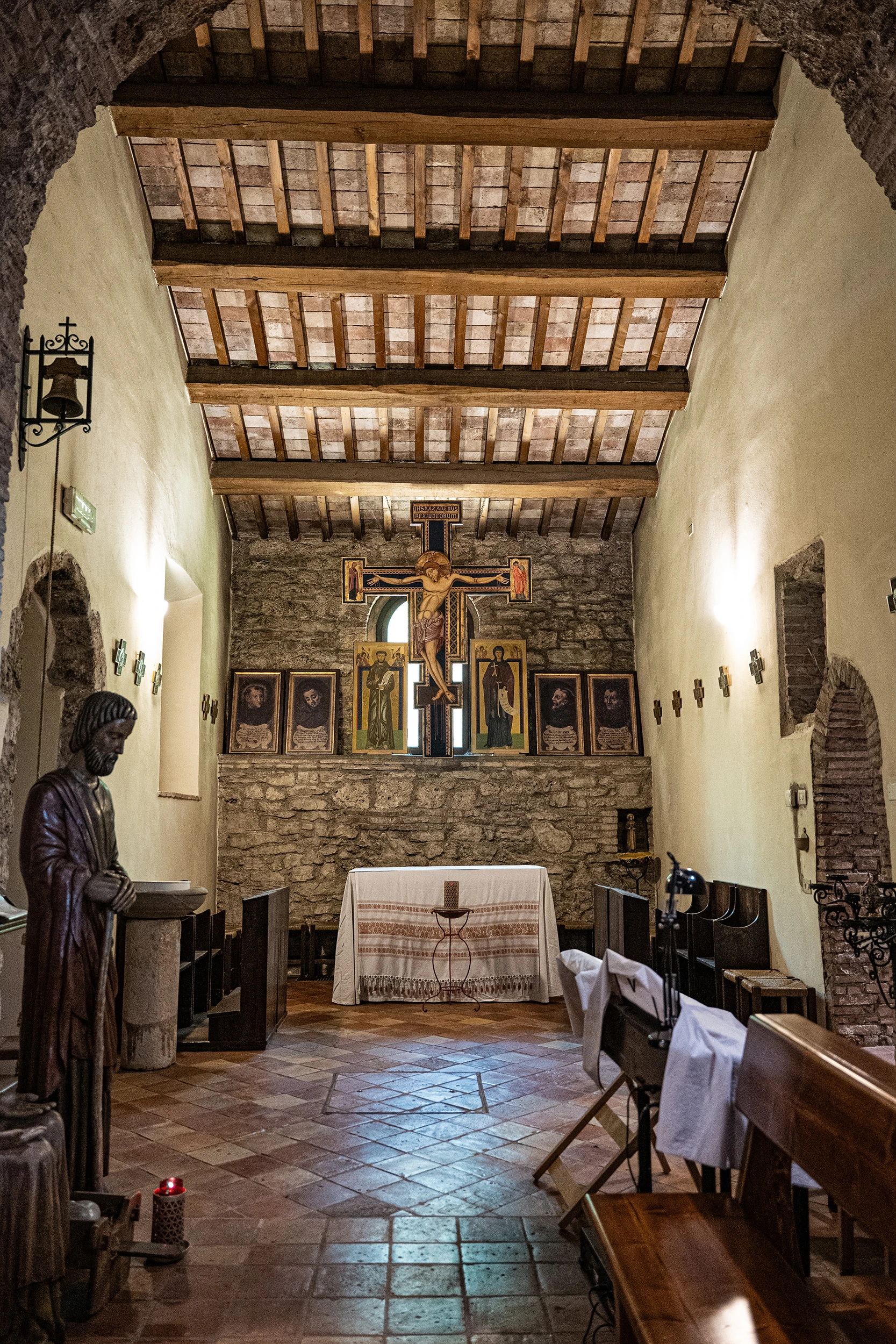
The Monumental Complex of the Eremo del Sasso, located on the border between the Marche and Umbria regions, is a historic architectural landmark dating back to the 10th century. The site holds a central role in Franciscan history, as it was the first convent in the Marche region to host Saint Francis in 1210. Abandoned in 1866 and reoccupied by the friars in 1966, the complex suffered severe damage during the 1997 seismic events.

The Eremo del Sasso between Franciscan History and the Territory

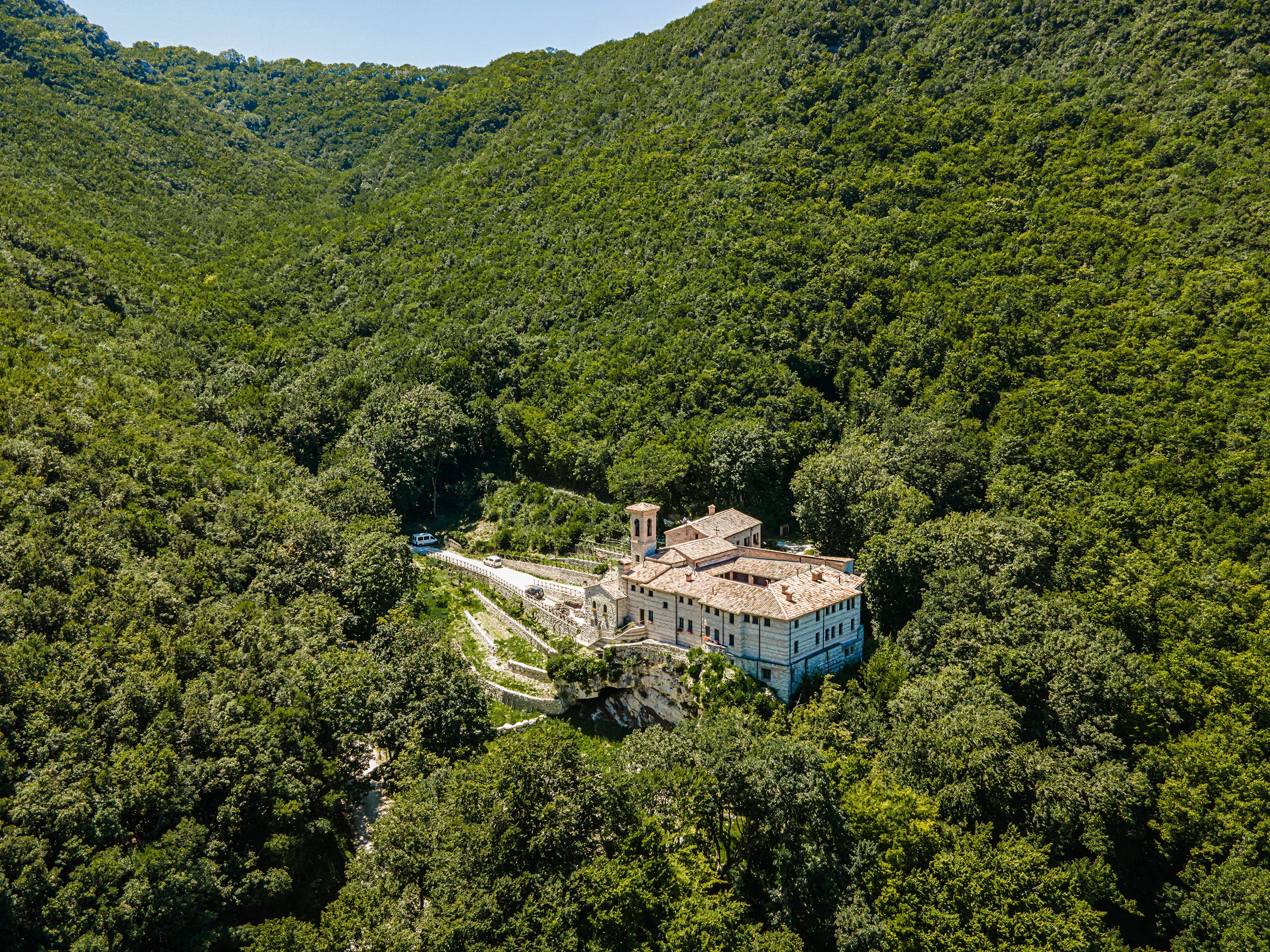
The Eremo’s location within a highly valuable natural landscape between two historically connected regions enhances its symbolic and cultural importance. The presence of Saint Francis and the role played by the complex during the early spread of the Franciscan Order in central Italy make the site a key reference point for the historical and spiritual identity of the area.

Adaptive Reuse and Public Functions of a Cultural Heritage Site

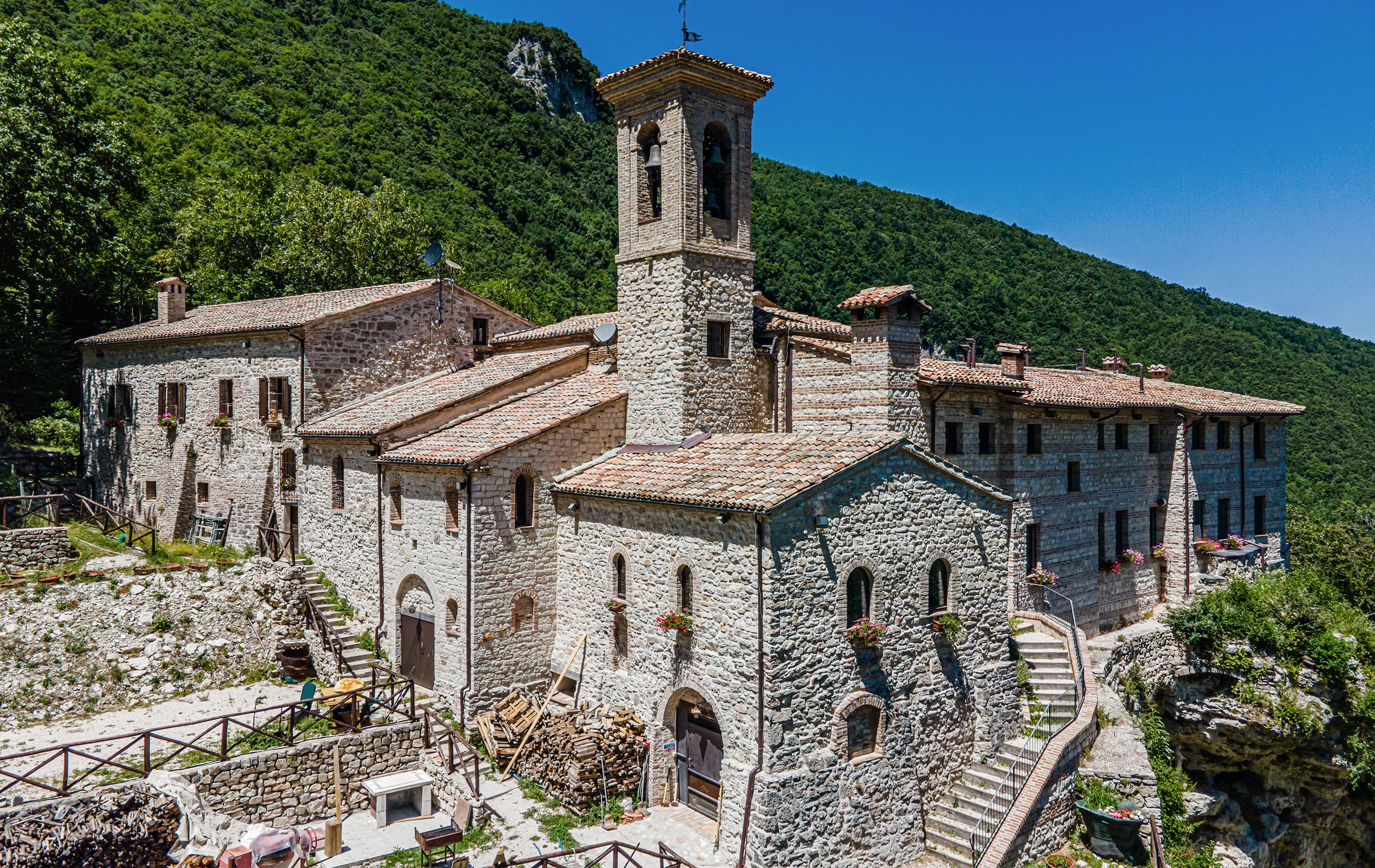
Today, the Eremo del Sasso is recognized as a Cultural Heritage asset of significant historical and architectural value, shaped over time by a process of adaptive reuse aimed at collective and public use. The complex currently includes two guesthouses, office spaces, a restaurant, a historic library, an auditorium, and several multipurpose halls, functioning as a cultural and social hub open to the community.

Architectural Restoration and Structural Consolidation Works

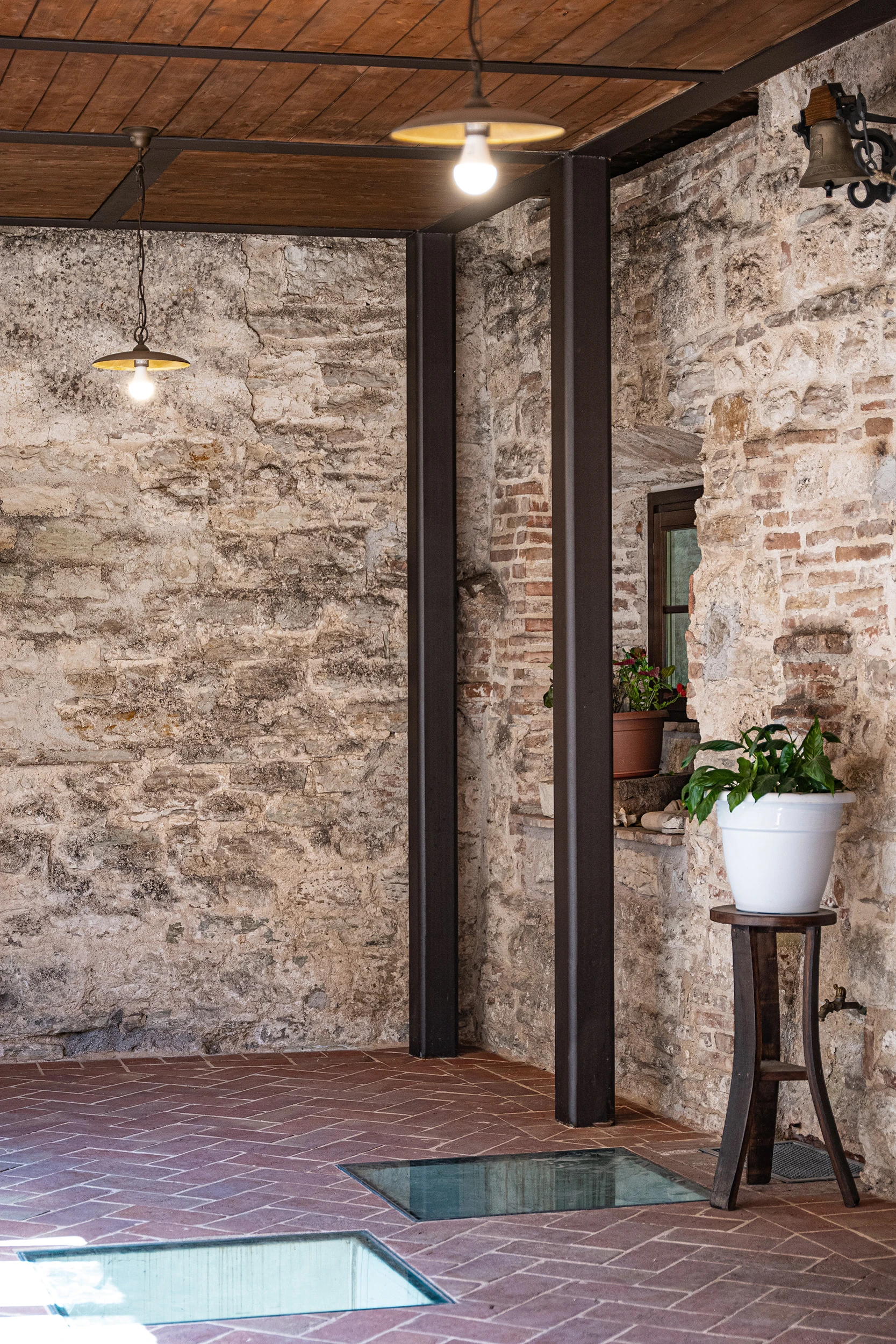
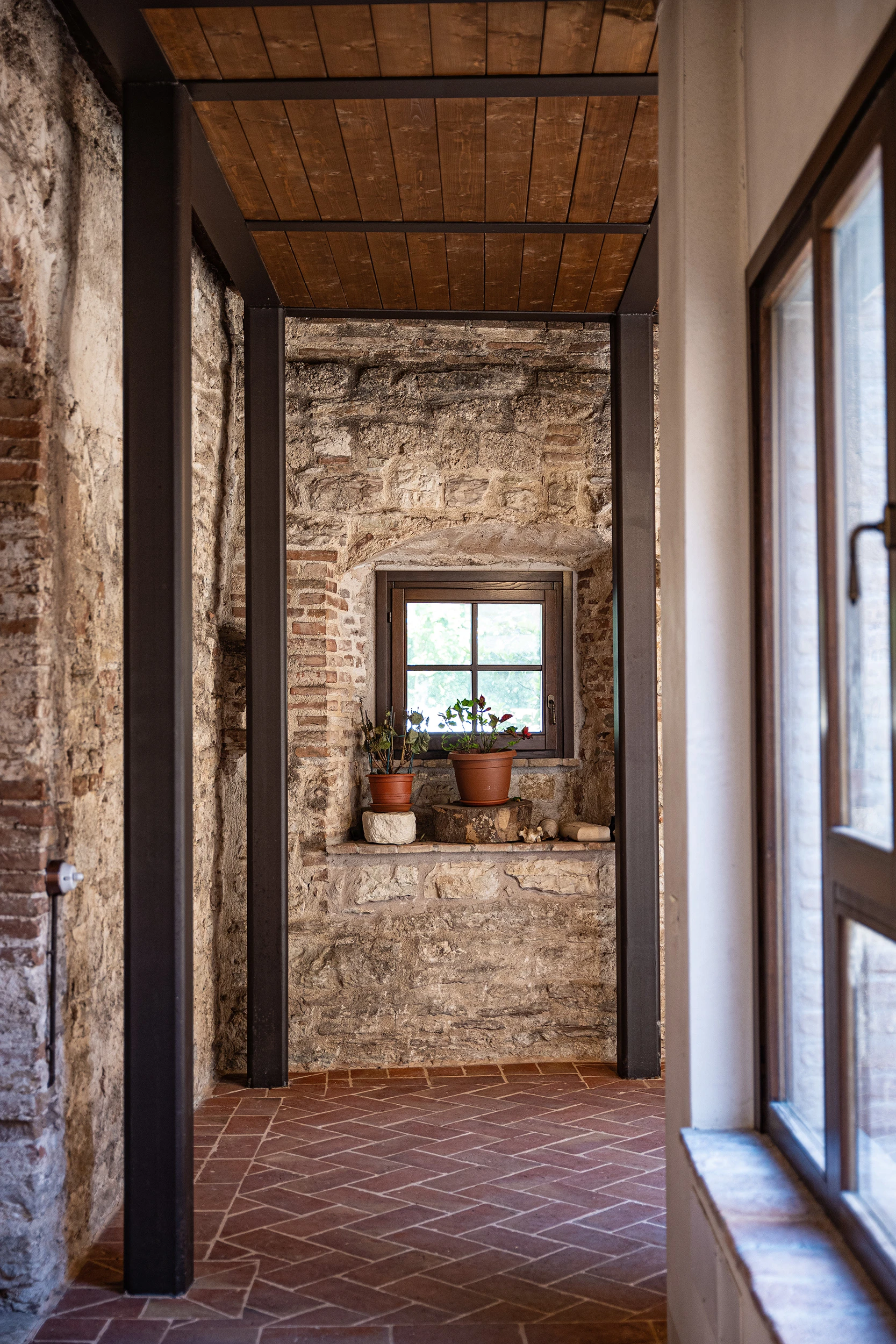
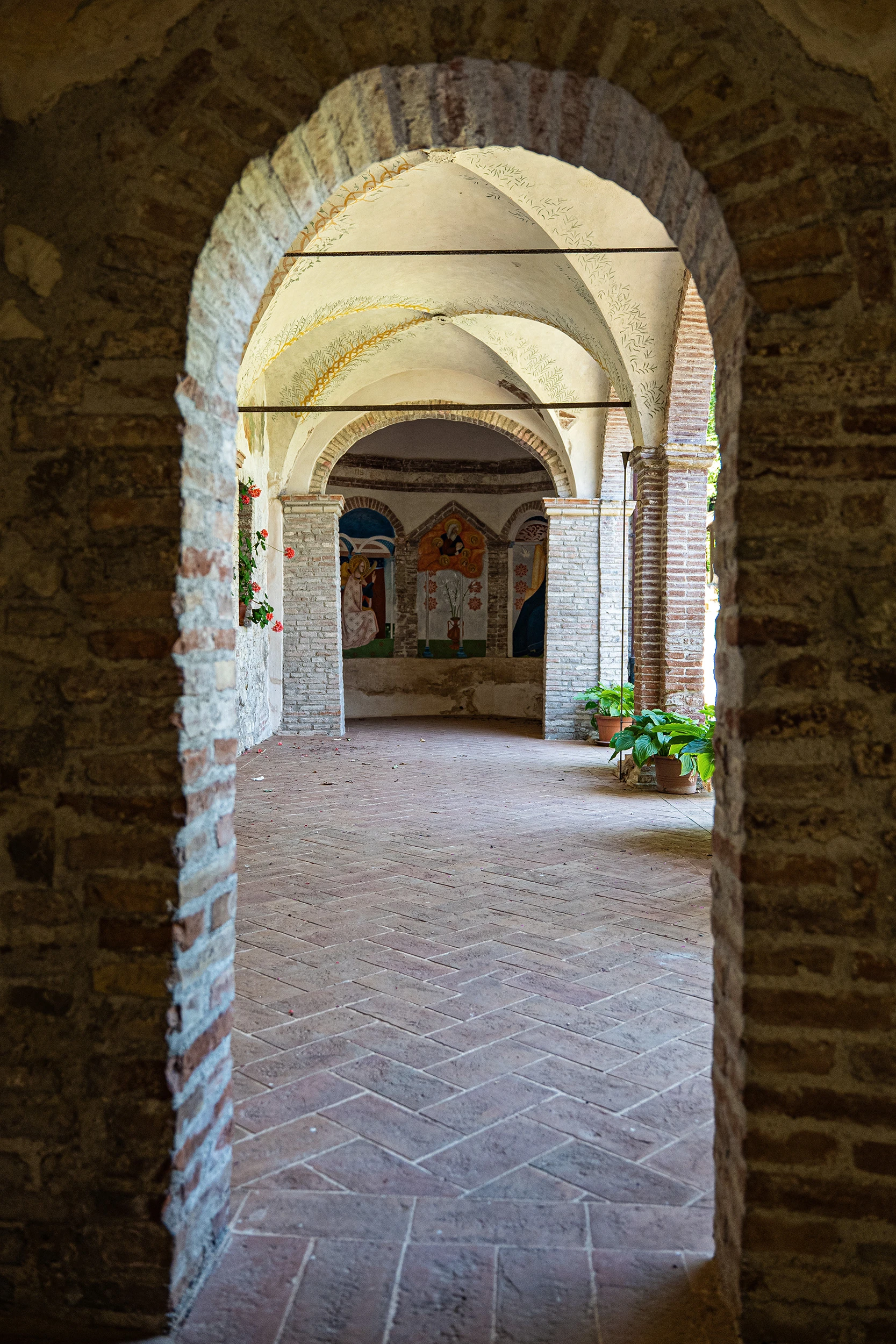
The restoration works addressed multiple technical areas, including extraordinary maintenance and structural consolidation of existing masonry buildings, as well as the restoration of decorative elements. Particular attention was given to the stabilization of the rocky outcrop on which the complex is built, a critical geological and structural component for the long-term safety of the site.

Seismic Retrofitting and Post-Earthquake Reconstruction

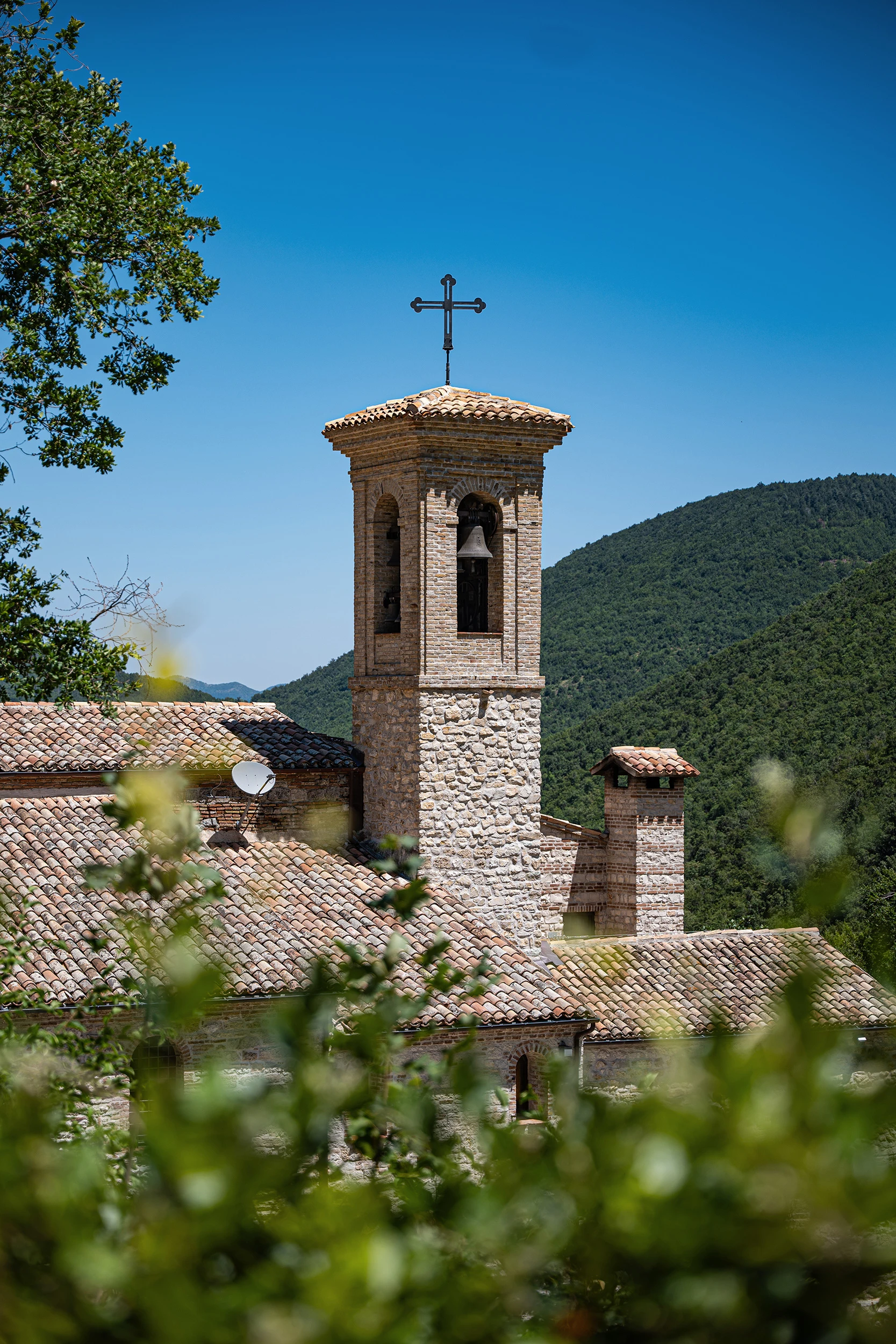
The intervention also included the reconstruction of buildings that collapsed following the 1997 earthquake, along with the resolution of static and seismic interactions between adjacent buildings and between historic structures and newly constructed volumes. The project further involved the vertical extension of the existing refectory and the construction of a new bell tower, ensuring structural compatibility and respect for the architectural character of the complex.

Return to Public Use and Heritage Enhancement

Through this comprehensive program of architectural restoration and seismic upgrading, the Eremo del Sasso has been returned to public use, safeguarding its cultural identity while preserving the historical, architectural, and landscape value that defines the site. The intervention achieves a balanced integration of heritage conservation, structural safety, and renewed public accessibility.

PLACE

Località Valleremita, Fabriano (AN)

CLIENT

Località Valleremita (AN)

WORK PERIOD
ACTIVITY

Architectural Design
Restoration and Consolidation
Structural Design

TYPOLOGY

Restoration of Listed Cultural Heritage

INTENDED USE

Religious

WORK AMOUNT
WORKING GROUP

CPL Concordia Soc. Coop.
Gurrieri Associati Studio di Architettura
Ing. Uguccioni & Associati E.H.E. S.r.l.
Studio Paci Progettazioni
Studio Tecnico Ing. Pietro Paci