Key Handover and Project Completion
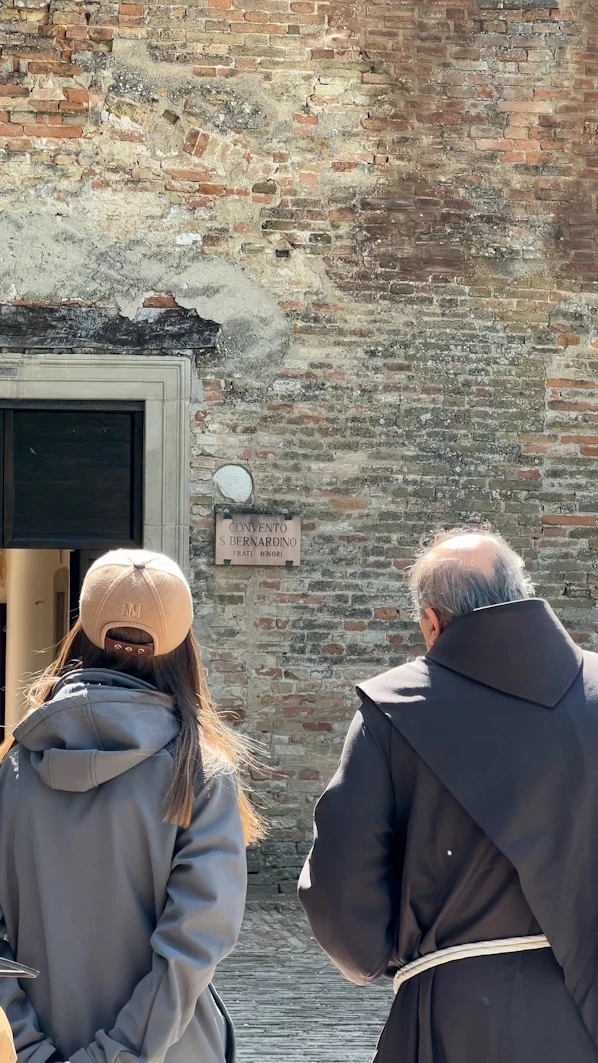
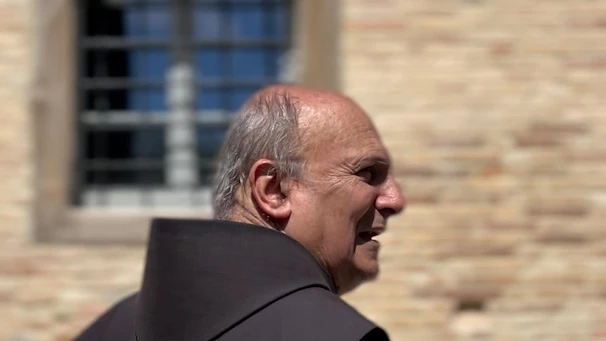
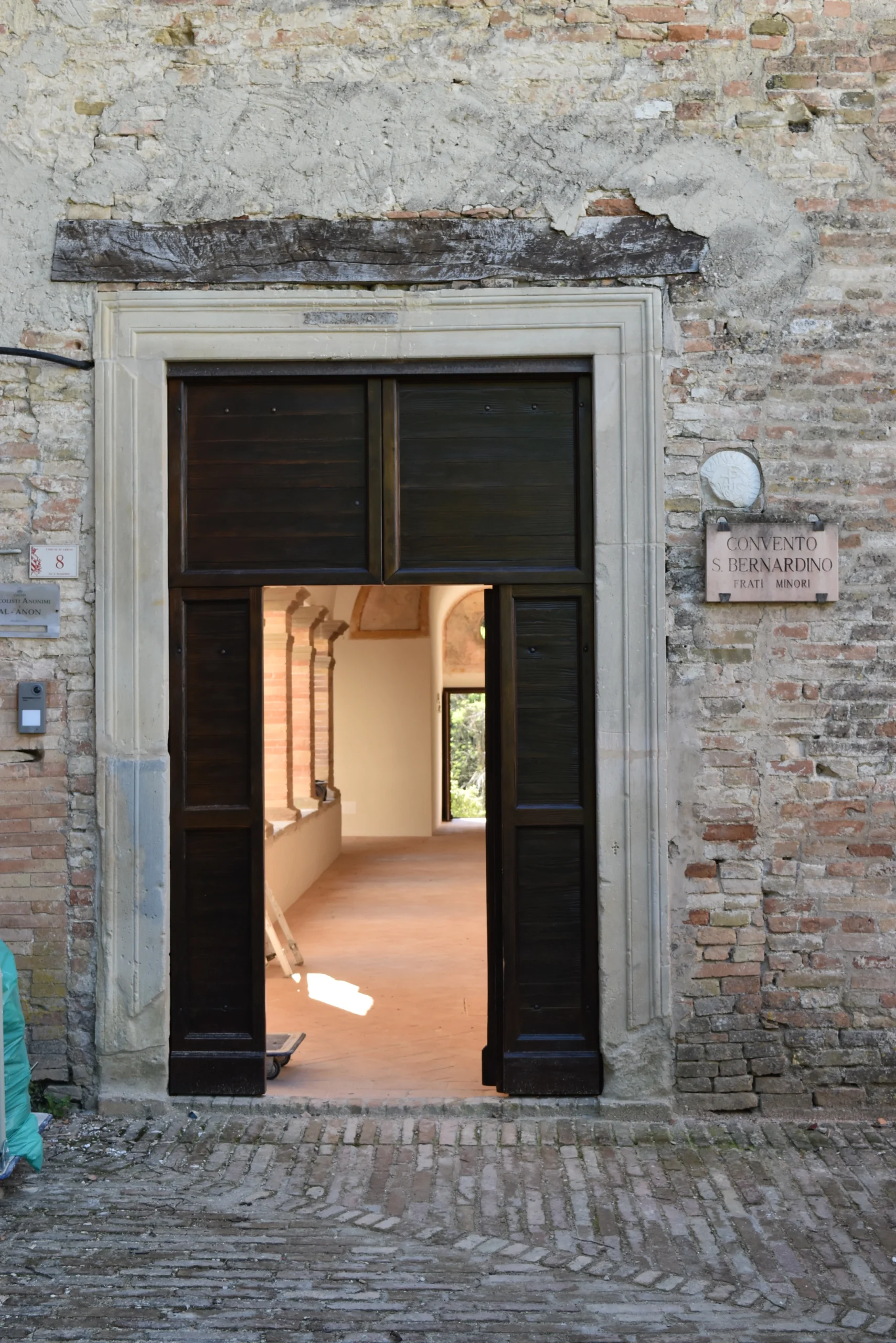
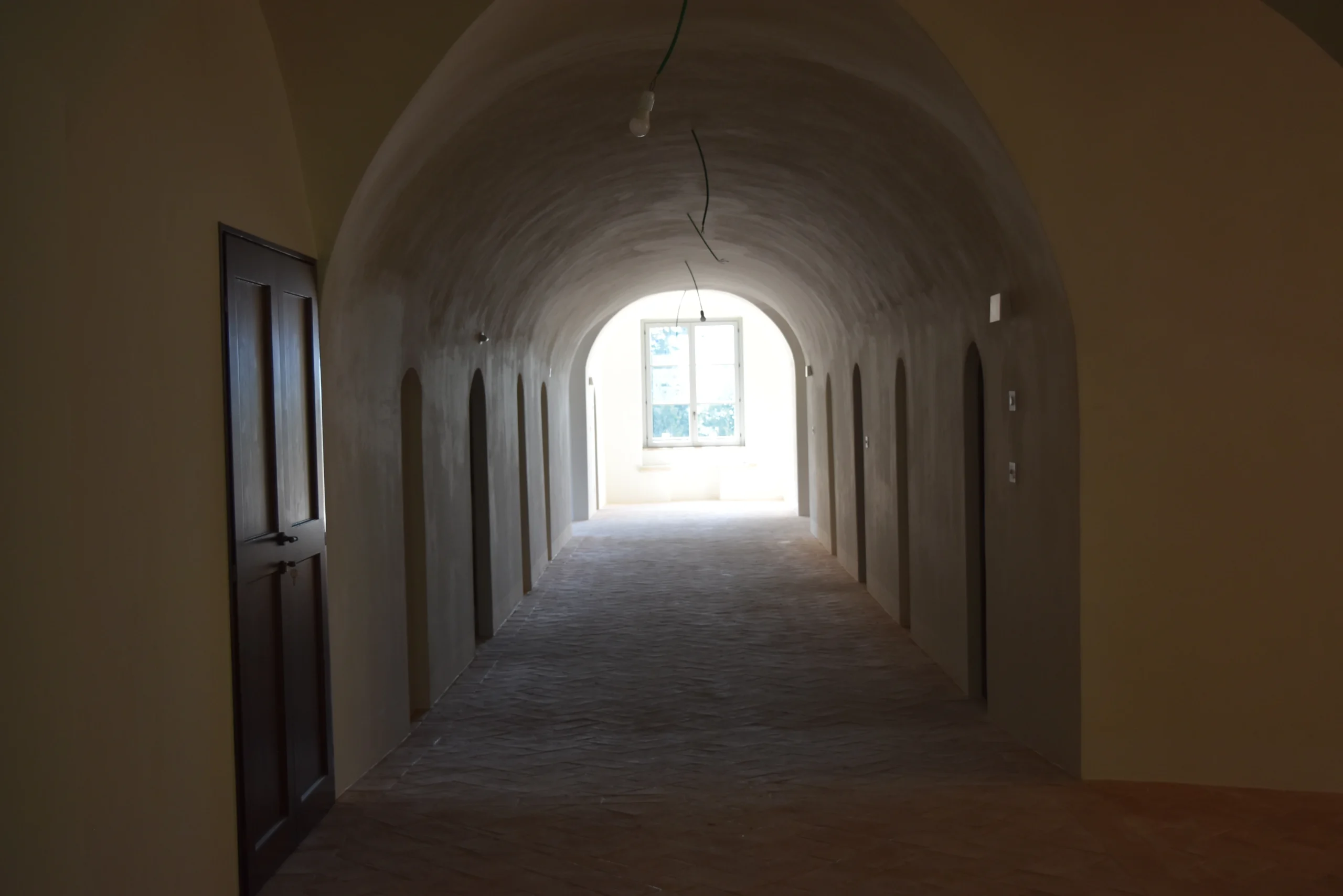
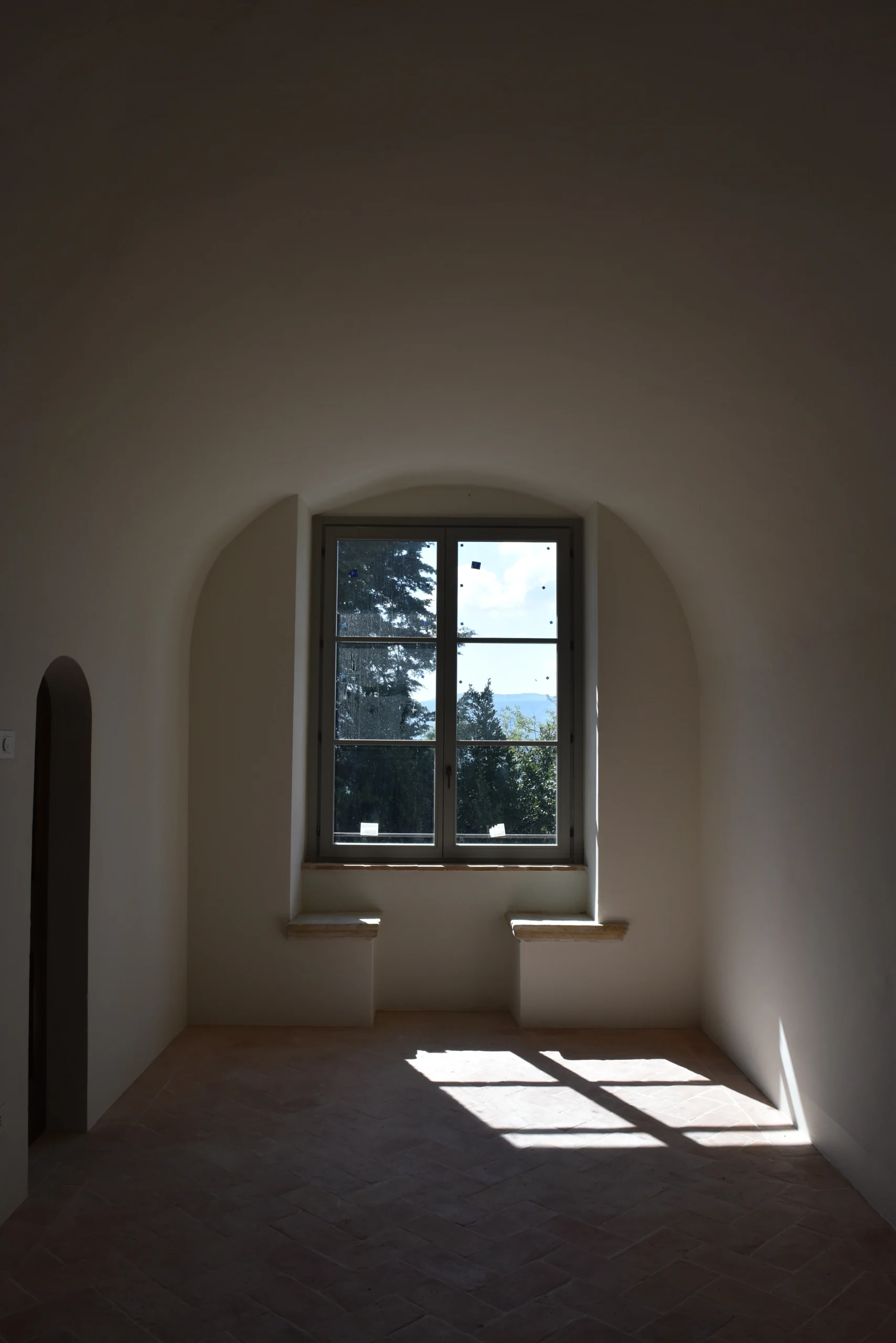
On April 23, 2026, a long and complex construction process reached its formal conclusion: the handover of the keys of the San Bernardino Convent to Father Ferdinando Campana, legal representative of the Picena Province “San Giacomo della Marca” of the Order of Friars Minor, marked the completion of an intervention initiated in 2015 and carried out over approximately three years of actual construction work.
Englobe, Lancia construction company, and Aplomb were present at the final inspection.
The project falls within the regulatory framework of post-earthquake reconstruction, governed by Decree Law 189/2016 and the related Extraordinary Commissioner Ordinances no. 19, no. 61, and no. 116, and included structural repairs, seismic upgrading, and architectural restoration works.
A Layered Heritage Asset
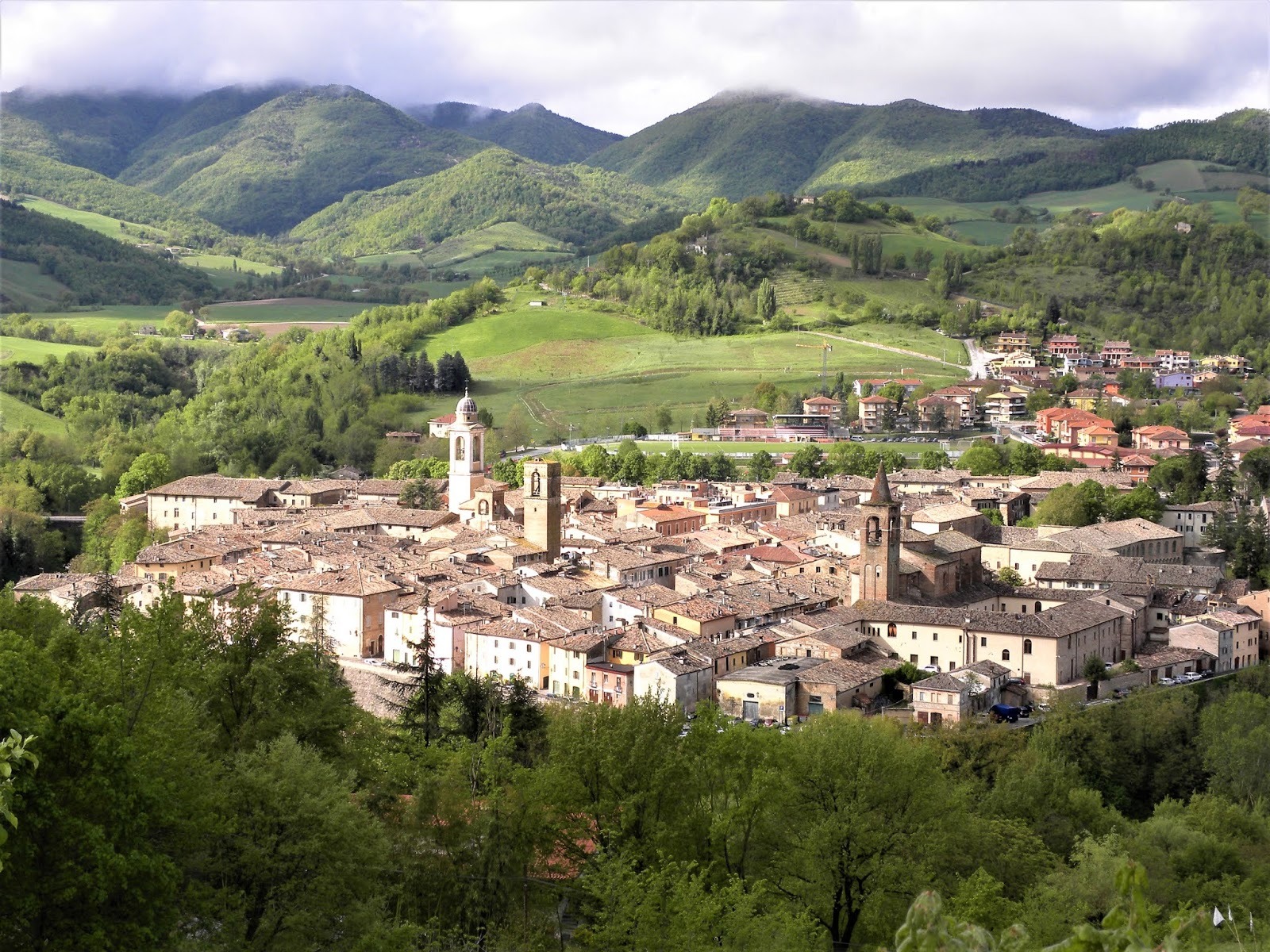
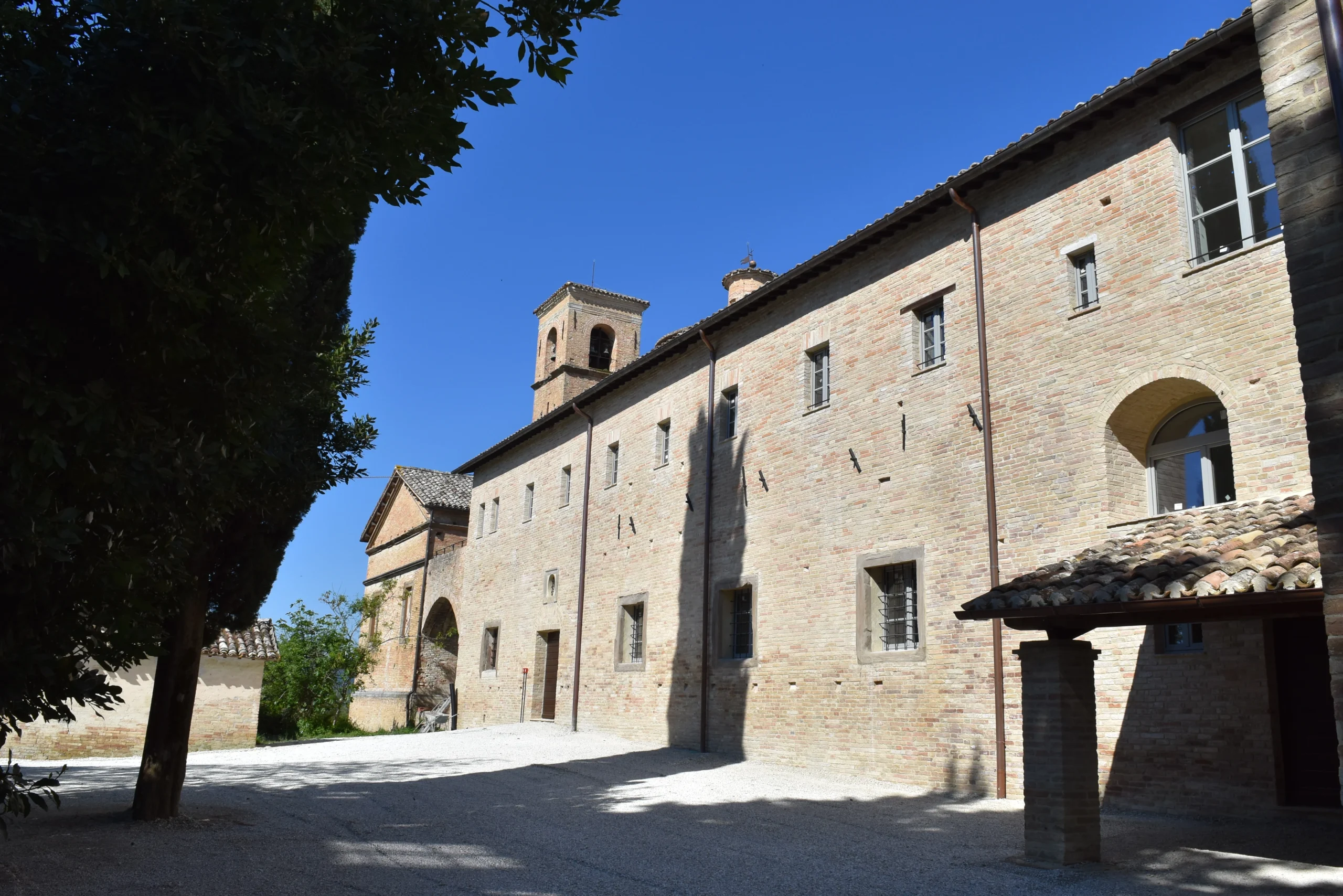
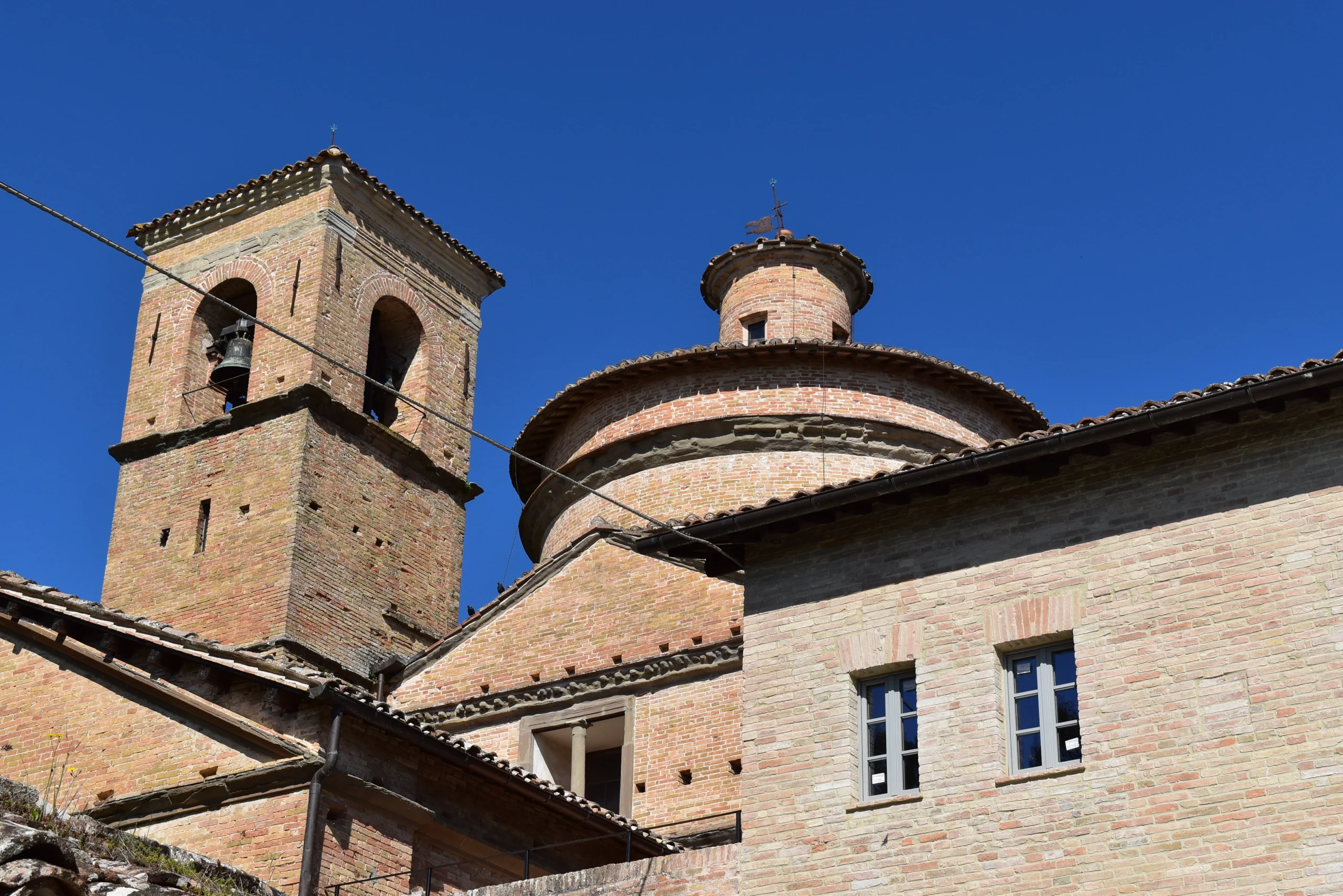
The San Bernardino Convent is located on the Colle degli Zoccolanti, about two kilometers from Urbino’s historic center, in an extra moenia position outside the city walls. The complex includes the convent, the Church of San Bernardino, and cloistered open spaces, forming part of the broader Montefeltro monumental system.
The church, also known as the Ducal Mausoleum, houses the tombs of Federico da Montefeltro and his descendants, representing one of the most significant memorial sites of the Renaissance duchy.
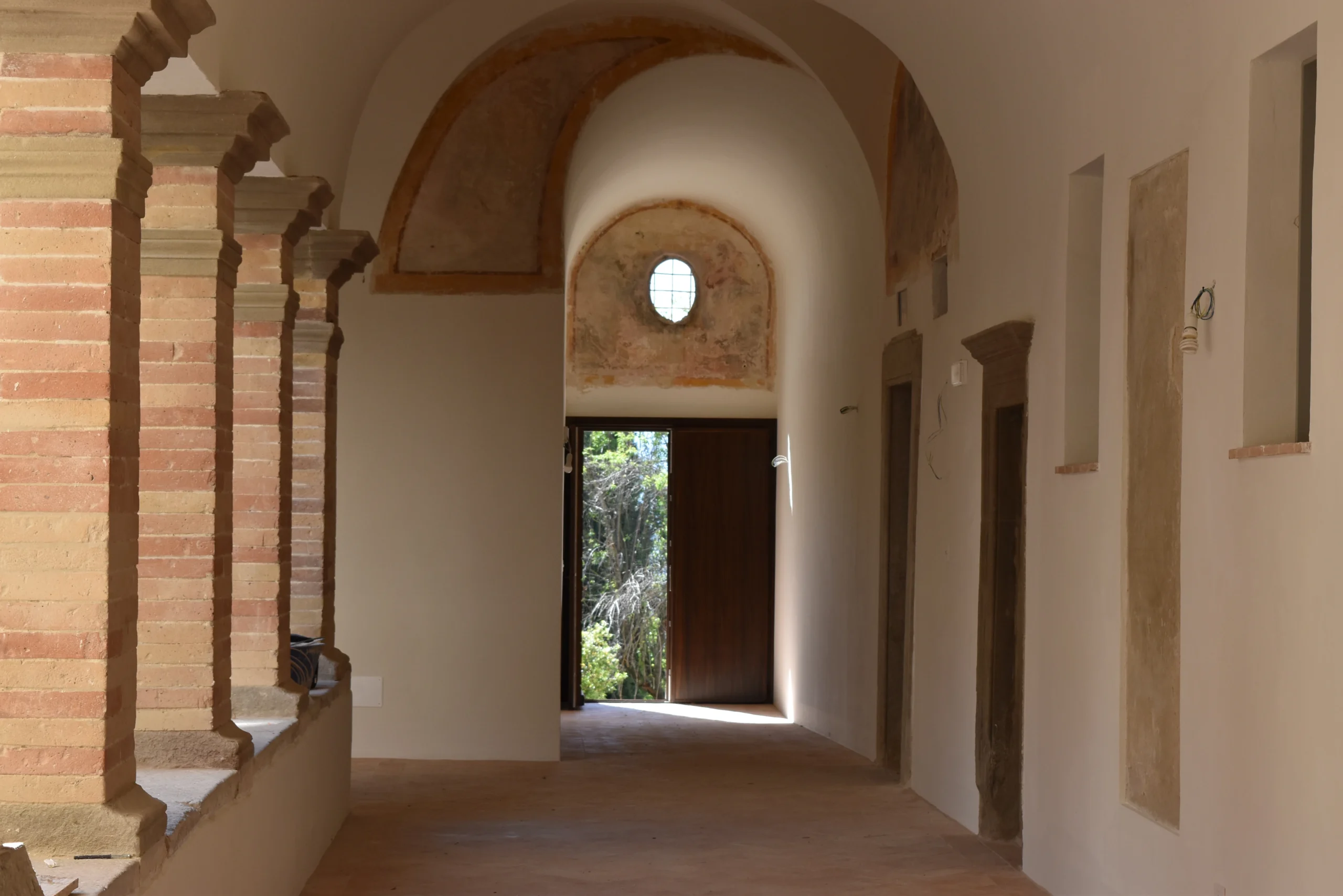
The complex dates back to the 15th century and is attributed to Francesco di Giorgio Martini, with a layout organized around two courtyards and architectural solutions typical of the Renaissance in the Marche region. Over time, it has undergone transformations, extensions, and repeated seismic damage.
Design Challenges: Constraints, Seismic Risk, and Authenticity
Working on a protected heritage building affected by the 2016 earthquake required a rigorous multidisciplinary approach. The regulatory framework, including NTC 2018 and Circular 7/2019, guided structural decisions, while heritage authority requirements defined conservation limits.
Three main challenges emerged. First, the lack of reliable chronological data required detailed stratigraphic analysis. Second, ensuring material compatibility between interventions and existing structures was essential to avoid structural and historical inconsistencies. Third, the most delicate objective was improving seismic performance without compromising architectural authenticity.
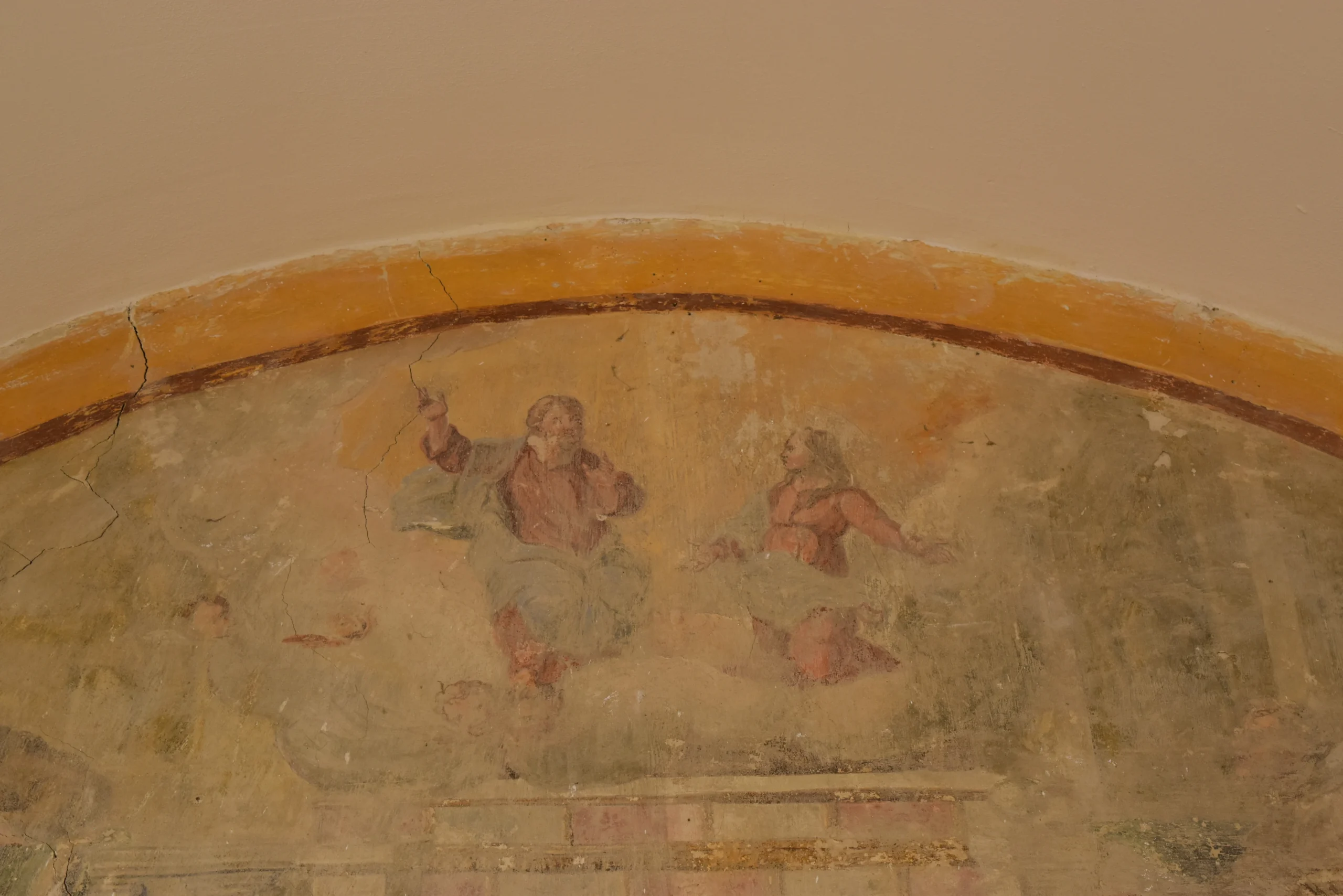
The project therefore adopted non-invasive strengthening techniques, focusing on historic masonry and vaults, combined with compatible seismic improvement measures. Restoration of valuable surfaces followed conservative methodologies under continuous construction supervision.
Functional and Cultural Restoration
At the end of the final inspection, Father Ferdinando Campana described the complex as a “highly valuable architectural treasure.” The intervention ensured both structural safety and preservation of the site’s identity.
This type of project extends beyond technical execution, representing a process of safeguarding collective heritage, where collaboration between client, designers, and contractors plays a decisive role.
For Urbino, a UNESCO World Heritage city and a major center of the Italian Renaissance, the restoration of the San Bernardino Convent marks the reintegration of a previously inaccessible and vulnerable asset into the active life of the community, restoring a place of shared memory.
Why is the San Bernardino Convent important?
Why is the San Bernardino Convent important?
It is a major Renaissance religious complex linked to the Montefeltro family and attributed to Francesco di Giorgio Martini.
What works were carried out?
What works were carried out?
Restoration, structural consolidation, and seismic upgrading following the 2016 earthquake.