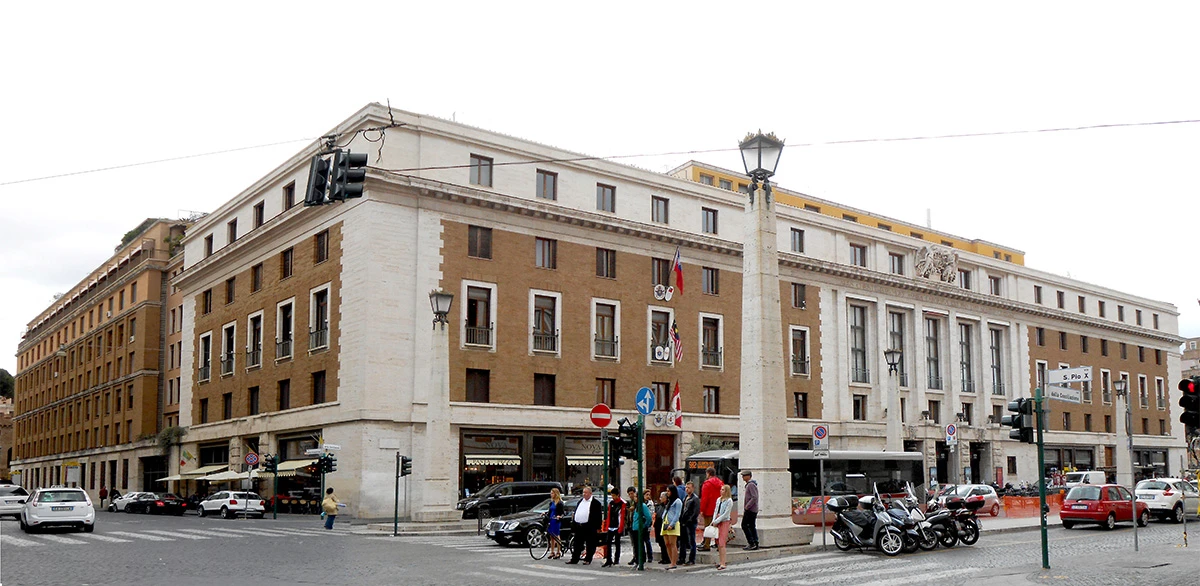
Rocca Roveresca di Senigallia | Restauro e Risanamento Conservativo dei Fronti Storici

Rocca Roveresca

Rocca Roveresca

Restoration and Conservative Remediation of Historic Fronts

The Rocca Roveresca in Senigallia, located in Piazza del Duca in the heart of the Marche town, is one of the most important historic monuments in the region. The project for the conservative rehabilitation and restoration of the external façades of the monumental complex aimed to ensure its preservation, structural safety, and architectural enhancement—safeguarding a landmark building that embodies the identity of the city.

A monument of historical and architectural significance

Built between the 14th and 15th centuries on the remains of an earlier Roman tower, the Rocca Roveresca is an extraordinary example of Renaissance military architecture. Originally erected as a defensive stronghold of the Papal States, it was expanded over the centuries by the Malatesta and Della Rovere families, eventually taking on its current quadrilateral layout with four circular towers connected by ramparts and crowned with Istrian stone corbels.

Today, the Rocca is managed by the Regional Directorate of Museums of the Marche and is among the most visited sites of the region’s architectural heritage—thanks also to the restoration efforts that have ensured its preservation and continued accessibility to the public.

Conservation-driven interventions

The project involved targeted conservation and restoration work on the external façades, including:

  • Rehabilitation of the brick masonry facing

  • Restoration and structural consolidation of the stone elements

The intervention followed the principles of integrated conservation, prioritizing material compatibility and reversibility. All operations were supported by an extensive diagnostic campaign carried out in collaboration with the Universities of Camerino and Marche Polytechnic University, involving laser scanner surveys, mechanical analyses, and seismic vulnerability studies.

The construction site was organized into three operational phases, with progressive work on the different sides of the Rocca to ensure safety and continuity of museum activities.

Enhancing cultural heritage

The restoration of the Rocca Roveresca in Senigallia stands as a model of heritage preservation and enhancement: an intervention that combines traditional craftsmanship with technological innovation.
Through this project, the Rocca once again becomes a cultural and symbolic landmark for the city and the Marche region, a place of history, art, and collective memory, fully integrated into the network of state museums and territorial cultural promotion systems.

PLACE

Senigallia (AN)

CLIENT

Ministero dei beni e delle attività culturali e del turismo

WORK PERIOD
ACTIVITY

Design phase Safety coordination
Diagnostic Investigations
Executive design
Final design
Safety coordination for executive phase
Seismic Vulnerability and Risk Assessment
Works Supervision

TYPOLOGY

Conservative Rehabilitation
Restoration of Listed Cultural Heritage

INTENDED USE

Cultural

WORK AMOUNT
WORKING GROUP

Restauratrice Dott.ssa Elisa Saracino
Studio Paci Srl

Riqualificazione Ex Foro Boario e Piazza Papa Giovanni XXIII a Osimo | Restauro e Rigenerazione Urbana

Ex Foro Boario

Ex Foro Boario

Restoration, Accessibility, and Urban Innovation

Redevelopment of the Former Foro Boario and Piazza Papa Giovanni XXIII in Osimo

The redevelopment project of the Former Foro Boario and Piazza Papa Giovanni XXIII in Osimo represents a strategic urban regeneration initiative aimed at restoring vitality to an area of significant historical, architectural, and social value. Located at the entrance to Osimo’s historic center, the porticoed complex of the Foro Boario—dating back to the 19th century—is an emblematic example of Marche’s historical architecture, now undergoing restoration and enhancement through a contemporary design approach.

An integrated project within the PINQuA Program of the NRRP

This initiative is part of the PINQuA Program under Italy’s National Recovery and Resilience Plan (NRRP), dedicated to improving housing quality and promoting urban sustainability.
The main goal is to regenerate the Former Foro Boario, transforming it into a cultural and social hub for the local community through multifunctional spaces designed for events, exhibitions, conferences, and public activities.

The project includes:

  • Conservative restoration of the historic structures;

  • Seismic upgrading and structural strengthening;

  • Energy efficiency measures and environmental sustainability technologies;

  • Universal accessibility through the removal of architectural barriers.

Architectural restoration and enhancement of historic spaces

The restoration of the Foro Boario’s portico was conceived to preserve its historical character while introducing new functions. The historic arches will be enclosed with lightweight glass panels, creating flexible, sheltered spaces suitable for public events and conferences.
A new panoramic elevator will connect the Foro level to Osimo’s historic center, improving accessibility and usability for all citizens, particularly those with reduced mobility.

Piazza Papa Giovanni XXIII and the park: breathing new life into public spaces

The project extends to the adjacent square and park, featuring:

  • Pedestrian areas and green pathways;

  • Resting zones and recreational spaces;

  • Smart lighting systems and sustainable urban furniture.

These interventions aim to improve urban quality, enhance safety, foster social inclusion, and make Osimo a tangible example of a Smart City within the Marche region.

A model of urban regeneration between history and innovation

This project serves as a model of integrated urban regeneration, where the enhancement of historic heritage harmoniously interacts with the needs of contemporary urban life.
Through restoration, accessibility, and sustainability, Osimo renews its urban fabric—promoting social cohesion, quality of life, and territorial identity, which reflect the core principles of European and national policies for the ecological and digital transition of cities.

PLACE

Osimo (AN)

CLIENT

Comune di Osimo

WORK PERIOD
ACTIVITY

Design phase Safety coordination
Executive design
Final design
General Coordination of Specialized Disciplines
Safety coordination for executive phase
Works Supervision

TYPOLOGY

Restoration of Listed Cultural Heritage

INTENDED USE

Institutional
Multifunctional

WORK AMOUNT
WORKING GROUP

Arch. Maurizio Sabatino Pirocchi
Geol. Alberto Antinori
Novigos Tecno s.r.l.
Studio Paci Srl

ENGLOBE Progettazione Integrata Restauro Sisma Convento San Francesco Matelica

Complesso conventuale di San Francesco

Complesso conventuale di San Francesco

Design and execution of conservative restoration, structural consolidation, and energy efficiency improvement

Franciscan Heritage Since the 13th Century


The San Francesco Monastic Complex in Matelica represents one of the most significant examples of religious architecture in the Marche region. Its origins date back to the 13th century, when the Friars Minor settled in the northeastern sector of the walled city, contributing to the cultural and administrative development of the area.


Throughout the centuries, the complex was occupied by different Franciscan branches — including the Conventuals, Observants, and Reformati — undergoing alternating phases of expansion and decline. These events continued until the Napoleonic suppression and the site’s definitive closure in 1861.

The Church of San Francesco and Its Artistic Value


Adjacent to the monastery stands the Church of San Francesco, a custodian of valuable artistic heritage: frescoes, decorative elements, and architectural stratifications that document centuries of transformation and adaptation.


However, recent seismic events in the region significantly compromised the structural stability of the complex, making an urgent and well-designed restoration intervention essential to safeguard both its architectural integrity and cultural value.

ENGLOBE’s Intervention: Restoration and Seismic Strengthening

ENGLOBE carried out a comprehensive intervention involving both the church and the monastery, with the dual objective of preserving historical elements and ensuring structural safety.

The project included:

  • the restoration of load-bearing structures and original construction systems,

  • the conservation of decorated surfaces and frescoes,

  • the redevelopment of the roofing systems, removing non-original additions,

  • the use of technologies compatible with the historical and architectural context.

Design Approach and Cultural Value

The intervention was developed through an integrated approach, combining specialized structural engineering and heritage conservation expertise. This strategy allowed the complex to regain full usability, while preserving its historical and artistic value and ensuring long-term safety.

Thanks to this restoration, the San Francesco complex continues to serve as a significant cultural and identity landmark for the city of Matelica and for the broader Marche region.

PLACE

Matelica (MC)

CLIENT

Provincia Picena di S. Giacomo della Marca dei Frati Minori

WORK PERIOD
ACTIVITY

Design phase Safety coordination
Executive design
Final design
Preliminary design
Safety coordination for executive phase
Works Supervision

TYPOLOGY

Restoration of Listed Cultural Heritage

INTENDED USE

Multifunctional
Religious

WORK AMOUNT
WORKING GROUP

Studio Paci Srl

Hotel Palazzo Castri

Hotel Palazzo Castri

Restoration of an historical palace

Restoration of Hotel Palazzo Castri – Florence

The restoration project of Hotel Palazzo Castri is located in the historic center of Florence and focuses on the recovery and enhancement of a historic building dedicated to hospitality. The intervention aims to combine architectural heritage conservation, functional upgrading, and high-quality hospitality spaces, while respecting the building’s historical and material characteristics.

Historical framework and urban context

Palazzo Castri is an integral part of Florence’s historic urban fabric, characterized by strong architectural stratification and heritage protection constraints. The project addresses a context of exceptional cultural value, requiring design solutions fully compatible with the building’s identity and historical significance.

Conservation principles and restoration criteria

Design decisions are based on the principles of conservative restoration, favoring targeted, reversible, and compatible interventions. The project focuses on preserving original architectural elements while integrating technical solutions that improve functional performance without compromising the building’s character.

Functional upgrading and hospitality spaces

The restoration includes a functional upgrading of interior spaces, aimed at meeting contemporary hospitality standards. The reorganization of the internal layout enhances comfort, usability, and the overall guest experience, maintaining a balanced relationship between operational requirements and historic preservation.

Hotel restoration as heritage enhancement

The intervention at Hotel Palazzo Castri represents an example of heritage-focused hotel restoration, where architectural conservation is combined with new functional needs. The project contributes to the enhancement of the building and strengthens Florence’s hospitality offer within its historic city center.

PLACE

Firenze (FI)

CLIENT

Private

WORK PERIOD
ACTIVITY

Architectural project in variant
Structural Design
Works Supervision

TYPOLOGY

Restoration

INTENDED USE

Receptive

WORK AMOUNT
WORKING GROUP

Studio Paci Srl

Palazzo Perticari

Palazzo Perticari

Conservative restoration, structural consolidation and functional reuse

An Integrated Restoration, Seismic Upgrading, and Adaptive Reuse Project

Palazzo Perticari, one of the most distinguished historic buildings in Pesaro, has long served as a cultural and architectural landmark. Overlooking the city’s main street and built upon a Renaissance core, the palazzo reached its peak in the late 18th century, becoming a renowned literary salon visited by figures such as Gioachino Rossini and Stendhal.

Historical and Architectural Features

The building extends over four above-ground floors and a system of underground grottos, with a sequence of highly refined interior spaces: coffered ceilings, frescoed rooms, decorations created by pupils of Lazzarini, and the celebrated conte’s studiolo.
The main façade features a finely crafted marble portal, a 17th-century wooden entrance door, and a balanced three-level composition. Inside, a historic courtyard enriches the architectural value of the complex.

Structural Strengthening and Conservation Strategy

The restoration project—designed by Studio Paci—included a comprehensive program of conservation, structural strengthening, and seismic upgrading to rehabilitate an asset that, at the time of acquisition, was in a severe state of neglect and deterioration.

Key components of the intervention include:

  • Structural works for seismic performance improvement, such as foundation strengthening, reinforcement of masonry walls, enhancement of vertical connections, reconstruction of the roof structures, and stiffening of vaulted and slab systems.

  • Internal spatial reorganization, ensuring full functional compatibility with the new intended uses.

  • Restoration of architectural finishes and conservation of historic decorations, many of which had been compromised or nearly lost over time.

A Restored Landmark Returned to the City: Adaptive Reuse and Cultural Value

Through an integrated and multidisciplinary approach, Palazzo Perticari has been brought back to its original splendor, reestablishing its role as a cultural anchor within the city. The restored building will accommodate a museum, a 50,000-volume library, public event spaces, a guesthouse, and a restaurant.
With its frescoed ceilings, decorated vaults, and restored architectural details, the palazzo becomes not only a new civic and cultural hub for Pesaro, but also a unique environment for researchers, scholars, and artists.

PLACE

Pesaro (PU)

CLIENT

Private

WORK PERIOD
ACTIVITY

Structural Design
Structural Works Management

TYPOLOGY

Restoration of Listed Cultural Heritage

INTENDED USE

Cultural

WORK AMOUNT
WORKING GROUP

Arch. P. Morri
Studio Paci Srl

Comune di Gabicce Mare

Comune di Gabicce Mare

Design and construction management of the new municipal headquarters

Gabicce Mare Town Hall

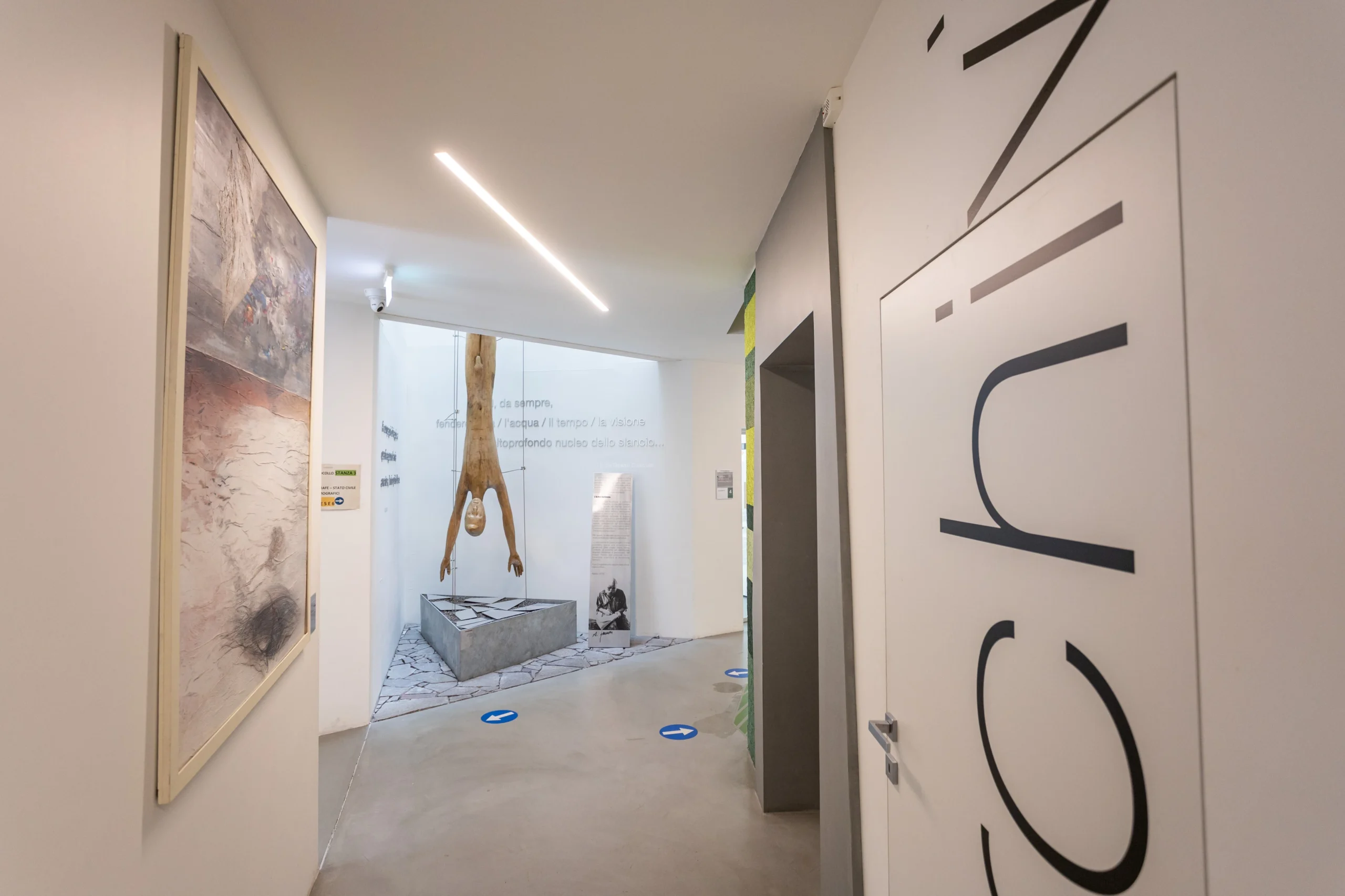
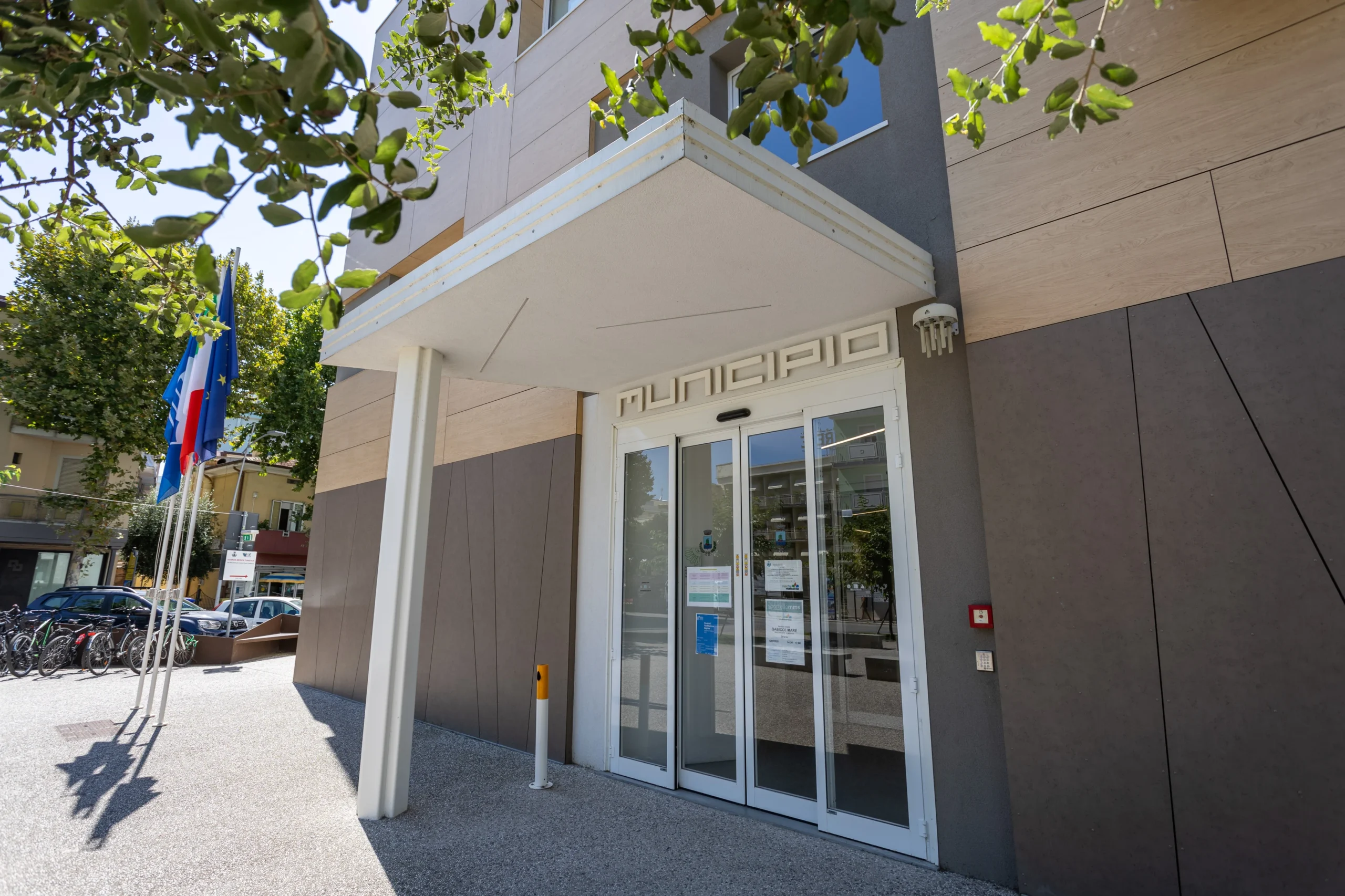
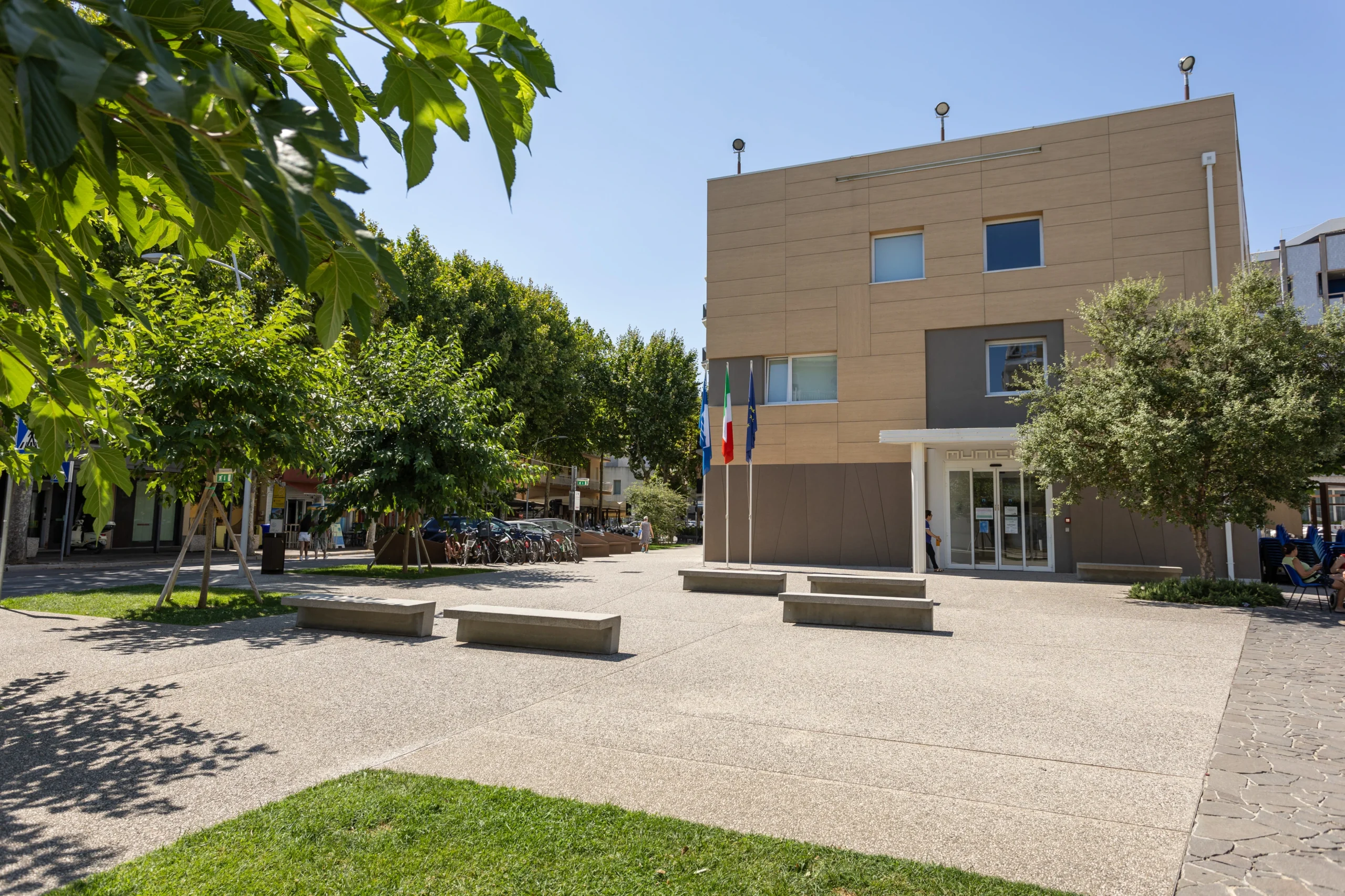
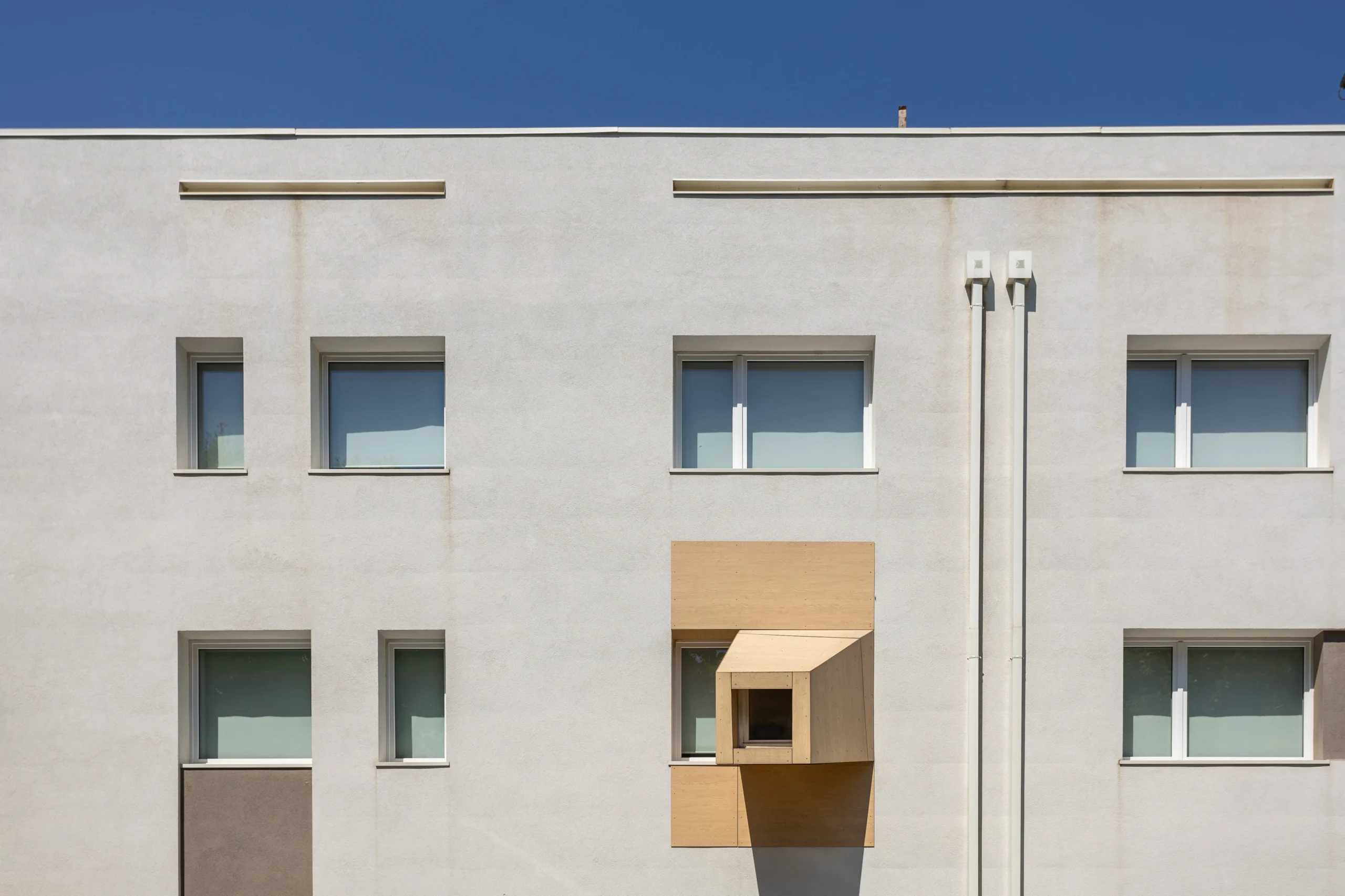
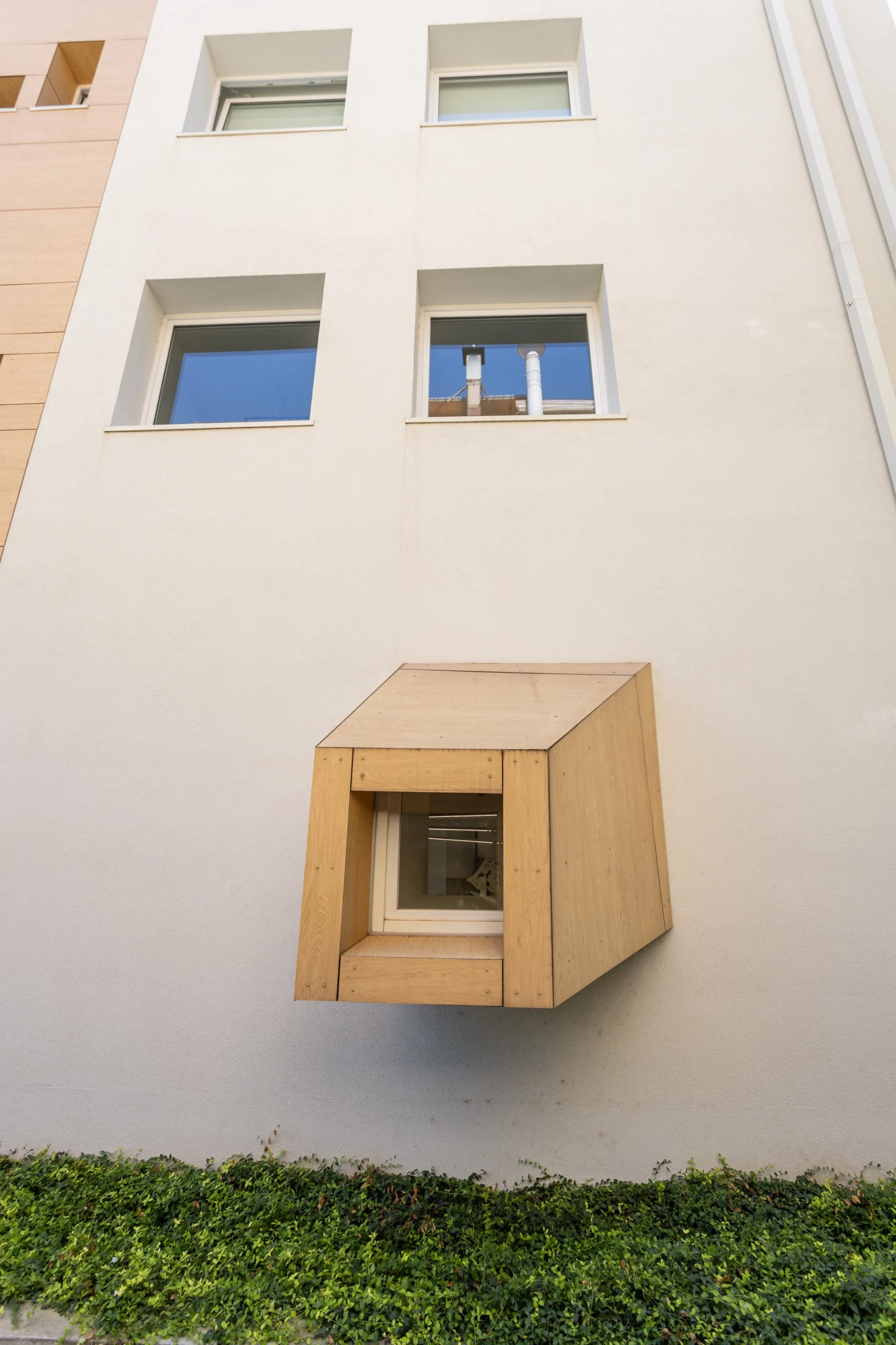
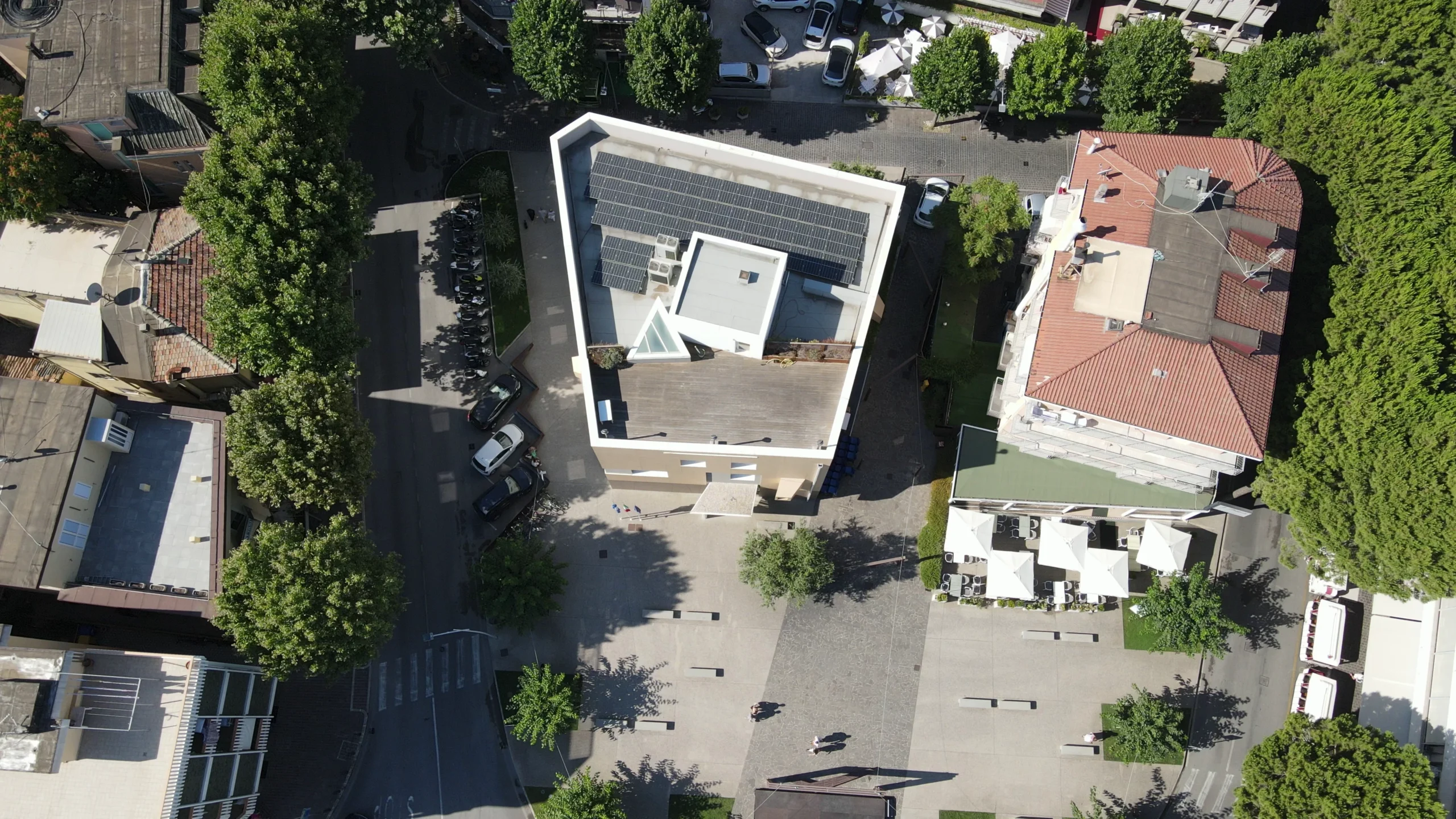
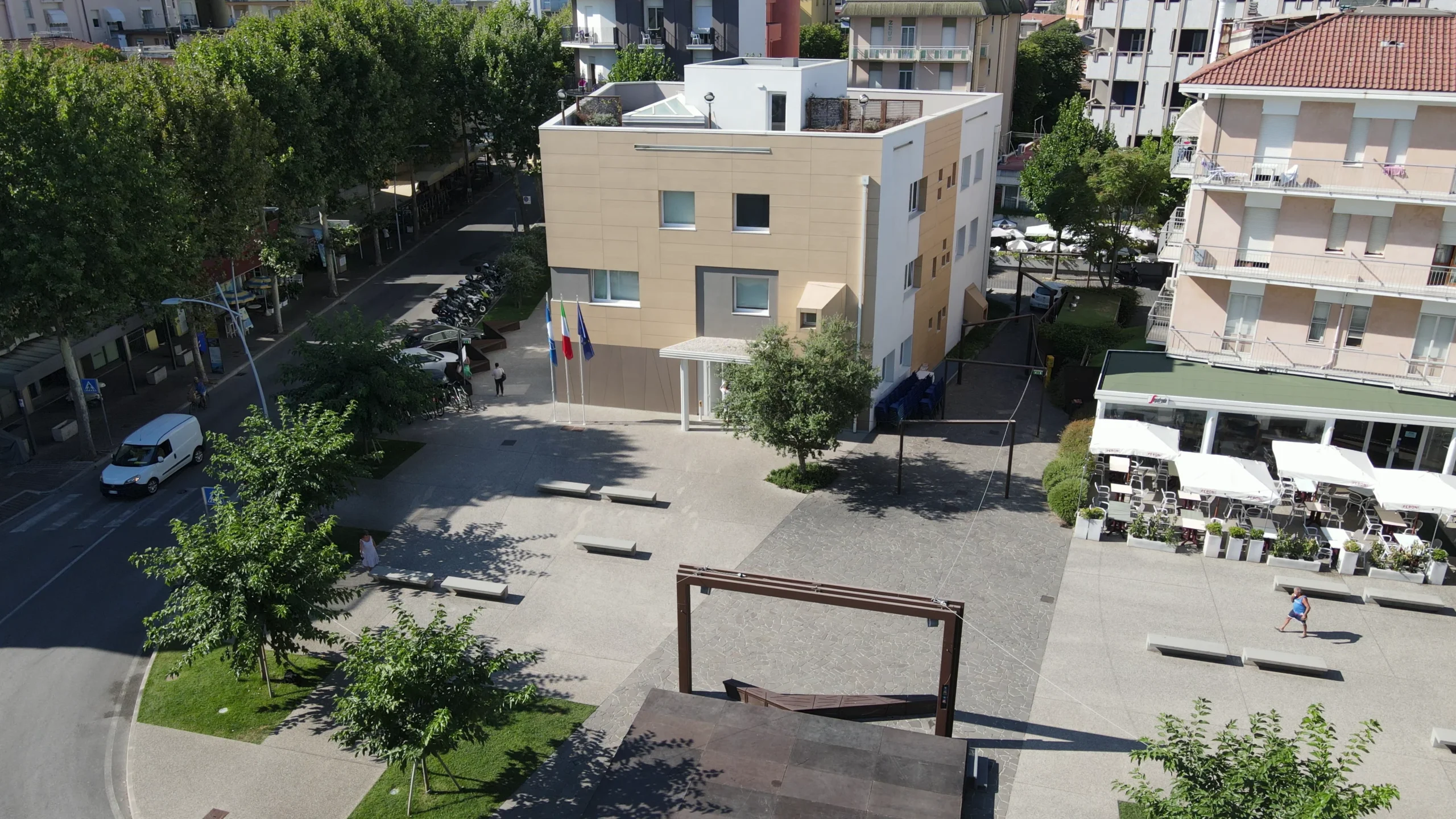
The new Gabicce Mare Town Hall, located in Gabicce Mare, is a new construction project developed after the former municipal building was declared unfit for use following the 2016 seismic events. The project redefines the role of the public building within the urban context, strengthening its relationship with the Municipal Square.

Public building and urban space

The intervention includes the construction of the new town hall and the redevelopment of surrounding public spaces, featuring new paving, urban furniture, and lighting solutions aimed at improving usability and spatial quality.

Timber structure and seismic performance

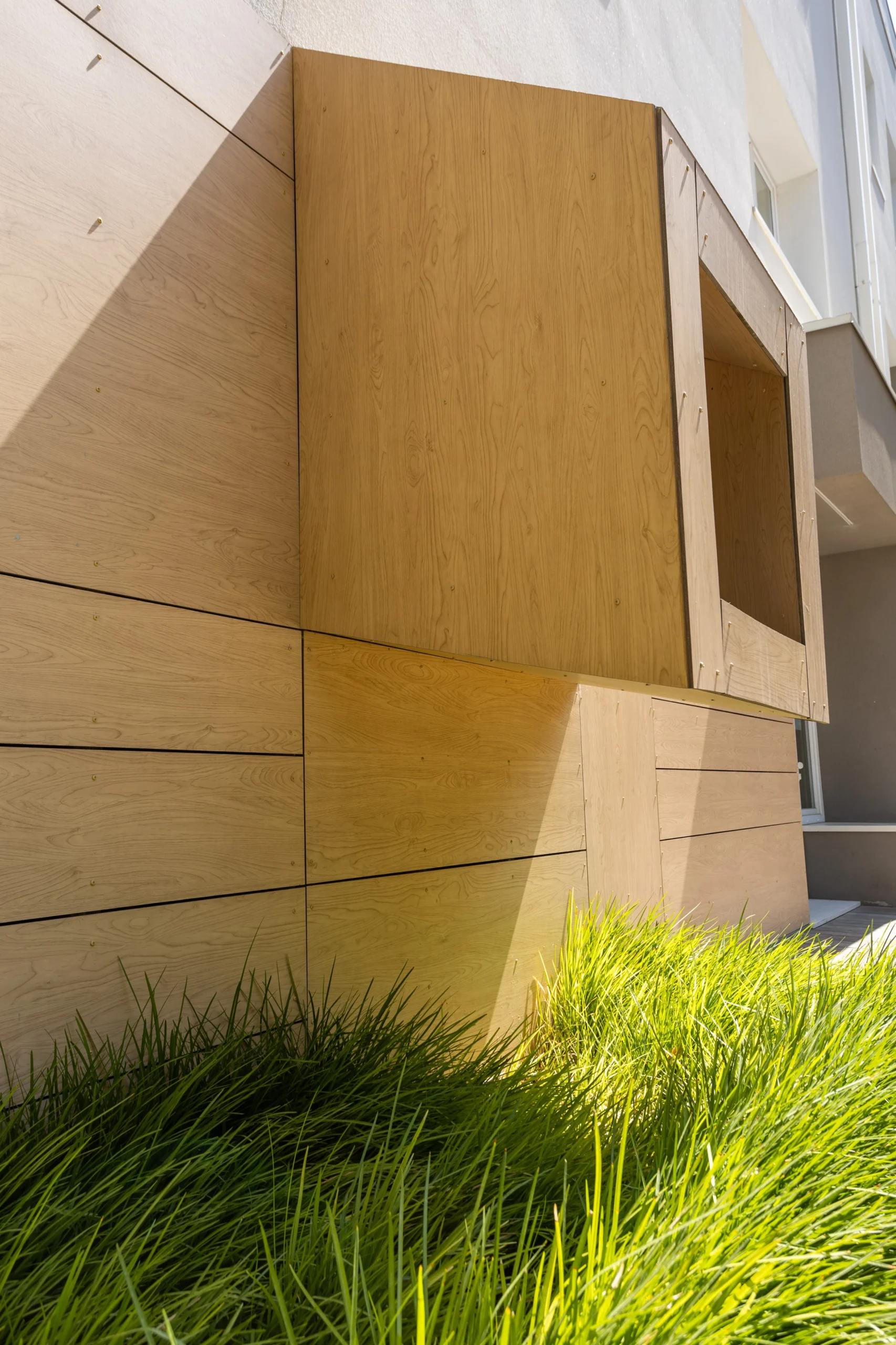
The adoption of an entirely timber structural system ensures high seismic performance, while providing thermal and acoustic comfort and effective control of thermal bridges. The chosen construction system meets requirements for structural reliability and long-term durability.

Energy efficiency and sustainability

The new building is designed as an nZEB (Nearly Zero Energy Building), integrating solutions focused on reducing energy consumption and incorporating renewable energy sources. The goal is to minimize environmental impact and optimize life-cycle operating costs.

Functional layout of the building

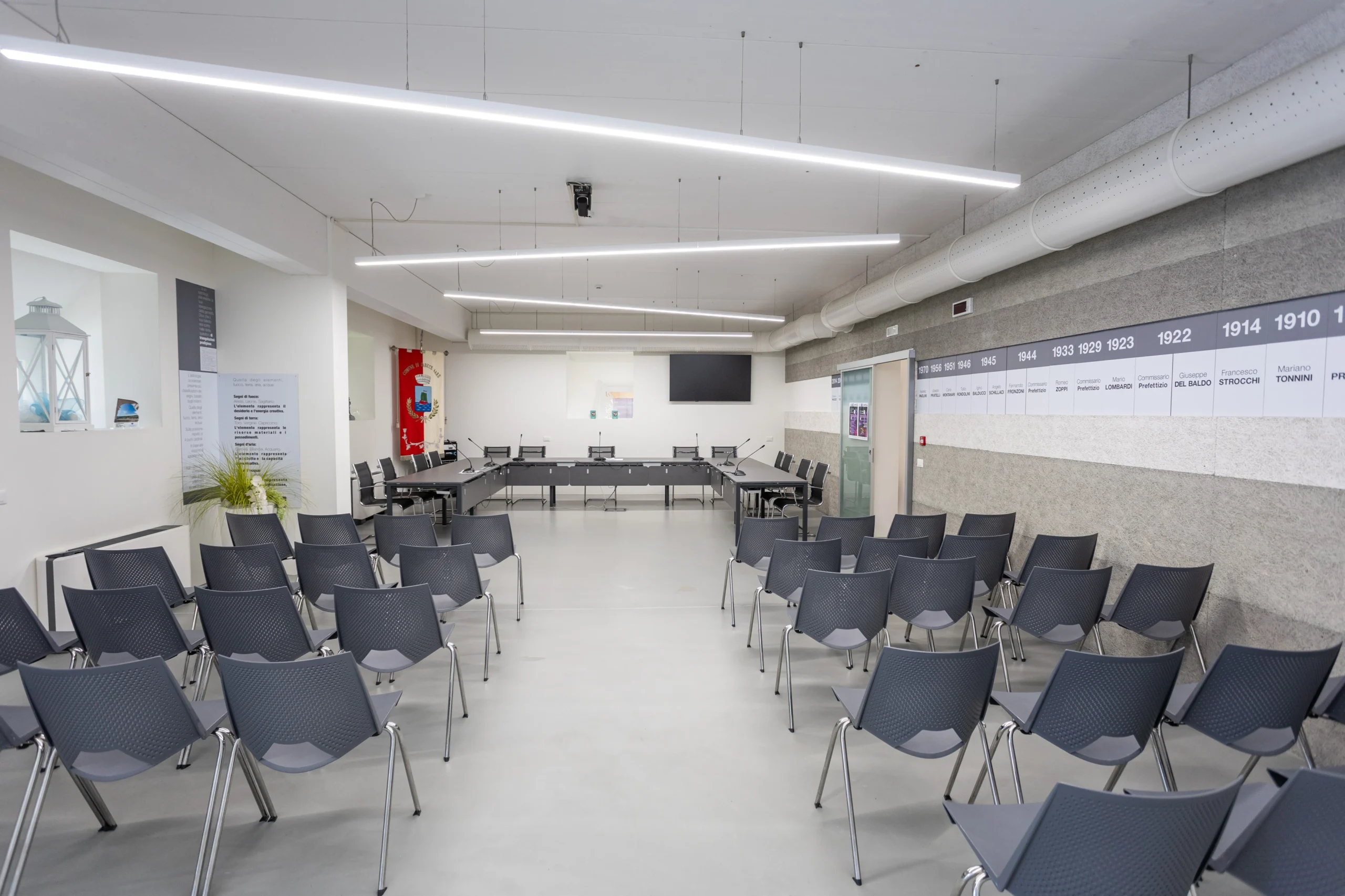
The town hall is arranged over three above-ground floors and one basement level, with an irregular volumetric configuration that optimizes the layout of administrative spaces. The council chamber, located on the ground floor, is designed as a flexible space suitable for institutional and public events.

Roof and access systems

The roof hosts a panoramic terrace equipped with photovoltaic panels. Vertical circulation is provided by a central staircase and an elevator, ensuring full accessibility and a functional relationship between the municipal administration and citizens.

PLACE

Gabicce Mare (PU)

CLIENT

Comune Gabicce Mare

WORK PERIOD
ACTIVITY

Safety coordination
Structural Design
Structural Works Management

TYPOLOGY

New Construction

INTENDED USE

Institutional

WORK AMOUNT
WORKING GROUP

Arch. Michele Bonini
Cat Impianti Srl
Studio Paci Srl
Subissati Srl

Museo Diocesano San Severino

Museo Diocesano San Severino

Design of the exhibition itinerary and museum lighting

Diocesan Museum of San Severino

The intervention on the Diocesan Museum of San Severino is part of a broader process aimed at the enhancement of historic and artistic heritage, through the adaptive reuse of existing spaces dedicated to the conservation and public display of artworks. The project was developed with full respect for the architectural and urban context, strengthening the museum’s cultural role within the city.

Historical context and museum function

The Diocesan Museum is housed within a historic building that forms an integral part of the city’s architectural system. The project carefully considered the historical stratification of the structure and its representative function, ensuring compatibility between new museographic requirements and the preservation of the existing fabric.

Intervention criteria for the historic building

Design decisions were based on an approach combining restoration and functional upgrading, aimed at preserving the original architectural features while ensuring suitable conditions for artwork conservation and visitor access. The interventions were designed to be reversible and compatible, in compliance with heritage regulations and conservation constraints.

Exhibition layout and visitor experience

Special attention was given to the organization of exhibition spaces, improving the clarity of museum routes and the overall quality of the visitor experience. The adopted solutions balance conservation needs, functional requirements, and interpretative aspects, ensuring a harmonious relationship between the architectural container and the displayed collections.

The museum as a cultural landmark

The Diocesan Museum of San Severino project represents a strategic intervention for strengthening local cultural identity, enhancing ecclesiastical and artistic heritage and making it accessible to the wider community. The project reinforces the museum’s role as a place for knowledge, conservation, and dissemination of the territory’s historic and artistic heritage.

PLACE

San Severino Marche (MC)

CLIENT

Arcidiocesi di Camerino
San Severino Marche

WORK PERIOD
ACTIVITY

Architectural Design
Design phase Safety coordination
Safety coordination for executive phase
Works Supervision

TYPOLOGY

Preparation

INTENDED USE

Cultural

WORK AMOUNT
WORKING GROUP

Ing. Stefano Pacifico Tallei
Studio Paci Srl

Monastero della Santa Croce di Fonte Avellana

Monastero della Santa Croce di Fonte Avellana

Restoration and consolidation after the earthquake

Restoration of the Consoli at the Monastery of Fonte Avellana

The restoration of the Consoli is part of the monumental complex of the Monastery of Fonte Avellana, one of the most significant historic and architectural landmarks in the Marche Apennines. The project focuses on the conservation and enhancement of historic built heritage, respecting the original materials, construction techniques, and architectural features of the building.

The intervention falls within the framework of works on listed cultural heritage, adopting an approach aimed at preserving historical identity and ensuring compatibility of the proposed solutions.

Historical and architectural context

The restoration concerns spaces of high documentary and historical value, integral to the architectural system of the monastery. The project was preceded by a detailed assessment of the state of conservation, aimed at identifying existing critical issues and defining intervention strategies consistent with the historic nature of the building.

Conservation and restoration criteria

Design choices are based on the principles of conservative restoration, favoring targeted, reversible, and material-compatible interventions. Particular attention was paid to the stratigraphic reading of surfaces, the preservation of original architectural elements, and the mitigation of deterioration processes, in compliance with regulations and heritage authority requirements.

Architectural works and technical approach

The intervention included structural consolidation and recovery, restoration of historic surfaces, and safety improvements, using techniques and materials compatible with the monumental context. All operations were carefully calibrated to minimize impact on the building while safeguarding its authenticity and cultural value.

Restoration as a tool for heritage enhancement

The restoration project of the Consoli represents a long-term strategy for the preservation and transmission of the asset over time, aiming to protect its historical and architectural significance and ensure informed and sustainable use. The intervention contributes to the overall enhancement of the Fonte Avellana complex, reinforcing its cultural and territorial identity.

PLACE

Serra Sant’Abbondio (PU)

CLIENT

Congregazione Monaci Camaldolesi

WORK PERIOD
ACTIVITY

Design phase Safety coordination
Executive design
Final design
Preliminary design
Restoration and Consolidation
Safety coordination for executive phase
Structural Works Management

TYPOLOGY

Restoration of Listed Cultural Heritage

INTENDED USE

Religious

WORK AMOUNT
WORKING GROUP

Studio Paci Srl

Palazzo Pio XII

Palazzo Pio XII

Architectural survey and diagnostics

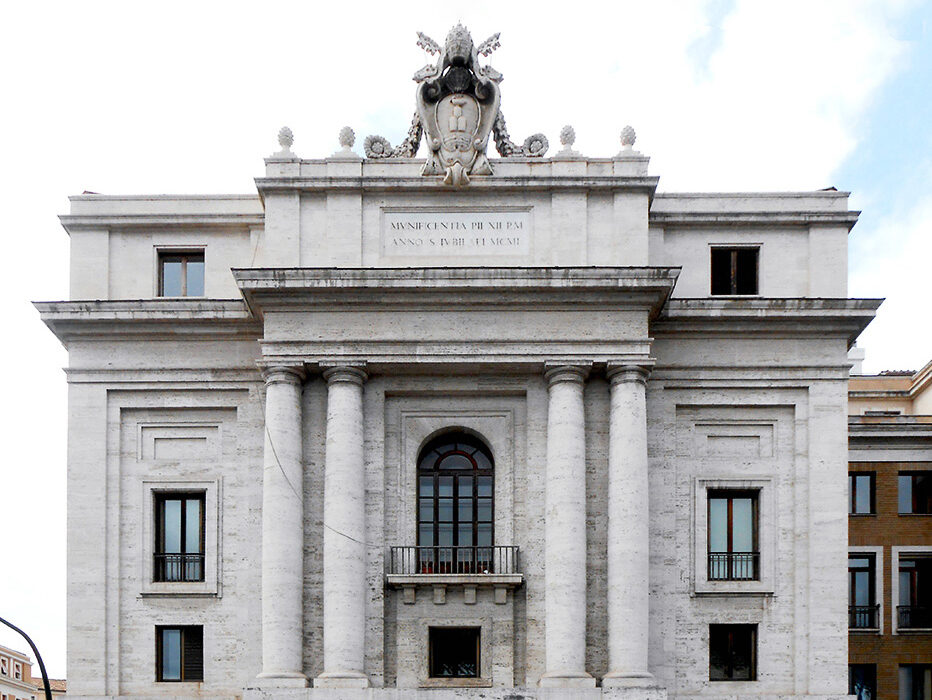
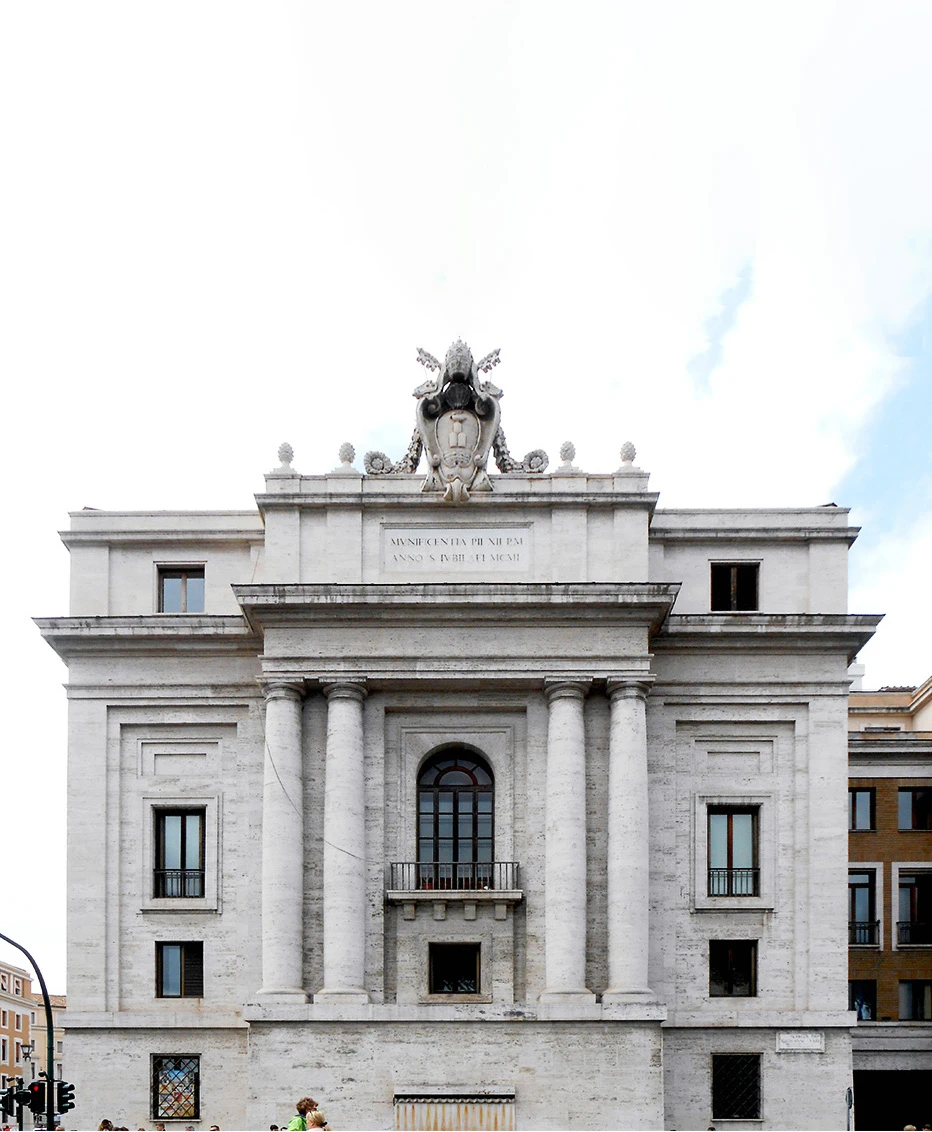
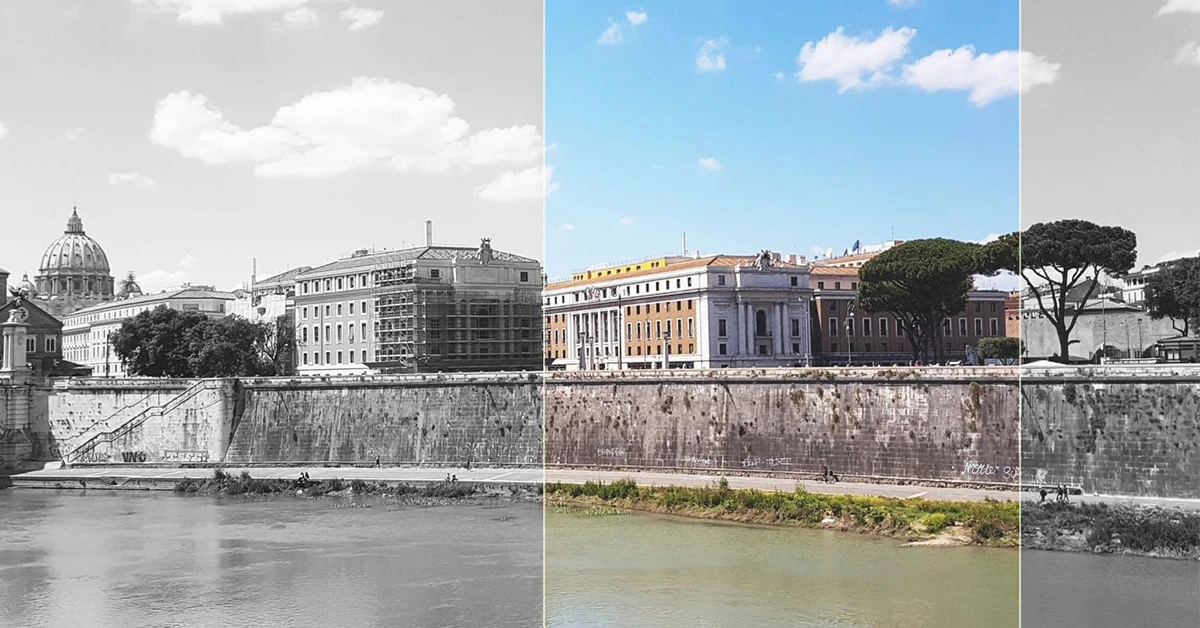
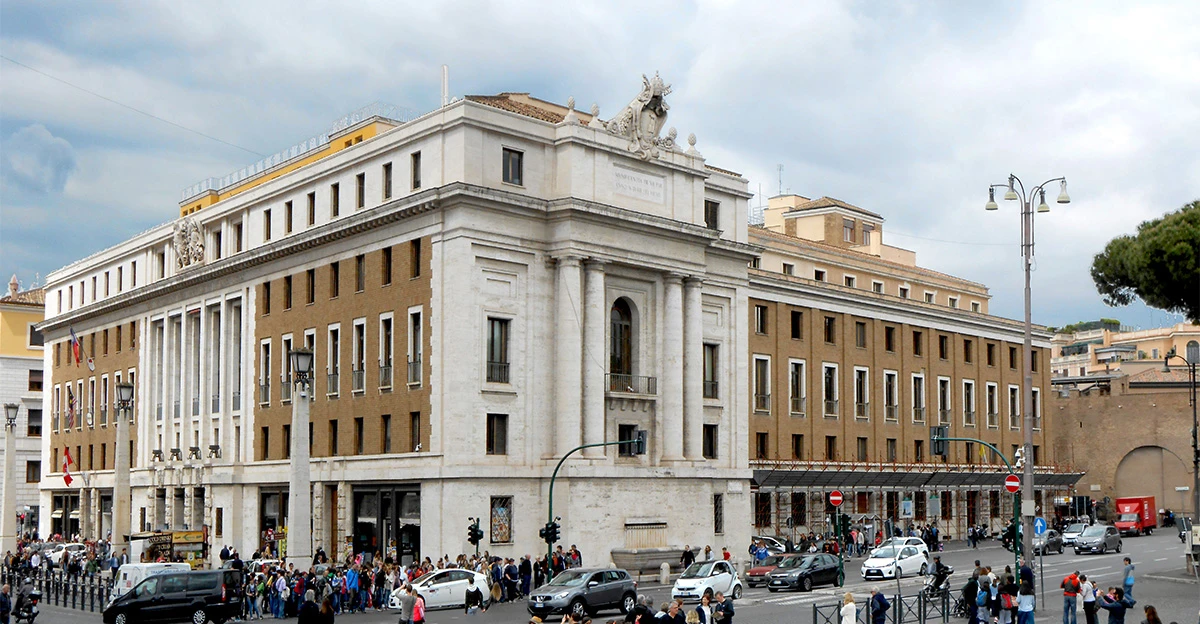
Architectural Survey of Palazzo Pio XII – Rome
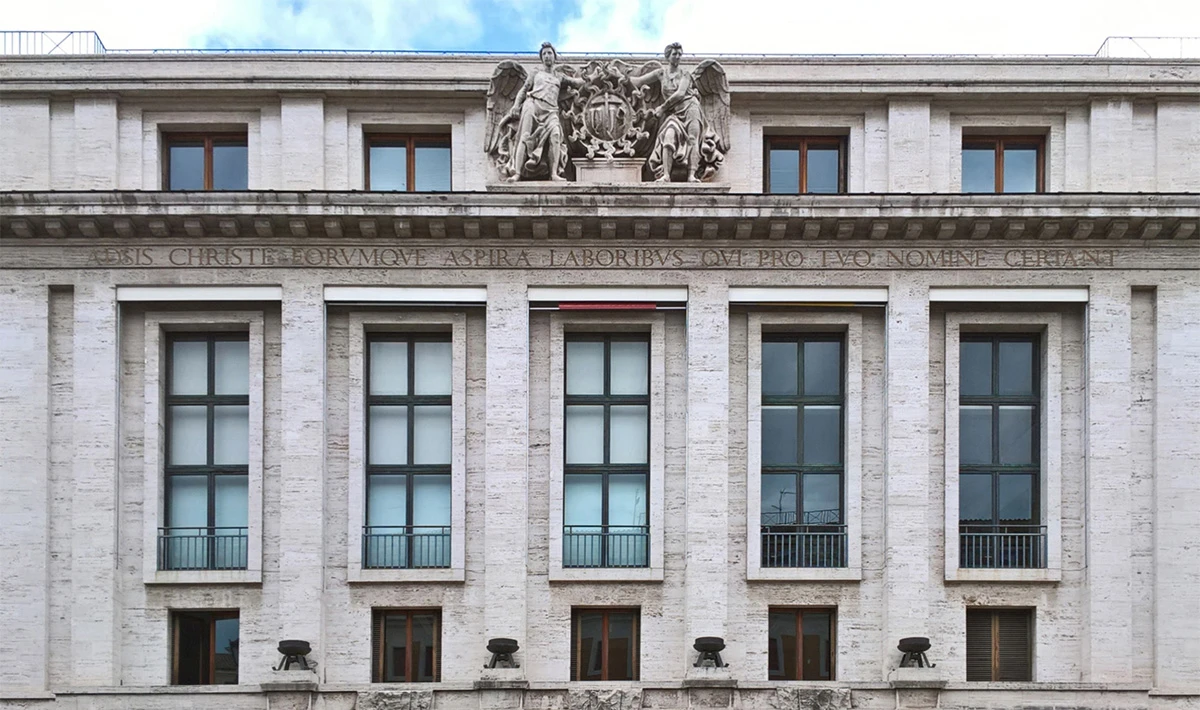
The architectural survey of Palazzo Pio XII, located in the historic center of Rome, is part of a technical documentation activity aimed at developing an in-depth understanding of the building and providing a reliable basis for subsequent design, analysis, and asset management phases.

The intervention falls within the broader field of historic building surveys, with a strong focus on the accurate representation of geometries, construction features, and the overall state of conservation.

Objectives of the architectural survey

The survey activities were aimed at the faithful reconstruction of the building, both in plan and elevation, delivering a comprehensive knowledge framework of the existing structure. The survey represents a fundamental tool to support potential maintenance, refurbishment, or functional adaptation interventions.

Data acquisition and representation methodology

The survey was carried out through a combination of direct and indirect surveying techniques, integrating traditional measurements with advanced data acquisition methods. The graphic output provided accurate and coherent drawings, suitable for subsequent architectural and technical design phases.

Special attention was given to metric accuracy, drawing clarity, and the correct interpretation of complex geometries typically found in historic buildings.

Survey as a foundation for existing-building design

The architectural survey of Palazzo Pio XII represents a strategic preliminary phase for any intervention on the existing building. A detailed understanding of the as-built condition reduces design uncertainties, improves interdisciplinary coordination, and supports informed and context-sensitive design decisions.

Technical and documentary value of the intervention

The survey activities produced a complete and structured technical documentation set, valuable not only for design purposes but also for the long-term management and conservation of the building. The adopted approach reflects quality standards, methodological rigor, and reliability required for interventions on historic and institutional buildings.

PLACE

Roma

CLIENT

A.P.S.A. - Amministrazione Patrimonio Sede Apostolica

WORK PERIOD
ACTIVITY

Architectural survey
Diagnostic

TYPOLOGY

Restoration of Listed Cultural Heritage

INTENDED USE

Institutional

WORK AMOUNT
WORKING GROUP

Studio Paci Srl